Usuba
Usuba
Currant
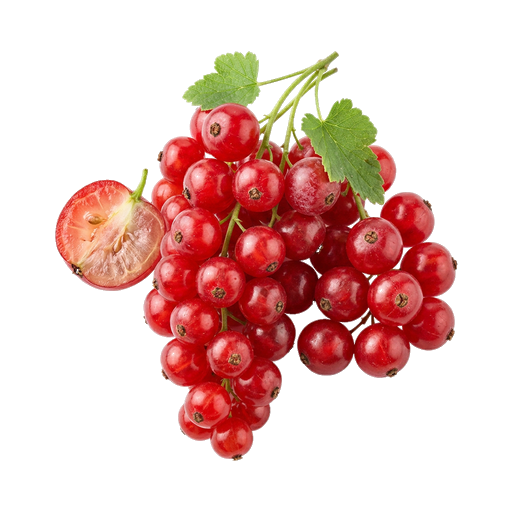
Currant is a berry with a bright tart-sweet flavor and delicate aroma that works wonderfully both fresh and in preserves. Black currant is sweeter and more aromatic, red currant is more tart and lighter, while white currant occupies a middle ground. It is added to compotes, jams, and meat sauces, used for garnishing desserts and in confectionery production; when selecting currants, it is important to pay attention to the integrity of the berries and the saturation of their color, as this indicates ripeness and preservation of beneficial nutrients.
About
Currant is a berry that works in several directions at once. It is both sour and sweet simultaneously, with a bright, recognizable taste and aroma that you won't confuse with anything else. It comes in black, red, and white varieties — each with its own character. In the kitchen, currant is not just an ingredient, but a tool: it can be the star of a dish or a subtle background that supports other flavors.
Taste and aroma
Black currant is the most intense. Its taste is deep, with berry notes and a slight tartness that comes from the skin. The aroma is powerful, almost herbaceous, with hints of black pepper and black currant (yes, exactly that). Red currant is lighter, brighter, more acidic, with fruity freshness. White currant is a rare guest in the kitchen, but it is the sweetest of the three, with a delicate aroma and a transparent taste.
Currant acidity is its main weapon. This acidity does not irritate, but awakens: it makes sweet dishes more lively, helps other ingredients reveal themselves, creates contrast and balance on the palate.
Where blackcurrant works best
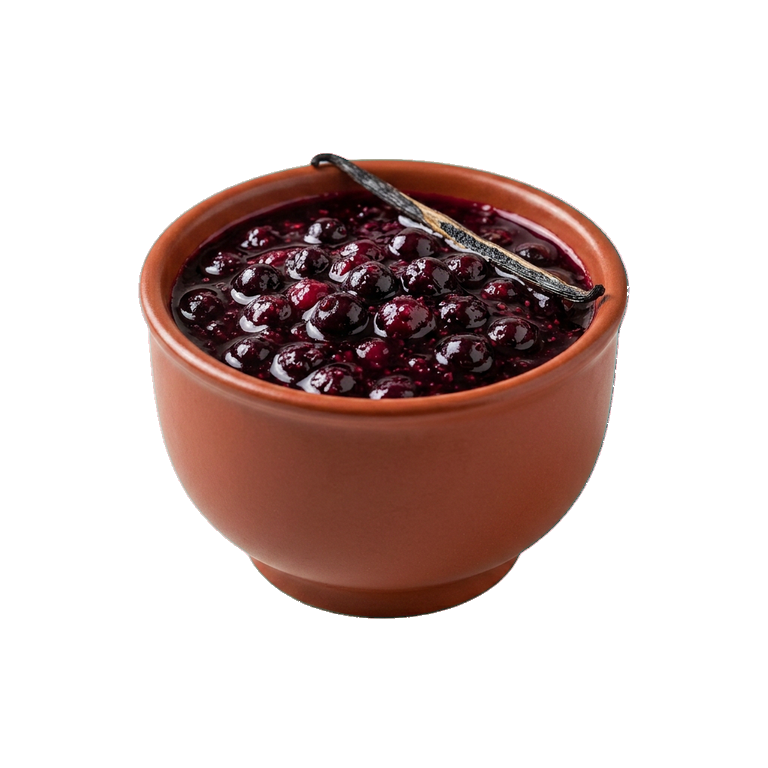
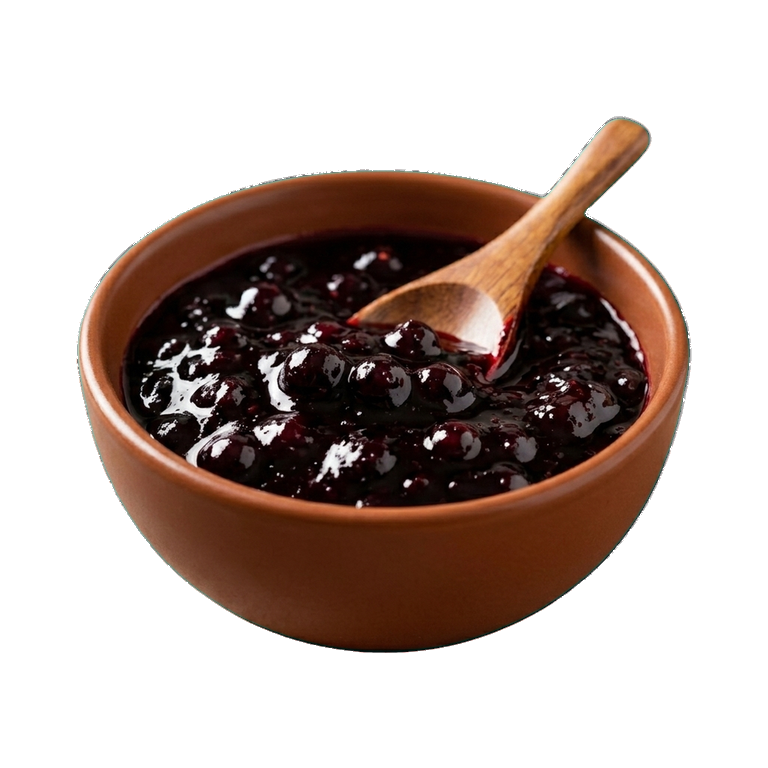
- Jams and preserves — currants here are in their element. Their acidity naturally helps with gelling, and the flavor becomes more concentrated and refined.
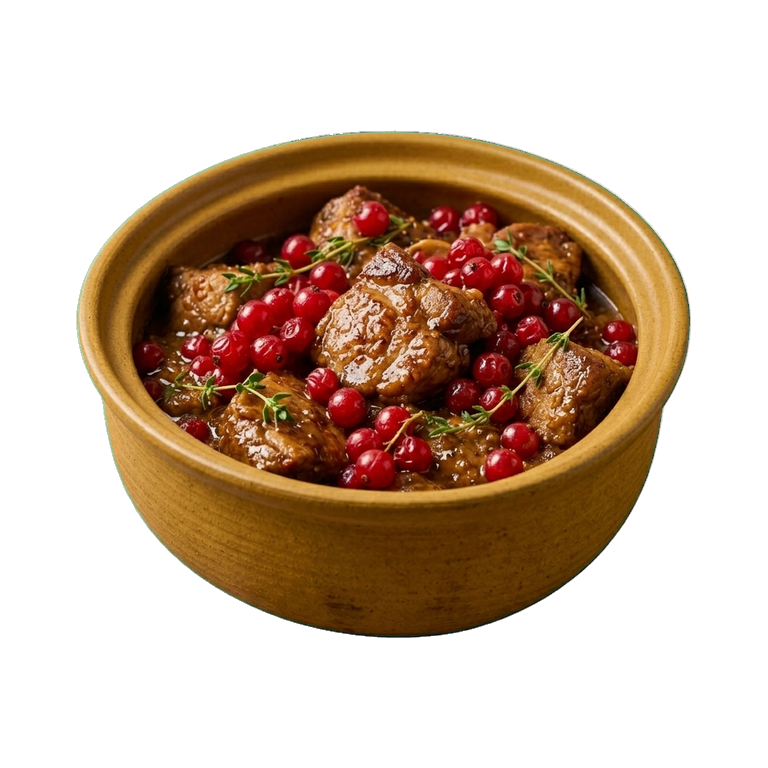
- Sauces for meat and fish — black currants in a sauce for duck or lamb create an elegant counterpoint to richness.
- Compotes and fruit drinks — fresh currants give beverages depth and character without requiring added citric acid.
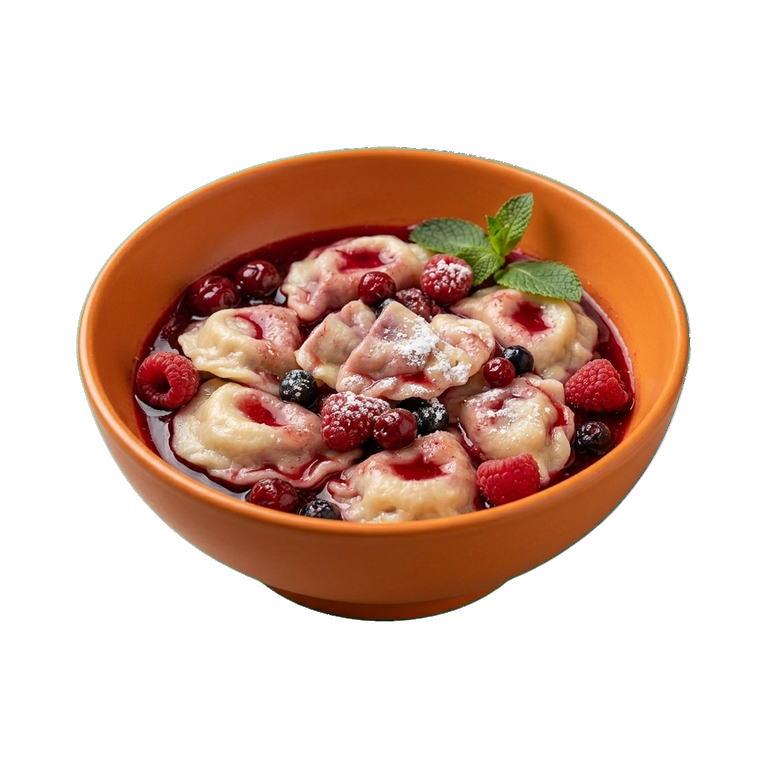
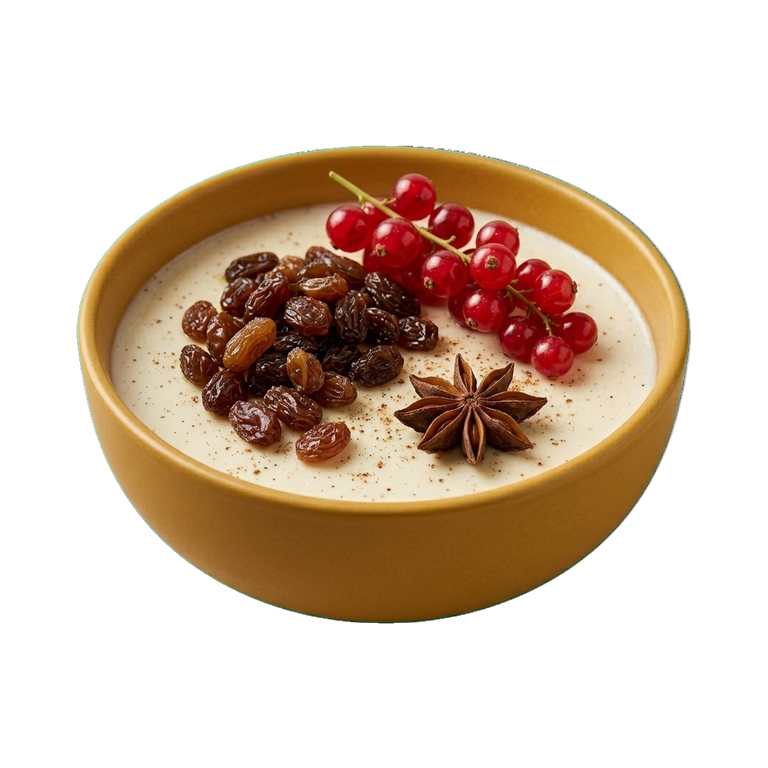
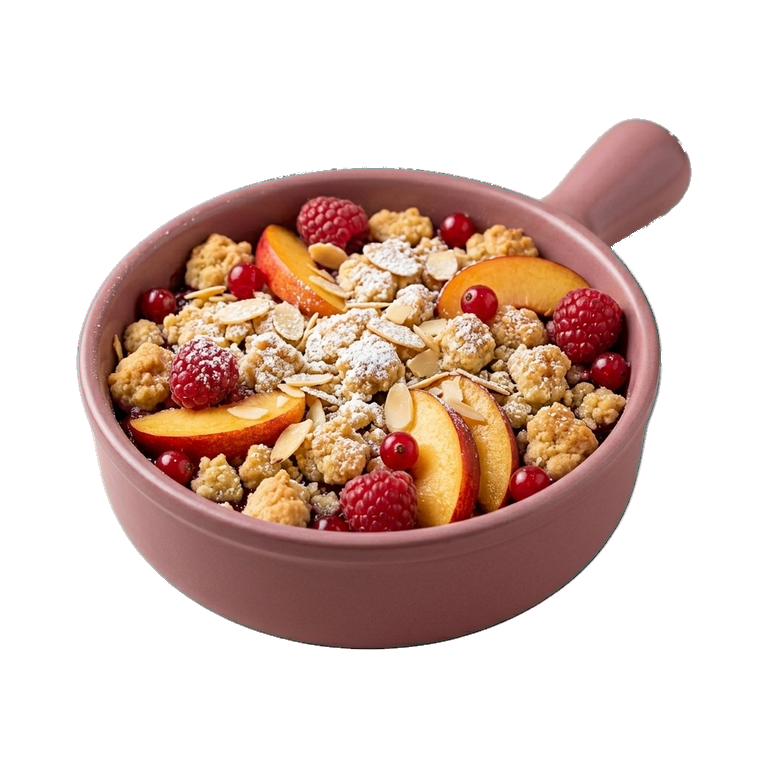
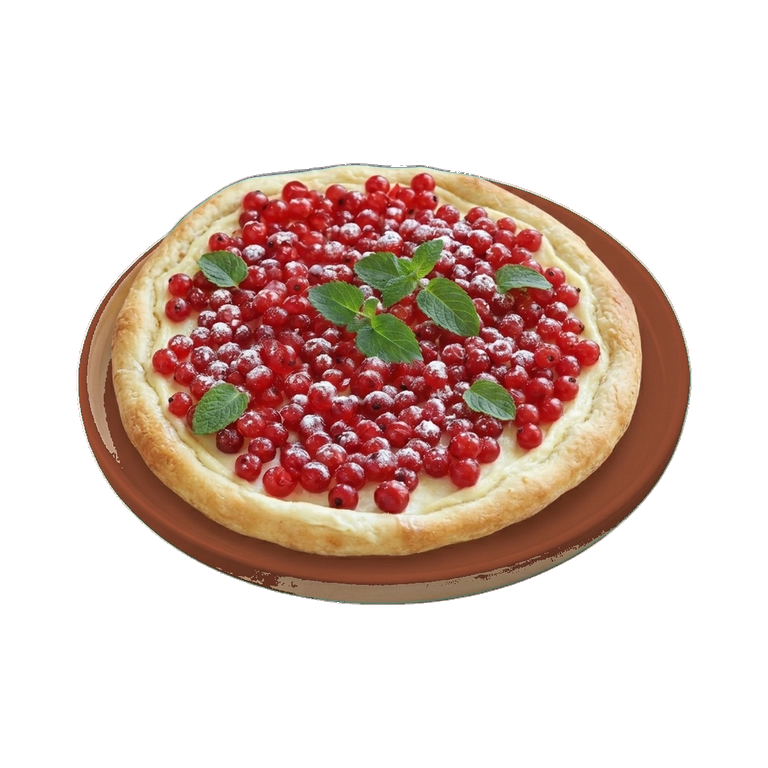
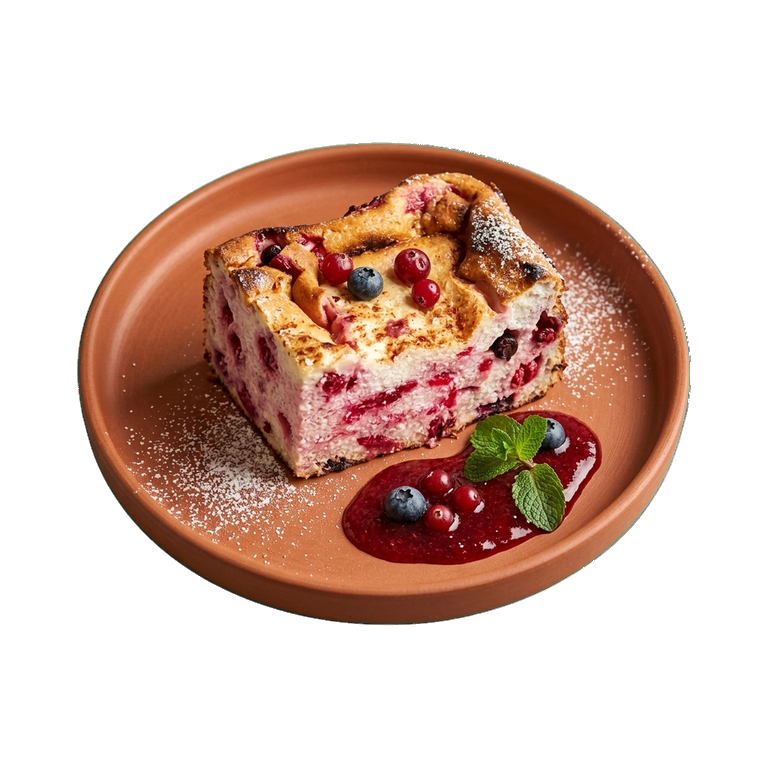
- Baked goods and desserts — pies, mousses, panna cotta with red currants look beautiful and taste more vibrant.
- Coulis and garnishes — fresh red currant berries decorate the dish and add a tart accent to every bite.
What goes well with currant
Currants pair well with other berries — raspberries, blueberries, and strawberries. They work with spices: black pepper, cardamom, cinnamon. Currants appreciate butter in baked goods and cream in desserts. On the table next to them, cottage cheese, yogurt, and honey look good. Black currants feel comfortable alongside duck meat, game, and red fish.
How to choose and store
Fresh currants should be dry, without damage or mold. The berries hold firmly on the twig and do not fall off when shaken gently. Black currants have a matte black color, while red currants have a bright, transparent red color. The aroma should be fragrant and recognizable.
- Currants are stored in the refrigerator for 3–5 days in an open container or on a plate covered with paper towels.
- In the freezer, berries last for several months. Freeze them on a baking sheet, then transfer them to a bag — this way they won't stick together.
- Jam and preserves are stored in jars at room temperature for a year or more.
Currant is a grateful berry. It doesn't require complex preparation, freezes well, and easily turns into jam or juice. But most importantly, it makes a dish better. The acidity of currant awakens your taste buds, its aroma adds depth, and its color pleases the eye. Try it once — and it will become a regular guest in your kitchen.
Nutrition
per 100 g
- Calories
- 44 kcal
- Protein
- 1 g
- Fat
- 0.4 g
- Carbs
- 7.3 g
Measures and weight
- 1 tbsp
- 9 g
- 1 tsp
- 3 g
- 1 cup
- 150 g
Measure calculator
- Weight
- 100 g
- Calories
- 44 kcal