Usuba
Usuba
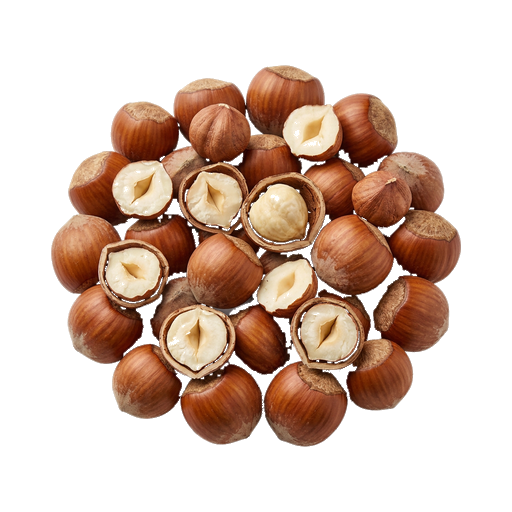
Hazelnut
Hazelnut is a nut with tender, oily flesh and a characteristic sweet nutty flavor with a slight bitterness. Thanks to its high oil content, it is ideal for adding to baked goods, creams, sauces, and chocolate desserts, and works well as a base for nut butters. When choosing, prefer nuts without mold and musty odor, and when substituting with other nuts, keep in mind that hazelnut is less oily than macadamia but more tender than walnut.
Micronutrients
per 100 g
Minerals
Vitamins
About
Aroma and Taste
Hazelnuts are a nut with a delicate, slightly sweet flavor and pronounced nutty aroma. Fresh hazelnuts have a delicate oiliness that unfolds more fully with light roasting. Roasted nuts become more intense, with caramel notes and depth that transforms them from a simple ingredient into a distinctive flavor accent.
A thin brown skin that remains on the kernel adds a slight bitterness. If you prefer a more delicate flavor without this bitterness, the skin is easy to remove by roasting the nuts in the oven and rubbing them with a towel.
Role in dishes
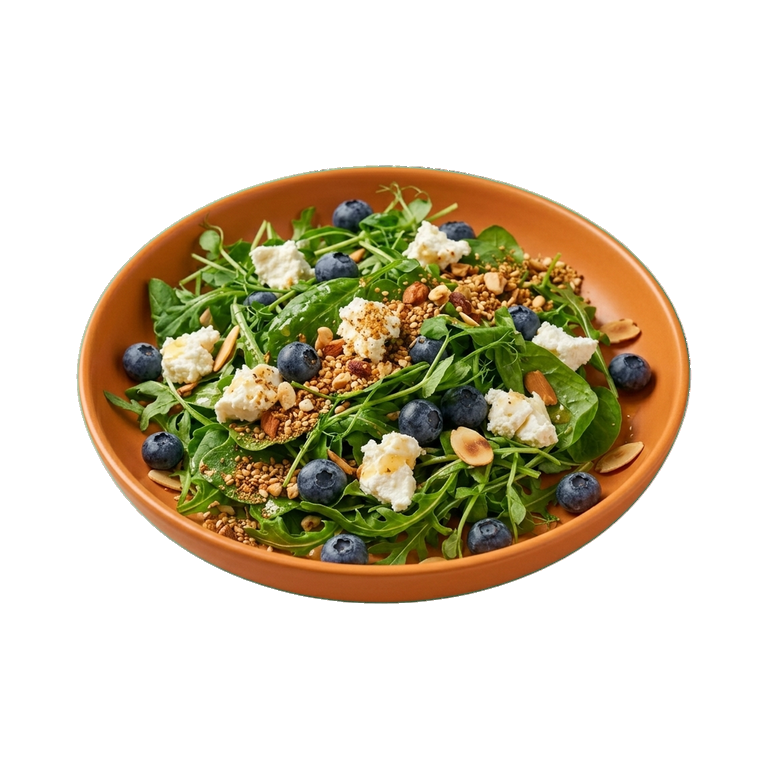
Hazelnut is versatile: it works equally well in sweet and savory dishes. In baking and desserts, it creates a creamy base, in pastes and creams it becomes the main component, and in salads and side dishes it adds texture and richness. Ground hazelnut works well in sauces and as a thickener for creams.
- Whole kernels — for topping, garnishes, adding to salads
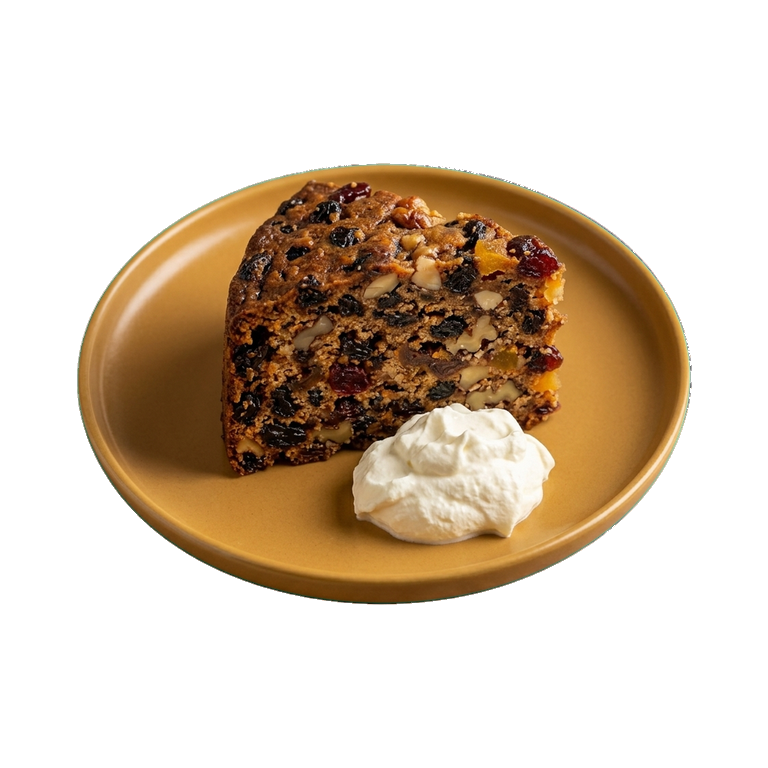
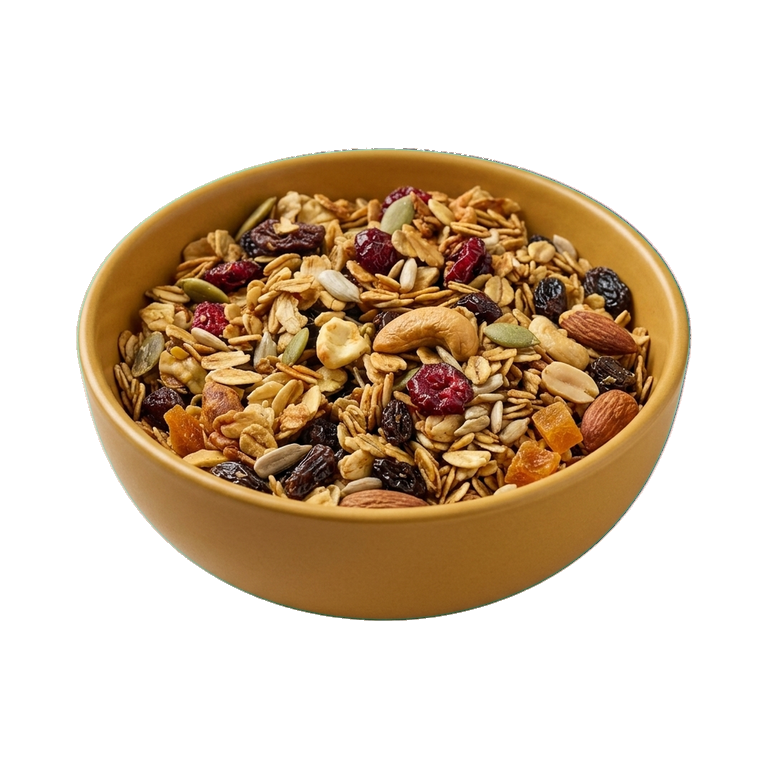
- Chopped hazelnuts — for texture in cookies, cakes, granolas
- Ground hazelnut — for pastes, creams, sauces, breading
- Hazelnut oil — for dressings, baking, adding to cereals
Pairings with other ingredients
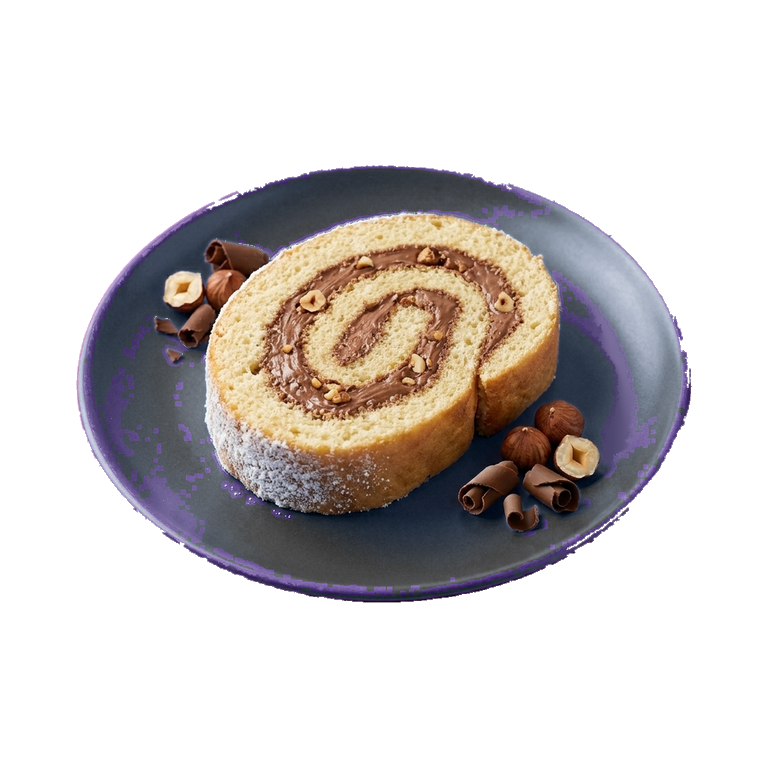
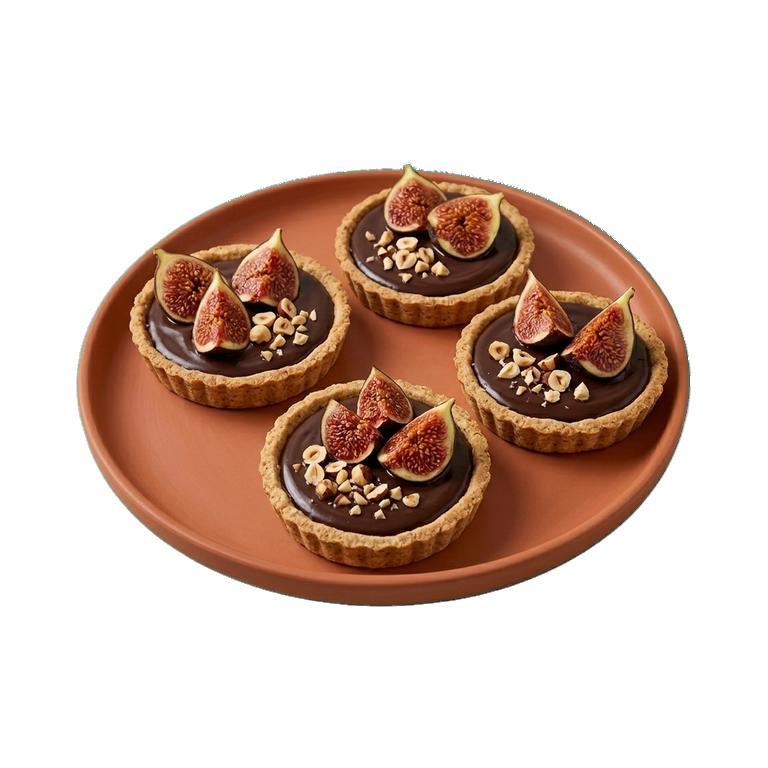
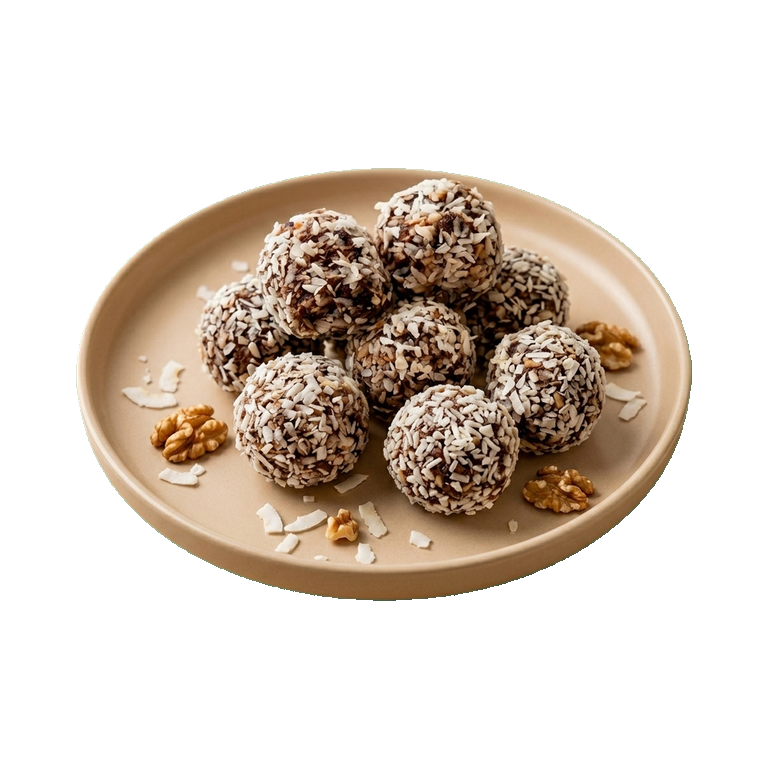
Hazelnuts pair beautifully with chocolate — this is a classic combination that works in all types of desserts. They combine well with coffee, caramel, and vanilla, enhancing their aroma. In savory dishes, hazelnuts go well with herbs (especially parsley and tarragon), garlic and lemon in sauces, and with spicy spices in Middle Eastern dishes.
Selection and Storage
When buying, choose nuts without the smell of mold and mustiness — this is the first sign of improper storage. The kernels should be dense, without visible damage. If you are buying hazelnuts in their shells, shake the package: the nut should not rattle inside.
Hazelnuts are best stored in an airtight container in a cool place — at room temperature they will keep for 2–3 months, in the refrigerator for up to six months, and in the freezer for up to a year. Hazelnut oil lasts longer thanks to natural antioxidants, but it's still better to keep it in a cool place, away from light.
Practical Tips
Before using in recipes, lightly roast hazelnuts in the oven at 160°C for 10–12 minutes — this will reveal the aroma and make the nut more brittle, which will make it easier to grind. If you need a paste, pass the roasted hazelnuts through a food processor several times: first it will be chopped, then it will become powder-like, and then it will release oil and turn into a creamy paste.
Nutrition
per 100 g
- Calories
- 628 kcal
- Protein
- 14.9 g
- Fat
- 60.8 g
- Carbs
- 16.7 g
Micronutrients
per 100 g
Macronutrients
- Fiber
- 9.7 g
- Sugars
- 4.34 g
- Saturated fat
- 4.464 g
- Monounsaturated fat
- 45.652 g
- Polyunsaturated fat
- 7.92 g
- Omega-3 (EPA + DHA)
- 0 g
- Cholesterol
- 0 mg
- Water
- 5.31 g
Minerals
- Sodium
- 0 mg
- Potassium
- 680 mg
- Calcium
- 114 mg
- Magnesium
- 163 mg
- Phosphorus
- 290 mg
- Iron
- 4.7 mg
- Zinc
- 2.45 mg
- Copper
- 1.73 mg
- Manganese
- 6.18 mg
- Selenium
- 2.4 mcg
Vitamins
- Vitamin A (RAE)
- 1 mcg
- Vitamin D
- 0 mcg
- Vitamin E
- 15.03 mg
- Vitamin K
- 14.2 mcg
- Vitamin C
- 6.3 mg
- Vitamin B1 (thiamin)
- 0.64 mg
- Vitamin B2 (riboflavin)
- 0.11 mg
- Vitamin B3 (niacin)
- 1.8 mg
- Vitamin B5 (pantothenic acid)
- 0.92 mg
- Vitamin B6
- 0.56 mg
- Vitamin B9 (folate, DFE)
- 113 mcg
- Vitamin B12
- 0 mcg
Measures and weight
- 1 tbsp
- 9.8 g
- 1 tsp
- 3.3 g
- 1 cup
- 162.5 g
- 1 pcs
- 1.2 g
Measure calculator
- Weight
- 100 g
- Calories
- 628 kcal