Usuba
Usuba
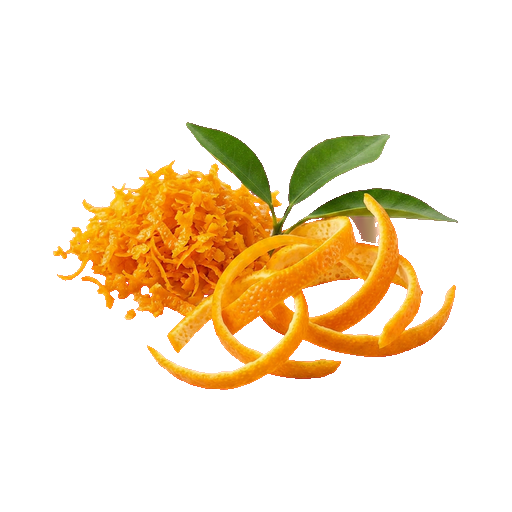
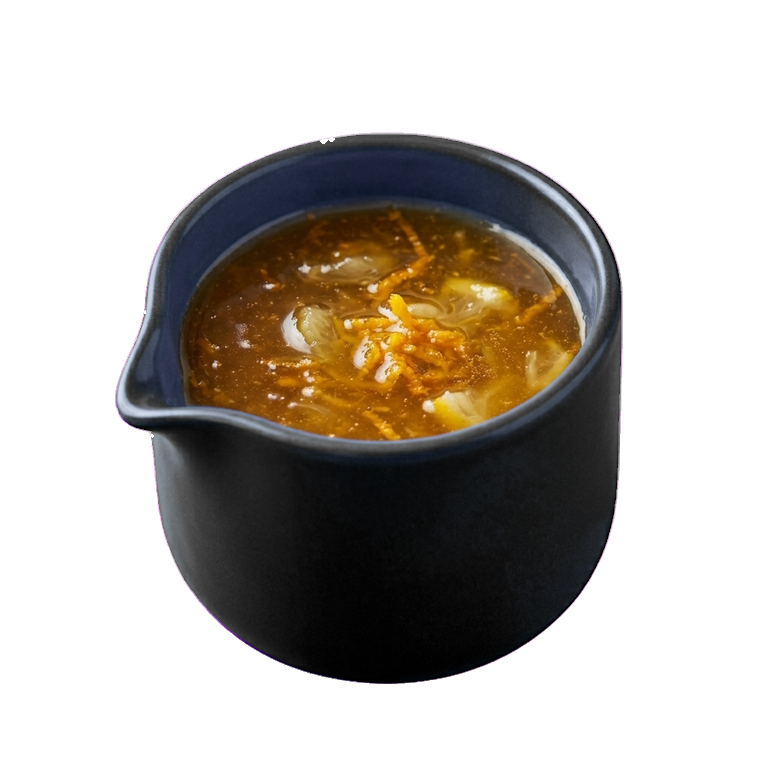
Orange zest
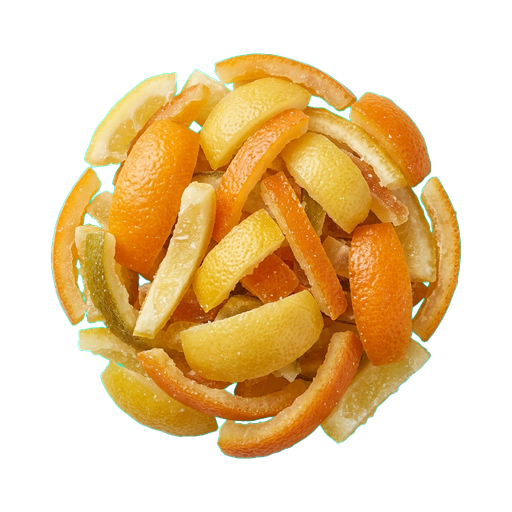
Orange zest is a thin upper layer of peel with a vibrant orange color, rich in essential oils and acidity. It has an intense sweet-bitter aroma with fruity notes that unfolds instantly when grated or sliced. Used in baking, desserts, sauces, and cocktails to add freshness and depth of flavor; when selecting, prefer undamaged fruits with smooth skin, and when substituting, you can use lemon or lime zest, keeping in mind that they are more acidic.
About
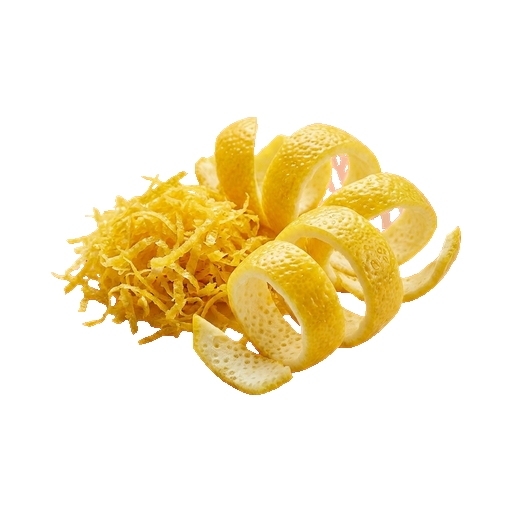
Orange zest is the upper layer of the peel, where all essential oils and aromatic substances are concentrated. This is precisely why it is so valued in cooking: just a few grams of zest can dramatically change the character of a dish. It is not merely a garnish, but a full-fledged ingredient with its own flavor and aroma.
Aroma and Taste
Fresh zest smells bright and invigorating — it's a clean, slightly bitter orange aroma without the sweetness of the flesh. It tastes bitter, with floral notes and a light spiciness. This bitterness is not a drawback, but its main virtue: it balances sweet desserts and adds depth to meat marinades.
Where and how to use it
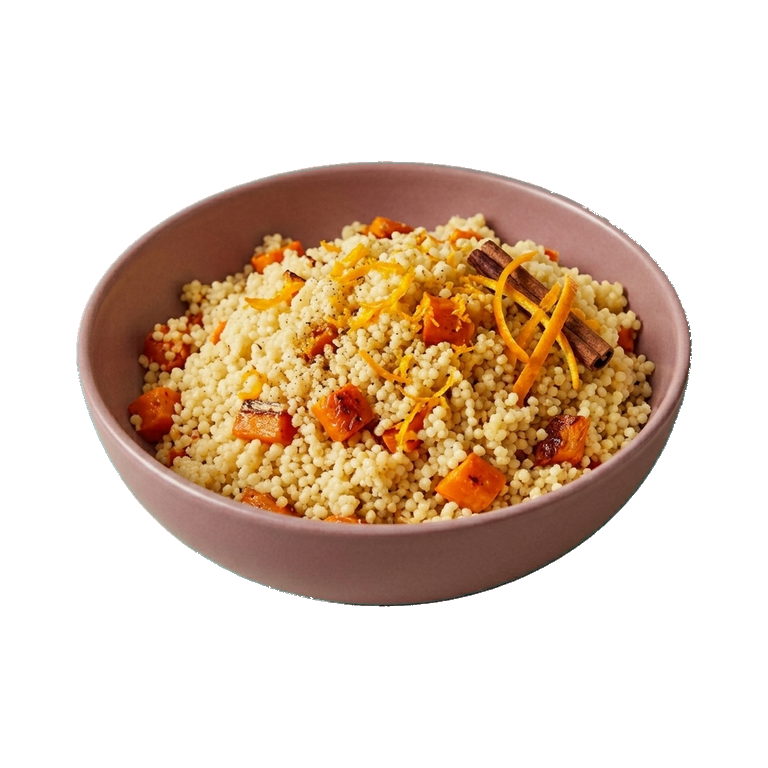
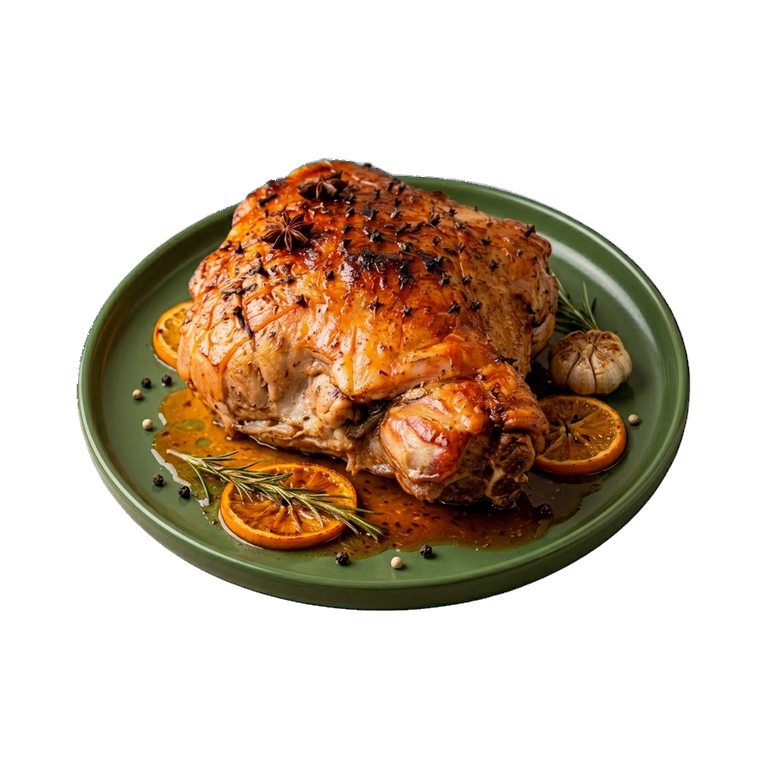
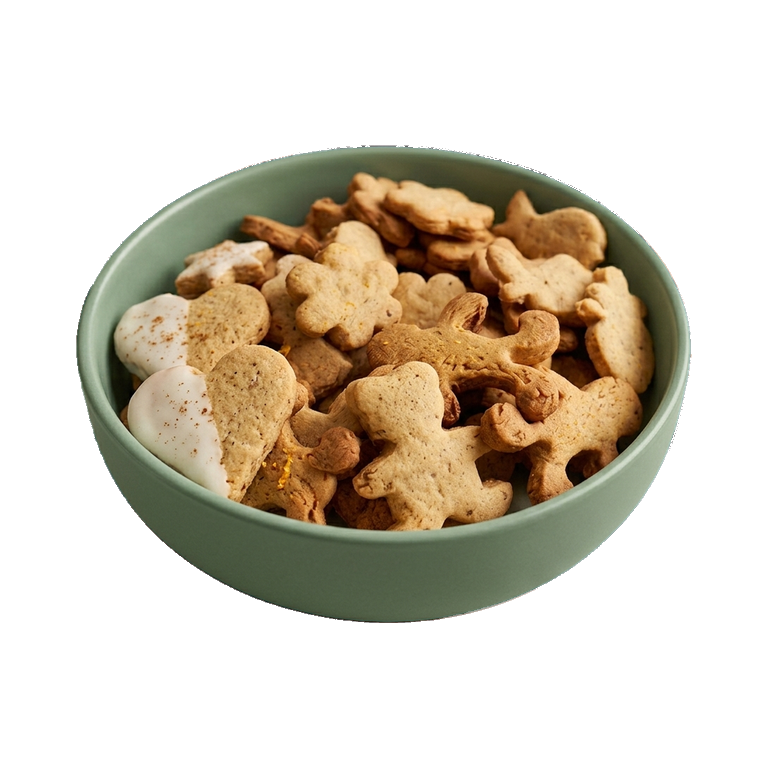
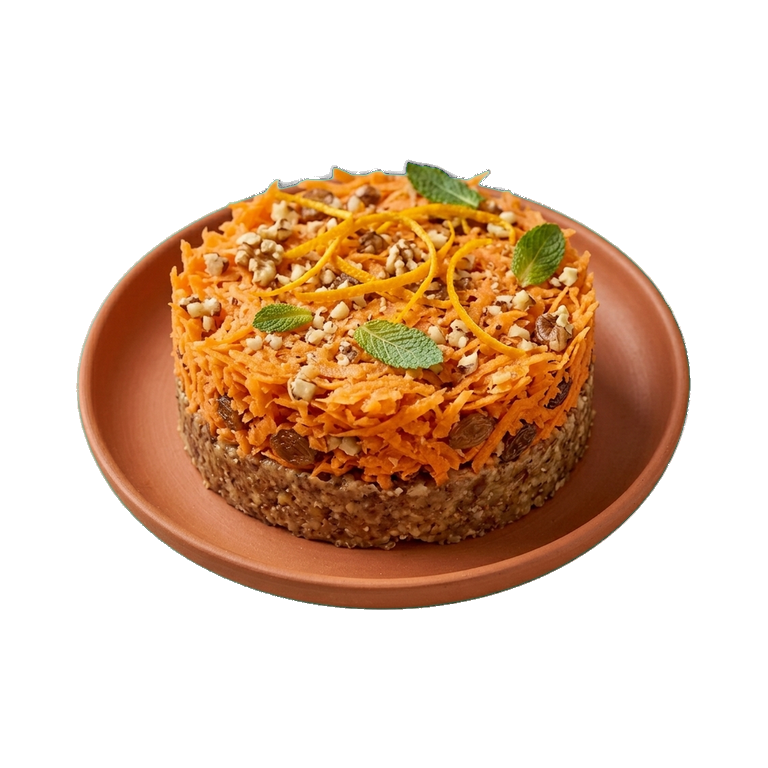
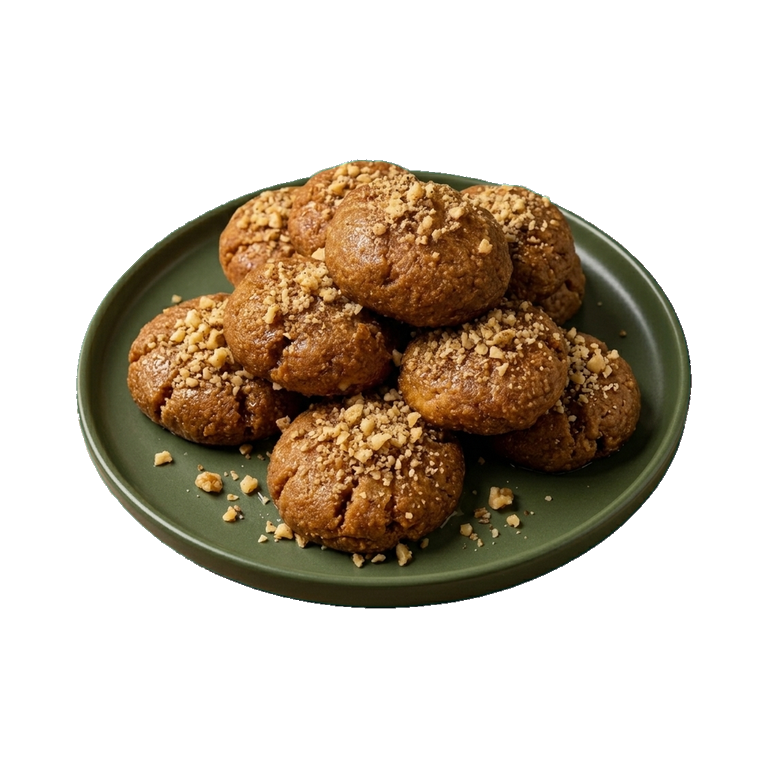
Zest works everywhere you need brightness and freshness. Add it to cookie or cake batter for a subtle, not overly sweet orange flavor. Sprinkle it over chocolate mousse to bring it to life. Grate it into a marinade for duck or pork — the meat will become more aromatic, and the sauce more interesting.
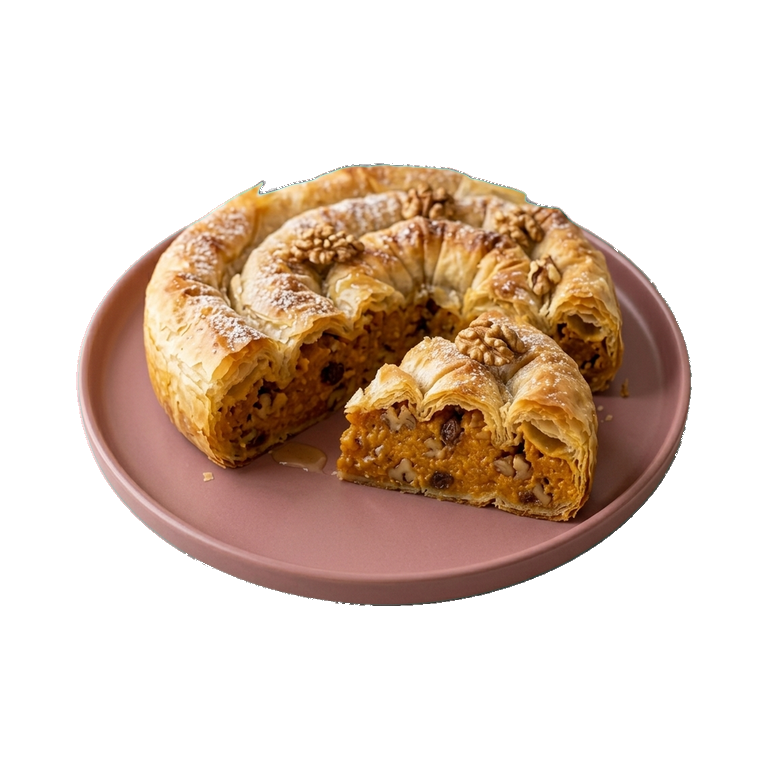
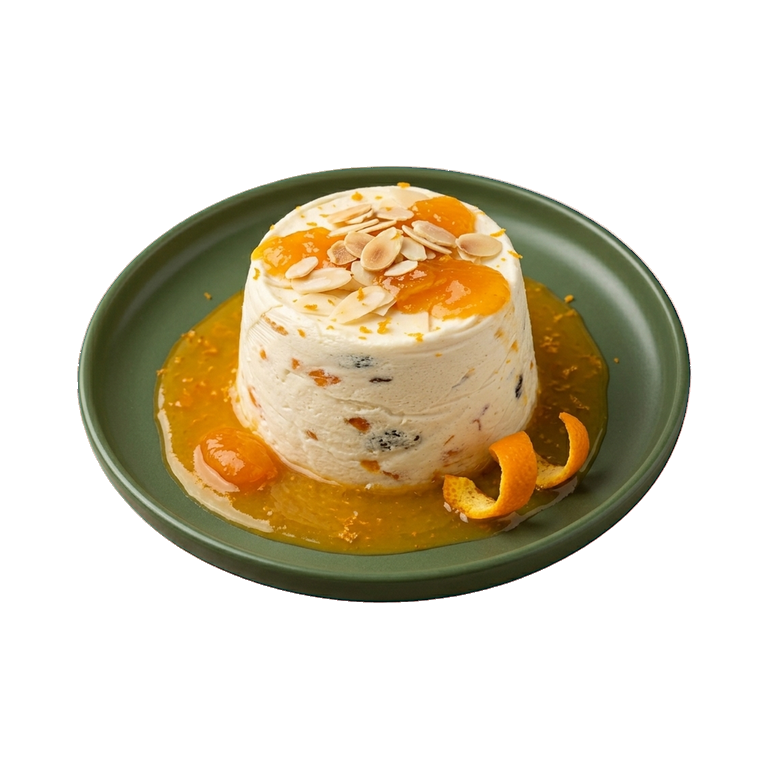
- Desserts and baking: cookies, cupcakes, panna cotta, ice cream
- Sauces and marinades: for meat, fish, in vinaigrettes
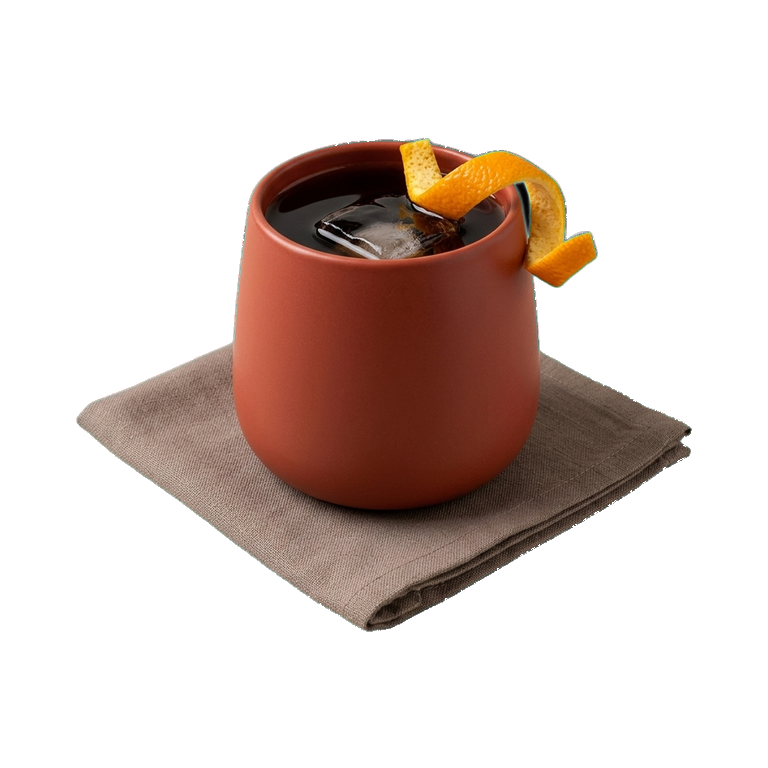
- Beverages: tea, hot chocolate, cocktails
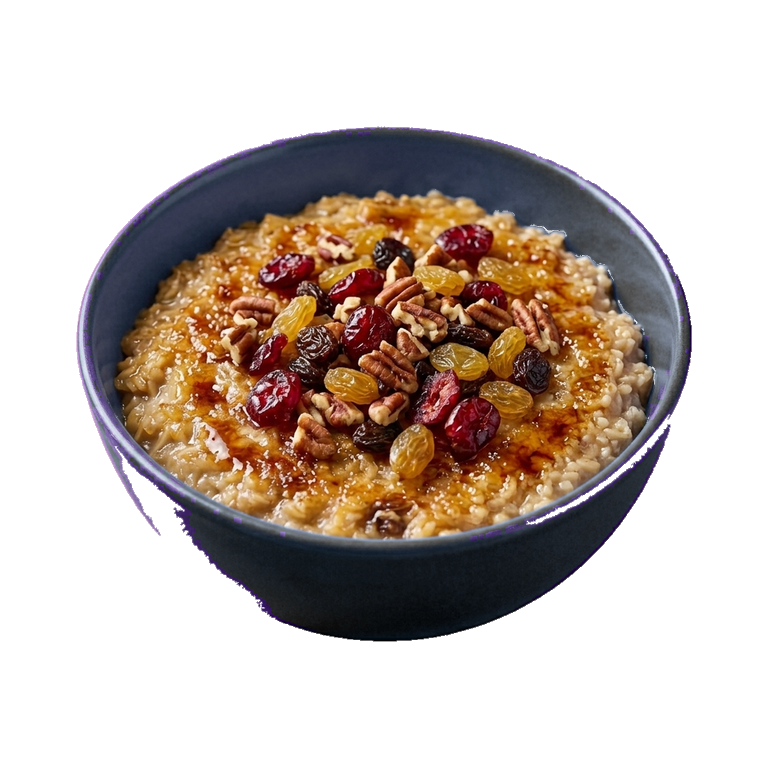
- Cereals and cottage cheese dishes: for freshness and aroma
Successful Pairings
Orange zest pairs beautifully with vanilla, cinnamon, and cloves — a classic winter trio. With black pepper, it creates a piquant contrast. It works well alongside dark chocolate, caramel, honey, and butter. In meat dishes, its partners are rosemary, thyme, and garlic.
Selection and Storage
Choose oranges with thin skin and a strong aroma — these are signs of ripeness and saturation with essential oils. Before use, wash the fruit under hot water to remove wax and dirt. Remove the zest with a microplane or grater, being careful not to touch the white layer under the skin — it is bitter and unpleasant.
- Fresh zest: use on the day of preparation or store in an airtight container in the refrigerator for up to three days
- Dried: spread in a thin layer on paper at room temperature for a week, then transfer to a jar. Keeps for months
- Frozen: grate the zest and place in the freezer in a container or bag — keeps for up to six months
Dried zest is more convenient for storage, but loses to fresh zest in aroma. If you use dried zest, take two to three times less by volume — it is more concentrated. Frozen zest works well in doughs and sauces, but for garnishing a dish, fresh zest is still better.
One tablespoon of fresh zest is enough to flavor an entire cake or marinade for a kilogram of meat. Start small — it's easier to add than to remove.
Nutrition
per 100 g
- Calories
- 97 kcal
- Protein
- 0.7 g
- Fat
- 0.3 g
- Carbs
- 25.5 g
Measures and weight
- 1 tbsp
- 7.5 g
- 1 tsp
- 2.5 g
- 1 cup
- 125 g
Measure calculator
- Weight
- 100 g
- Calories
- 97 kcal