Usuba
Usuba
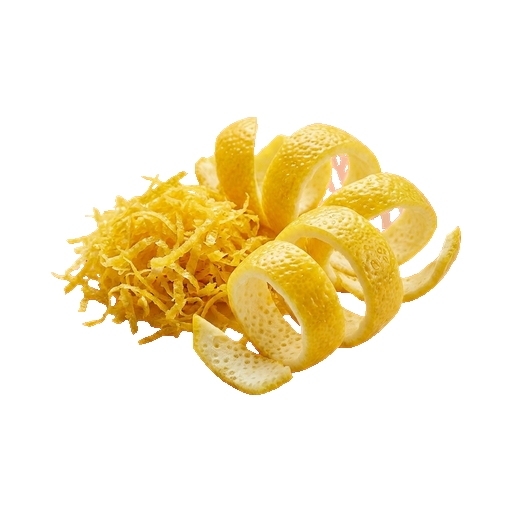
Lemon zest
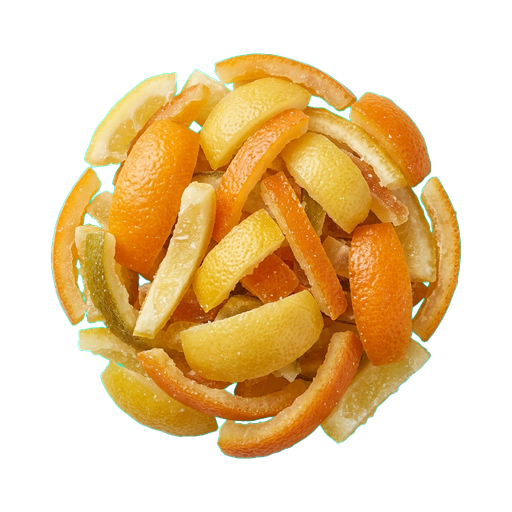
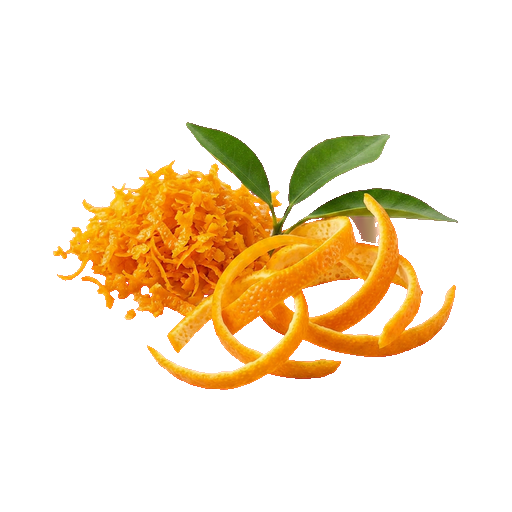
The yellow-colored outer skin of a lemon contains essential oils that give dishes a bright, fresh aroma and a subtle bitterness. It is grated or sliced thinly and added to baked goods, sauces, beverages, and fish dishes. When selecting, prefer firm lemons with smooth skin, and always wash the fruit before use, as the zest comes into contact with the outer surface.
Micronutrients
per 100 g
Minerals
About
Lemon zest is a thin yellow layer of peel that holds all of the lemon's aromatic power. Unlike juice, zest doesn't add acidity to dishes, but rather a bright, fresh aroma and a subtle bitterness that adds depth to the flavor. It's one of the most versatile ingredients in the kitchen: just a few grams can transform the character of a dessert, sauce, or even a main course.
Aroma, taste and texture
Lemon zest smells more intensely than the fruit itself. Essential oils in the peel create a sharp, almost spicy aroma with notes of freshness. To the taste, it is somewhat bitter and slightly astringent, but this bitterness is not unpleasant — it adds contrast. The texture depends on how you prepare it: finely grated zest almost dissolves in the dough, while larger pieces provide noticeable bursts of flavor.
Where and how to use it
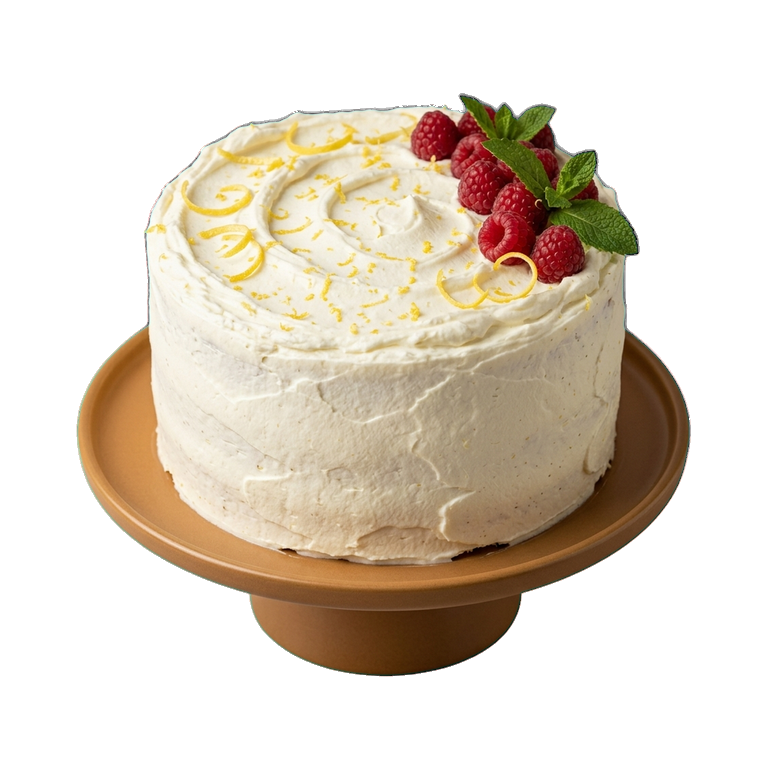
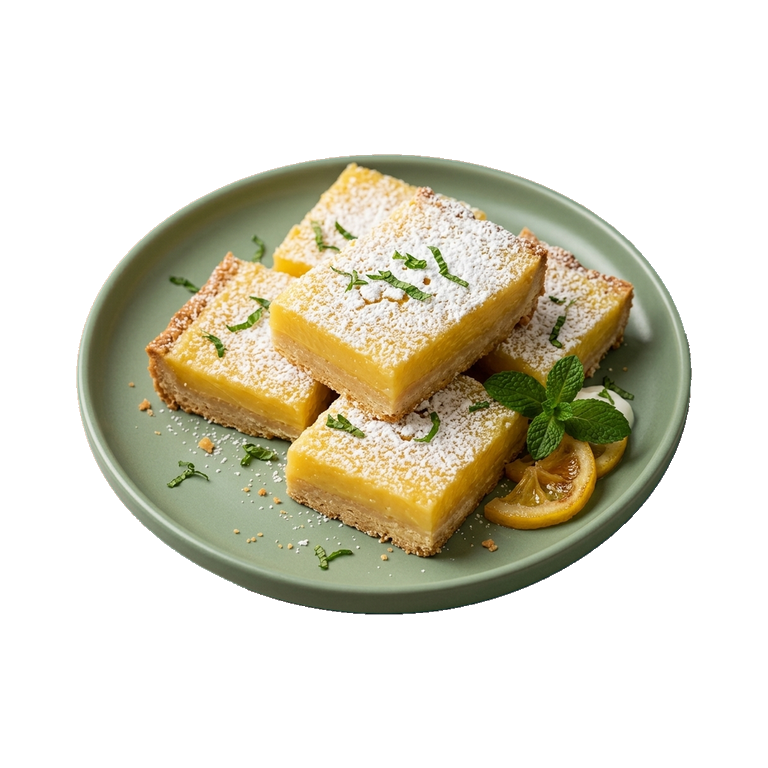
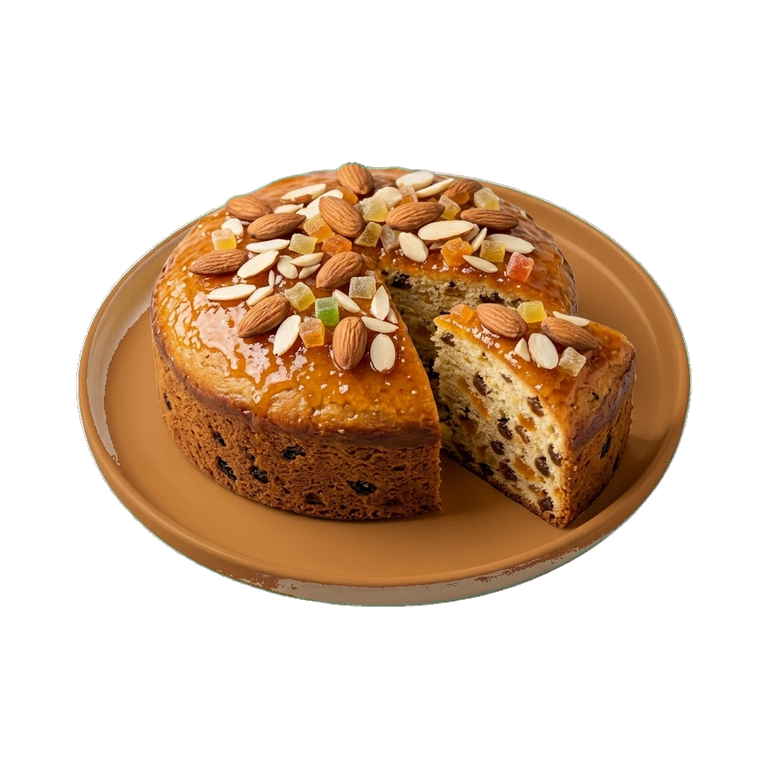
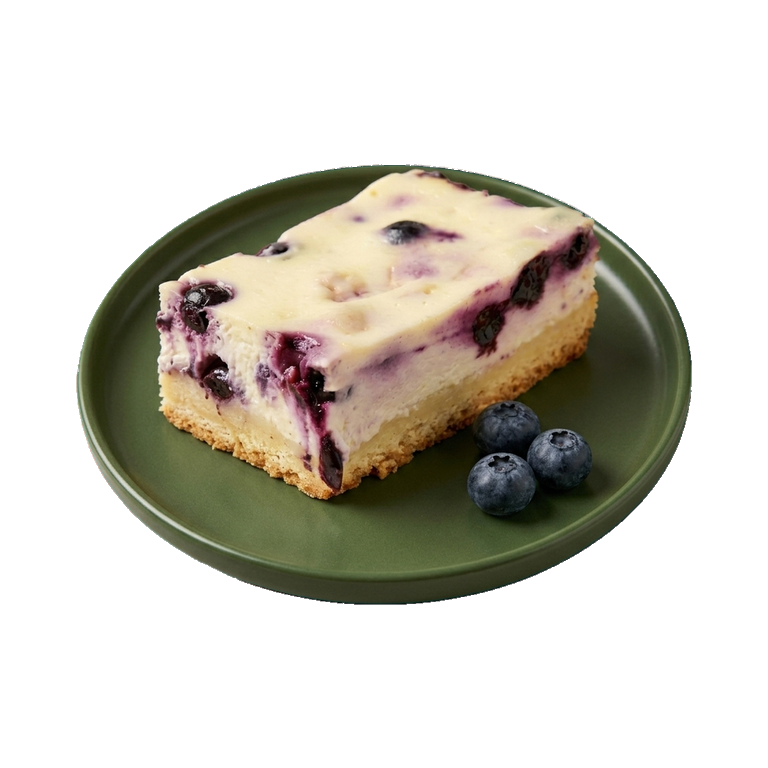
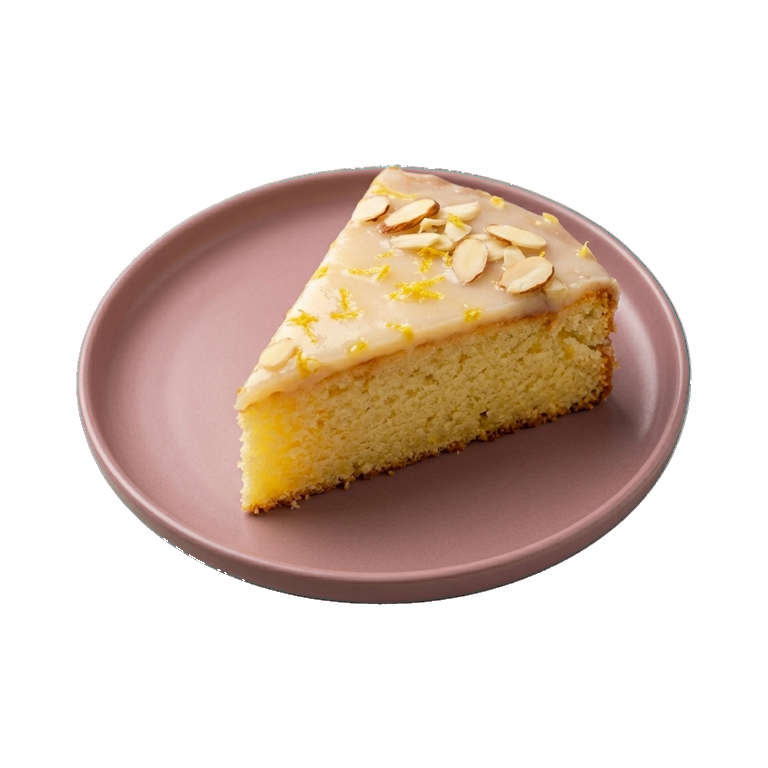
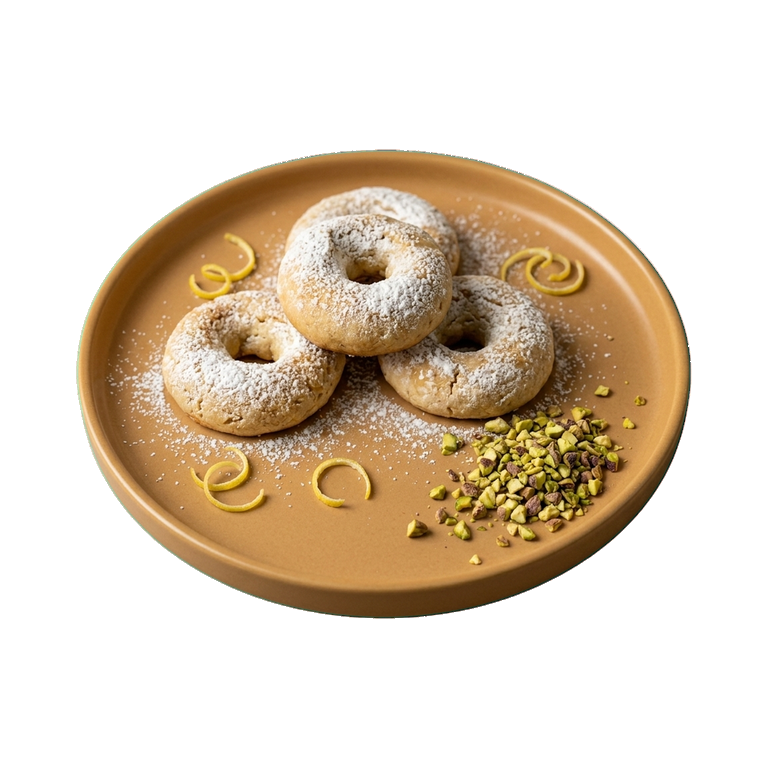
- Baking: cookies, cupcakes, pies, sponge cakes — zest gives them freshness and a light spiciness
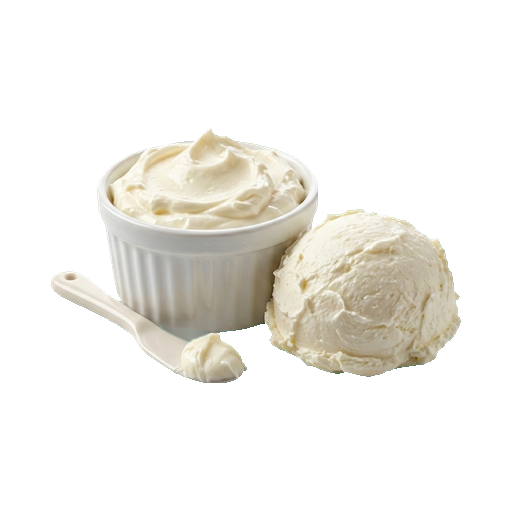
- Creams and mousses: add to butter cream or mascarpone for a bright finish
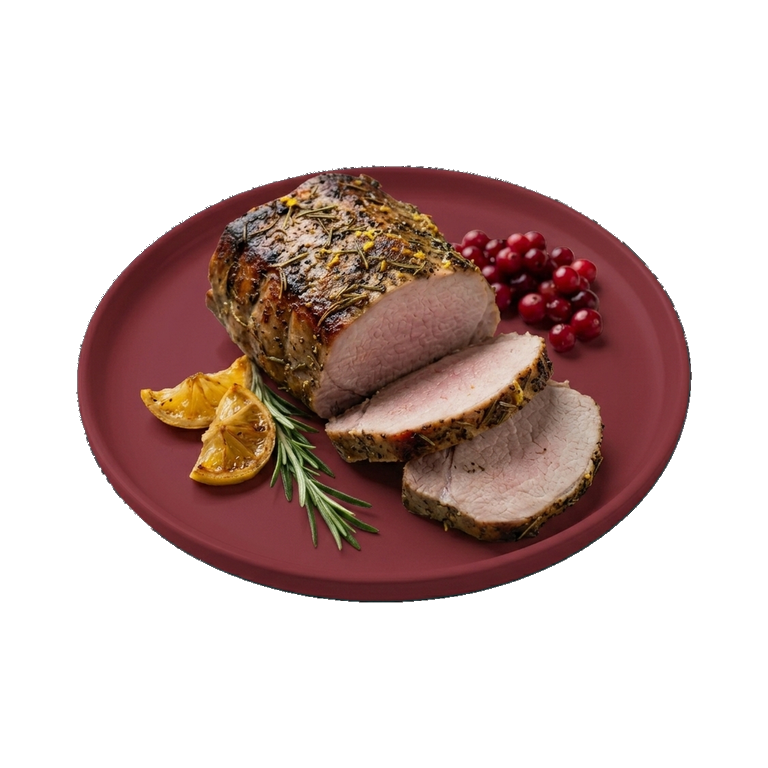
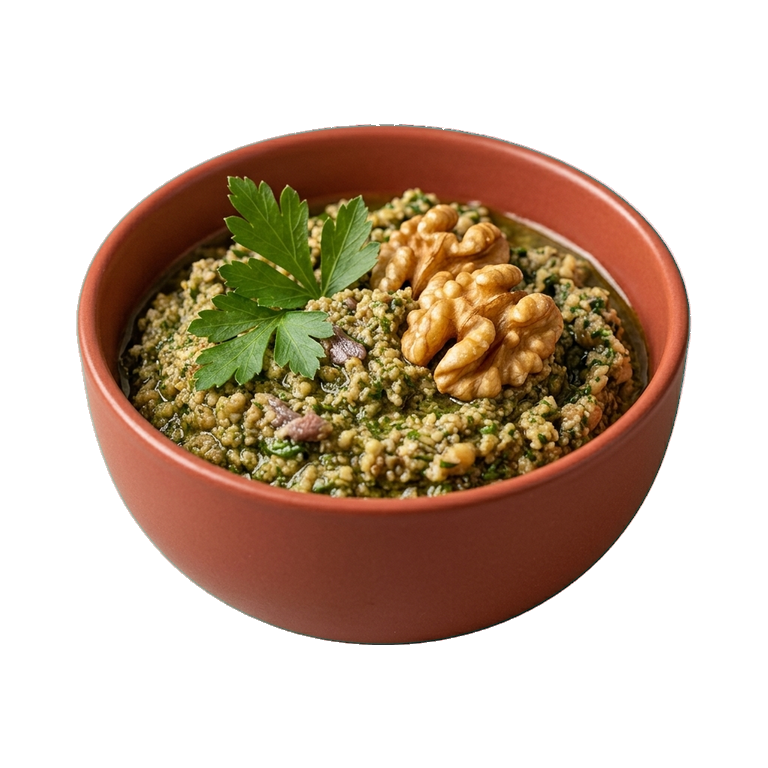
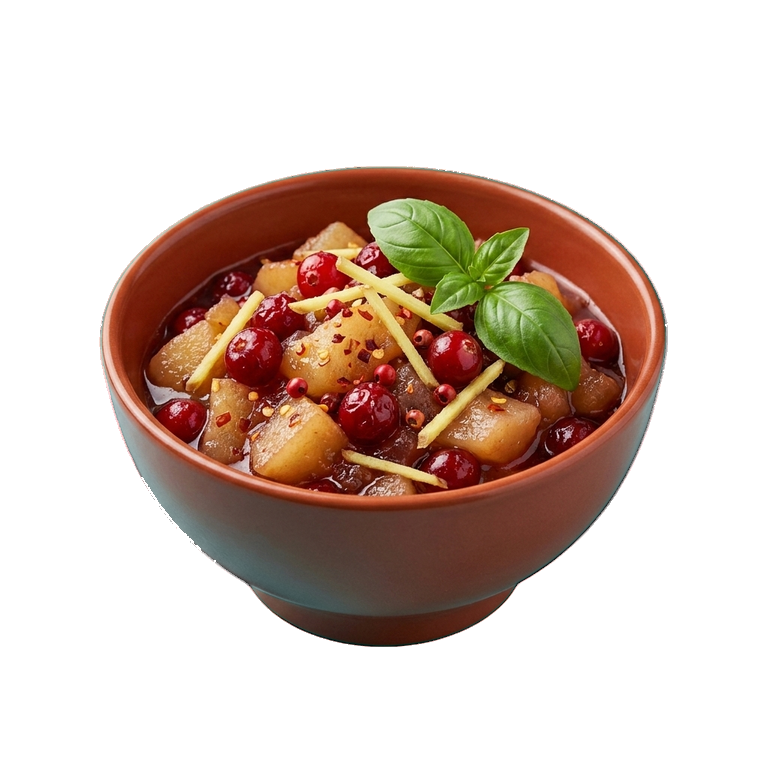
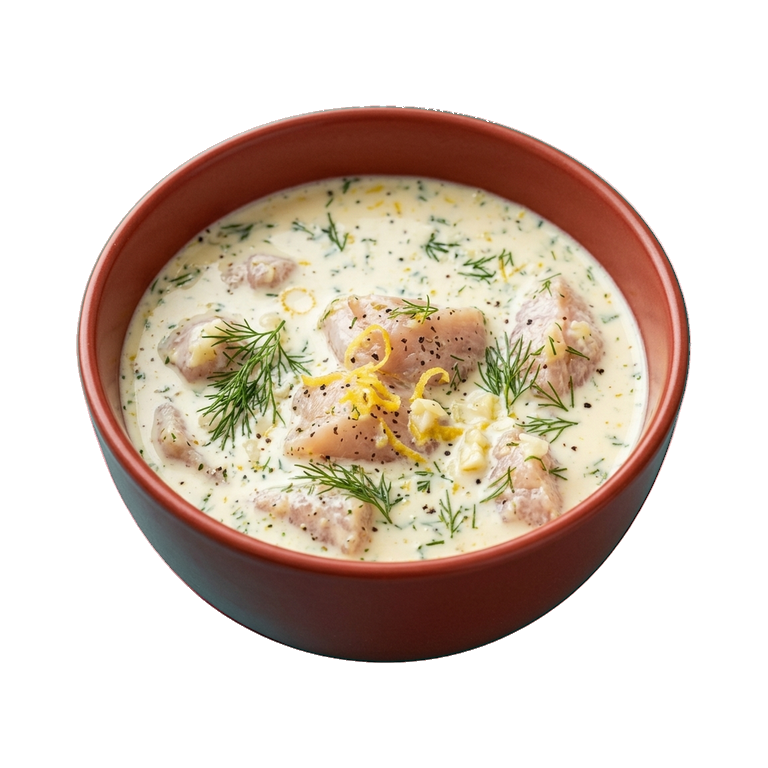
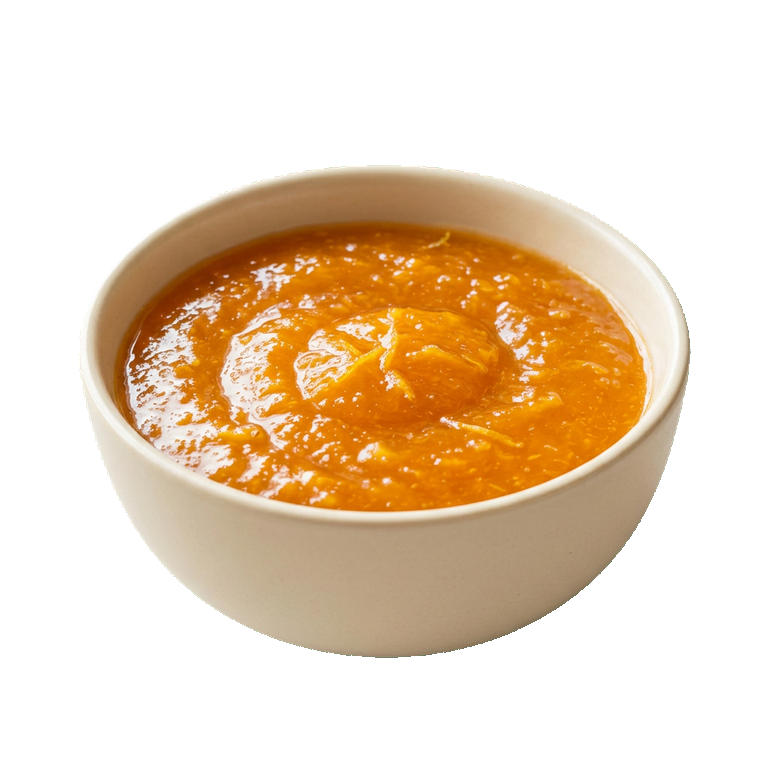
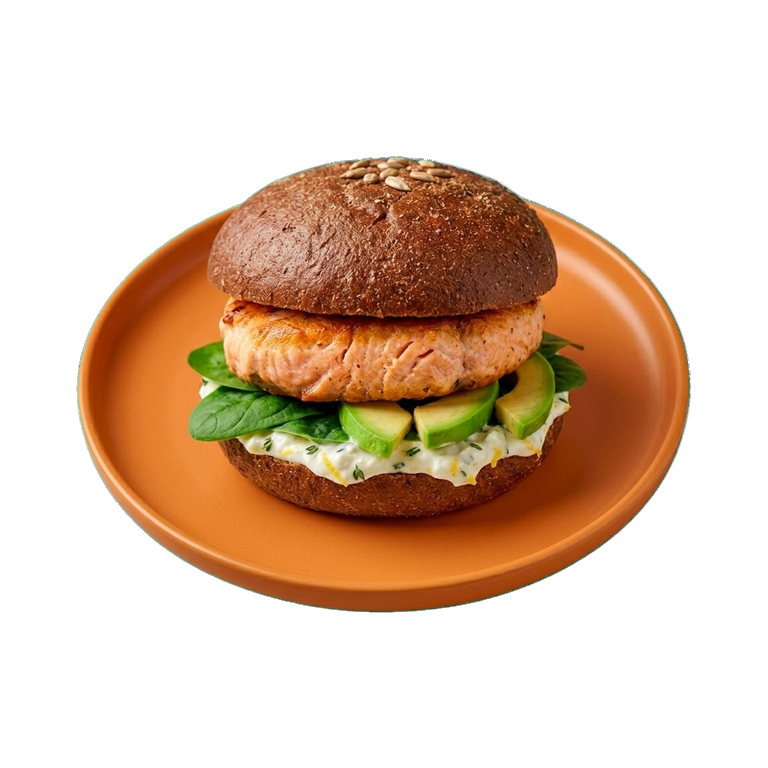
- Sauces and marinades: a pinch of zest enlivens fish and meat sauces
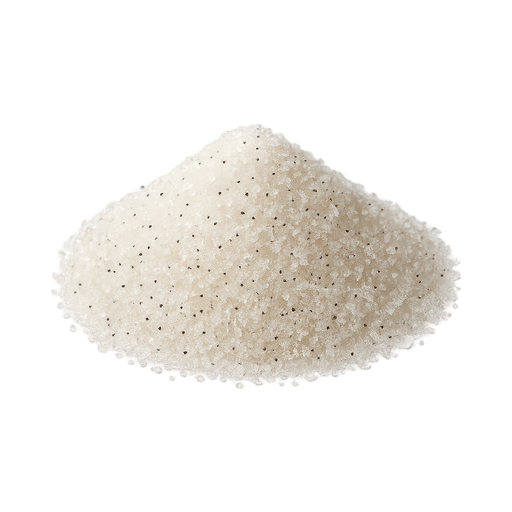
- Sugar and salt: mix with sugar for aromatic sprinkle or with sea salt for seasoning
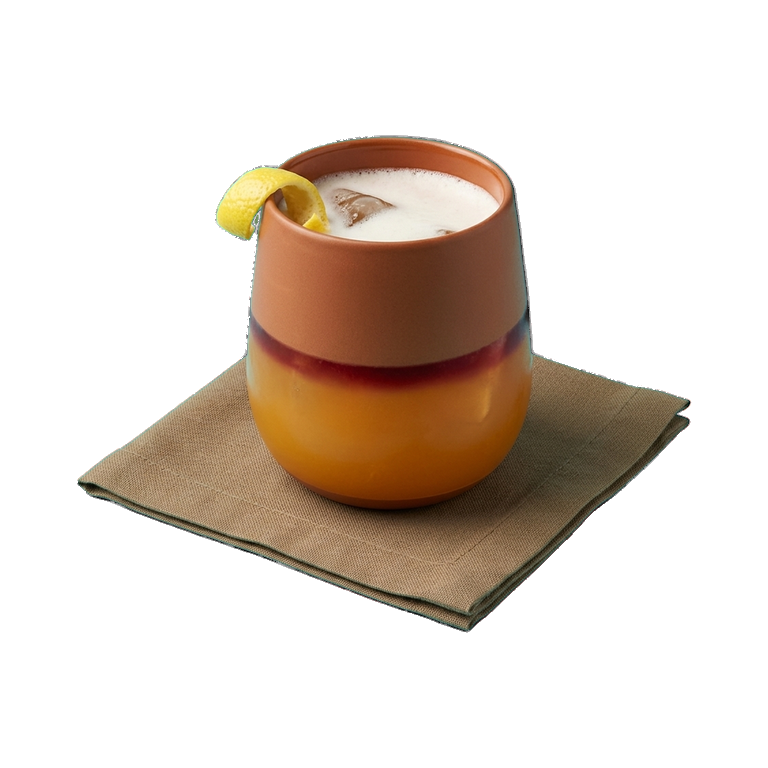
- Drinks: tea, lemonade, cocktails — zest adds depth
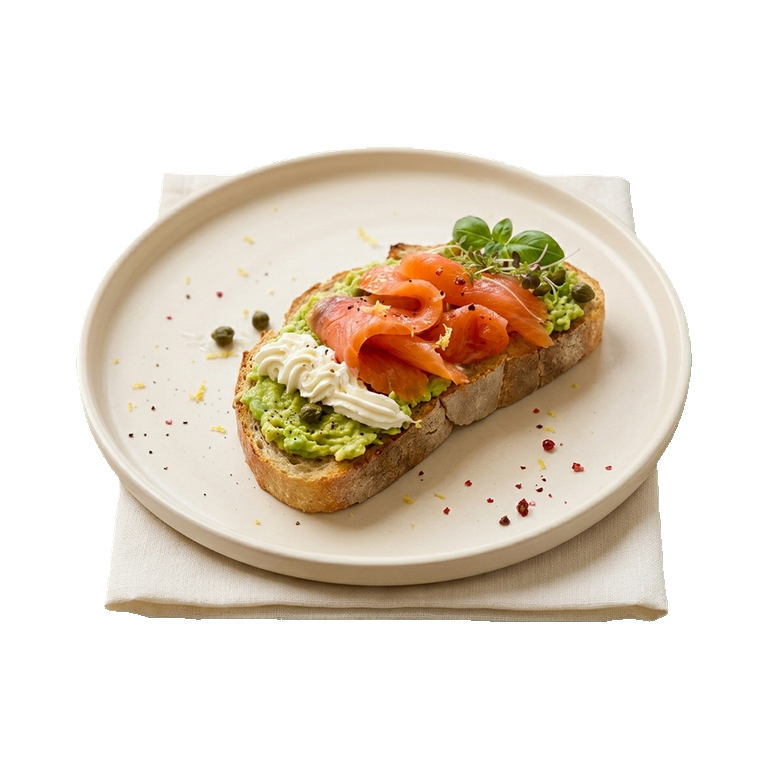
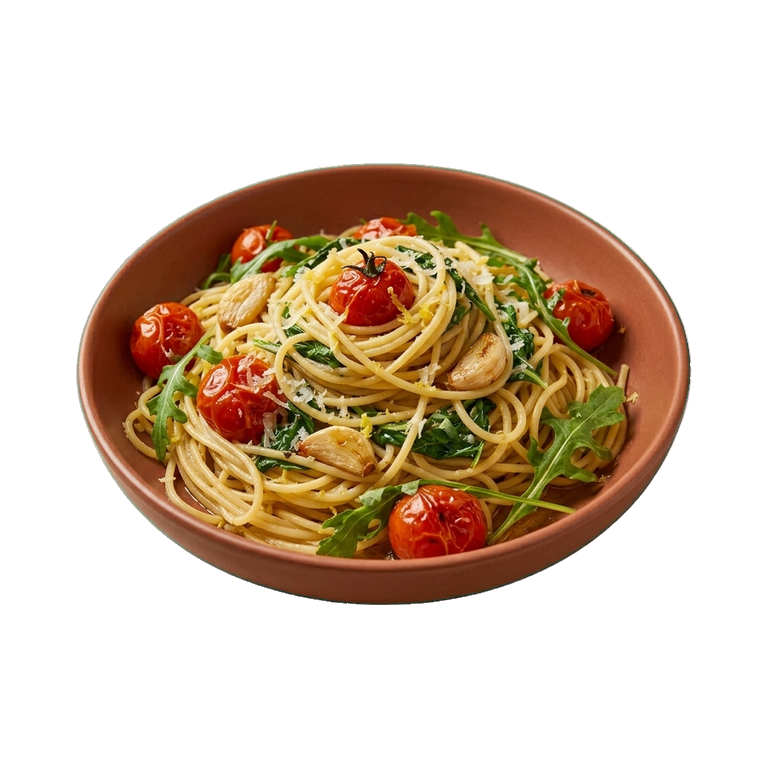
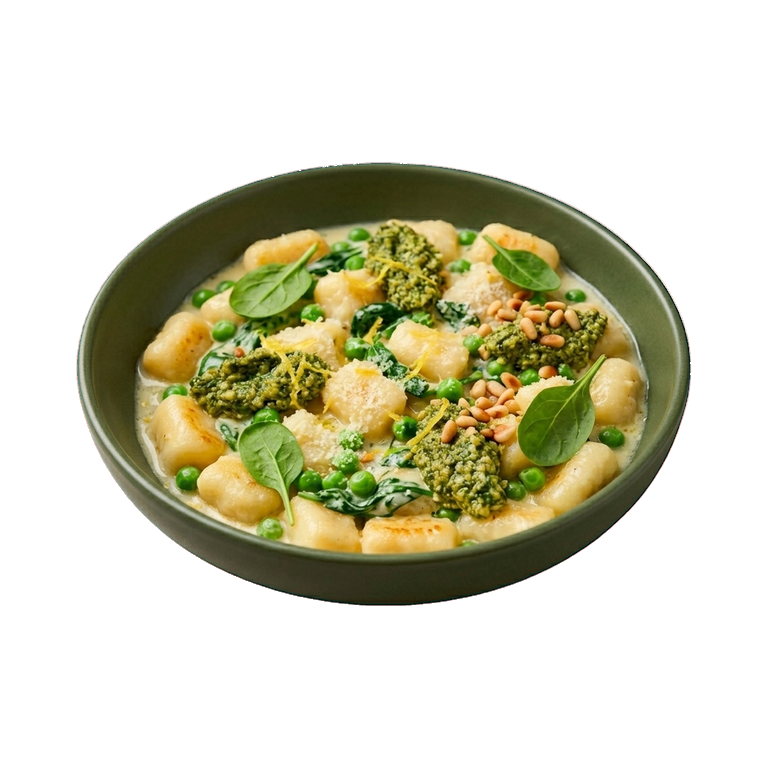
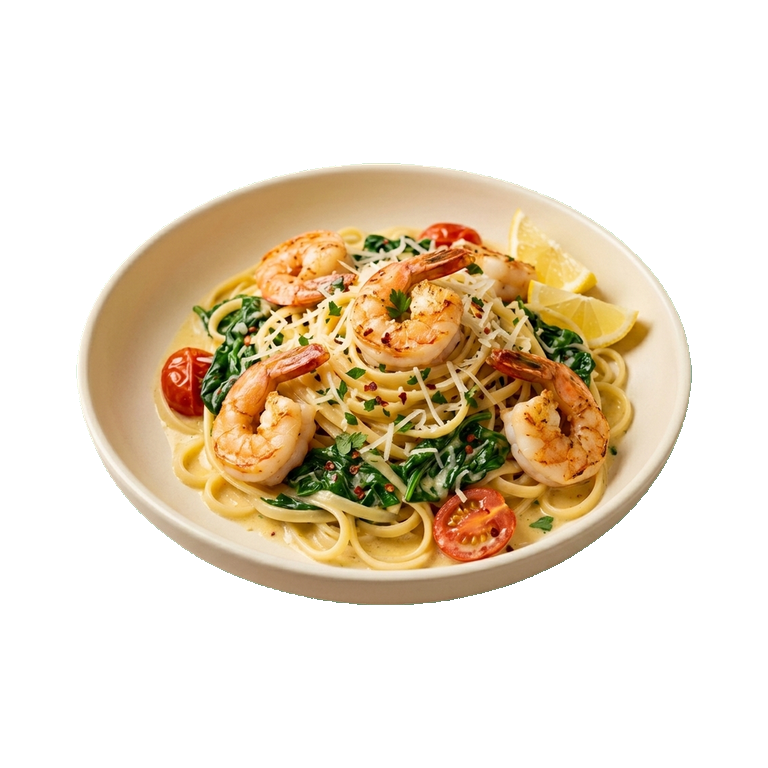
- Rice and pasta: a little zest transforms simple side dishes
Combinations with other ingredients
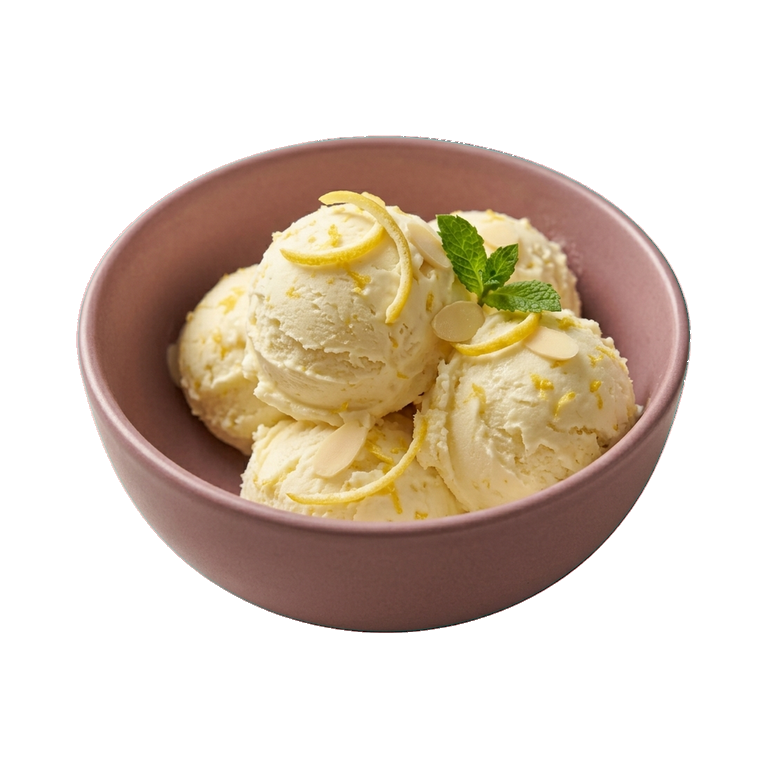
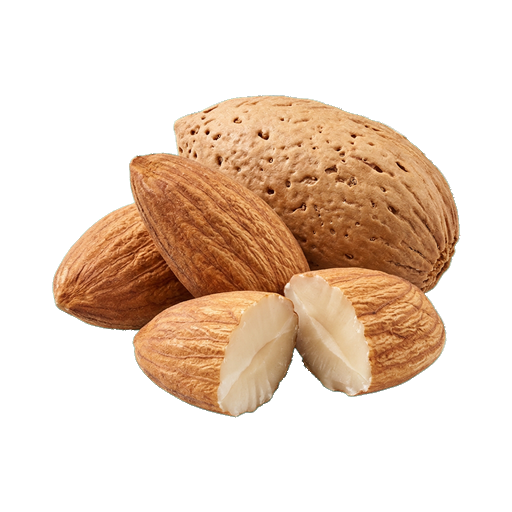
Lemon zest pairs well with vanilla, honey, and cinnamon in sweet dishes. In savory dishes, its partners are garlic, rosemary, thyme, and black pepper. It enhances the flavor of berries, especially raspberries and strawberries, and works beautifully with white chocolate, almonds, and coconut. Even a small pinch of zest makes butter or olive oil more expressive.
How to Choose and Store
Choose firm lemons with smooth, bright yellow skin without soft spots. Before use, wash the fruit thoroughly with hot water — this will remove the wax and dirt. Zest only the yellow part of the skin; the white layer beneath it is bitter and will spoil the dish.
- Fresh zest: store in an airtight container in the refrigerator for up to a week
- Dried: grate the zest and leave it to dry on paper for 2–3 days in a dry place, then transfer to a jar — stores for months
- Frozen: grated zest can be placed directly in the freezer in a bag or container
Main tip: don't skimp on zest. Start with half a teaspoon per serving of dough or sauce, then adjust to taste. It's better to add more than to overdo the bitterness. And remember — zest works best when added at the very end of cooking or even after, to preserve the brightness of the aroma.
Nutrition
per 100 g
- Calories
- 47 kcal
- Protein
- 1.5 g
- Fat
- 0.3 g
- Carbs
- 10.6 g
Micronutrients
per 100 g
Macronutrients
- Fiber
- 10.6 g
- Sugars
- 4.17 g
- Saturated fat
- 0.039 g
- Monounsaturated fat
- 0.011 g
- Polyunsaturated fat
- 0.089 g
- Omega-3 (EPA + DHA)
- 0 g
- Cholesterol
- 0 mg
- Water
- 81.6 g
Minerals
- Sodium
- 6 mg
- Potassium
- 160 mg
- Calcium
- 134 mg
- Magnesium
- 15 mg
- Phosphorus
- 12 mg
- Iron
- 0.8 mg
- Zinc
- 0.25 mg
- Copper
- 0.09 mg
- Selenium
- 0.7 mcg
Vitamins
- Vitamin A (RAE)
- 3 mcg
- Vitamin D
- 0 mcg
- Vitamin E
- 0.25 mg
- Vitamin K
- 0 mcg
- Vitamin C
- 129 mg
- Vitamin B1 (thiamin)
- 0.06 mg
- Vitamin B2 (riboflavin)
- 0.08 mg
- Vitamin B3 (niacin)
- 0.4 mg
- Vitamin B5 (pantothenic acid)
- 0.32 mg
- Vitamin B6
- 0.17 mg
- Vitamin B9 (folate, DFE)
- 13 mcg
- Vitamin B12
- 0 mcg
Measures and weight
- 1 tbsp
- 6 g
- 1 tsp
- 2 g
- 1 cup
- 100 g
- 1 pcs
- 5 g
Measure calculator
- Weight
- 100 g
- Calories
- 47 kcal