Usuba
Usuba
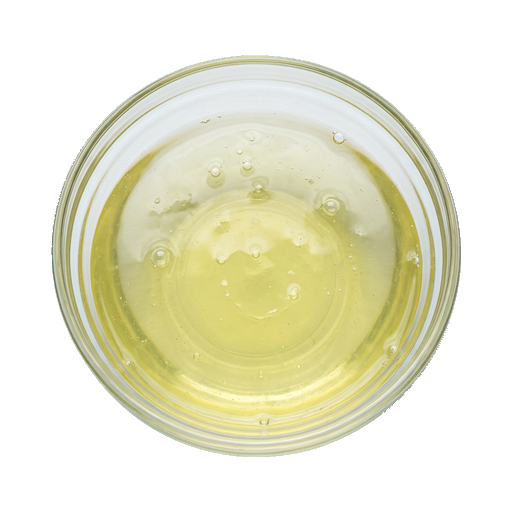
Egg white
Egg white is a transparent viscous liquid that hardens quickly when heated and turns white. It contains almost no fat, making it ideal for whipping into fluffy foam, used in meringues, soufflés and mousses, as well as serving as a binding component in cutlets and stuffings. When choosing, it is important to ensure the freshness of eggs, as egg white spoils faster than the yolk, and remember that room temperature promotes better whisking.
Micronutrients
per 100 g
Minerals
About
Egg white is one of the most versatile and reliable ingredients in the kitchen. It is not just a byproduct of using the yolk: egg white has its own properties that make it indispensable in cooking. It can be whipped into stiff peaks, used as a binder, or simply hard-boiled. Egg white contains virtually no fat, but is rich in protein, which is why it is a frequent guest in healthy eating.
What happens to protein when heated and whipped
Egg white is mostly water and proteins that coagulate and become dense when heated. This is why boiled egg white is solid and white. But the real magic happens when you whip it: egg white captures air and turns into foam that can increase in volume several times over. This foam is stable thanks to proteins that coat the air bubbles.
Important tip: for perfect whipping, the egg whites should be at room temperature and absolutely clean — even a drop of yolk will prevent foam formation. Acid (lemon juice or cream of tartar) helps egg whites stabilize faster. Add a pinch of salt, and the foam will become denser.
Where and how to use protein
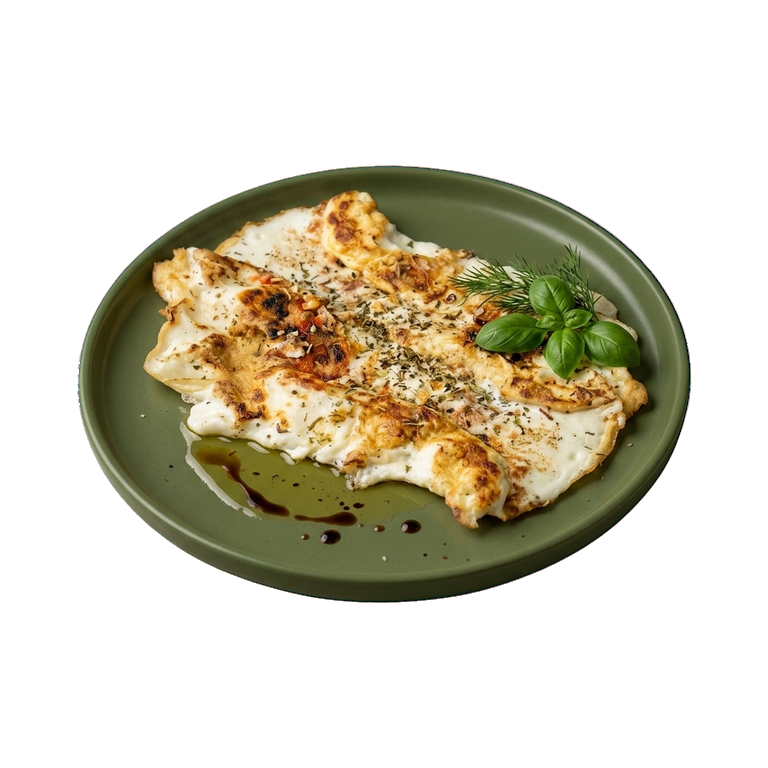
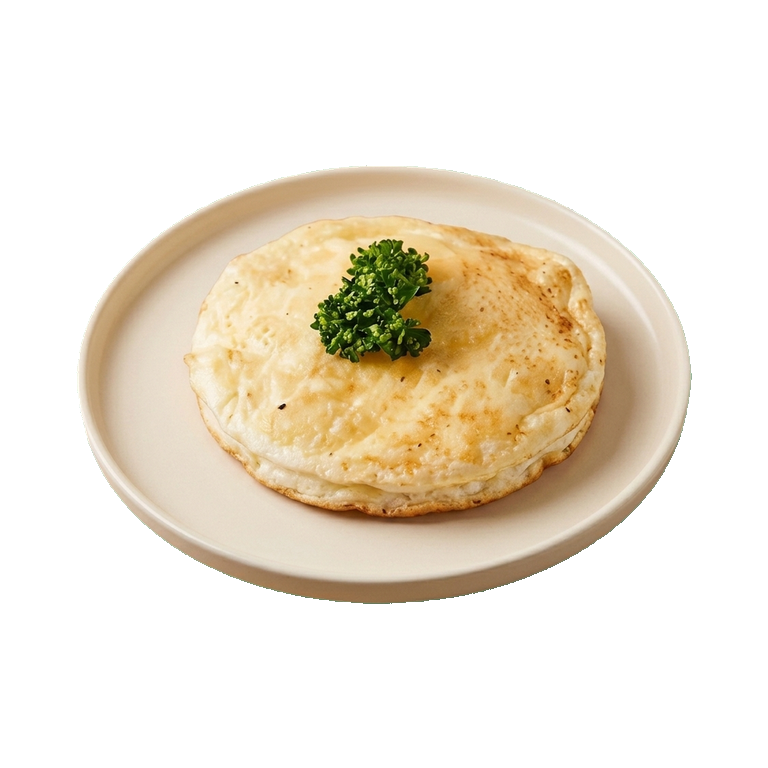
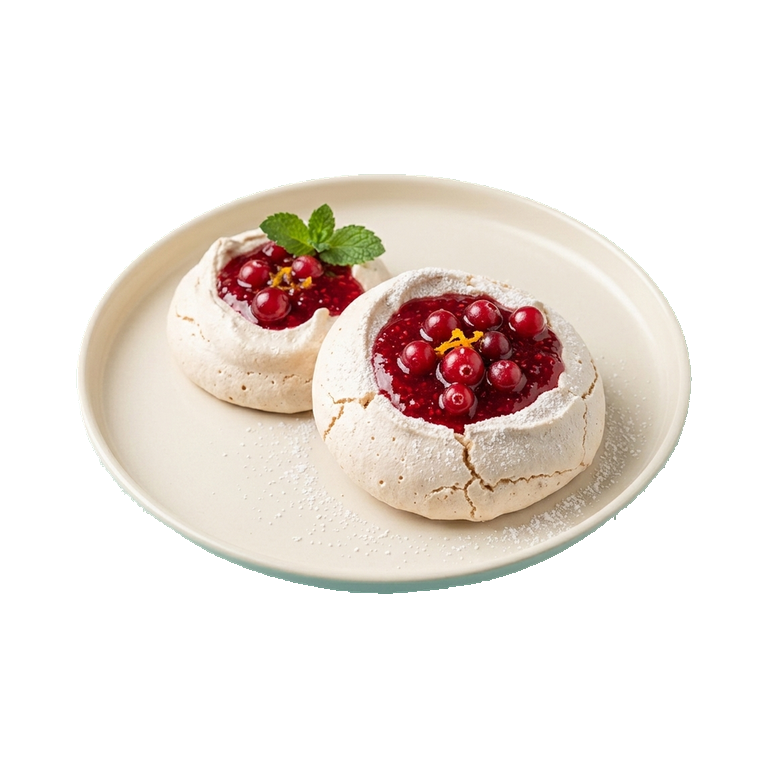
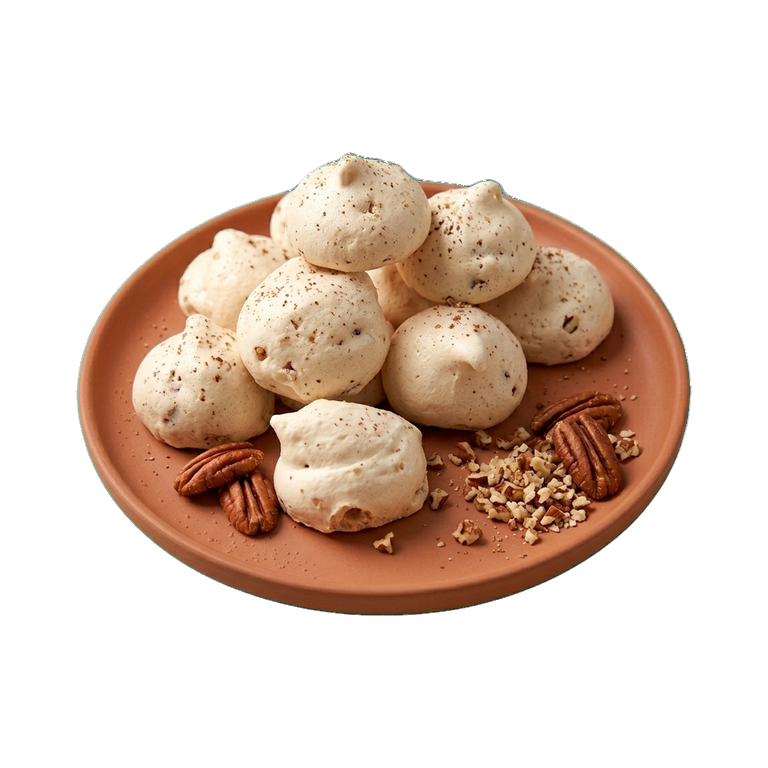
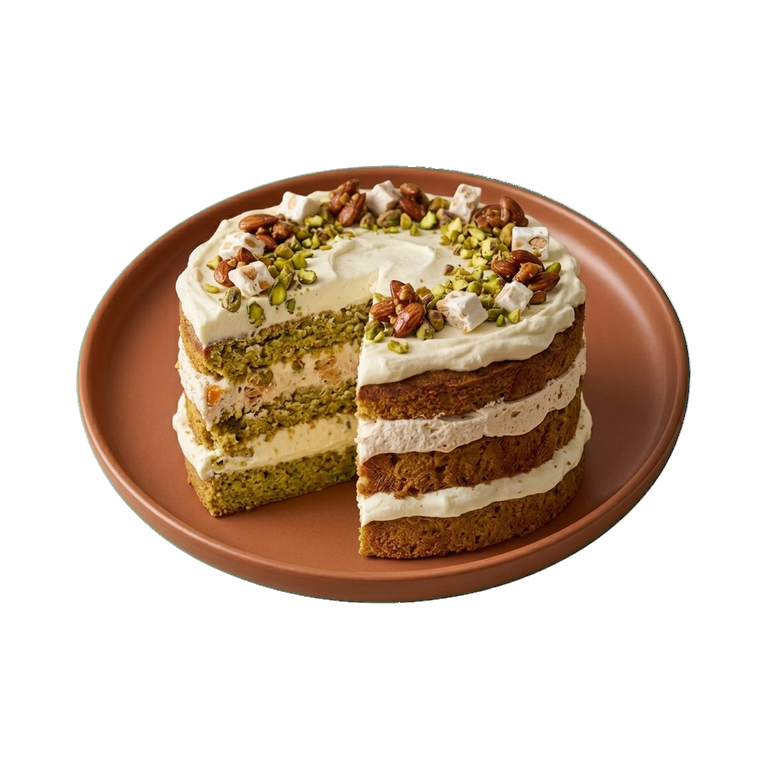
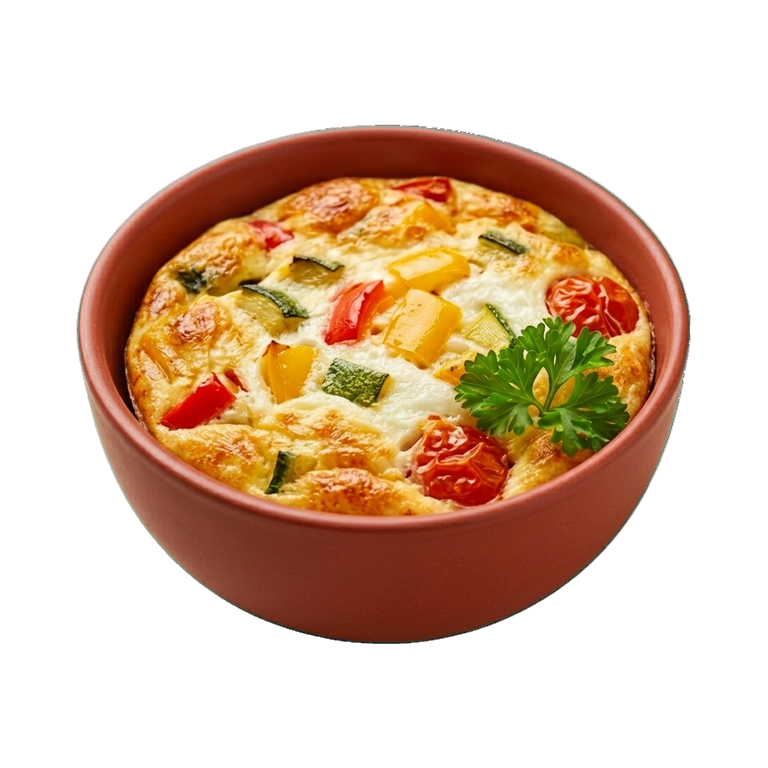
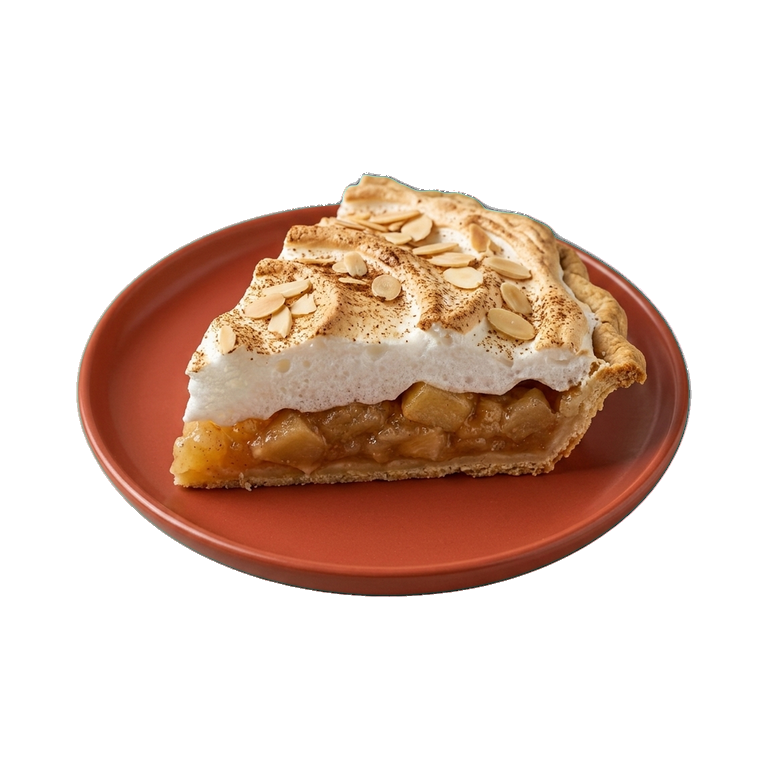
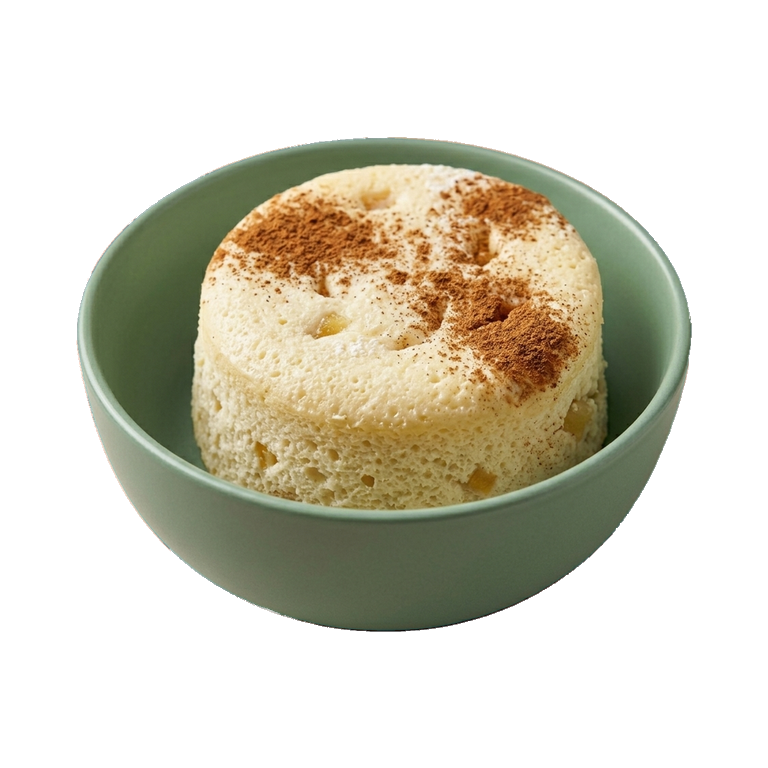
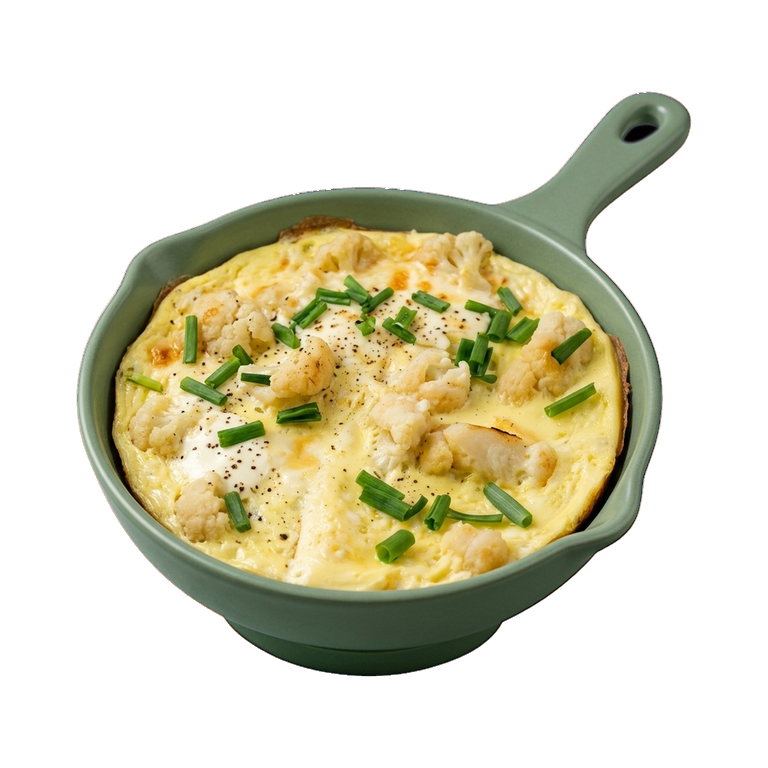
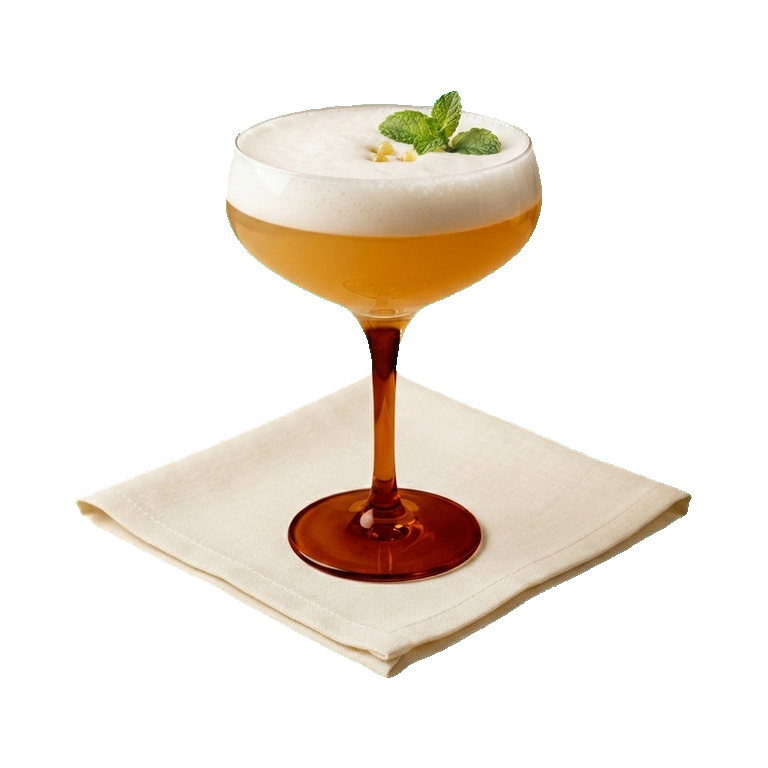
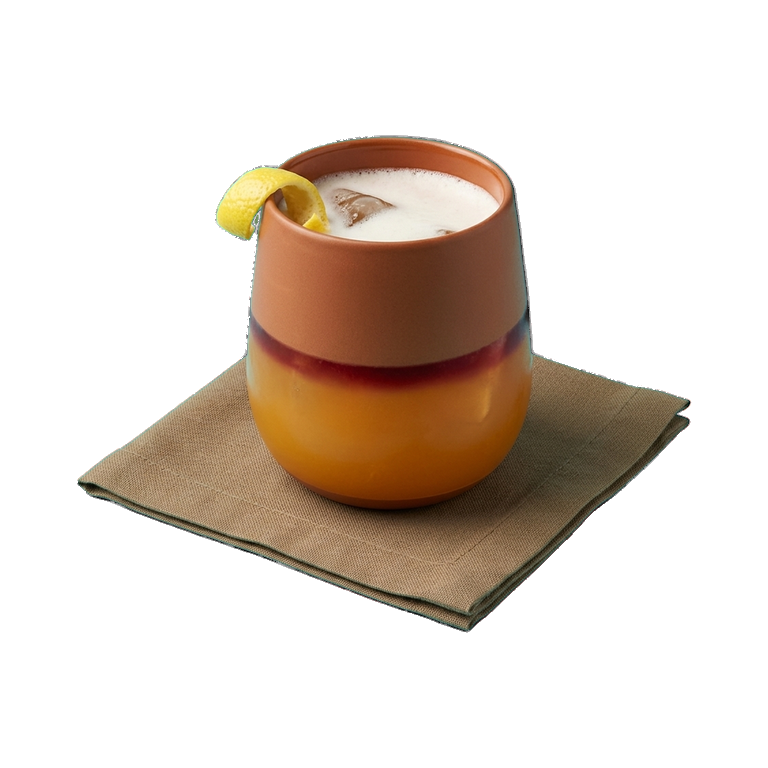
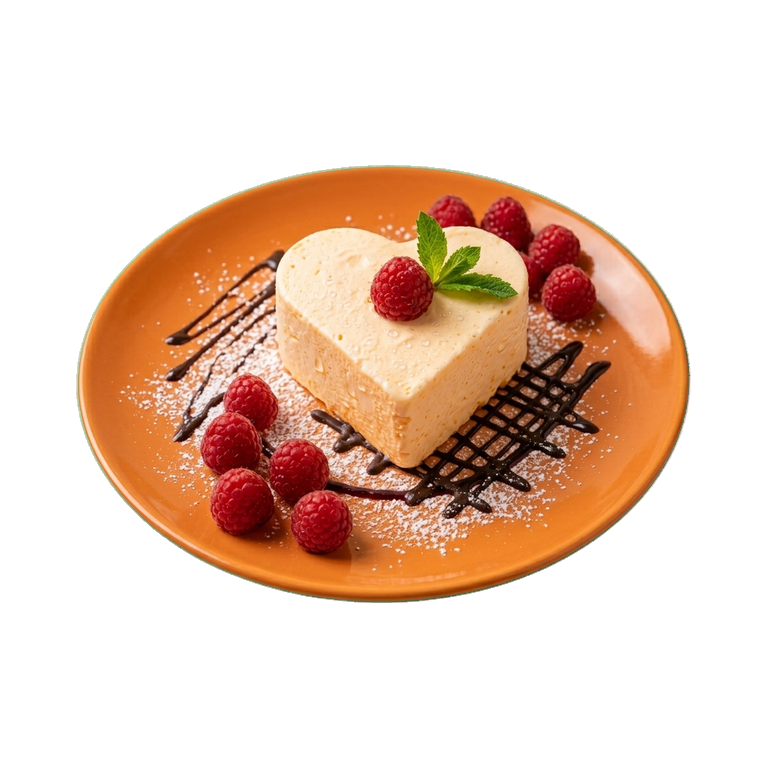
Whipped egg whites are the foundation of meringue, soufflé, merengue, and some cakes. They make baked goods airy and light. In omelets and frittatas, egg white provides a delicate structure. In cocktails, raw egg white creates a beautiful foam on the surface of the drink (although caution regarding egg freshness is needed here).
- Glazes and creams: egg white helps bind ingredients and add airiness
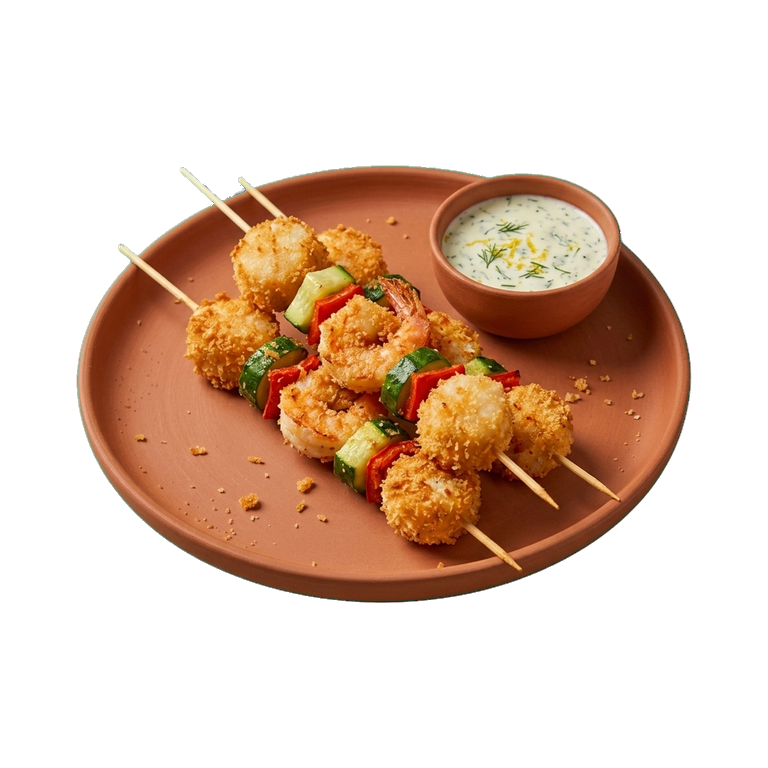
- Breading: egg white is used as glue before coating in breadcrumbs
- Soups and broths: egg white clarifies the liquid if it needs to be made transparent
- Pasta and noodles: egg white is added to the dough for elasticity
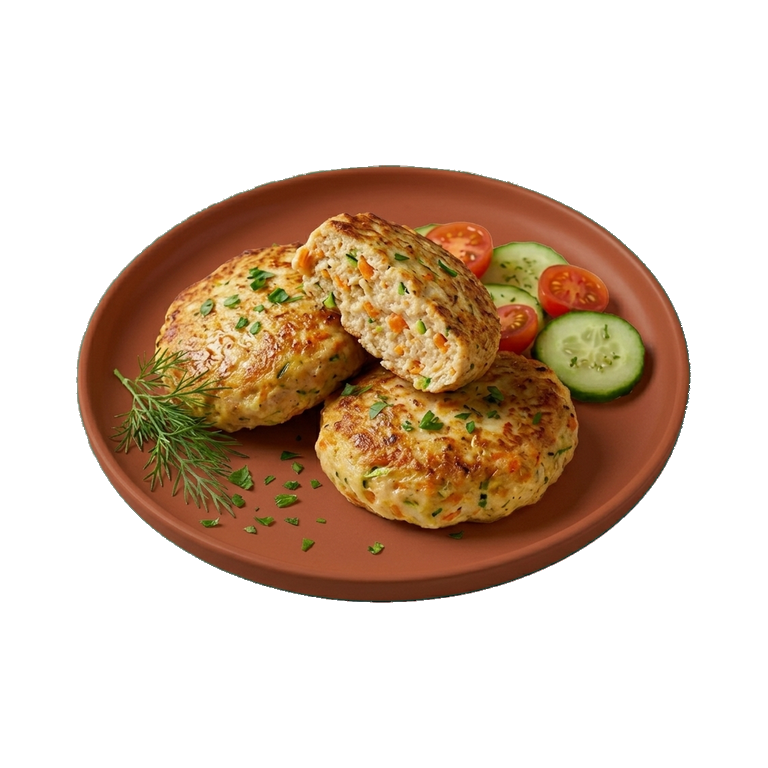
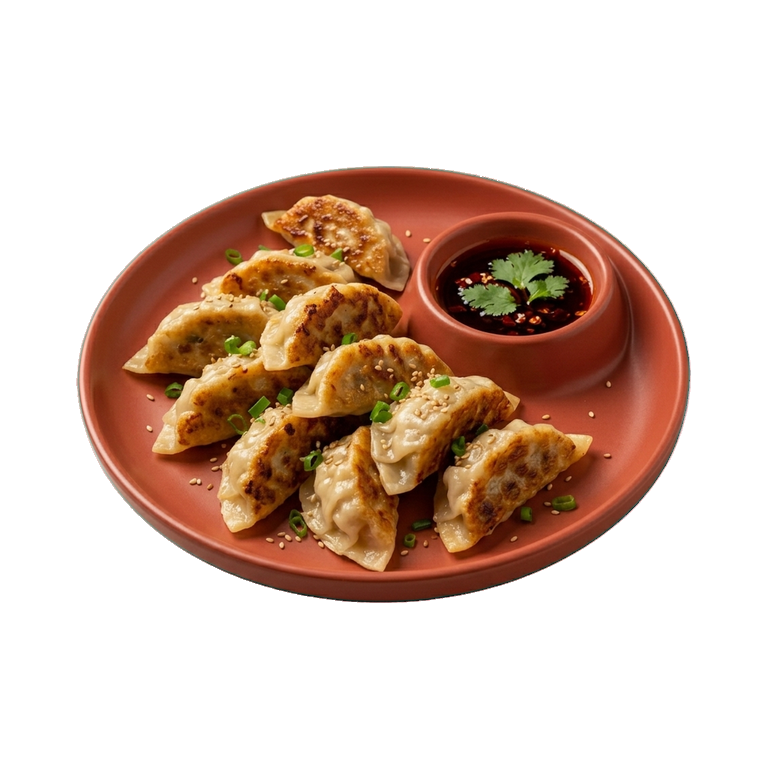
- Cutlets and meatballs: egg white serves as a binding agent
Selection, Separation and Storage
Egg freshness is critical, especially if you plan to use the white raw. Choose eggs with a clean shell, without cracks. It's easiest to separate the white from the yolk while the egg is cold: the yolk is denser and there's less risk of damaging it. You can use a special separator or do it by hand, rolling the yolk between the shell halves.
Separated egg white is stored in the refrigerator in an airtight container for up to four days. It can also be frozen in ice cube trays or in freezer bags for up to a year — this is convenient if you frequently make meringues or pavlovas. Thawed egg white whips slightly worse than fresh, but still produces good foam.
Practical Tips
- If you are separating a lot of egg whites, use a bowl with a narrow neck — this makes it easier to control the process
- For whipping, choose clean, dry cookware made of stainless steel or glass; plastic can retain fat
- Whip the egg whites last before adding to the dough — the foam settles quickly
- If egg white accidentally got into the yolk, use half a shell to scoop it out
Egg white is a tool that works by clear rules. Understanding how it behaves under different conditions, you will be able to control the texture and structure of your dishes. From airy soufflé to stable glaze — egg white handles tasks thanks to its simplicity and reliability.
Nutrition
per 100 g
- Calories
- 52 kcal
- Protein
- 10.9 g
- Fat
- 0.2 g
- Carbs
- 0.7 g
Micronutrients
per 100 g
Macronutrients
- Water
- 86.3 g
Minerals
- Selenium
- 17.9 mcg
Vitamins
- Vitamin B2 (riboflavin)
- 0.39 mg
Measures and weight
- 1 tbsp
- 15.6 g
- 1 tsp
- 5.2 g
- 1 cup
- 260 g
- 1 pcs
- 30 g
Measure calculator
- Weight
- 100 g
- Calories
- 52 kcal