Usuba
Usuba
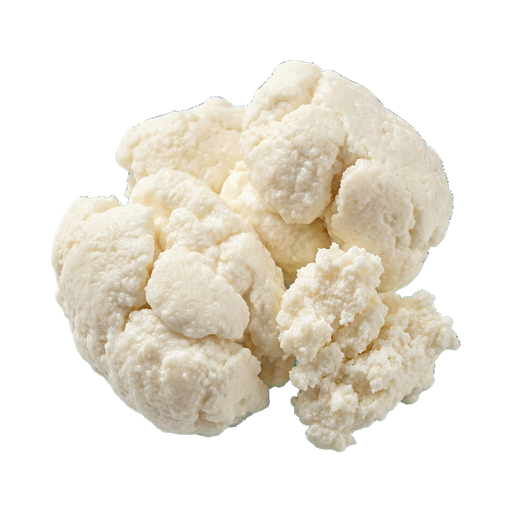
Fat-free cottage cheese
Fat-free cottage cheese is a fermented milk product with minimal fat content, obtained by separating whey from milk. It has a dense structure, neutral fermented milk flavor, and is used in diet cooking, baking, desserts, and as a base for cottage cheese casseroles. When choosing, it is important to pay attention to the production date and consistency — a quality product should not be too liquid or separated.
Micronutrients
per 100 g
Minerals
About
Fat-free cottage cheese is a dairy product from which almost all fat has been removed, but its main wealth has been preserved: protein and calcium. In the kitchen, it works as a universal helper for those who monitor calories but don't want to give up hearty dishes. Its dense consistency, slightly tangy taste, and ability to hold its shape well make it indispensable in desserts, casseroles, and even savory appetizers.
Taste and Texture
Fat-free cottage cheese has a more pronounced fermented milk flavor than fatty cottage cheese: fat usually softens acidity, so it is felt more intensely here. The texture depends on the manufacturer — there are both crumbly and creamy variants. Crumbly cottage cheese is more convenient for casseroles and syrniki, creamy is good for sweet pastes and mousses.
Where to use it
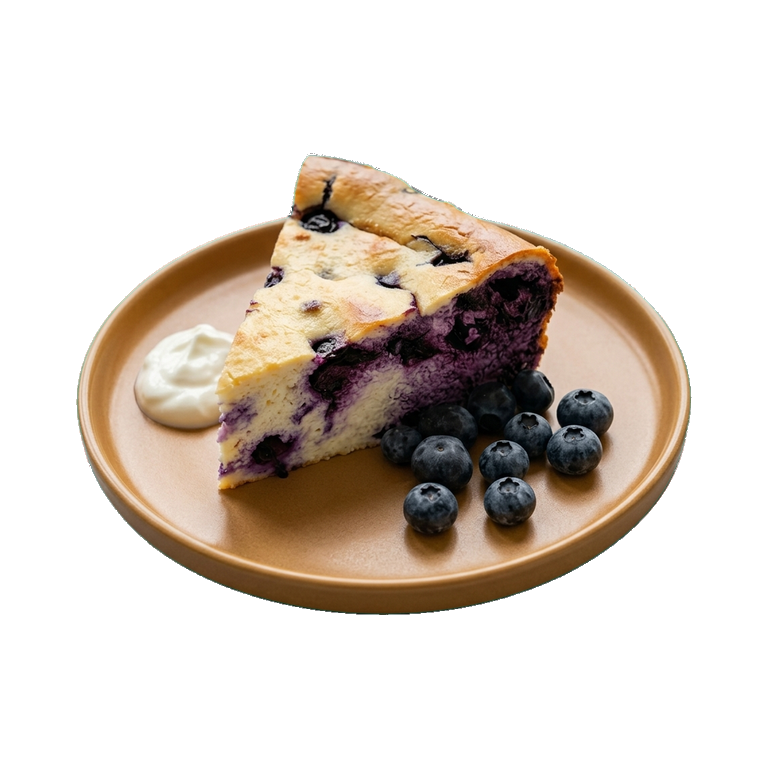
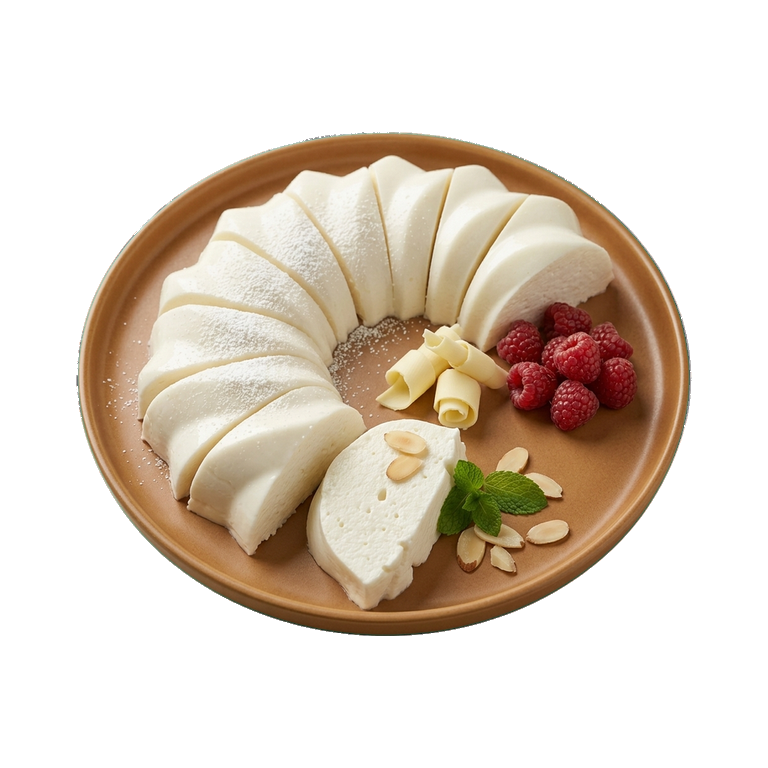
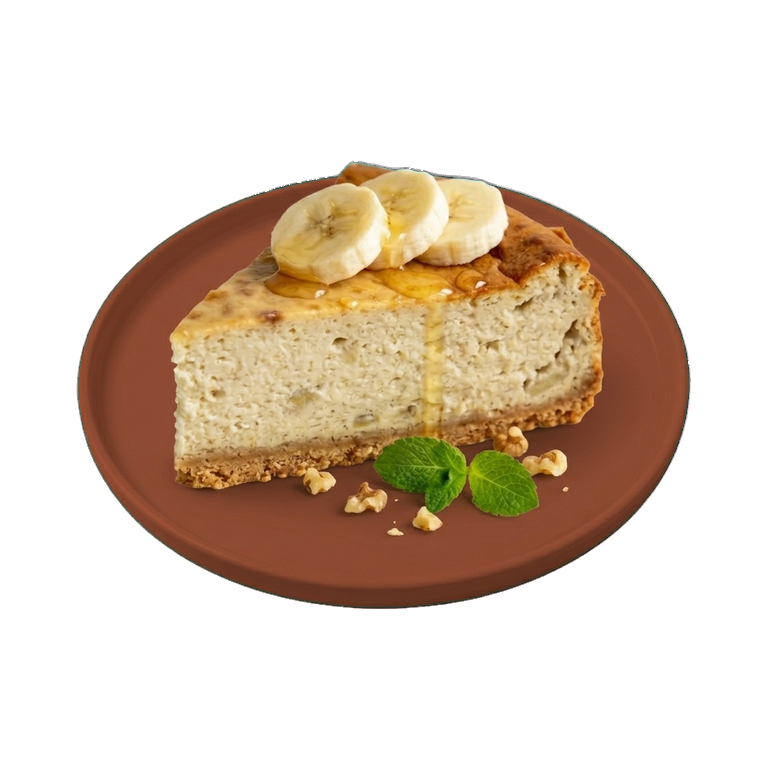
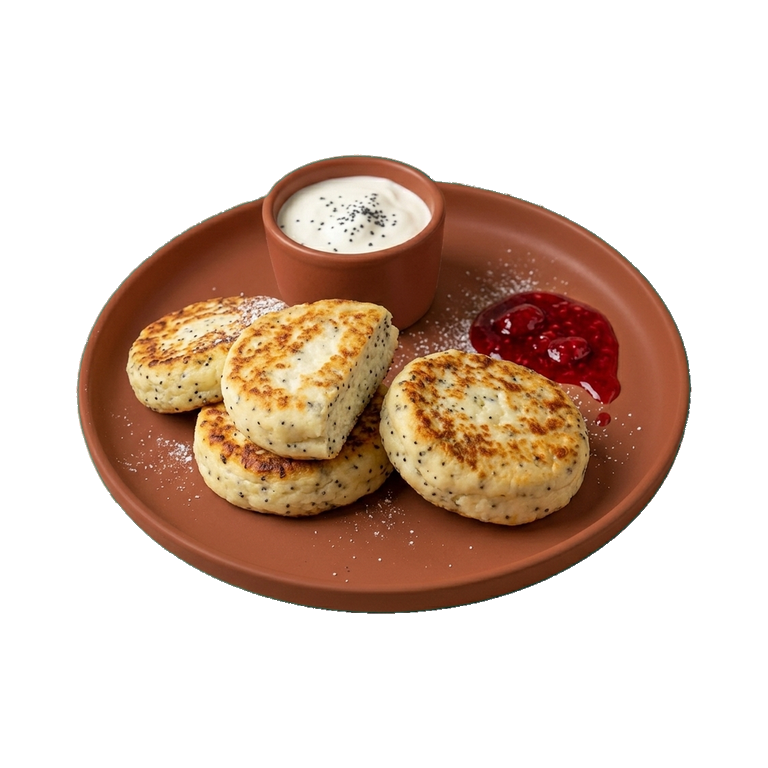
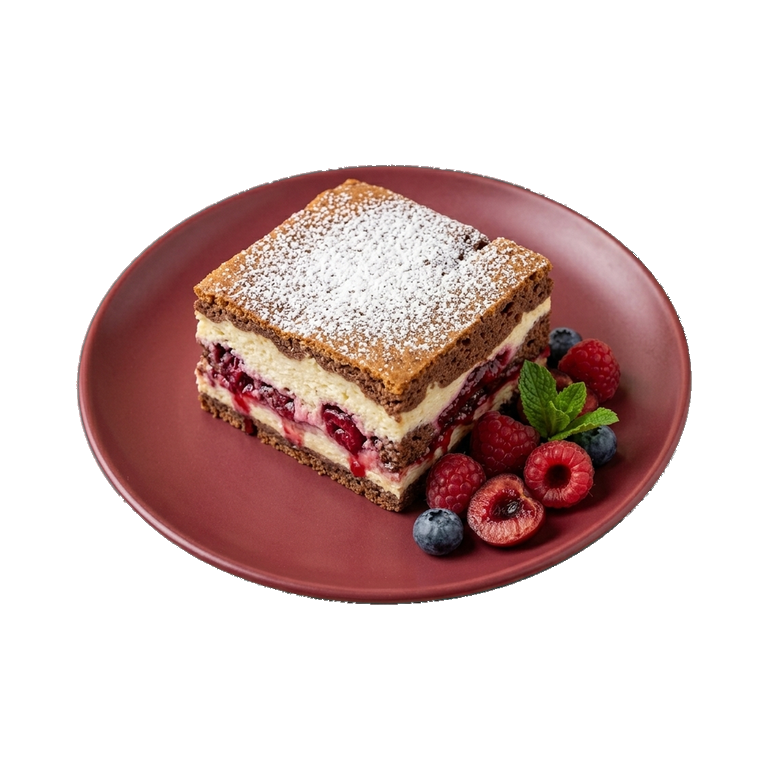
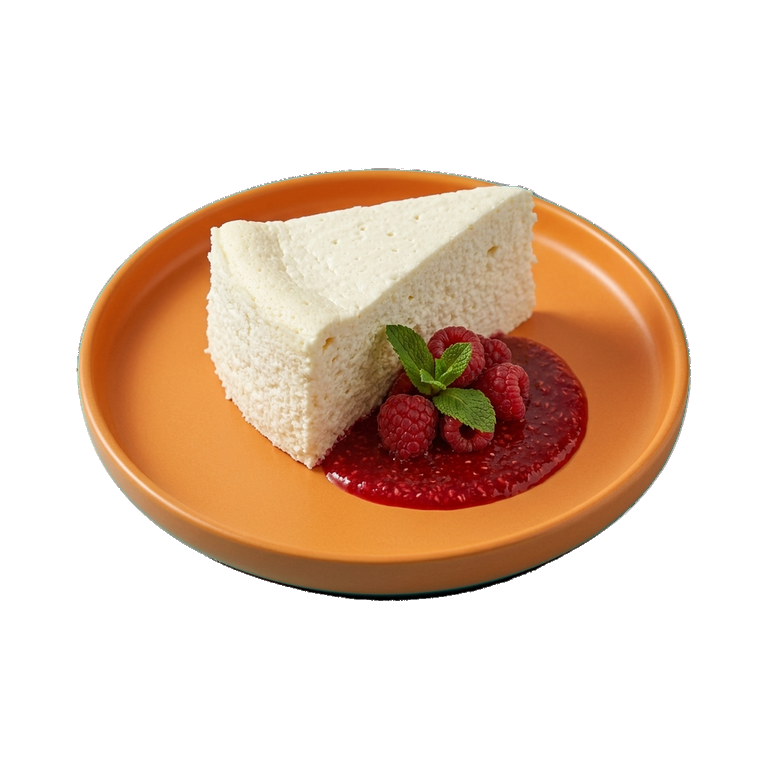
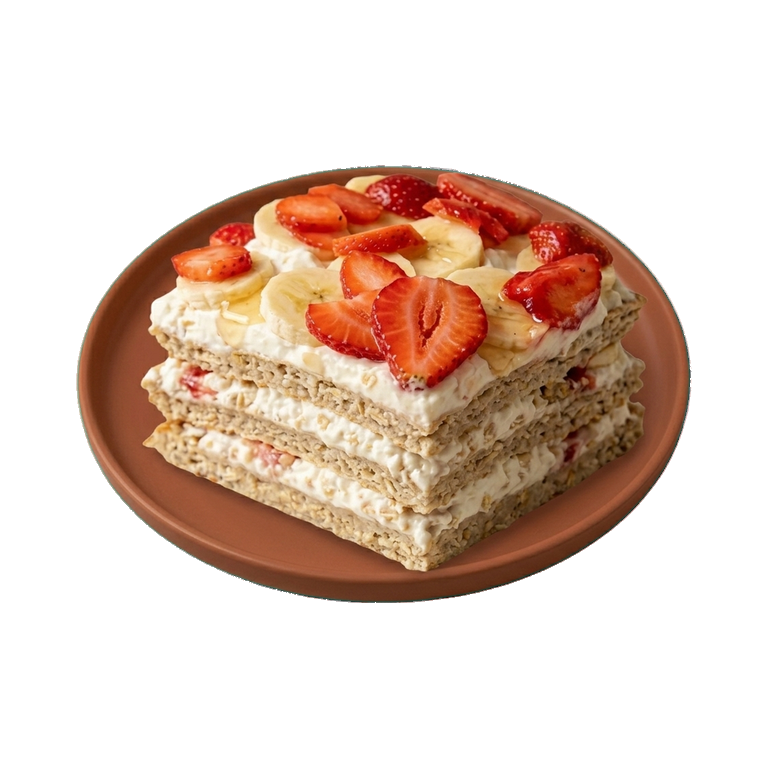
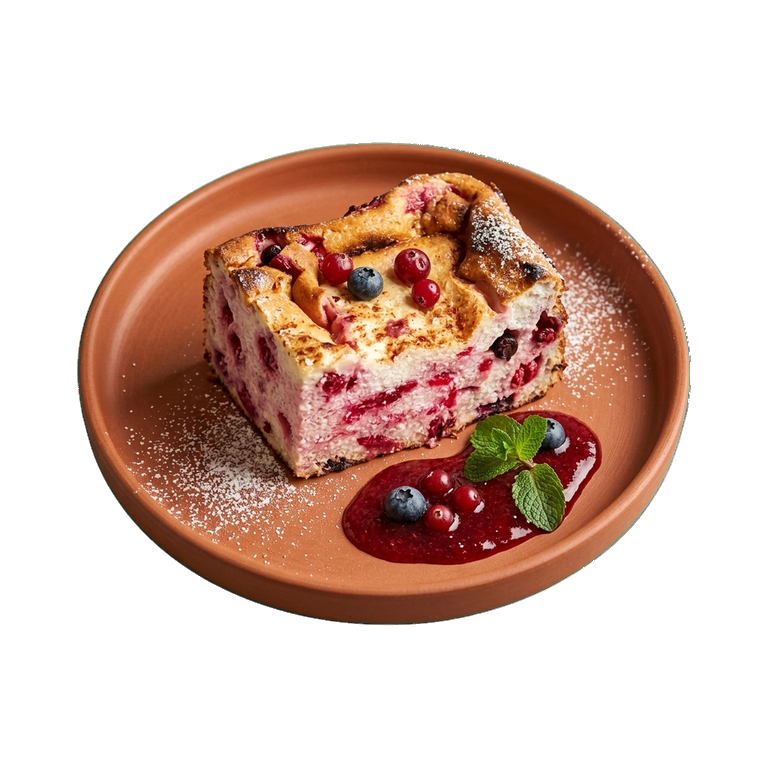
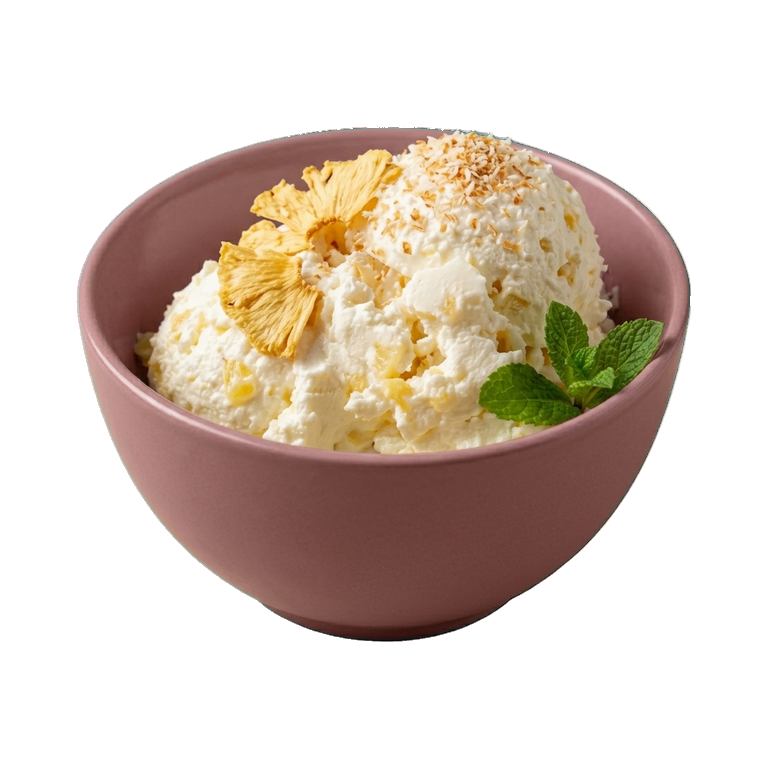
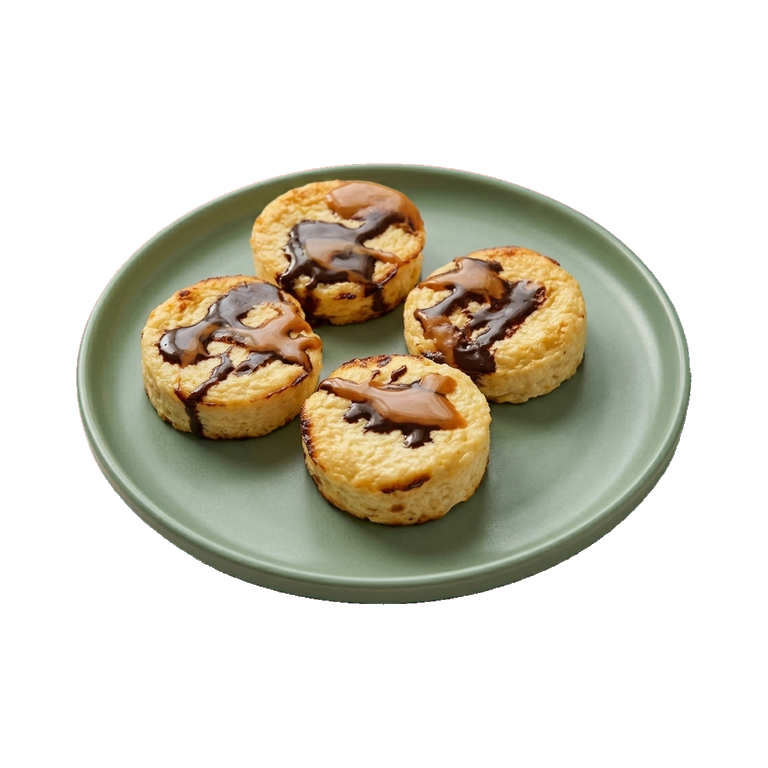
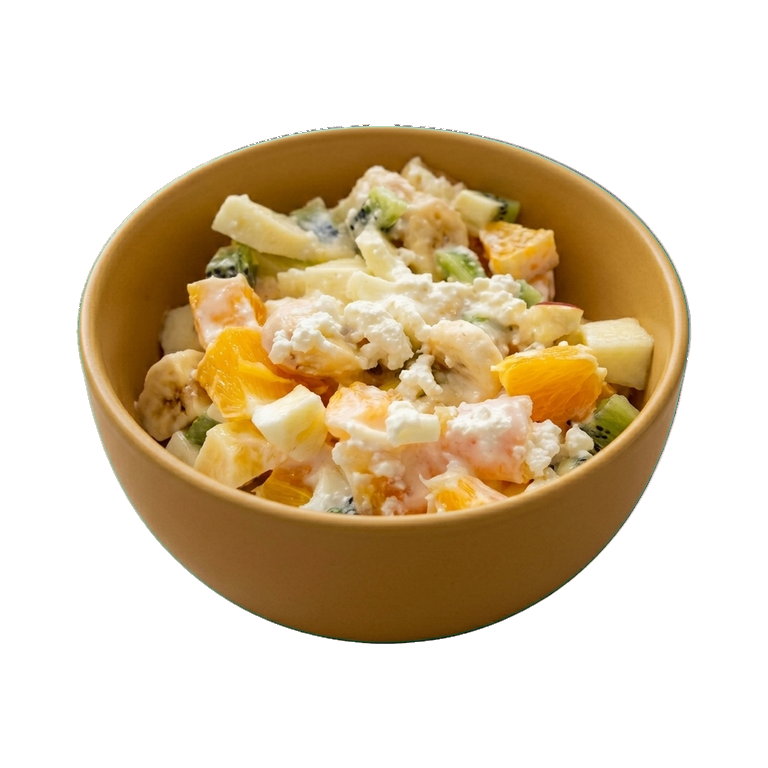
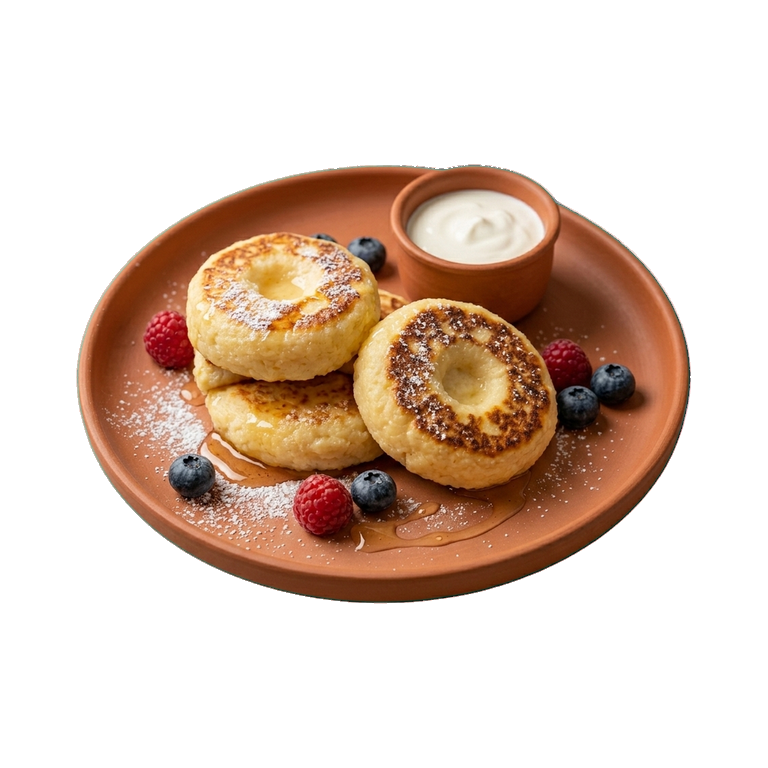
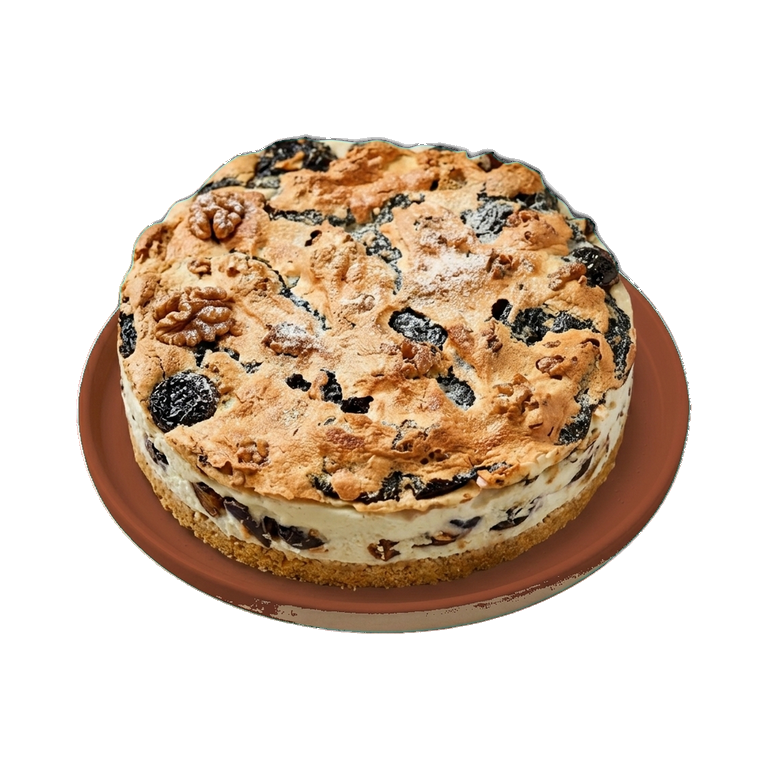
Fat-free cottage cheese works great in sweet dishes: syrniki, casseroles, cottage cheese creams, and cheesecakes turn out airier if you add some eggs or whipped egg whites to them. It is also used in savory appetizers — in cottage cheese pâtés, in fillings for dumplings or varenyky. The main thing to remember: without fat, the dish may turn out dry, so it's worth compensating for this with sour cream, yogurt, butter, or sauce.
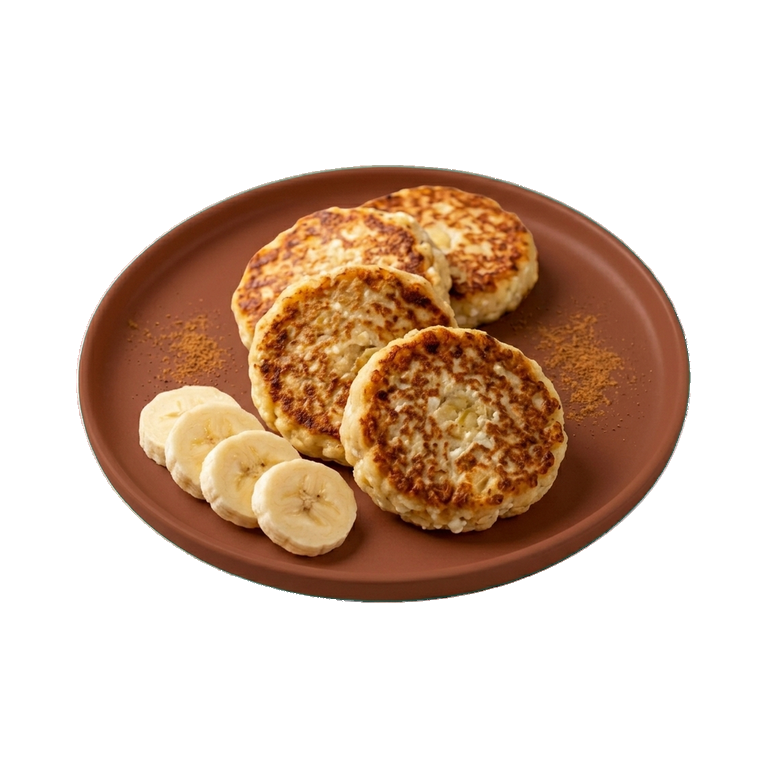
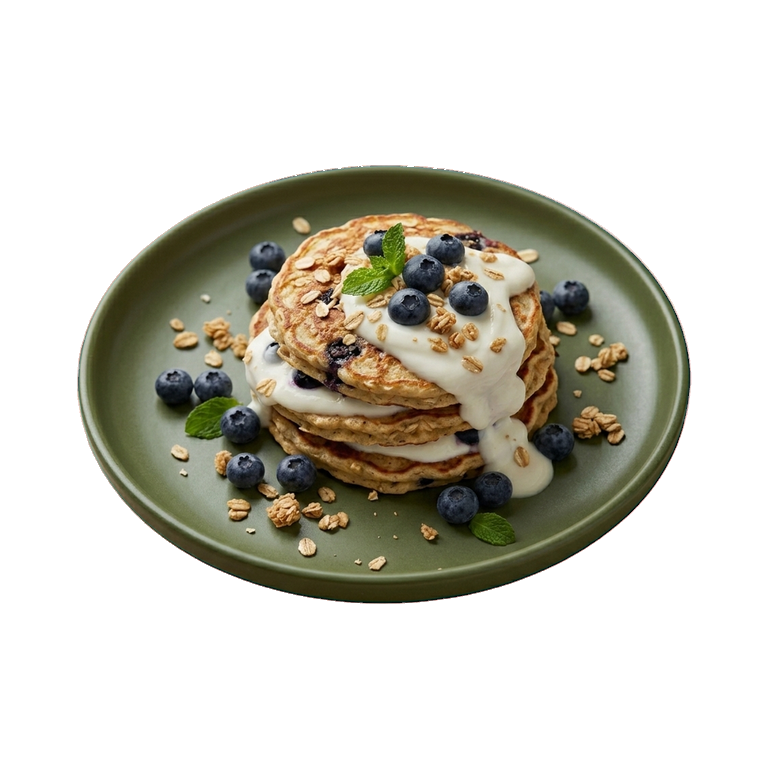
- Cottage cheese pancakes with honey or berry sauce
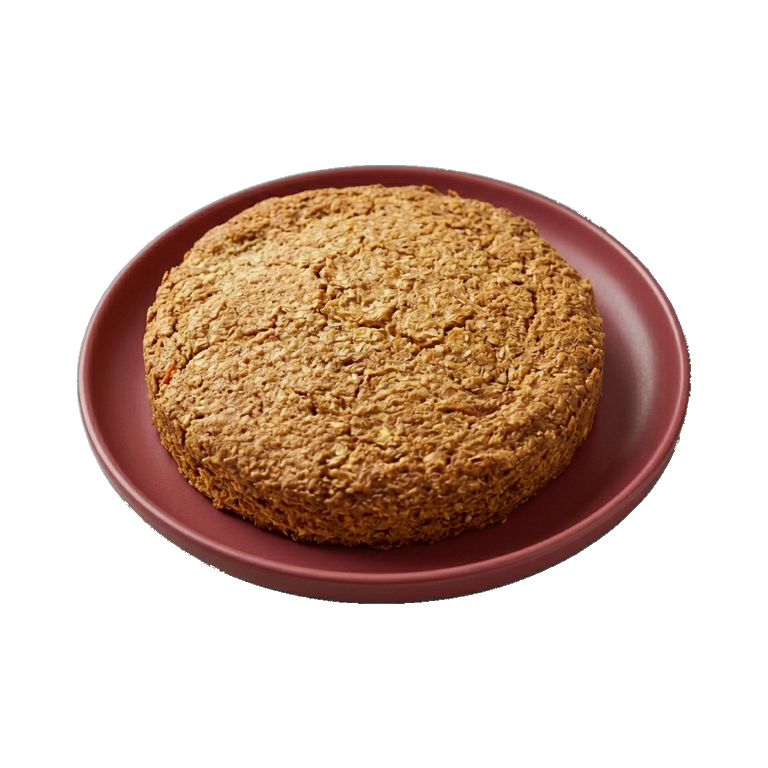
- Apple and cinnamon casserole
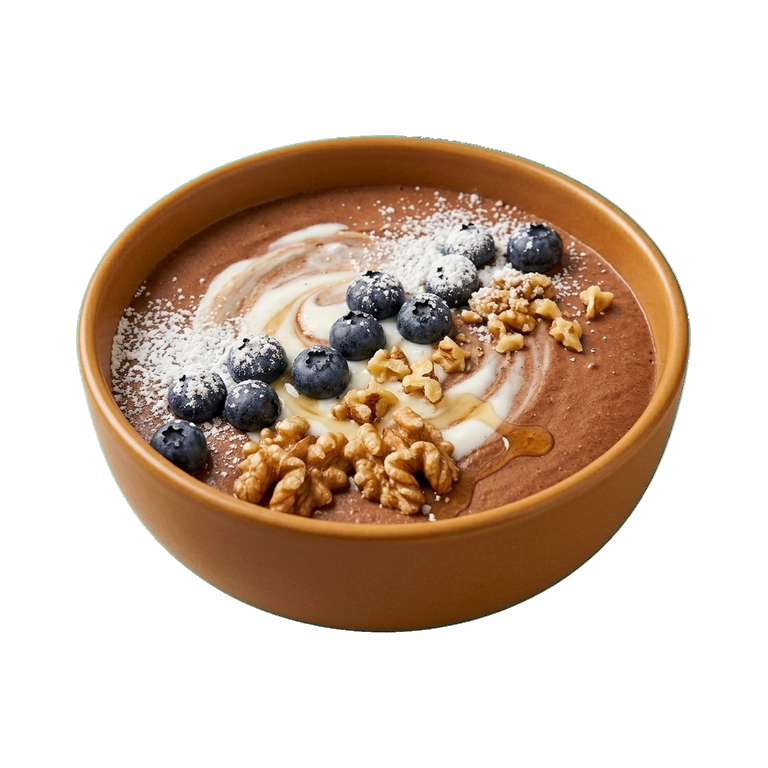
- Cottage cheese mousse with berries
- Pâté with herbs and vegetables
- Filling for pies and dumplings
How to Choose and Store
When buying cottage cheese, pay attention to the production date and expiration date — cottage cheese spoils quickly. A good product has a uniform consistency without lumps and foreign odors. If you see separation or liquid on the surface, this is a sign that the cottage cheese has started to spoil. Store it at home in the coldest part of the refrigerator, in an airtight container — it usually keeps for 5–7 days. You can freeze it in portion containers for up to three months, but keep in mind that the texture will become more crumbly after thawing.
Practical Tips
If you are preparing a sweet dish, add a little sugar and vanilla to the cottage cheese 15–20 minutes before cooking — this will make the taste softer and more harmonious. For casseroles, mix cottage cheese with eggs and a small amount of sour cream or yogurt so the dish doesn't turn out dry. In savory dishes, it pairs well with herbs, garlic, salt, and pepper. If the cottage cheese is too wet, place it in cheesecloth for an hour — the excess liquid will drain and the consistency will become denser.
Fat-free cottage cheese is not a compromise, but a choice. It is ideal for those who want to cook lighter while not losing satiety and taste. The key is to understand its characteristics and select the right sauces and additives to unlock its full potential.
Nutrition
per 100 g
- Calories
- 85 kcal
- Protein
- 18 g
- Fat
- 0.5 g
- Carbs
- 3 g
Micronutrients
per 100 g
Macronutrients
- Fiber
- 0 g
- Sugars
- 1.85 g
- Saturated fat
- 0.169 g
- Monounsaturated fat
- 0.079 g
- Polyunsaturated fat
- 0.003 g
- Omega-3 (EPA + DHA)
- 0 g
- Cholesterol
- 7 mg
- Water
- 81.01 g
Minerals
- Sodium
- 372 mg
- Potassium
- 137 mg
- Calcium
- 86 mg
- Magnesium
- 11 mg
- Phosphorus
- 190 mg
- Iron
- 0.15 mg
- Zinc
- 0.47 mg
- Copper
- 0.03 mg
- Manganese
- 0.02 mg
- Selenium
- 9.4 mcg
Vitamins
- Vitamin A (RAE)
- 2 mcg
- Vitamin D
- 0 mcg
- Vitamin E
- 0.01 mg
- Vitamin K
- 0 mcg
- Vitamin C
- 0 mg
- Vitamin B1 (thiamin)
- 0.02 mg
- Vitamin B2 (riboflavin)
- 0.23 mg
- Vitamin B3 (niacin)
- 0.14 mg
- Vitamin B5 (pantothenic acid)
- 0.45 mg
- Vitamin B6
- 0.02 mg
- Vitamin B9 (folate, DFE)
- 9 mcg
- Vitamin B12
- 0.5 mcg
Measures and weight
- 1 tbsp
- 13.5 g
- 1 tsp
- 4.5 g
- 1 cup
- 225 g
Measure calculator
- Weight
- 100 g
- Calories
- 85 kcal