Usuba
Usuba

Parsley
Parsley is a versatile herb with a bright fresh taste and a subtle peppery note that stores well thanks to its dense leaves. It is added to hot dishes at the end of cooking to preserve its aroma, or used as a garnish and base for sauces. When selecting, pay attention to the firmness of the leaves without yellow spots — this is a sign of freshness and quality.
Micronutrients
per 100 g
Minerals
Vitamins
About
Parsley is one of the most versatile green seasonings that works both as a main ingredient and as a finishing touch. Its fresh, slightly sharp flavor with herbal notes makes it indispensable in the kitchen. Parsley leaves are delicate and lacy, while the stems are crispy and aromatic — nothing needs to be discarded.
Aroma and taste
Parsley smells fresh and herbaceous, but not intrusively — rather refreshingly. The taste is bright, but not aggressive: herbal, with a barely noticeable bitterness and a slight pungency. When you cut parsley, the aroma becomes more intense, so add it at the end of cooking if you want to preserve maximum freshness, or at the beginning if you're preparing hot dishes.
Role in dishes
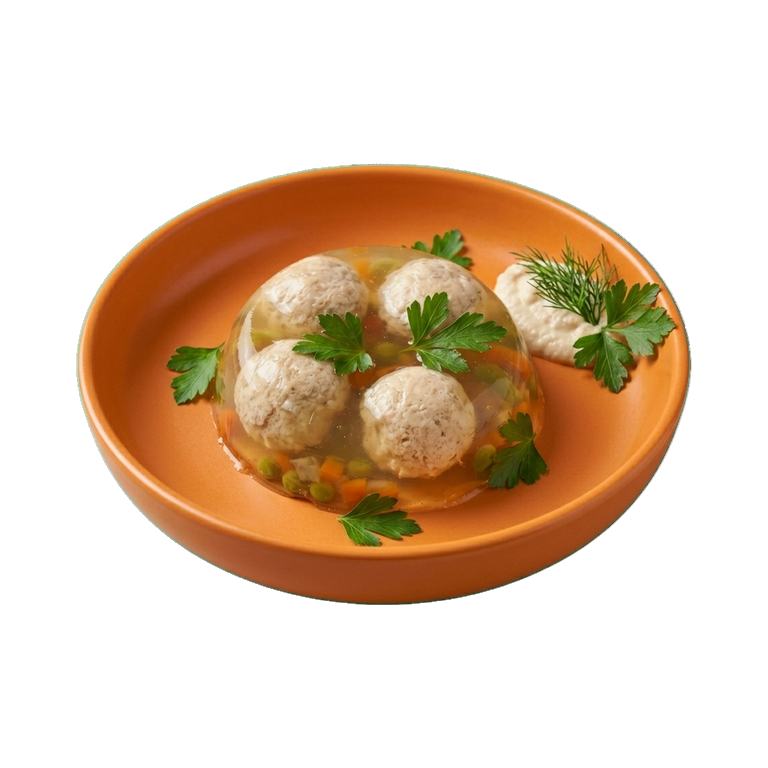
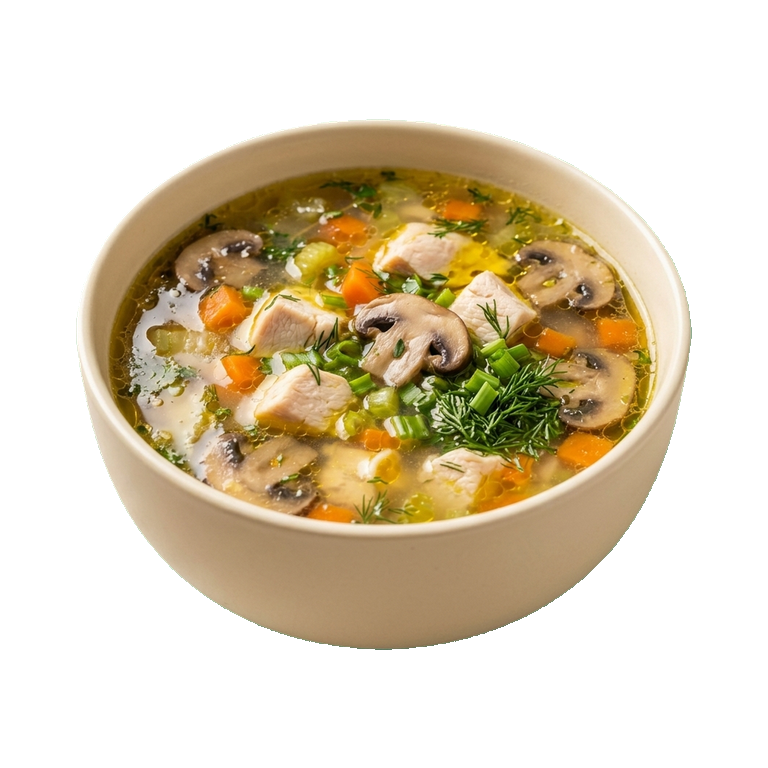
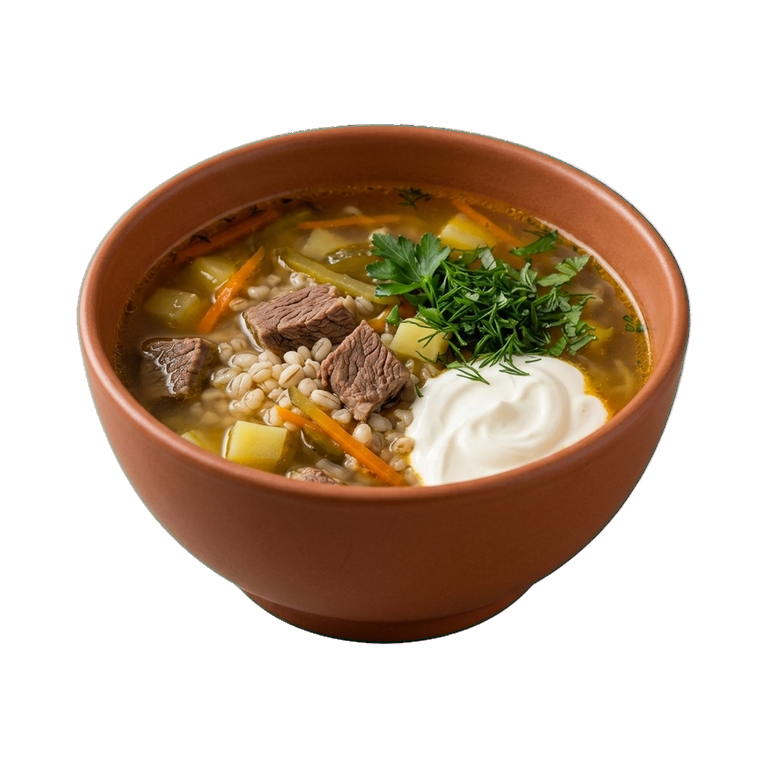
Parsley works everywhere: in soups it adds freshness and volume, in salads it becomes a base or garnish, in meat and fish dishes it helps cut through heaviness. It's added to sauces, marinades, and butter for sandwiches. The stems are excellent for broths and vegetable infusions — they give a deep herbal flavor.
Successful Combinations
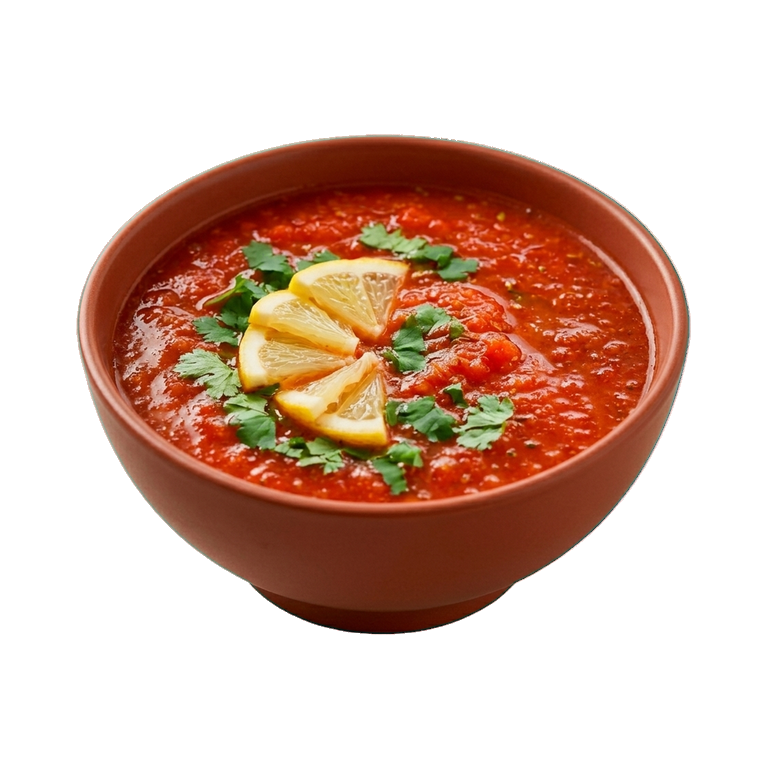
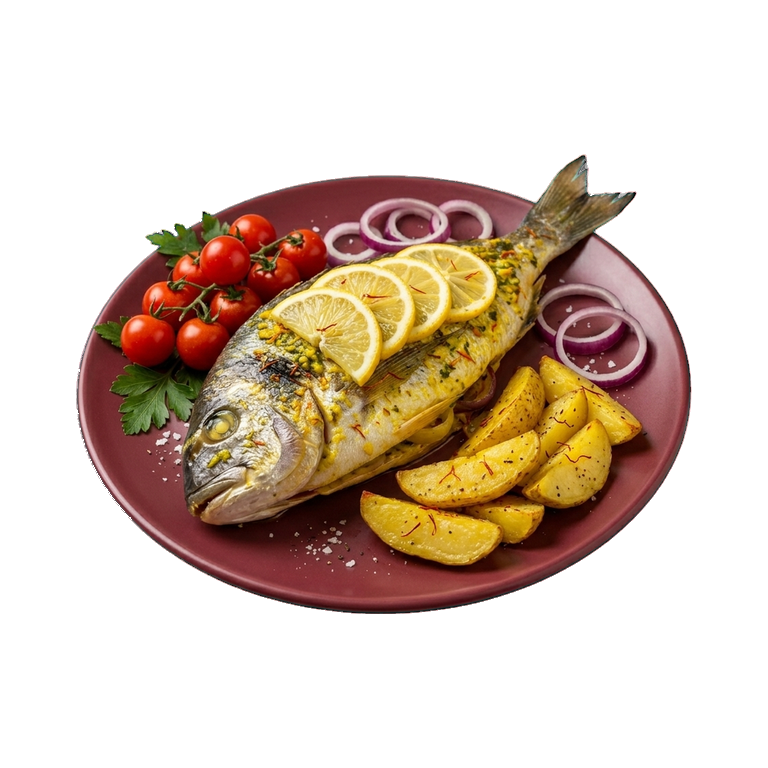
- With lemon and garlic — a classic trio for fish and seafood
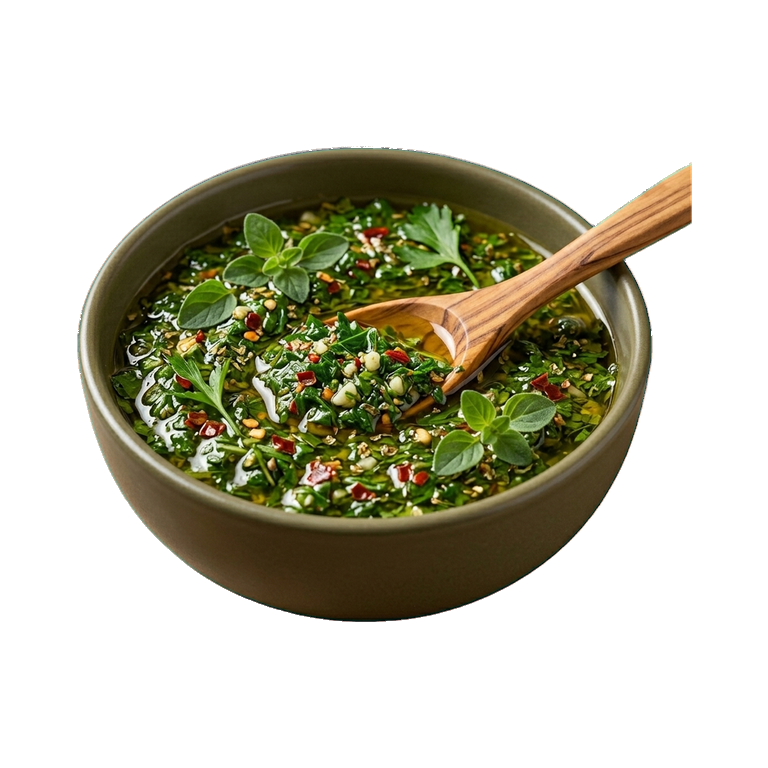
- With butter and salt — the base for green butter and sauces
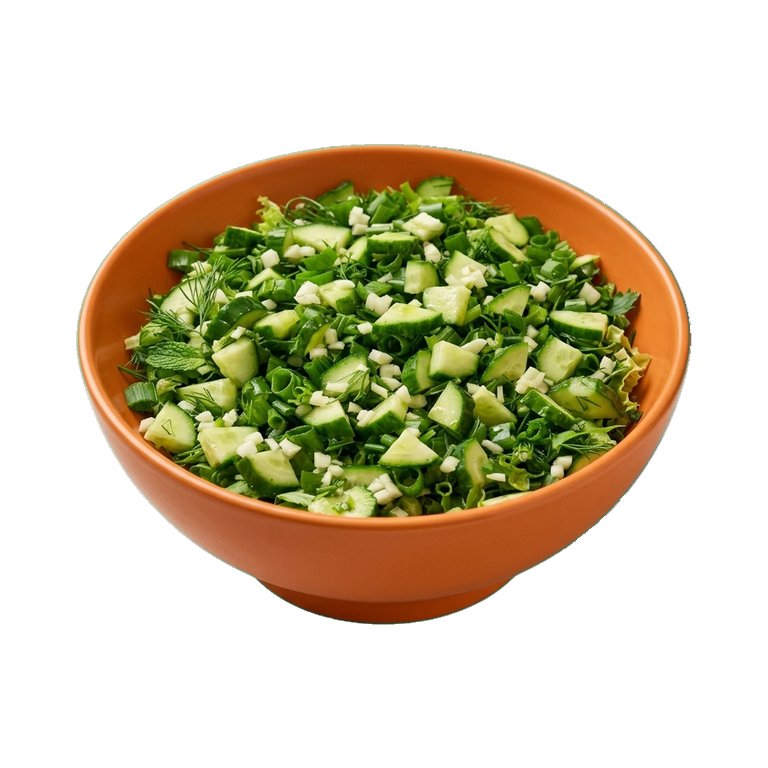
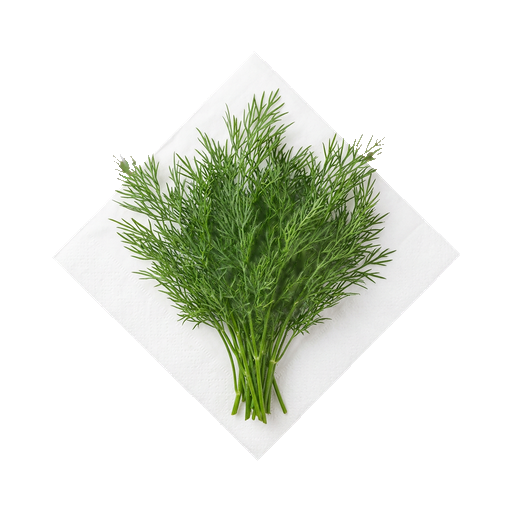
- With dill and green onions — a mix for the final presentation of the dish
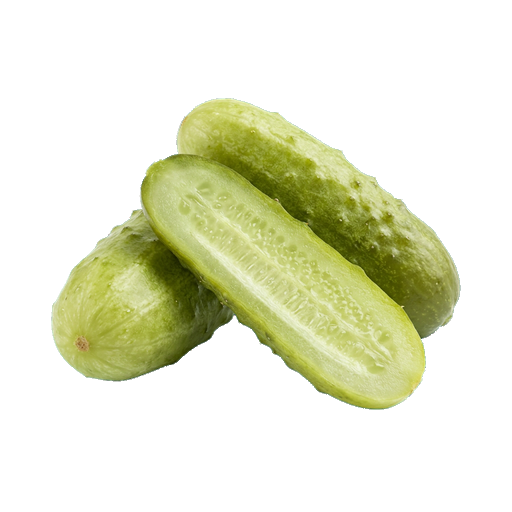
- With tomatoes and cucumbers — the base for a fresh salad
- With eggs — the perfect pair for omelets and egg dishes
How to Choose and Store
Look for parsley with bright green leaves free of spots and wilting. The stems should be firm, not soft. A fresh aroma is a sure sign of quality. Store parsley in the refrigerator, wrapped in a damp towel or placed in a glass of water covered with a bag. This way it will last a week or even longer.
If parsley has started to wilt, place the bunch in ice water for 15 minutes — the leaves will become crispy and firm again.
Practical Tips
- Chop parsley finely immediately before serving to prevent it from darkening
- Use stems in broths, soups and infusions — they are cheaper than leaves in terms of flavor, but give more aroma
- For green butter or sauce, use more parsley than seems necessary — the volume decreases when mixed with fat
- Freeze parsley in ice cubes with water or oil for winter storage
Nutrition
per 100 g
- Calories
- 36 kcal
- Protein
- 3 g
- Fat
- 0.5 g
- Carbs
- 6.3 g
Micronutrients
per 100 g
Macronutrients
- Fiber
- 3.3 g
- Sugars
- 0.85 g
- Saturated fat
- 0.132 g
- Monounsaturated fat
- 0.295 g
- Polyunsaturated fat
- 0.124 g
- Omega-3 (EPA + DHA)
- 0 g
- Cholesterol
- 0 mg
- Water
- 87.71 g
Minerals
- Sodium
- 56 mg
- Potassium
- 554 mg
- Calcium
- 138 mg
- Magnesium
- 50 mg
- Phosphorus
- 58 mg
- Iron
- 6.2 mg
- Zinc
- 1.07 mg
- Copper
- 0.15 mg
- Manganese
- 0.16 mg
- Selenium
- 0.1 mcg
Vitamins
- Vitamin A (RAE)
- 421 mcg
- Vitamin D
- 0 mcg
- Vitamin E
- 0.75 mg
- Vitamin K
- 1640 mcg
- Vitamin C
- 133 mg
- Vitamin B1 (thiamin)
- 0.09 mg
- Vitamin B2 (riboflavin)
- 0.1 mg
- Vitamin B3 (niacin)
- 1.31 mg
- Vitamin B5 (pantothenic acid)
- 0.4 mg
- Vitamin B6
- 0.09 mg
- Vitamin B9 (folate, DFE)
- 152 mcg
- Vitamin B12
- 0 mcg
Measures and weight
- 1 tbsp
- 4.5 g
- 1 tsp
- 1.5 g
- 1 cup
- 75 g
- 1 bunch
- 50 g
- 1 sprig
- 3 g
- 1 stalk
- 2 g
Measure calculator
- Weight
- 100 g
- Calories
- 36 kcal