Usuba
Usuba
Sorrel
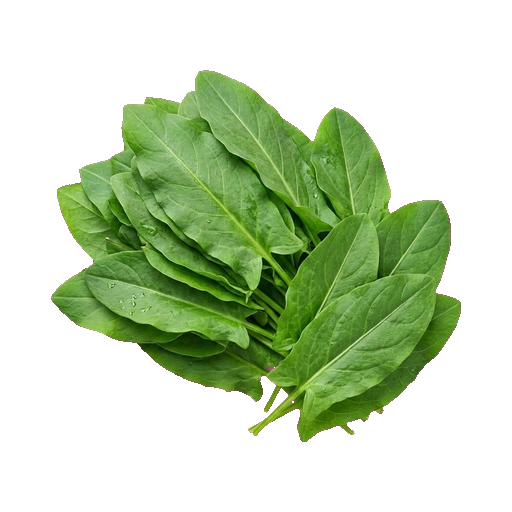
Sorrel is a herbaceous plant with a tart flavor due to its oxalic acid content, which gives dishes a characteristic piquancy and freshness. In cooking, young sorrel leaves are used in soups, sauces, pie fillings, and as a garnish for meat dishes. During heat treatment, the leaves reduce in volume and become softer in texture, so they are added at the end of cooking or used fresh in salads.
About
Sorrel is a leafy green with a distinctive sour taste that adds vibrancy and piquancy to any dish. The plant's leaves are thin, oblong, with a noticeable tartness that is felt immediately. It is this acidity that makes sorrel an indispensable helper in the kitchen: it awakens taste receptors, refreshes heavy dishes, and helps reduce the amount of salt in a recipe.
Aroma and Taste
Young sorrel leaves have a more delicate, tender taste with a pleasant acidity that reminds you of lemon, but softer and rounder. As the leaves grow, they become tougher and more sour, so young greens are better for salads. The aroma of sorrel is green, fresh, with barely noticeable herbaceousness — unobtrusive, but recognizable.
Role in dishes
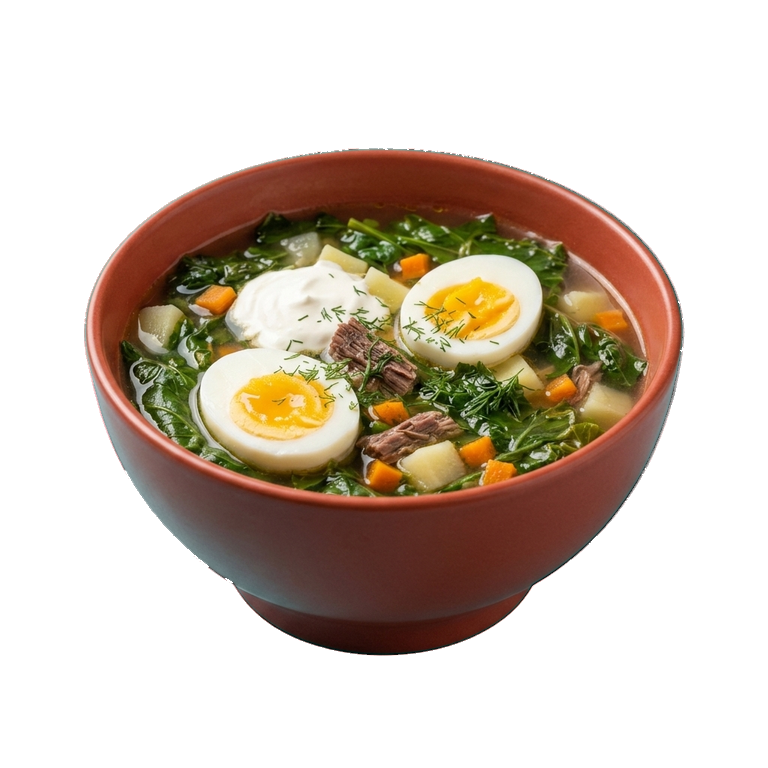
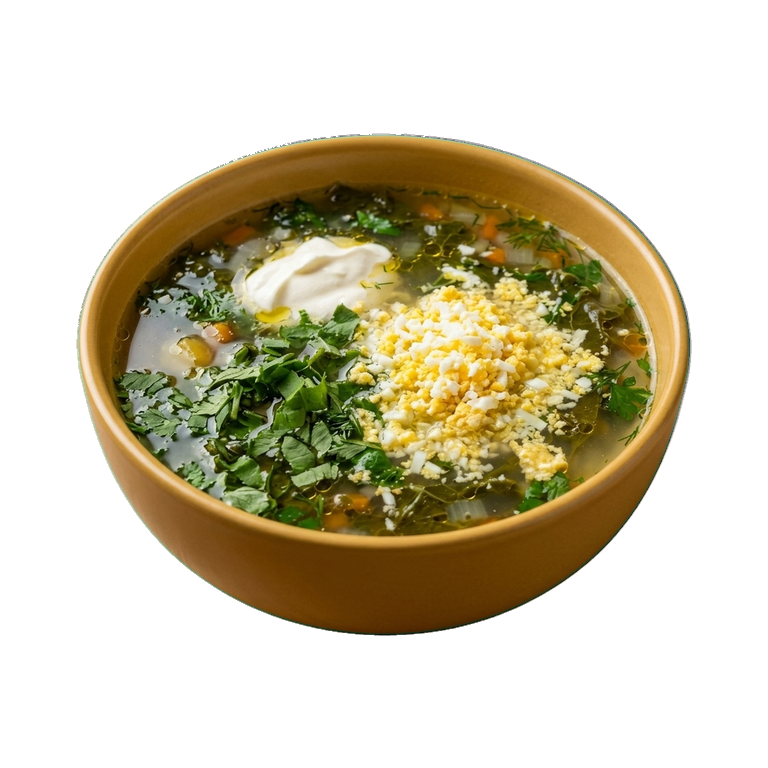
Sorrel works in several directions simultaneously. In soups — especially in green soups and shchi — it provides the main acidity and depth of flavor, allowing the use of less lemon or vinegar. In salads, young sorrel becomes an independent ingredient, not just an addition. With meat and fish, sorrel helps cut through the richness of the dish, making it lighter and brighter. Even in omelets and egg dishes, a few leaves change the perception of the entire dish.
Pairings and uses
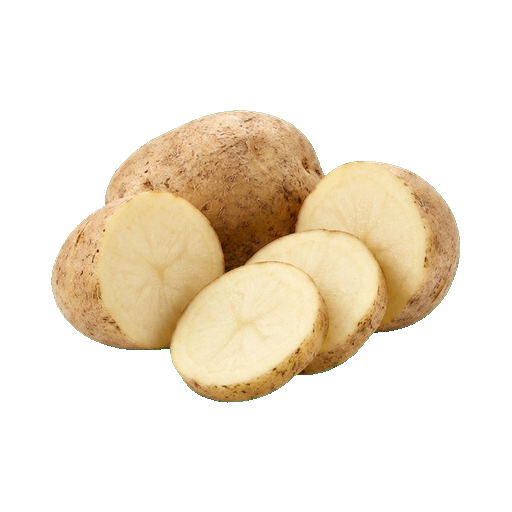
- With potatoes and onions — classic base for sorrel soups
- With eggs and butter — ideal trio for omelets and pasta
- With fish and lemon — sorrel's acidity enhances seafood flavor
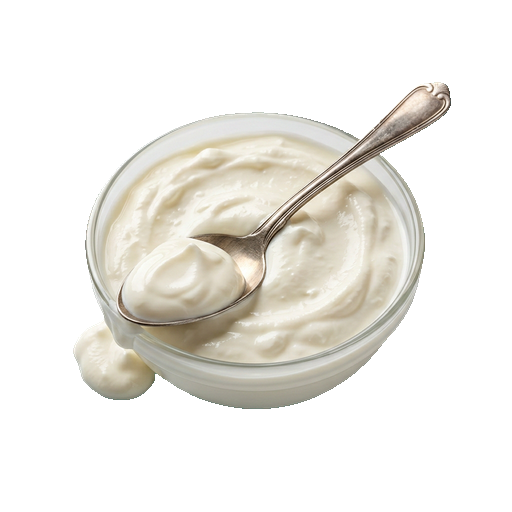
- With young vegetables and sour cream — foundation for light spring salads
- With grains and broths — sorrel provides acidity instead of vinegar
Selection and Storage
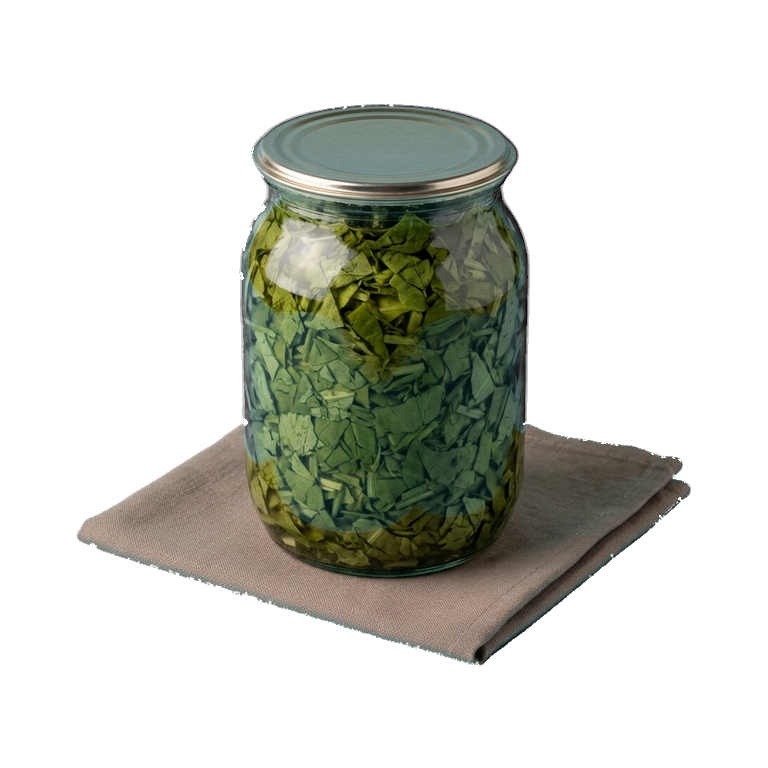
When selecting sorrel, look for young leaves of bright green color without spots and signs of wilting. Leaves should be firm, not limp. Old, large leaves will be too sour and tough — they are suitable only for soups where they can be boiled for a long time. Fresh sorrel is stored in the refrigerator in a plastic bag or container for no more than 3–4 days. If longer storage is needed, you can freeze the leaves whole or chopped — they freeze very well and are suitable for heat treatment.
Sorrel loses volume when heated more than other greens, so add it generously — a handful of fresh sorrel during cooking will yield only a small portion in the dish.
Practical Tips
- Add sorrel at the end of cooking soups to preserve its bright flavor
- For salads, tear the leaves by hand — this will preserve their tenderness better than a knife
- If sorrel is too sour, mix it with milder greens or add cream
- Sorrel works well in purees and sauces — its acidity balances rich, creamy textures
Nutrition
per 100 g
- Calories
- 22 kcal
- Protein
- 1.5 g
- Fat
- 0.3 g
- Carbs
- 2.9 g
Measures and weight
- 1 bunch
- 100 g
- 1 sprig
- 8 g
Measure calculator
- Weight
- 100 g
- Calories
- 22 kcal