Usuba
Usuba
Sour cream
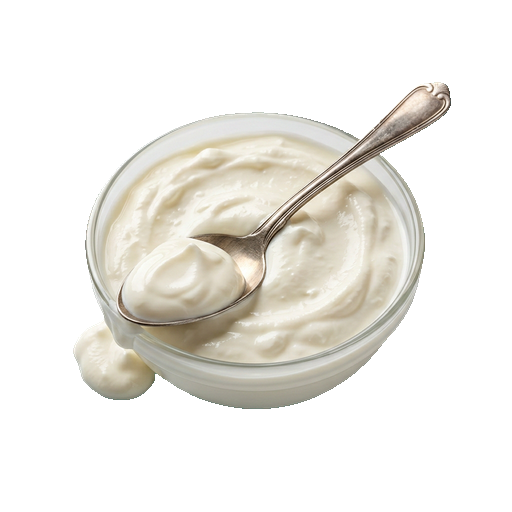
A fermented dairy product with a soft consistency and delicate tangy flavor, made by souring cream. Used as a main ingredient in soups, sauces, and baked goods, as well as a standalone addition to dishes. When choosing, pay attention to the fat content — fatty sour cream (20–25%) is suitable for sauces, less fatty varieties (10–15%) can be used for lighter dishes, and for baking the difference is significant for the texture of the finished product.
Micronutrients
per 100 ml
Minerals
About
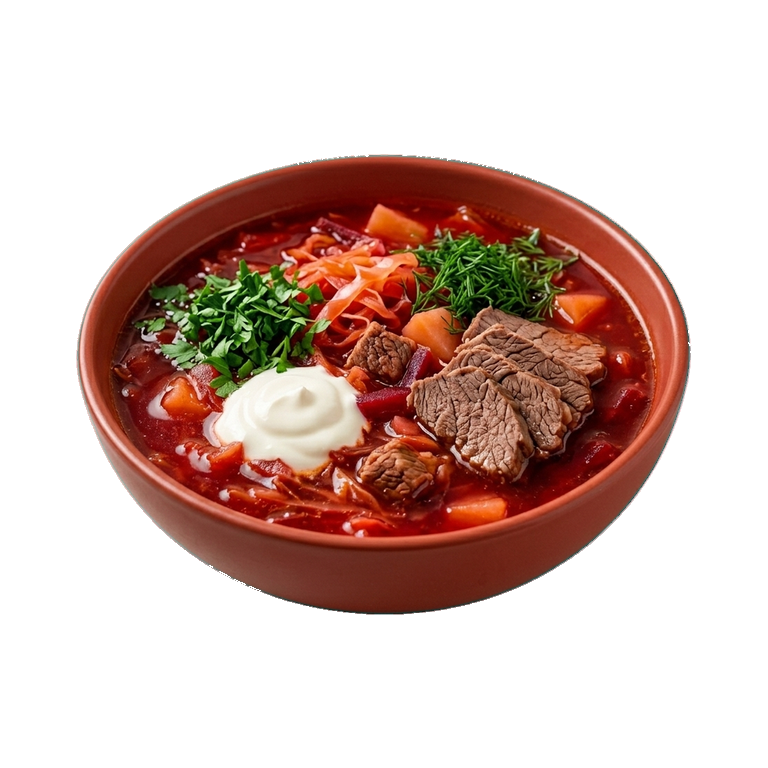
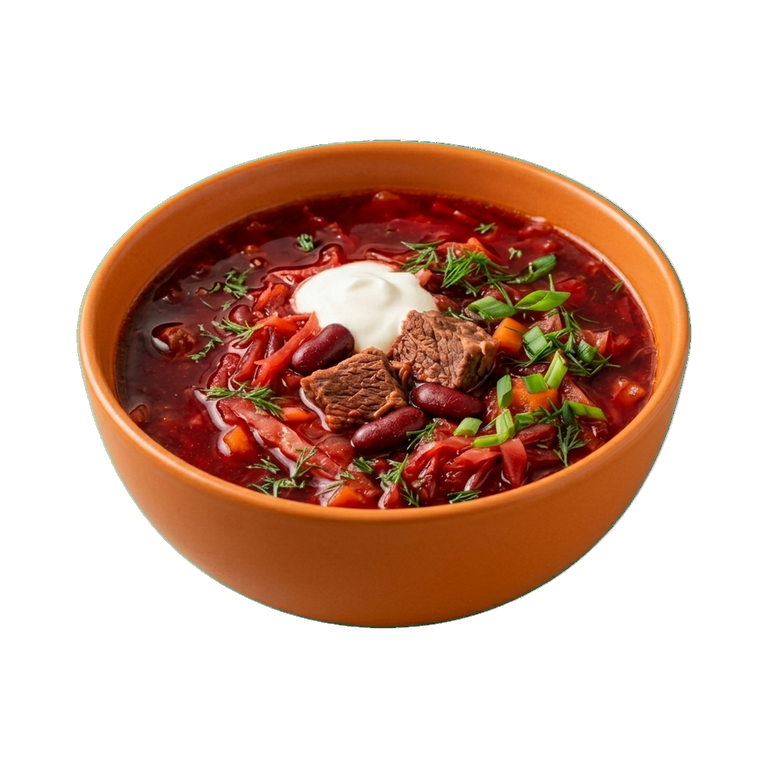
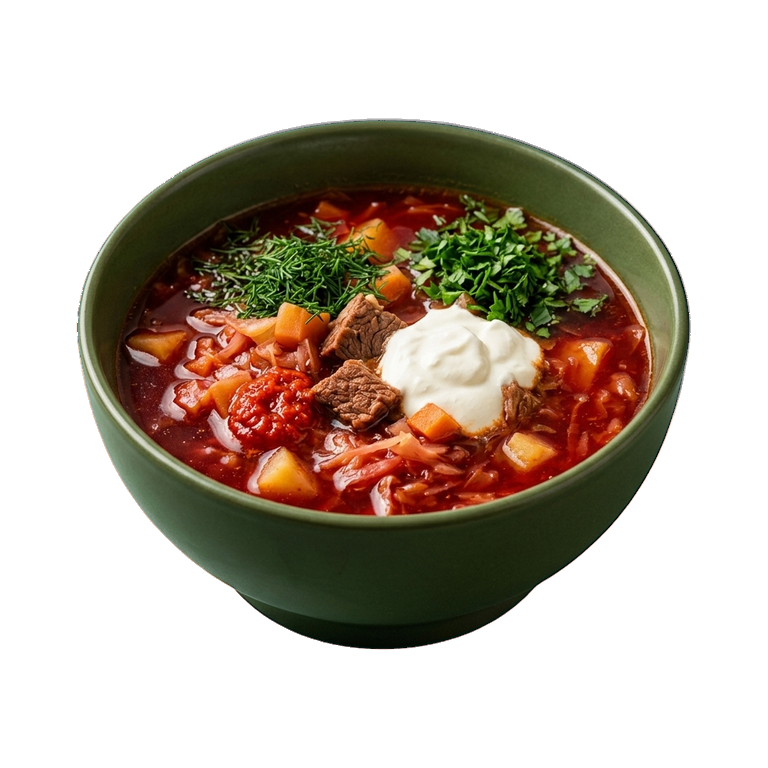
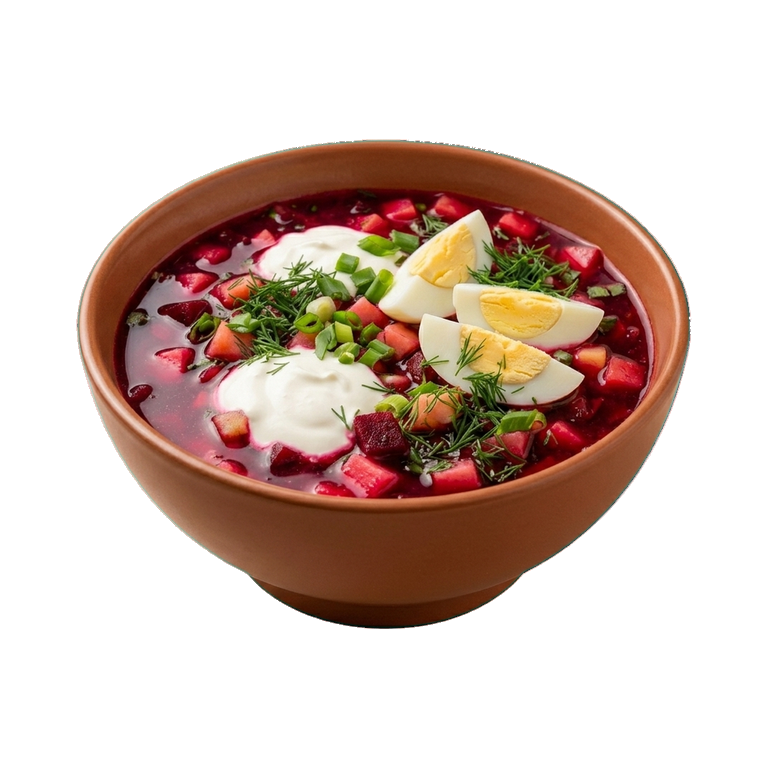
Sour cream is one of the most versatile dairy products in the kitchen. Its thick consistency, mild buttery flavor, and ability to change the character of a dish make it indispensable in Russian cuisine and far beyond. Whether it's a garnish for borscht, the base of a sauce, or a component of dough — sour cream works almost everywhere.
Taste and texture
Sour cream has a slightly tangy, but not sharp taste with a clean milk background. The acidity depends on the fat percentage and fermentation time — the higher the fat content, the softer and creamier the taste. The consistency varies from liquid (10–15% fat) to thick, almost like paste (40% and above).
Quality sour cream should be homogeneous, without lumps or separation. In taste — even, without bitterness or unpleasant aftertaste. If the product smells like alcohol or mold, this is a sign of improper storage or spoilage.
Where sour cream works best
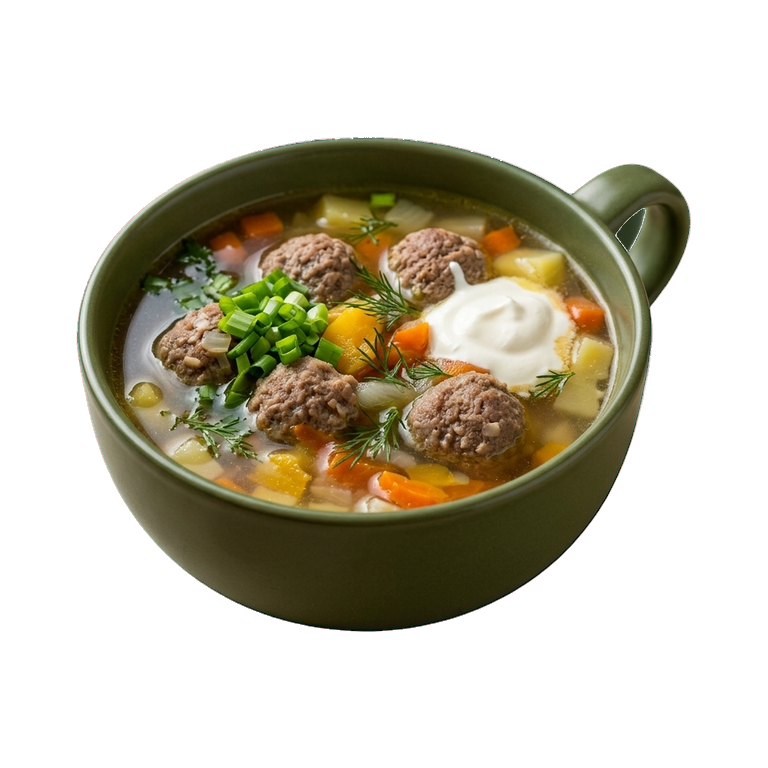
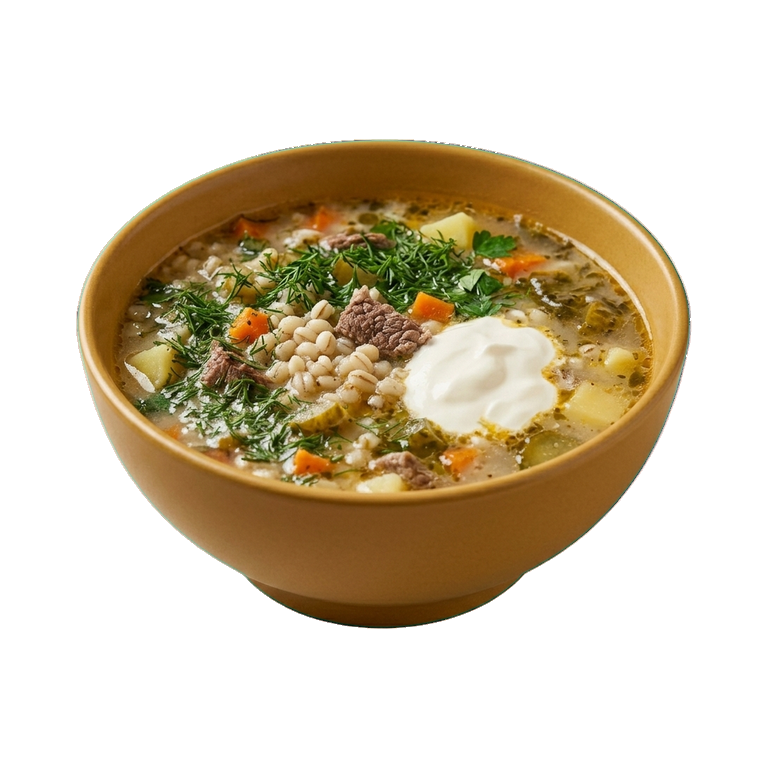
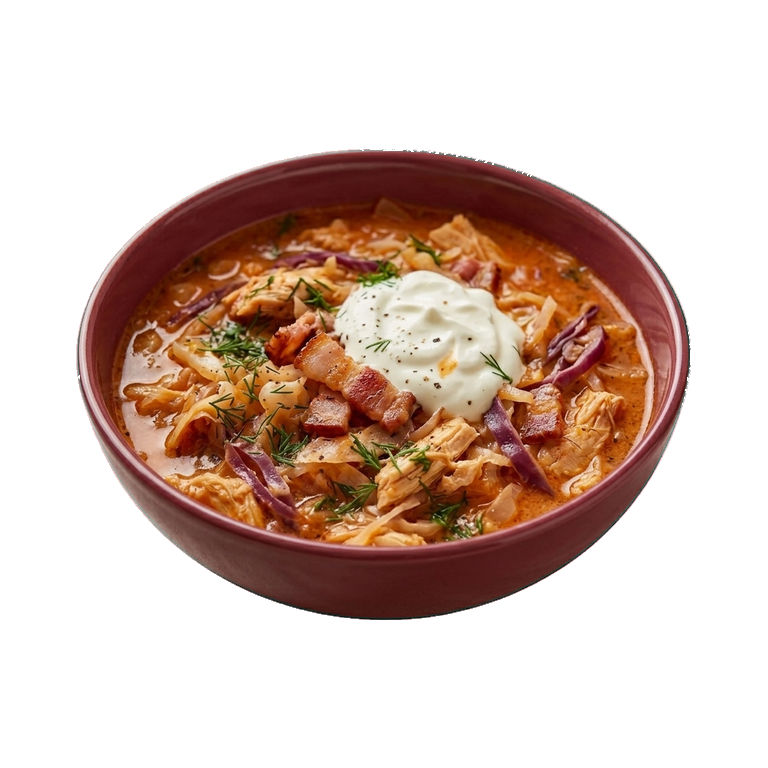
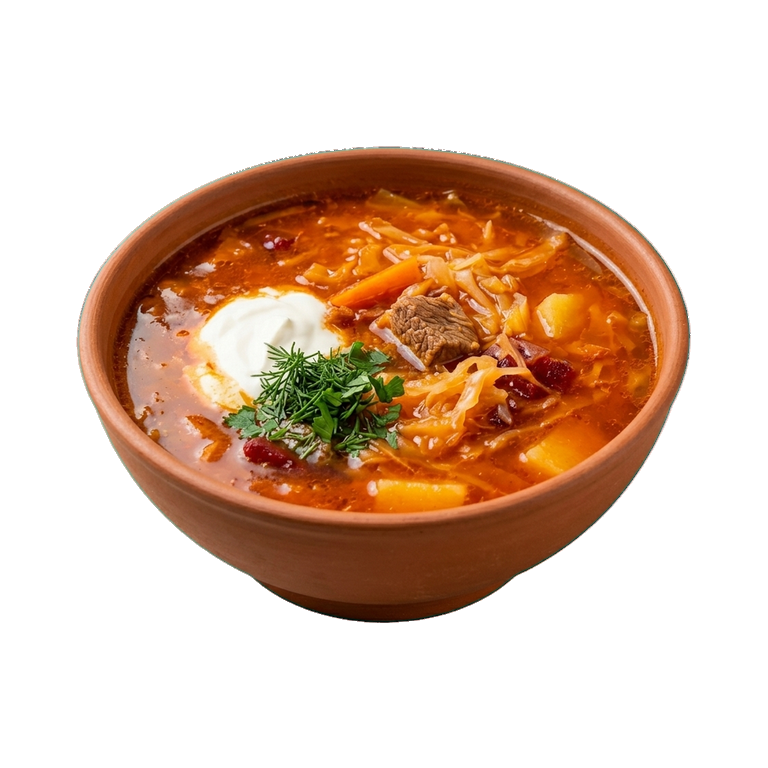
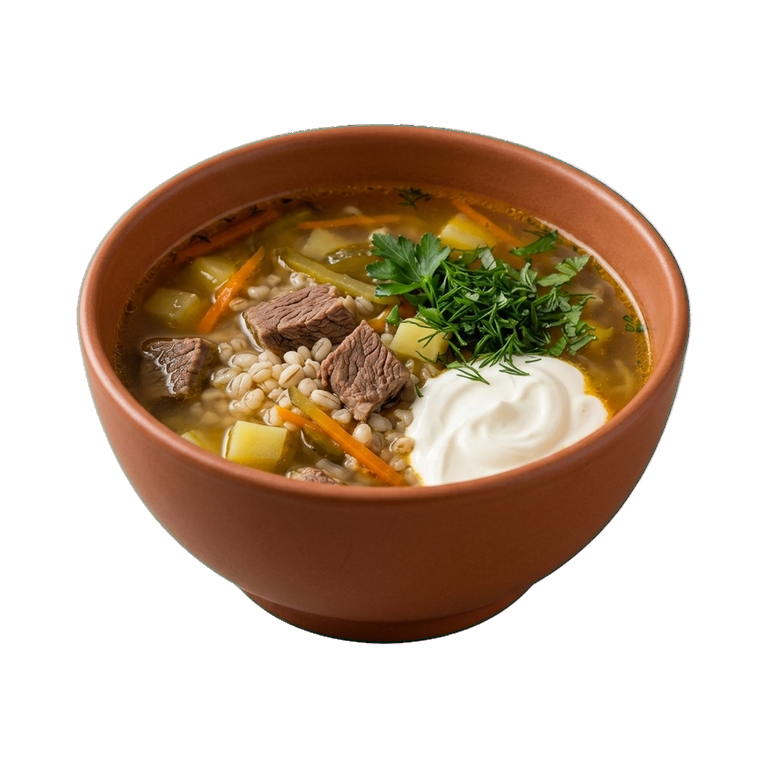
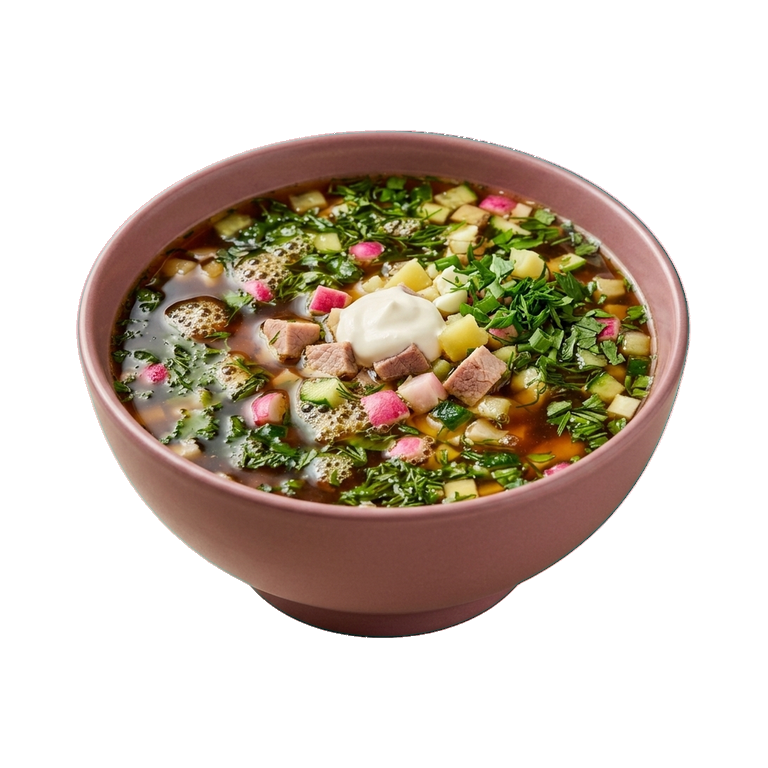
- In hot dishes — borscht, cabbage soup, solyanka. Sour cream softens the heat and adds creaminess.
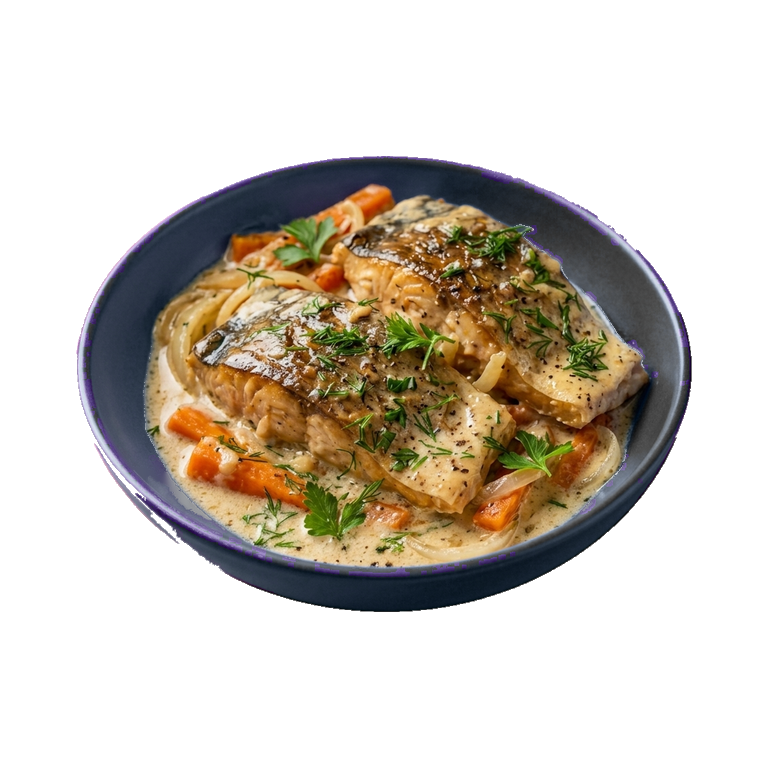
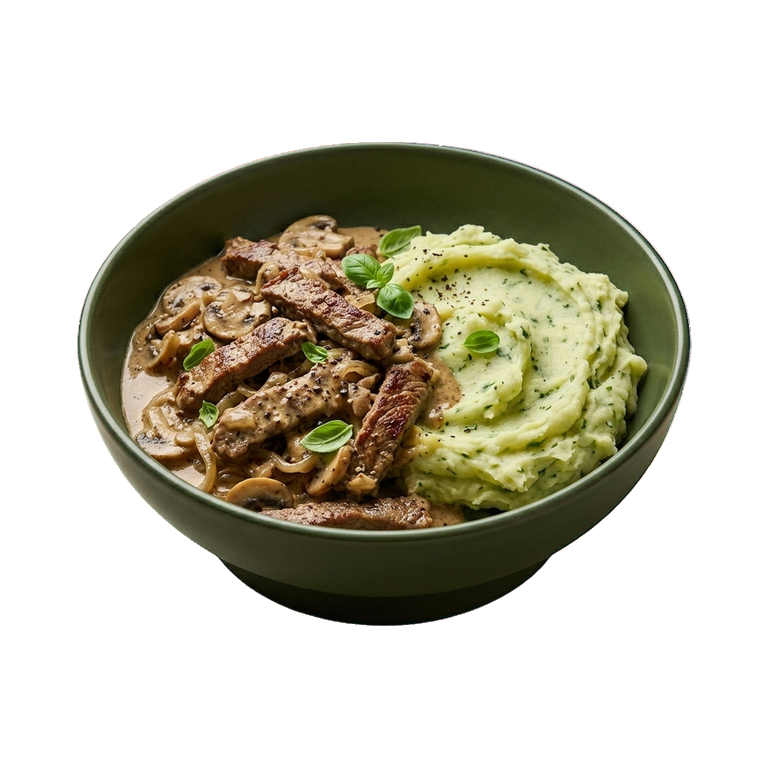
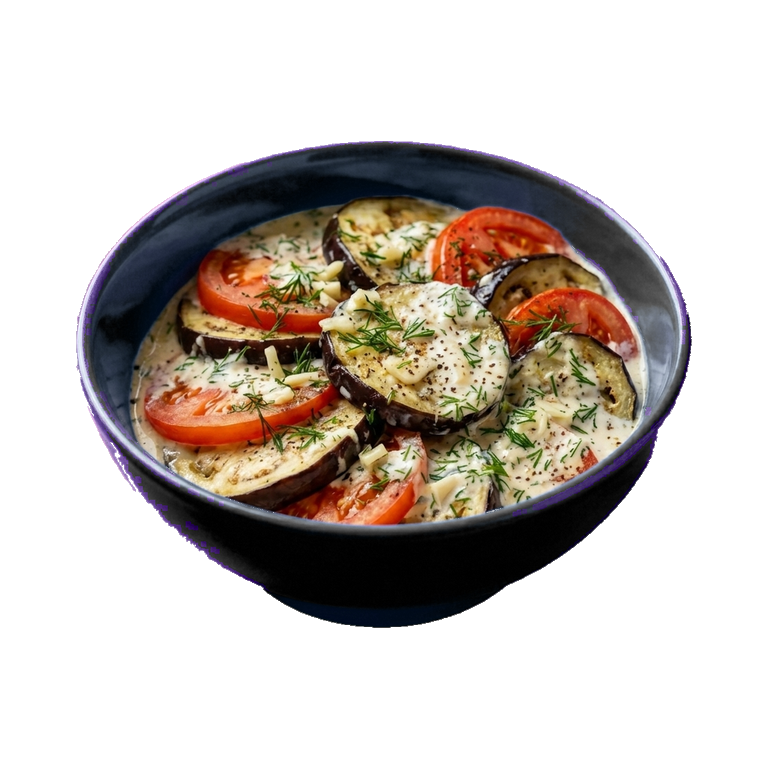
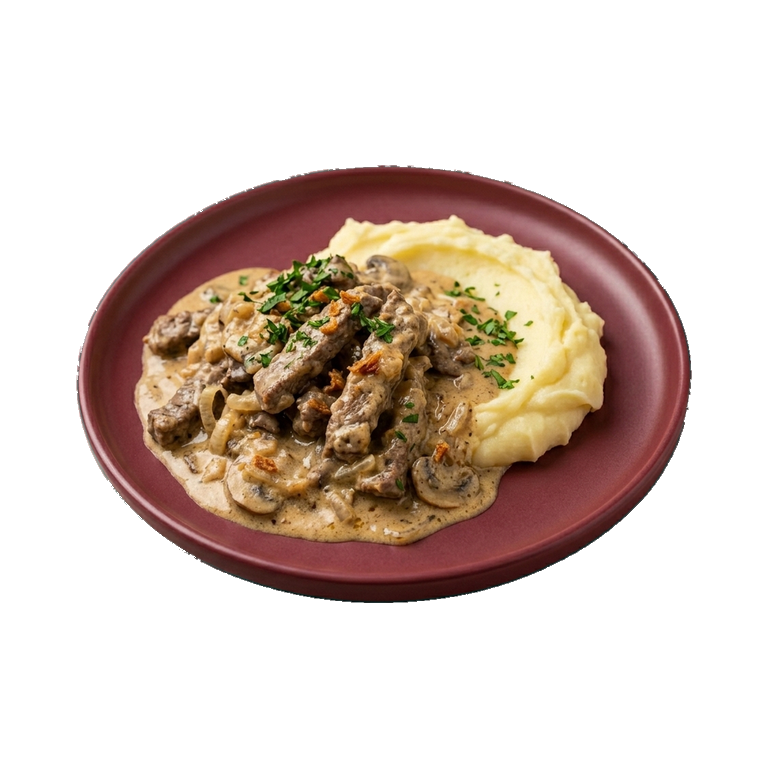
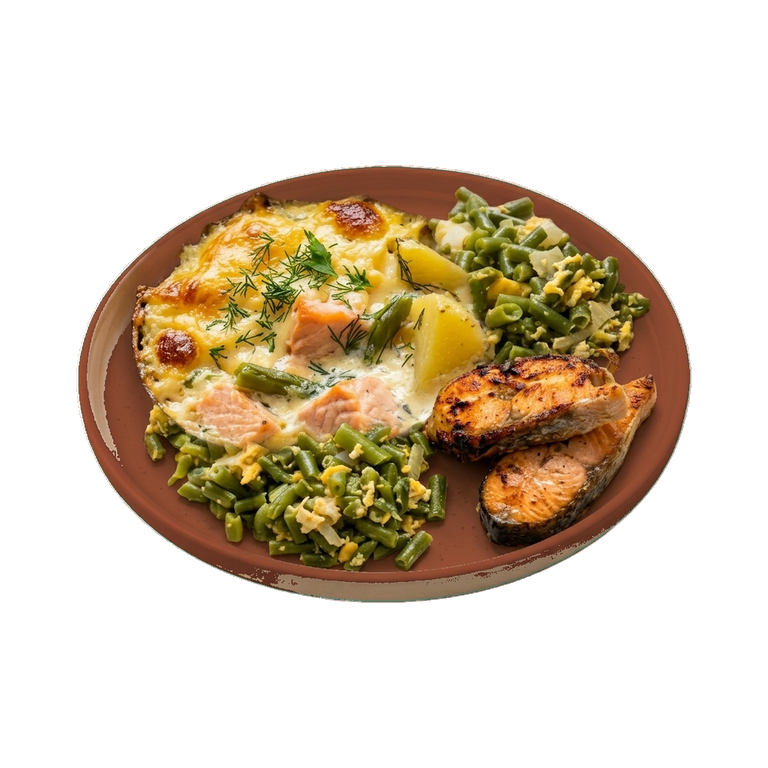
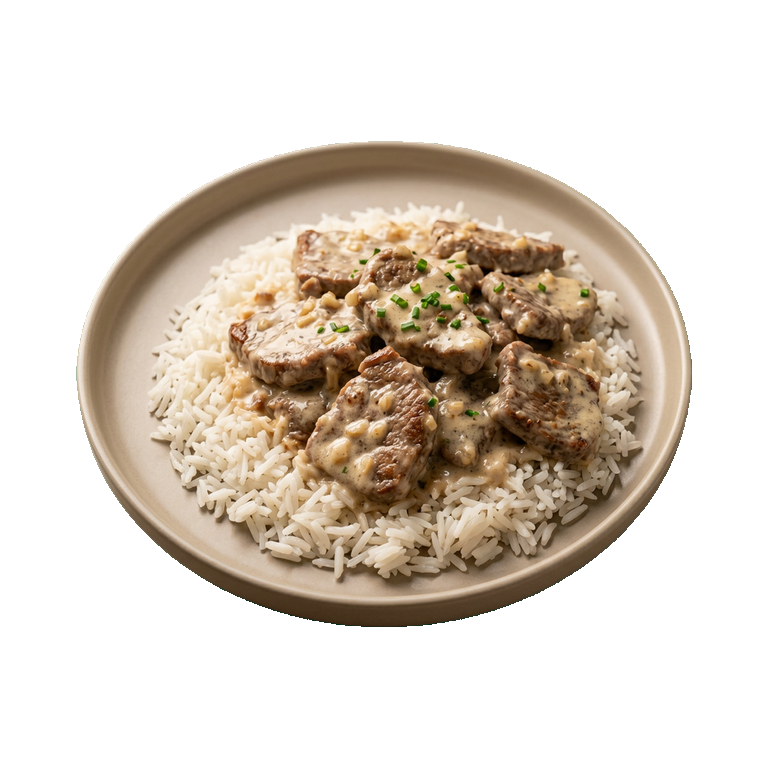
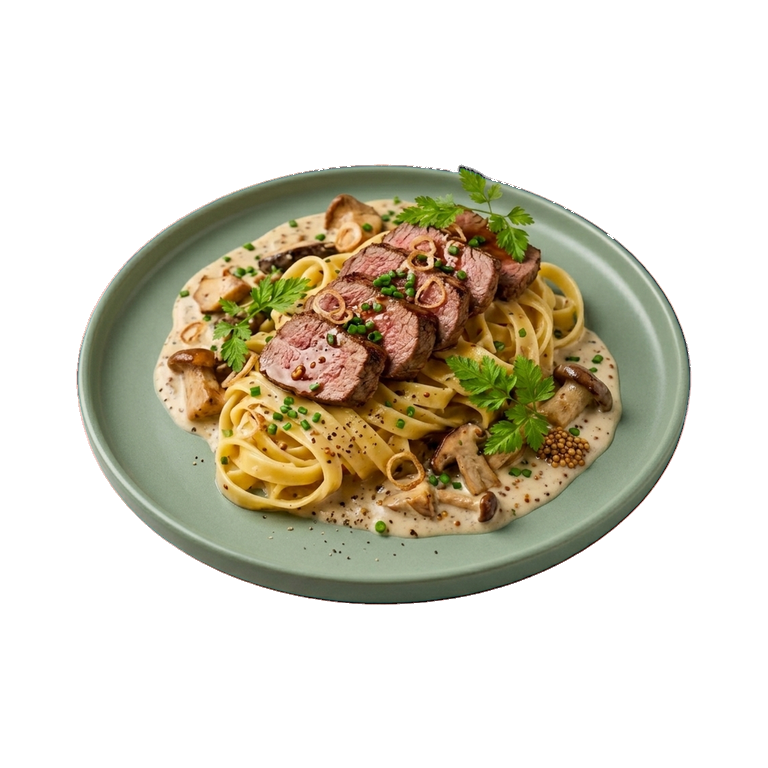
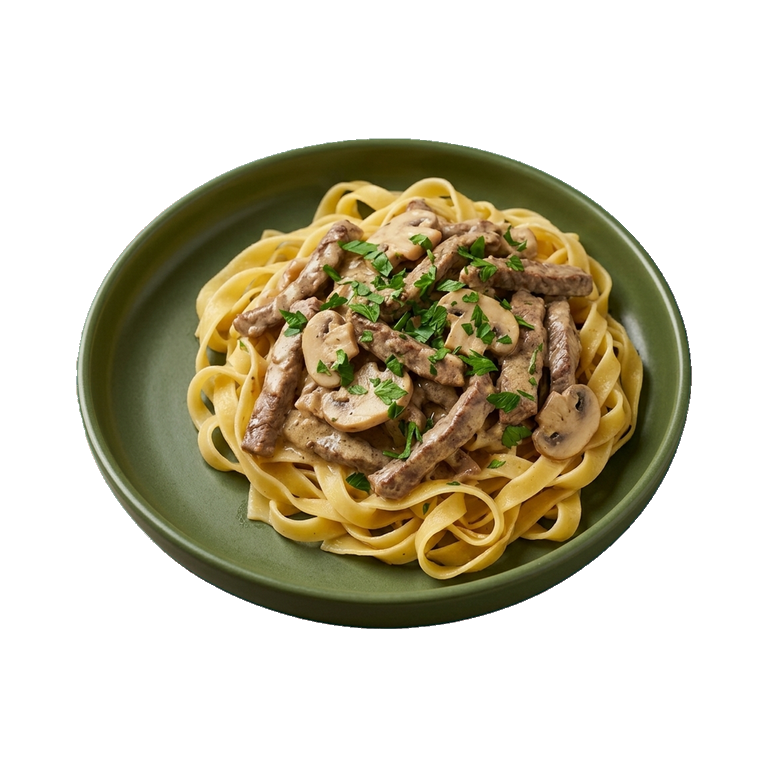
- In sauces and gravies. Its acidity balances fatty meat or fish.
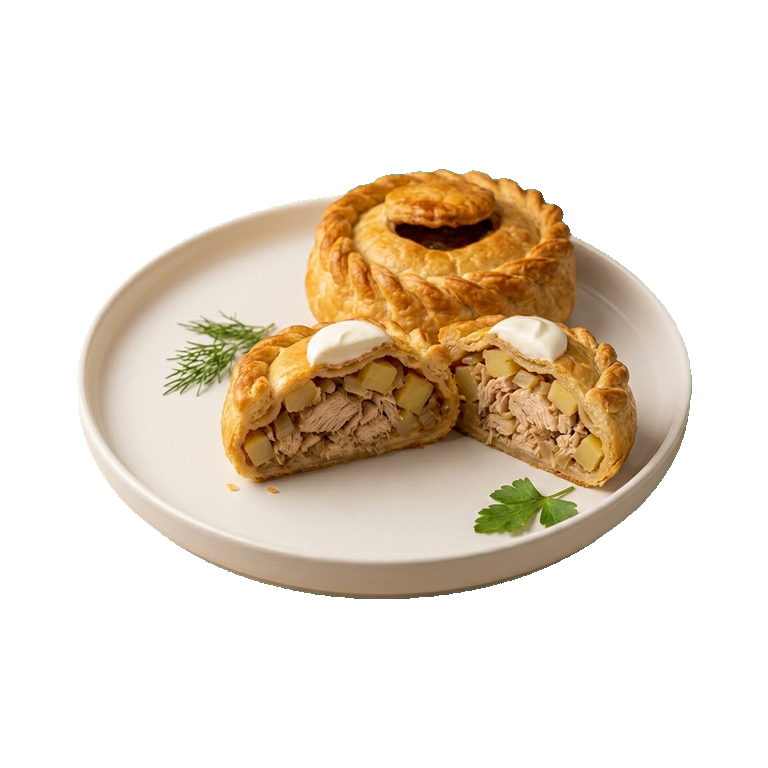
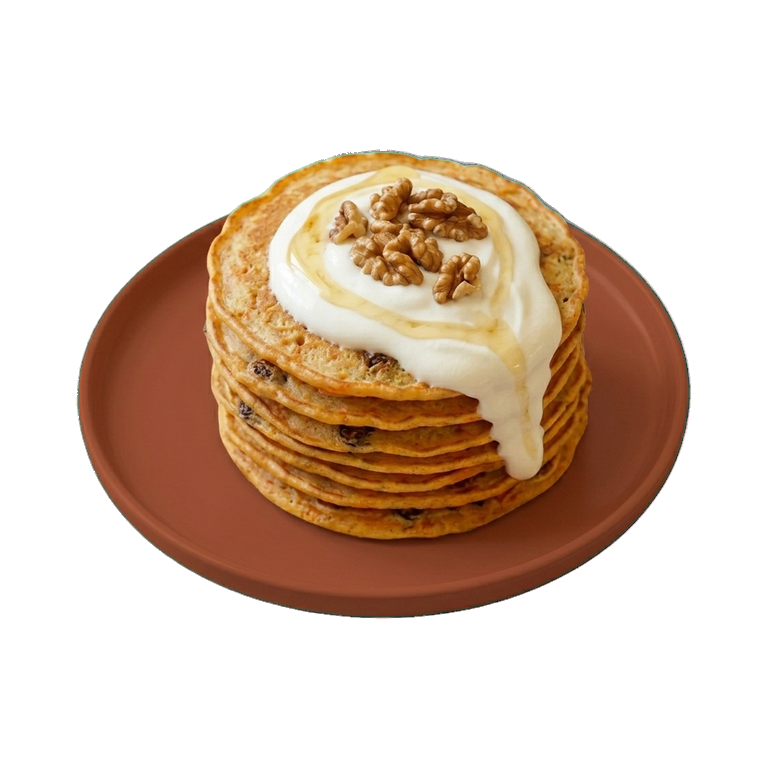
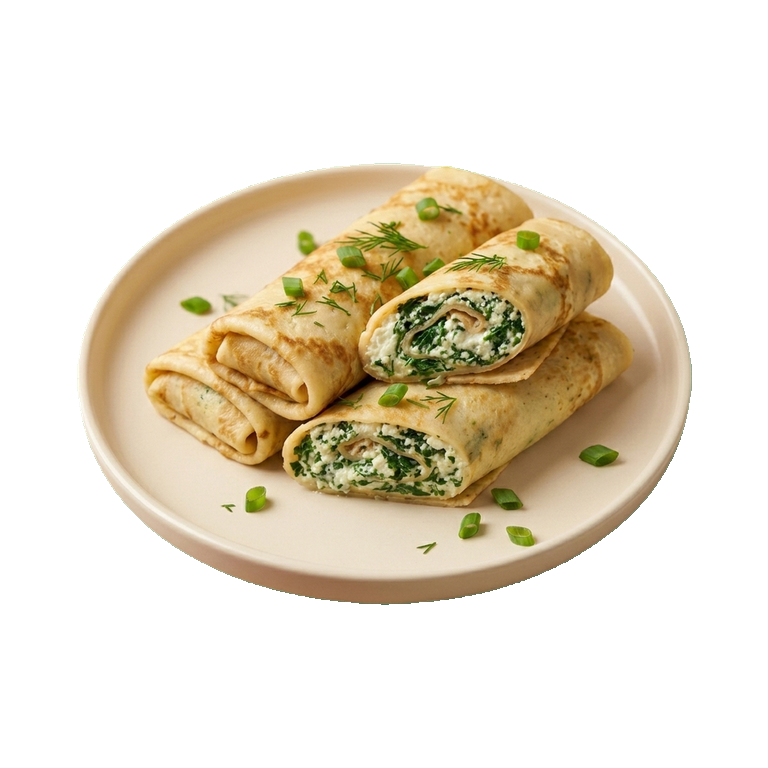
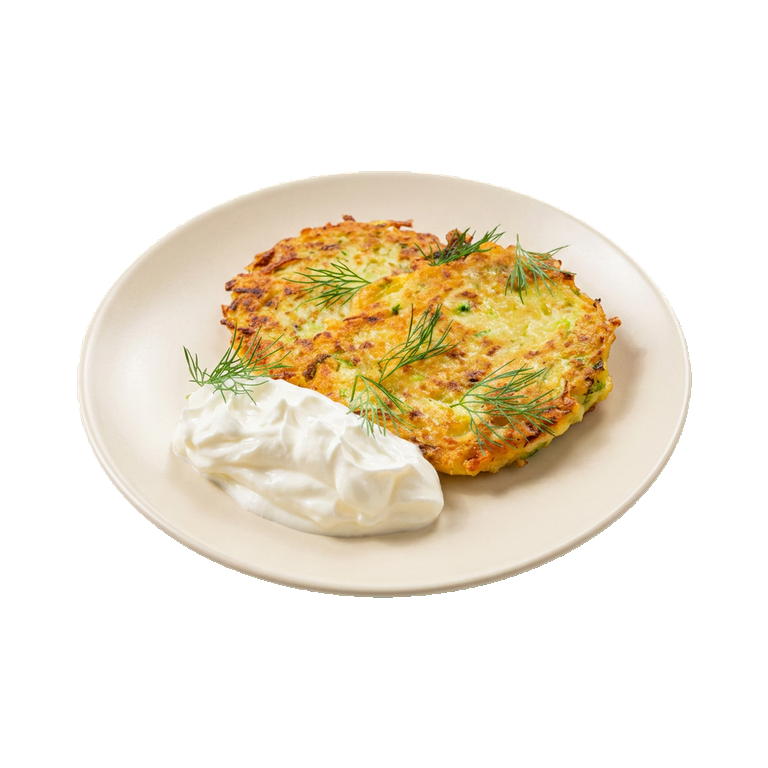
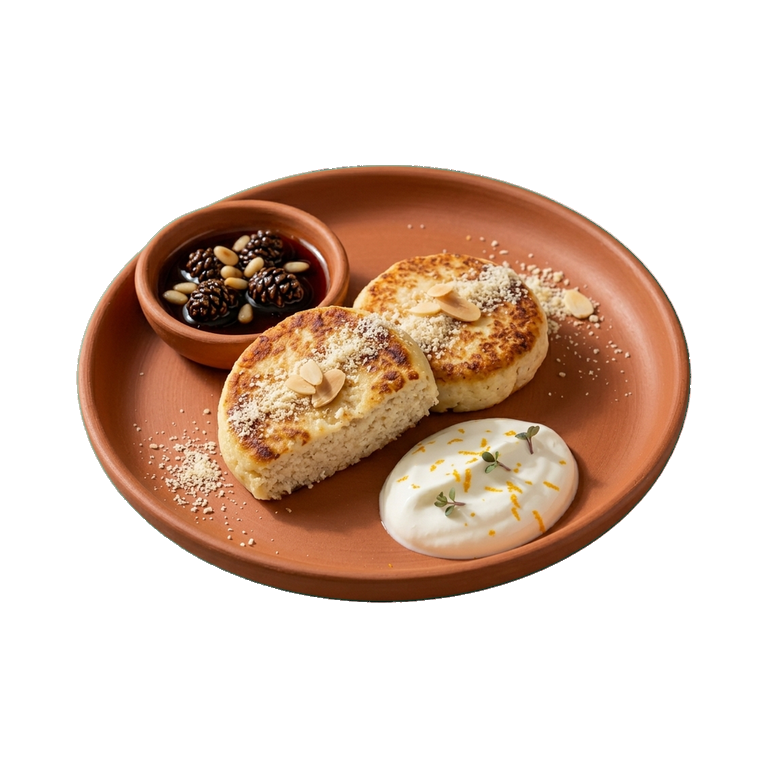
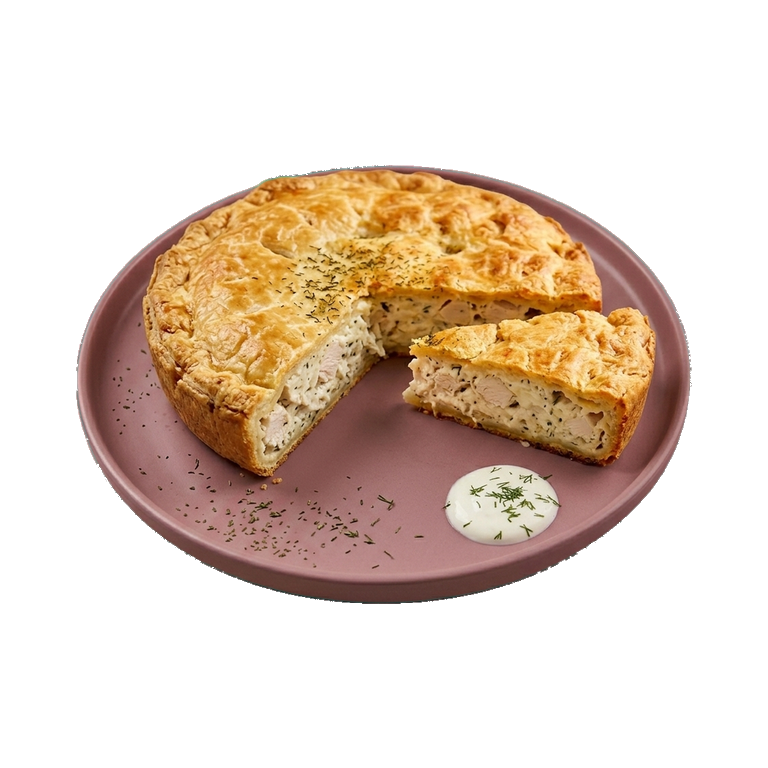
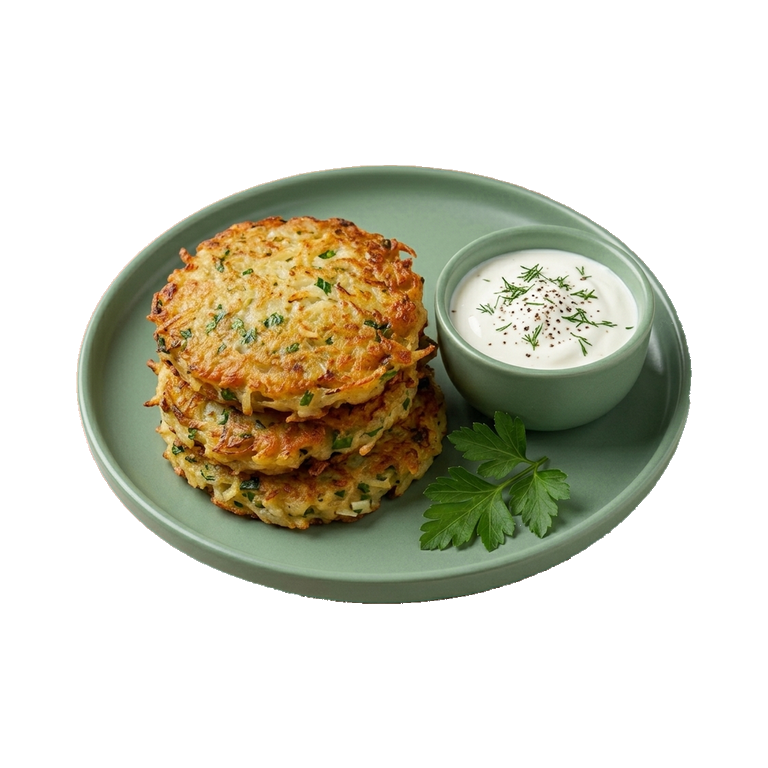
- In baked goods — pancakes, fritters, pies. Adds softness and a slight tang.
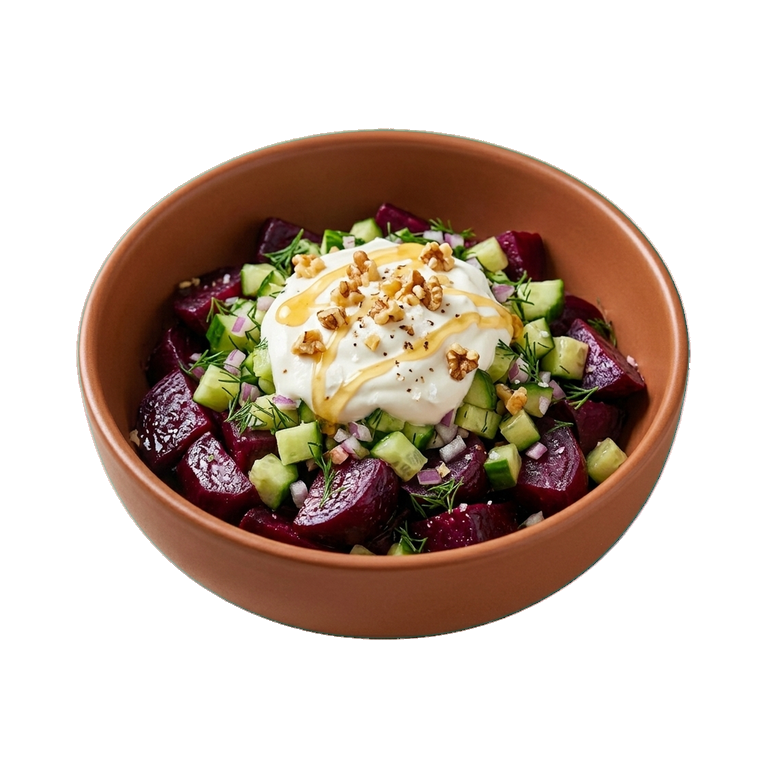
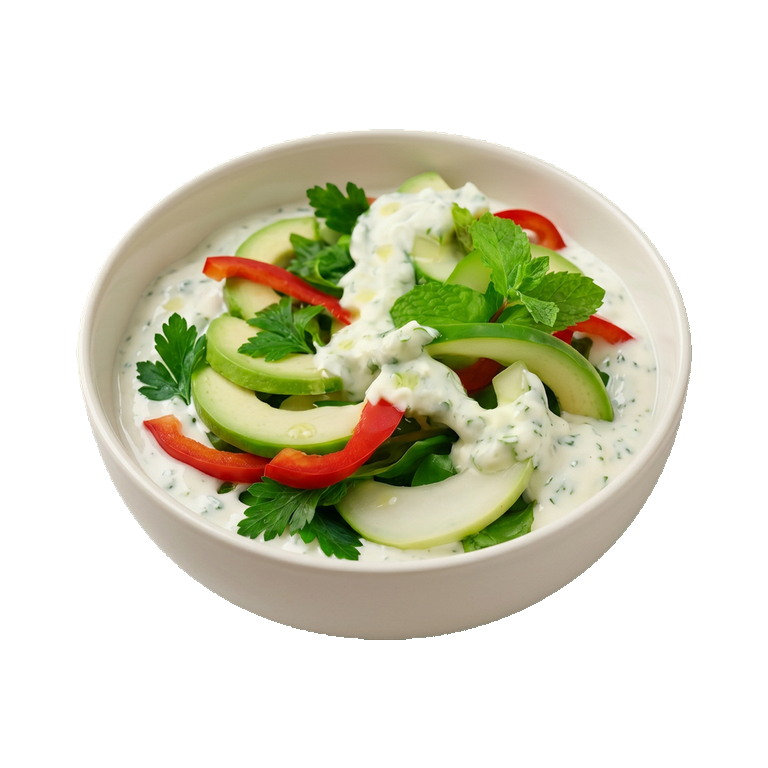
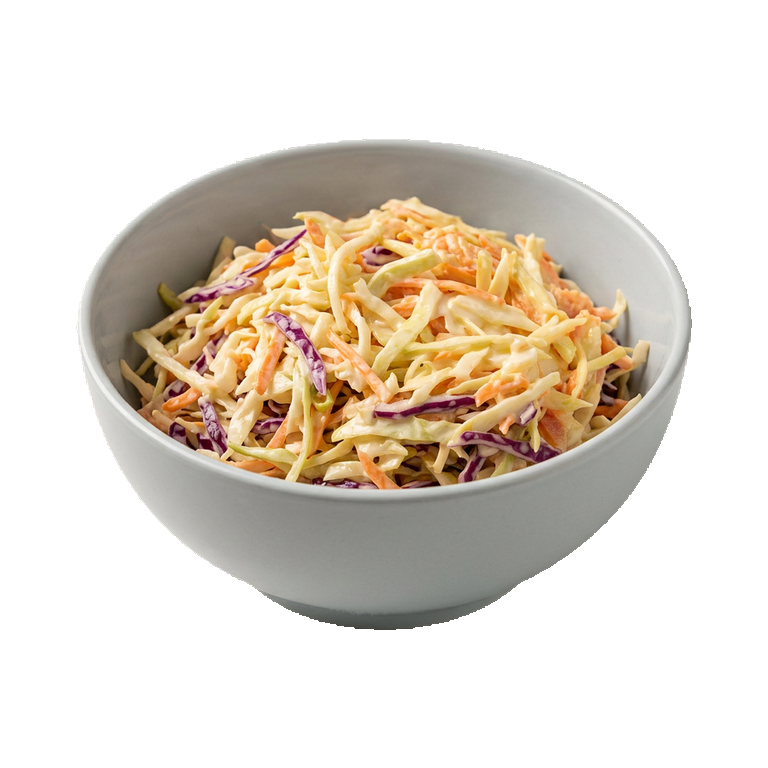
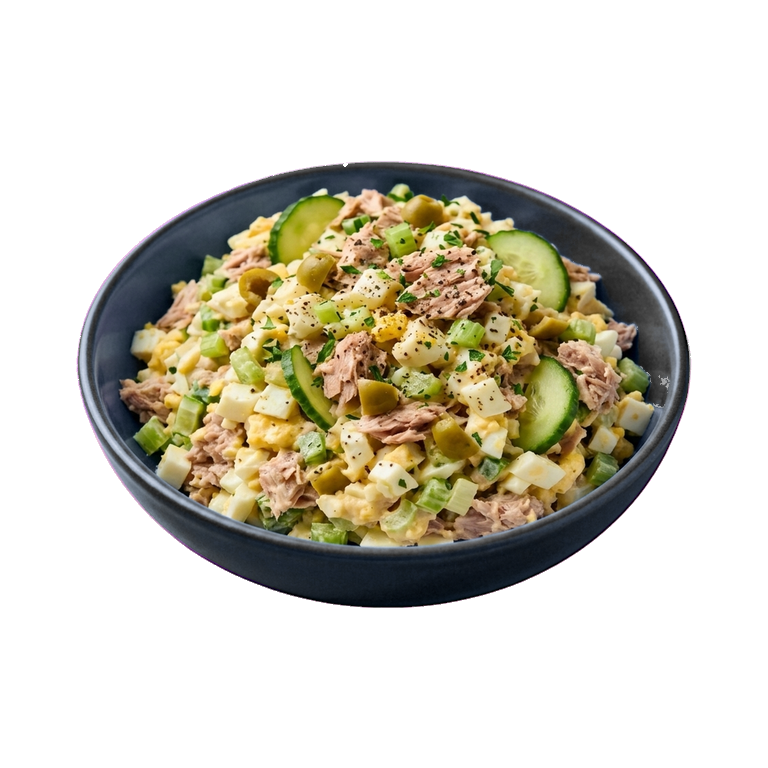
- In cold appetizers and salads instead of mayonnaise — a lighter option.
- In marinades for meat — acid and fat help tenderize the fibers.
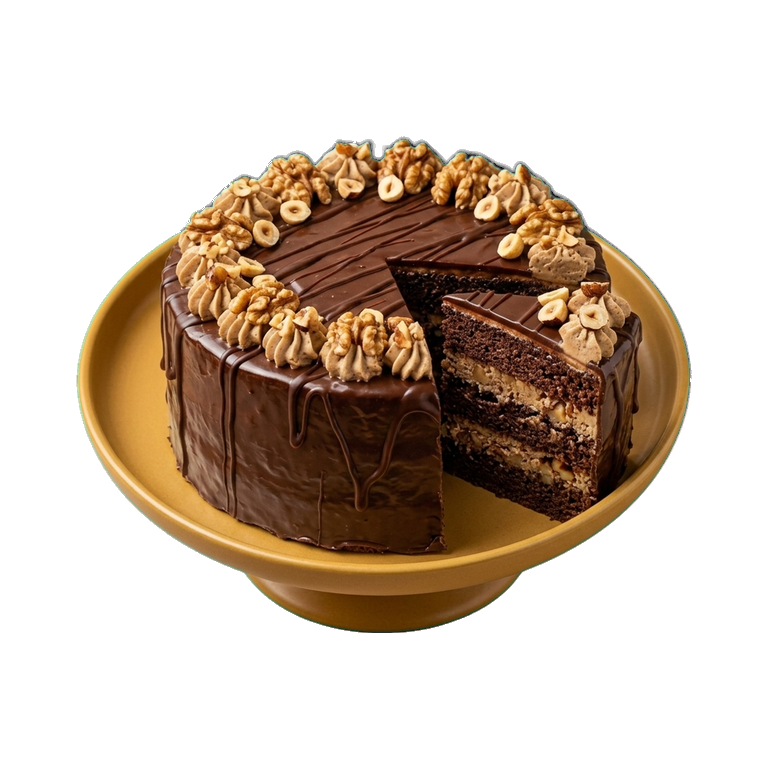
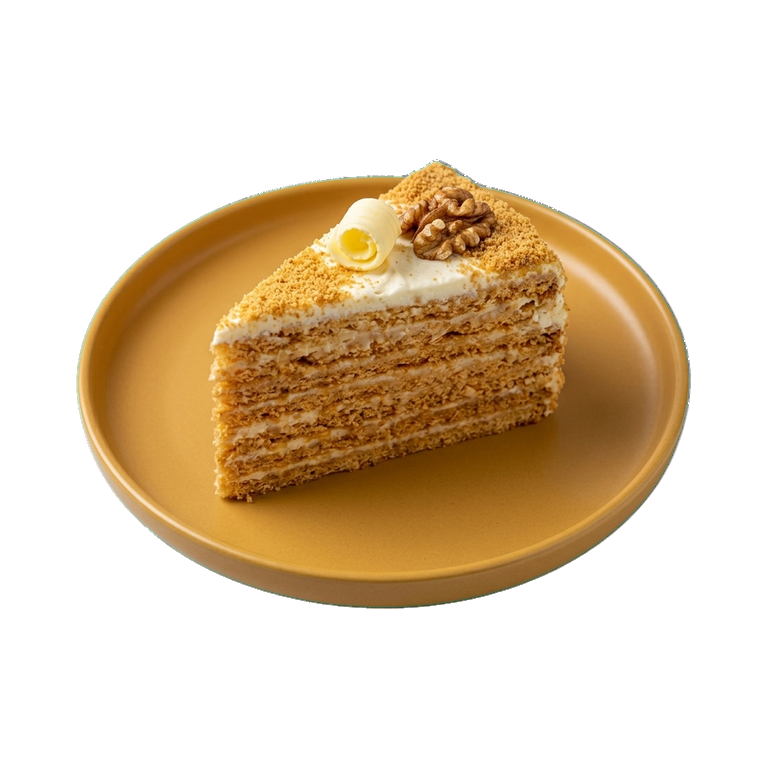
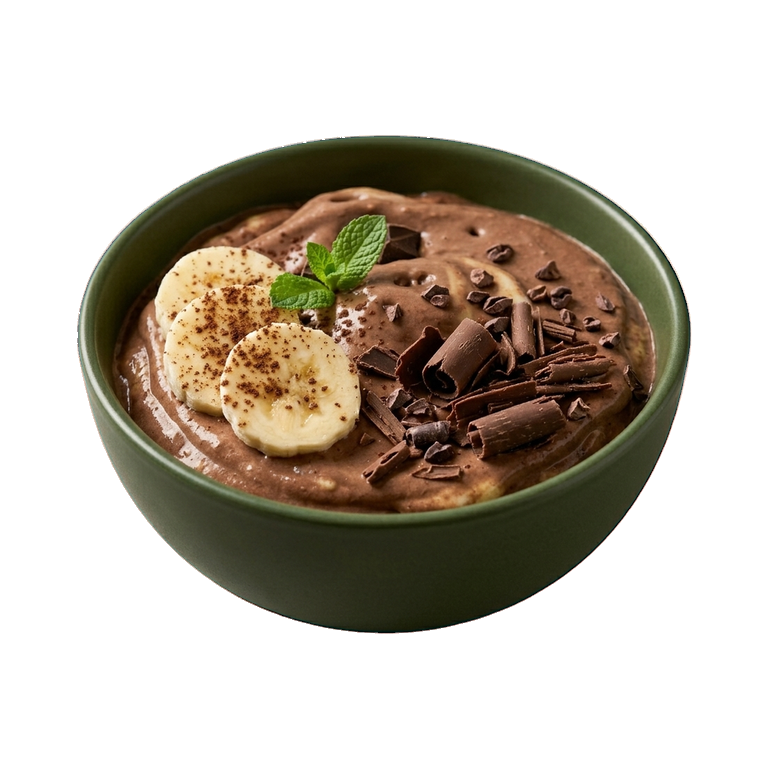
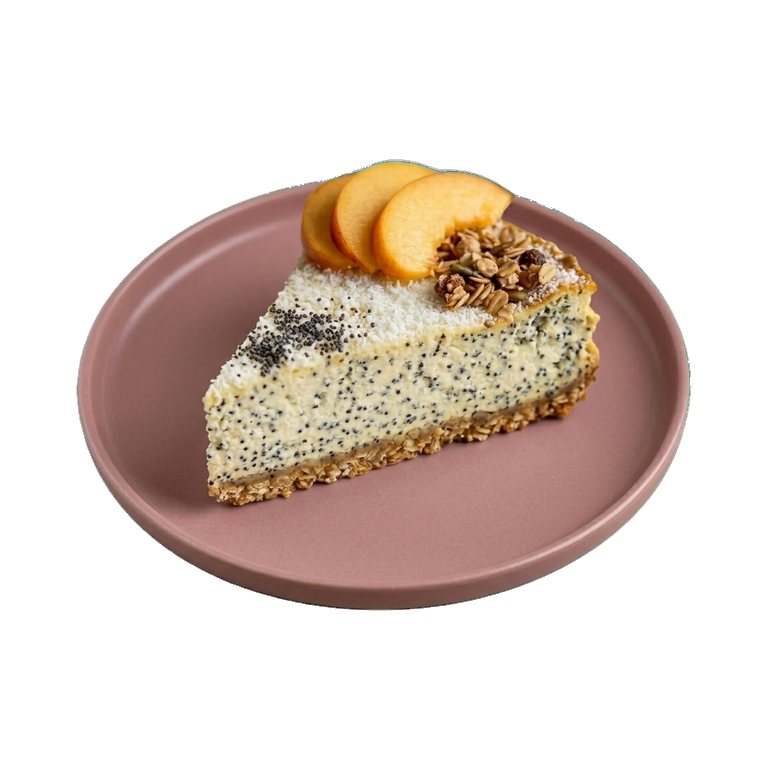
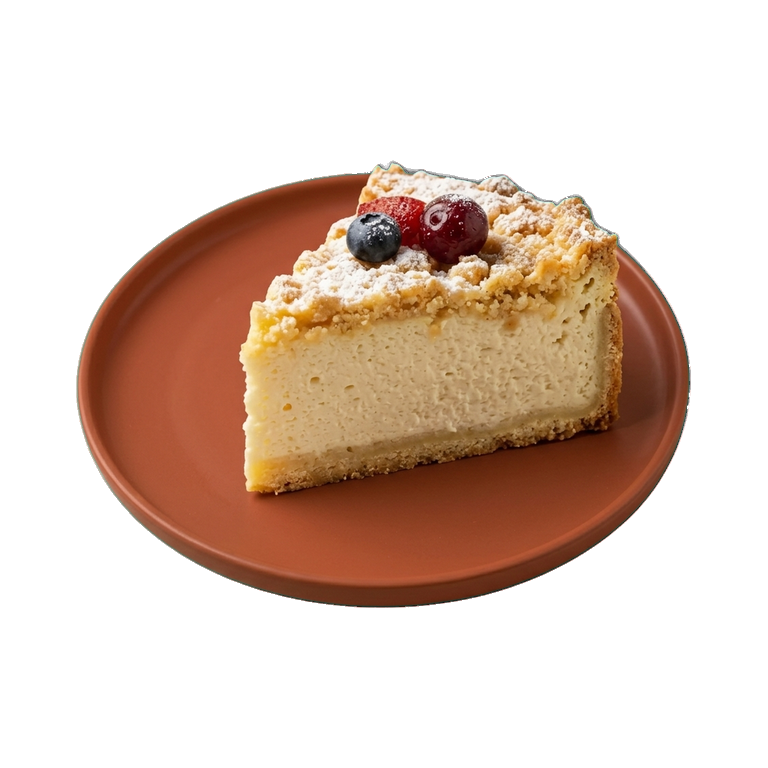
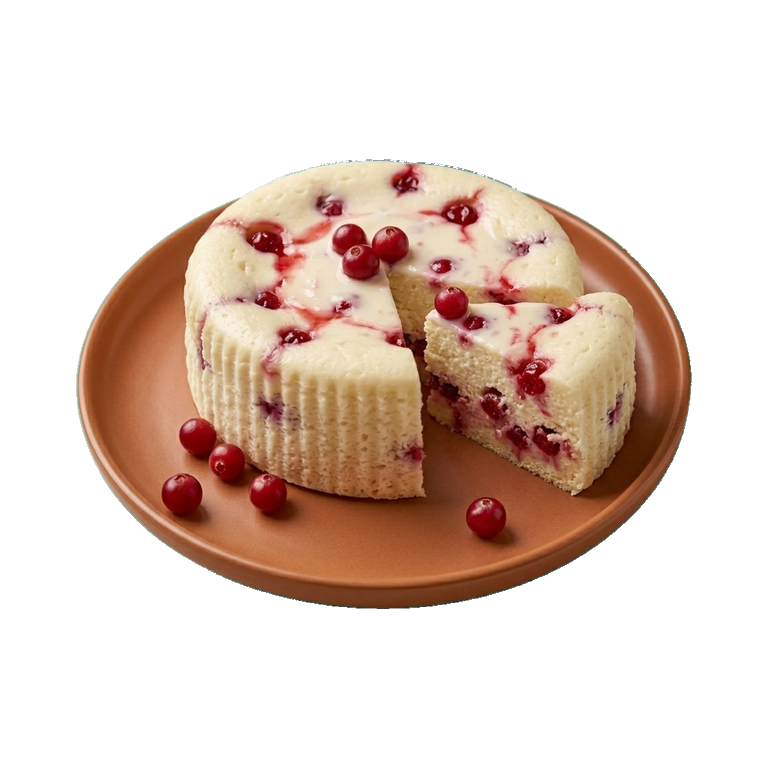
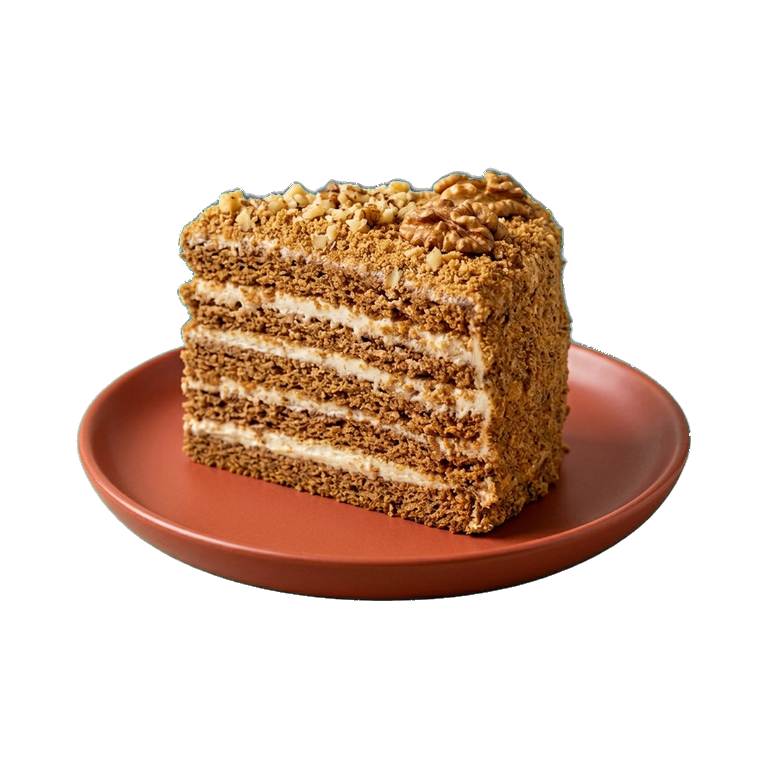
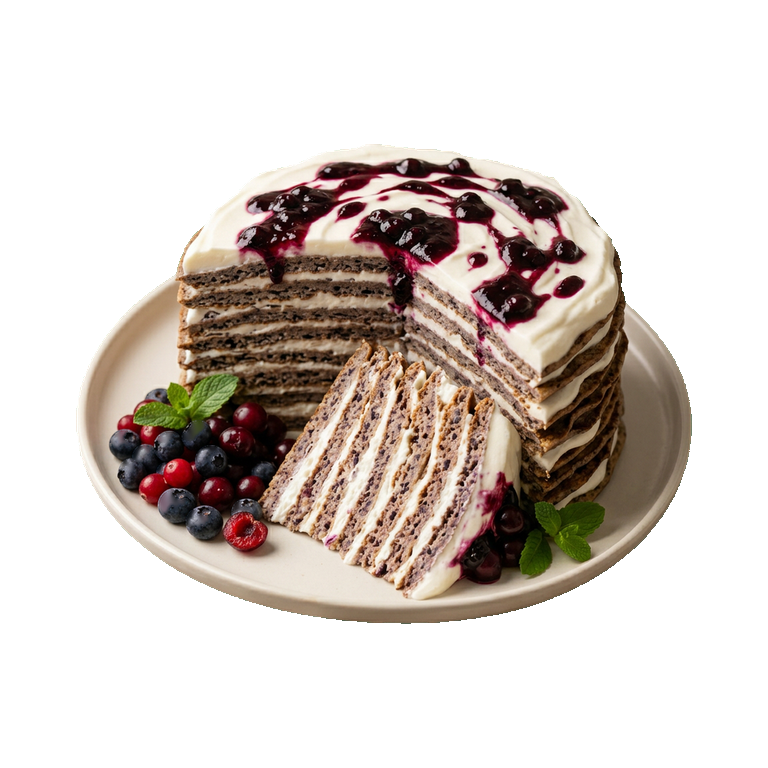
- In desserts — cheesecakes, sour cream cakes, creams. Provides moisture and characteristic flavor.
How to Choose and Store
When choosing, pay attention to the fat content depending on the task. For hot dishes, 15–20% is suitable, for sauces and baked goods — 20–30%, for creams and desserts, 30–40% is better. Check the production date and expiration date — fresh sour cream has a short shelf life.
Store sour cream in the refrigerator at a temperature of 2–6 degrees on a shelf, not on the door. Close the jar tightly or transfer it to a container so it doesn't absorb odors from other products. Once opened, sour cream is best used within a week. You can freeze it, but the texture may change after thawing — it's better to use such sour cream in sauces and baked goods rather than as a standalone product.
Practical tip
If you are adding sour cream to a hot dish, do not boil it — sour cream may curdle. Add it at the end of cooking or directly into the plate. For sauces, you can dilute the sour cream slightly with milk or broth so that it distributes better and is not too thick.
Nutrition
per 100 ml
- Calories
- 120 kcal
- Protein
- 2.8 g
- Fat
- 10 g
- Carbs
- 3.8 g
Micronutrients
per 100 ml
Macronutrients
- Fiber
- 0 g
- Sugars
- 5.707 g
- Saturated fat
- 2.136 g
- Monounsaturated fat
- 3.306 g
- Polyunsaturated fat
- 8.074 g
- Omega-3 (EPA + DHA)
- 0 g
- Cholesterol
- 0 mg
- Water
- 74.74 g
Minerals
- Sodium
- 841.33 mg
- Potassium
- 36.36 mg
- Calcium
- 6.06 mg
- Magnesium
- 2.02 mg
- Phosphorus
- 7.07 mg
- Iron
- 0.13 mg
- Zinc
- 0.04 mg
- Copper
- 0 mg
- Selenium
- 1.6 mcg
Vitamins
- Vitamin A (RAE)
- 11.1 mcg
- Vitamin D
- 0 mcg
- Vitamin E
- 2.47 mg
- Vitamin K
- 3.5 mcg
- Vitamin C
- 0.4 mg
- Vitamin B1 (thiamin)
- 0.01 mg
- Vitamin B2 (riboflavin)
- 0.01 mg
- Vitamin B3 (niacin)
- 0.02 mg
- Vitamin B6
- 0.03 mg
- Vitamin B9 (folate, DFE)
- 6.1 mcg
- Vitamin B12
- 0.1 mcg
Measures and weight
- 1 tbsp
- 15.2 g
- 1 tsp
- 5 g
- 1 cup
- 252.5 g
- 1 can
- 200 g
Measure calculator
- Weight
- 100 g
- Calories
- 119 kcal