Usuba
Usuba
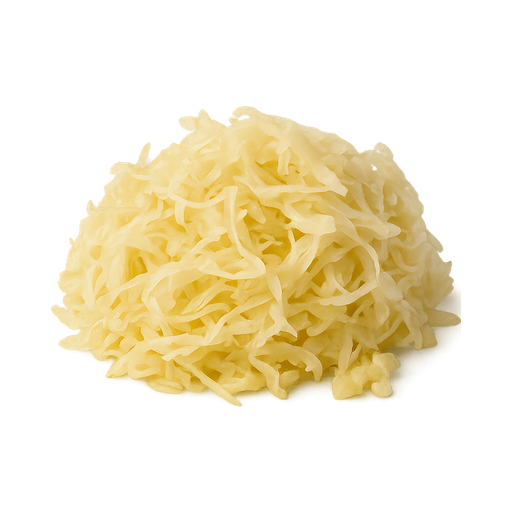
Sauerkraut
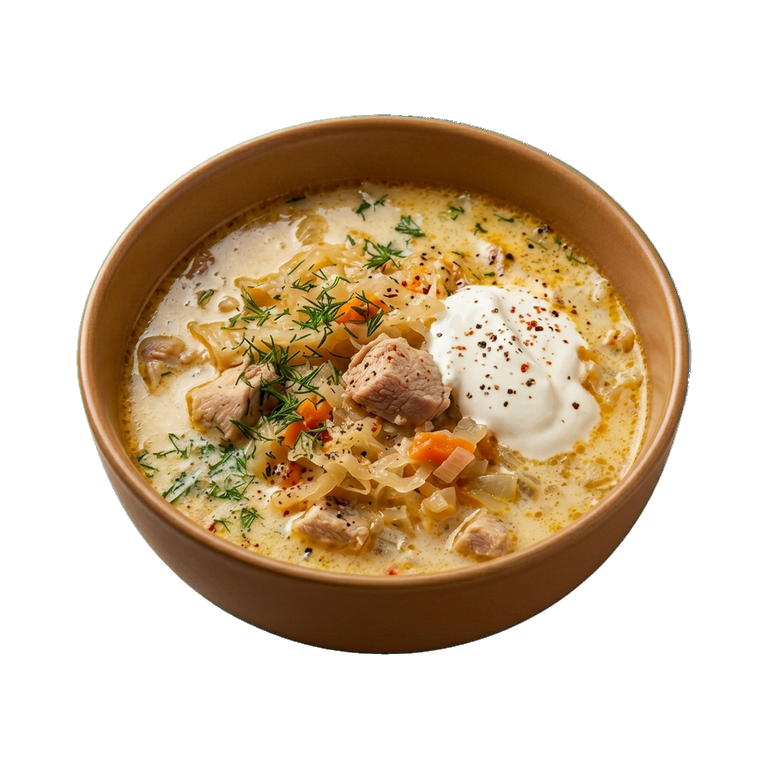
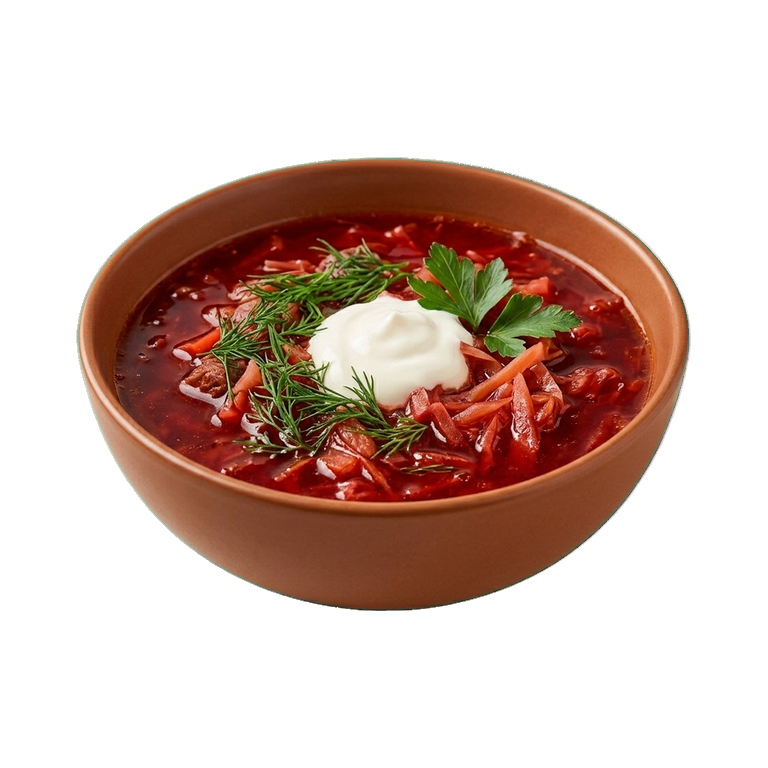
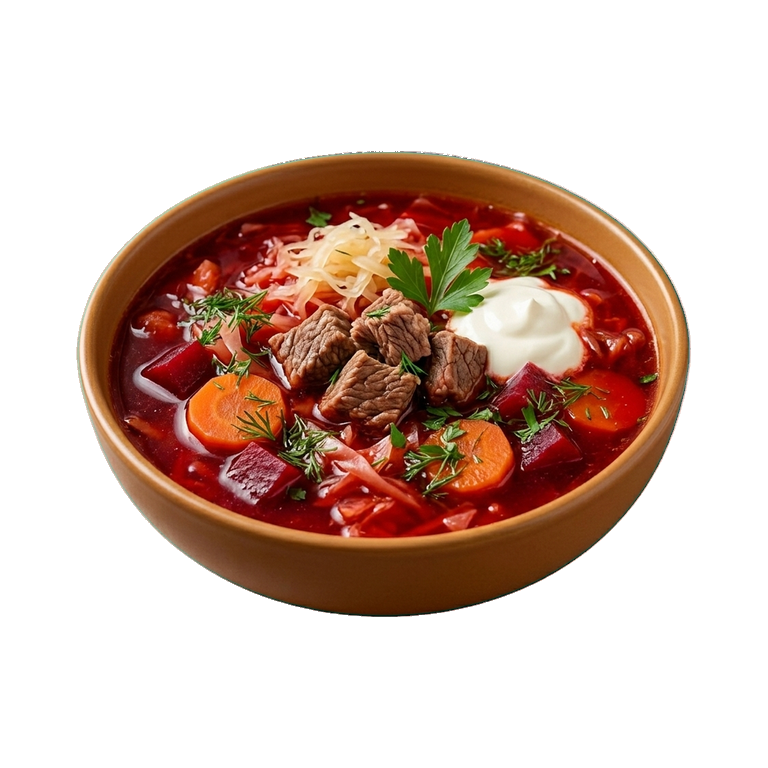
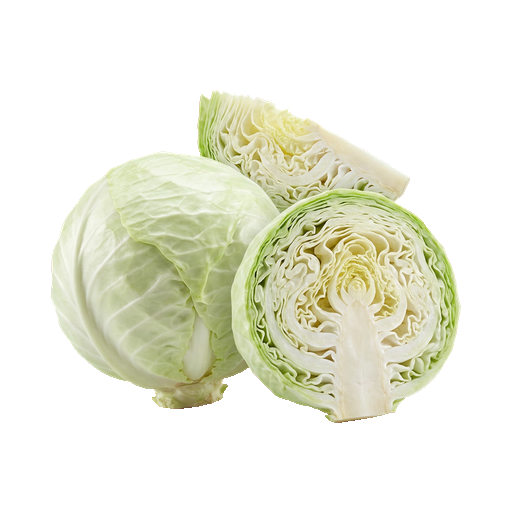
Sauerkraut is white cabbage fermented in its own juice with salt without heat treatment. It has a distinctive tangy flavor, crispy texture, and a sharp, slightly pungent aroma. In cooking, it is used as a standalone dish, a side to meat, a base for soups and borscht, and is also added to pies and salads — sauerkraut enriches dishes with probiotics and helps improve digestion.
Micronutrients
per 100 g
Minerals
About
Sauerkraut is not just a pickled vegetable, but a living product that works in the kitchen on multiple levels at once. Its sharp, slightly tangy flavor is capable of enlivening the most neutral dishes, while its crunch adds textural contrast to any meal. At the same time, it requires minimal effort to use: simply open the jar and add the desired amount.
Taste and Aroma
The main characteristic of sauerkraut is acidity, which develops during the fermentation process. It can be mild and delicate or distinctly sharp depending on the aging time and preparation method. A good product smells fresh and yeasty, rather than musty or moldy.
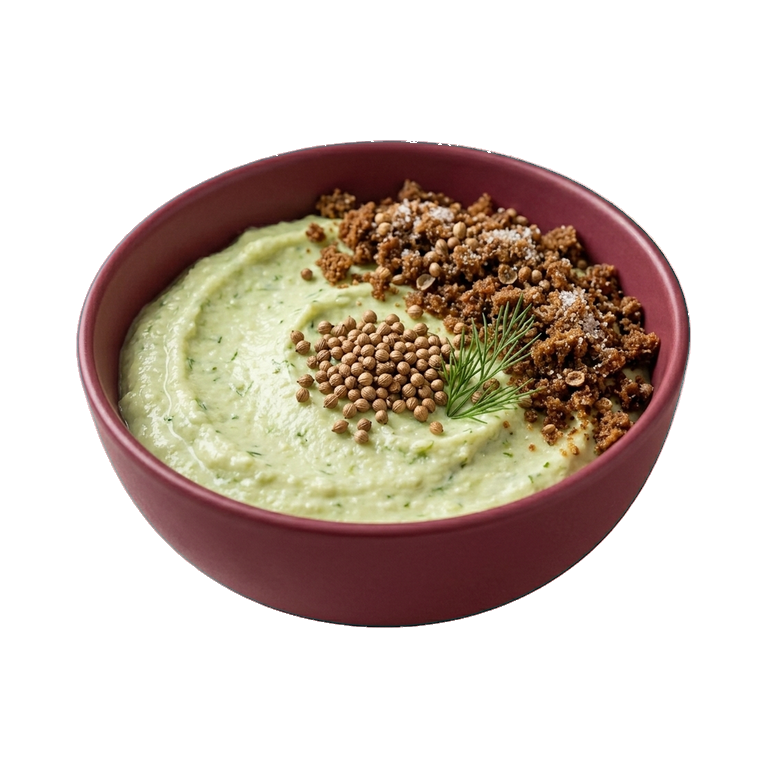
Behind the acidity lies a slightly sweet note of the cabbage itself, which becomes more noticeable if you try the juice separately. Some producers add caraway seeds or juniper berries — they provide a spicy, slightly bitter background that enhances the sensation of taste depth.
Where and how to use it
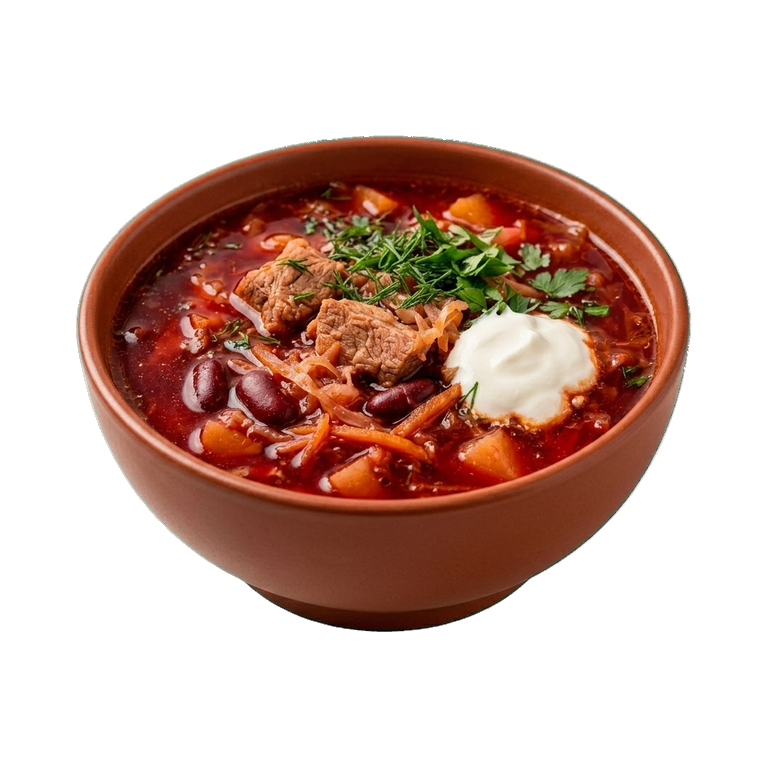
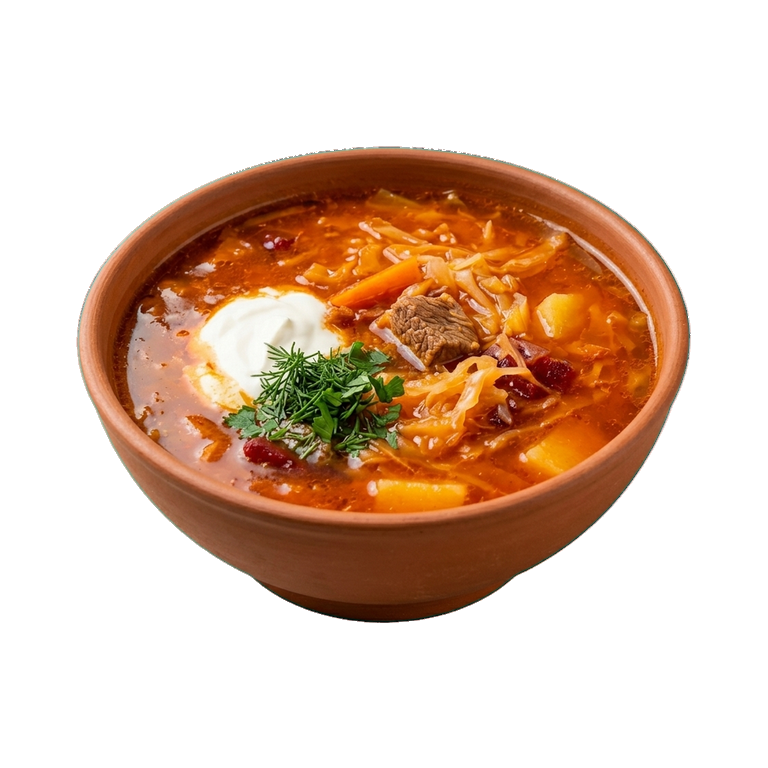
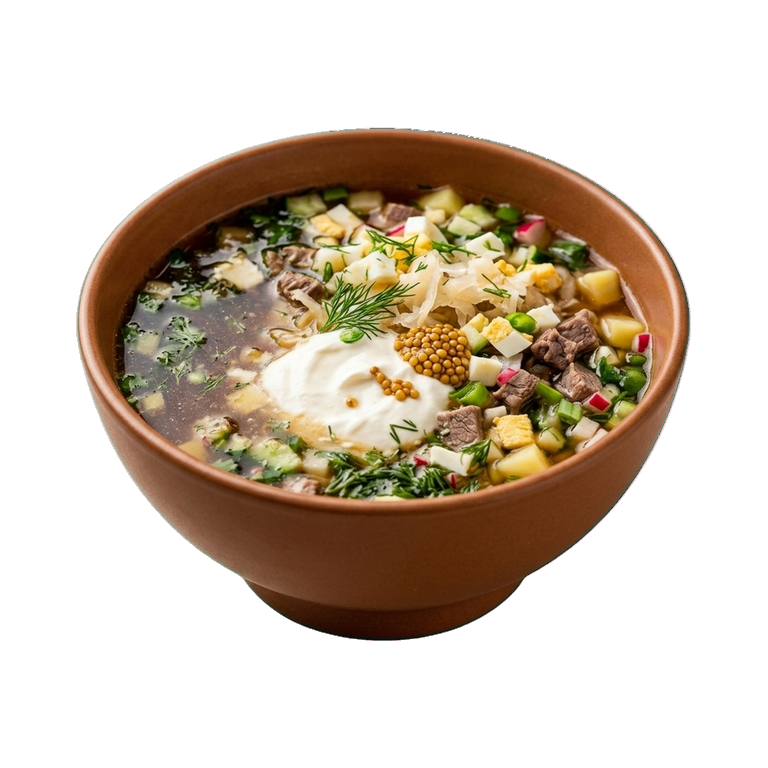
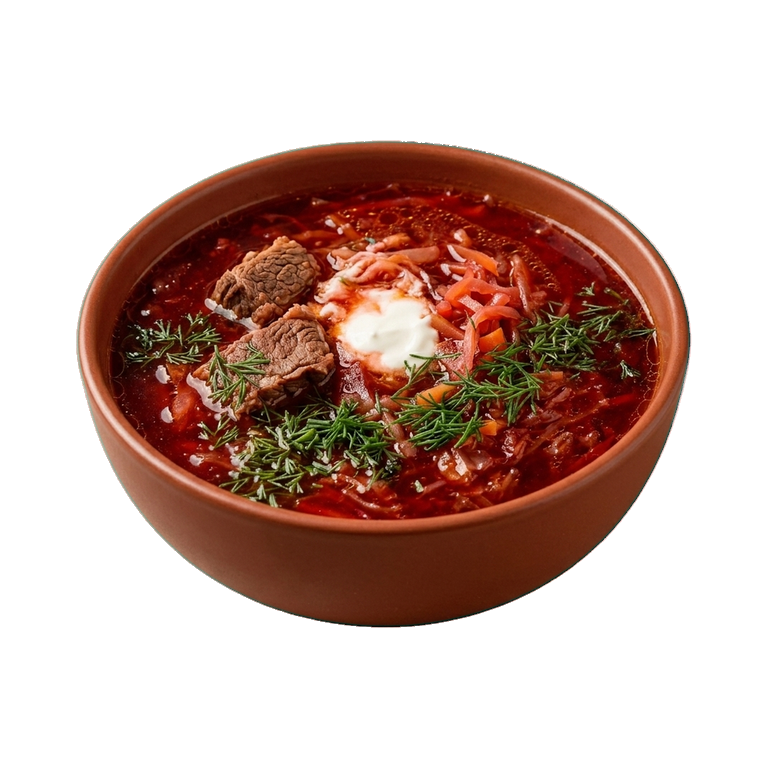
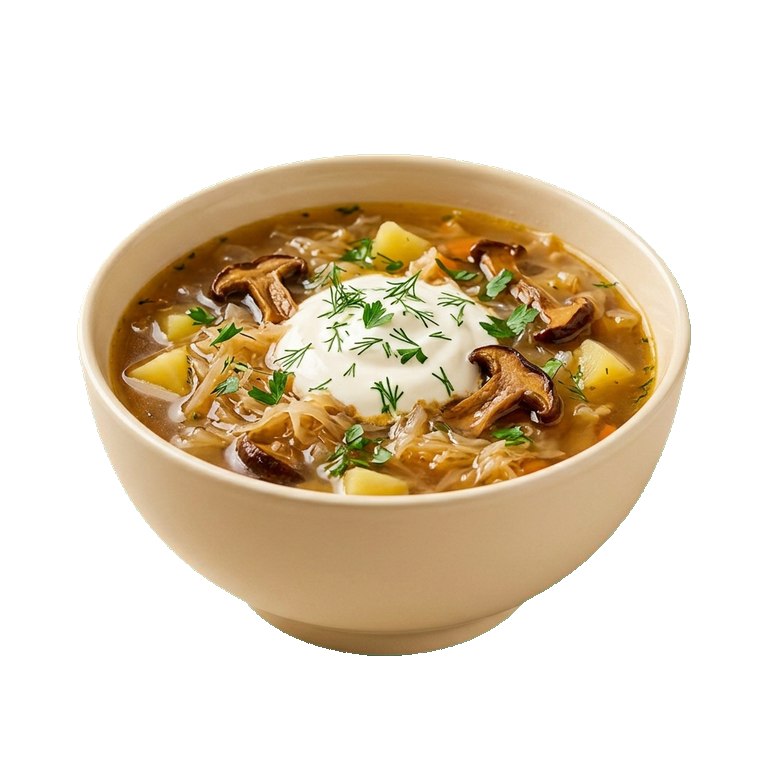
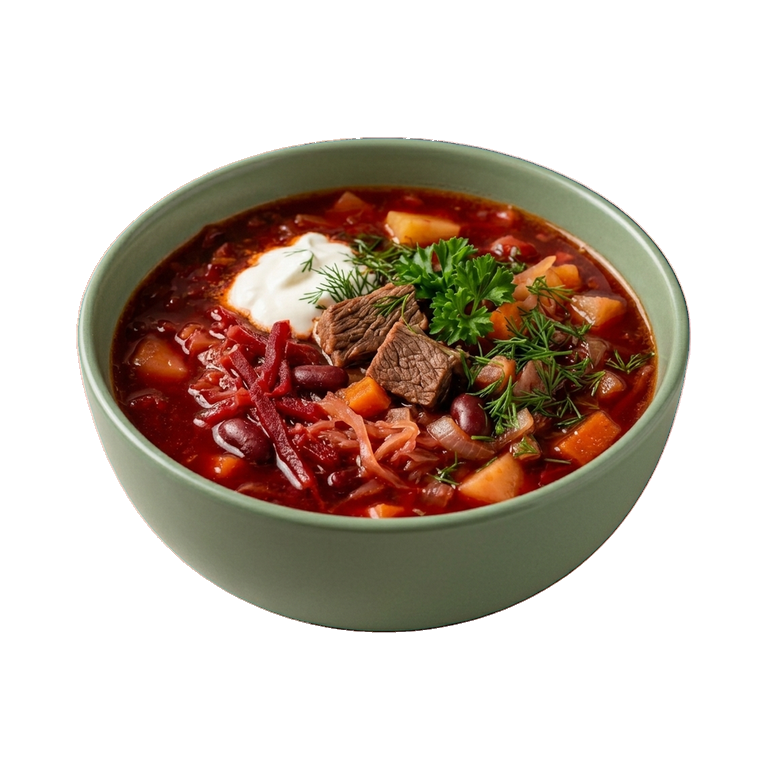
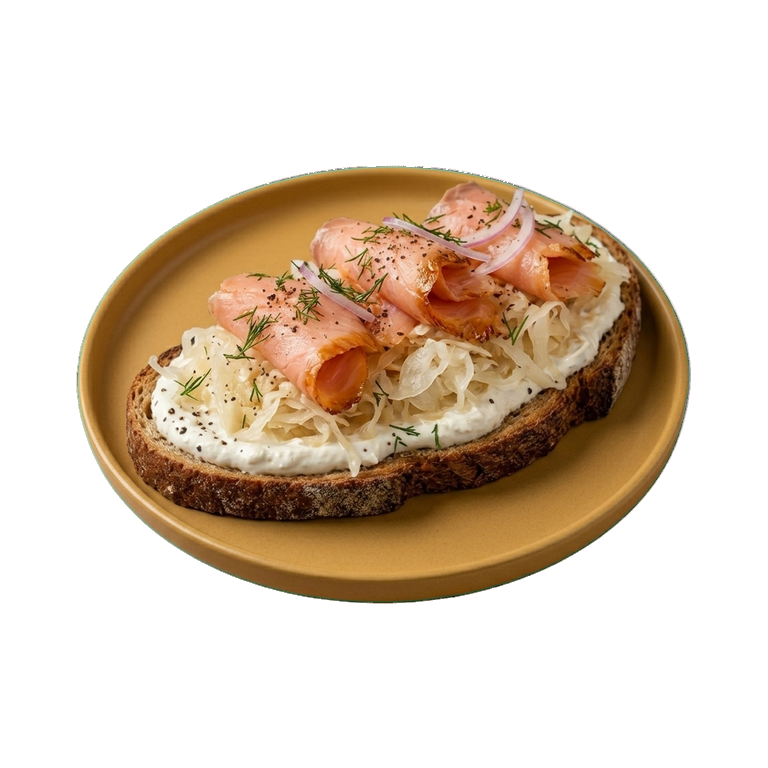
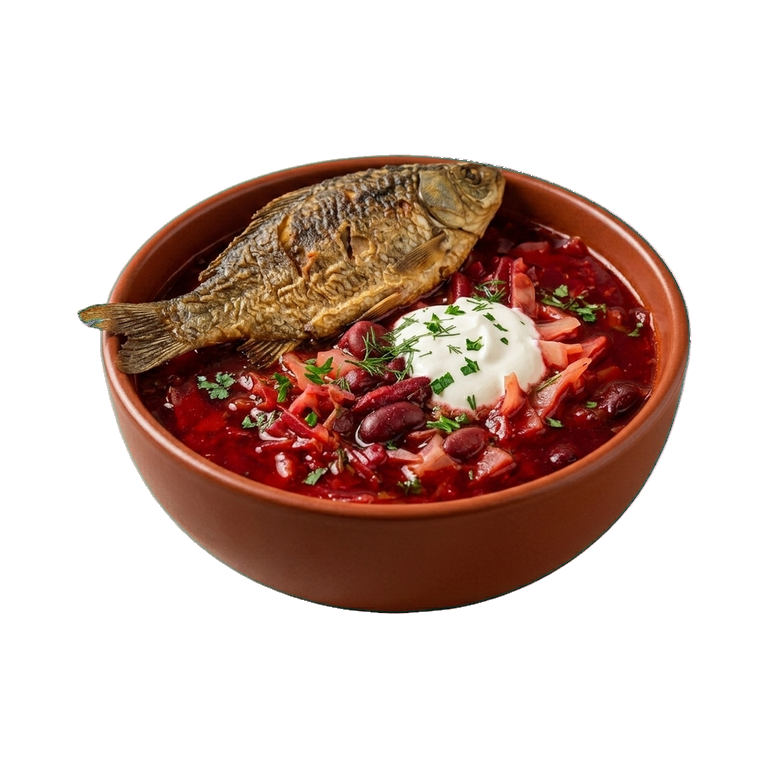
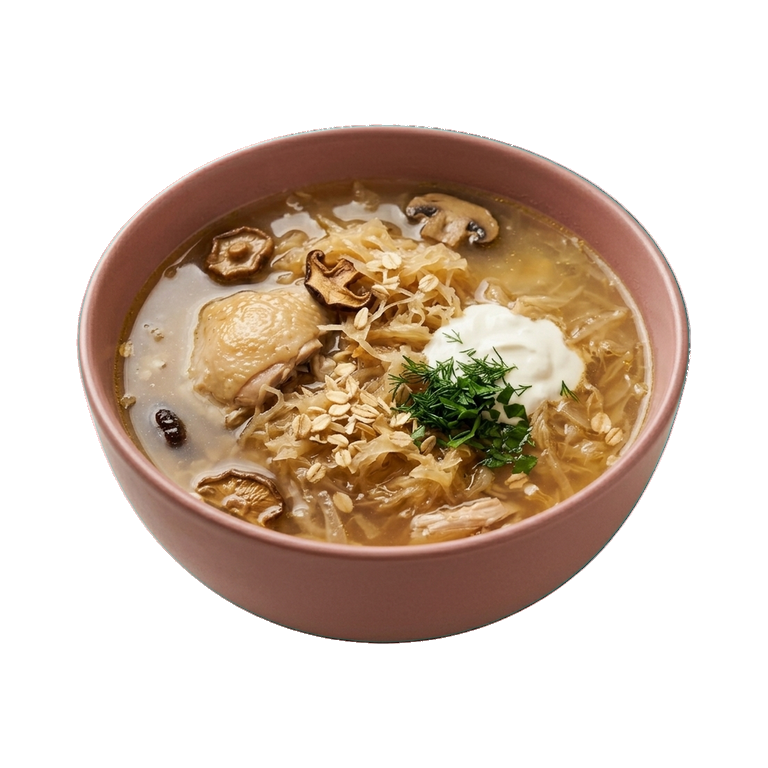
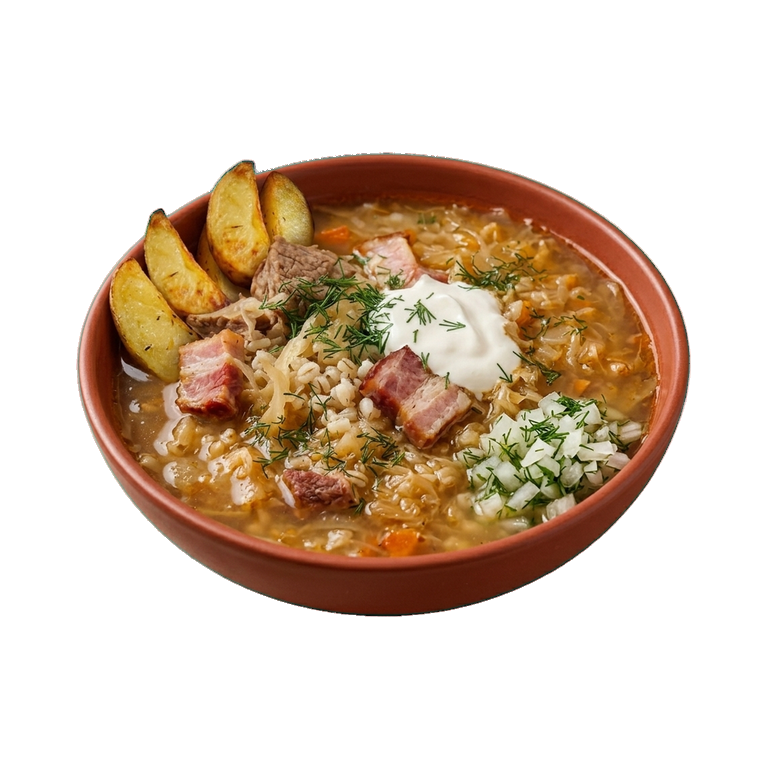
Sauerkraut works both in a leading role and in a supporting one. On the table, it is excellent as an appetizer with meat, fish, or sausage — the acidity aids digestion and refreshes the palate. It is added to soups, especially to shchi and borscht, where it becomes the basis for acidity and gives the dish a recognizable character.
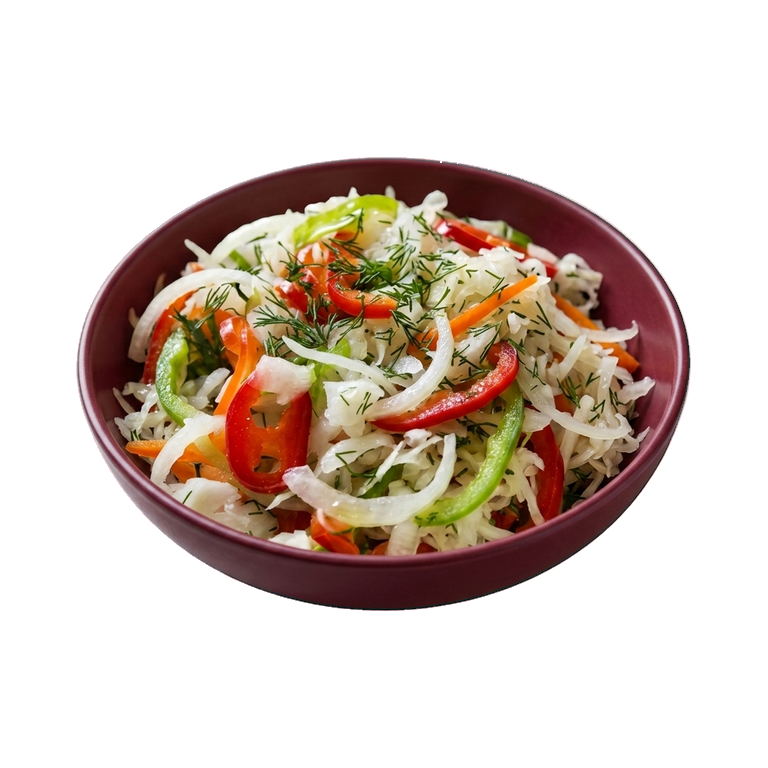
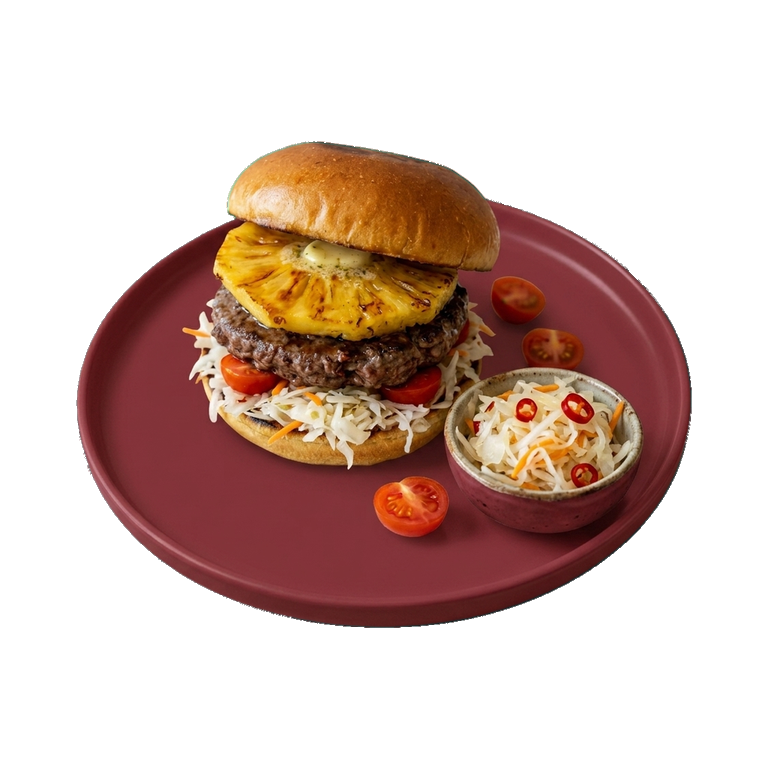
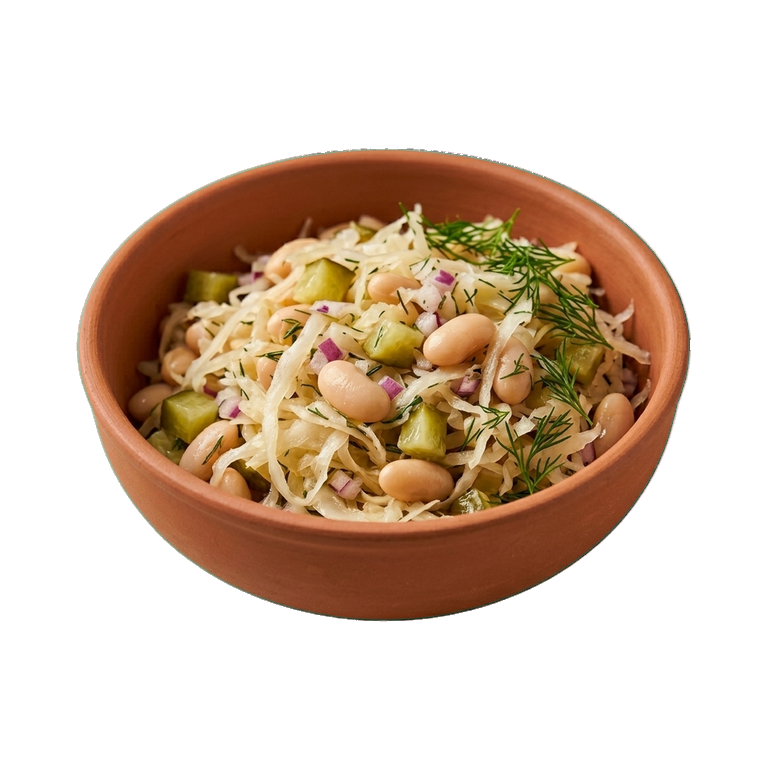
- In salads and side dishes — its crunch contrasts with soft components
- In pies and pastries — the filling becomes juicy and aromatic
- In sandwiches — a sharp note balances the richness of sausage or cheese
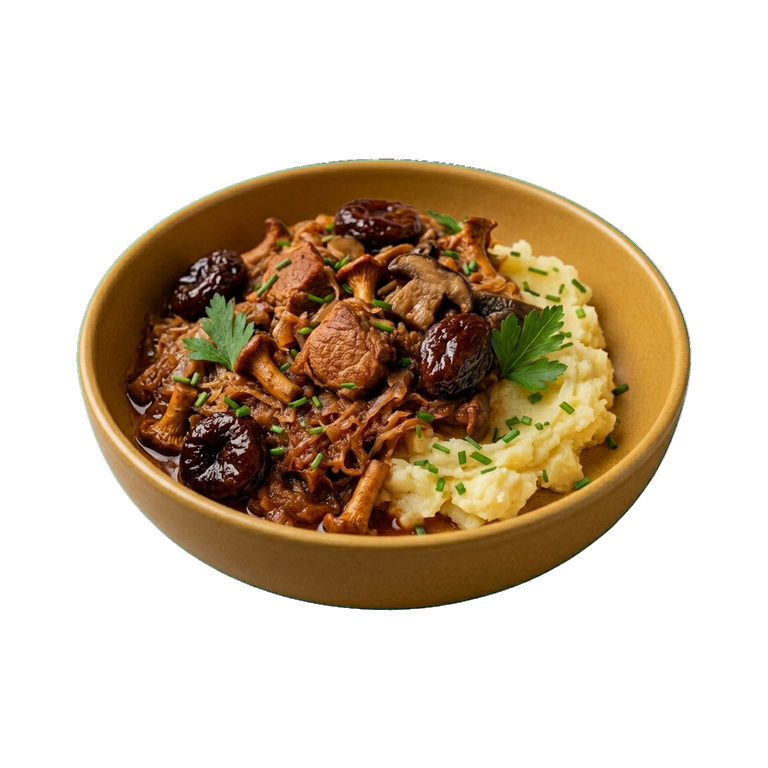
- In meat stews and braised dishes — helps soften fibers and adds depth
- Simply as a snack with bread and butter — a classic option
How to Choose and Store
When choosing, pay attention to the color — it should be light yellow or beige, without brown spots and cloudy brine. When you open the jar, the smell should be pleasant and sour, with no signs of decay. If the cabbage is too soft and falls apart, it means it is over-fermented or has been stored incorrectly.
Sauerkraut stored in the refrigerator keeps for a long time — several months in a sealed container. The main thing is that it's always covered with brine, otherwise the top layers will start to oxidize and darken. If you're preparing it yourself, make sure the dish is clean and the cabbage is completely submerged in salt solution — this guarantees proper fermentation and long-term storage.
Successful Pairings
Sauerkraut pairs well with fatty meats — pork, bacon, duck breast. The acidity cuts through the heaviness of fat and makes the dish lighter. It also works well with fish, especially smoked or salted varieties. Potatoes, grains, and pasta make good side dishes to go with it — they absorb the tangy juice and become more flavorful.
Spices that pair well with sauerkraut: caraway, juniper, black pepper, bay leaf, garlic. If you are adding it to a hot dish, do so at the end of cooking to preserve the crunch and live fermentation bacteria.
Sauerkraut is one of those ingredients that you should always keep on hand. It's economical, nutritious, and capable of instantly improving the taste of a simple meal. Start small: add it to your usual side dish or appetizer, and you'll quickly understand why this product has remained so popular in the kitchen for so long.
Nutrition
per 100 g
- Calories
- 19 kcal
- Protein
- 1.3 g
- Fat
- 0.1 g
- Carbs
- 3.2 g
Micronutrients
per 100 g
Macronutrients
- Fiber
- 2.9 g
- Sugars
- 1.78 g
- Saturated fat
- 0.034 g
- Monounsaturated fat
- 0.013 g
- Polyunsaturated fat
- 0.067 g
- Omega-3 (EPA + DHA)
- 0 g
- Cholesterol
- 0 mg
- Water
- 92.52 g
Minerals
- Sodium
- 661 mg
- Potassium
- 170 mg
- Calcium
- 30 mg
- Magnesium
- 13 mg
- Phosphorus
- 20 mg
- Iron
- 1.47 mg
- Zinc
- 0.19 mg
- Copper
- 0.1 mg
- Manganese
- 0.15 mg
- Selenium
- 0.6 mcg
Vitamins
- Vitamin A (RAE)
- 1 mcg
- Vitamin D
- 0 mcg
- Vitamin E
- 0.14 mg
- Vitamin K
- 13 mcg
- Vitamin C
- 14.7 mg
- Vitamin B1 (thiamin)
- 0.02 mg
- Vitamin B2 (riboflavin)
- 0.02 mg
- Vitamin B3 (niacin)
- 0.14 mg
- Vitamin B5 (pantothenic acid)
- 0.09 mg
- Vitamin B6
- 0.13 mg
- Vitamin B9 (folate, DFE)
- 24 mcg
- Vitamin B12
- 0 mcg
Measures and weight
- 1 tbsp
- 15 g
- 1 tsp
- 5 g
- 1 cup
- 250 g
Measure calculator
- Weight
- 100 g
- Calories
- 19 kcal