Usuba
Usuba

Tomatoes
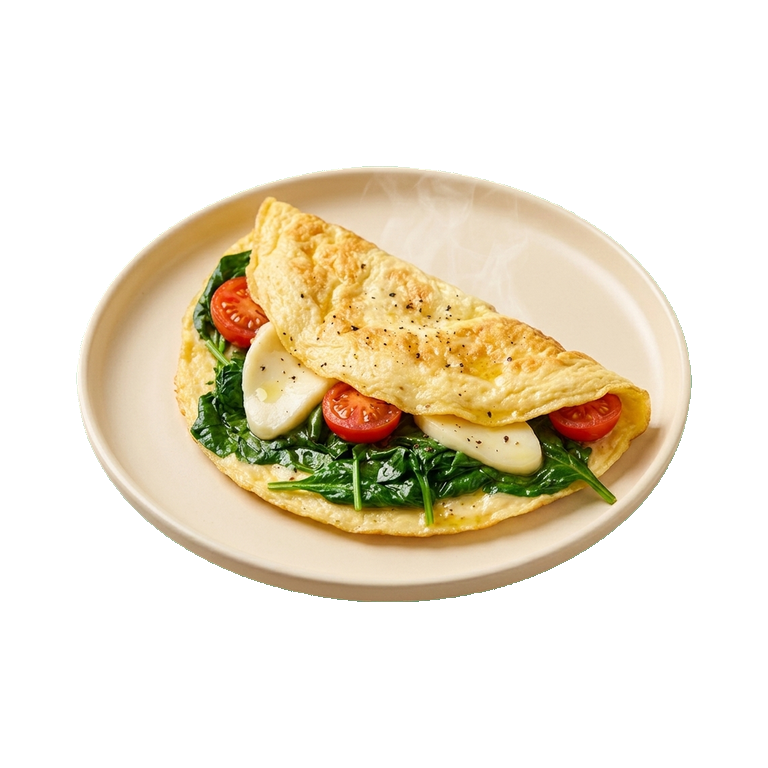
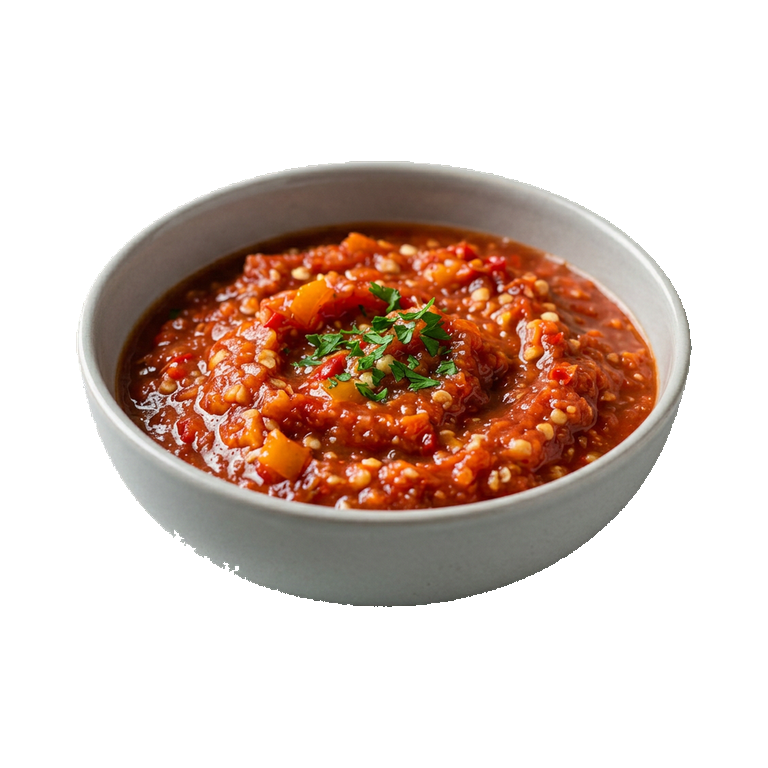
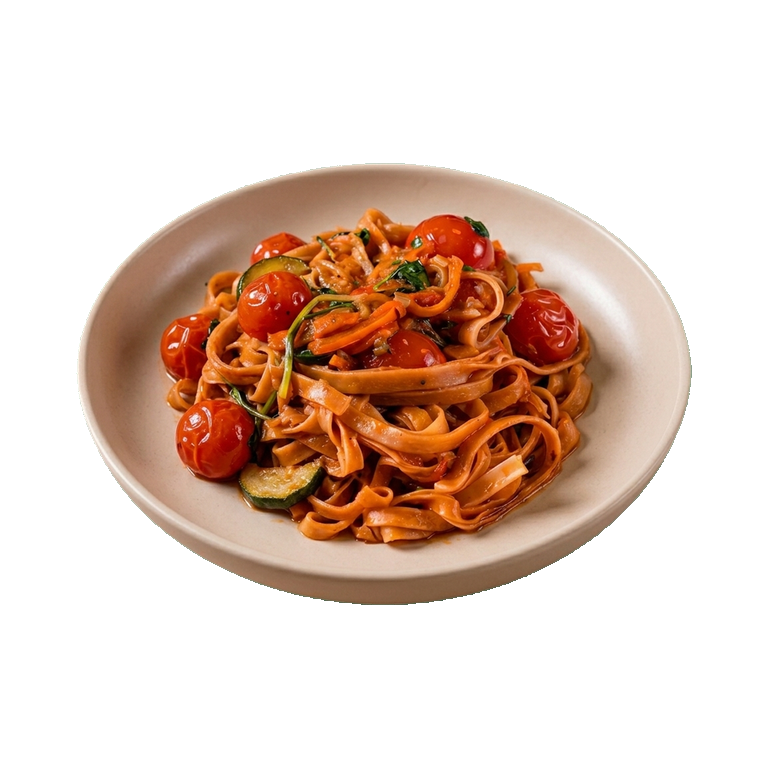
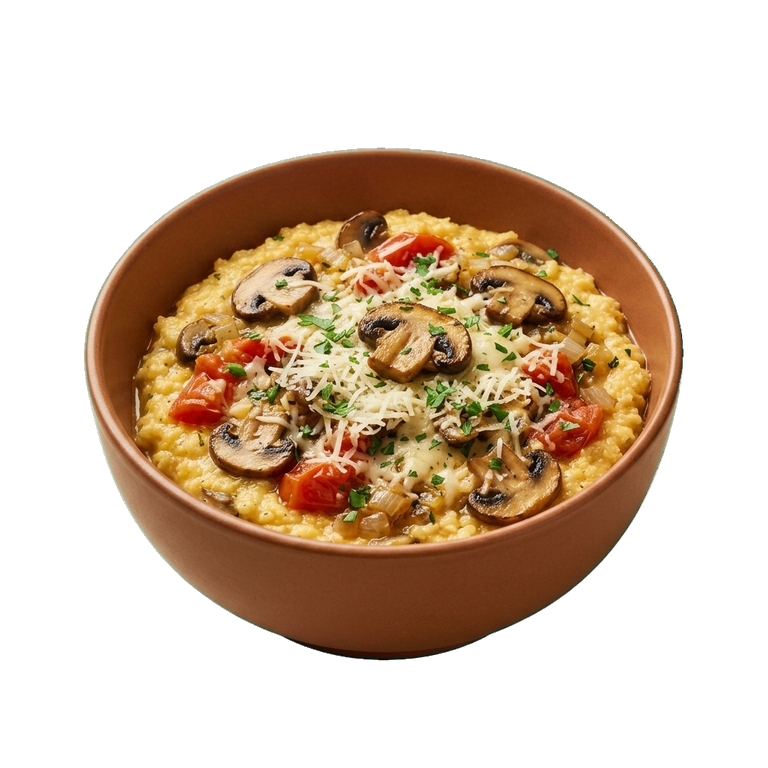
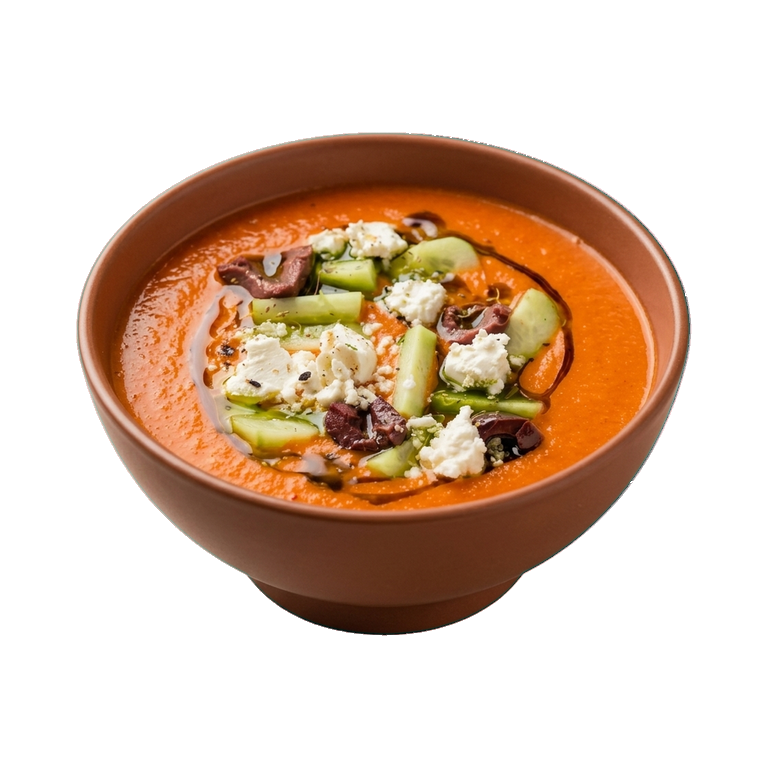
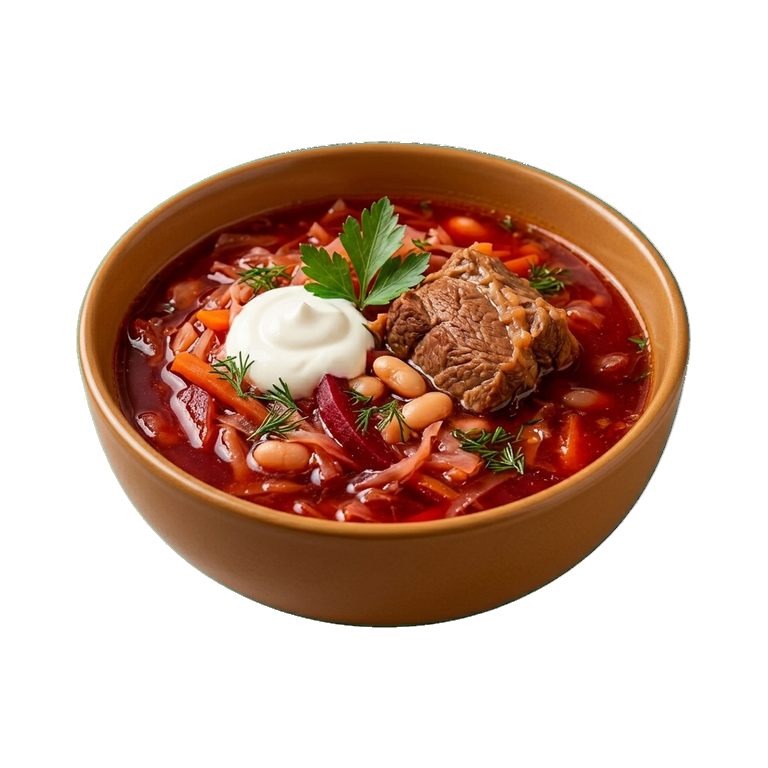
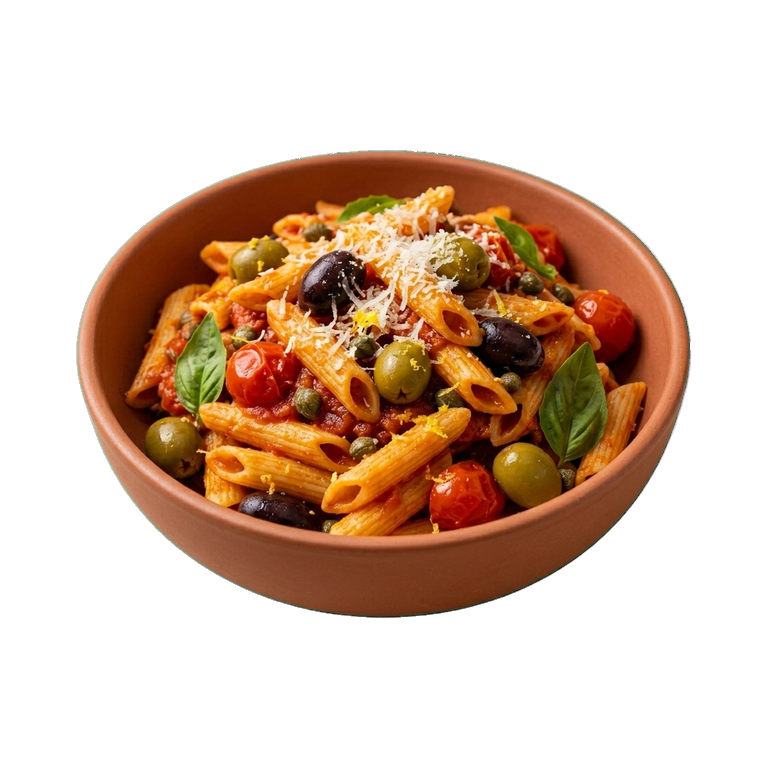
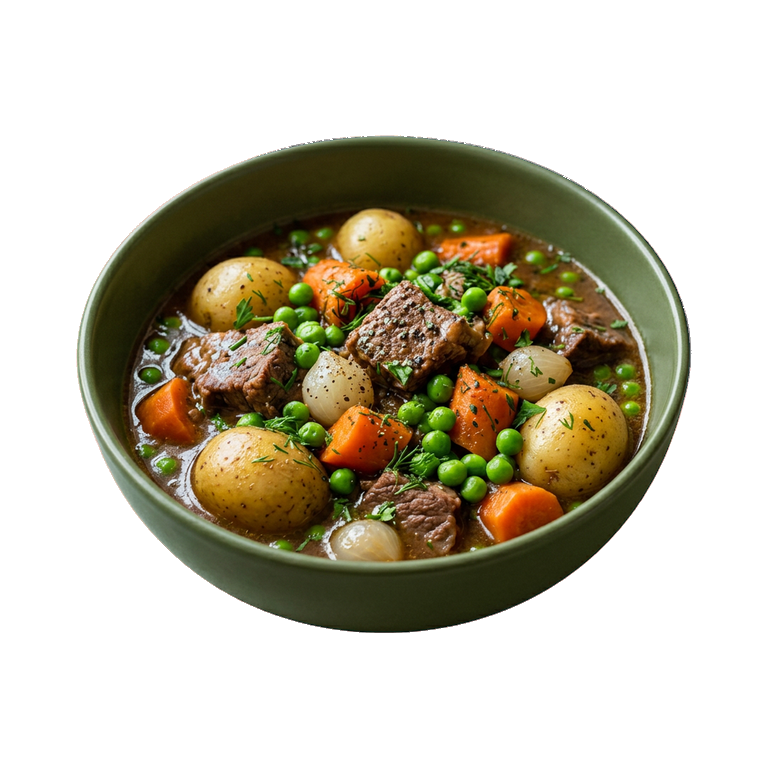
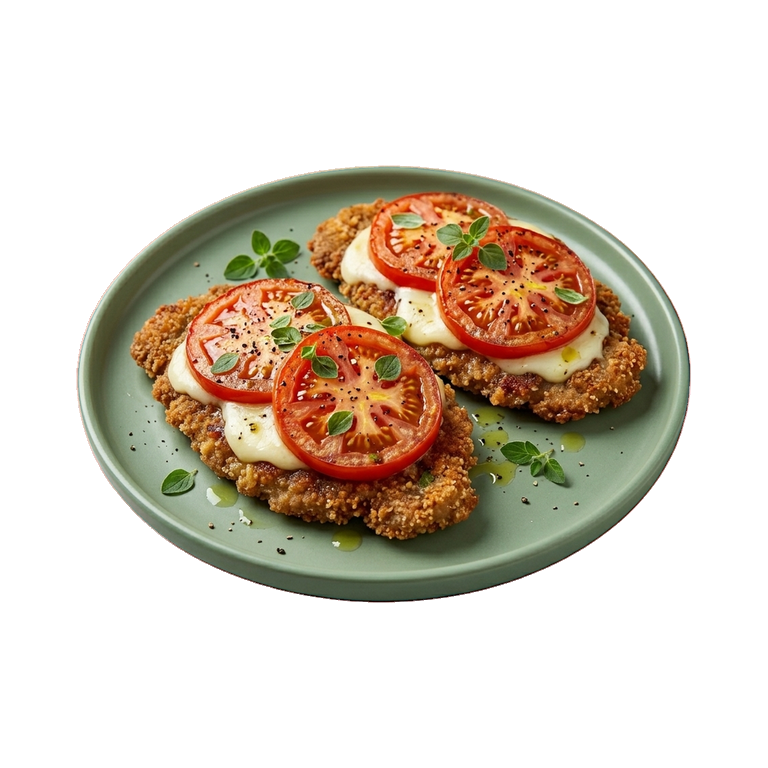
Tomatoes are a staple vegetable in cooking, characterized by a sweet and sour flavor and meaty texture. They are used fresh in salads, sauces, and appetizers, as well as heat-treated for preparing soups, stews, and pastas. When selecting tomatoes, pay attention to firmness and rich color — ripe tomatoes contain more flavor and aroma than underripe fruits.
About
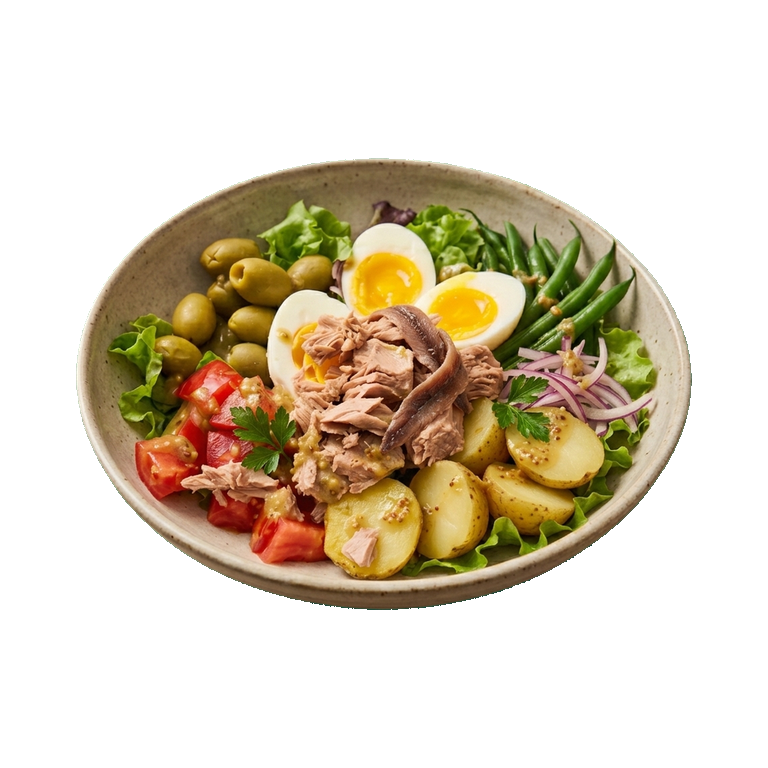
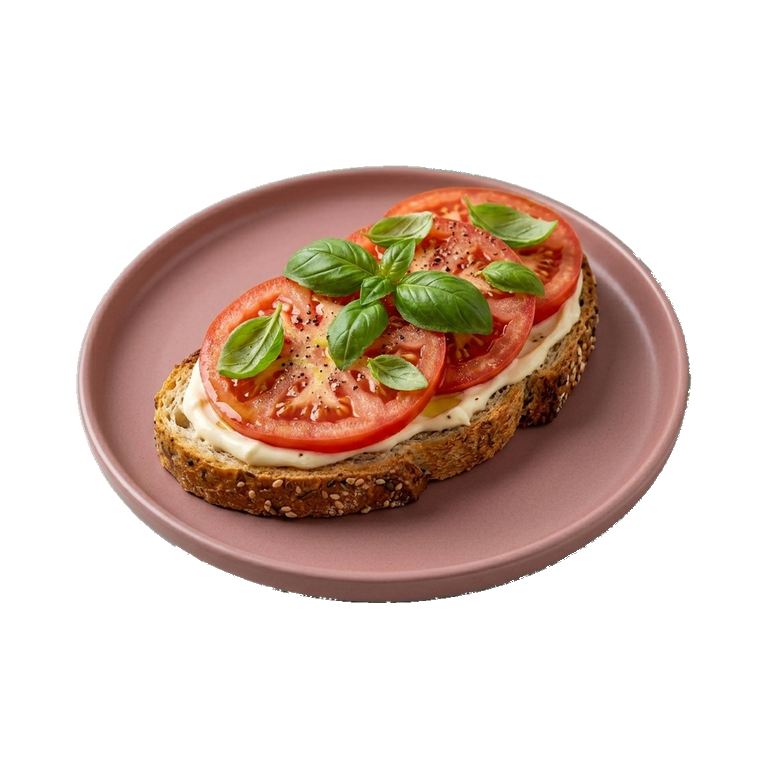
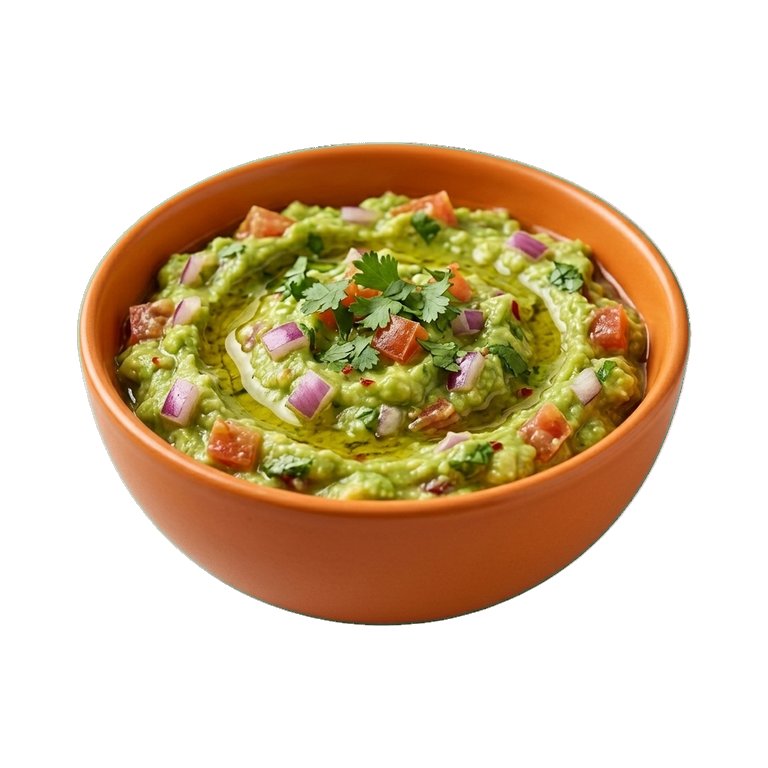
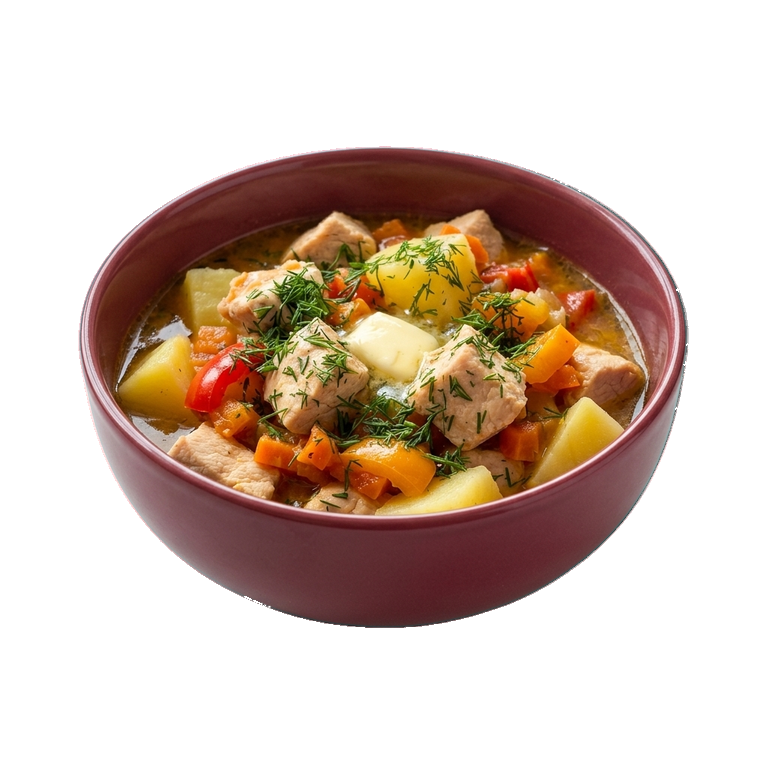
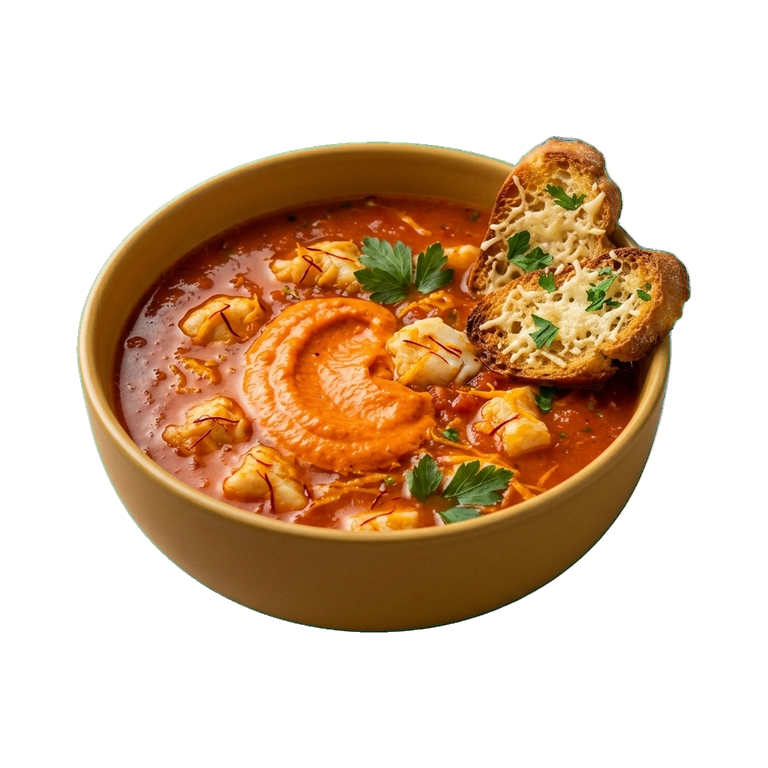
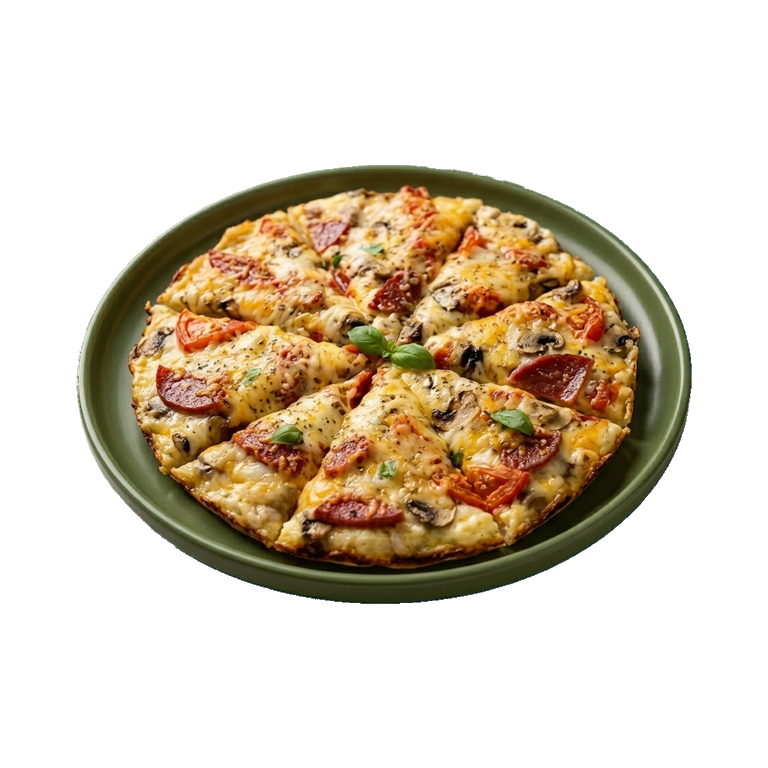
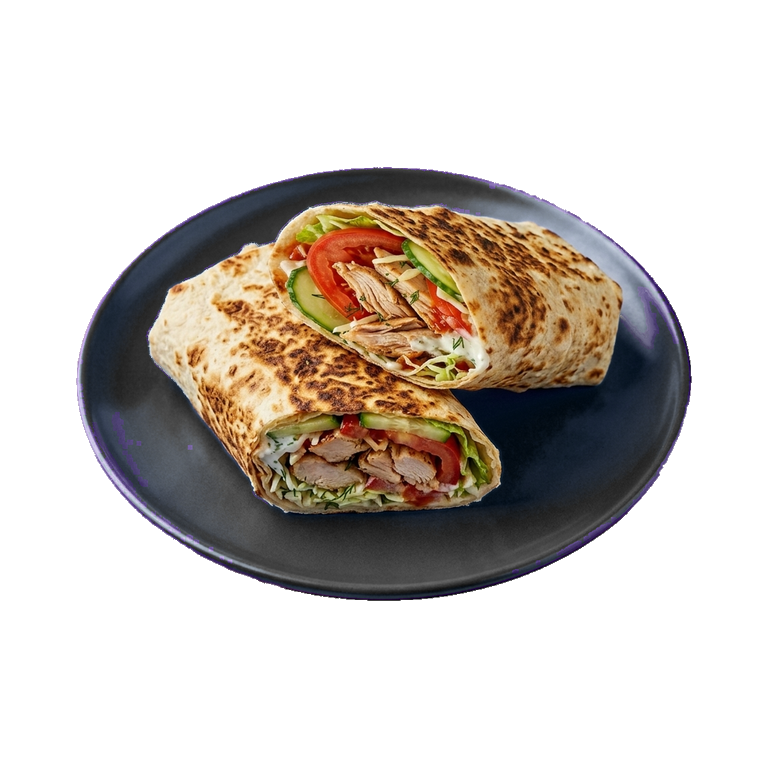
Tomatoes are one of those ingredients that work everywhere: in salads, sauces, soups, and even in sweet dishes. Their versatility is explained by simple chemistry: a balance of acidity and sweetness, meaty texture, and the ability to absorb neighboring flavors. It's no wonder that tomatoes have become the foundation of cuisines around the world.
Aroma and Taste
The taste of tomatoes depends on the variety and ripeness level. Ripe fruits provide sweetness with a pleasant acidity, while underripe ones offer more herbaceous notes. The aroma intensifies when the tomato is heated: during stewing or baking, deep, almost caramel-like nuances unfold. Fresh tomatoes smell of greenery and earth — this is a sign of good quality.
Different varieties — different roles
- Large meaty tomatoes (beefsteak tomatoes) are great for slicing in salads and for roasting whole.
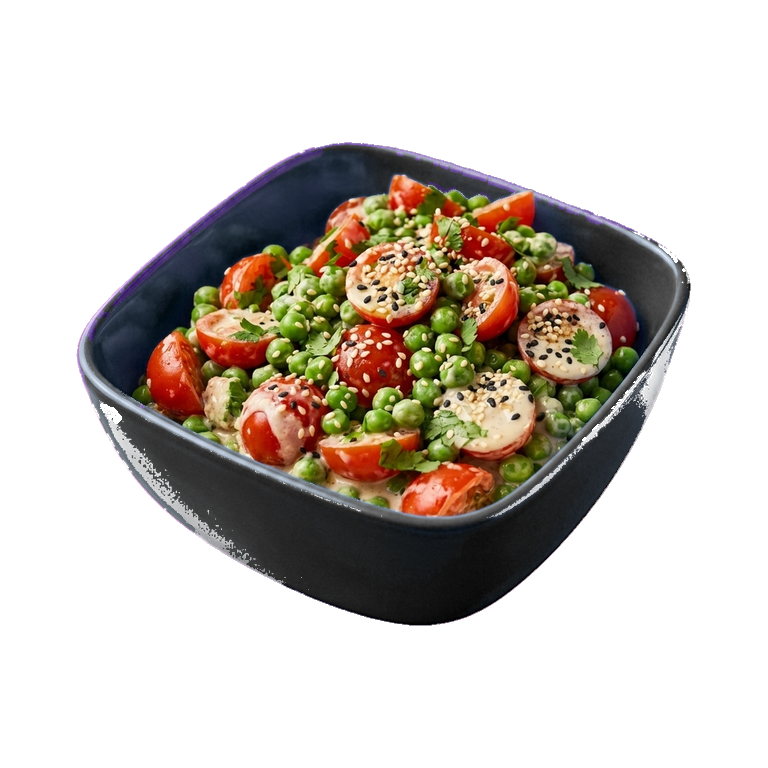
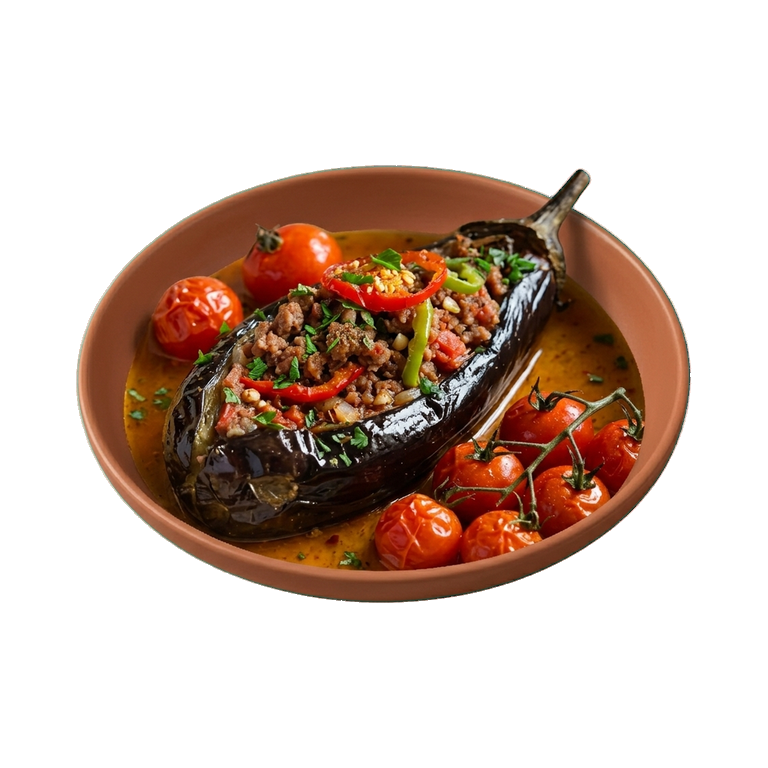
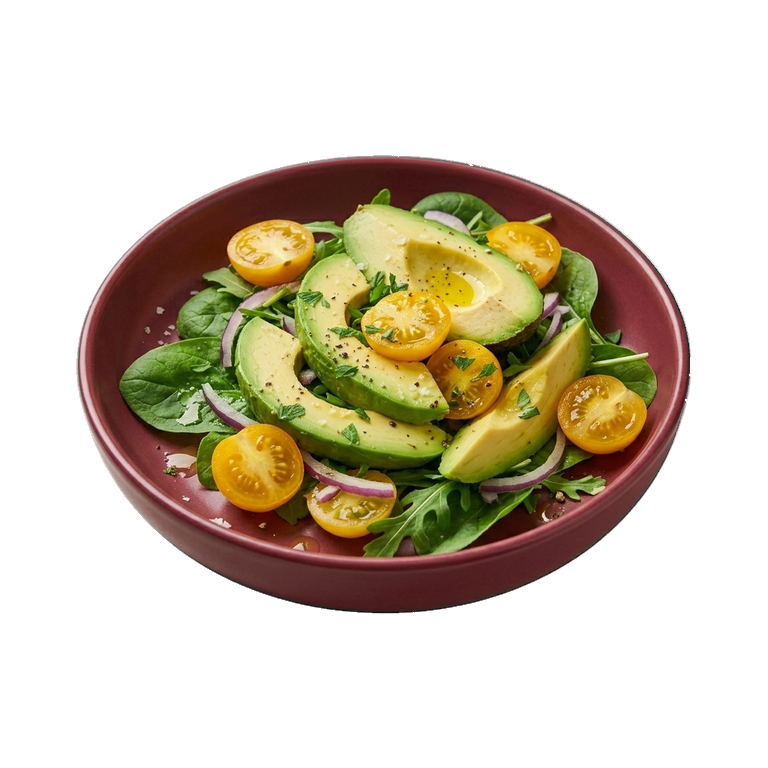
- Cherry and cocktail varieties are sweet, firm, and perfect for appetizers and side dishes.
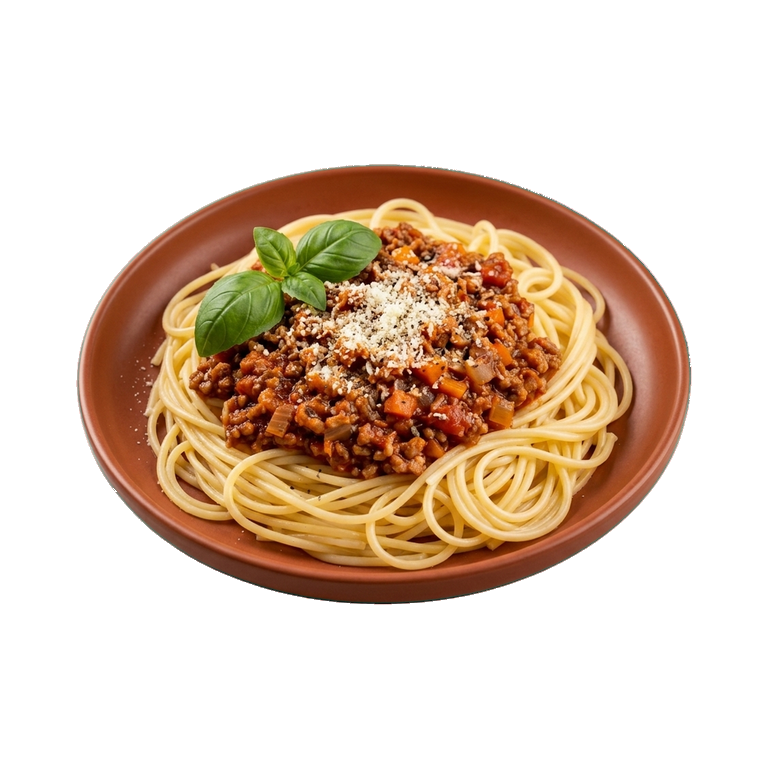
- Plum tomatoes contain less moisture and more flesh, so they are best suited for sauces, pastas, and preserving.
- Pink and yellow varieties are softer and sweeter than red ones, and work both fresh and cooked.
How to cook and combine
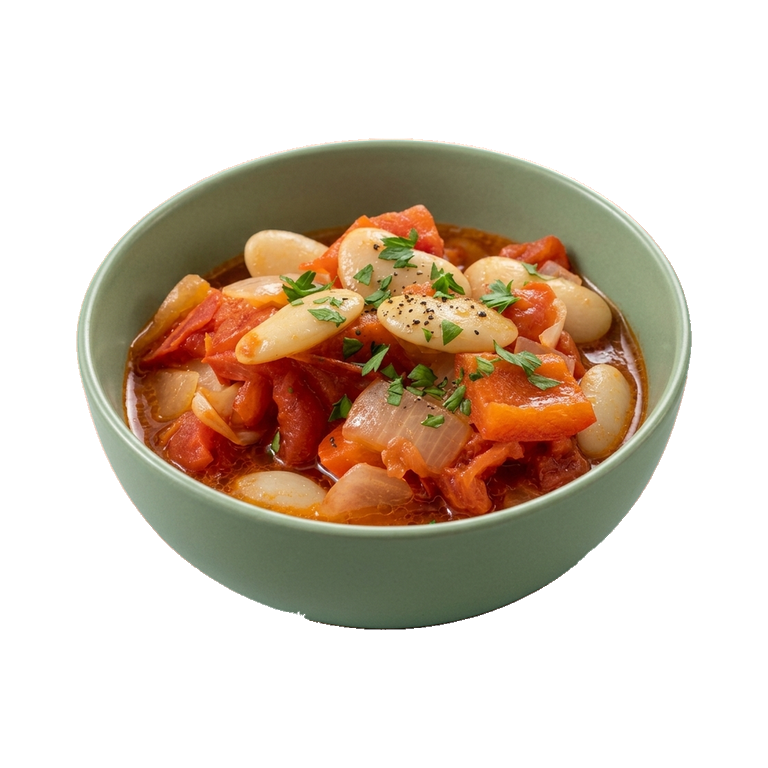
Tomatoes work well with garlic, basil, olive oil, and spicy seasonings. In hot dishes, they become the foundation: tomato sauce requires time on low heat so the water evaporates and the flavor concentrates. If you cook tomatoes quickly, they remain fresh and light. For sauces and soups, you can use canned tomatoes — they are often more aromatic than fresh winter tomatoes.
Selection and Storage
- Choose tomatoes with thin skin without dents, soft to gentle pressure, but not mushy.
- A ripe tomato should smell — if there's no smell, it was picked unripe or stored in cold for too long.
- Store tomatoes at room temperature on the counter, away from direct sunlight. The refrigerator freezes their cells and kills the flavor.
- If a tomato is too acidic, add a pinch of sugar while cooking — this doesn't make the dish sweet, but simply balances the acidity.
Tomatoes are an ingredient that forgives mistakes. Even an unremarkable tomato with a bland taste will come alive in a sauce with garlic and herbs. But when you find a truly good, ripe, fragrant tomato — eat it simply, with salt and oil. Sometimes the best recipe is the absence of a recipe.
Nutrition
per 100 g
- Calories
- 20 kcal
- Protein
- 1 g
- Fat
- 0.2 g
- Carbs
- 3.9 g
Measures and weight
- 1 tbsp
- 9 g
- 1 tsp
- 3 g
- 1 cup
- 150 g
- 1 pcs
- 120 g
- 1 slice
- 15 g
Measure calculator
- Weight
- 100 g
- Calories
- 20 kcal