Usuba
Usuba
Hamburger Bun
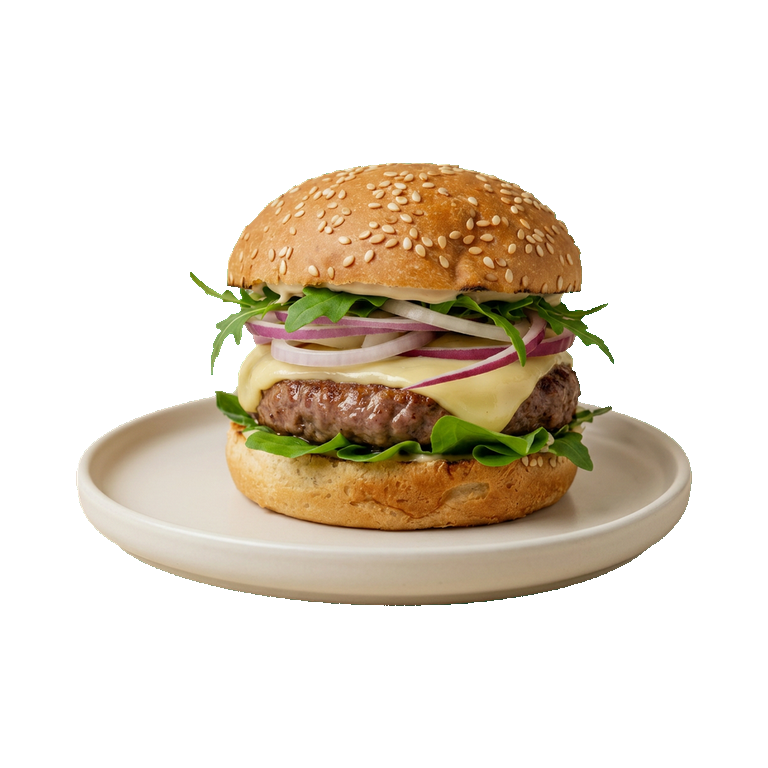
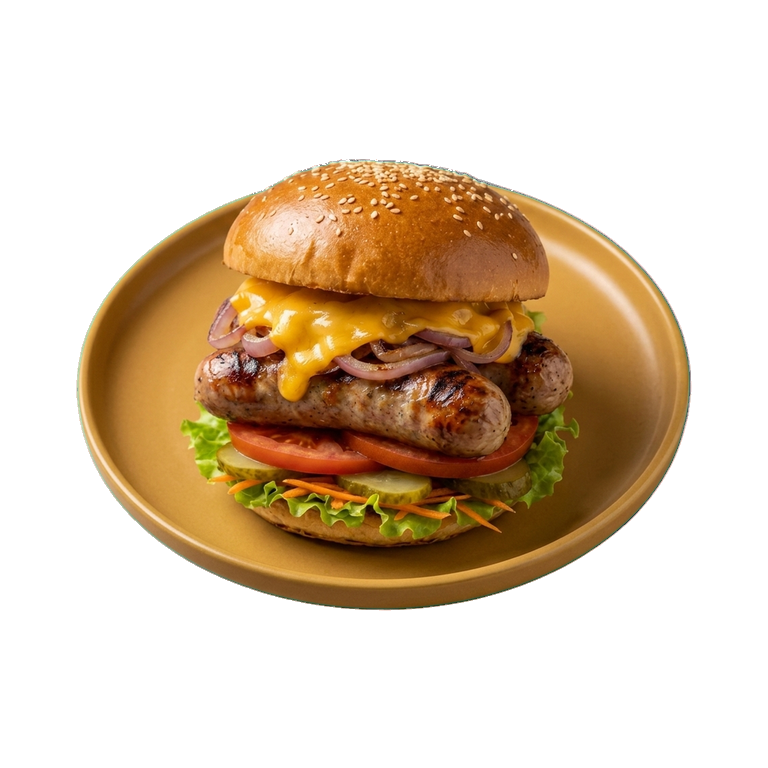
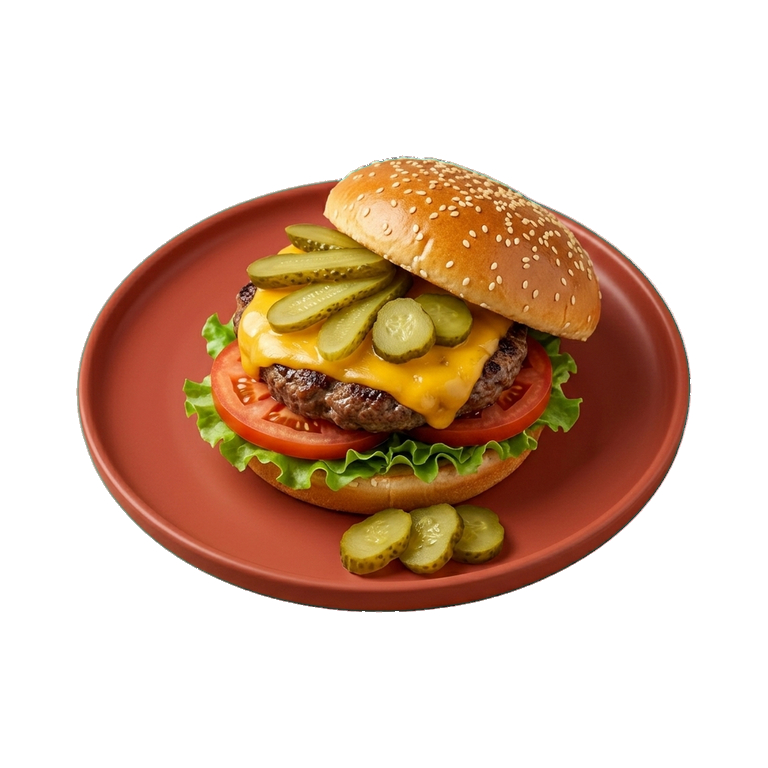
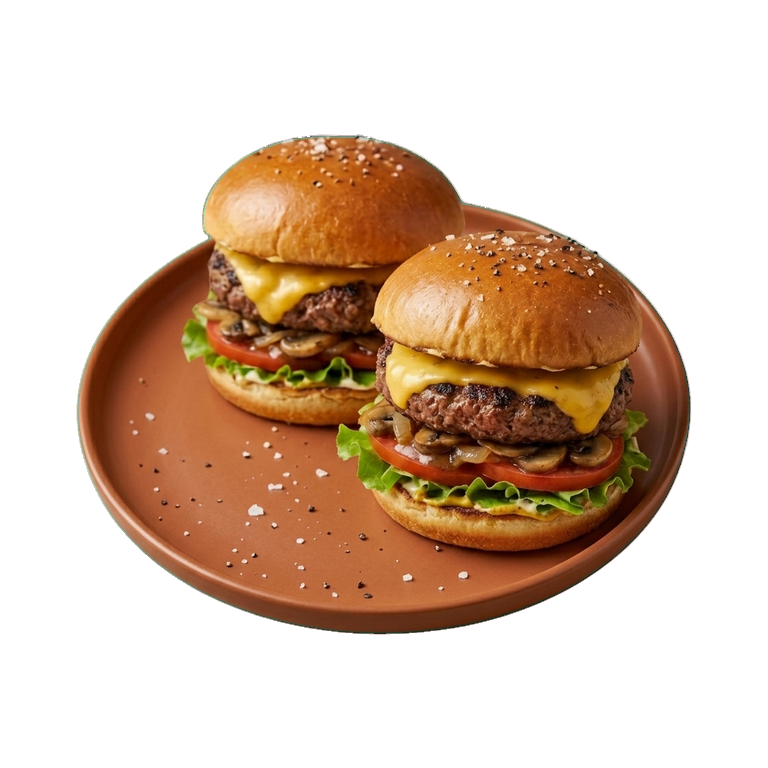
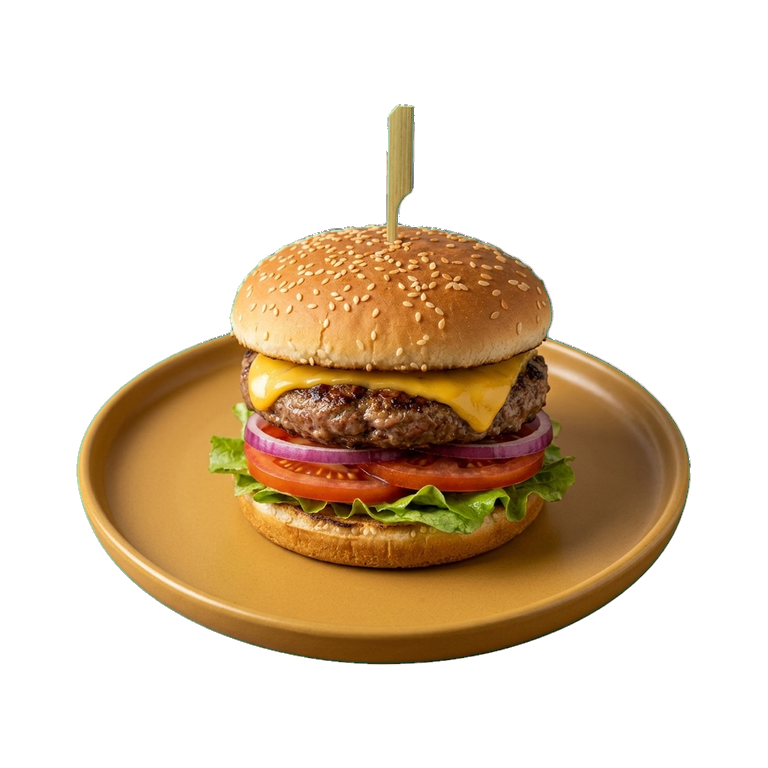
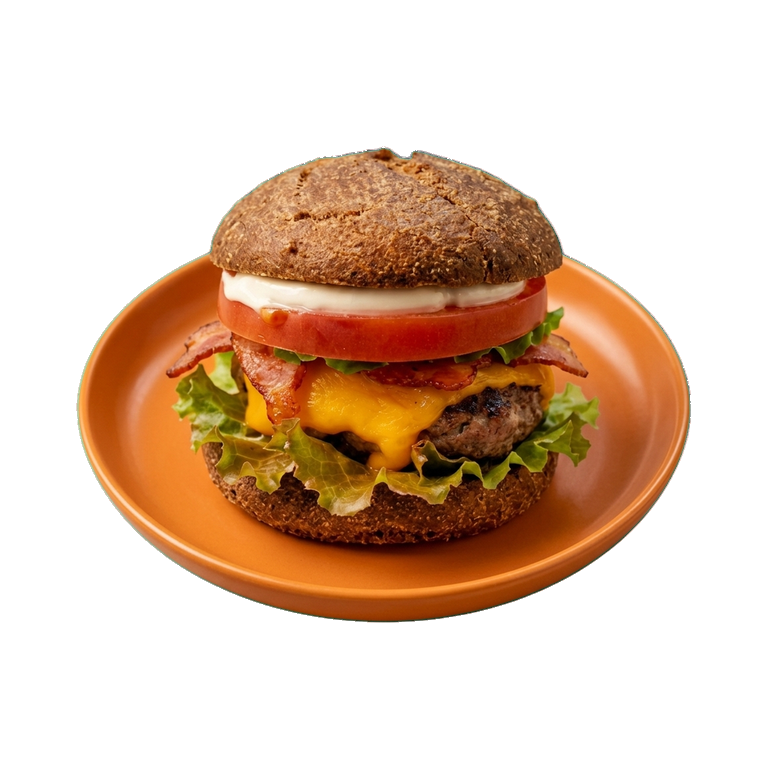
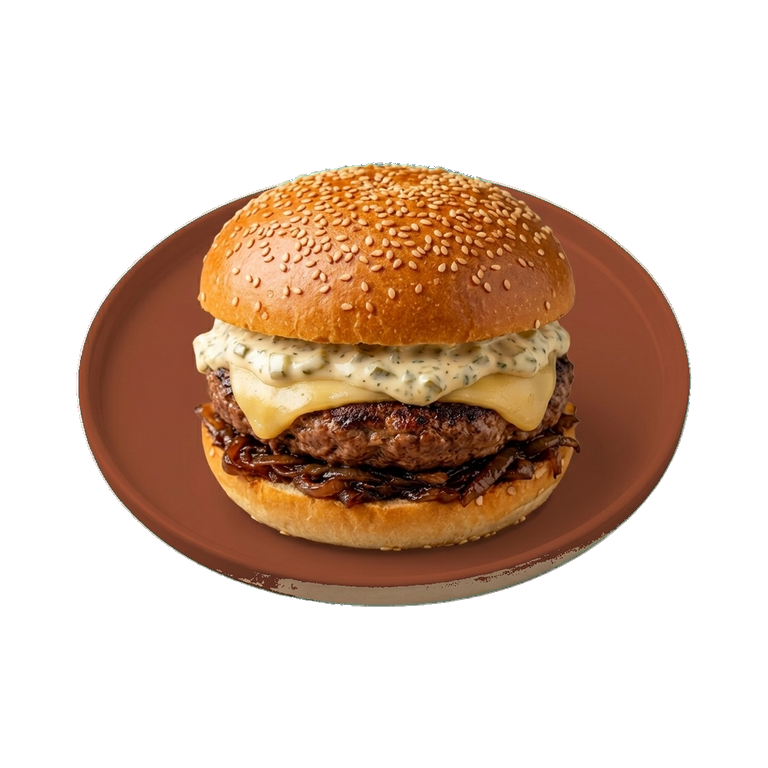
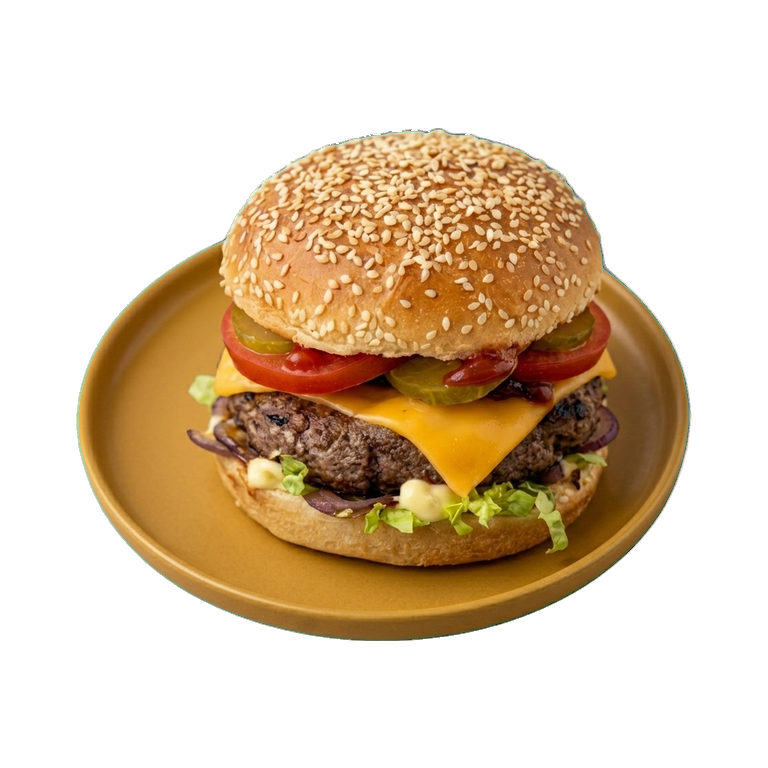
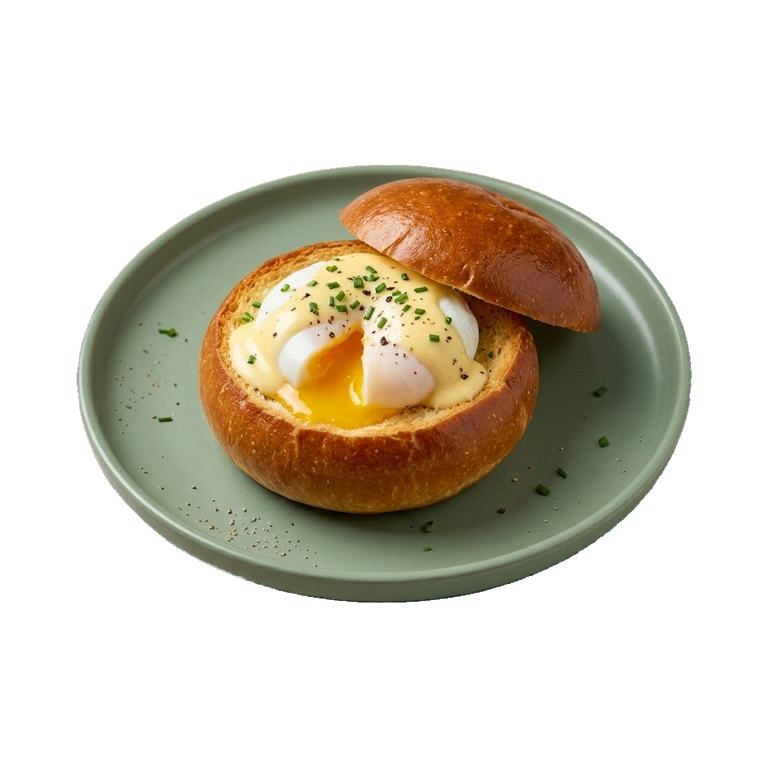
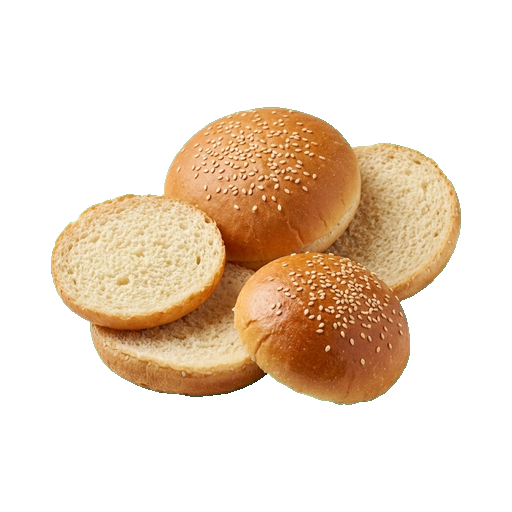
A soft sweet bun with tender crumb and slightly crispy crust, specially designed for hamburgers. Its shape and size are perfectly suited for holding a patty, vegetables, and sauces, and the porous structure absorbs moisture well without falling apart. When selecting, pay attention to the freshness and firmness of the bun — it should spring back when pressed and be neither too dry nor sticky.
Micronutrients
per 100 g
Minerals
Vitamins
- AVitamin A (RAE)29mcg3% DV
- EVitamin E0.27mg2% DV
- KVitamin K4.8mcg4% DV
- CVitamin C1.3mg1% DV
- B1Vitamin B1 (thiamin)0.54mg36% DV
- B2Vitamin B2 (riboflavin)0.3mg17% DV
- B3Vitamin B3 (niacin)4.18mg21% DV
- B5Vitamin B5 (pantothenic acid)0.56mg11% DV
- B6Vitamin B60.06mg3% DV
- B9Vitamin B9 (folate, DFE)131mcg33% DV
- B12Vitamin B120.2mcg7% DV
About
A hamburger bun is not just bread, but a foundation that either saves the dish or ruins it. The right bun holds its shape under the weight of the filling, absorbs the meat juice just enough so it doesn't fall apart, and yet remains soft and pleasant to taste. This is a balance achieved through a special shape, crumb density, and dough composition.
Structure and Texture
A bun differs from ordinary bread by having a denser and more uniform crumb — this makes it resistant to moisture. The crust should be thin and soft, not crispy: a hard bun will be uncomfortable to eat and may scratch the gums. The shape is usually flattened with rounded edges, which is convenient for placing filling and keeping it inside.
Taste and Aroma
A good bun has a neutral, slightly sweet taste — it should not dominate or overpower the filling flavor. The aroma of a fresh bun is pleasant, with bread notes, without sharp undertones. Some buns contain sesame or poppy seeds on the top crust, which adds a light nutty note and texture.
Role in dishes
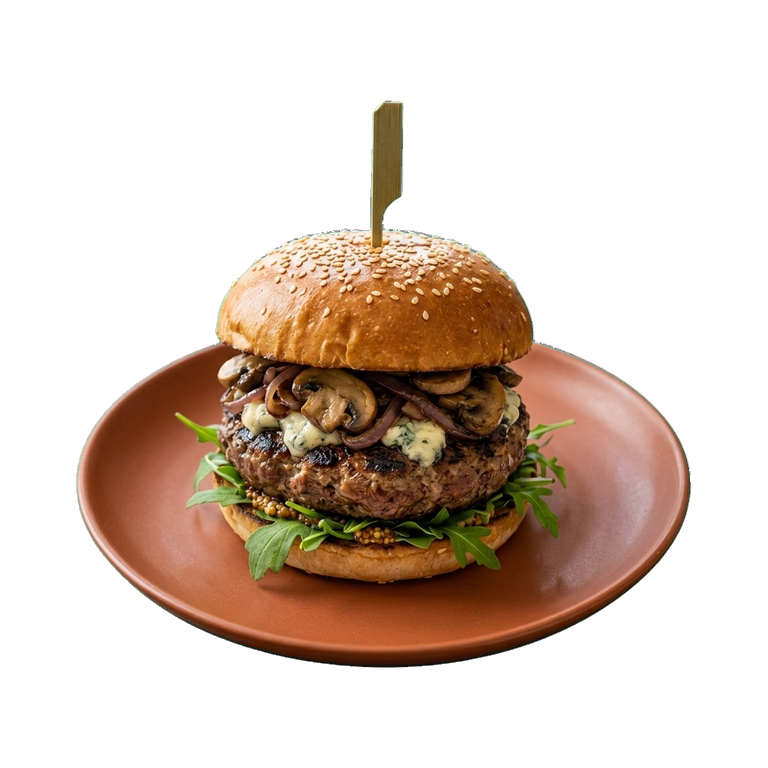
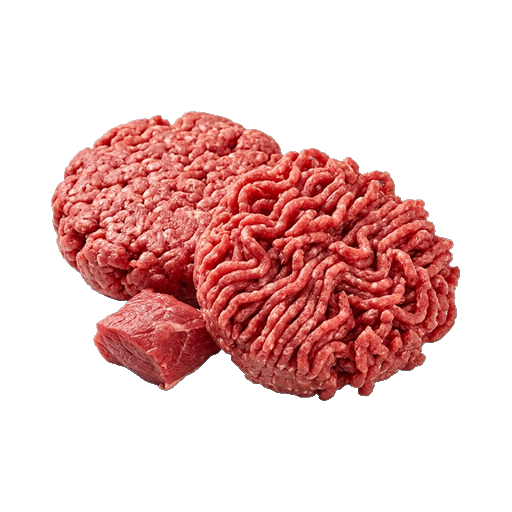
- Base for a classic hamburger with patty, vegetables and sauce
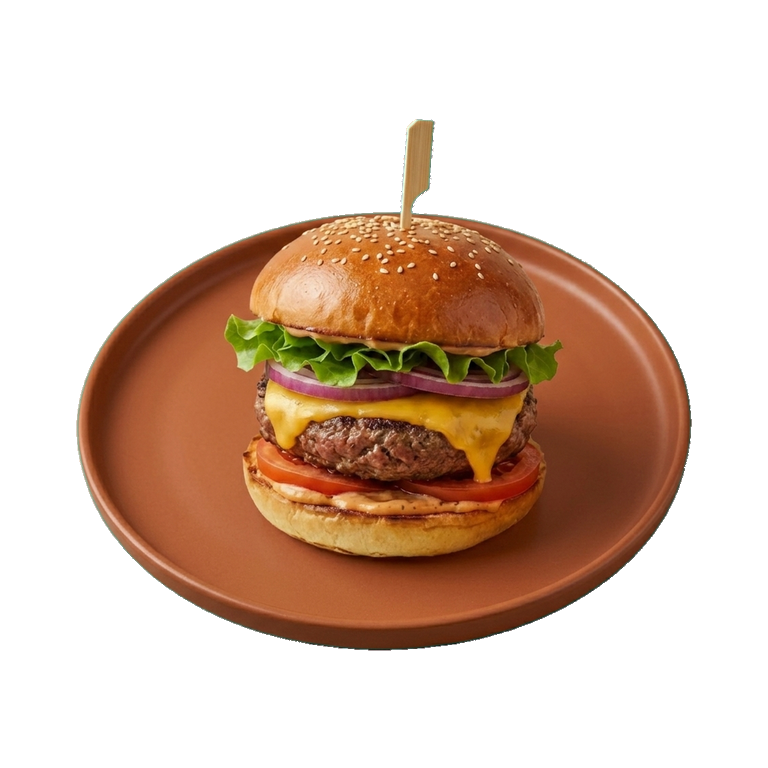
- Bread for a cheeseburger, where the bun should withstand the additional weight of cheese
- Base for grilled sandwiches and double burgers
- Bread for vegan and vegetarian burgers, where the bun becomes even more prominent in taste
How to choose and use
When choosing, pay attention to the crumb: it should be light, without a yellow tint, and spring back when lightly pressed. The bun should not be sticky or excessively dry. Freshness is critical: the bun is ideally used on the day of production or the next day. If the bun has begun to dry out, it can be slightly warmed in the oven or on a grill.
Practical Tips
- Lightly dry the bun on the grill before assembling the burger — this will give it a light aroma and strengthen the structure
- If the bun is too soft, place it in the freezer for 15–20 minutes before slicing
- For wet fillings (for example, with hot sauce) choose buns with denser crumb
- Store buns in an airtight container at room temperature for no more than two days
Storage
Buns quickly lose moisture and become stale. It's best to store them in a paper bag at room temperature — plastic creates condensation and promotes mold. In the refrigerator, buns become stale faster, so avoid this method. Frozen buns maintain their quality for up to a month; thaw them at room temperature or warm them slightly in the oven.
Nutrition
per 100 g
- Calories
- 265 kcal
- Protein
- 8.5 g
- Fat
- 5 g
- Carbs
- 48 g
Micronutrients
per 100 g
Macronutrients
- Fiber
- 1.8 g
- Sugars
- 7.28 g
- Saturated fat
- 0.842 g
- Monounsaturated fat
- 0.748 g
- Polyunsaturated fat
- 1.78 g
- Omega-3 (EPA + DHA)
- 0 g
- Cholesterol
- 0 mg
- Water
- 34.34 g
Minerals
- Sodium
- 494 mg
- Potassium
- 122 mg
- Calcium
- 144 mg
- Magnesium
- 23 mg
- Phosphorus
- 101 mg
- Iron
- 3.43 mg
- Zinc
- 0.73 mg
- Copper
- 0.11 mg
- Manganese
- 0.51 mg
- Selenium
- 27.2 mcg
Vitamins
- Vitamin A (RAE)
- 29 mcg
- Vitamin D
- 0 mcg
- Vitamin E
- 0.27 mg
- Vitamin K
- 4.8 mcg
- Vitamin C
- 1.3 mg
- Vitamin B1 (thiamin)
- 0.54 mg
- Vitamin B2 (riboflavin)
- 0.3 mg
- Vitamin B3 (niacin)
- 4.18 mg
- Vitamin B5 (pantothenic acid)
- 0.56 mg
- Vitamin B6
- 0.06 mg
- Vitamin B9 (folate, DFE)
- 131 mcg
- Vitamin B12
- 0.2 mcg
Measures and weight
- 1 pcs
- 45 g
- 1 slice
- 30 g
Measure calculator
- Weight
- 100 g
- Calories
- 265 kcal