Usuba
Usuba
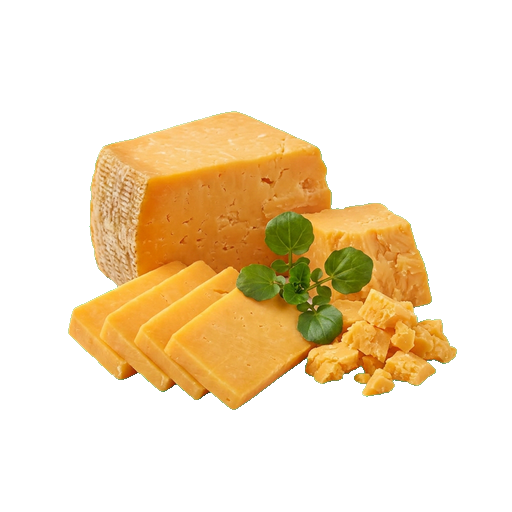
Cheddar cheese
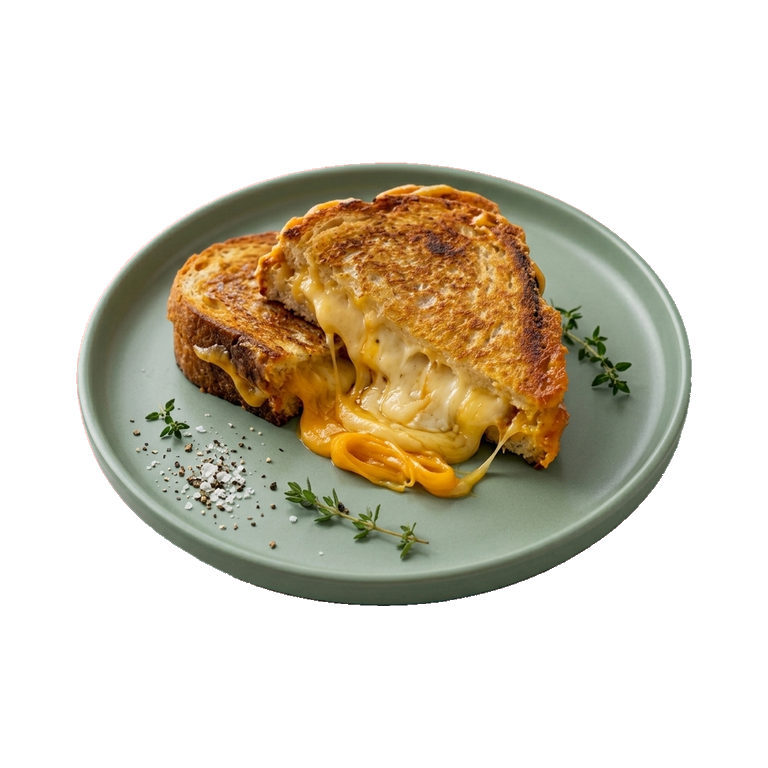
A hard cheese with a sharp, rich flavor and dense texture that melts well and is ideal for sandwiches, casseroles, and sauces. Its bright creamy-cheese aroma with a subtle sharpness intensifies with the cheese's age. When choosing, pay attention to the color — from light yellow to orange — and ensure the cheese is free from cracks and mold, as this affects the taste and melting quality in hot dishes.
Micronutrients
per 100 g
Minerals
About
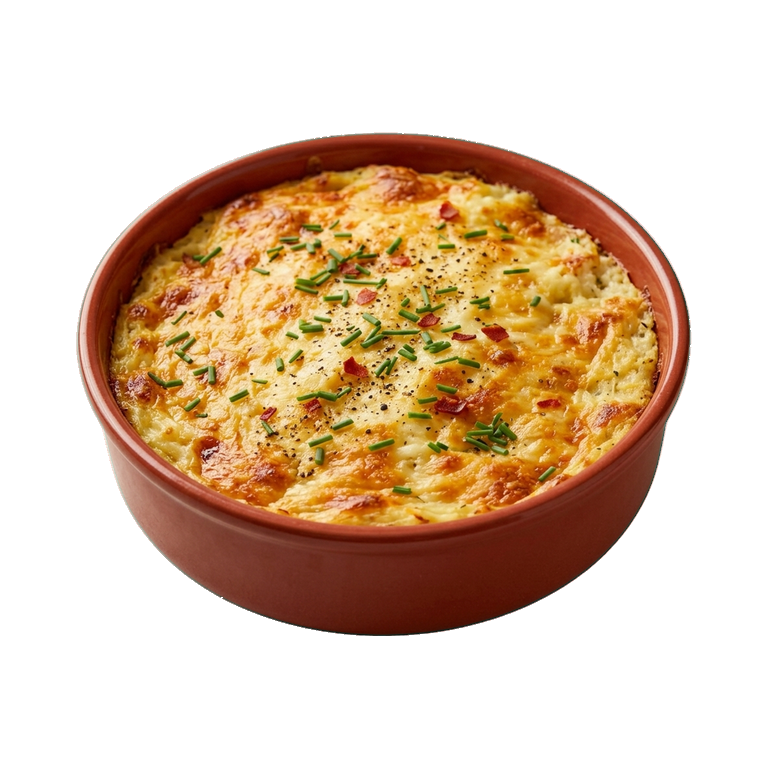
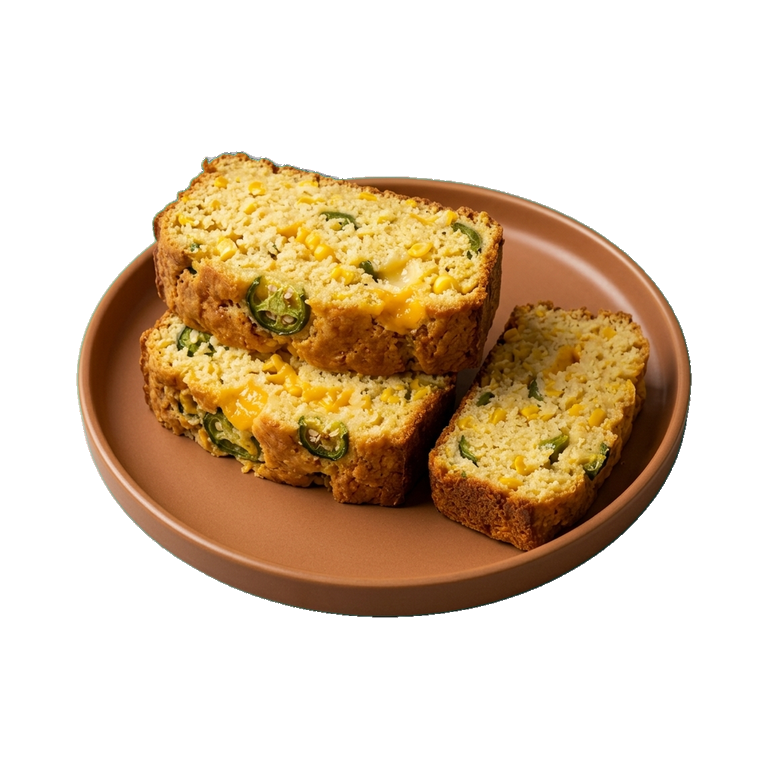
Cheddar is a hard cheese with a characteristic dense structure and rich flavor. It is versatile in the kitchen: it works equally well in hot dishes, where it melts into a stretchy mass, and on a cheese board with appetizers, where it can be sliced or grated. Thanks to its pronounced taste, cheddar won't get lost in a recipe, but will become the main accent.
Taste and Aroma
Young cheddar has a soft, creamy flavor with a subtle tanginess. As the cheese ages, it becomes more piquant and sharp — nutty and malty notes emerge, and the texture becomes crumbly. The color varies from pale yellow to rich orange depending on the age and manufacturer.
Where to use
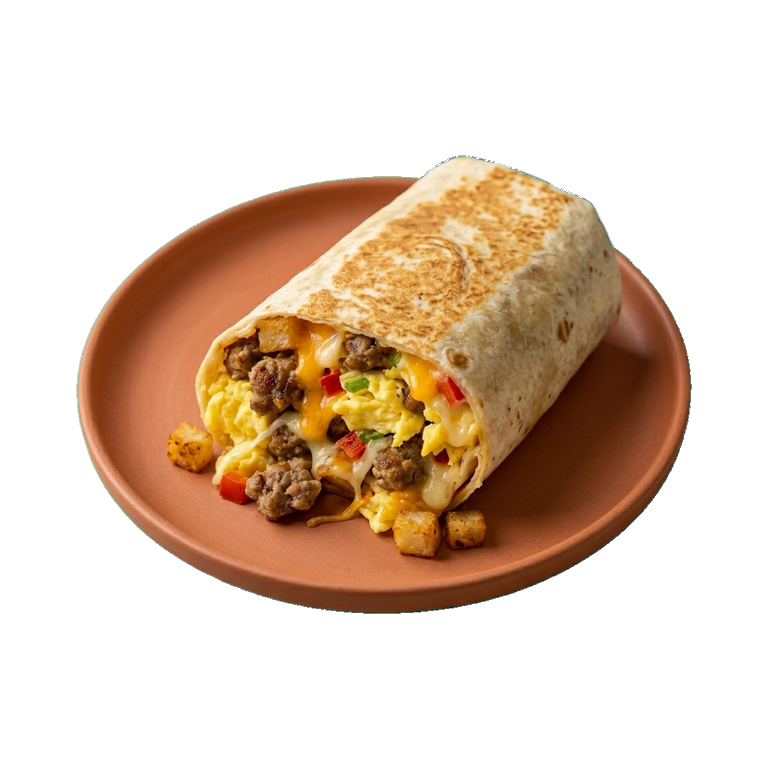
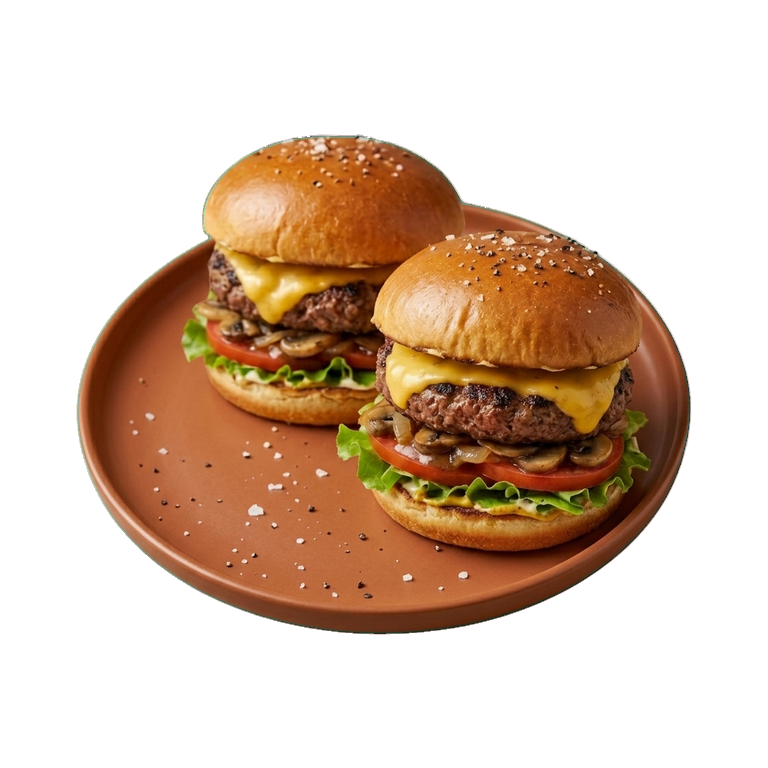
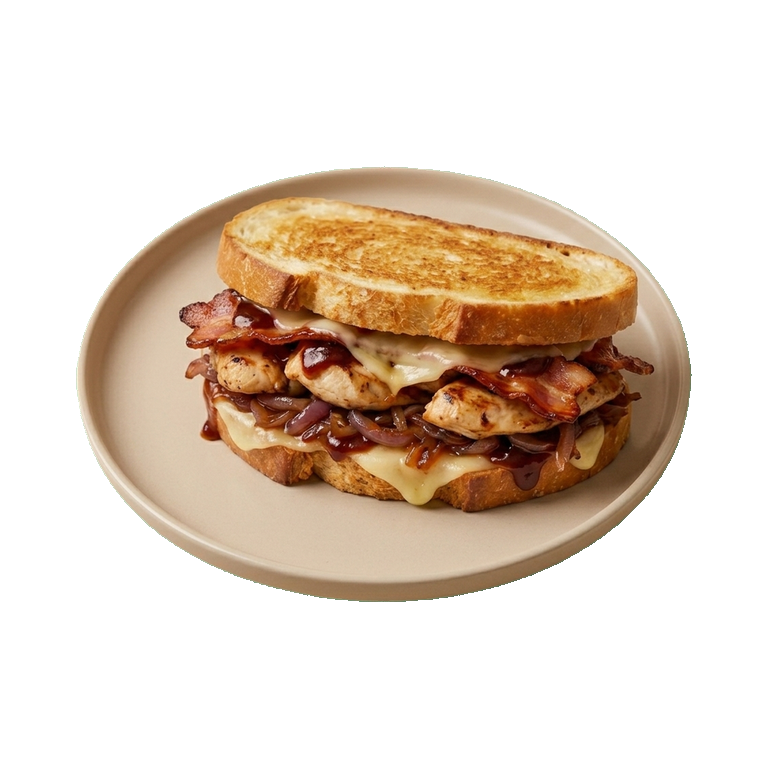
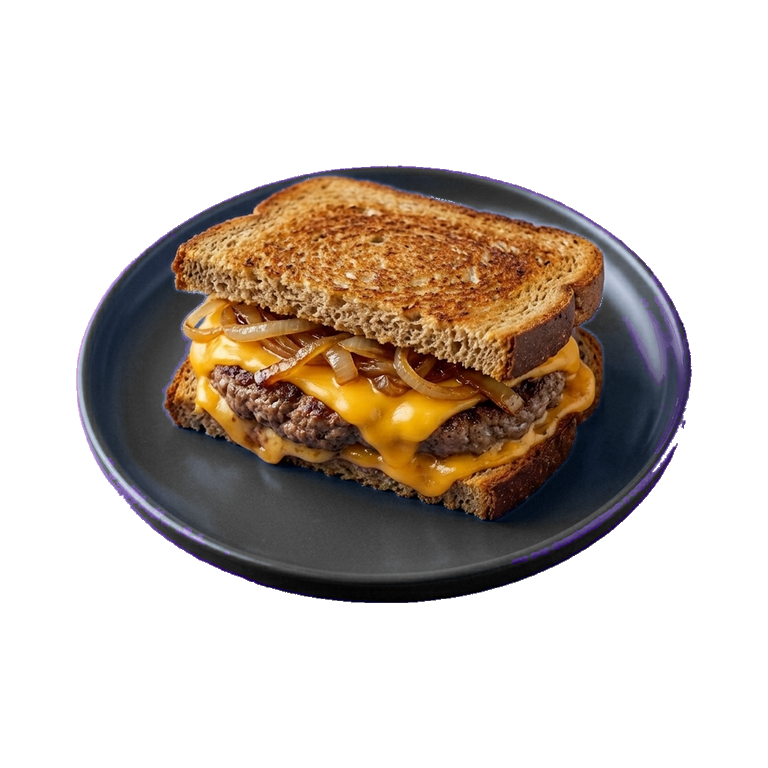
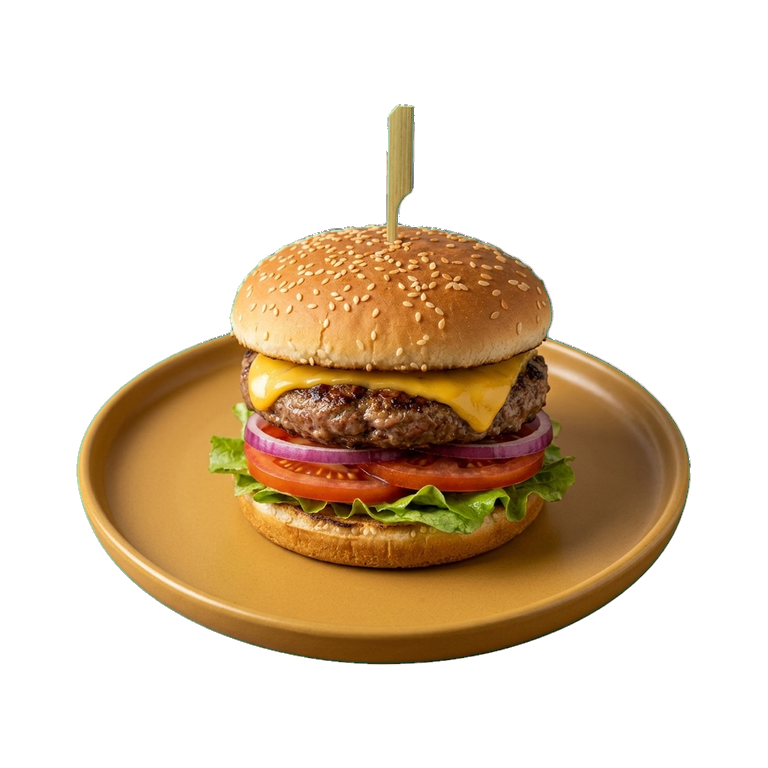
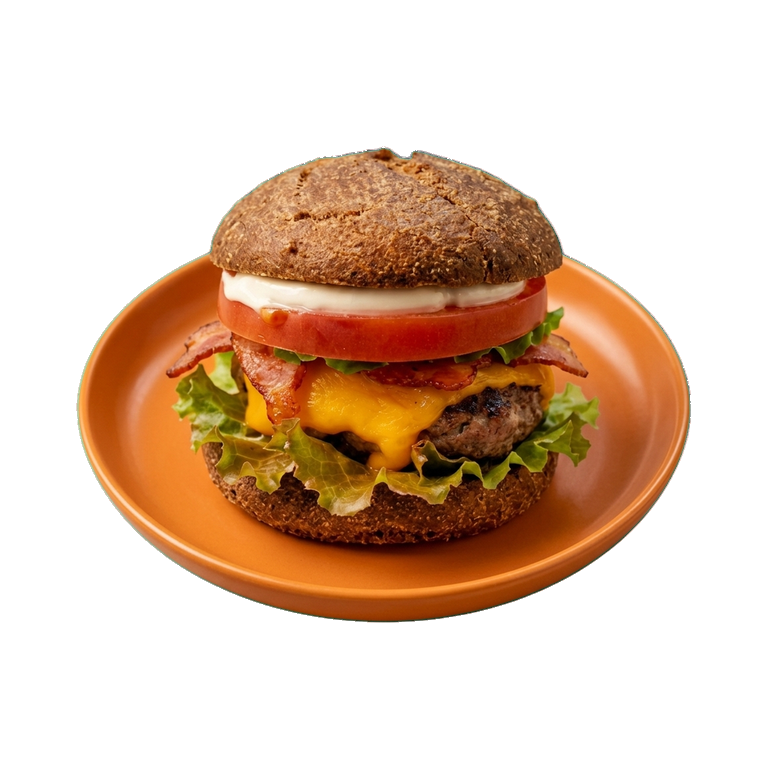
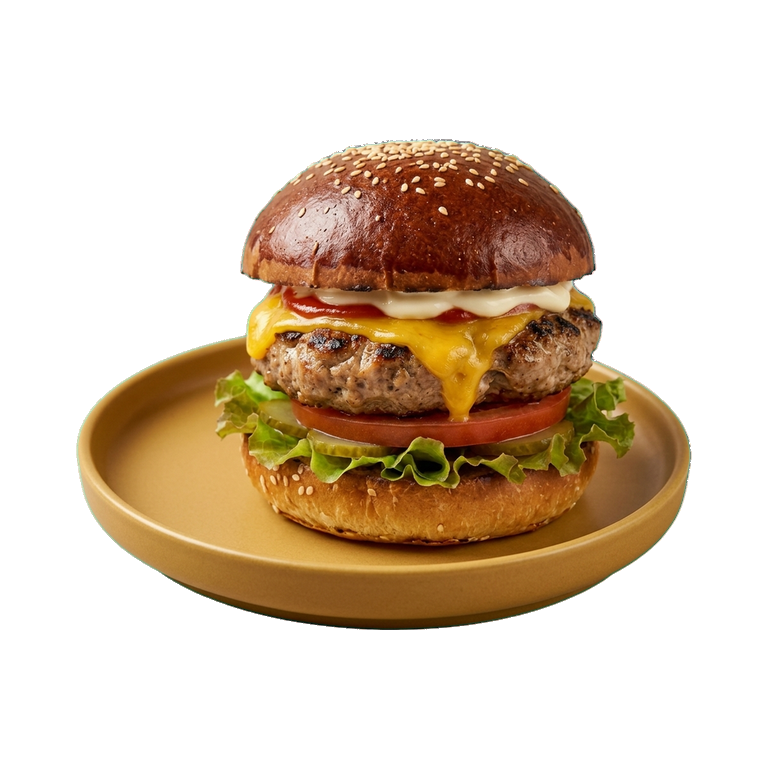
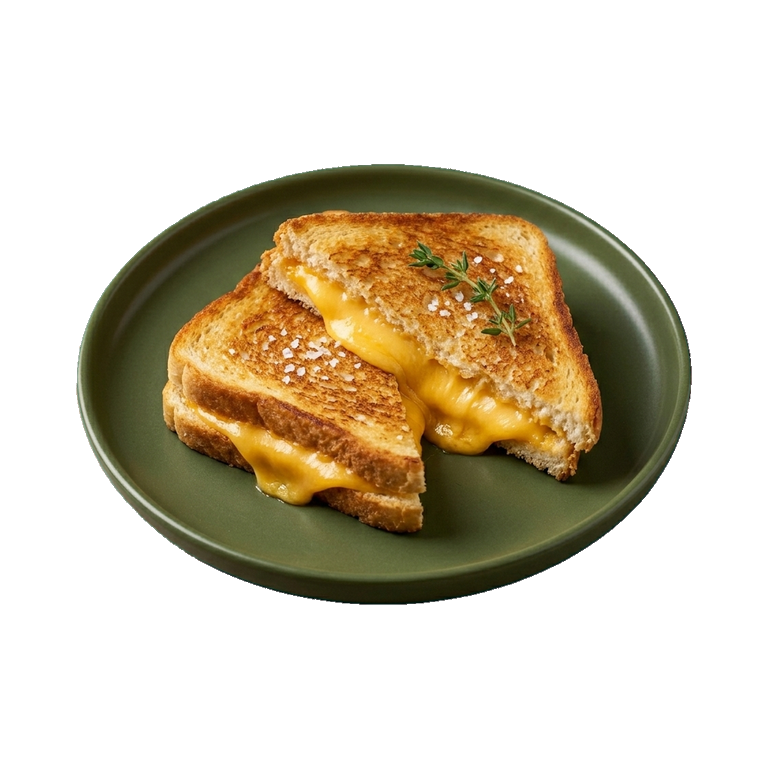
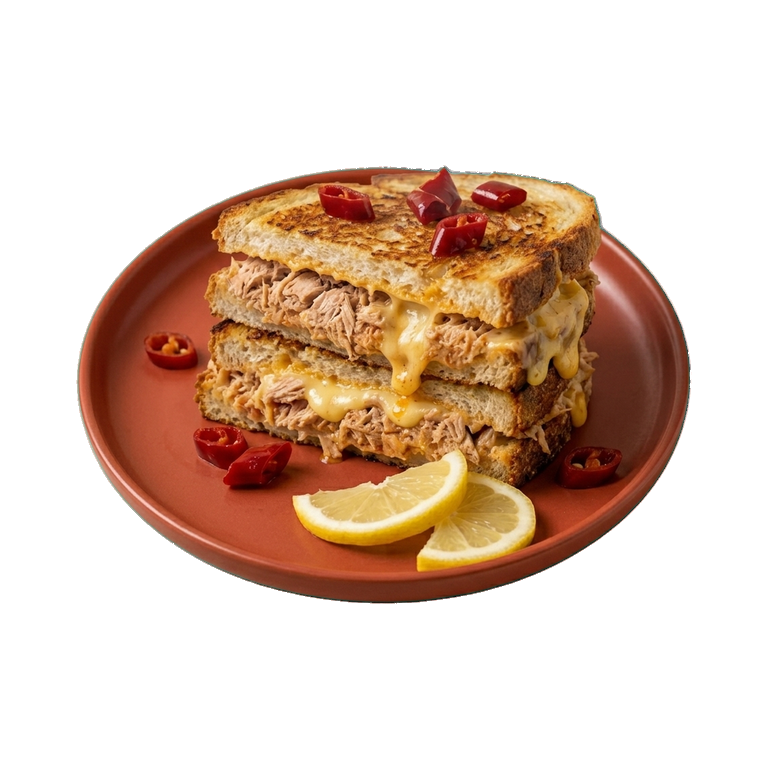
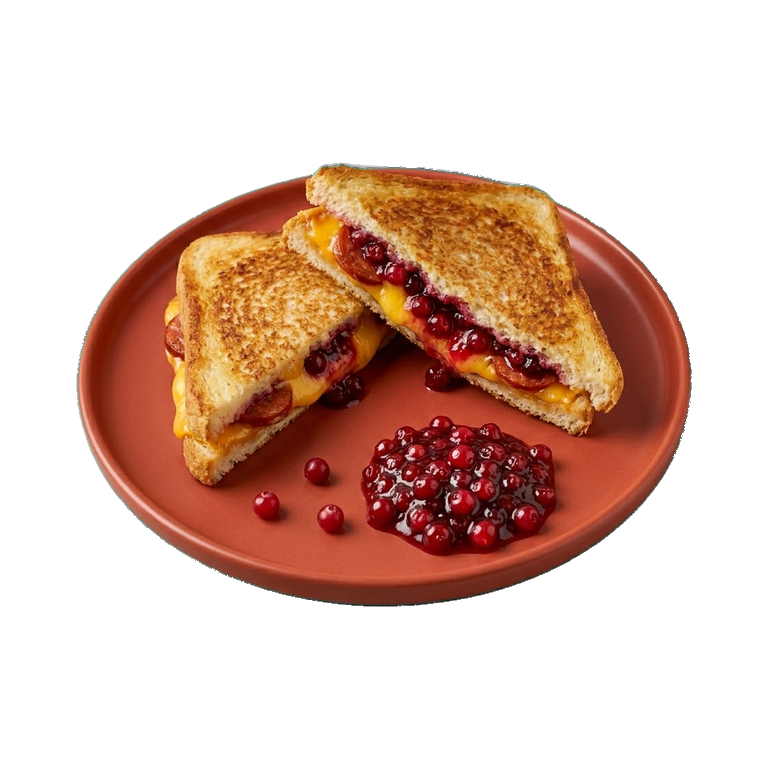
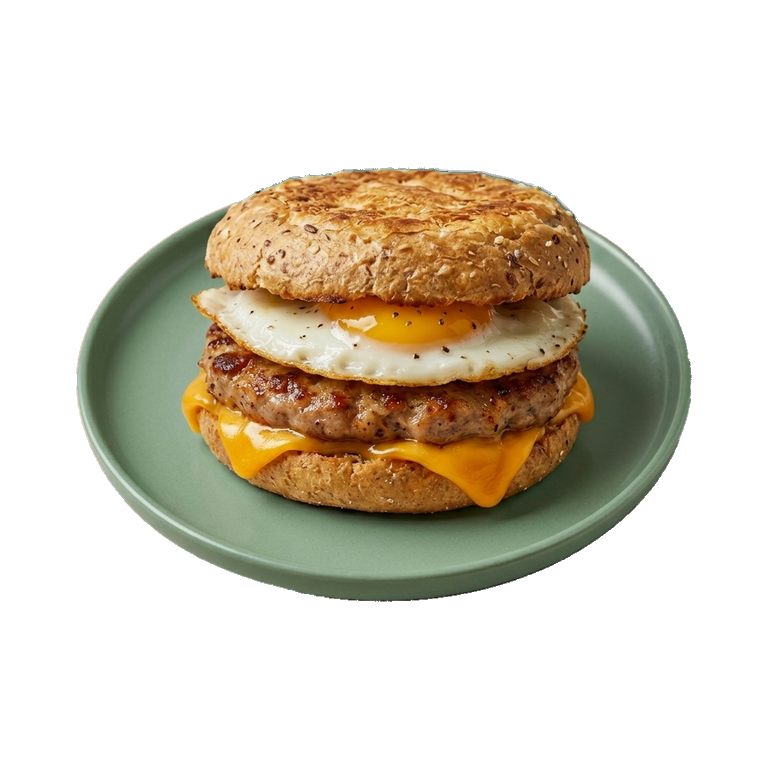
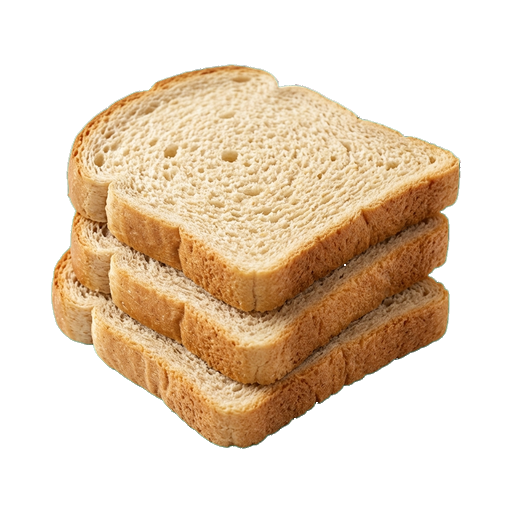
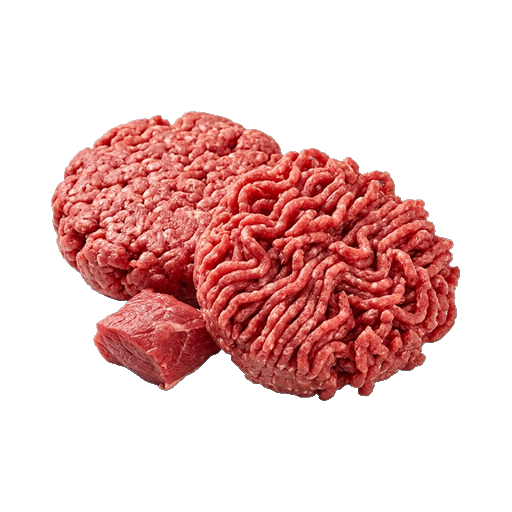
- Burgers and sandwiches — melts evenly, creates a creamy layer
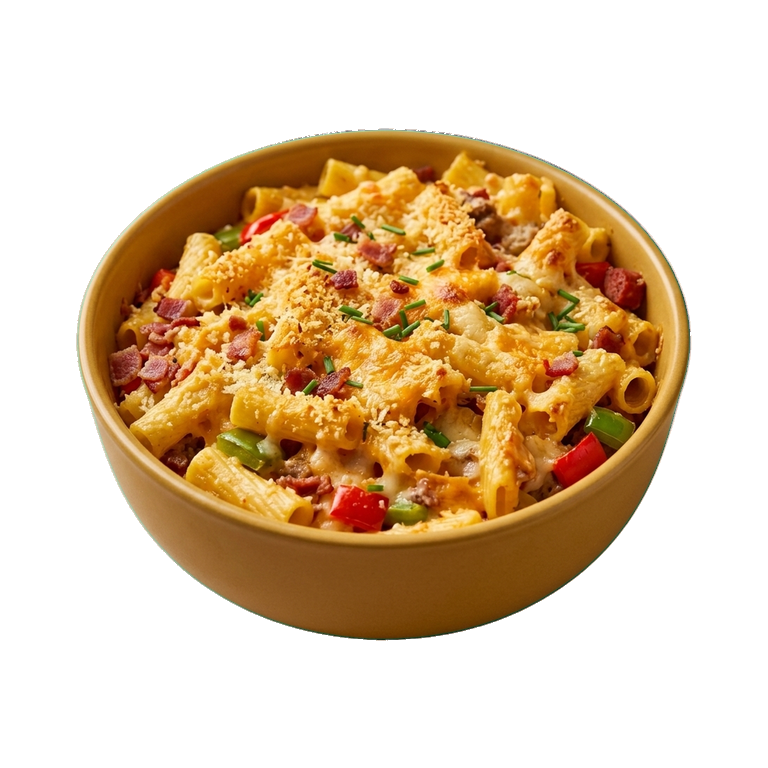
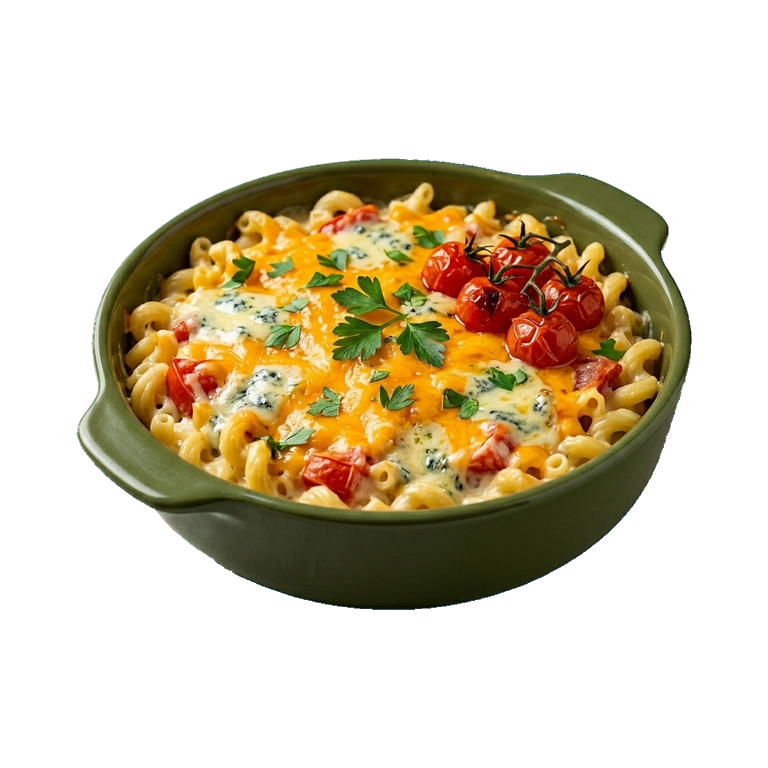
- Mac and cheese — main ingredient in classic sauce, gives the dish depth
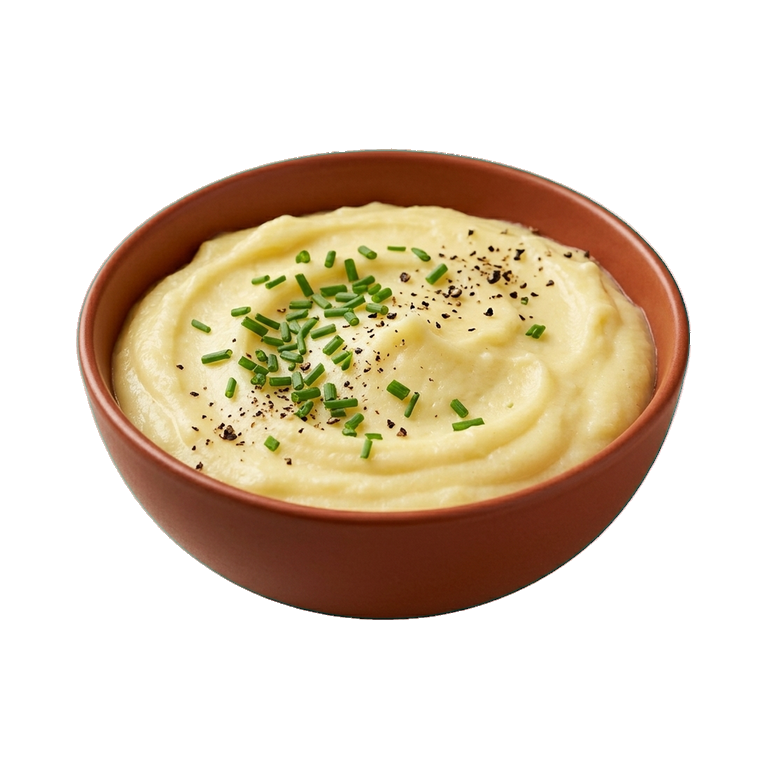
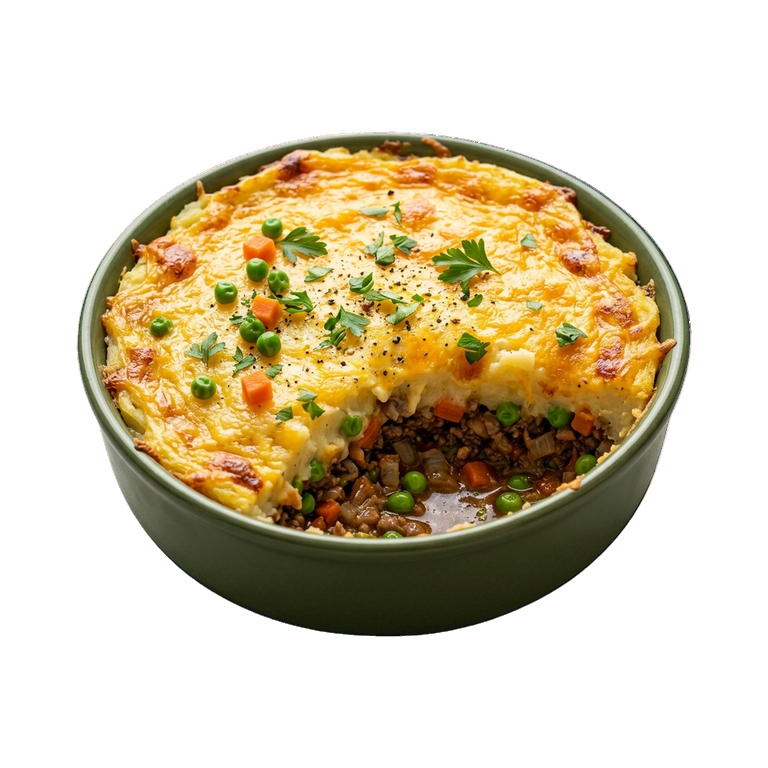
- Baked vegetables and potatoes — cheddar holds its shape well when heated
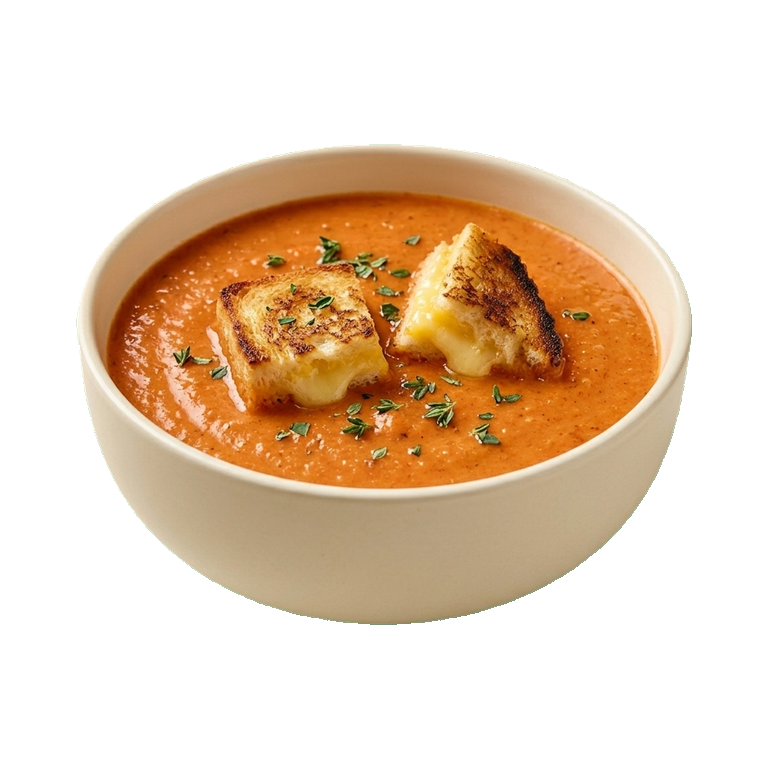
- Soups and liquid dishes — adds creaminess without lumps
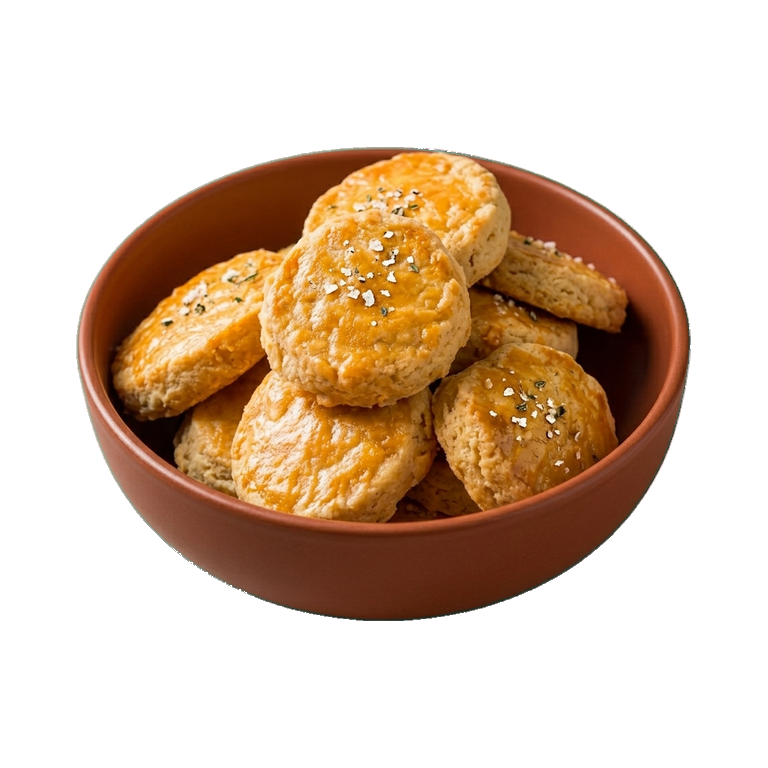
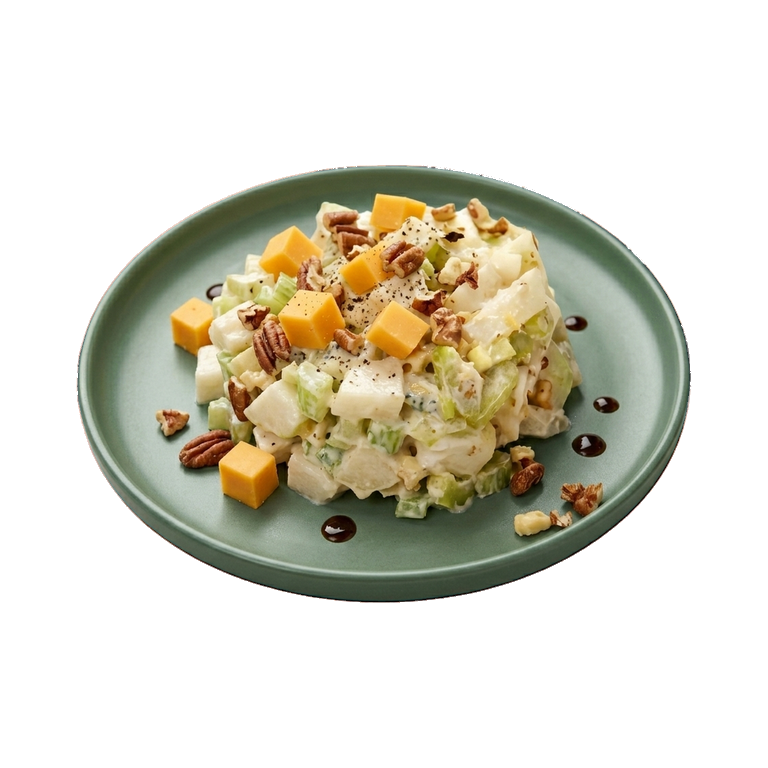
- Appetizers and charcuterie boards — sliced or grated cheese looks great with fruits, nuts and bread
Pairings
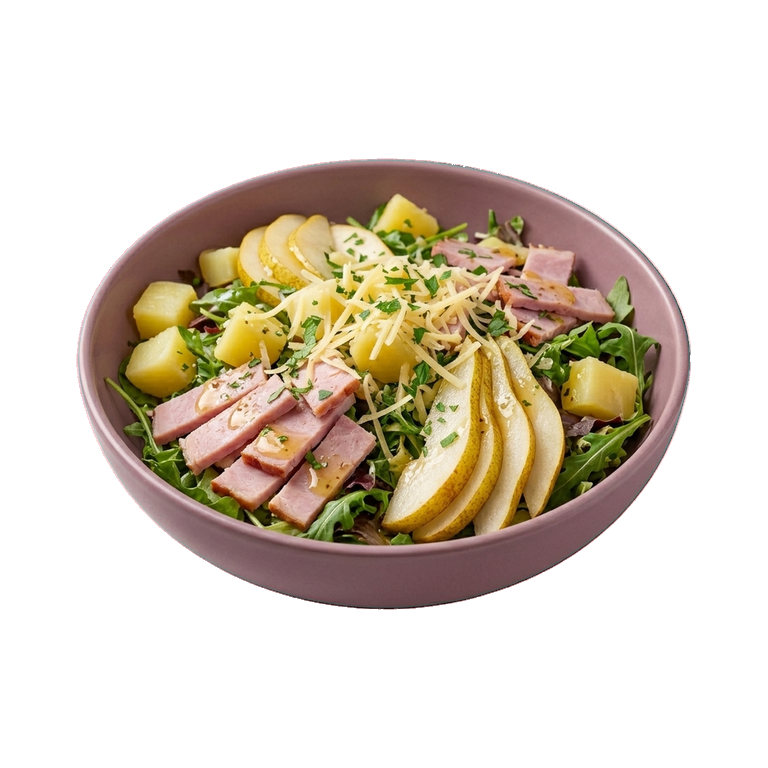
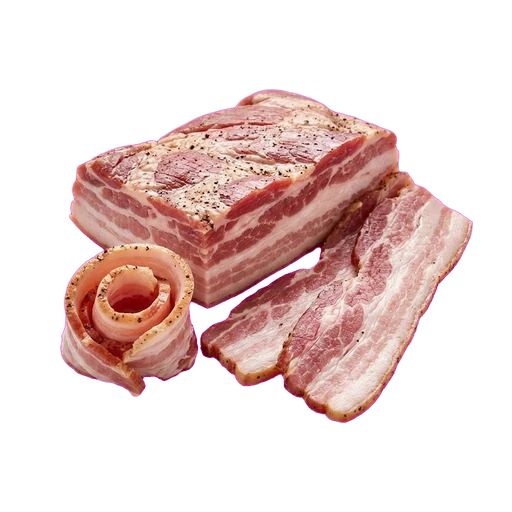
Cheddar pairs well with hot spices — chili, paprika, and black pepper will enhance its flavor. Apples, pears, and honey will highlight its creaminess. In savory dishes, try combining it with tomatoes, bacon, onions, and fresh herbs. Young cheddar has a milder taste, making it suitable for delicate combinations; mature cheddar is perfect for bold experiments.
How to Choose and Store
When purchasing, pay attention to the integrity of the packaging and color — it should be uniform without dark spots. The smell should not be sharp or unpleasant. Check the production date: young cheddar (2–4 months of aging) is softer, mature (from six months) is sharper.
- Store in the refrigerator in an airtight container or tightly wrapped in parchment paper
- Optimal temperature — from 2 to 8 degrees
- Storage time — 2–3 weeks for sliced cheese, up to 6 months for a whole piece
- Before use, remove the cheese from the refrigerator for 15–20 minutes — the flavor will open up more fully
Shredded cheddar is more convenient to use in hot dishes — it melts faster. Slices are better served at the table or added to the finished dish at the last moment to preserve the texture.
Nutrition
per 100 g
- Calories
- 403 kcal
- Protein
- 23.5 g
- Fat
- 33.1 g
- Carbs
- 3.4 g
Micronutrients
per 100 g
Macronutrients
- Saturated fat
- 19.2 g
- Monounsaturated fat
- 7.44 g
- Polyunsaturated fat
- 1.18 g
- Omega-3 (EPA + DHA)
- 0.011 g
- Cholesterol
- 100 mg
- Water
- 36.6 g
Minerals
- Sodium
- 654 mg
- Potassium
- 77 mg
- Calcium
- 707 mg
- Magnesium
- 26.8 mg
- Phosphorus
- 458 mg
- Iron
- 0.16 mg
- Zinc
- 3.67 mg
- Copper
- 0.03 mg
- Manganese
- 0.03 mg
- Selenium
- 28.3 mcg
Vitamins
- Vitamin A (RAE)
- 316 mcg
- Vitamin E
- 0.75 mg
- Vitamin K
- 2.4 mcg
- Vitamin B1 (thiamin)
- 0.03 mg
- Vitamin B2 (riboflavin)
- 0.44 mg
- Vitamin B3 (niacin)
- 0.05 mg
- Vitamin B5 (pantothenic acid)
- 0.41 mg
- Vitamin B6
- 0.07 mg
- Vitamin B12
- 1.1 mcg
Measures and weight
- 1 tbsp
- 16.5 g
- 1 tsp
- 5.5 g
- 1 cup
- 275 g
- 1 slice
- 28 g
Measure calculator
- Weight
- 100 g
- Calories
- 403 kcal