Usuba
Usuba
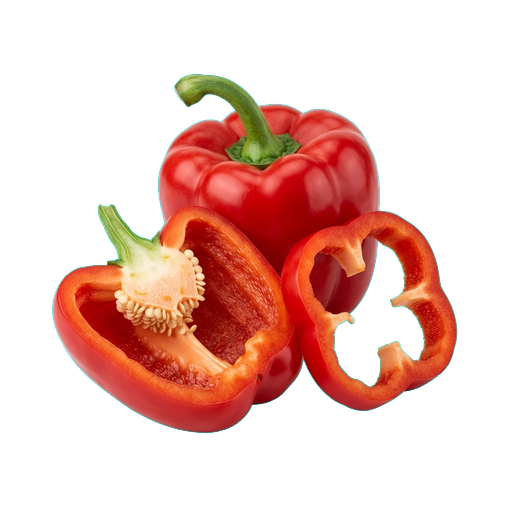
Red bell pepper
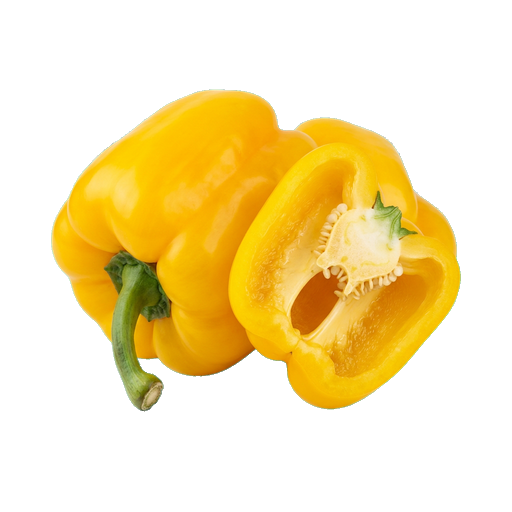
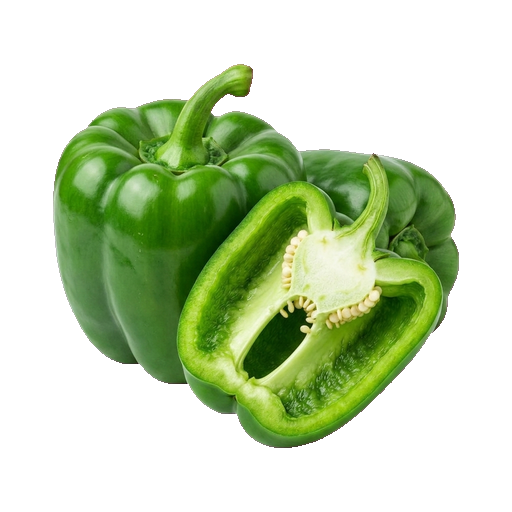
Sweet red bell pepper — a ripe vegetable with thick, meaty walls, sweet flavor, and subtle fruity notes. It works well in fresh salads, sautéed, roasted, and stuffed preparations, maintaining its sweetness through any cooking method. When selecting, look for firm peppers with smooth skin free of dents. If substituting with yellow or orange varieties, keep in mind that red peppers are sweeter and have a more intense flavor.
Micronutrients
per 100 g
Minerals
About
Red sweet pepper is one of the most versatile vegetables in the kitchen. Its meaty wall, sweet taste and bright color make it indispensable in salads, hot dishes and appetizers. Unlike green pepper, red is fully ripe, so it is sweeter, softer and contains more vitamins.
Taste and Aroma
Red pepper has a rich, slightly fruity taste with a pleasant sweetness. The flesh is juicy and tender, almost without bitterness. When heated, the sweetness becomes even more pronounced, and the aroma fills with caramel notes. Raw pepper is crispy and refreshing, and when stewed or fried, it transforms into a soft, delicate component of the dish.
How to use
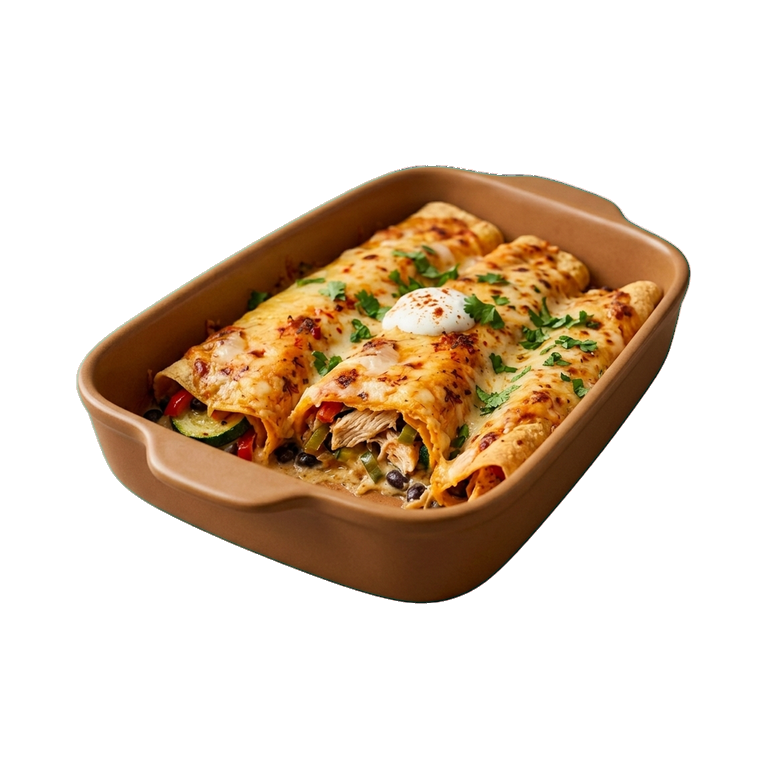
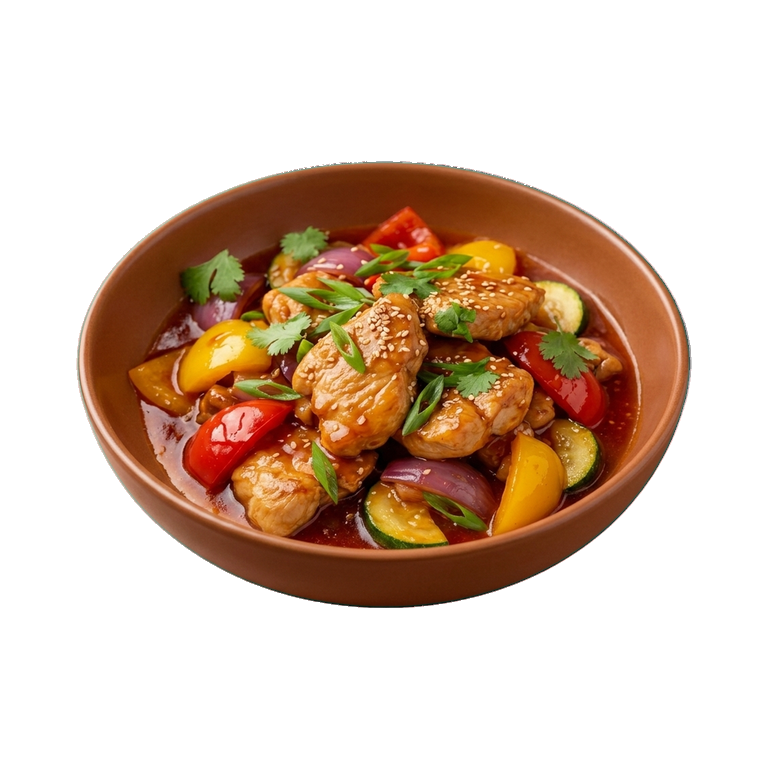
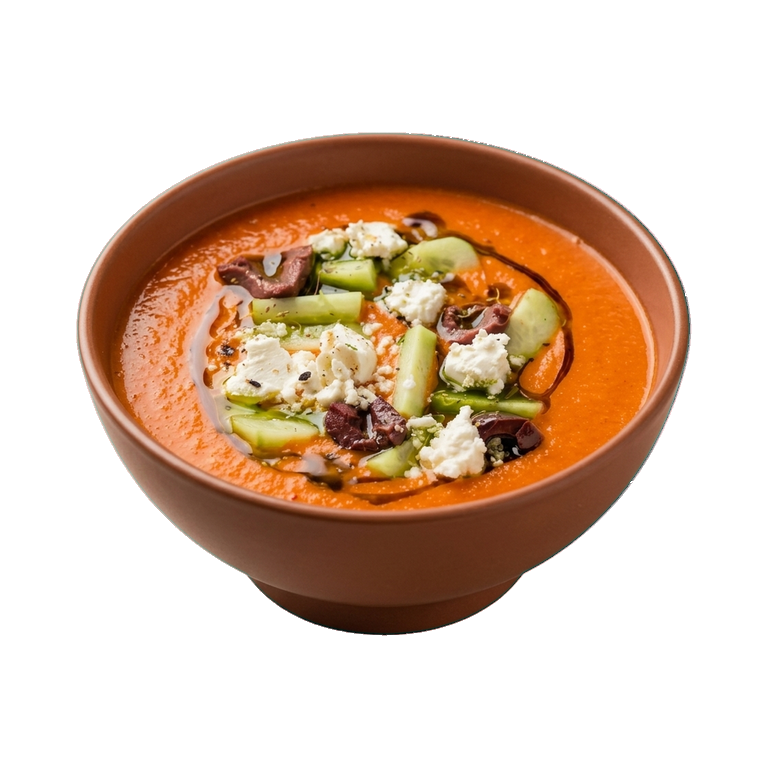
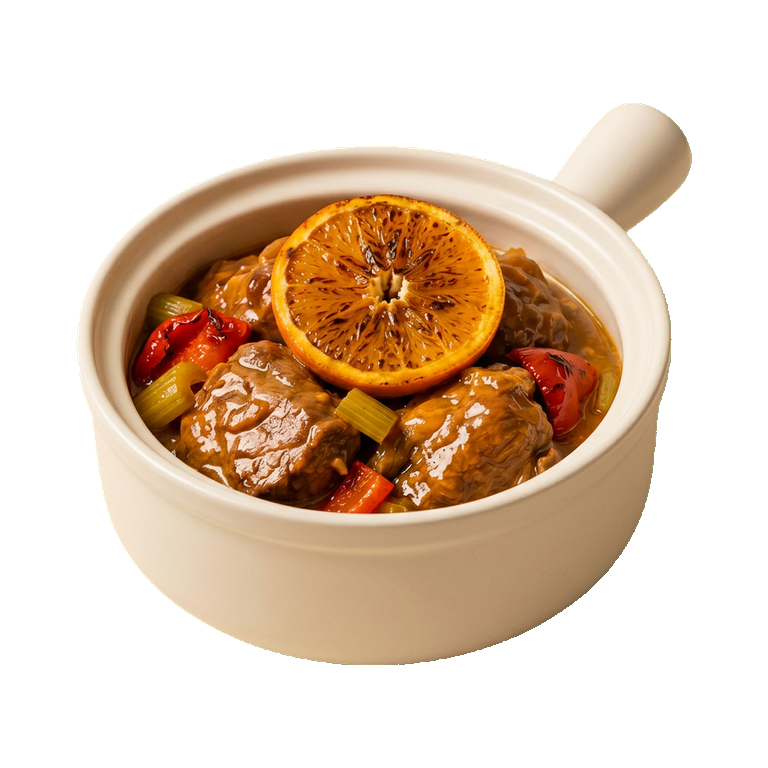
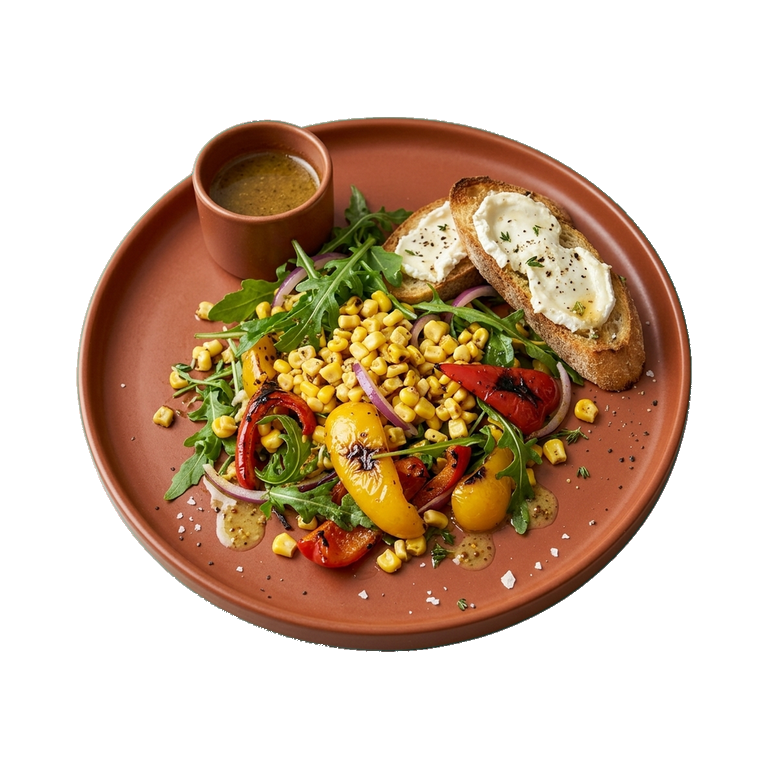
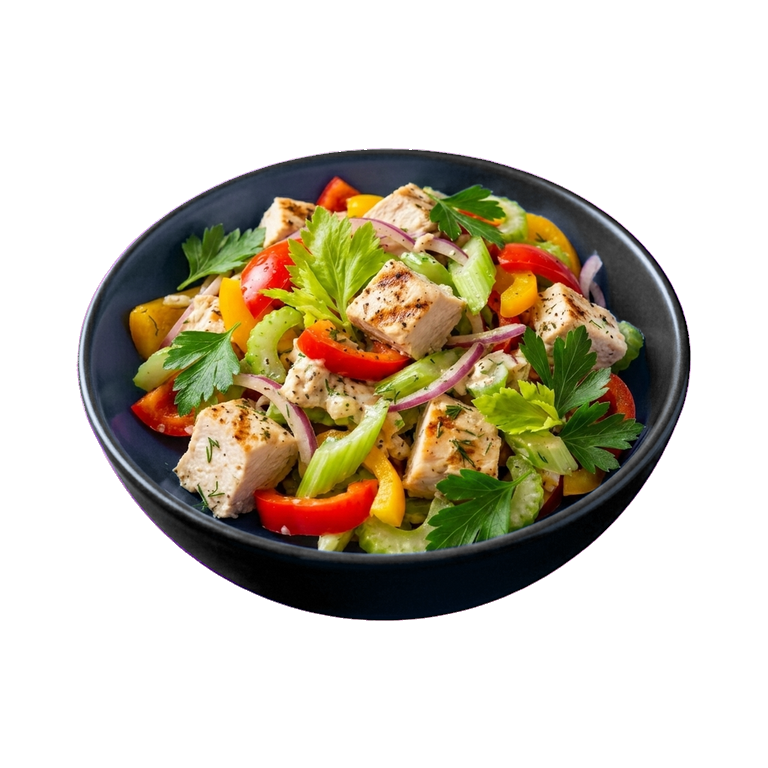
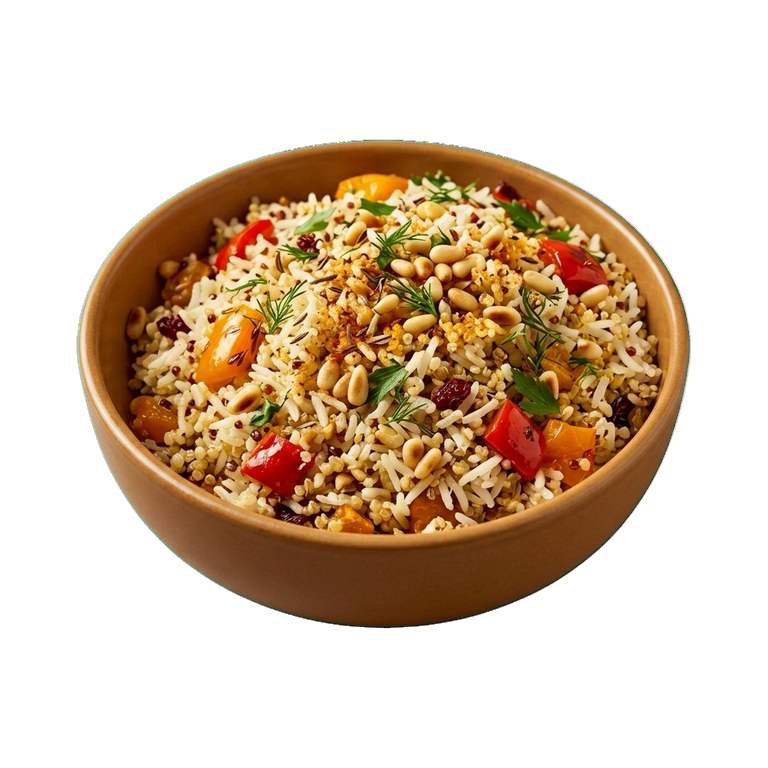
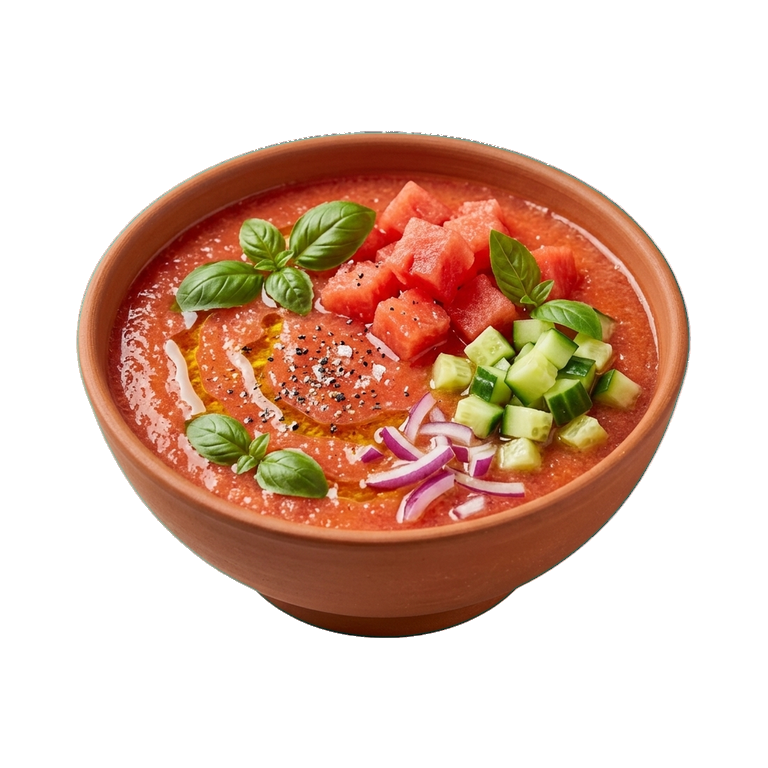
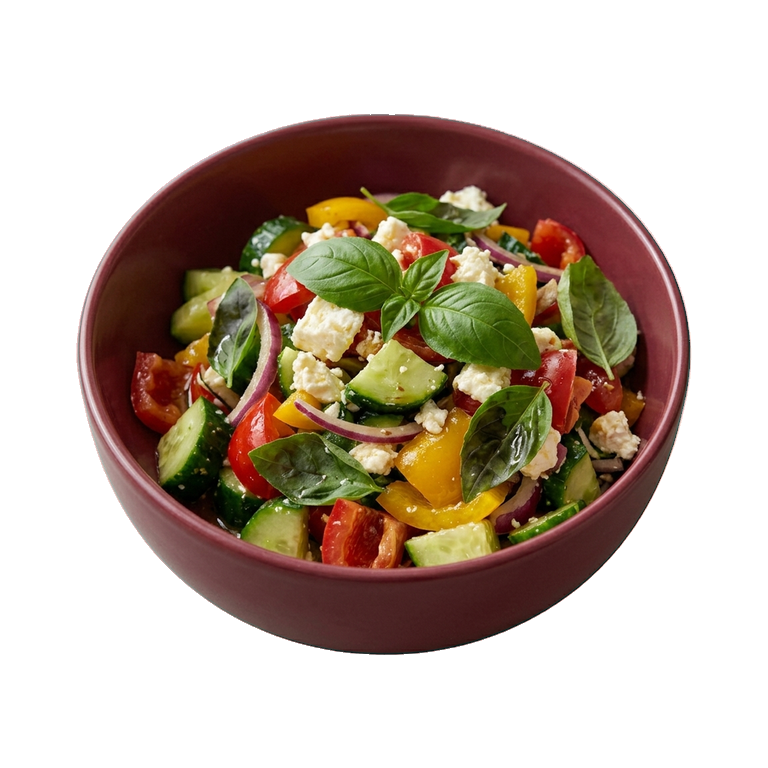
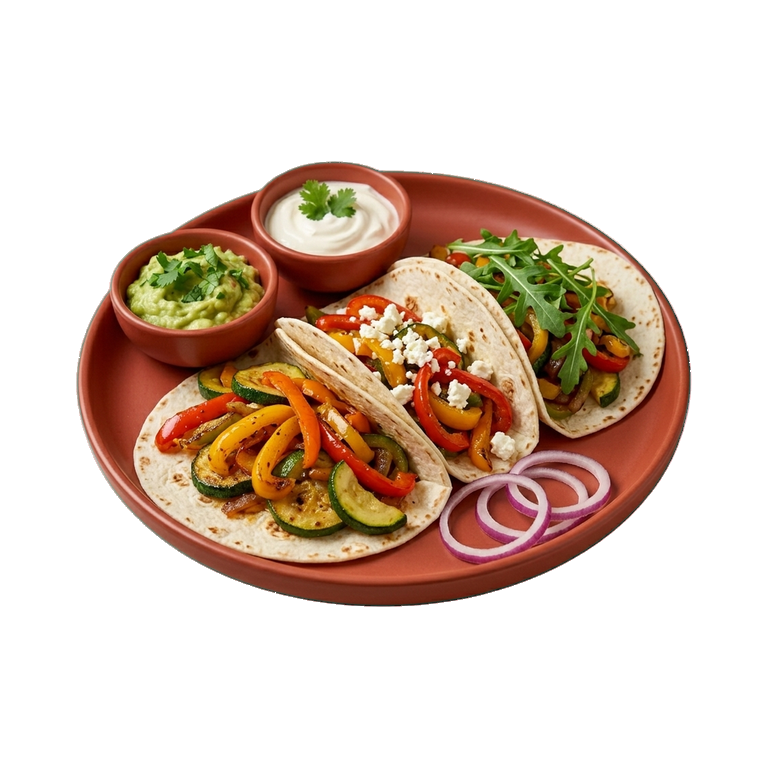
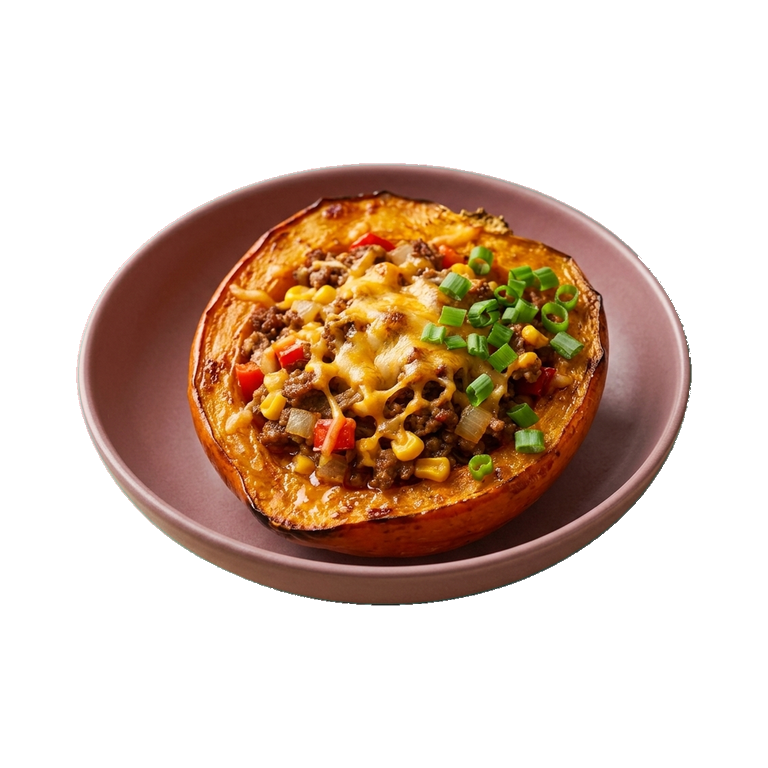
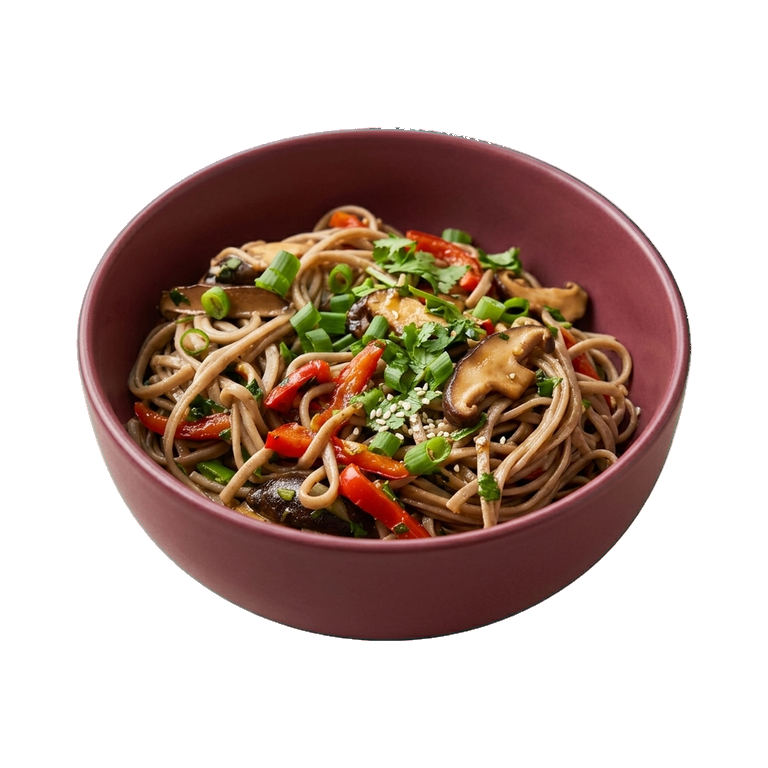
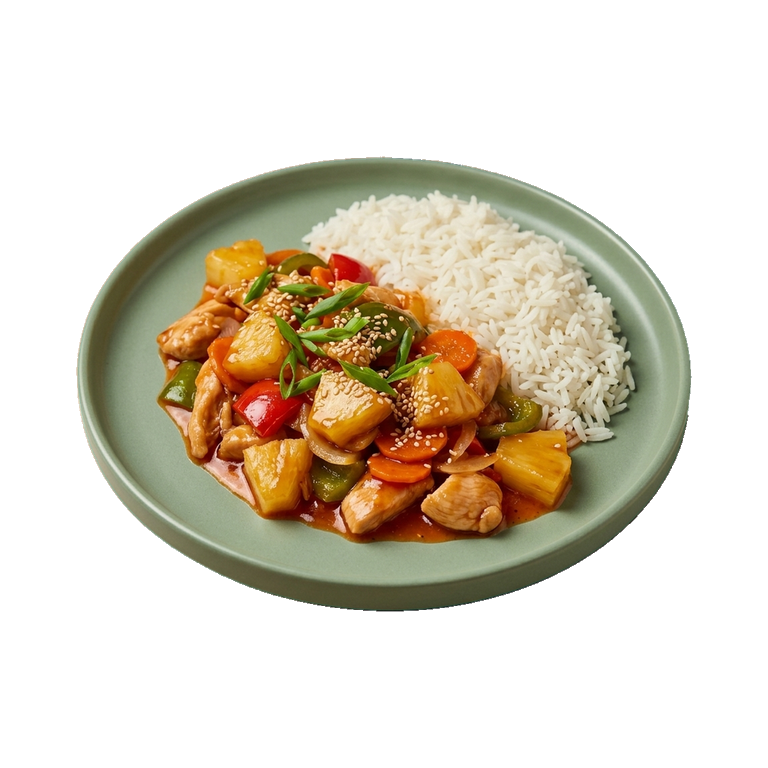
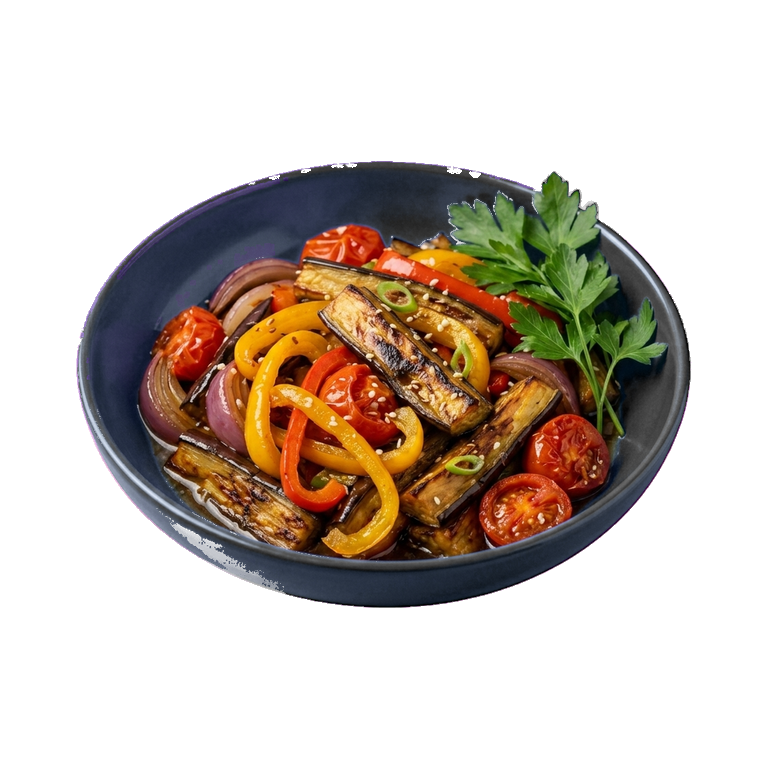
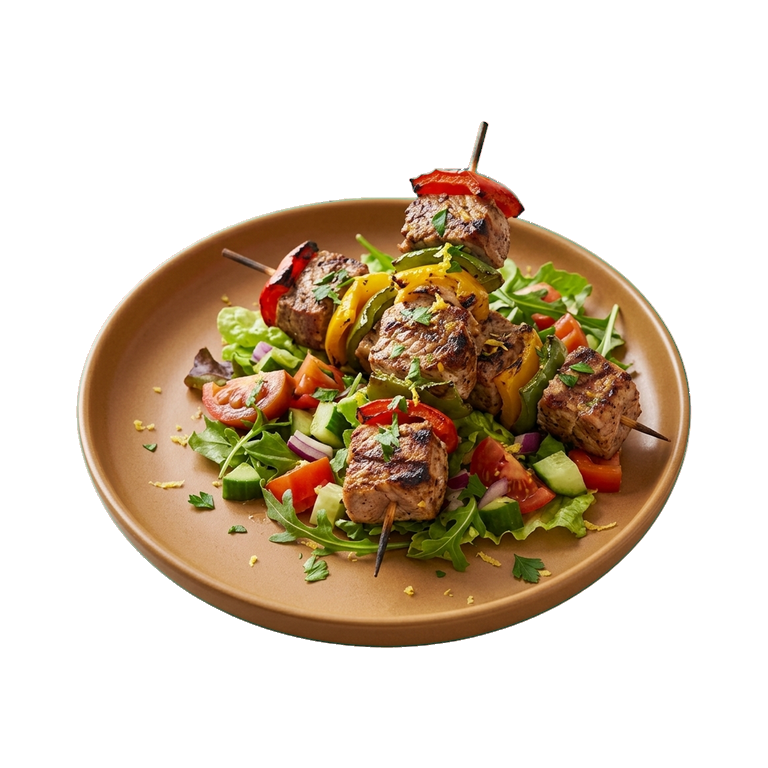
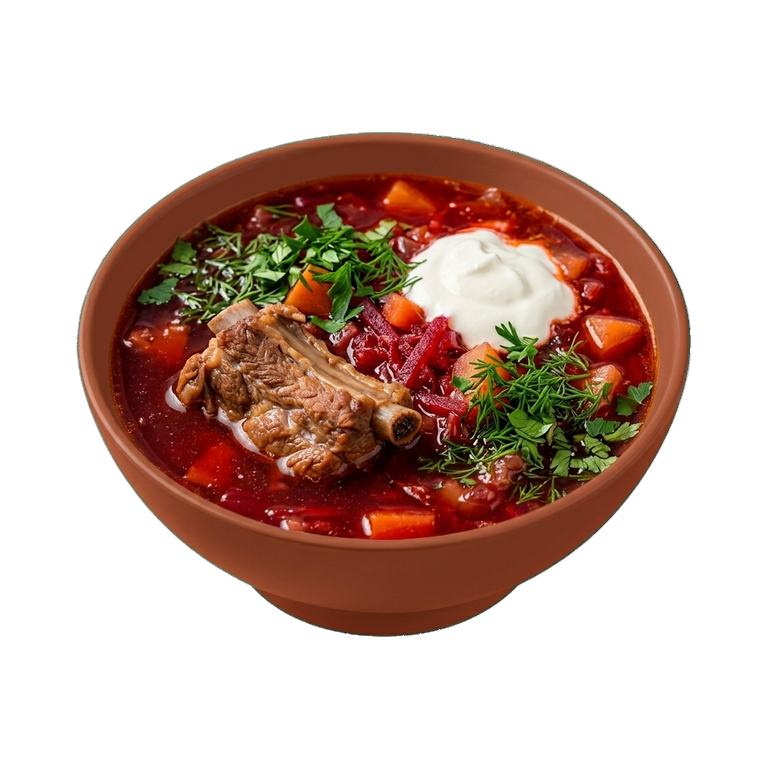
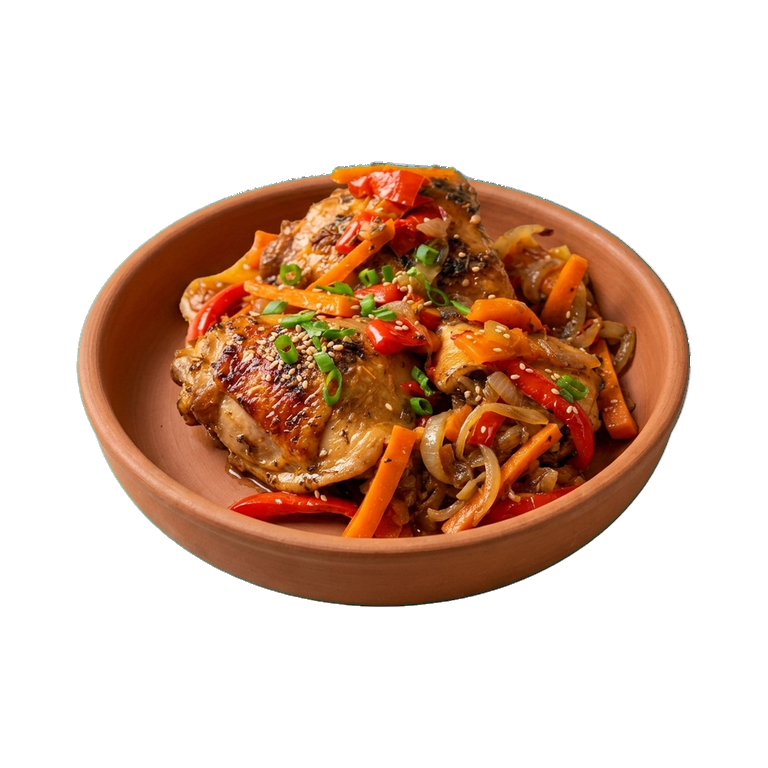
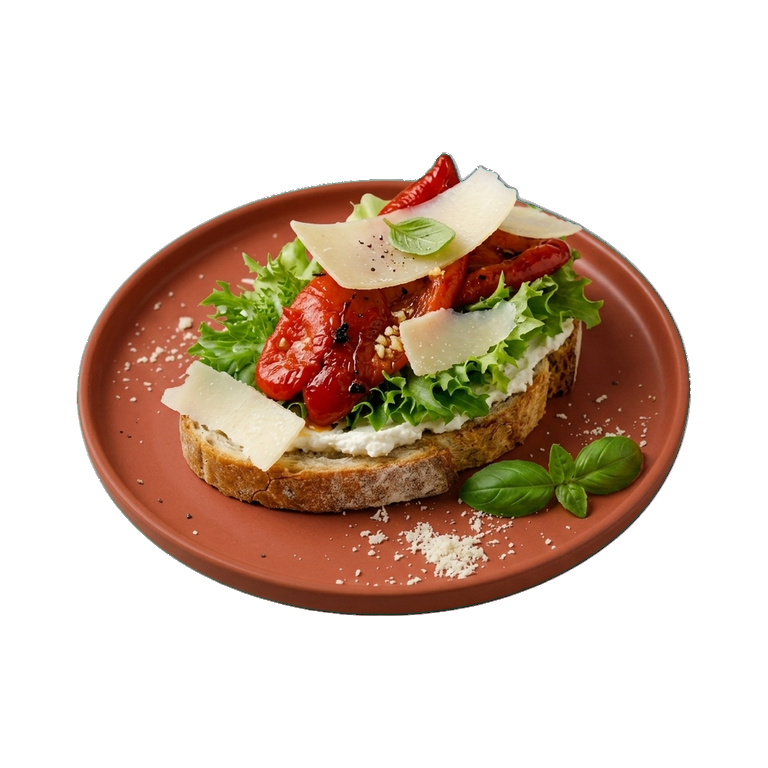
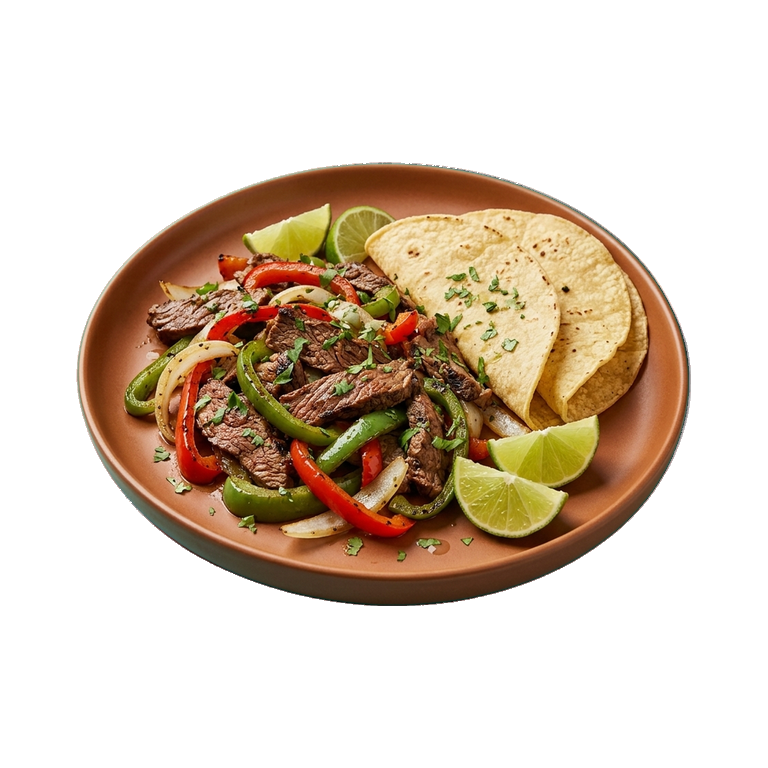
Red pepper works everywhere: add it to a vegetable medley, slice it for a salad, bake it with filling, stew it with onions and tomatoes, or turn it into a side dish. It's perfect for stuffing, grilling, adding to soups and stews. Even raw, bell pepper is a great snack with hummus or cream cheese.
- Slicing for salads and fresh appetizers
- Frying and stewing as a side dish
- Baking whole or stuffing
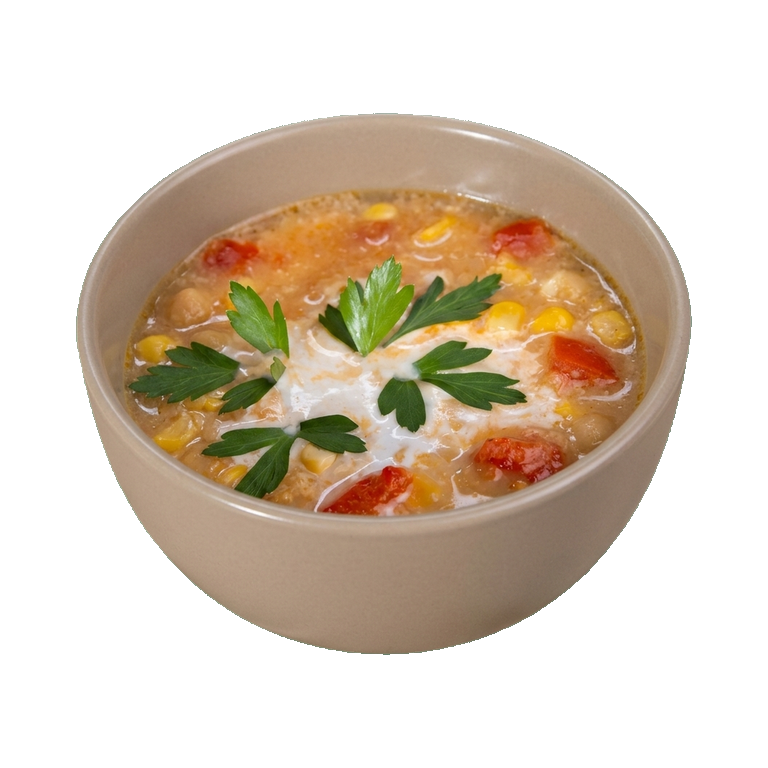
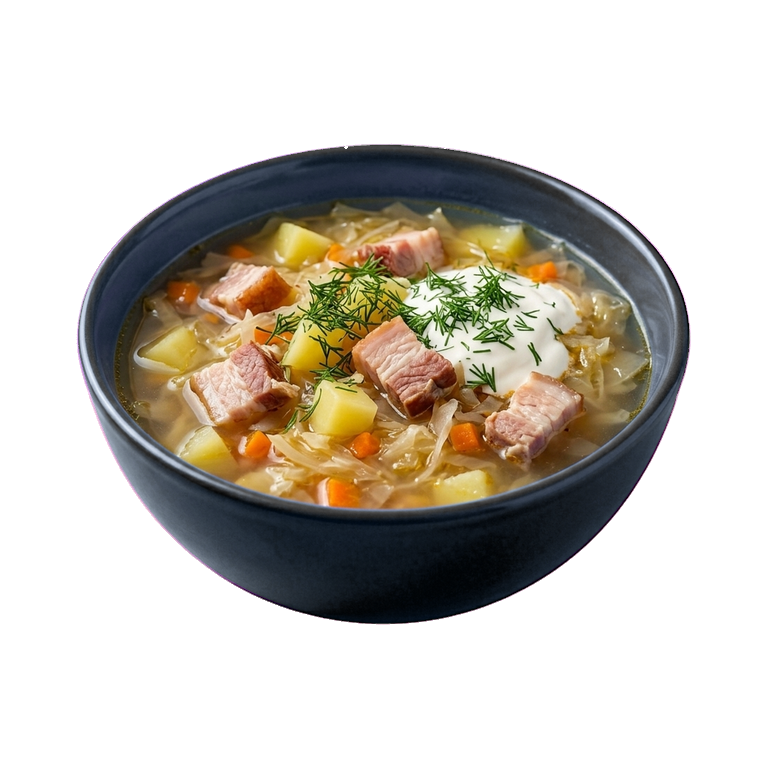
- Adding to soups, stews and vegetable dishes
- Canning and pickling
Pairings
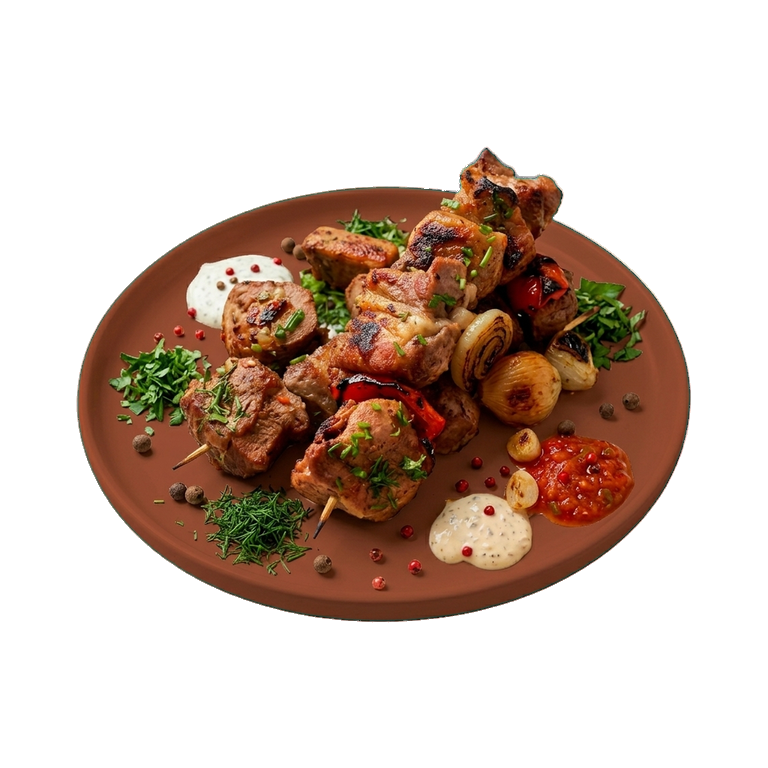
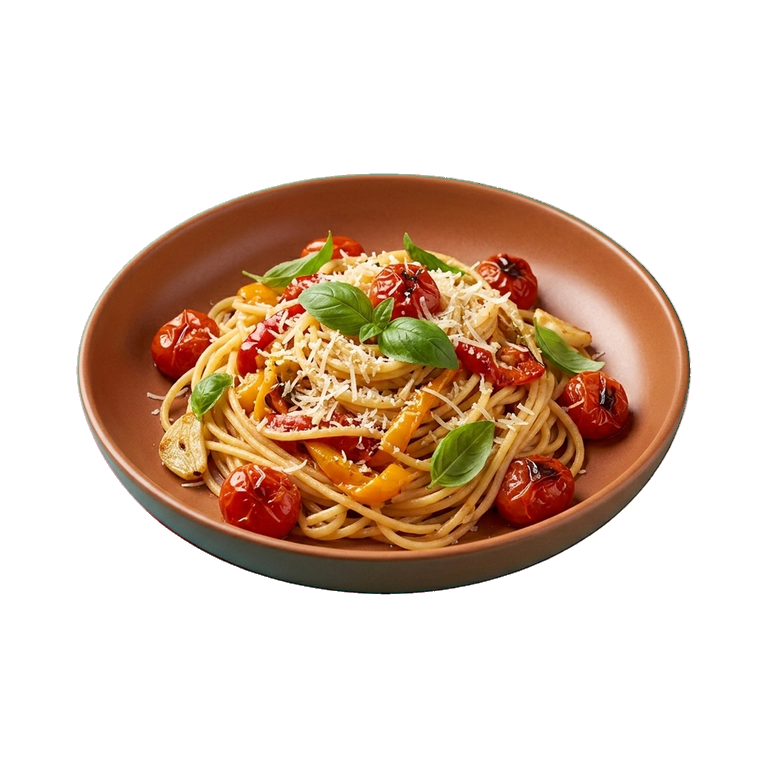
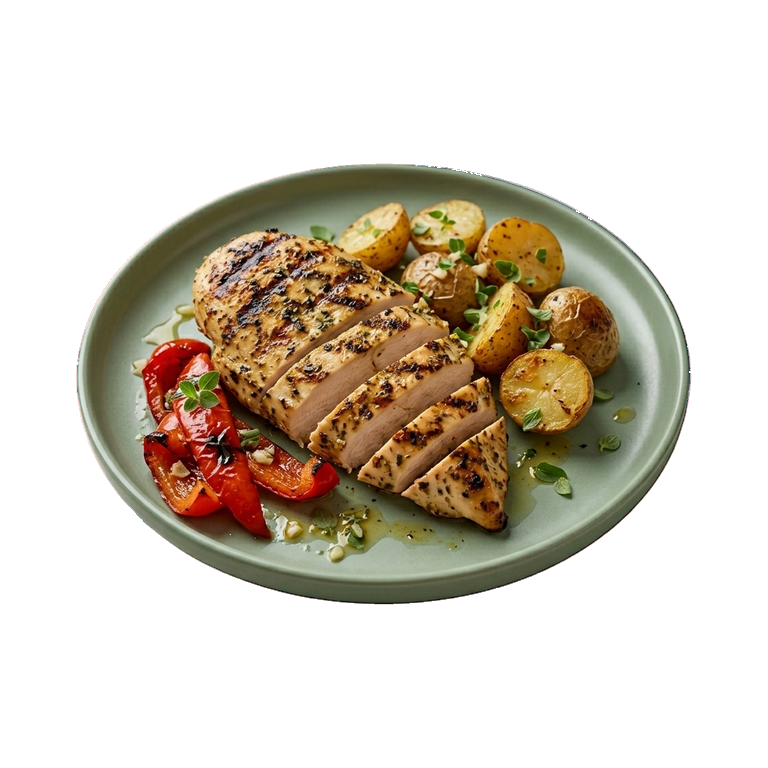
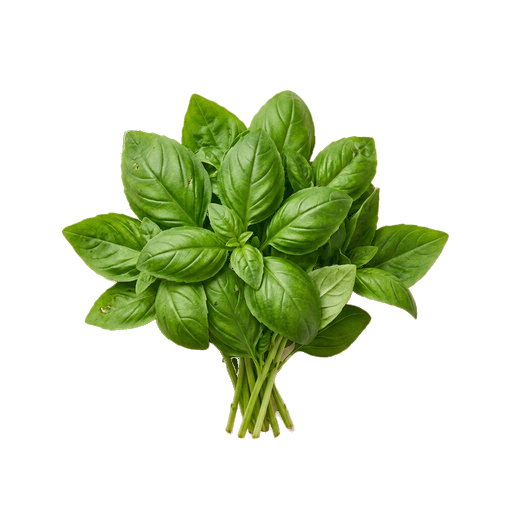
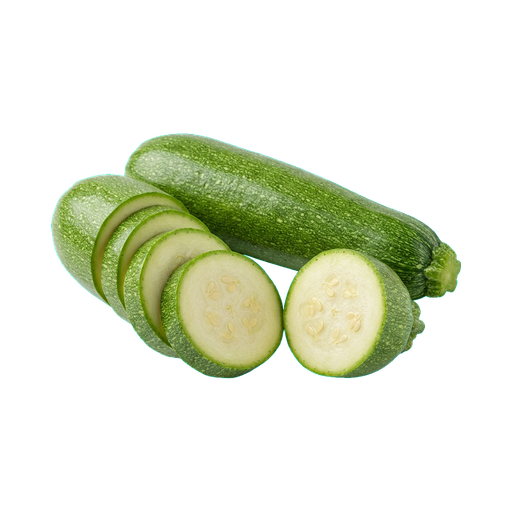
Red pepper gets along with all vegetables: tomatoes, onions, eggplant, zucchini. It harmonizes with garlic, herbs (basil, parsley, cilantro), and olive oil. In hot dishes, it works well with chicken, beef, and seafood. Spices — paprika, turmeric, coriander — highlight its natural sweetness.
Selection and Storage
Choose firm peppers without soft spots and dents, with smooth shiny skin. A good red pepper has weight and should not be light or wrinkled. Store in the refrigerator in the vegetable drawer — this way the pepper will keep for 1–2 weeks. If you need to prepare it for storage, slice the pepper and freeze it in a container or bag.
Red pepper is a vegetable that works in any culinary situation: from a simple salad to a complex multi-component dish. Its sweetness and meatiness make it one of the most rewarding ingredients in the kitchen.
Nutrition
per 100 g
- Calories
- 31 kcal
- Protein
- 1 g
- Fat
- 0.3 g
- Carbs
- 6 g
Micronutrients
per 100 g
Macronutrients
- Fiber
- 1.158 g
- Water
- 91.93 g
Minerals
- Sodium
- 0 mg
- Potassium
- 212.7 mg
- Calcium
- 6.36 mg
- Magnesium
- 10.98 mg
- Phosphorus
- 26.59 mg
- Iron
- 0.35 mg
- Zinc
- 0.2 mg
- Copper
- 0.04 mg
- Manganese
- 0.13 mg
- Selenium
- 0 mcg
Vitamins
- Vitamin C
- 141.7 mg
- Vitamin B1 (thiamin)
- 0.05 mg
- Vitamin B2 (riboflavin)
- 0.14 mg
- Vitamin B3 (niacin)
- 1.02 mg
- Vitamin B6
- 0.3 mg
Measures and weight
- 1 pcs
- 150 g
Measure calculator
- Weight
- 100 g
- Calories
- 31 kcal