Usuba
Usuba
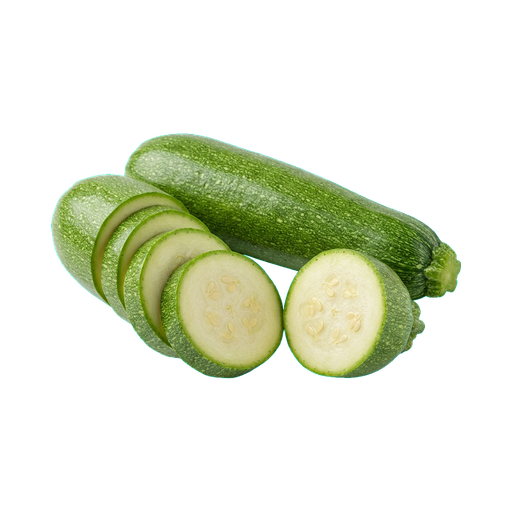
Zucchini
Zucchini is a young squash with tender flesh and thin skin that doesn't require peeling. The vegetable has a mild, slightly sweet taste and absorbs the flavors of neighboring ingredients, making it a versatile component for frying, stewing, grilling, and fresh salads. When selecting, prefer smaller fruits 15–20 cm in length — they are more tender and contain fewer seeds than larger specimens.
Micronutrients
per 100 g
About
Zucchini is a young squash that has earned its place in the kitchens of those who appreciate lightness and versatility. Its tender flesh and thin skin make it ideal for quick cooking, and its neutral flavor allows it to adapt to any culinary style. Unlike mature squash, zucchini remains juicy and doesn't require lengthy processing.
Taste and texture
Zucchini has a mild, slightly sweet flavor with a barely noticeable herbaceous note. Its flesh is tender, almost creamy, especially when the vegetable is young and small in size. The smaller the zucchini, the more delicate its texture and the more subtle its taste. Large specimens become watery and less interesting, so choose fruits that are 15–20 centimeters in length.
How to use in the kitchen
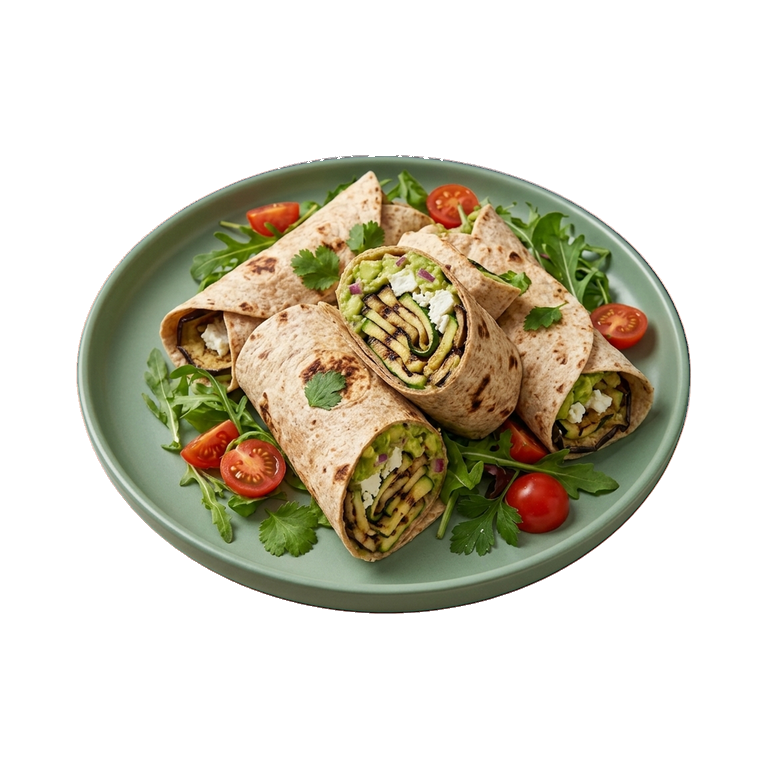
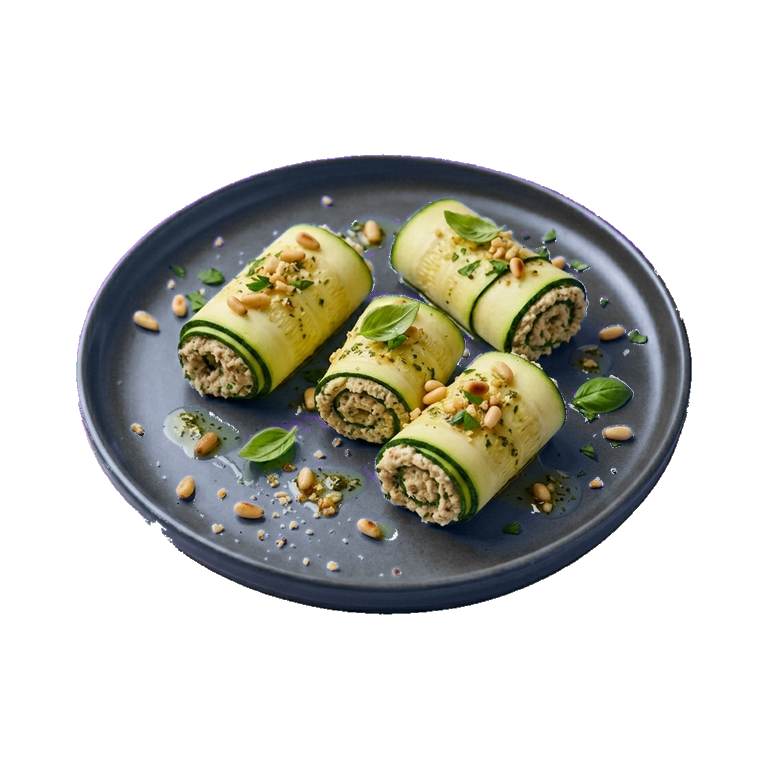
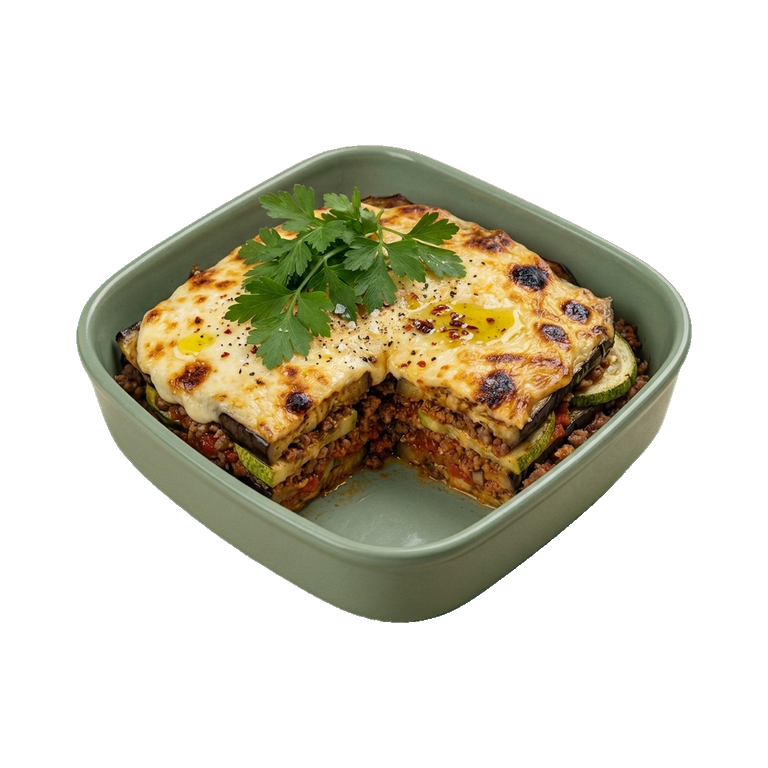
Zucchini cooks quickly, making it a lifesaver when you need to put dinner together in 20 minutes. You can slice it thin and fry it in a pan until golden brown, bake it in the oven with herbs and olive oil, or add it raw to salads. Thin strips cut lengthwise work great as a substitute for pasta sheets in lasagna.
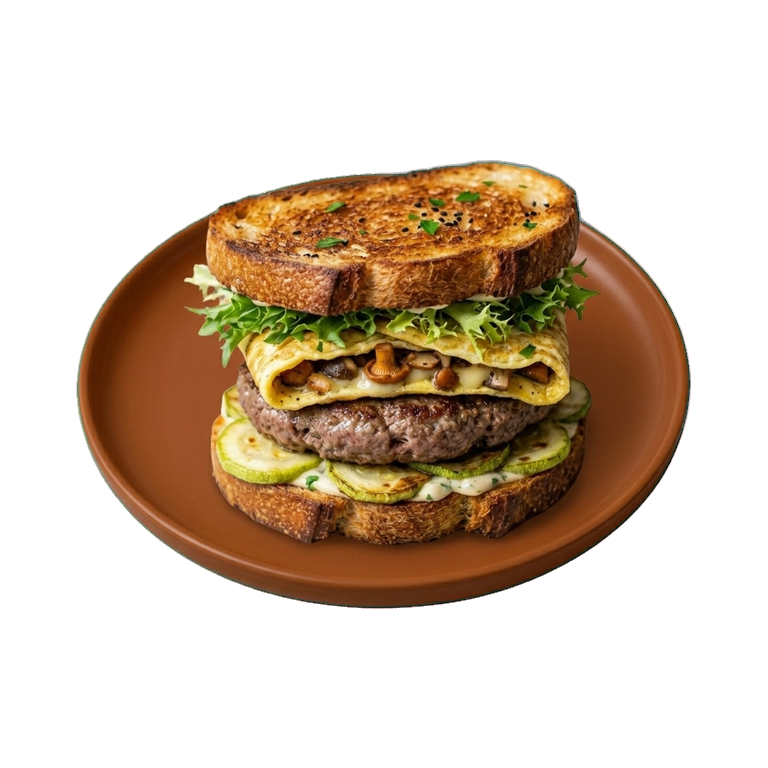
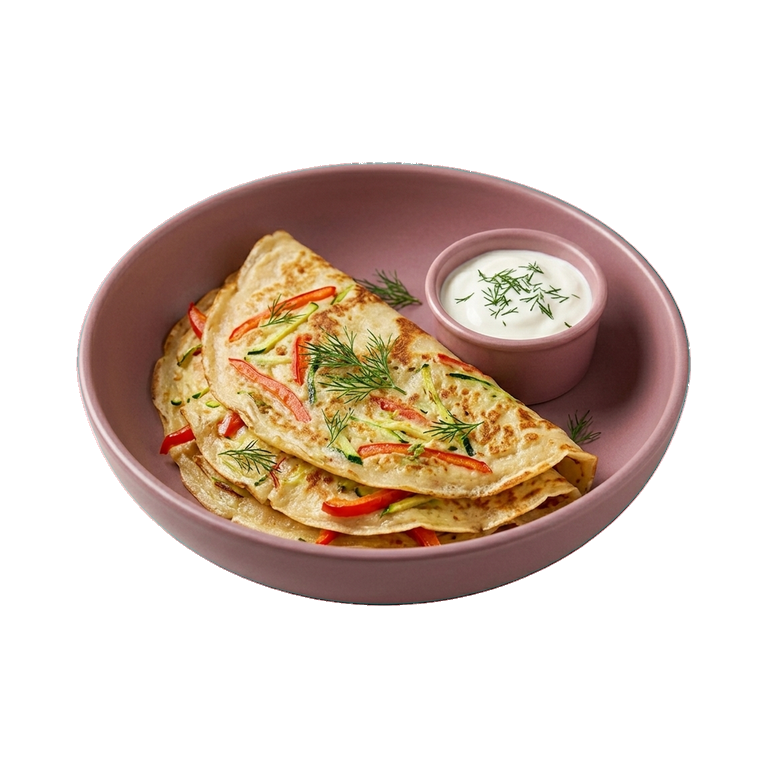
- Pan frying — a classic method, zucchini cooks for 3–5 minutes on each side
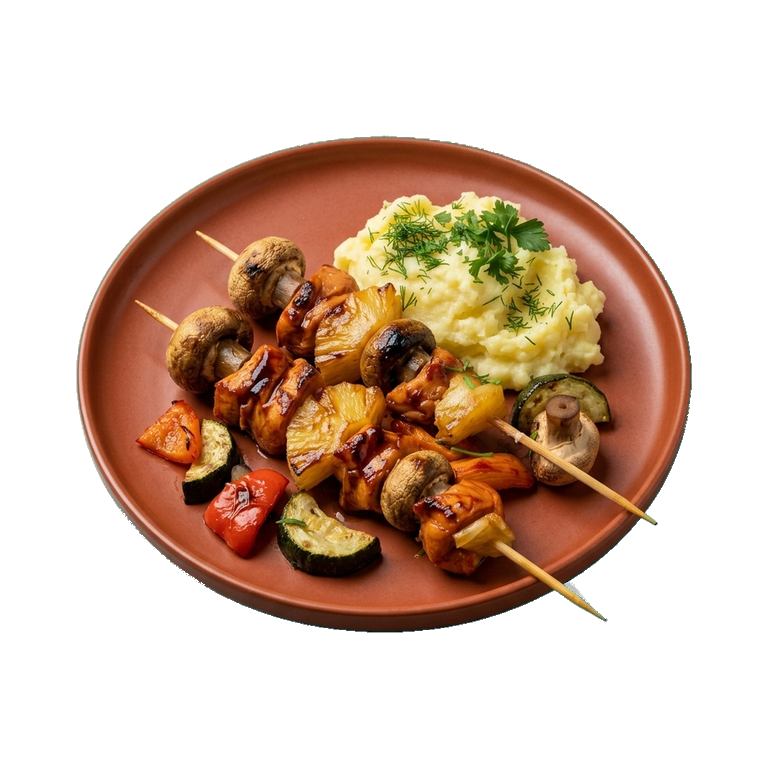
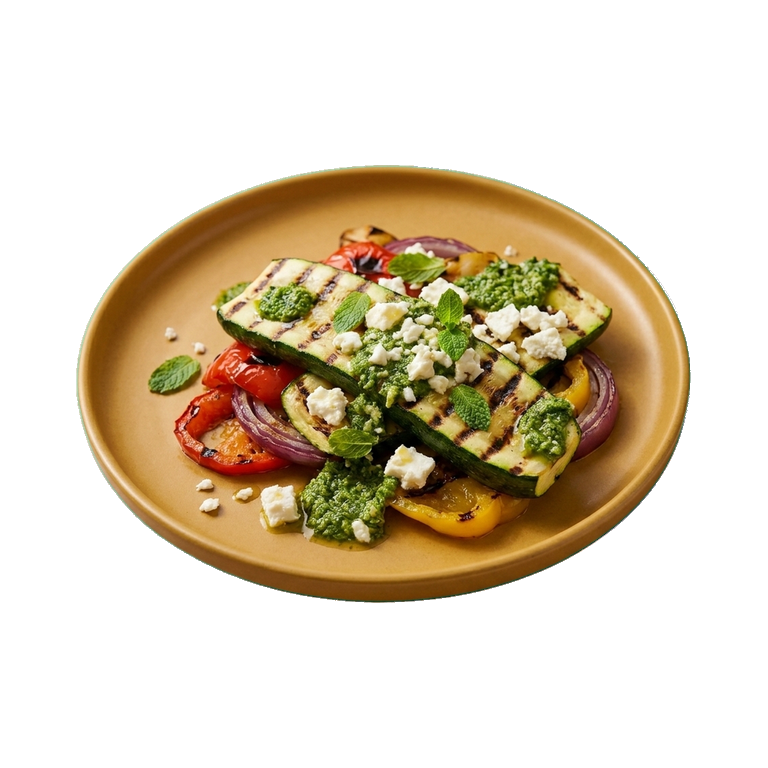
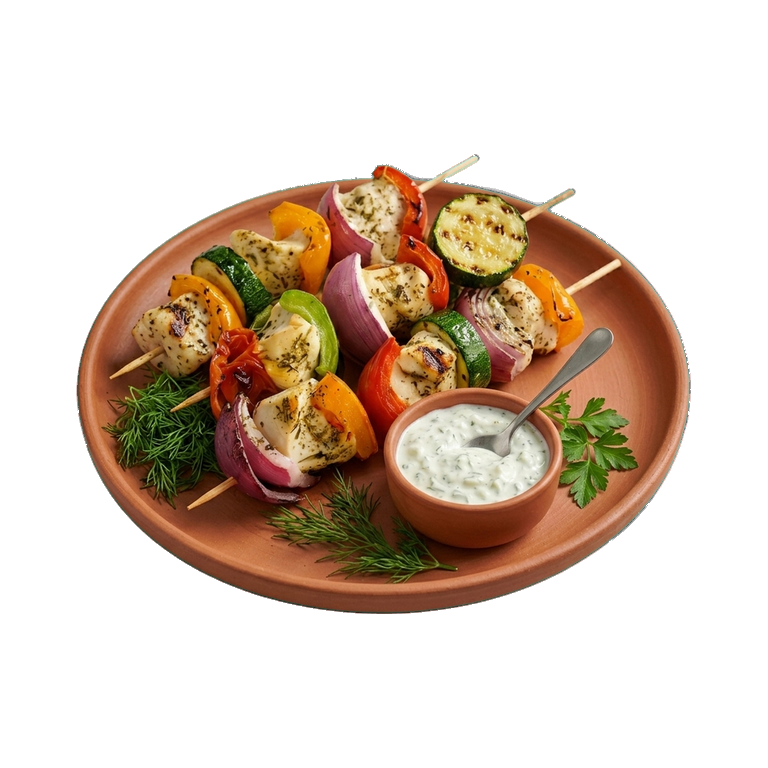
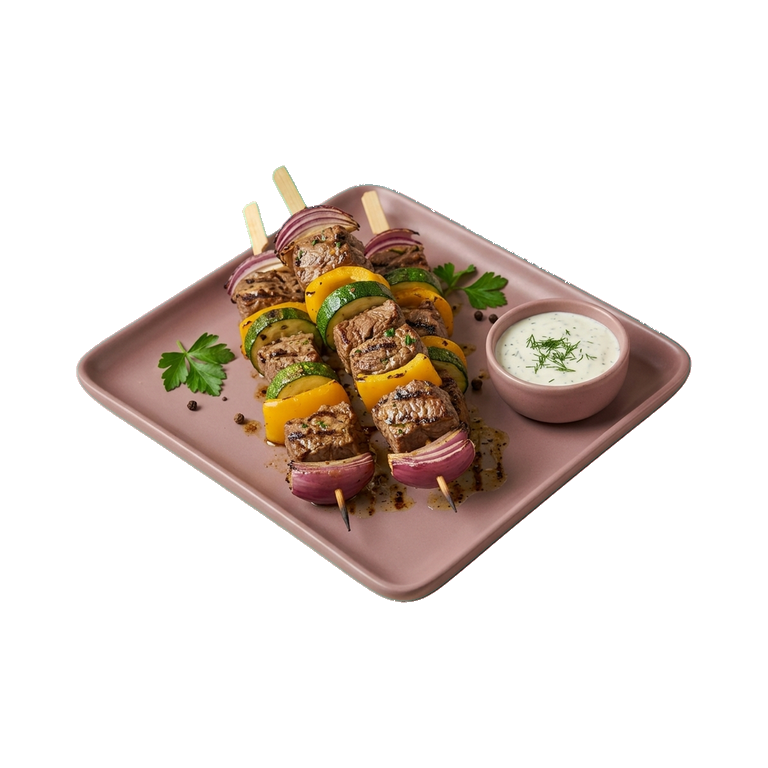
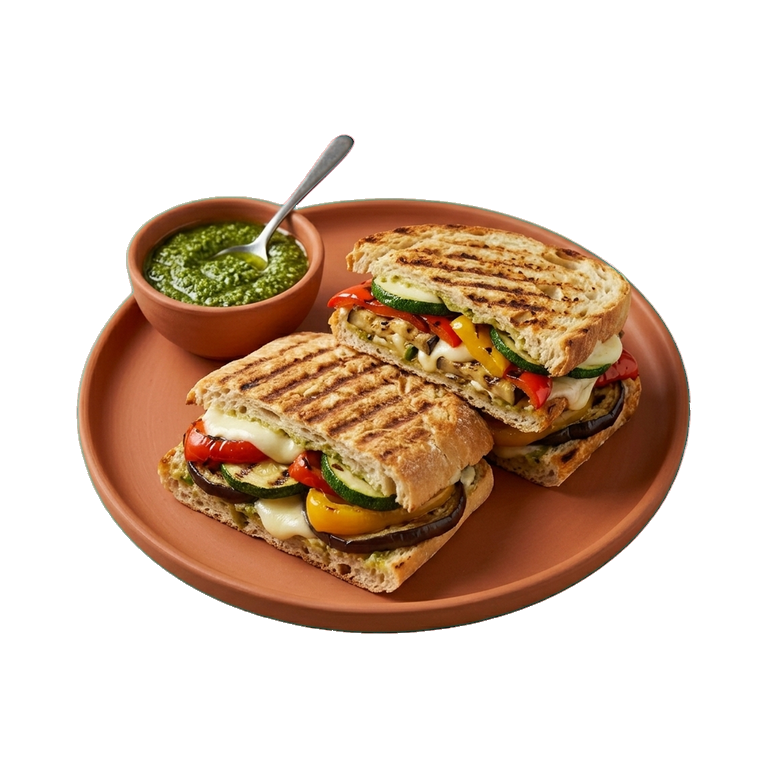
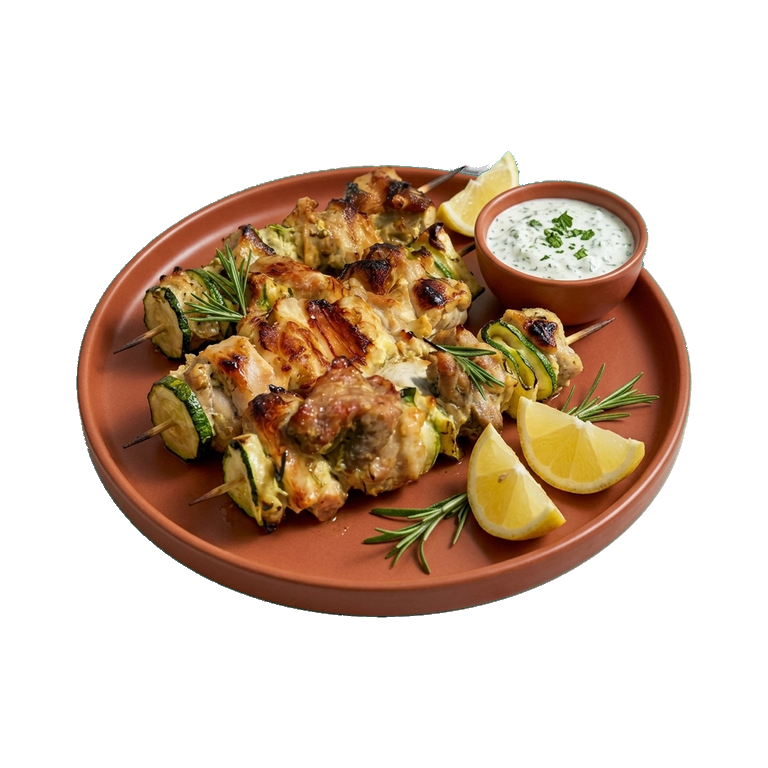
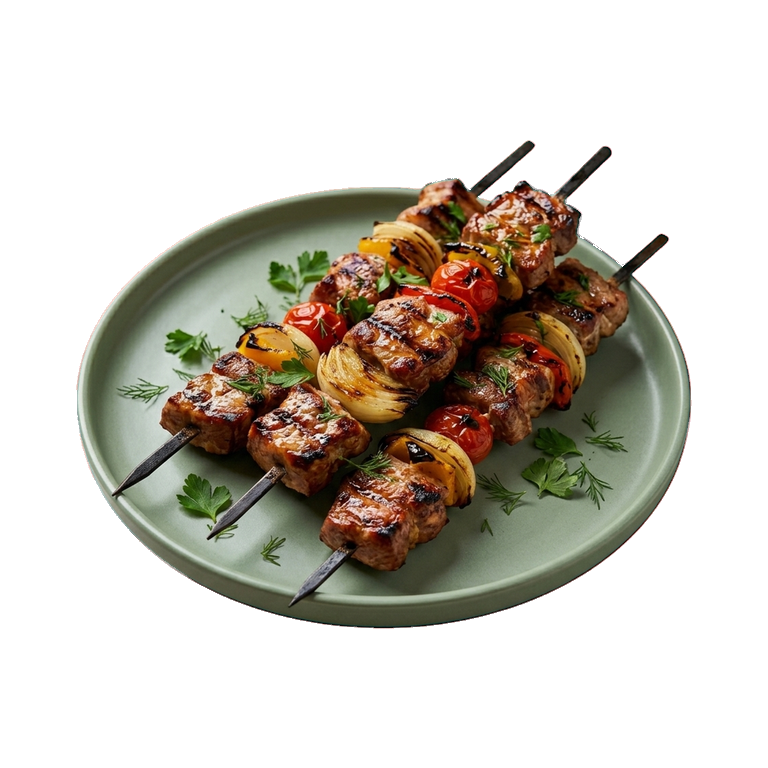
- Grilling — creates beautiful stripes and a light smoky flavor
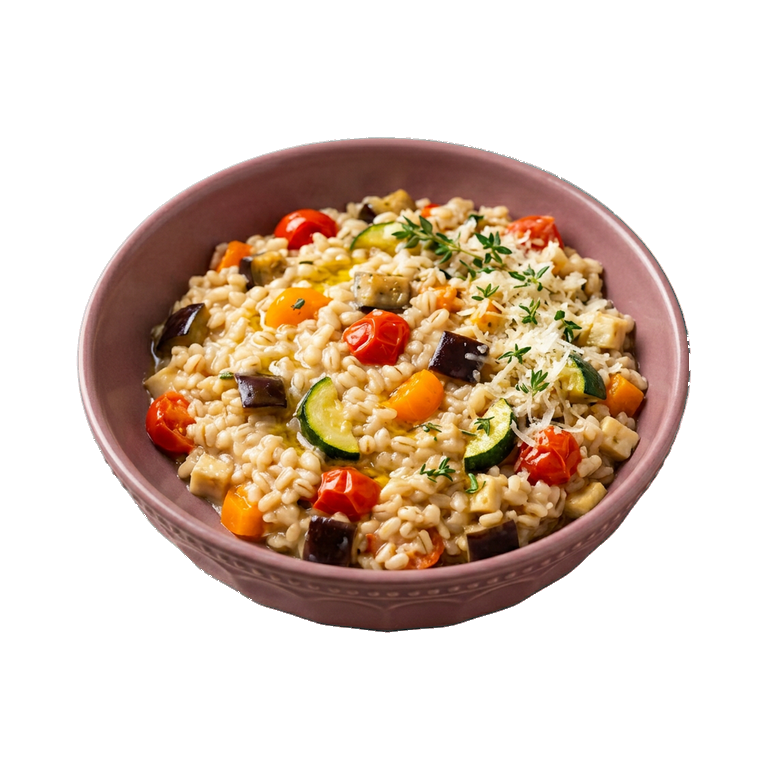
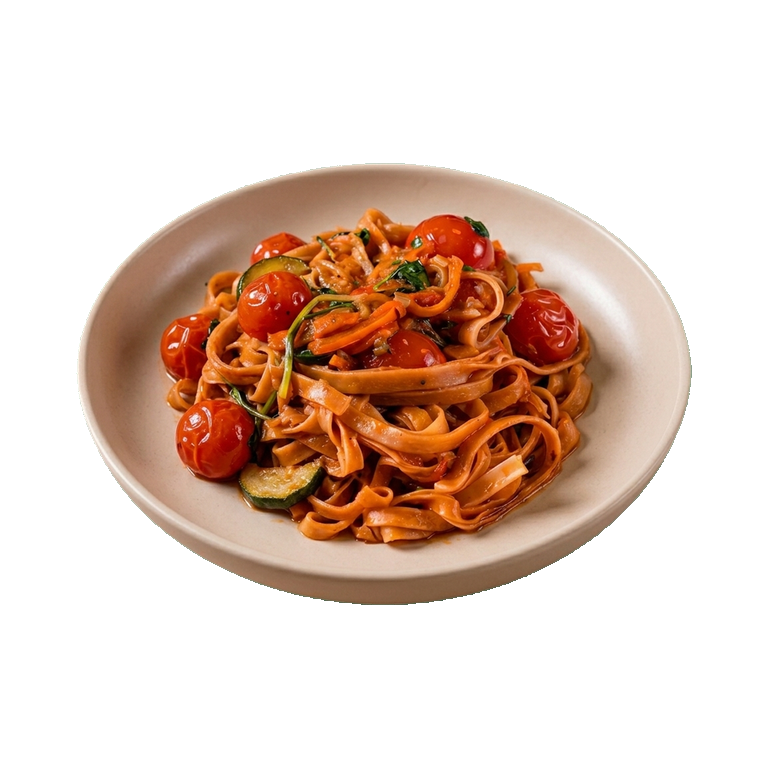
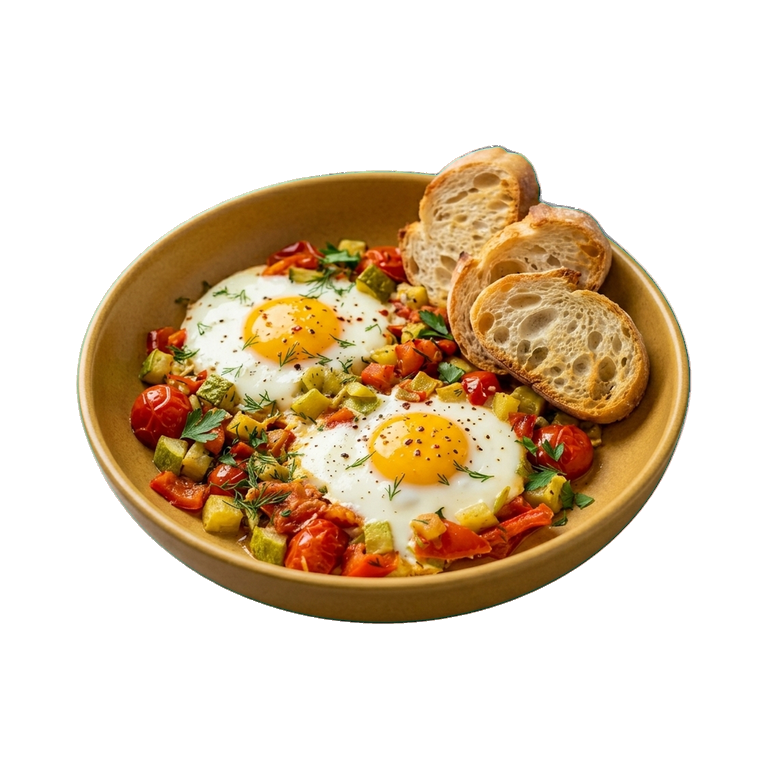
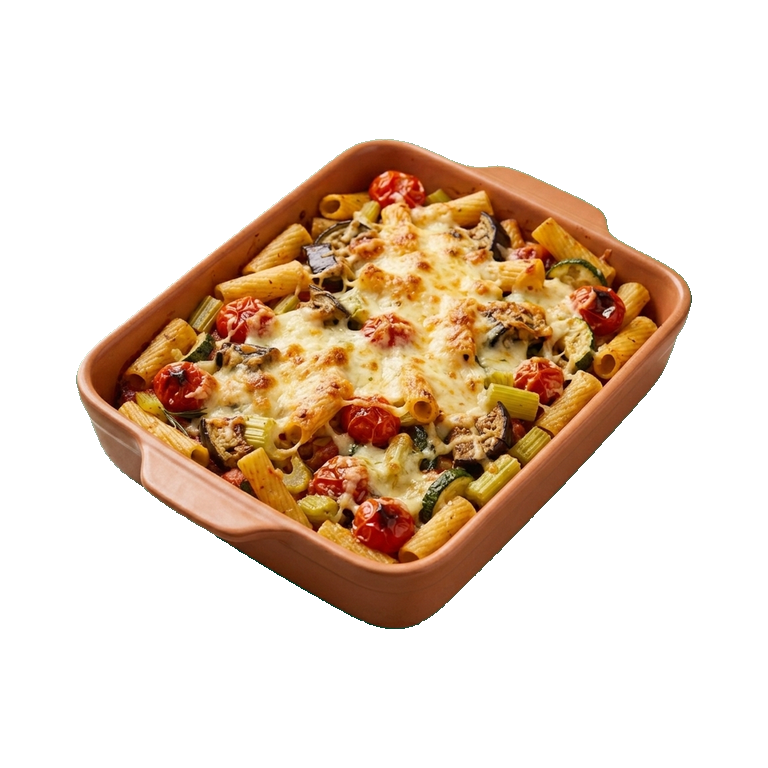
- Baking with tomatoes, garlic and parmesan
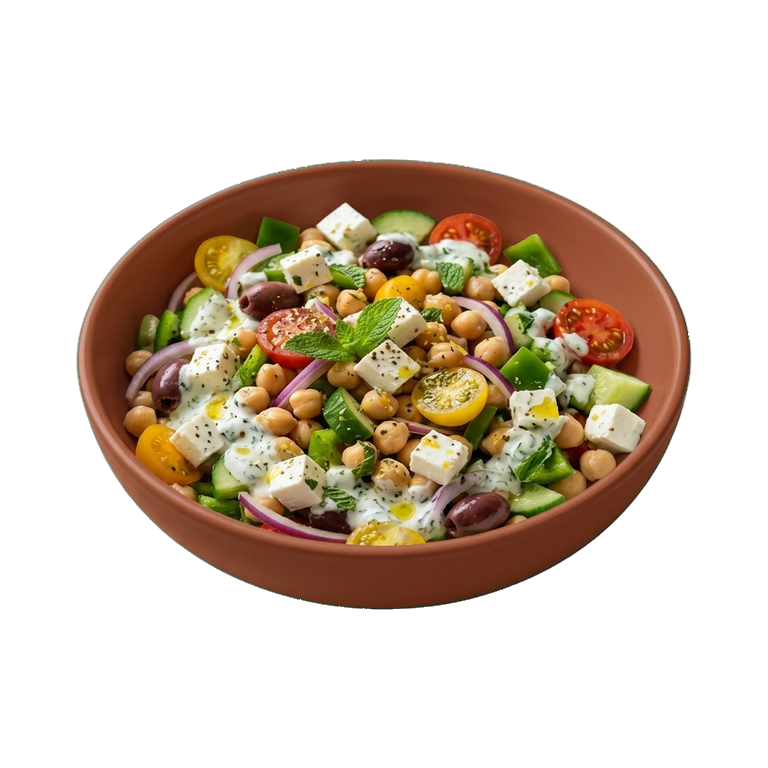
- Raw salads — thinly sliced zucchini with lemon juice and olive oil
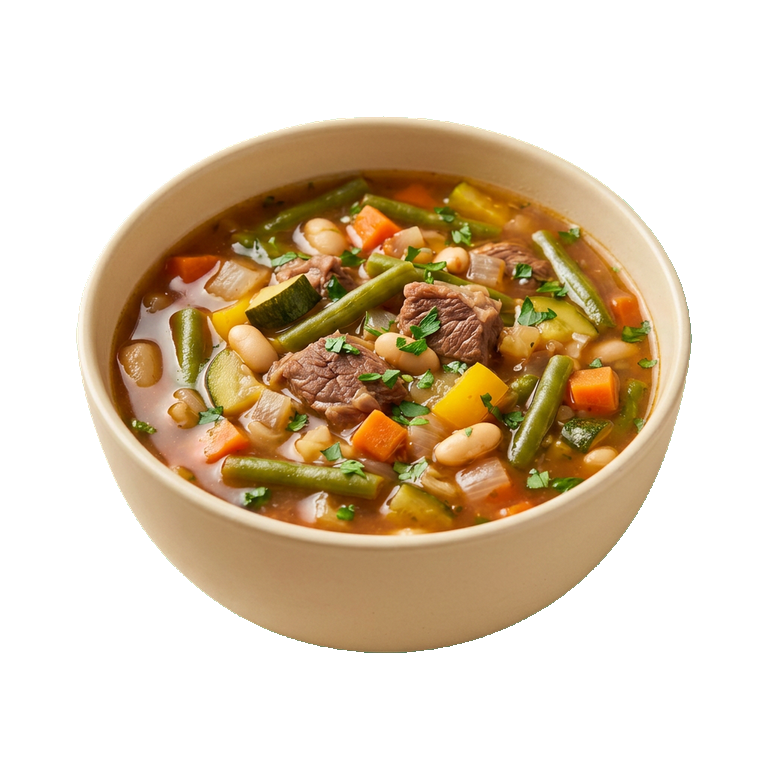
- Cream soups — zucchini gives a tender creamy consistency
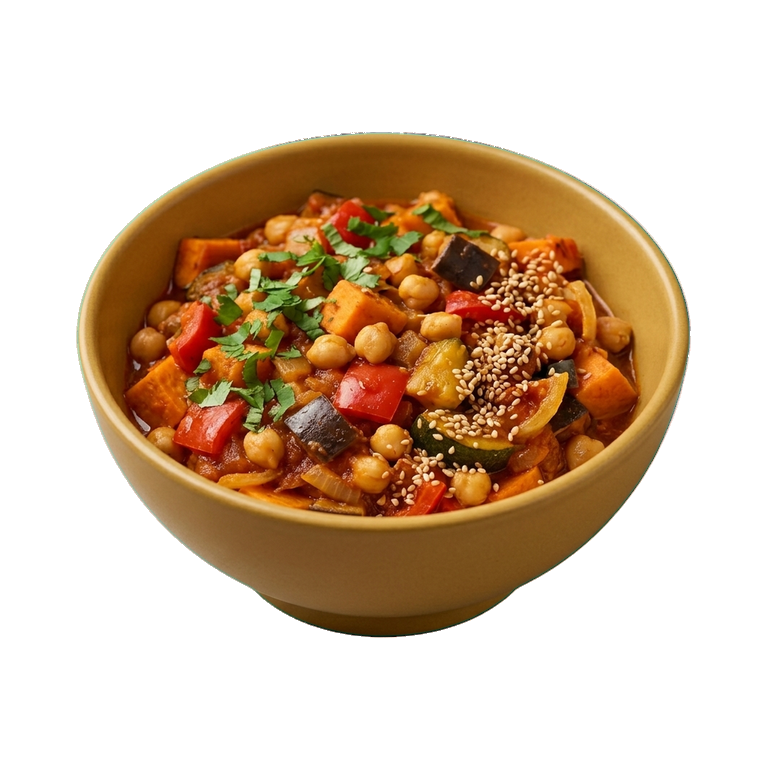
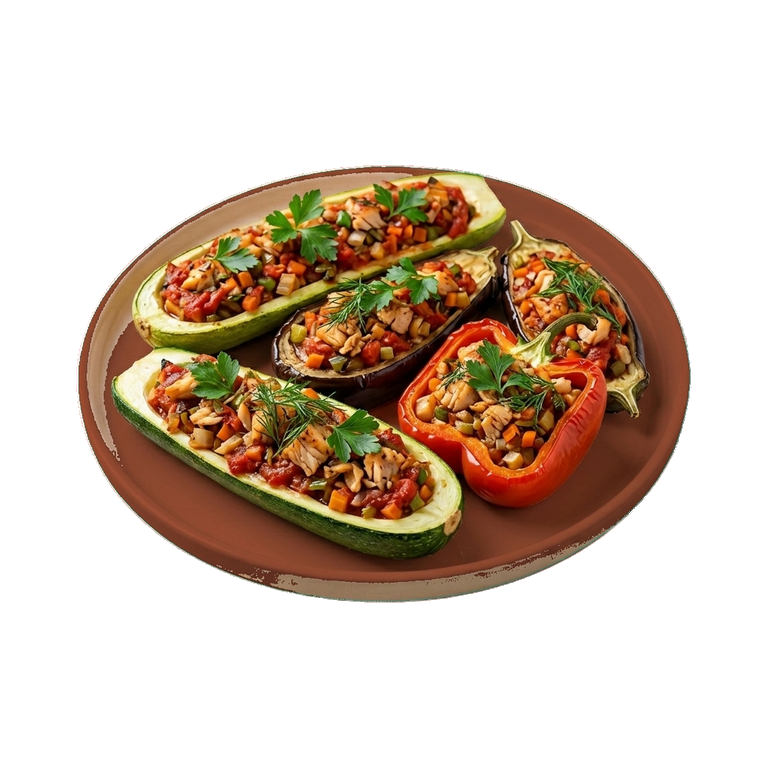
- Stuffing — zucchini halves filled with rice, meat or vegetables
Pairings and flavor combinations
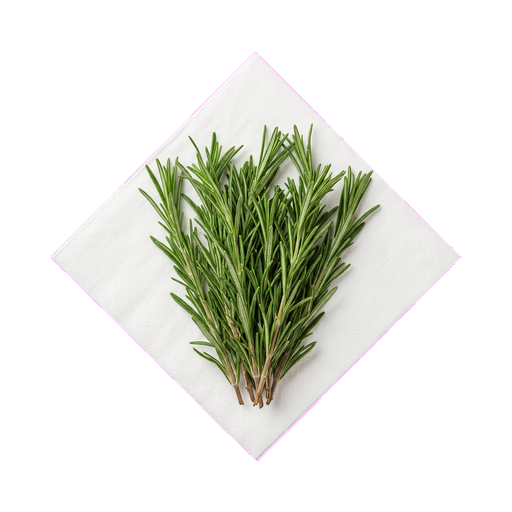
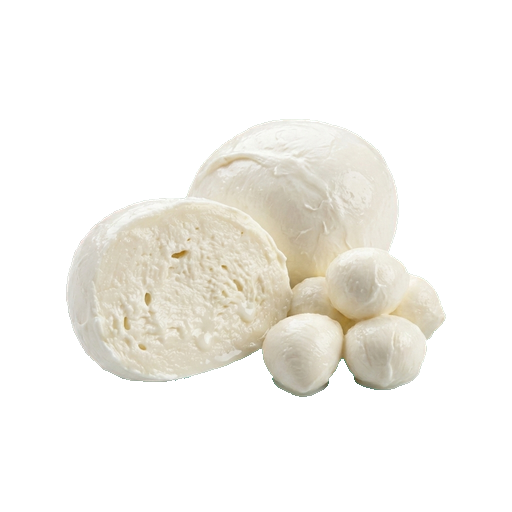
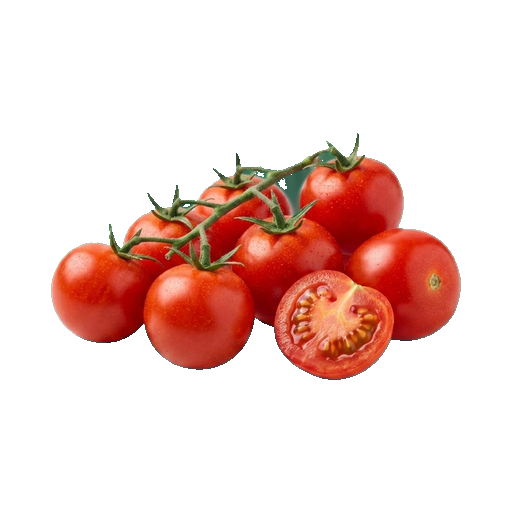
Zucchini works well with bright and acidic flavors — tomatoes, lemon, vinegar. Herbs enhance its delicate taste: basil, oregano, thyme, parsley. Garlic and chili pepper add character. It pairs well with soft cheeses, especially ricotta and feta, and absorbs the aromas of olive oil and butter beautifully.
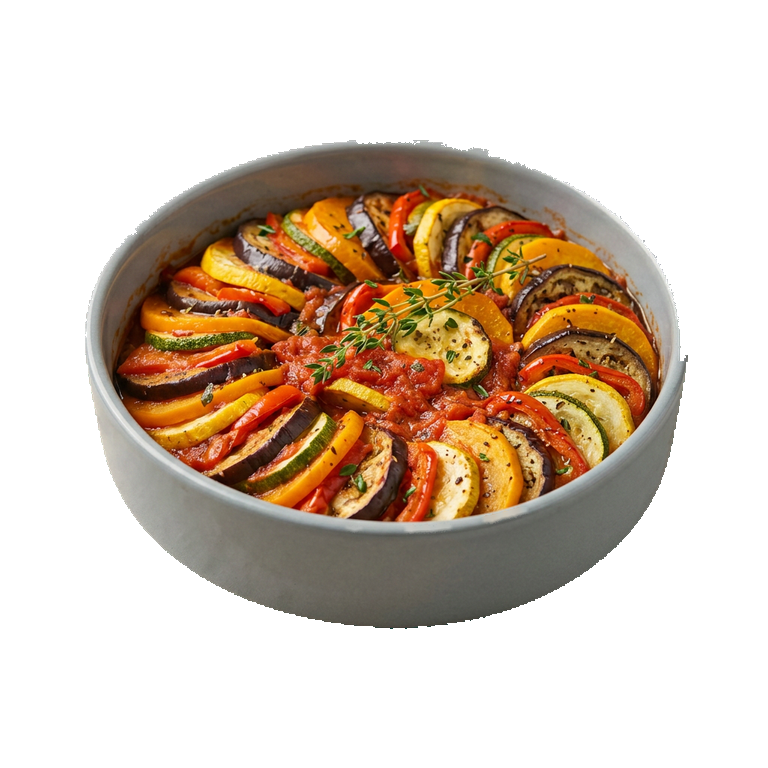
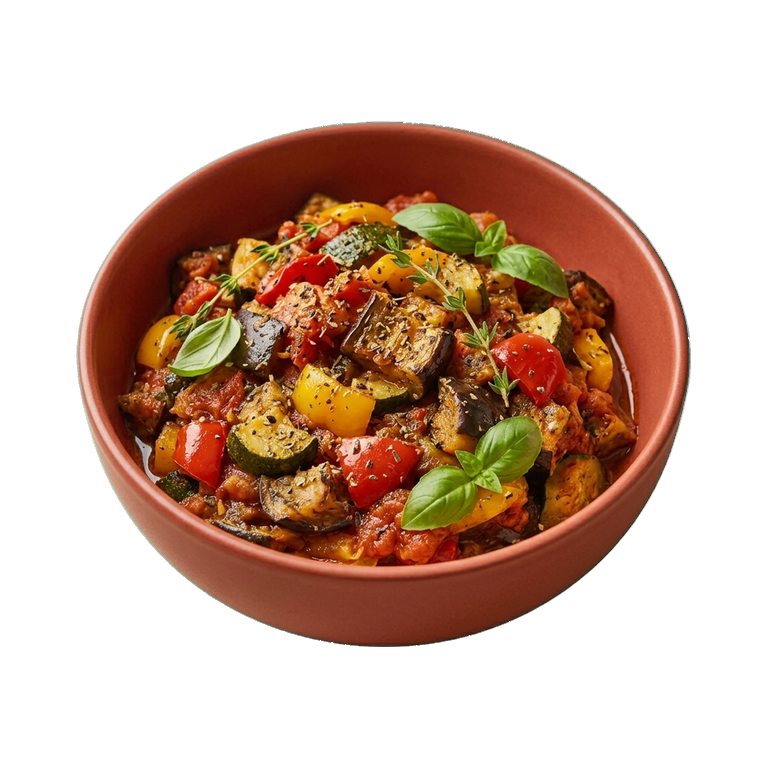
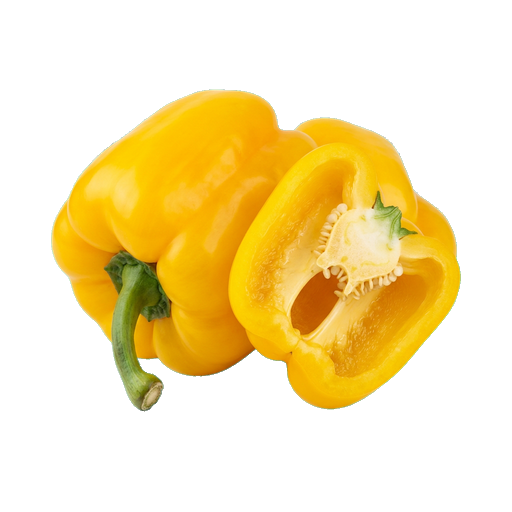
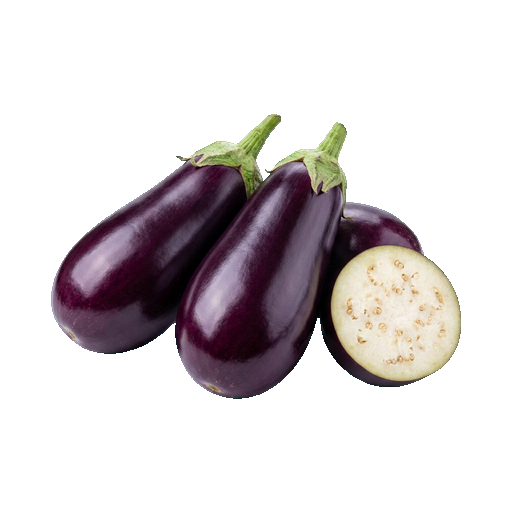
- Tomatoes, eggplants, peppers — vegetable classics
- Lemon, white vinegar — acidity enhances flavor
- Garlic, red pepper — for more expressive dishes
- Parmesan, ricotta, feta — cheese partners
- Olive oil, butter — cooking base
Selection and Storage
When choosing, look for zucchini with smooth, shiny skin without dark spots and soft areas. The fruit should be firm, not soft. Small and medium zucchini (15–20 centimeters) are tastier and more tender than large ones. The skin should be easily pierced with a fingernail — this is a sign of the vegetable's youth.
Zucchini is stored in the refrigerator's vegetable compartment for 5–7 days. Do not wash it before storage to avoid excess moisture. If you need longer-term storage, zucchini freezes well — slice it into rounds, blanch for 2 minutes in boiling water, cool, and freeze. This way it will remain suitable for soups and stews for several months.
Zucchini is a vegetable for those who are in a hurry but don't want to sacrifice taste. Its versatility and quick cooking time make it an indispensable helper in the kitchen, especially during the summer season, when it is particularly sweet and tender.
Nutrition
per 100 g
- Calories
- 21 kcal
- Protein
- 1.5 g
- Fat
- 0.4 g
- Carbs
- 3.2 g
Micronutrients
per 100 g
Macronutrients
- Fiber
- 0.753 g
- Water
- 95.01 g
Minerals
- Sodium
- 0 mg
- Potassium
- 225.8 mg
- Calcium
- 20.85 mg
- Magnesium
- 15.29 mg
- Phosphorus
- 32.9 mg
- Iron
- 0.19 mg
- Zinc
- 0.26 mg
- Copper
- 0.06 mg
- Manganese
- 0.15 mg
Vitamins
- Vitamin C
- 15 mg
Measures and weight
- 1 pcs
- 200 g
Measure calculator
- Weight
- 100 g
- Calories
- 21 kcal