Usuba
Usuba
Basil
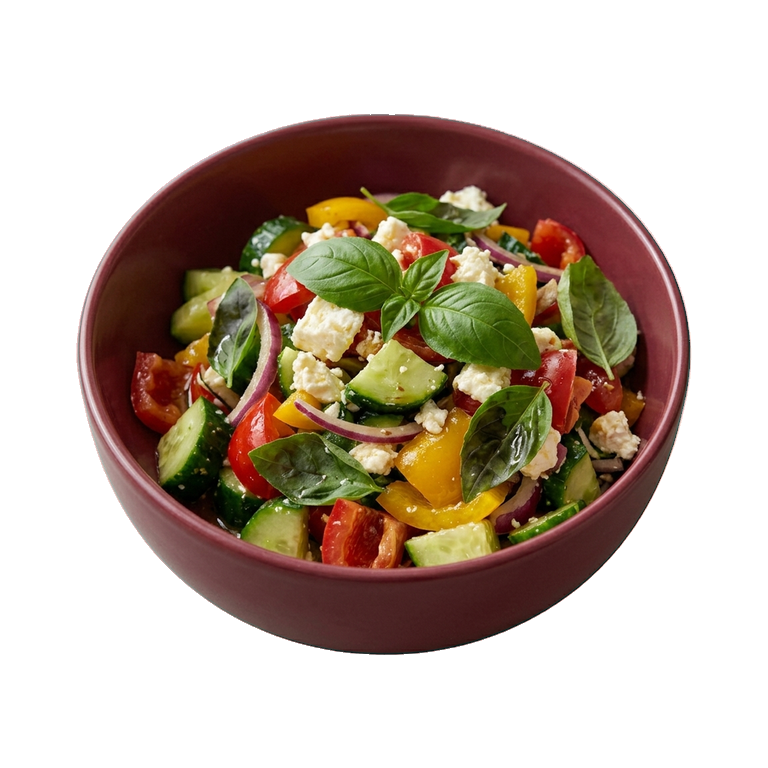
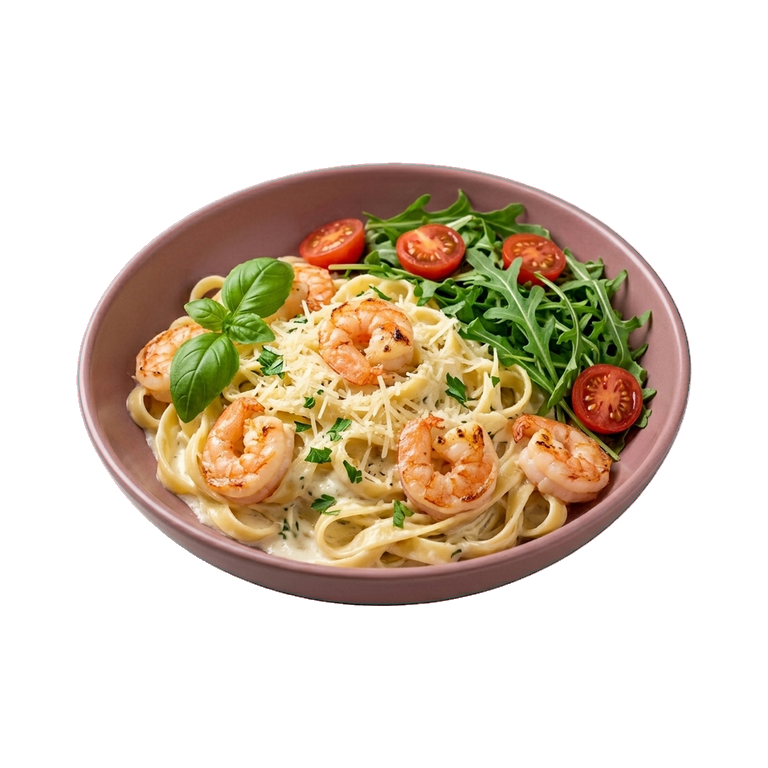
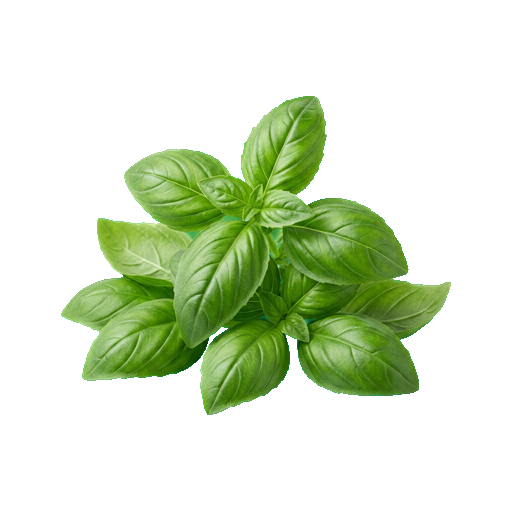
A delicate herb with a spicy, slightly peppery aroma and warm, subtly sweet taste. Basil is added fresh to salads, sauces, soups, and tomato dishes, and is also used in Italian and Asian cuisine. When cooking, it's important to add it at the end to preserve its aroma, as prolonged heating causes it to lose its characteristic flavor.
Micronutrients
per 100 g
Minerals
Vitamins
About
Aroma and Taste
Basil is an herb with character. Its aroma is instantly recognizable: slightly sweet, spicy, with a light peppery note and a subtle hint of anise. The taste is even more expressive — it fills your mouth with freshness, leaving a warm aftertaste. Young leaves are more tender and aromatic than old ones, so it's worth paying attention to size and color when choosing.
Role in dishes
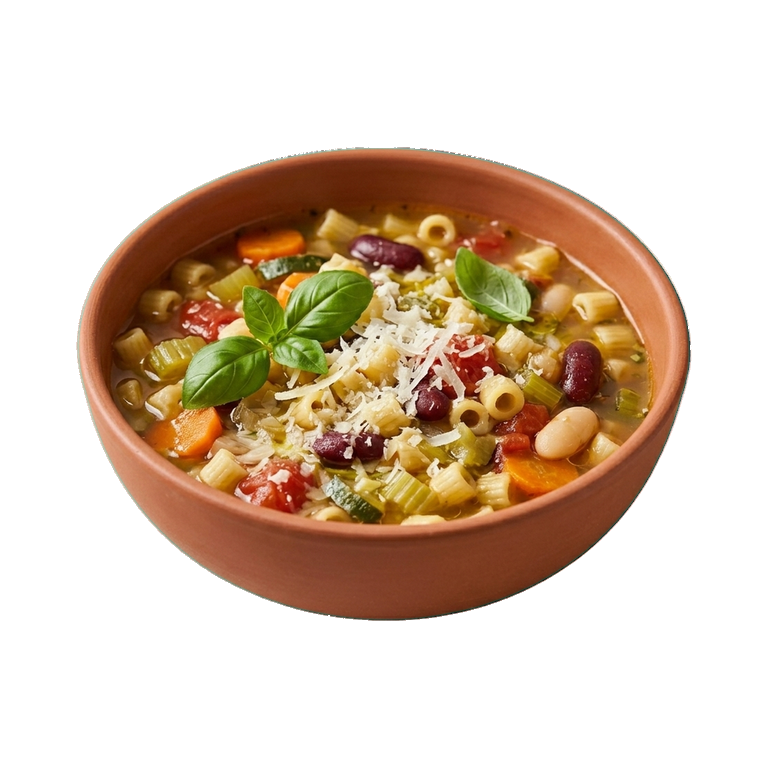
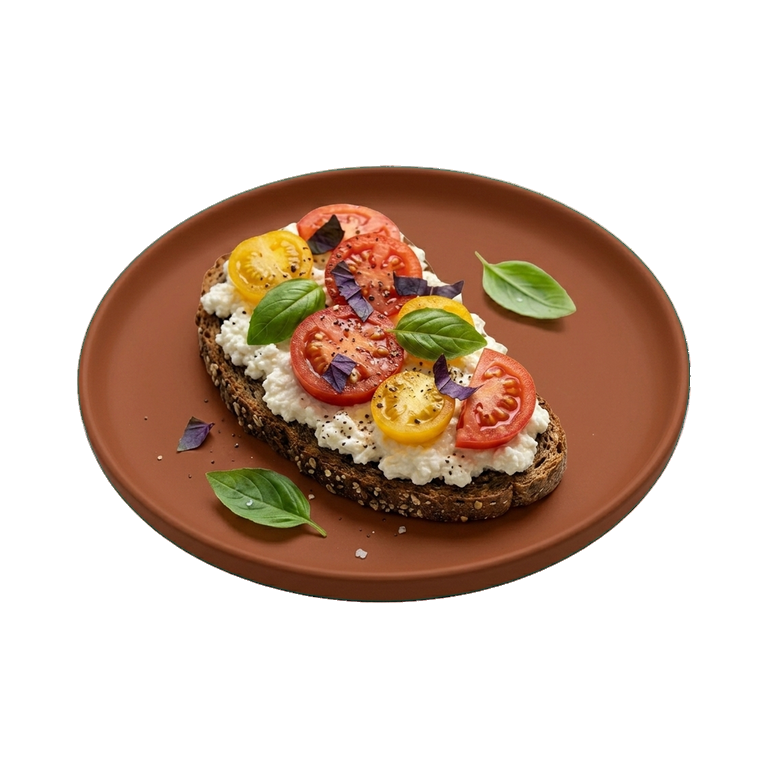
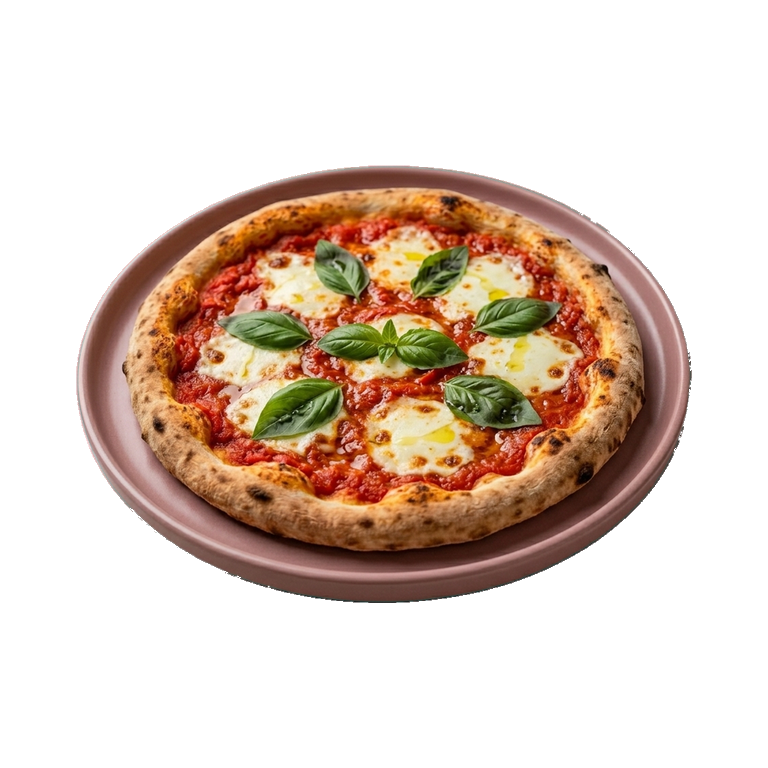
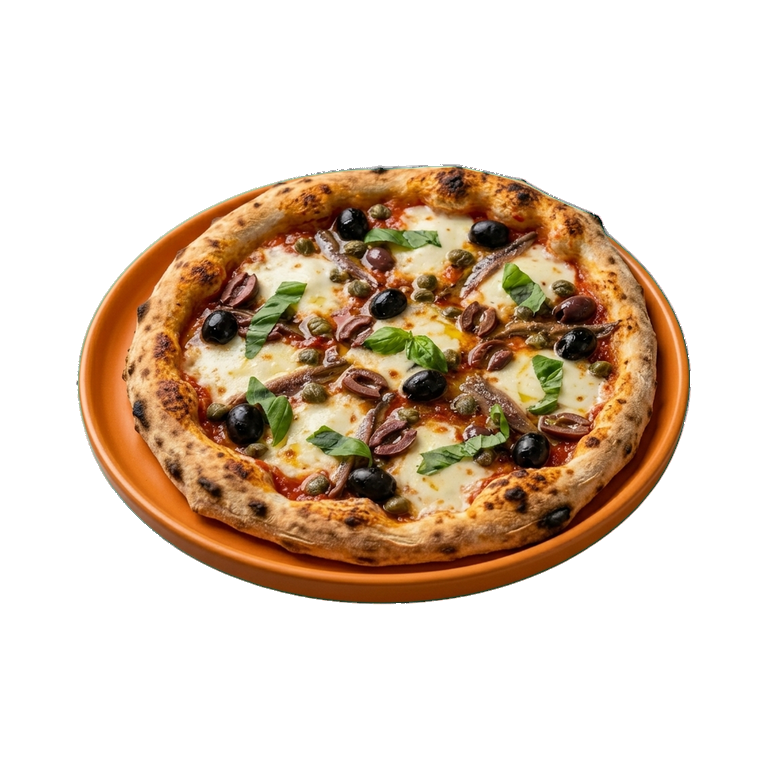
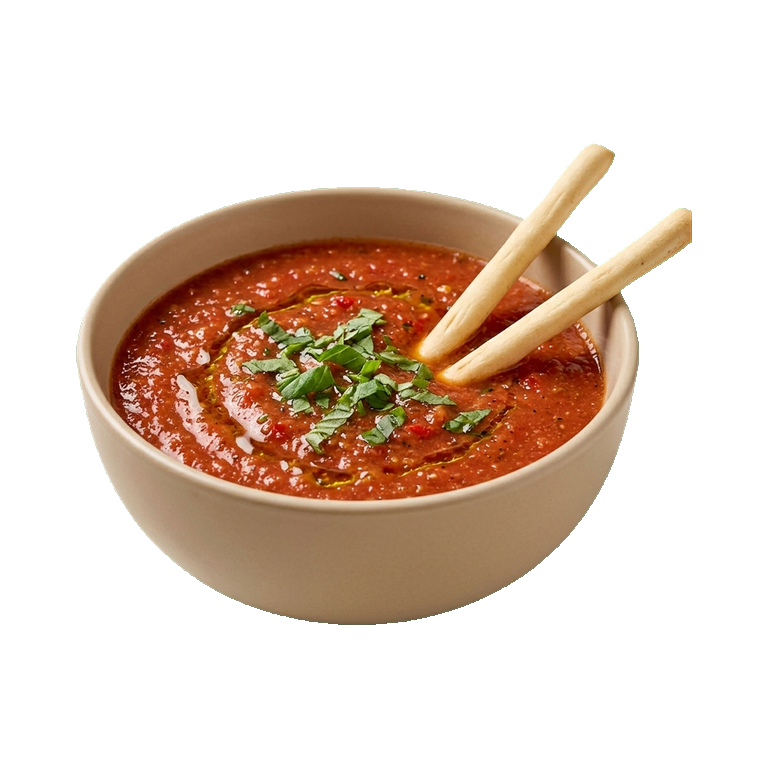
Basil works as both a flavor enhancer and an aromatic at the same time. In hot dishes, it is added at the end of cooking to preserve freshness and prevent the aroma from dissipating. In cold appetizers and sauces, it fully reveals itself. The leaves are easily torn by hand — this is preferable to cutting with a knife, which can darken the edges and cause some essential oils to be lost.
Classic Combinations
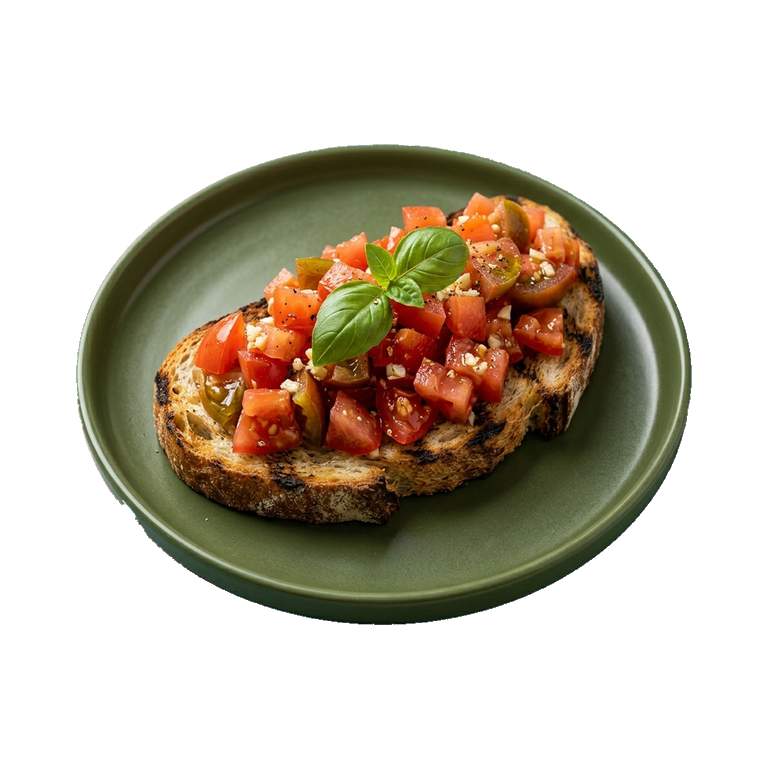
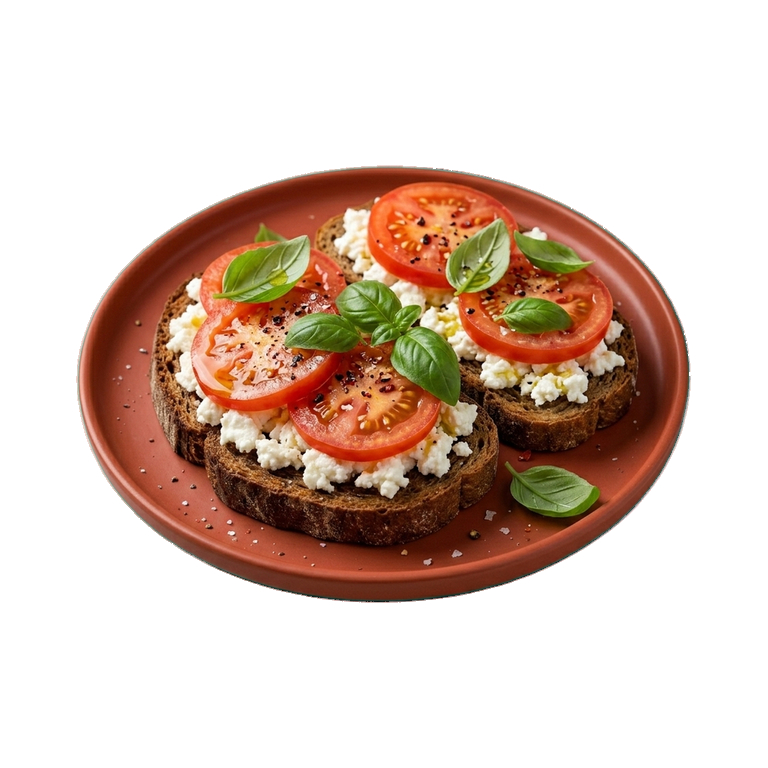
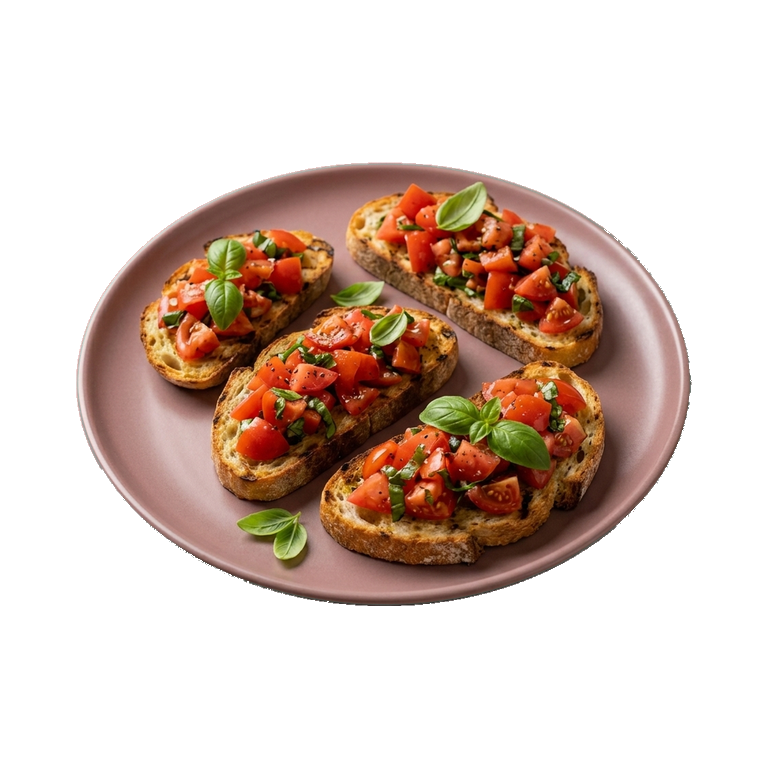
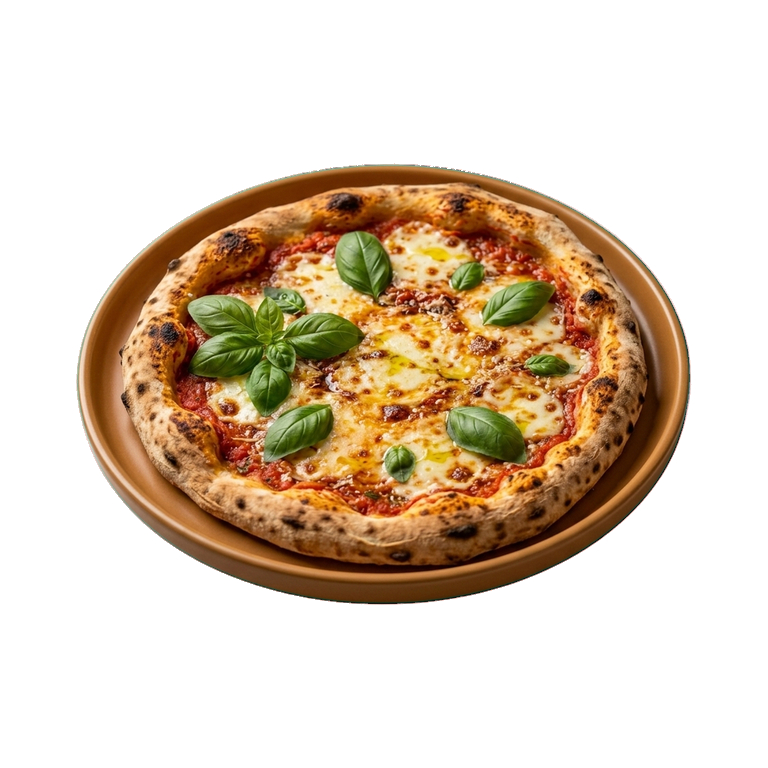
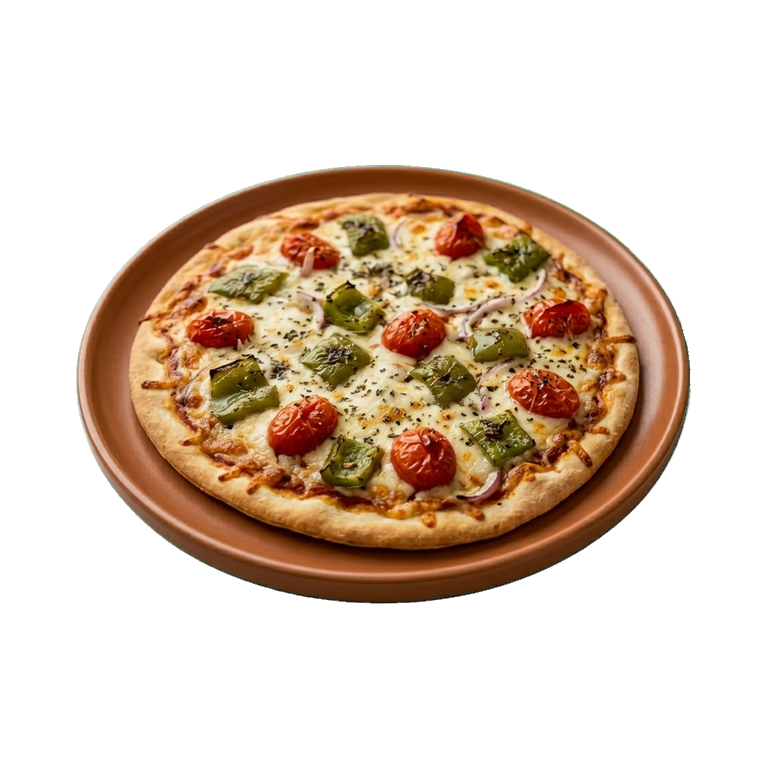
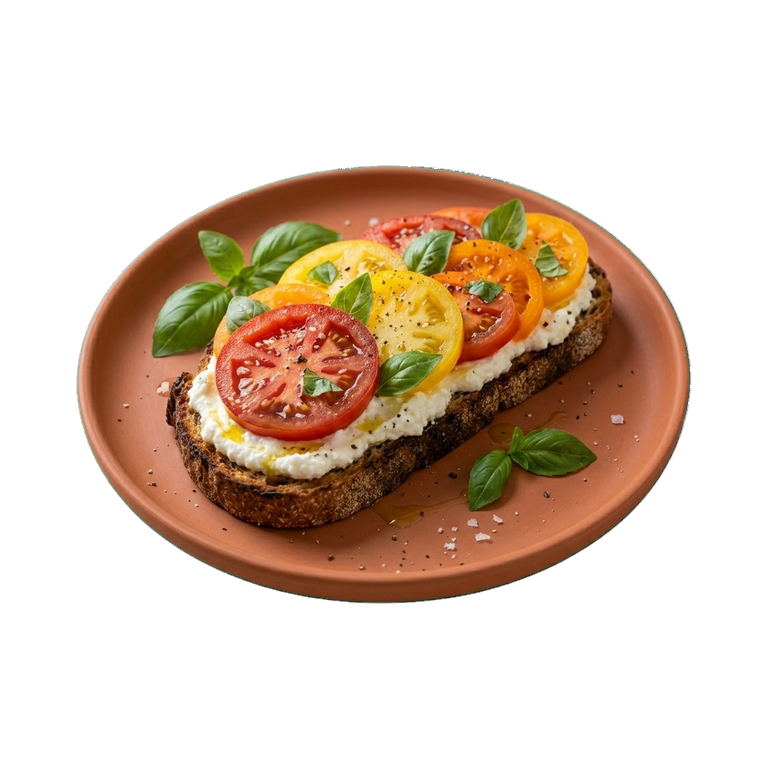
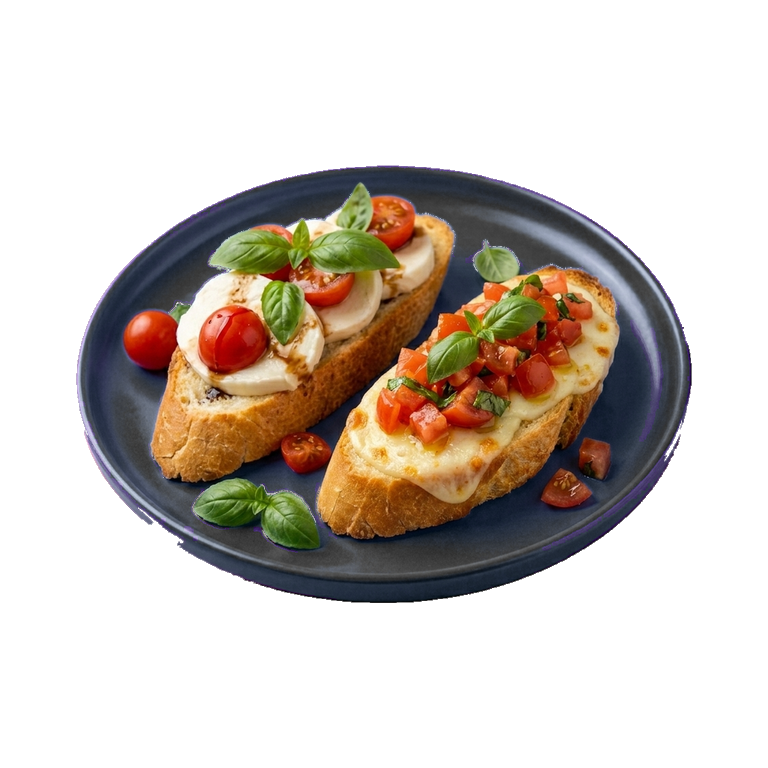
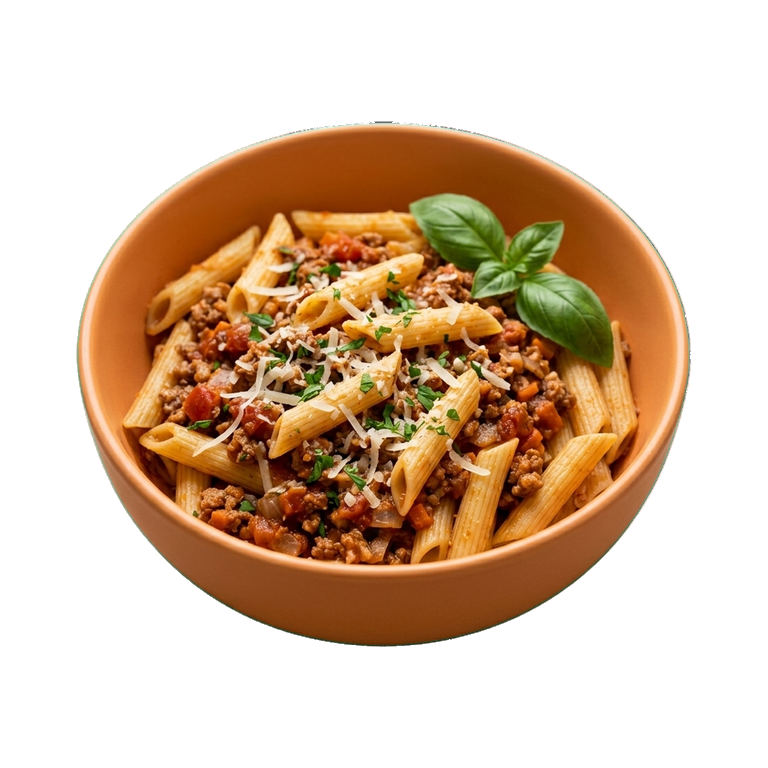
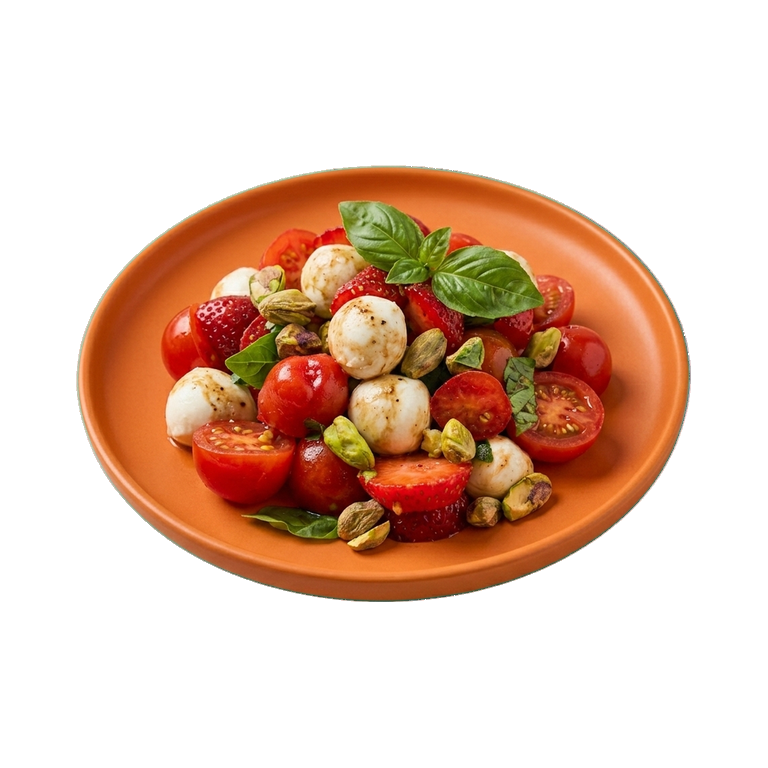
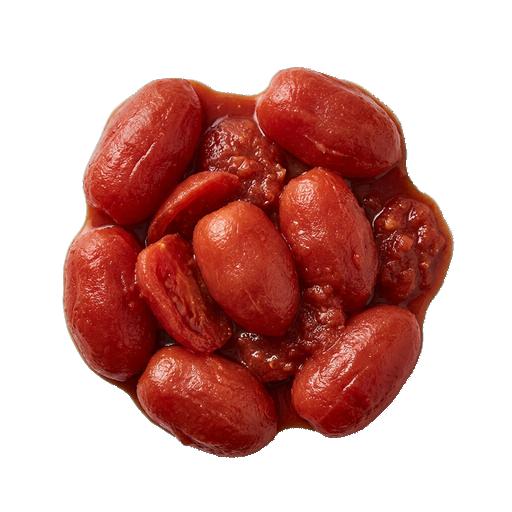
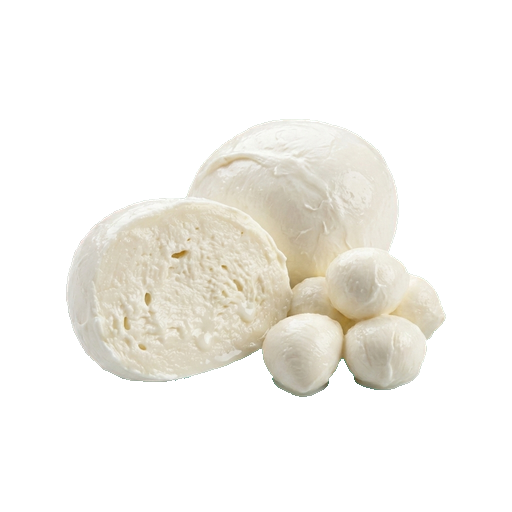
- Tomatoes and mozzarella — the triumvirate of Italian cuisine
- Garlic and olive oil — the foundation for pesto and marinades
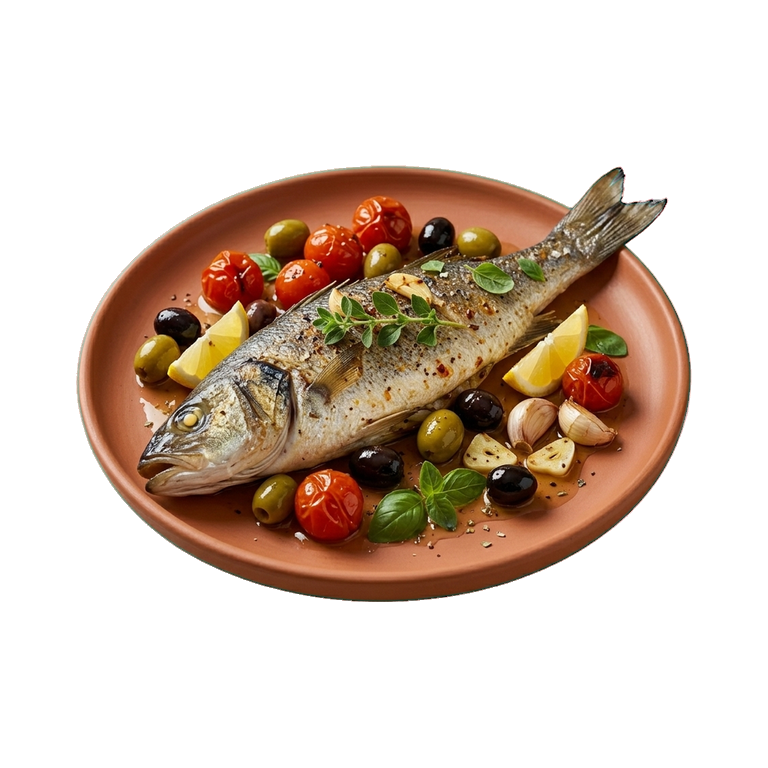
- Lemon and fish — basil emphasizes the freshness of seafood
- Chili pepper — spiciness and pungency enhance each other
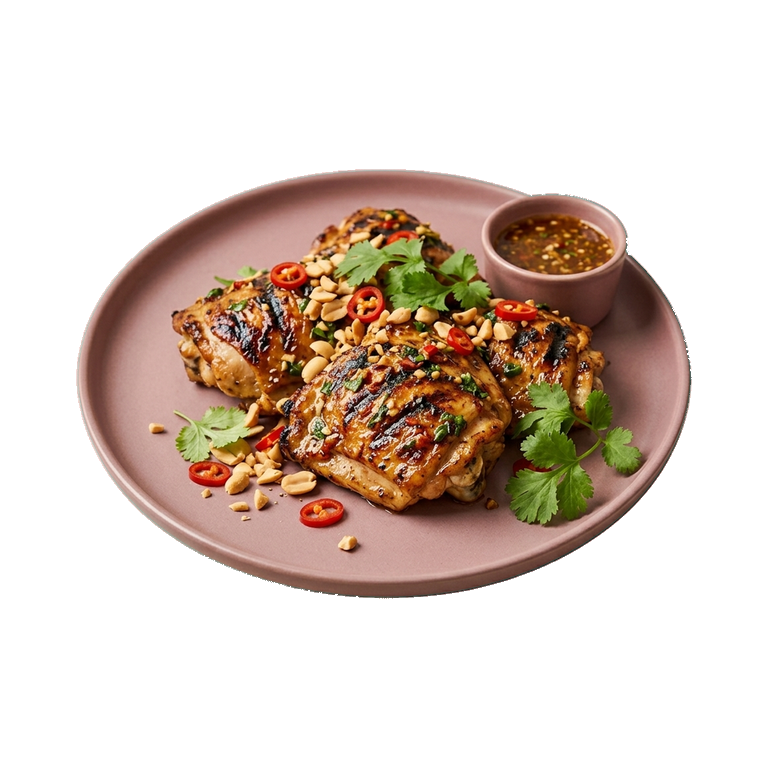
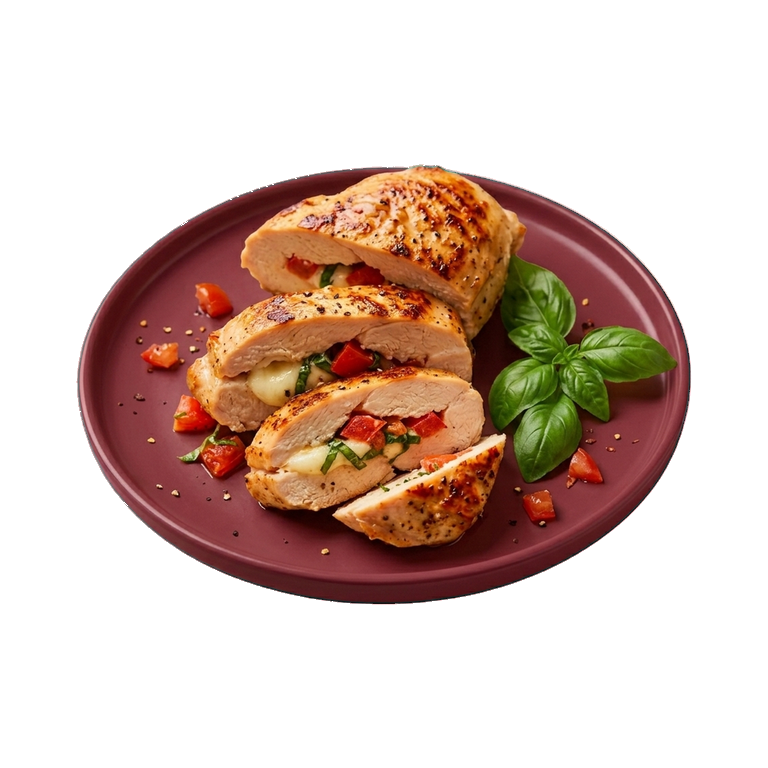
- Chicken — a neutral background for aromatic herbs
Selection and Storage
When shopping, look for bright, firm leaves without dark spots or signs of wilting. The aroma should be pronounced even through the packaging. Fresh basil doesn't keep long: in the refrigerator in a bag with damp paper — 3–5 days, or place the stems in a glass of water like a bouquet and cover with a bag — it will last about a week this way.
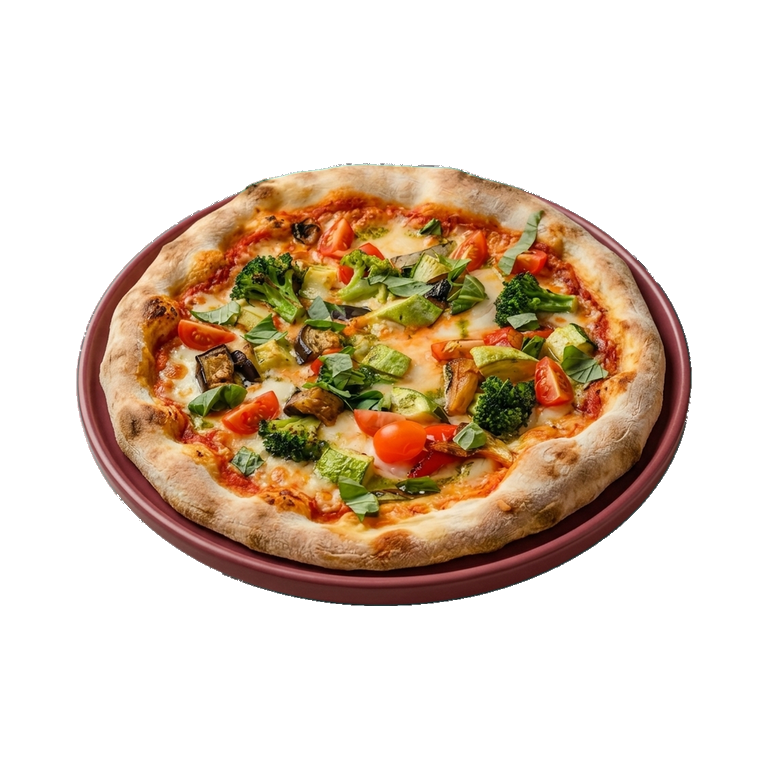
If you need to preserve it for later use, freeze the leaves in ice cubes with olive oil or make pesto and store it under a layer of oil in a glass jar. Dried basil loses much of its freshness, so it's used mainly in pizza or stew, where it will dissolve into the overall flavor anyway.
Remember: basil is sensitive to cold. If you leave it in the refrigerator for a long time, the leaves will turn black. It's better to store it at room temperature in the shade if you use it within a day.
Nutrition
per 100 g
- Calories
- 23 kcal
- Protein
- 3.2 g
- Fat
- 0.6 g
- Carbs
- 2.7 g
Micronutrients
per 100 g
Macronutrients
- Fiber
- 1.6 g
- Sugars
- 0.3 g
- Saturated fat
- 0.041 g
- Monounsaturated fat
- 0.088 g
- Polyunsaturated fat
- 0.389 g
- Omega-3 (EPA + DHA)
- 0 g
- Cholesterol
- 0 mg
- Water
- 92.06 g
Minerals
- Sodium
- 4 mg
- Potassium
- 295 mg
- Calcium
- 177 mg
- Magnesium
- 64 mg
- Phosphorus
- 56 mg
- Iron
- 3.17 mg
- Zinc
- 0.81 mg
- Copper
- 0.39 mg
- Manganese
- 1.15 mg
- Selenium
- 0.3 mcg
Vitamins
- Vitamin A (RAE)
- 264 mcg
- Vitamin D
- 0 mcg
- Vitamin E
- 0.8 mg
- Vitamin K
- 414.8 mcg
- Vitamin C
- 18 mg
- Vitamin B1 (thiamin)
- 0.03 mg
- Vitamin B2 (riboflavin)
- 0.08 mg
- Vitamin B3 (niacin)
- 0.9 mg
- Vitamin B5 (pantothenic acid)
- 0.21 mg
- Vitamin B6
- 0.16 mg
- Vitamin B9 (folate, DFE)
- 68 mcg
- Vitamin B12
- 0 mcg
Measures and weight
- 1 tbsp
- 2.3 g
- 1 tsp
- 0.8 g
- 1 cup
- 37.5 g
- 1 bunch
- 30 g
- 1 sprig
- 3 g
- 1 stalk
- 5 g
Measure calculator
- Weight
- 100 g
- Calories
- 23 kcal