Usuba
Usuba
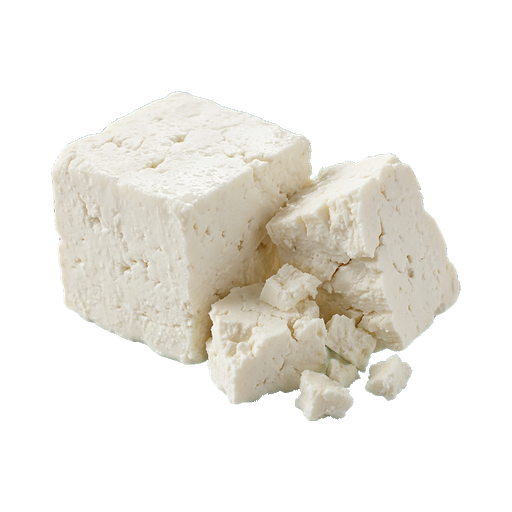
Feta cheese
A white brined cheese with a sharp, slightly salty flavor and a crumbly texture, traditionally made from sheep's milk. In cooking, it is used both fresh for salads and appetizers, and in baked dishes, where it melts unevenly and retains its shape. When selecting, look for cheese in brine with a clean aroma and no sharp bitterness; before use, it is often soaked in water to reduce saltiness, and stored in the refrigerator in brine or oil.
Micronutrients
per 100 g
Minerals
About
Feta is a crumbly white cheese that has become a versatile kitchen staple. Its main characteristic is that it doesn't melt when heated, which means it holds its shape perfectly in any dish. The taste is salty, sharp, with a subtle tanginess that awakens the appetite and makes every dish more vibrant.
Taste and texture
Feta has a dense and crumbly texture at the same time — it cuts easily into cubes or crumbles by hand. The longer the cheese sits in brine, the more pronounced its salty character becomes. Young feta is softer and less sharp, mature feta is firmer and more piquant. The aroma is fresh, creamy, with spicy notes.
Where feta works best
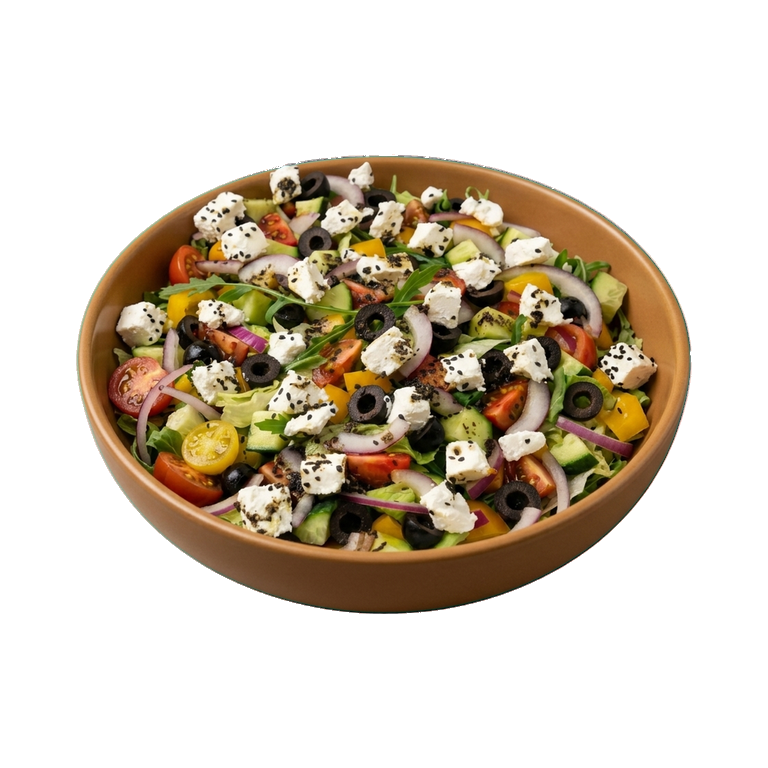
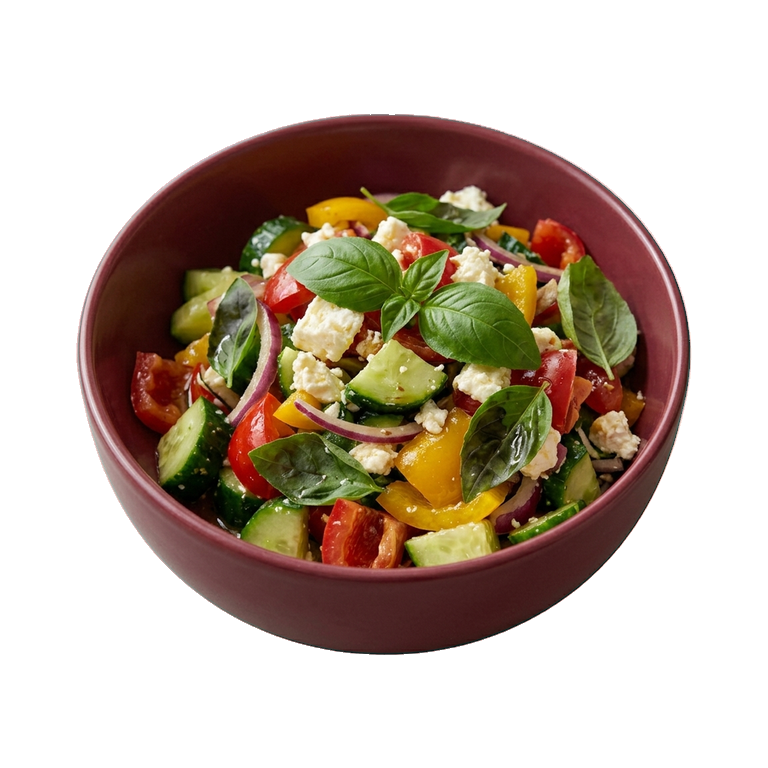
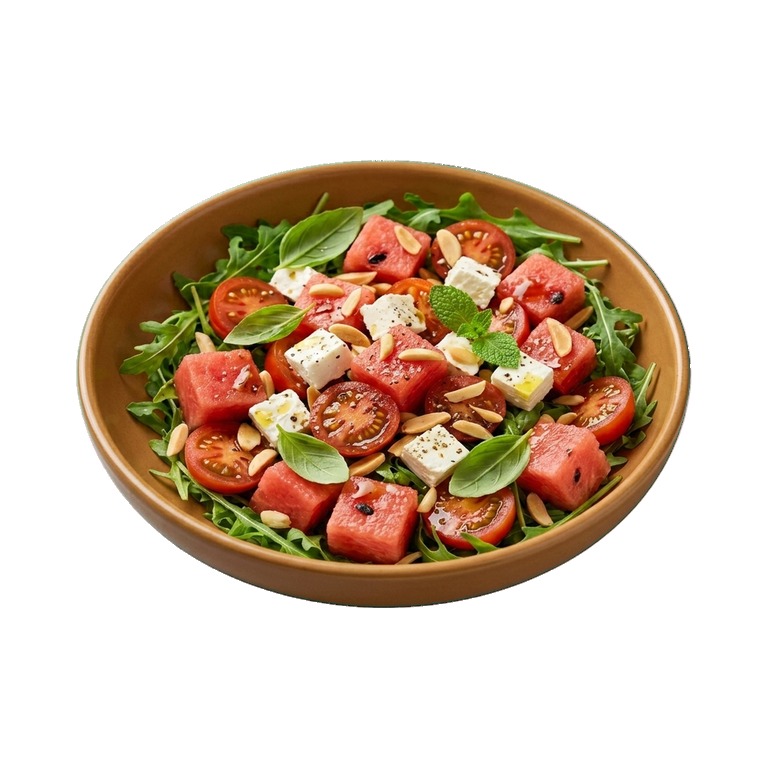
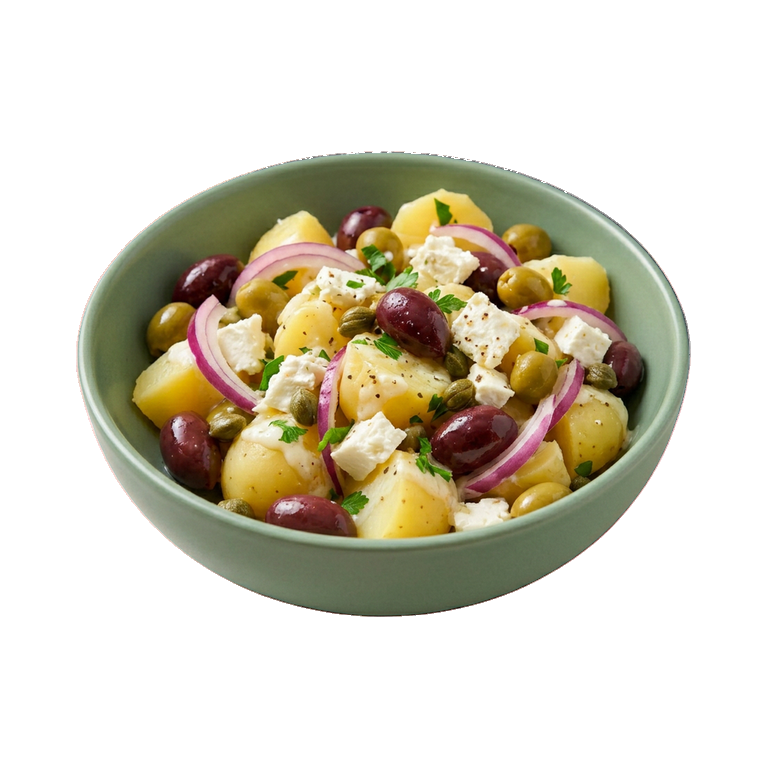
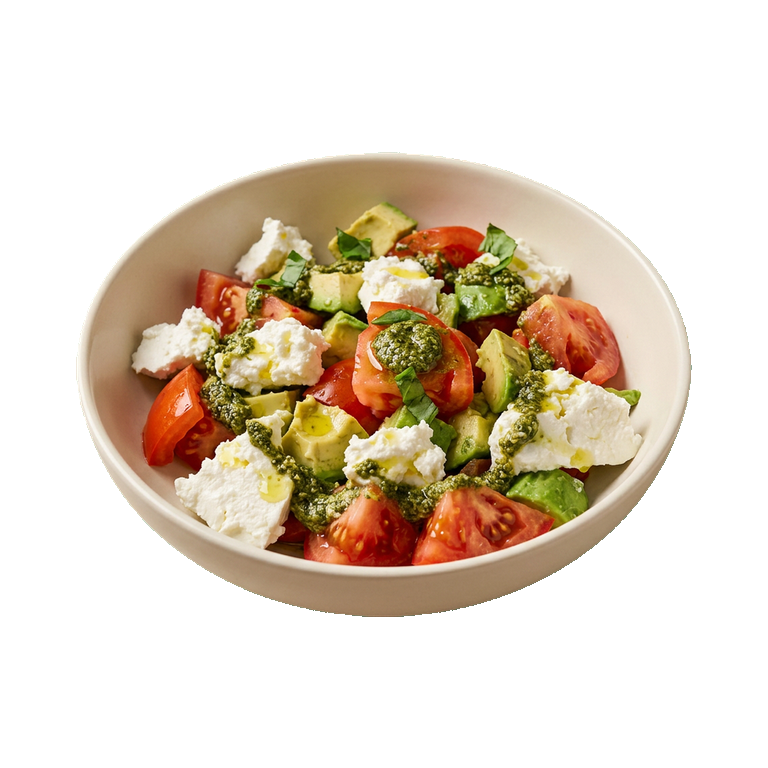
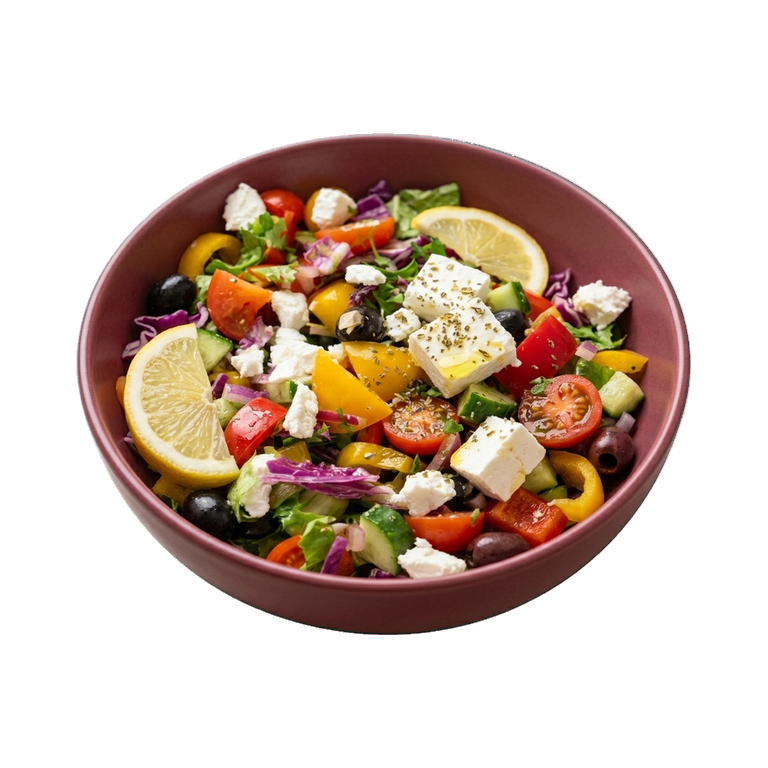
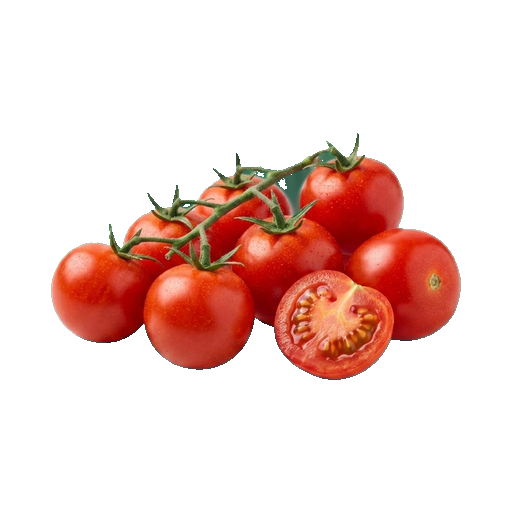
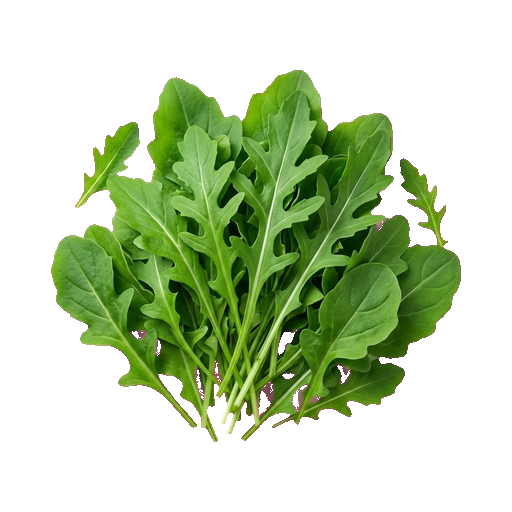
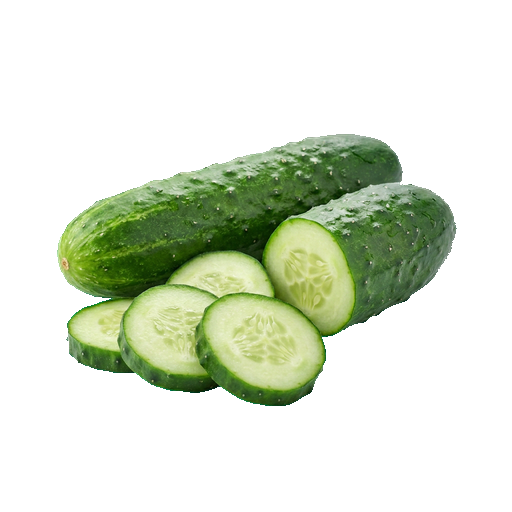
- In salads — a classic partner for tomatoes, cucumbers, olives and leafy greens
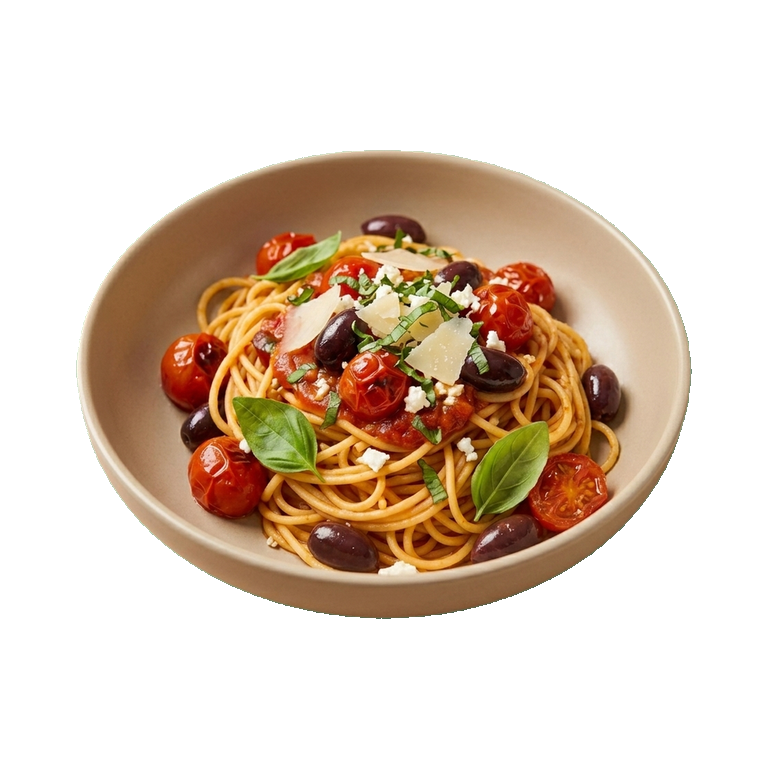
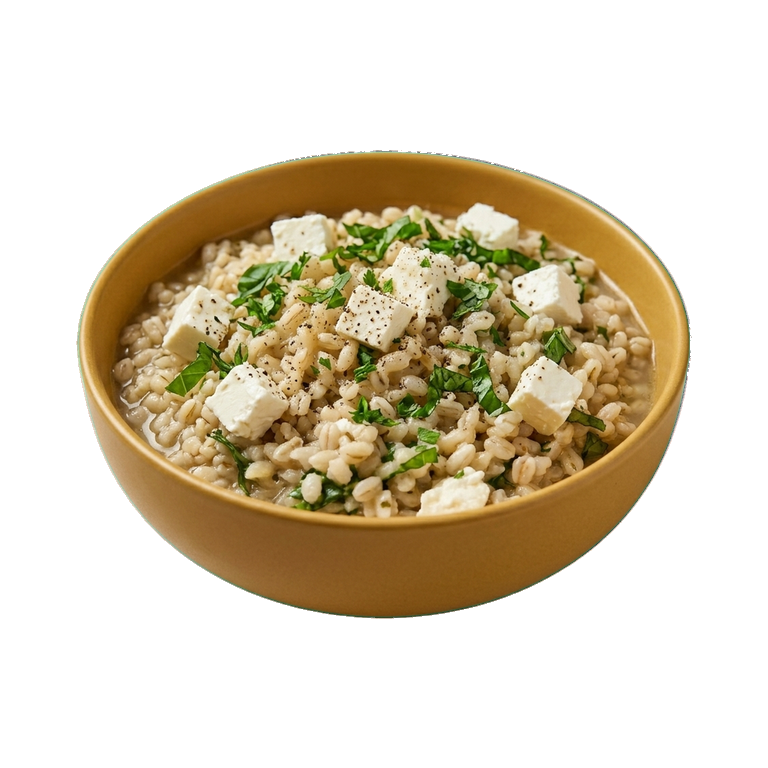
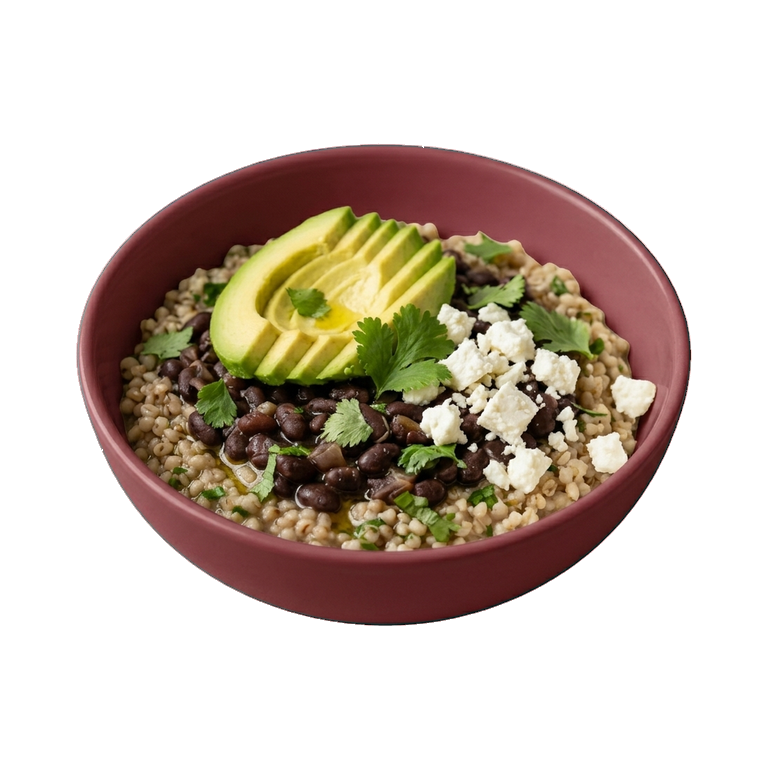
- As side dishes — crumbled on top of vegetables, buckwheat, rice and adds a piquant flavor
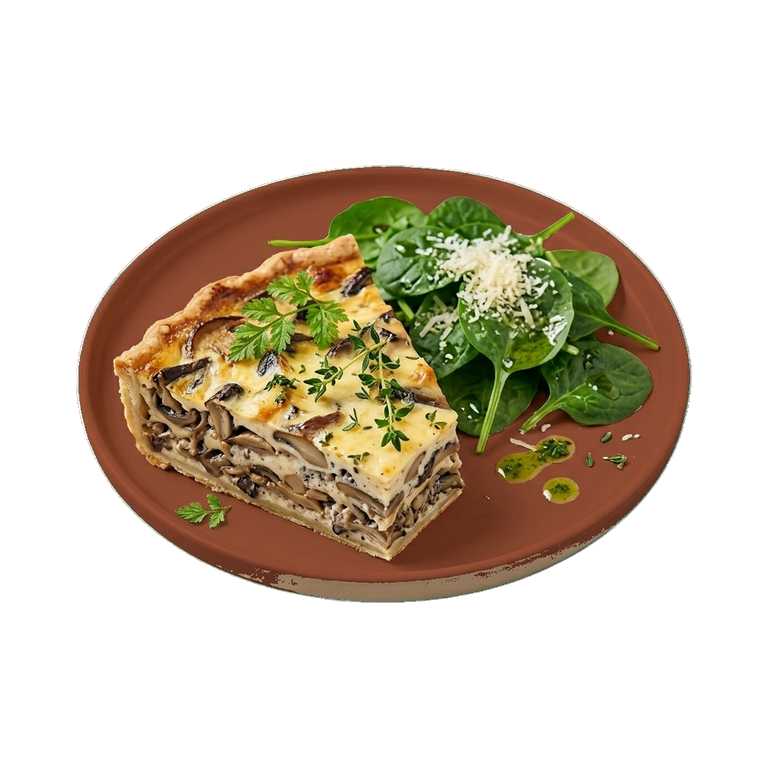
- In baking — feta is often added to puff pastry with herbs and vegetables
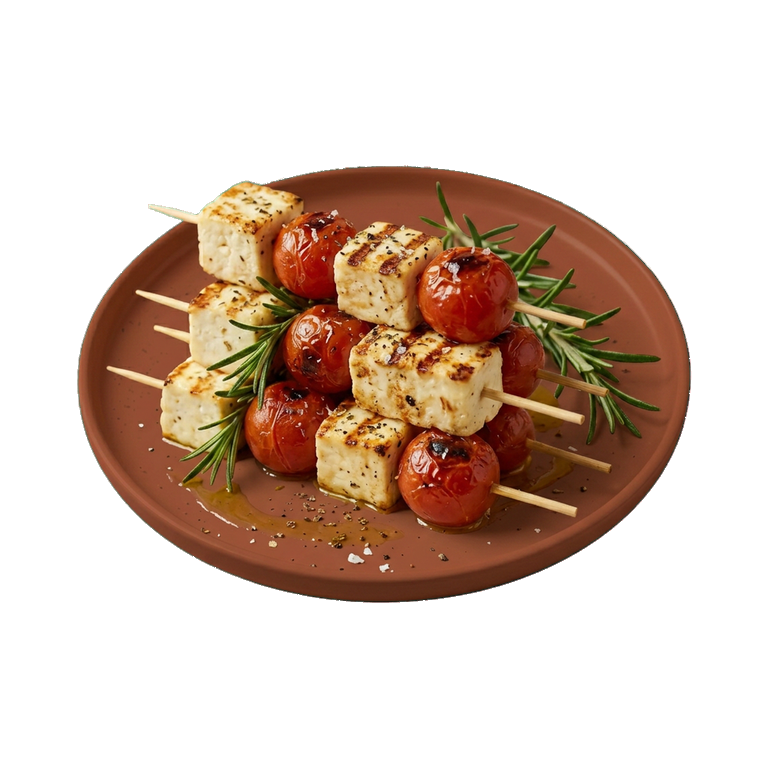
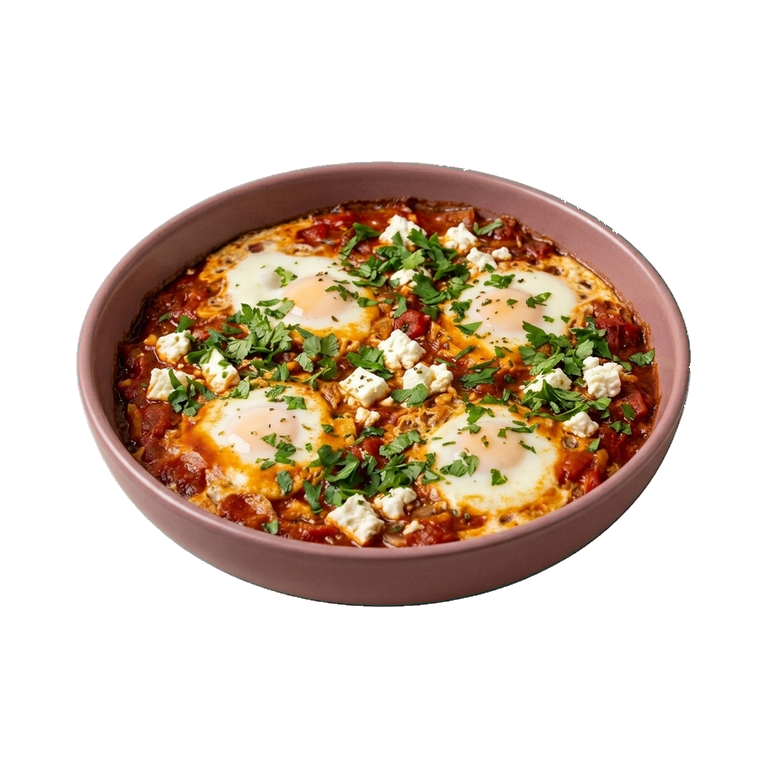
- On hot dishes — sprinkled before serving soups, baked vegetables, meat
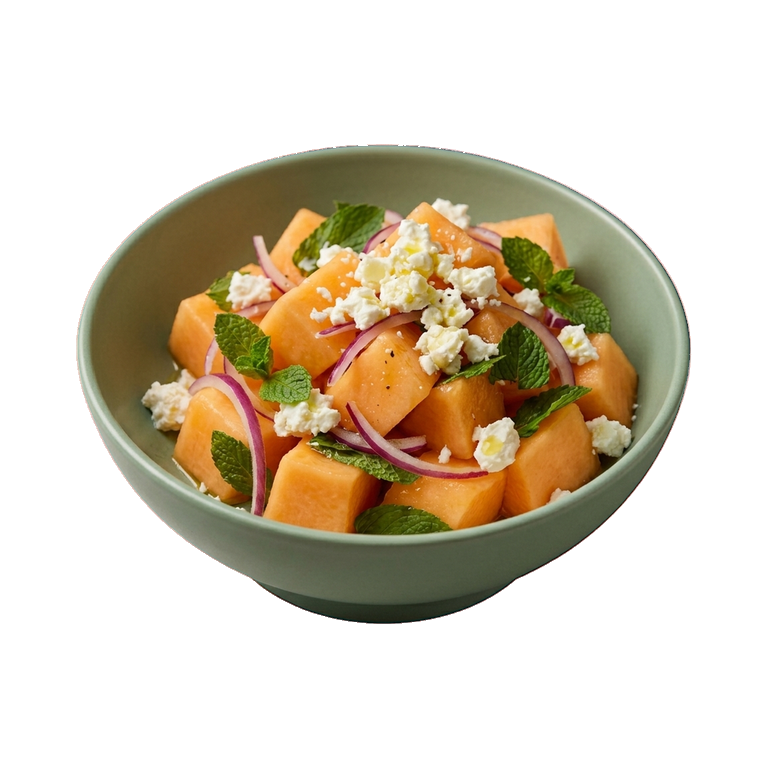
- With fruits — surprisingly good combination with watermelon, pear and fig
Combinations and Techniques
Feta pairs well with olive oil, lemon, and herbs — this trio enhances its best qualities. Oregano, thyme, mint, and dill bring out its character. If the cheese seems too salty, you can soak it in water or milk for 20–30 minutes. For a milder flavor, choose young feta; for bold accents, opt for aged feta.
Selection and Storage
When purchasing, pay attention to the color — it should be white, without any yellowish tint, and check the packaging — the brine should be clear. Store feta in the refrigerator in its own brine or in an airtight container with salted water. This way it will stay fresh for 2–3 weeks. If the brine becomes cloudy or an unpleasant odor appears, it's time to replace the cheese.
Feta is not just a cheese for salads. It's a tool that adds contrast, saltiness, and character to any dish. Try it in different roles: in hot soup, as a side dish, in a pie — and you'll understand why this cheese is so popular in the kitchen.
Nutrition
per 100 g
- Calories
- 264 kcal
- Protein
- 14.2 g
- Fat
- 21.3 g
- Carbs
- 4.1 g
Micronutrients
per 100 g
Macronutrients
- Saturated fat
- 11.17 g
- Monounsaturated fat
- 4.184 g
- Cholesterol
- 57.52 mg
- Water
- 51.89 g
Minerals
- Sodium
- 1034 mg
- Potassium
- 105.3 mg
- Calcium
- 371.1 mg
- Magnesium
- 17.69 mg
- Phosphorus
- 327.6 mg
- Iron
- 0.07 mg
- Zinc
- 2.35 mg
- Copper
- 0.03 mg
- Manganese
- 0.02 mg
- Iodine
- 48.4 mcg
Vitamins
- Vitamin D
- 0 mcg
- Vitamin K
- 1.2 mcg
- Vitamin B1 (thiamin)
- 0.06 mg
- Vitamin B2 (riboflavin)
- 0.44 mg
- Vitamin B3 (niacin)
- 0.26 mg
- Vitamin B6
- 0.04 mg
Measures and weight
- 1 tbsp
- 15 g
- 1 tsp
- 5 g
- 1 cup
- 250 g
- 1 slice
- 30 g
Measure calculator
- Weight
- 100 g
- Calories
- 264 kcal