Usuba
Usuba
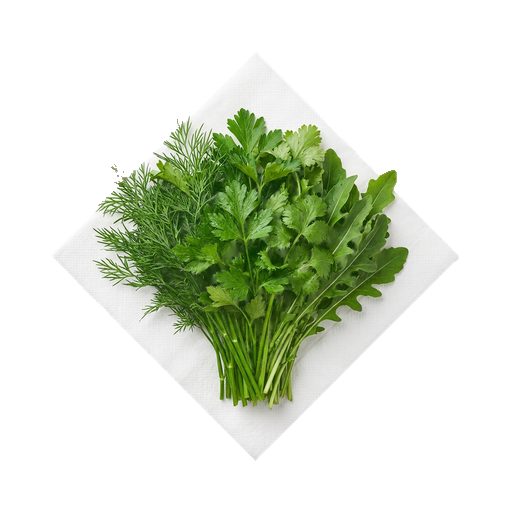
Herbs
Greens are young leaves and shoots of various plants that add freshness, a light bitterness, or piquancy to dishes depending on the variety. They are used both raw for salads and garnishes, and added to hot dishes at the end of cooking to preserve aroma and vitamins. When selecting, pay attention to the firmness of the leaves and the absence of darkening — greens don't keep long in the refrigerator, so it's best to use them within a few days of purchase.
About
Fresh vitality on the table
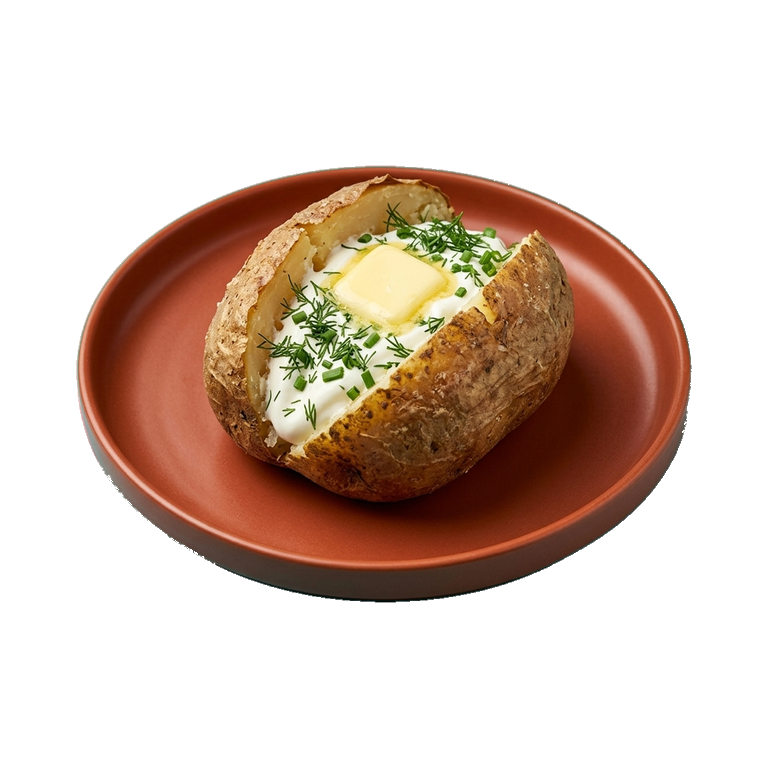
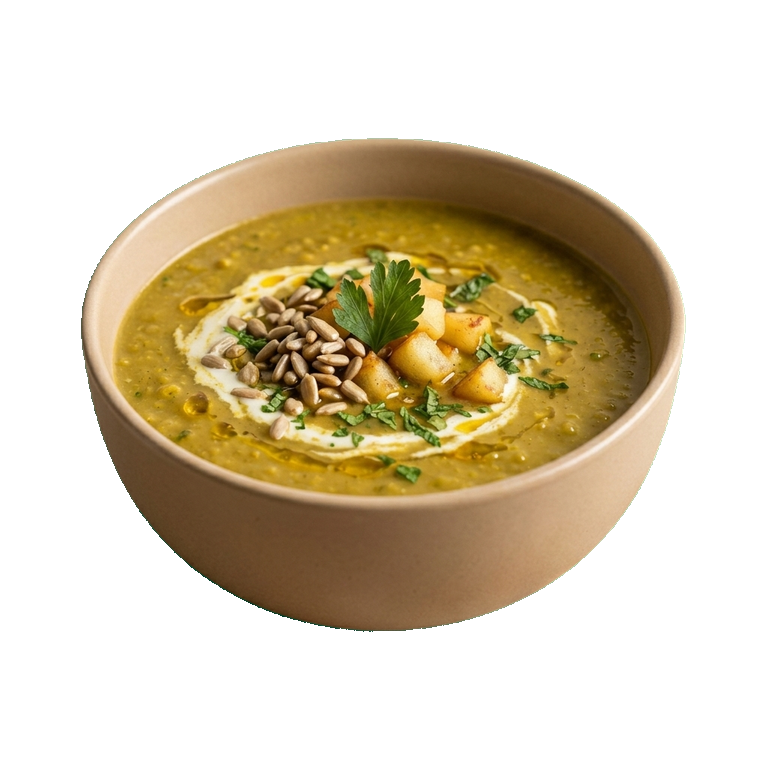
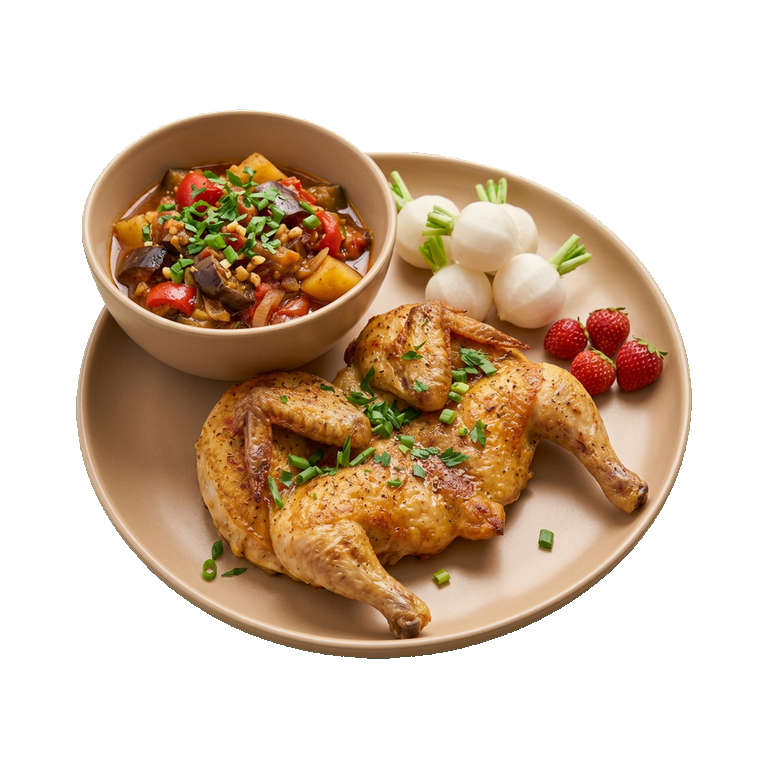
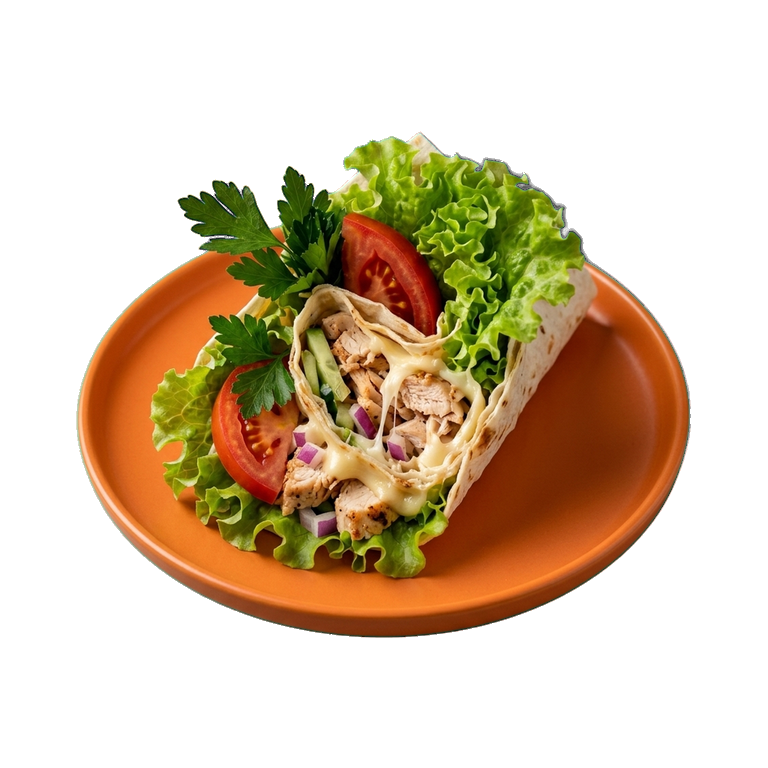
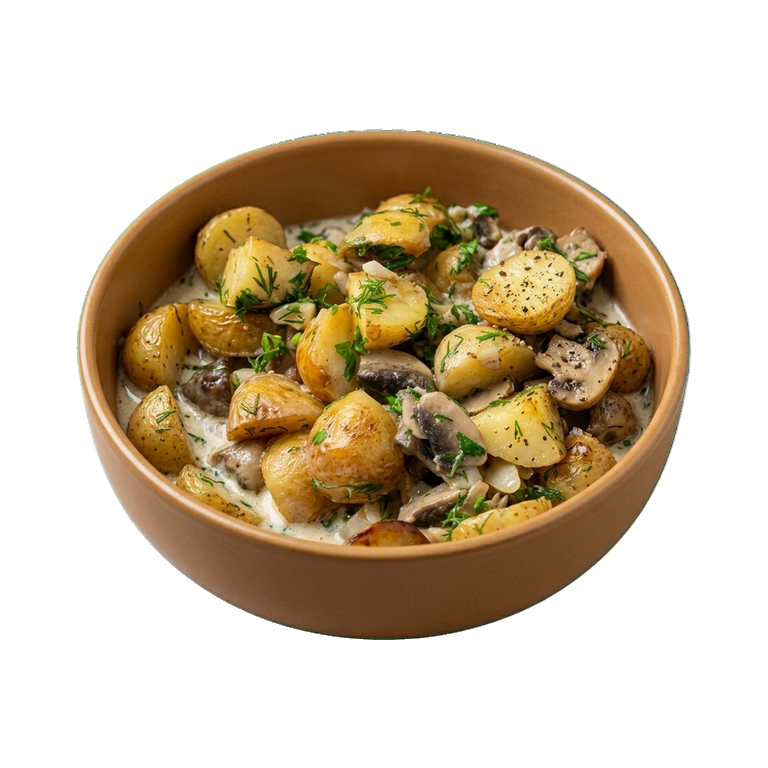
Herbs are not just a garnish for a dish. They are a flavor anchor that changes how we perceive food. A pinch of fresh dill transforms ordinary potatoes into a festive dish, a bunch of parsley adds depth to soup, and basil leaves make tomatoes completely different. Each type of herb works in its own way: one imparts bitterness and piquancy, another brings tenderness and aroma.
What herbs are used for what
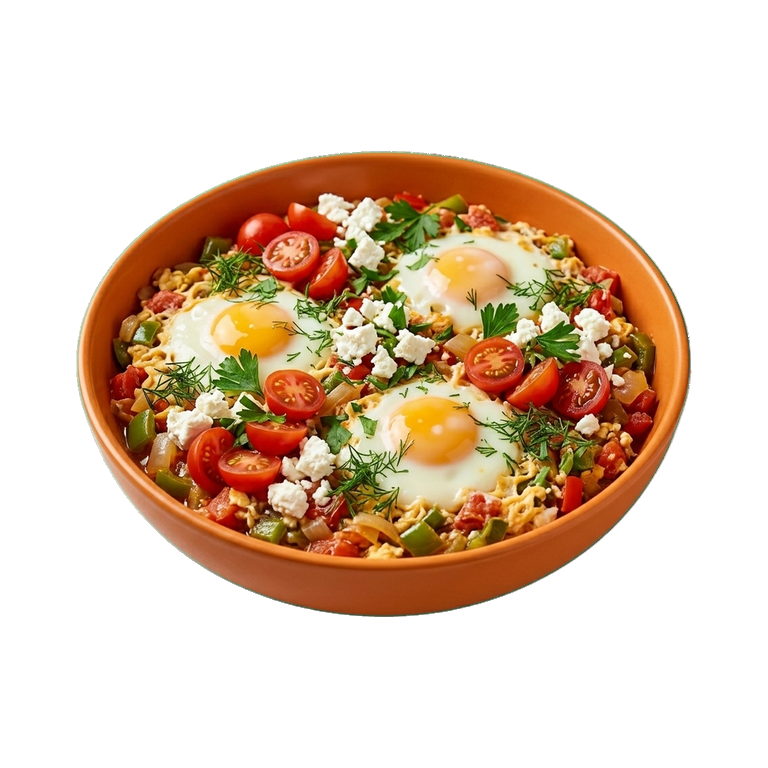
- Parsley is a universal helper. Its mild flavor goes well with meat, fish, and vegetables. Curly parsley is more attractive for garnishing, while flat-leaf parsley is more aromatic.
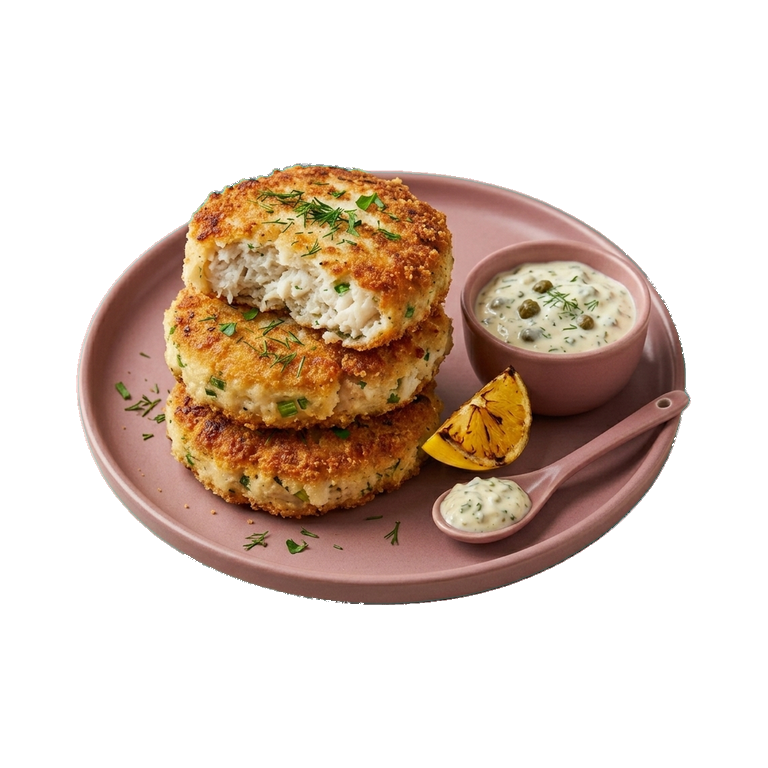
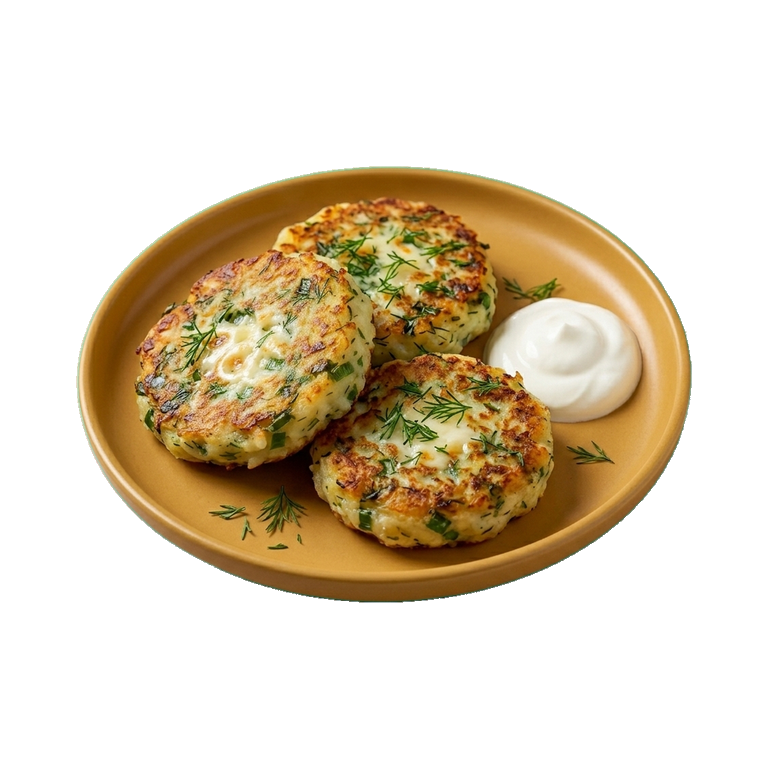
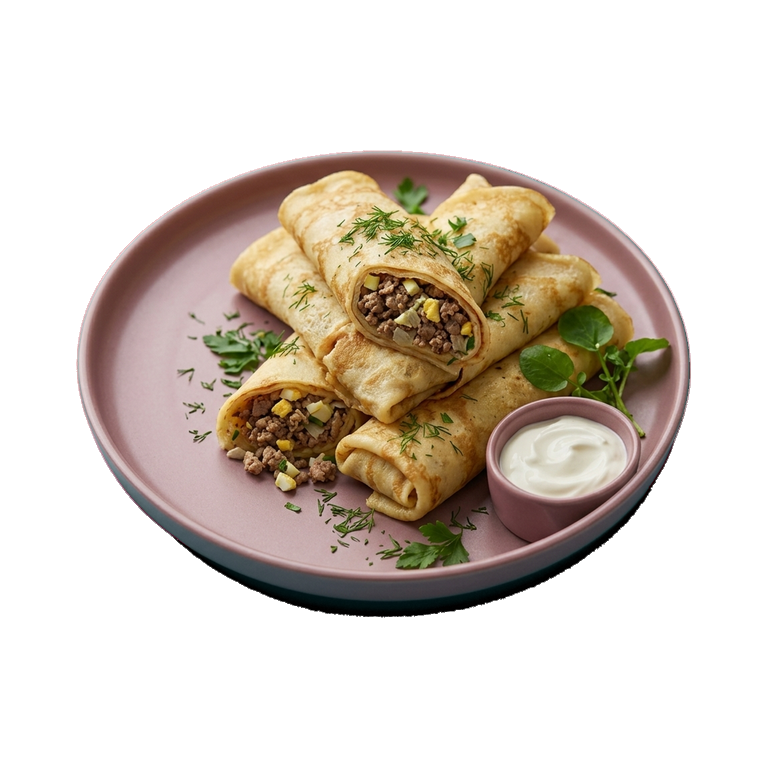
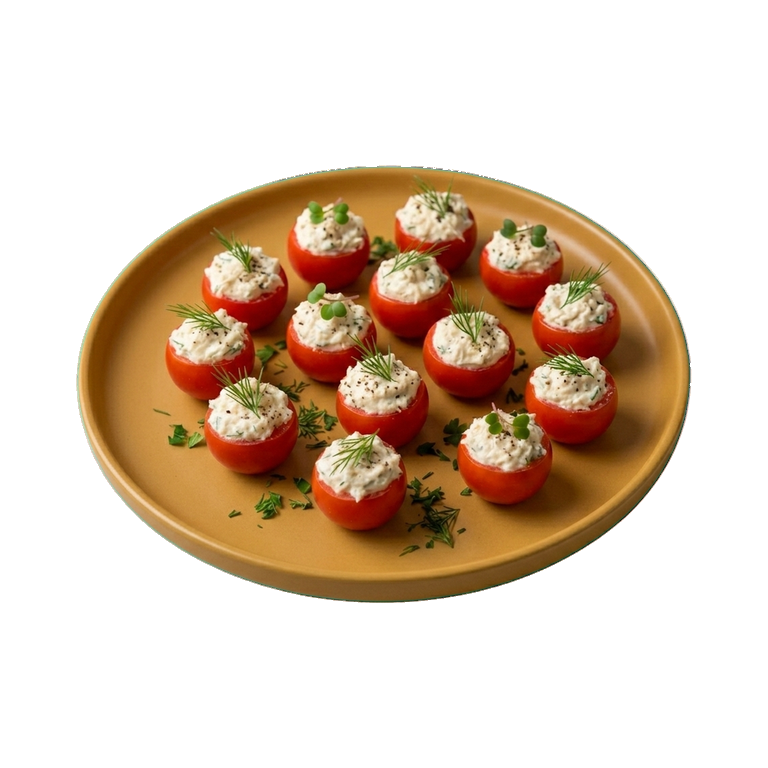
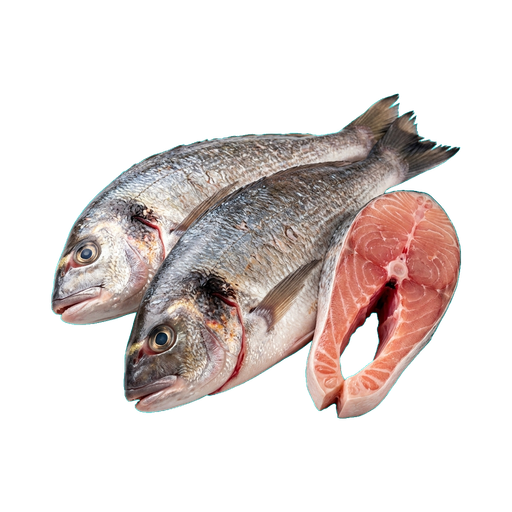
- Dill is the king of fish dishes and pickles. Its delicate anise aroma is instantly recognizable. In hot dishes, add it at the end of cooking to preserve the flavor.
- Basil is the king of tomatoes and Italian cuisine. Its spicy, slightly peppery taste deserves respect: add it fresh and rarely subject it to heat treatment.
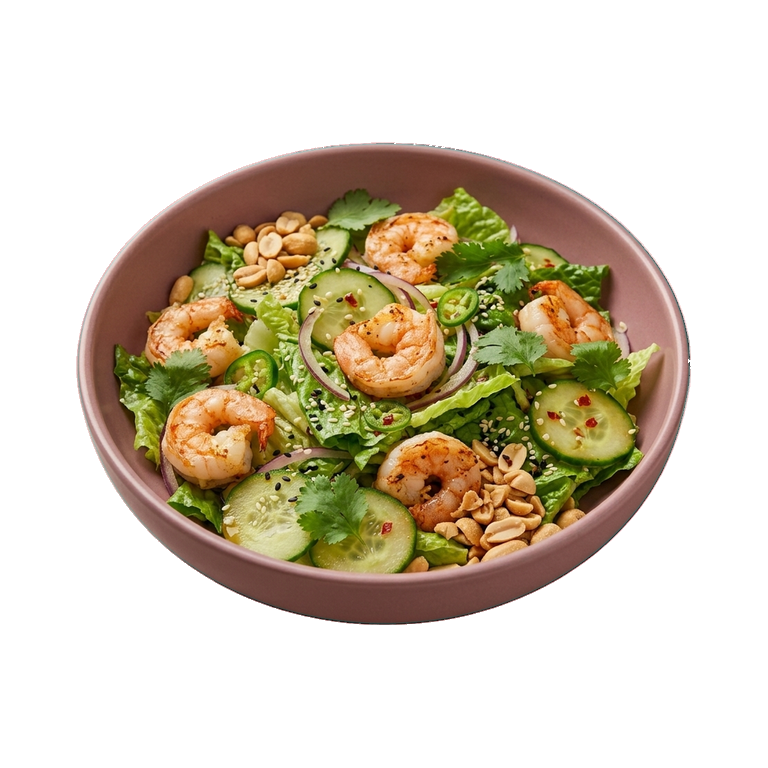
- Cilantro is not for everyone, but irreplaceable in Asian cuisine. Its sharp, almost soapy flavor is either loved or avoided.
- Arugula is bitter and piquant. It works well in salads and as a garnish for meat. Young leaves are more tender, mature leaves have a brighter flavor.
- Spinach is delicate and nutritious. It works in both hot dishes and salads. Young spinach does not require removing tough stems.
How to use in cooking
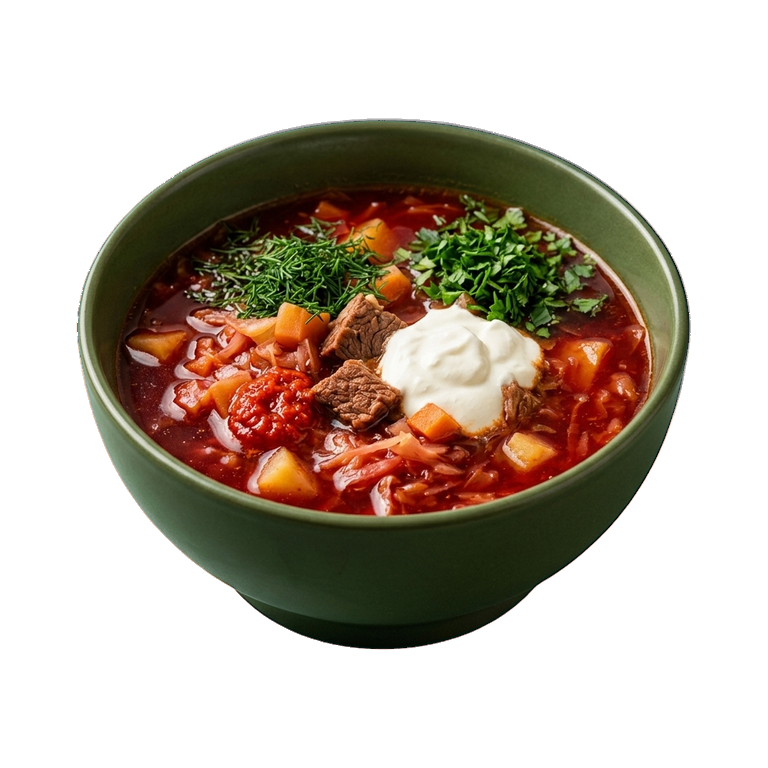
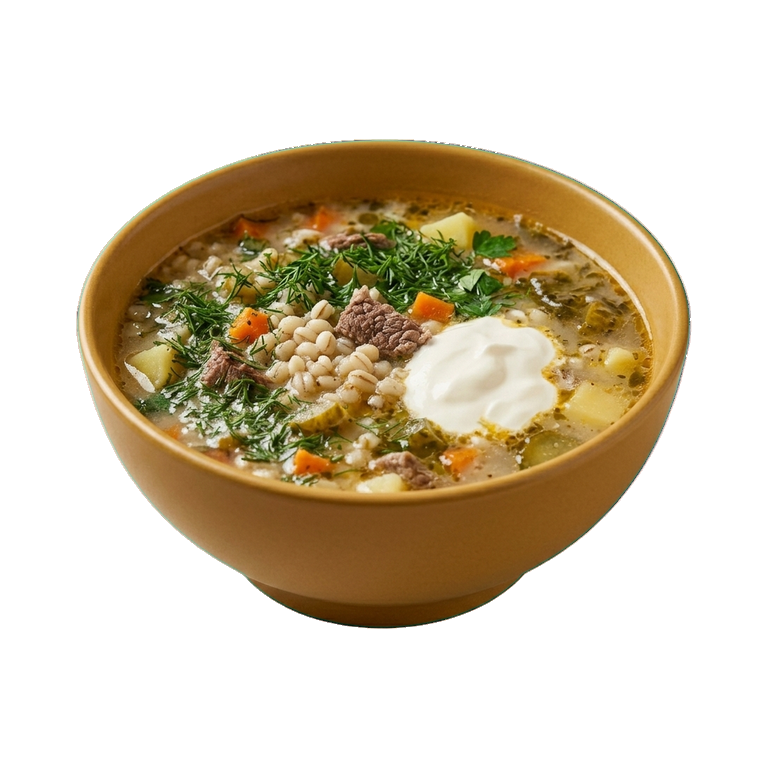
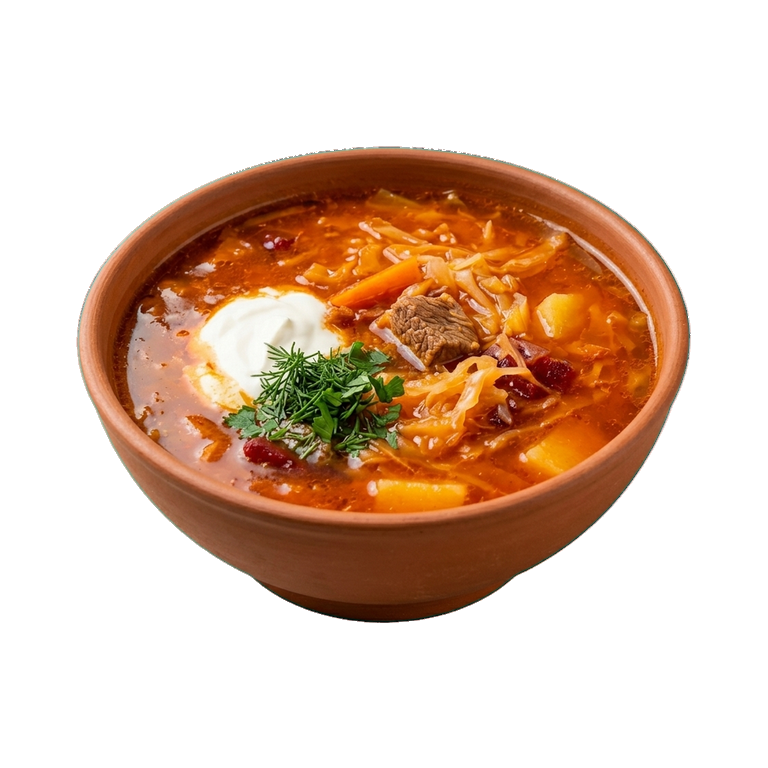
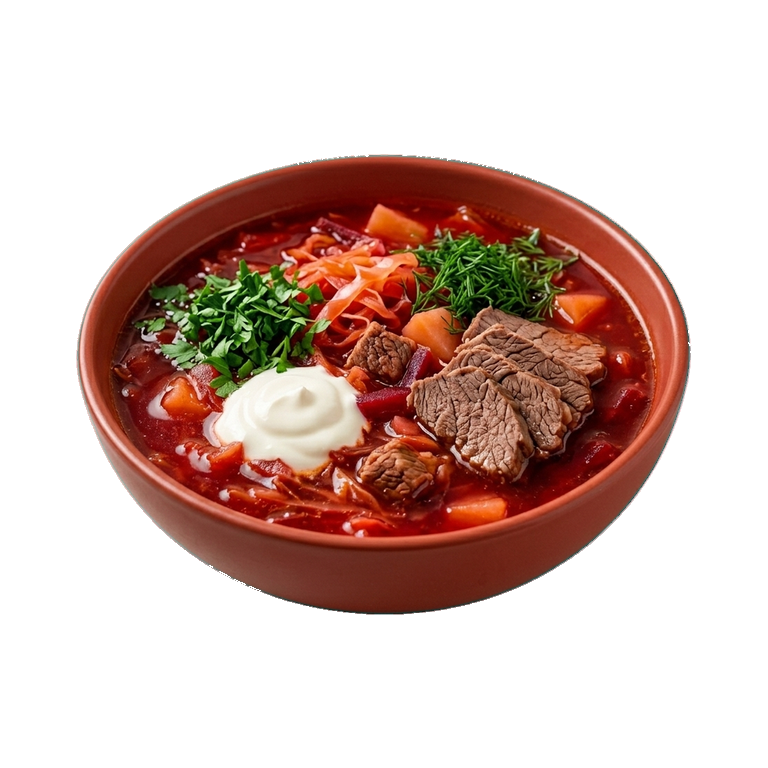
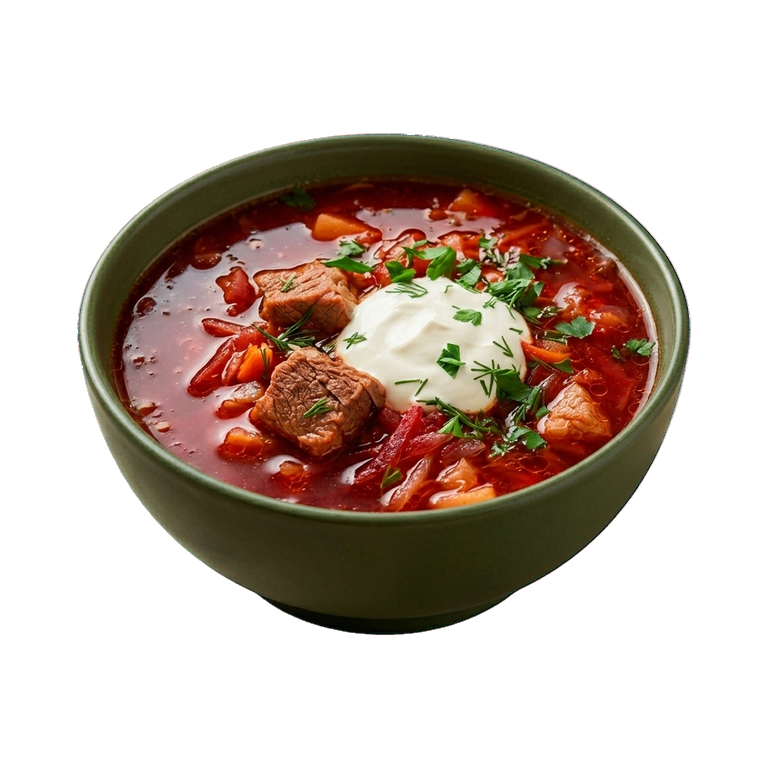
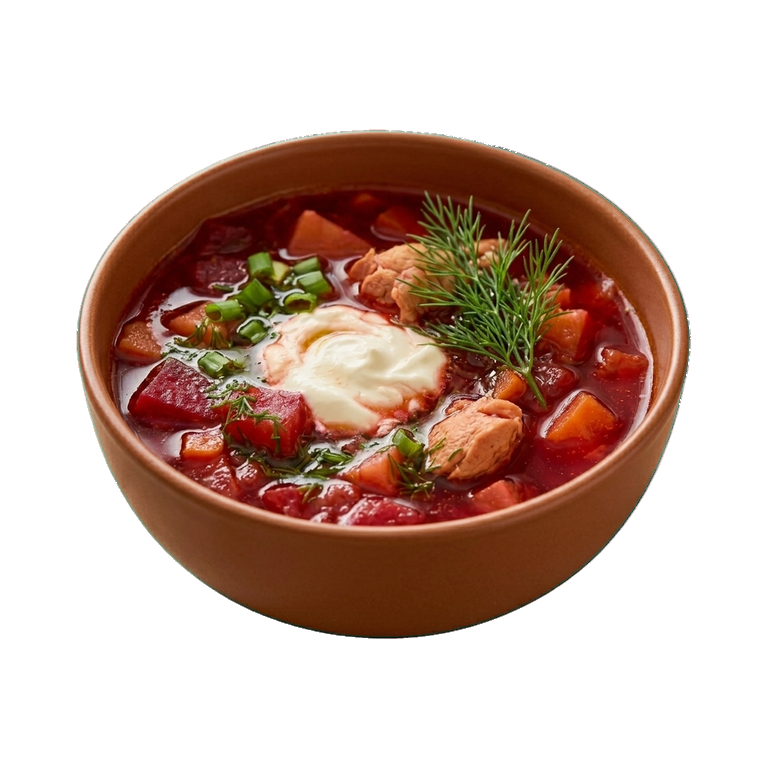
Fresh herbs are added at the last moment — this is the main rule. If you throw them into boiling water, they will lose their color, taste, and some of their beneficial properties. The exception is herbs that are cooked together with the main dish (for example, dill in borscht or parsley in broth). Even then, add them not at the very beginning, but 5–10 minutes before it's done.
For cold dishes, herbs can be chopped in advance, but no more than an hour before serving. If you need herbs in sauces or dressings, chop them with a knife — a blender will make them dark and tasteless. Dried herbs (dill, parsley, basil) work well in marinades and for preservation, but fresh herbs are always more aromatic.
Selection and Storage
Choose herbs with bright color, firm leaves, and no signs of wilting or darkening. The smell should be fresh and characteristic for each type — not musty. The bunch in your hand should be dense, with leaves that don't stick together.
Store herbs in the refrigerator in the vegetable compartment, wrapped in a damp towel or in a container with a lid. This way they will last 5–7 days. Parsley and dill can be placed in a glass of water like flowers — they will keep longer. It makes sense to freeze herbs if you're cooking hot dishes: frozen herbs lose their texture in salads.
Don't be afraid to experiment with combinations. Herbs are a tool that makes your food personal. The same fish with dill is a classic, with basil — it's already a different world, with cilantro — it's a whole journey.
Nutrition
per 100 g
- Calories
- 36 kcal
- Protein
- 3.7 g
- Fat
- 0.4 g
- Carbs
- 5.2 g
Measures and weight
- 1 tbsp
- 4.5 g
- 1 tsp
- 1.5 g
- 1 cup
- 75 g
- 1 bunch
- 50 g
- 1 stalk
- 5 g
Measure calculator
- Weight
- 100 g
- Calories
- 36 kcal