Usuba
Usuba
Lard
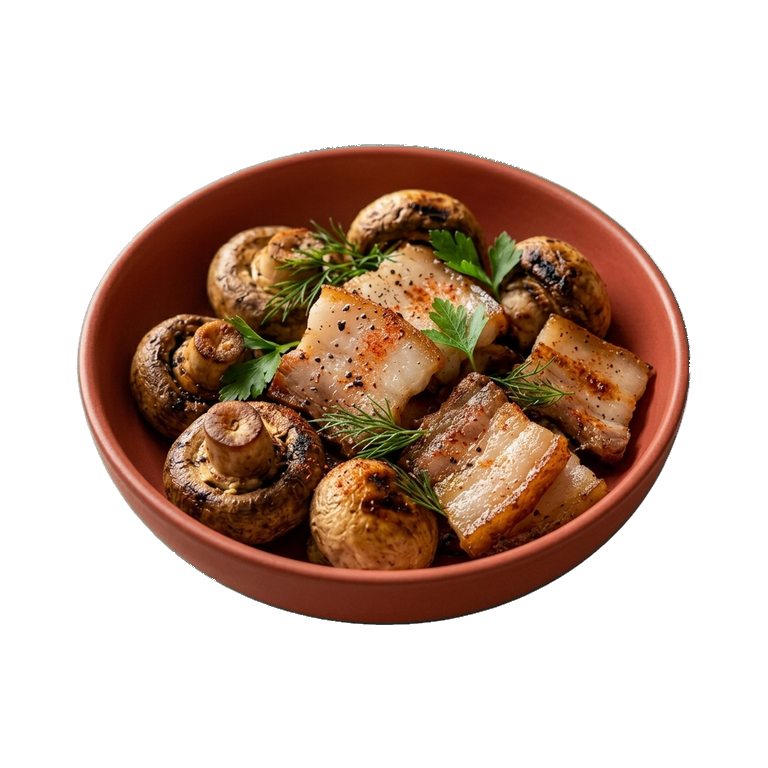
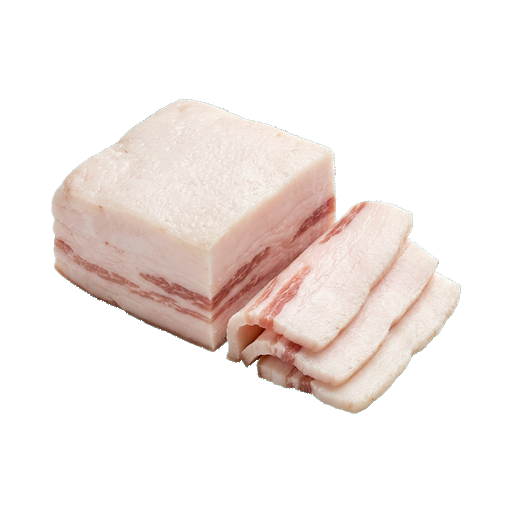
Lard is salted or smoked pork fat, a traditional product with a dense yet tender texture and a characteristic buttery flavor with a savory saltiness. In cooking, it is used as a standalone appetizer, added to soups and borscht for richness, and serves as a base for larding meat or as a layer in pâtés. When selecting lard, pay attention to the white or slightly pinkish color of the meat underneath, the absence of a rancid smell, and the uniformity of the layer — quality lard should be firm and not sticky.
Micronutrients
per 100 g
About
Lard is the subcutaneous fat of an animal that has remained one of the most practical and delicious ingredients in the kitchen for centuries. It is valued for its versatility: it can be the foundation of a dish, an addition for flavor, or a cooking medium. White, pinkish, or yellow — each type of lard tells a story of its origin and processing method.
Taste and Aroma
Pure lard has a delicate, barely perceptible animal flavor with a pleasant slightly sweet note. Everything changes when spices come into play: black pepper, garlic, paprika, cumin — each addition transforms lard into a completely new product. Smoked lard gives a deep, smoky character, while salted lard becomes sharp and rich.
Texture depends on temperature. At room temperature, good lard cuts softly with a knife and melts on the tongue almost like butter. From the refrigerator, it becomes denser, which is convenient for slicing into thin slices. Melted lard is liquid gold for cooking, with a characteristic fresh aroma.
Role in dishes
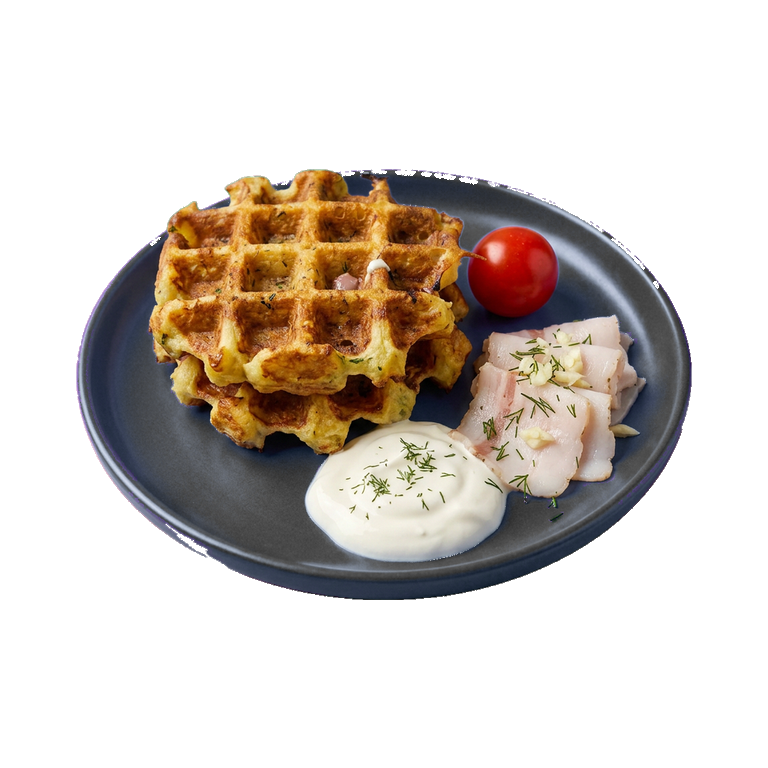
- On bread with salt and black pepper — a classic way when lard speaks for itself
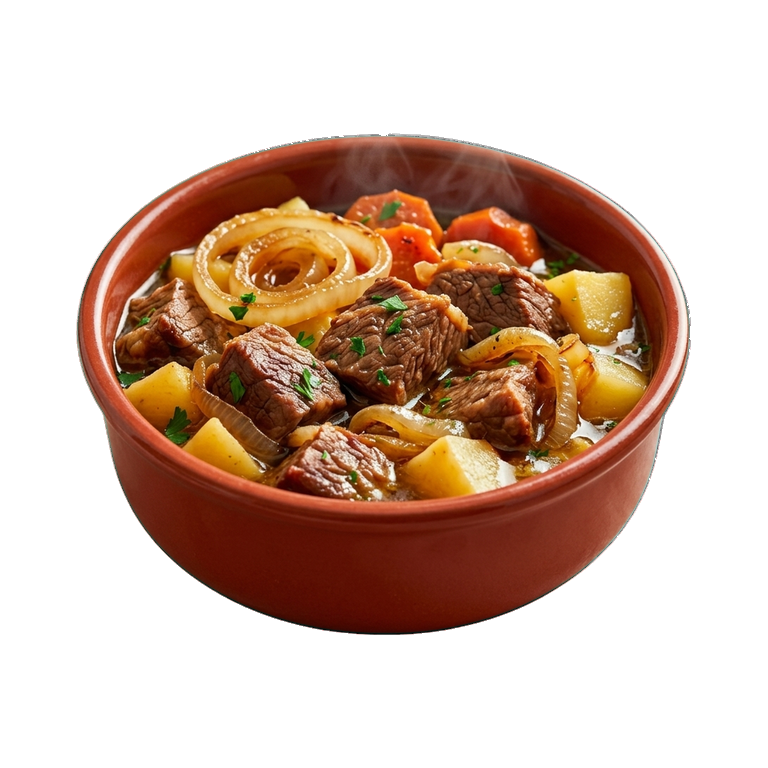
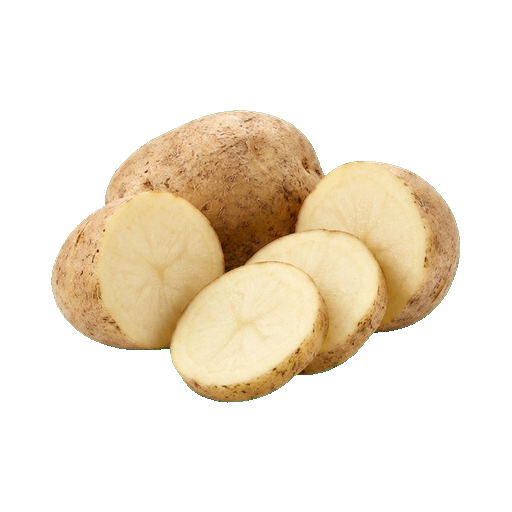
- For frying potatoes, meat and vegetables — lard gives the dish depth and tenderness that oil won't provide
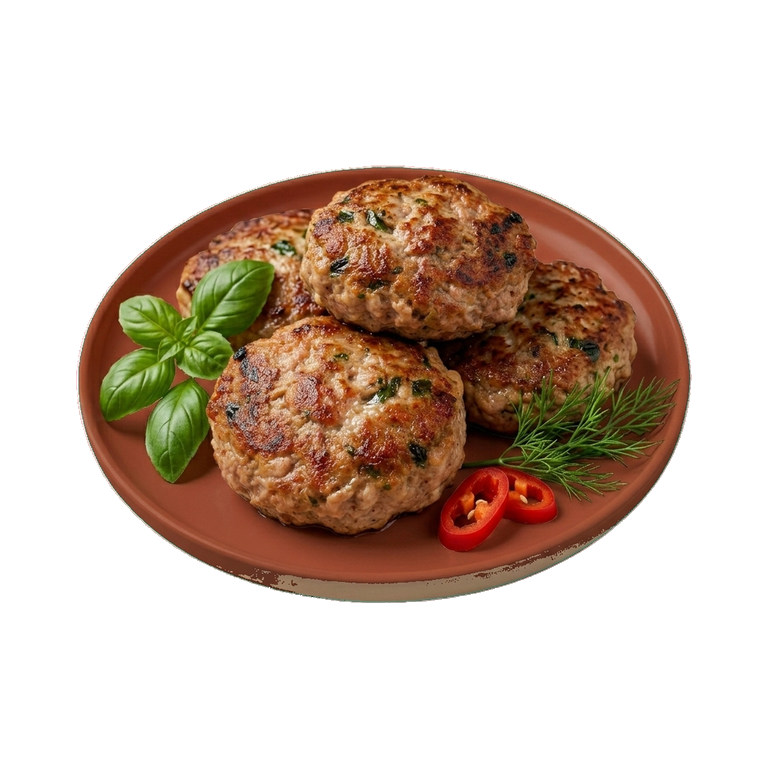
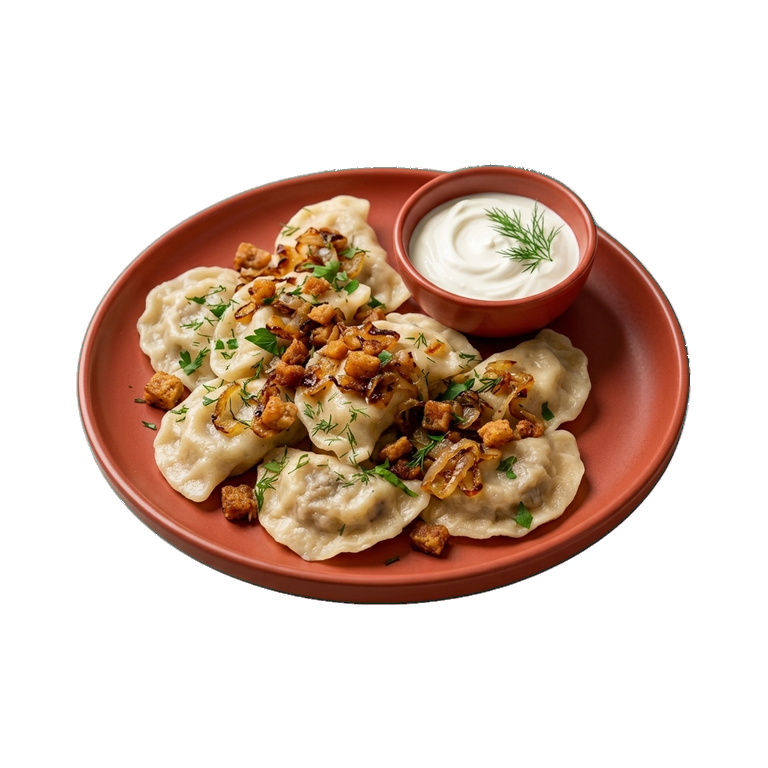
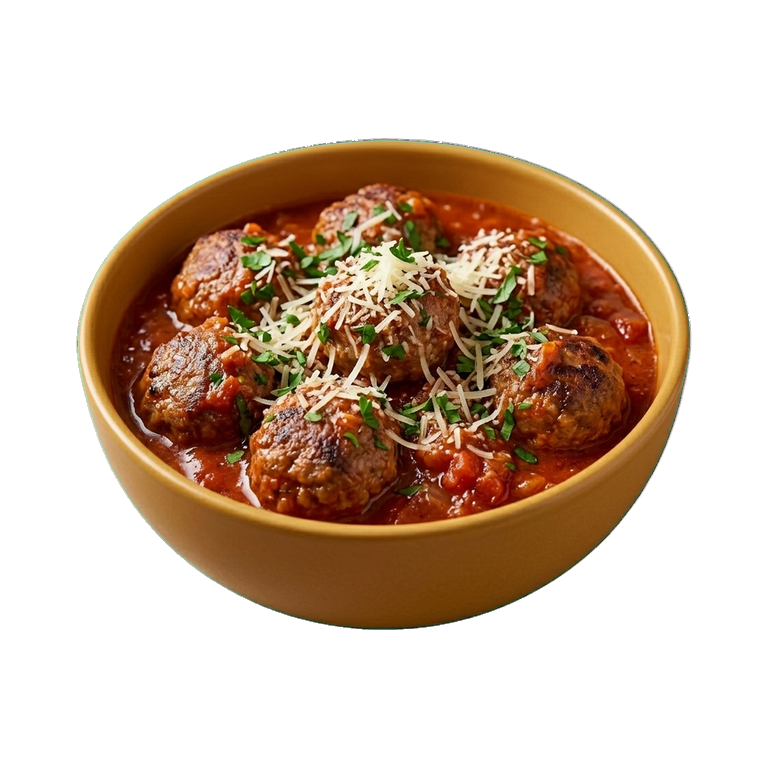
- In minced meat for dumplings, sausages and cutlets — improves juiciness and flavor
- In pastry dough — makes it flaky and crumbly
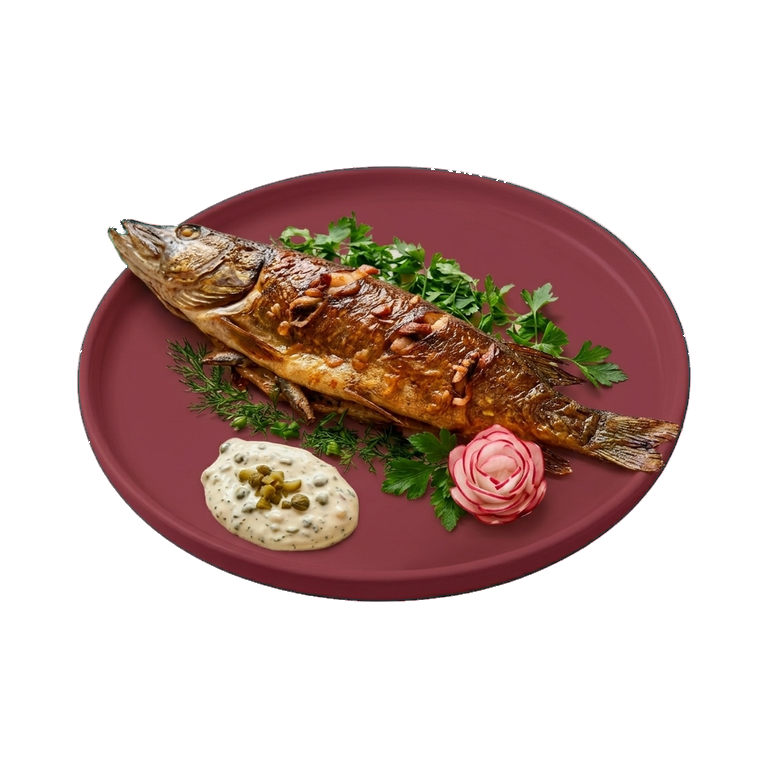
- For larding meat before baking — lard penetrates inside, moisturizing the fibers
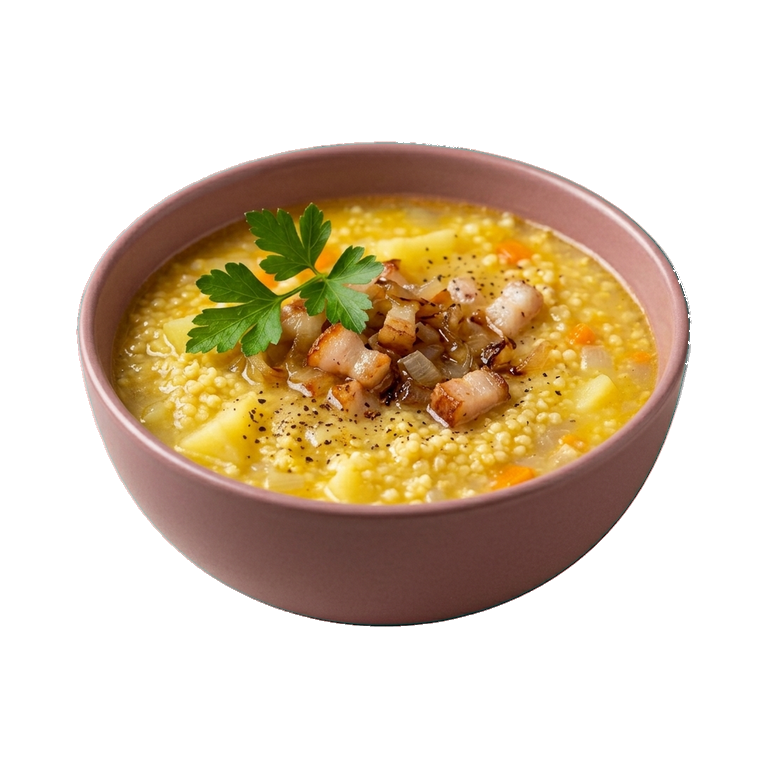
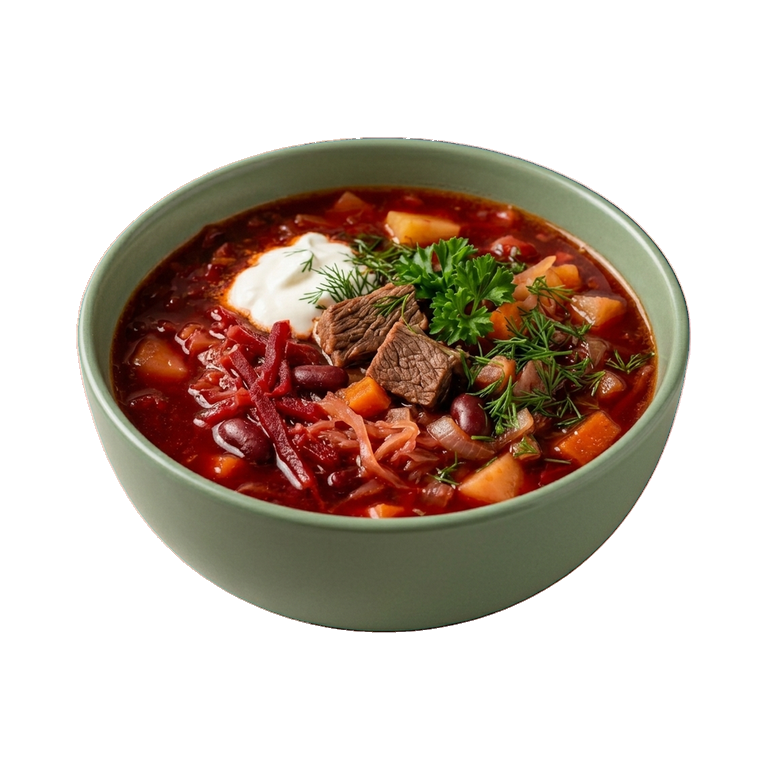
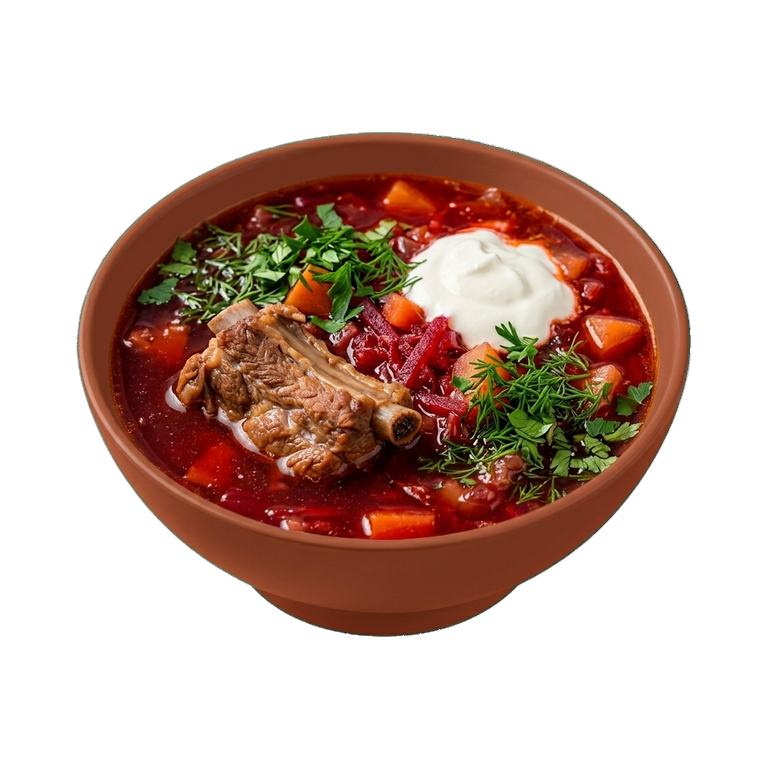
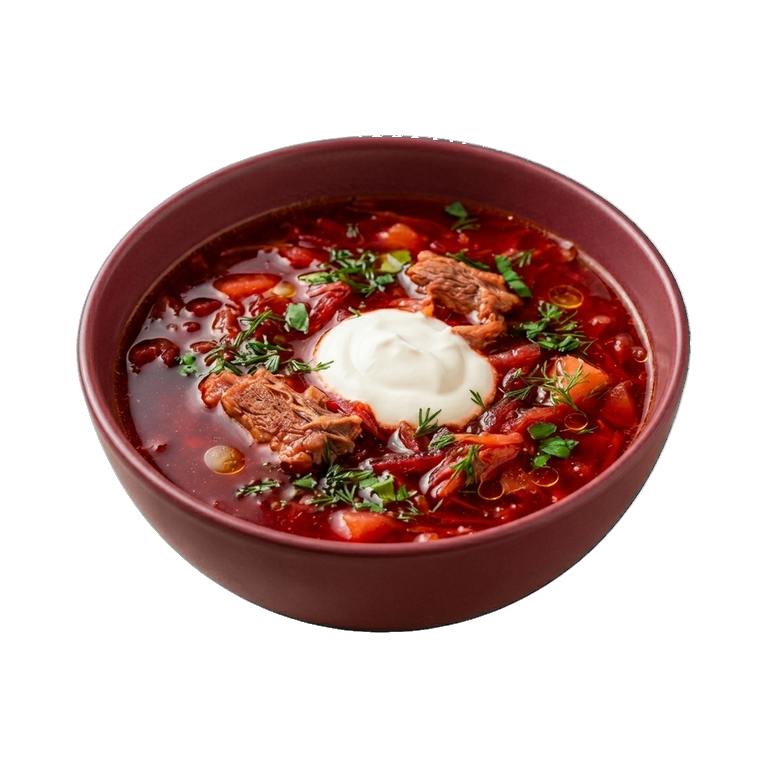
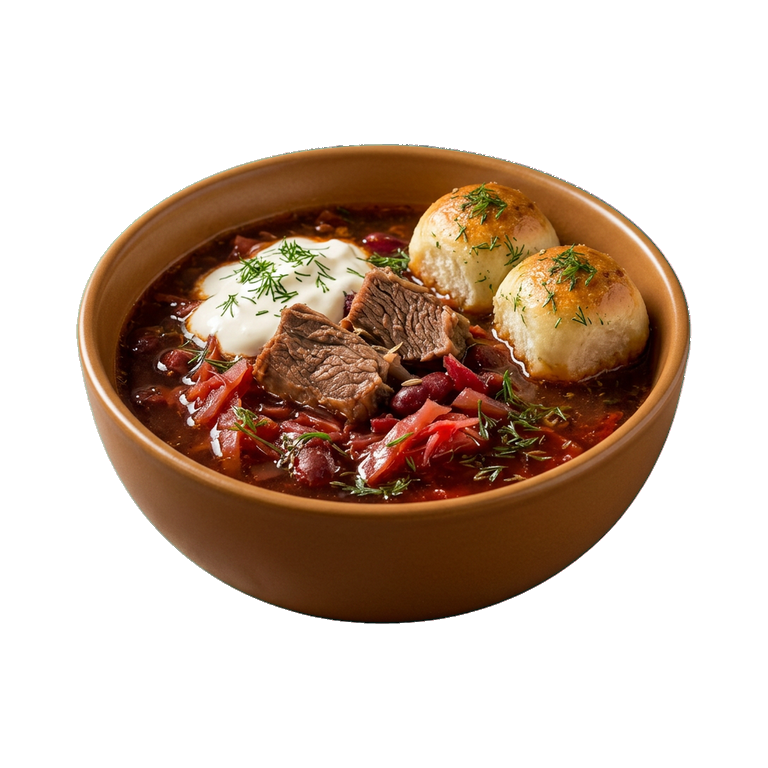
- In soups and borscht — adds richness and roundness to the taste
Combinations and pairings
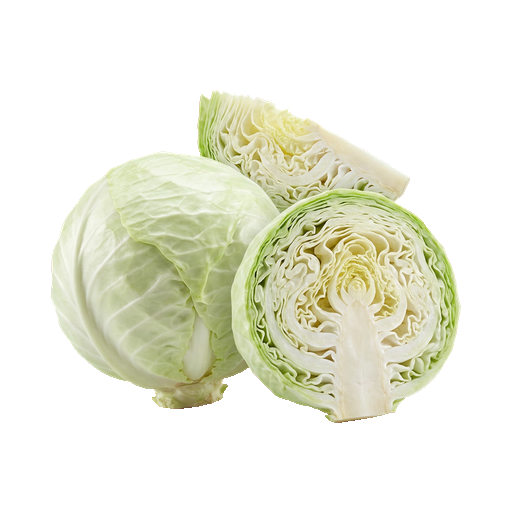
Lard goes well with everything that requires boldness in flavor. Garlic and lard are a pair that works everywhere: in appetizers, in pasta, in bread. Spicy spices emphasize the richness and create contrast. Acidity — vinegar, lemon, fermented vegetables — cuts through the heaviness and refreshes. Potatoes, cabbage, onions, and carrots become grateful companions.
Selection and Storage
- Color — white or light pink indicates quality; yellowish tinge may indicate oxidation
- Smell — should be clean, meaty, without mustiness or rancidity
- Consistency — when pressed, your finger should not sink in; elasticity is a sign of freshness
- Meat layer — a thin layer of meat under the skin adds flavor, but pure lard is more practical
In the refrigerator, lard is stored for 2–3 weeks, wrapped in parchment or foil. The freezer extends its shelf life to several months. Rendered lard in a glass jar with a lid can be kept at room temperature for one to two weeks. The main thing is to protect it from light and air so that the fat doesn't oxidize and doesn't acquire an unpleasant smell.
Lard doesn't require complex preparation, but it demands respect. A quality product from a good supplier is half the battle. The rest depends on your boldness in using it.
Nutrition
per 100 g
- Calories
- 797 kcal
- Protein
- 1.4 g
- Fat
- 89 g
- Carbs
- 0 g
Micronutrients
per 100 g
Macronutrients
- Fiber
- 0 g
- Sugars
- 0 g
- Saturated fat
- 39.2 g
- Monounsaturated fat
- 45.1 g
- Polyunsaturated fat
- 11.2 g
- Omega-3 (EPA + DHA)
- 0 g
- Cholesterol
- 95 mg
- Water
- 0 g
Minerals
- Sodium
- 0 mg
- Potassium
- 0 mg
- Calcium
- 0 mg
- Magnesium
- 0 mg
- Phosphorus
- 0 mg
- Iron
- 0 mg
- Zinc
- 0.11 mg
- Copper
- 0 mg
- Manganese
- 0 mg
- Selenium
- 0.2 mcg
Vitamins
- Vitamin A (RAE)
- 0 mcg
- Vitamin D
- 2.5 mcg
- Vitamin E
- 0.6 mg
- Vitamin K
- 0 mcg
- Vitamin C
- 0 mg
- Vitamin B1 (thiamin)
- 0 mg
- Vitamin B2 (riboflavin)
- 0 mg
- Vitamin B3 (niacin)
- 0 mg
- Vitamin B5 (pantothenic acid)
- 0 mg
- Vitamin B6
- 0 mg
- Vitamin B9 (folate, DFE)
- 0 mcg
- Vitamin B12
- 0 mcg
Measures and weight
- 1 slice
- 15 g
Measure calculator
- Weight
- 100 g
- Calories
- 797 kcal