Usuba
Usuba
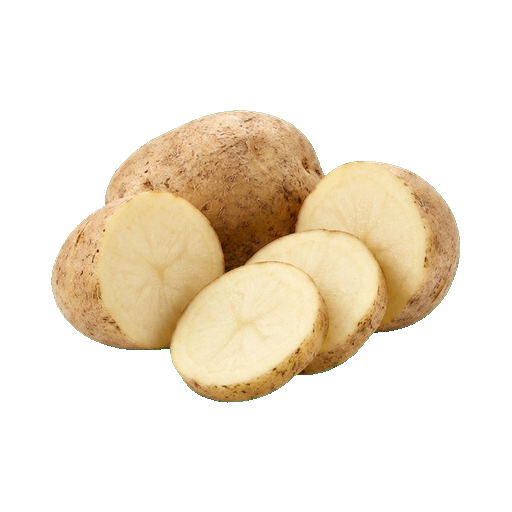
Potato
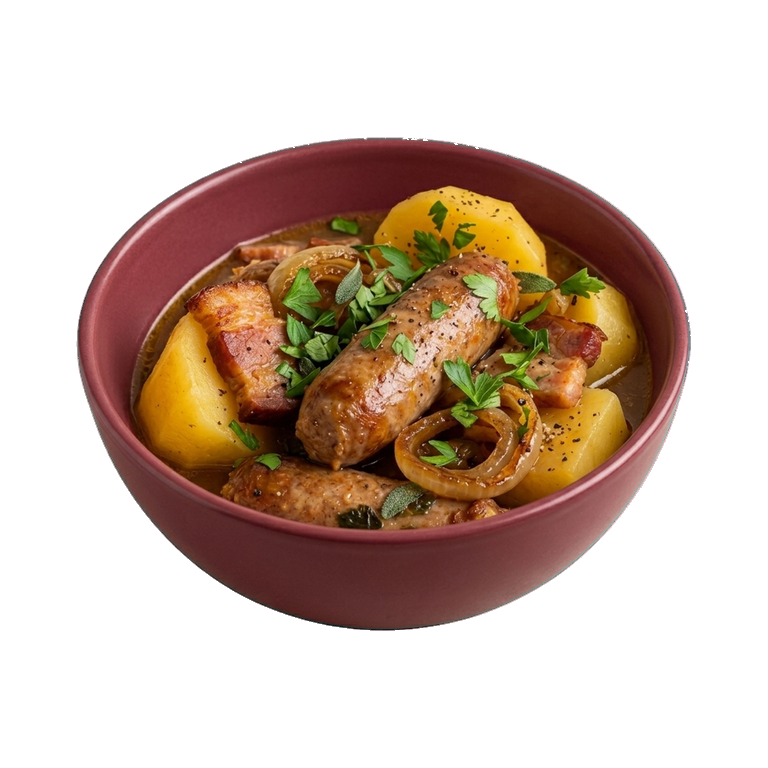
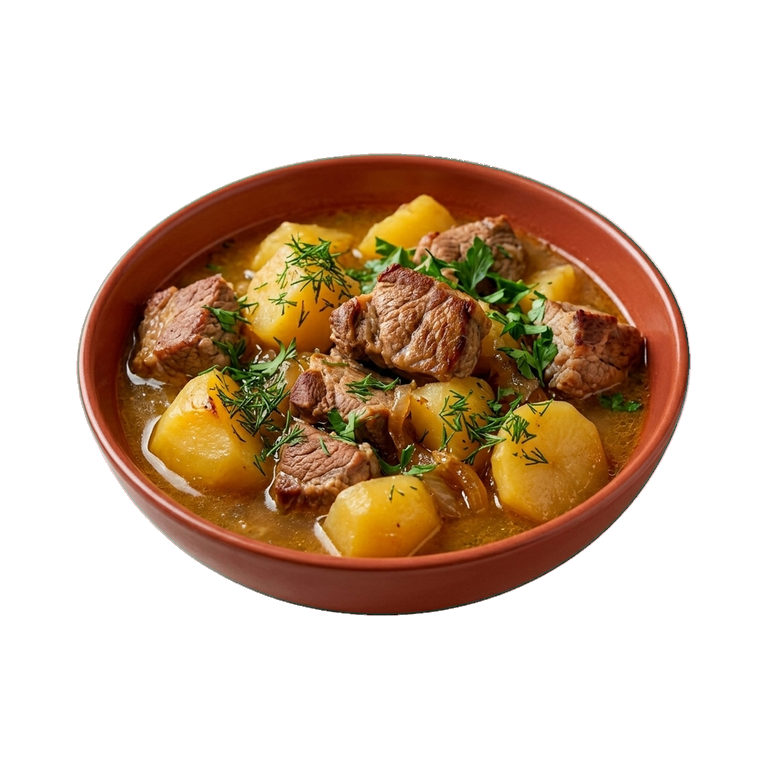
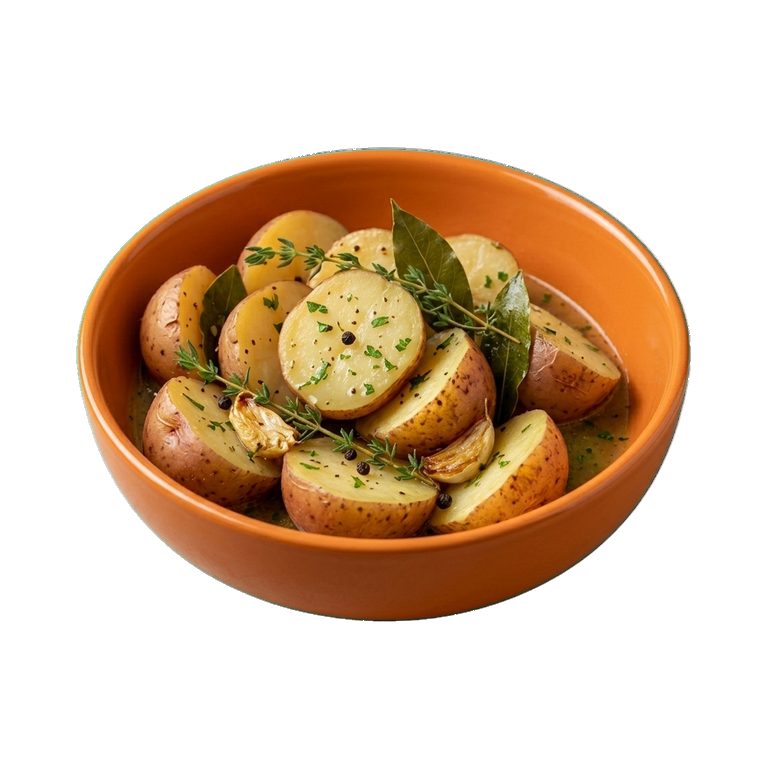
A versatile starchy vegetable with a neutral flavor and firm texture that serves as the foundation for countless dishes. When boiled, potatoes absorb the flavors of other ingredients, making them ideal for soups, stews, and side dishes, while frying gives them a crispy exterior. When selecting potatoes, pay attention to the variety: waxy potatoes hold their shape better in salads and soups, while starchy potatoes are suited for mashed potatoes and casseroles.
About
Potatoes are one of the most versatile and reliable ingredients in the kitchen. They're great because they work well with almost any dish: from a simple side dish to a complex sauce. The starch they contain works as a thickener and gives dishes the right consistency. And their neutral flavor allows potatoes to pair well with any spices and sauces.
Taste and texture depending on variety
Not all potatoes are the same. Waxy varieties hold their shape when boiled and are ideal for salads and soups. Starchy varieties crumble, which makes them perfect for mashed potatoes and casseroles. If you're boiling potatoes for a salad, choose firm varieties: they won't fall apart when sliced and will better absorb the dressing.
How potatoes behave during cooking
Potatoes absorb moisture and the flavors of the ingredients around them. Boil them in salted water — the salt penetrates inside and makes the taste more pronounced. When frying potatoes, you need to dry them first, otherwise they will stew instead of turning golden. Starch on the surface helps form a crispy crust.
Where to use it
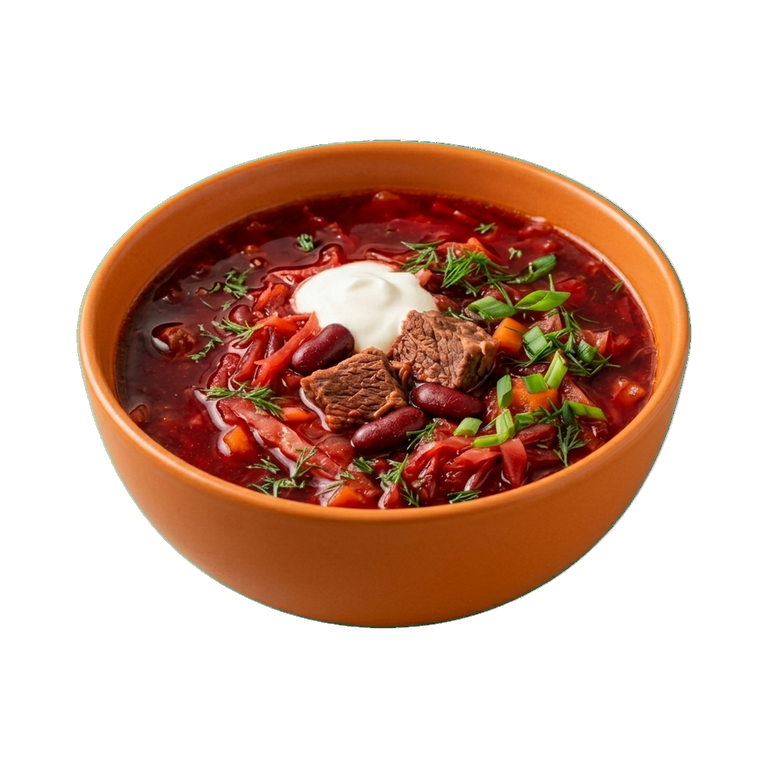
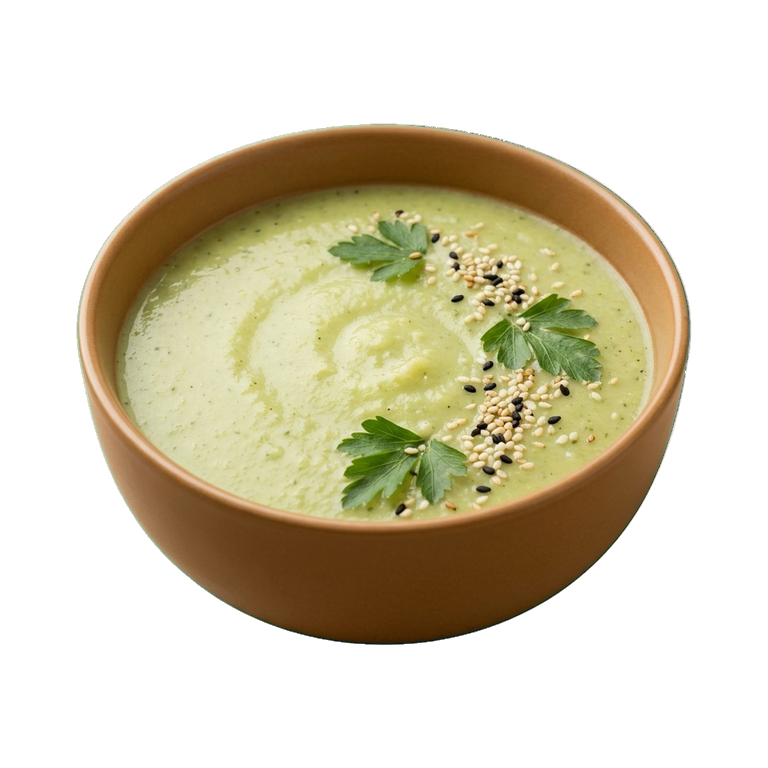
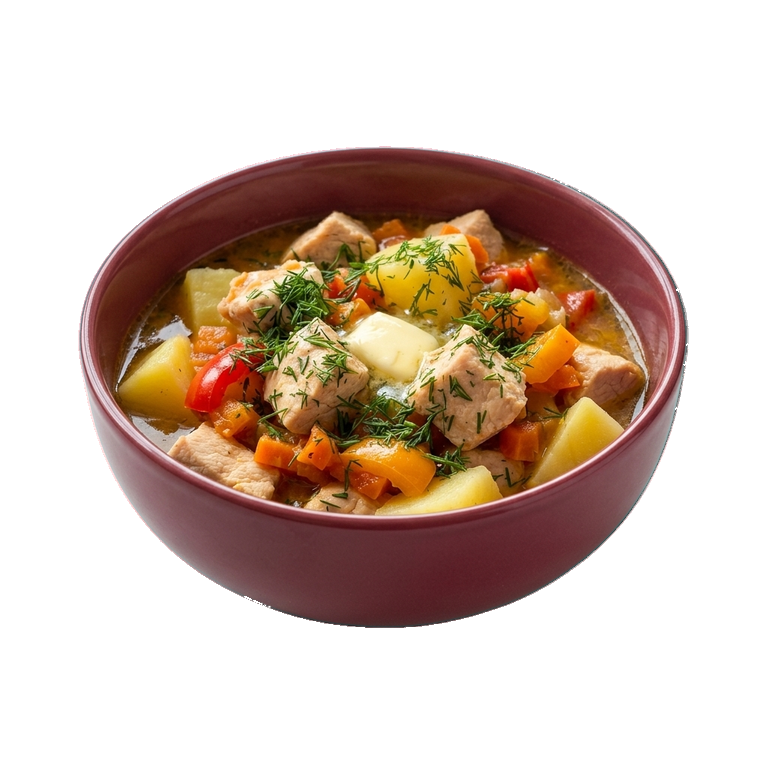
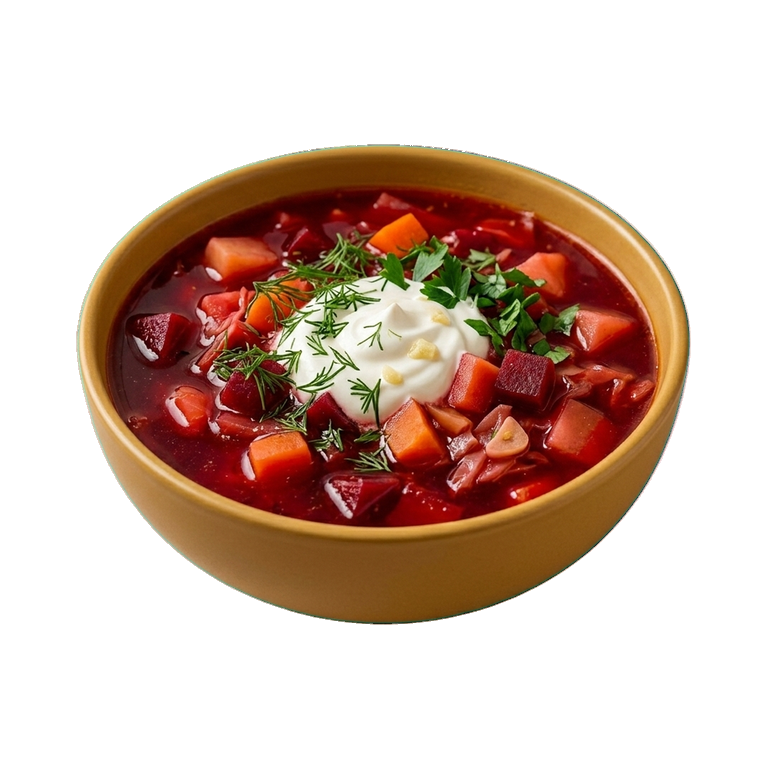
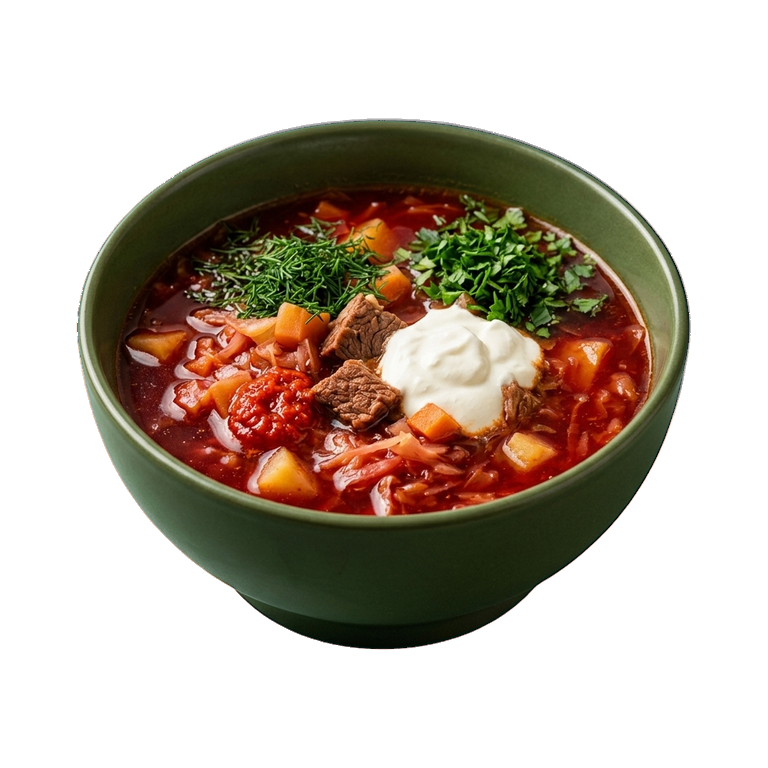
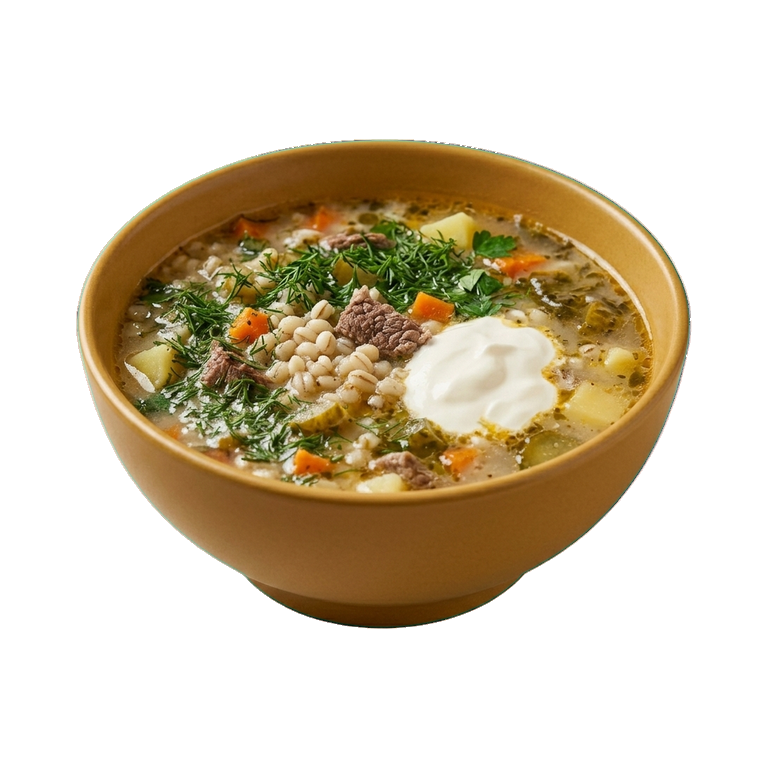
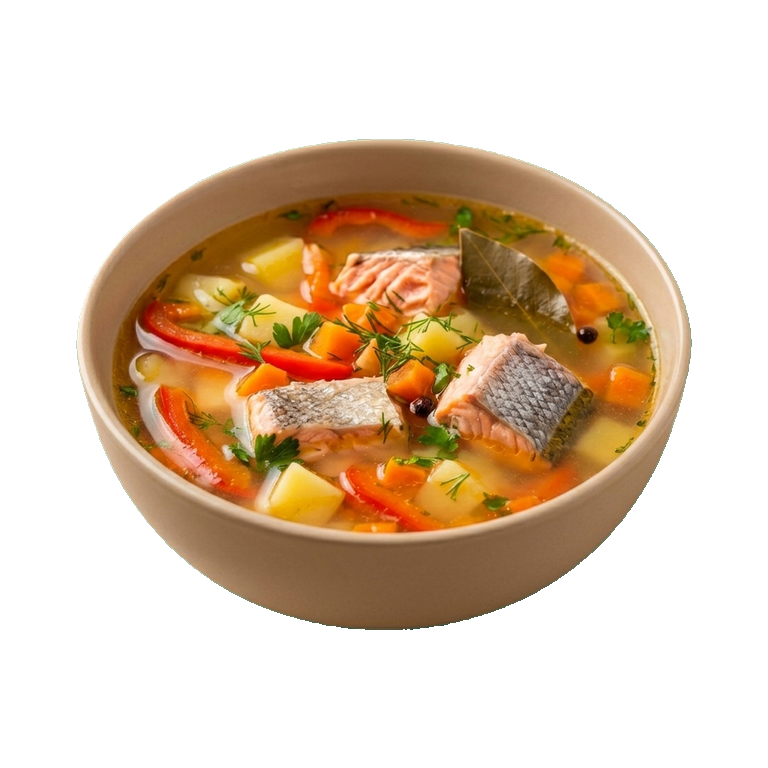
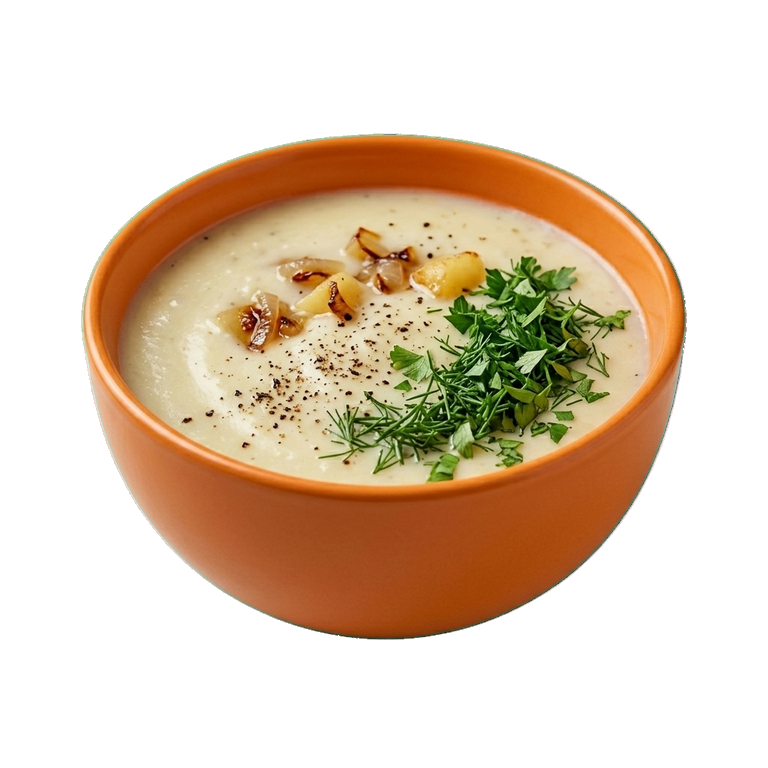
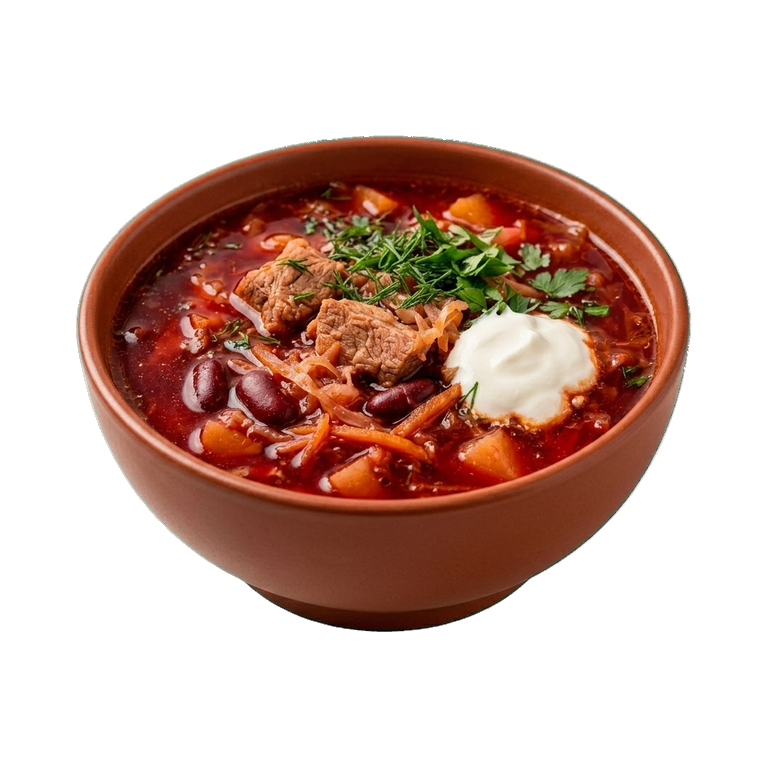
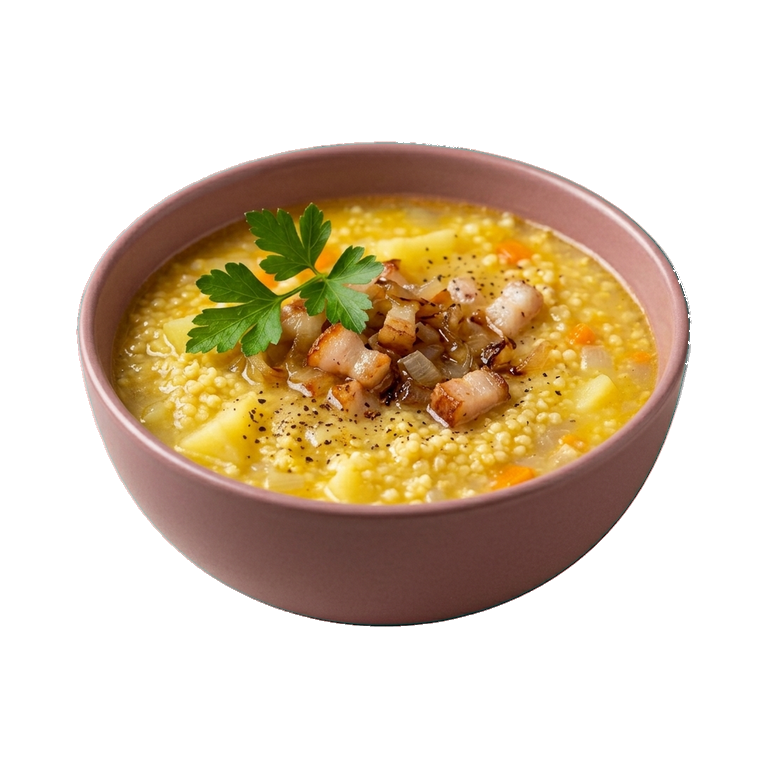
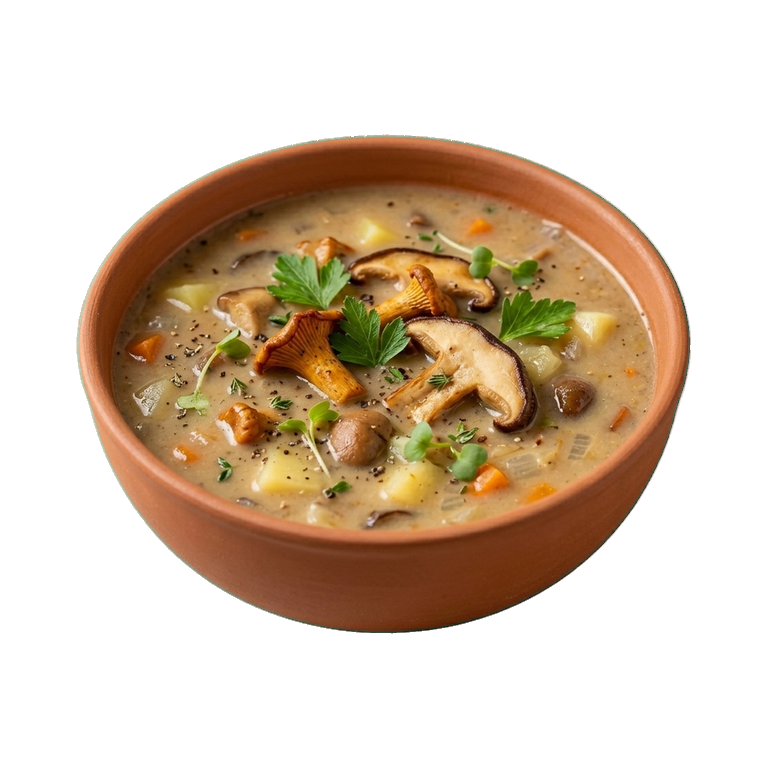
- In soups, potatoes thicken the broth and make it more satisfying
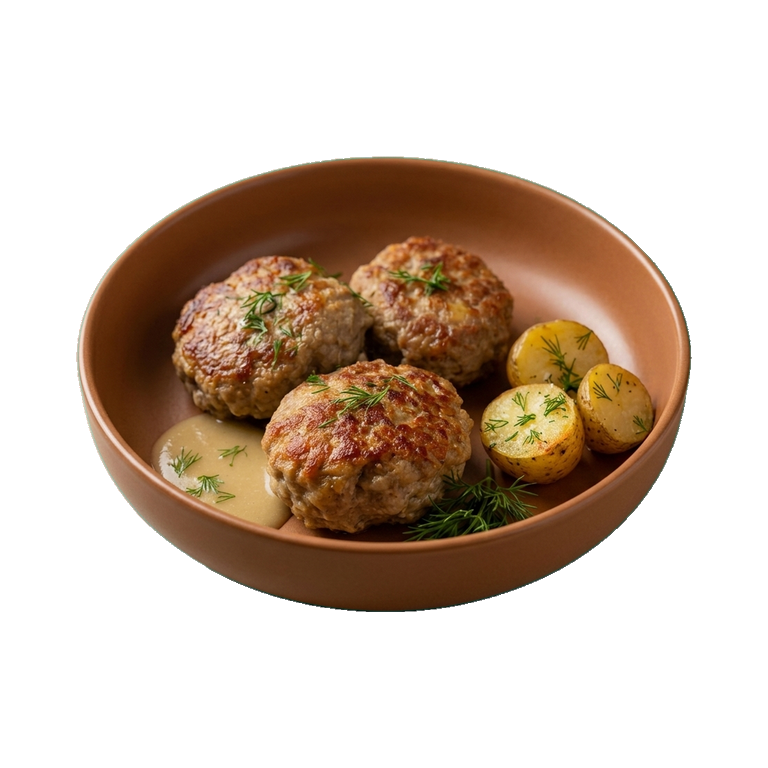
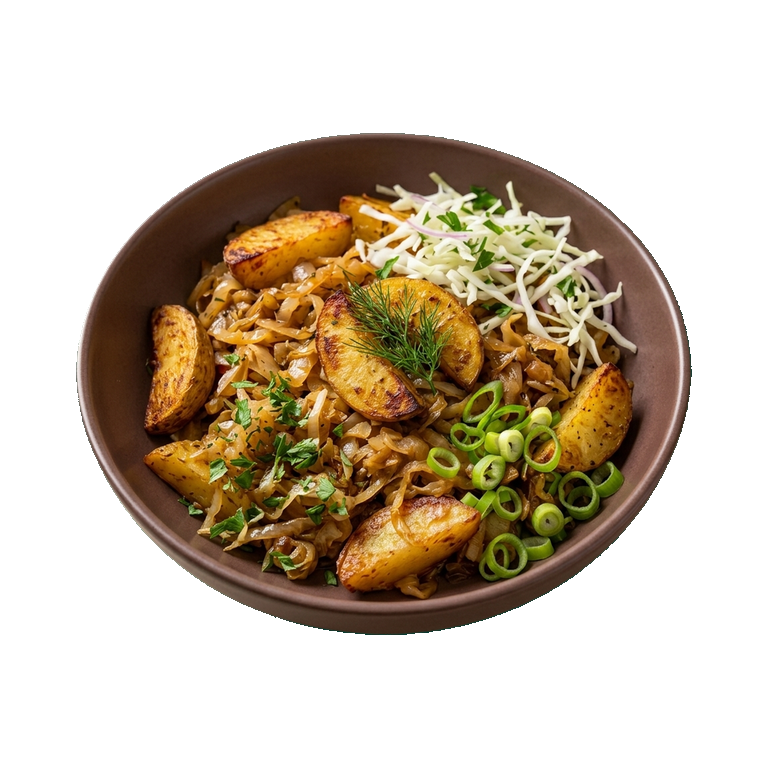
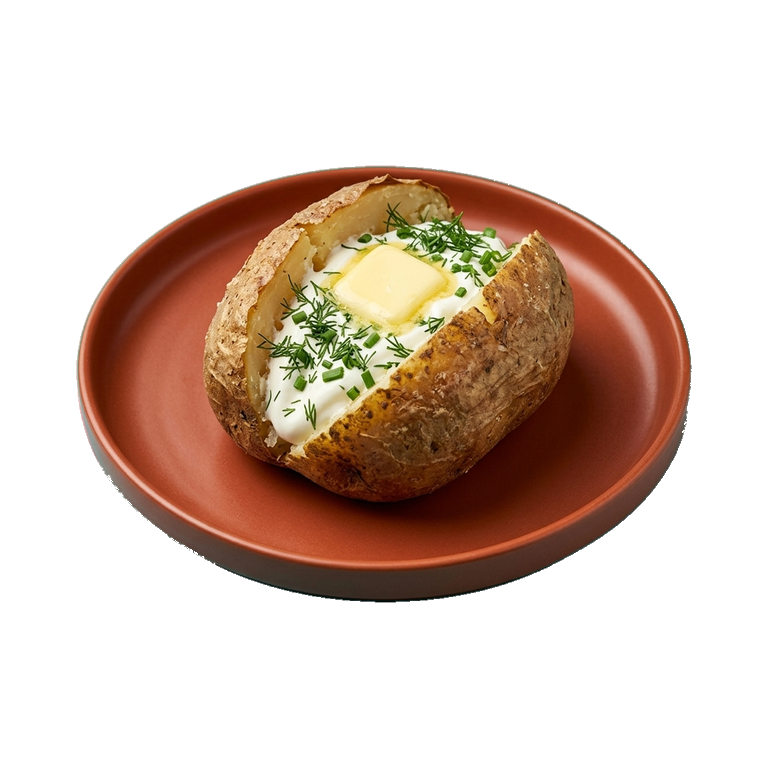
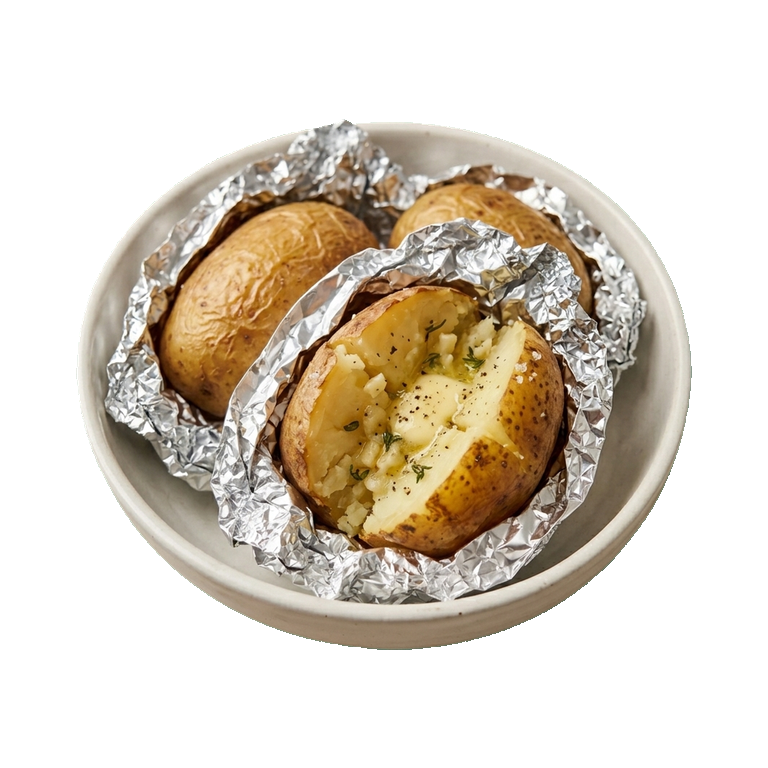
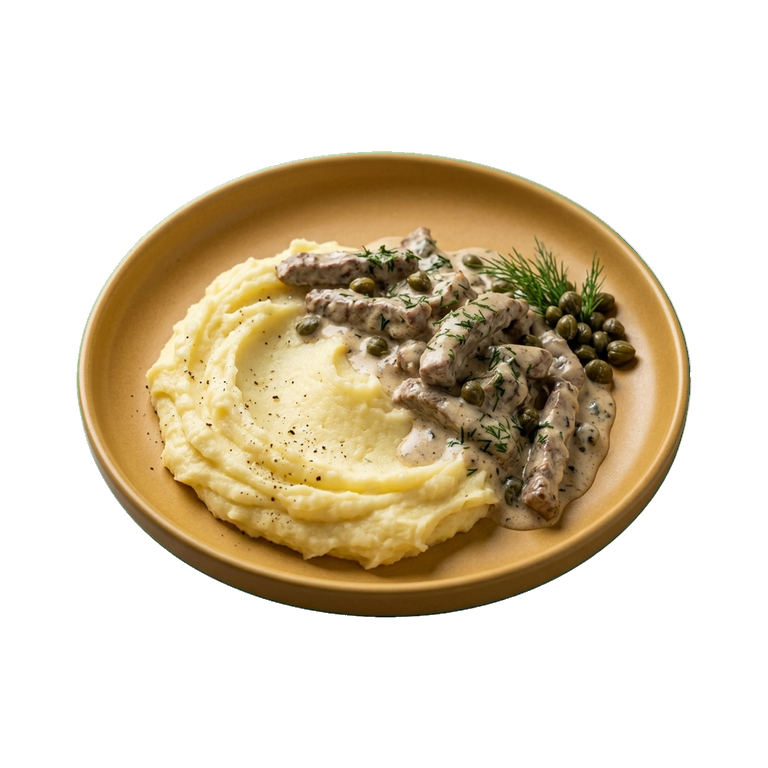
- In side dishes — boiled, fried, baked or as a puree
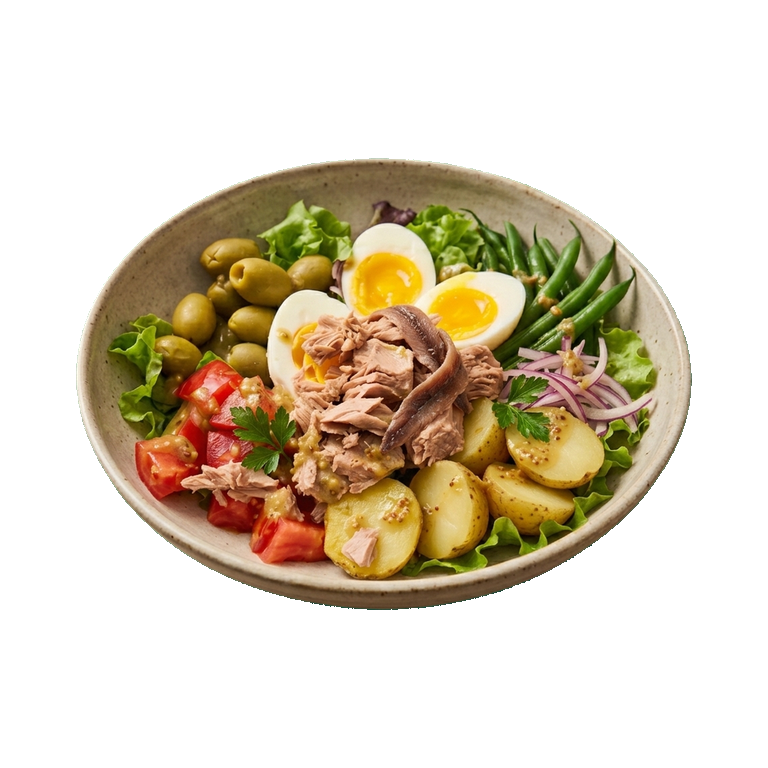
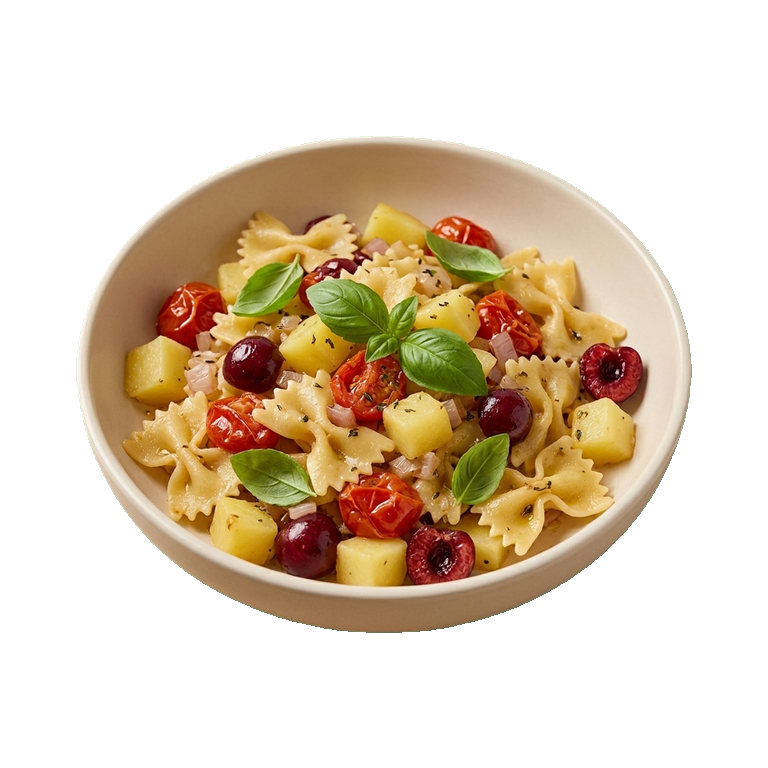
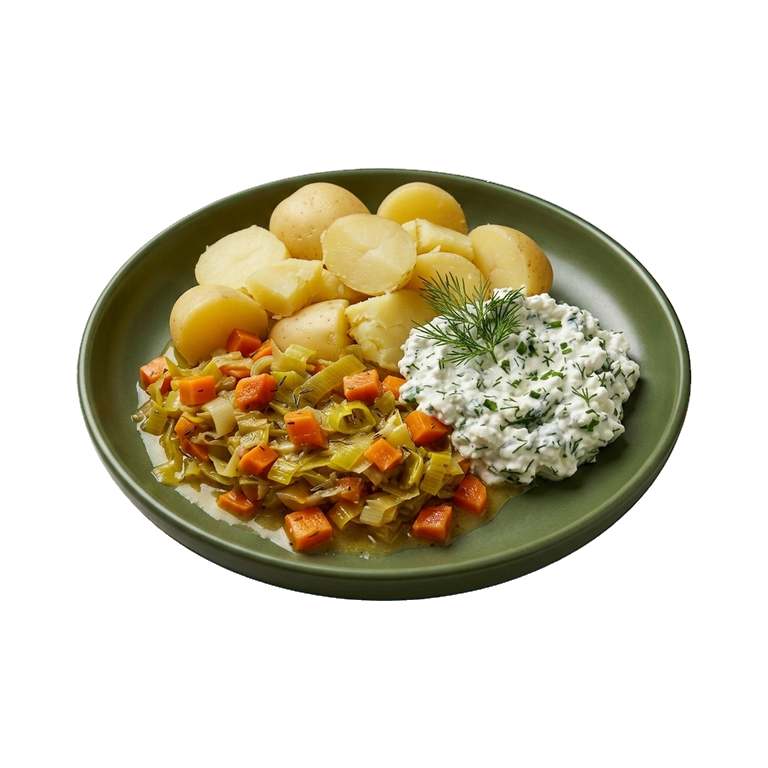
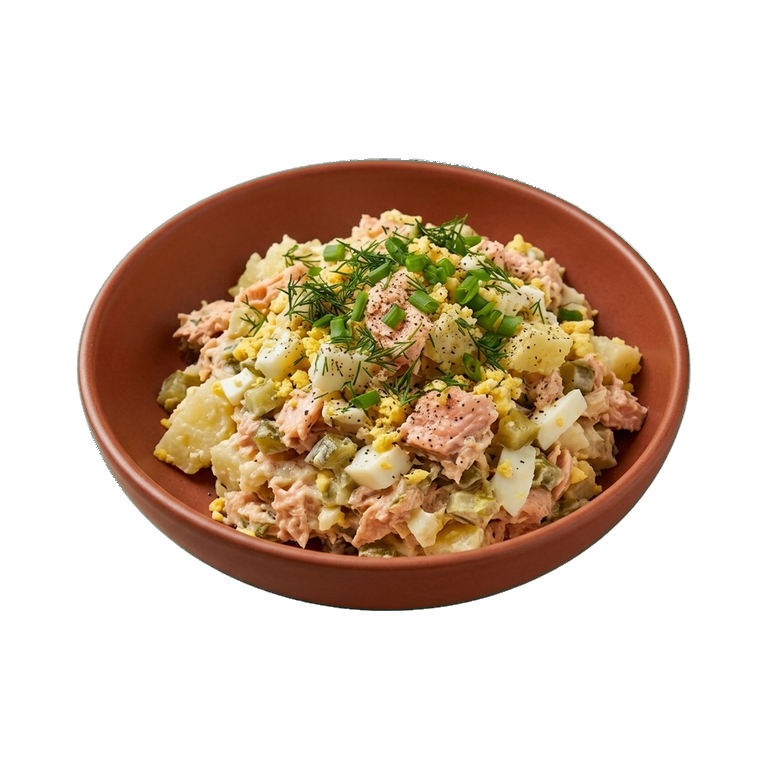
- In salads, it's best to use new potatoes or waxy varieties
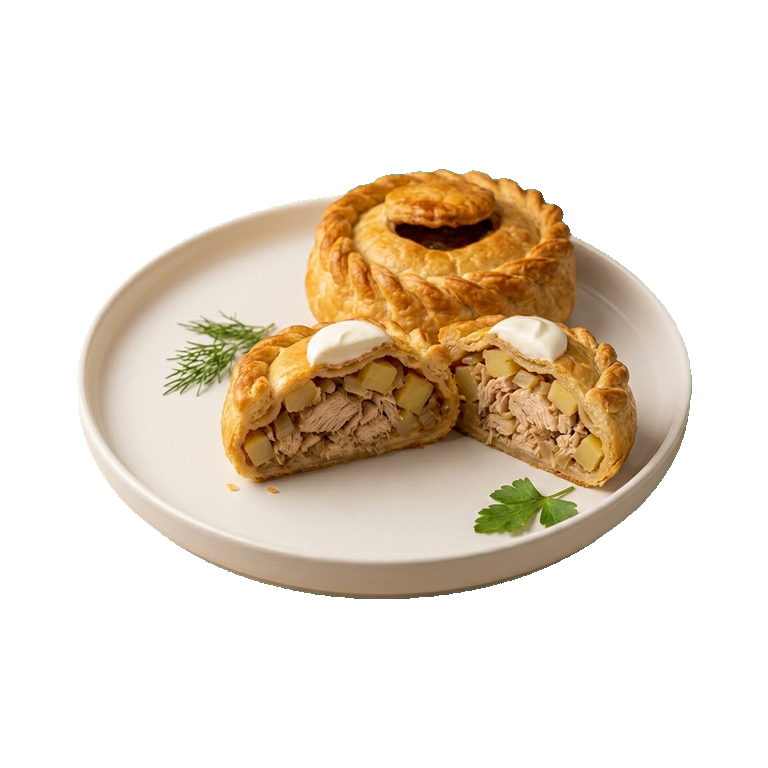
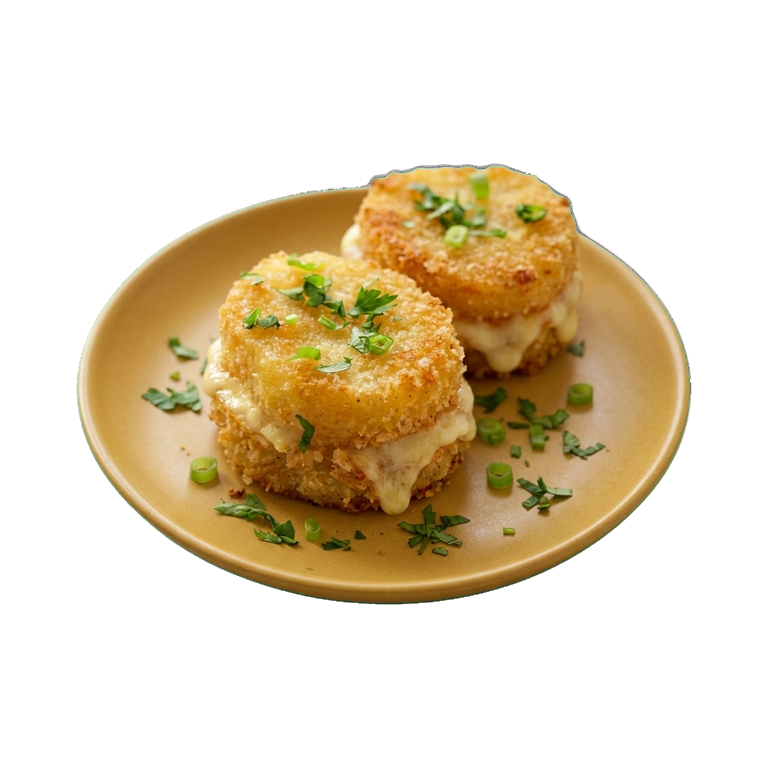
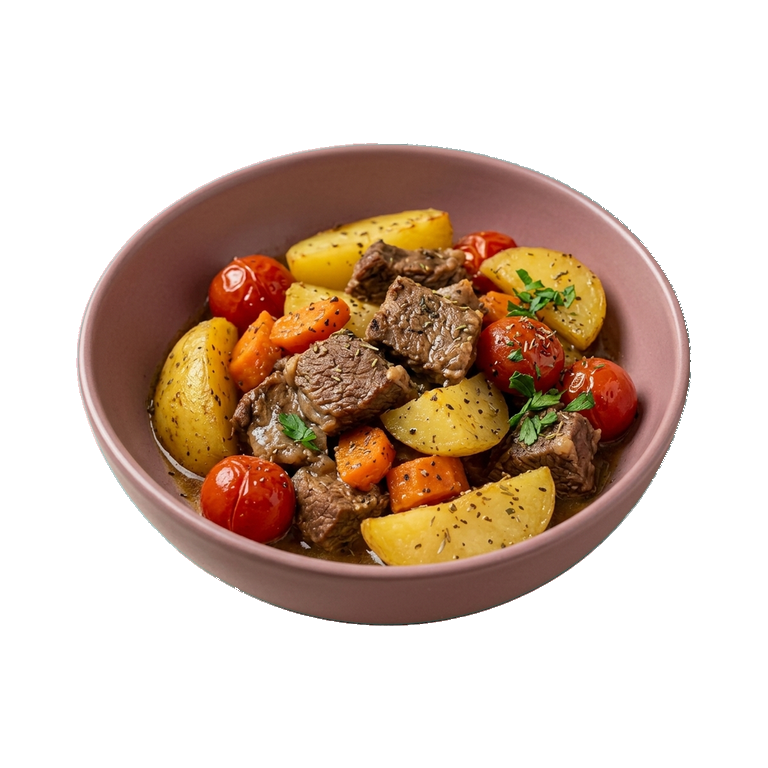
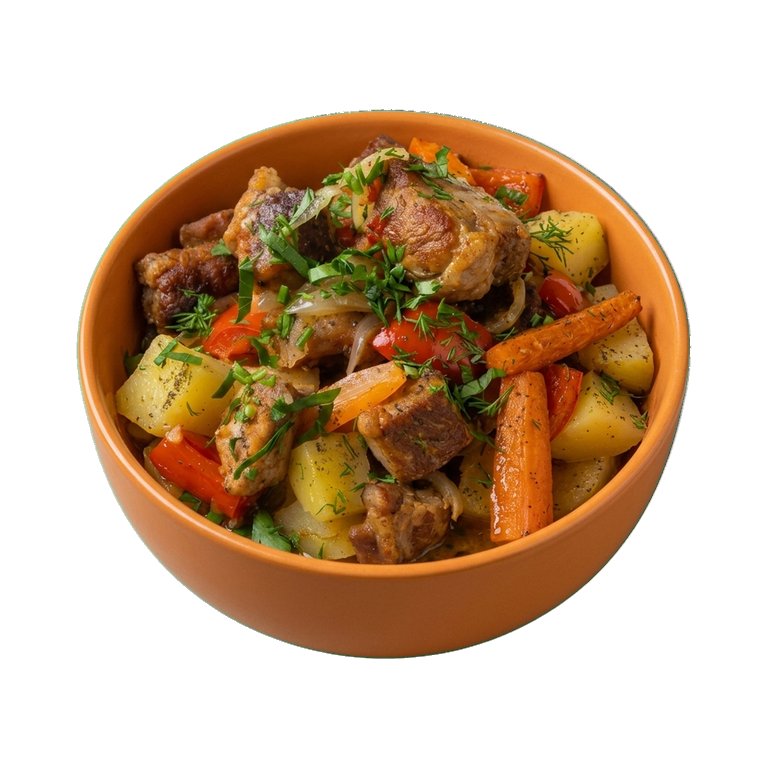
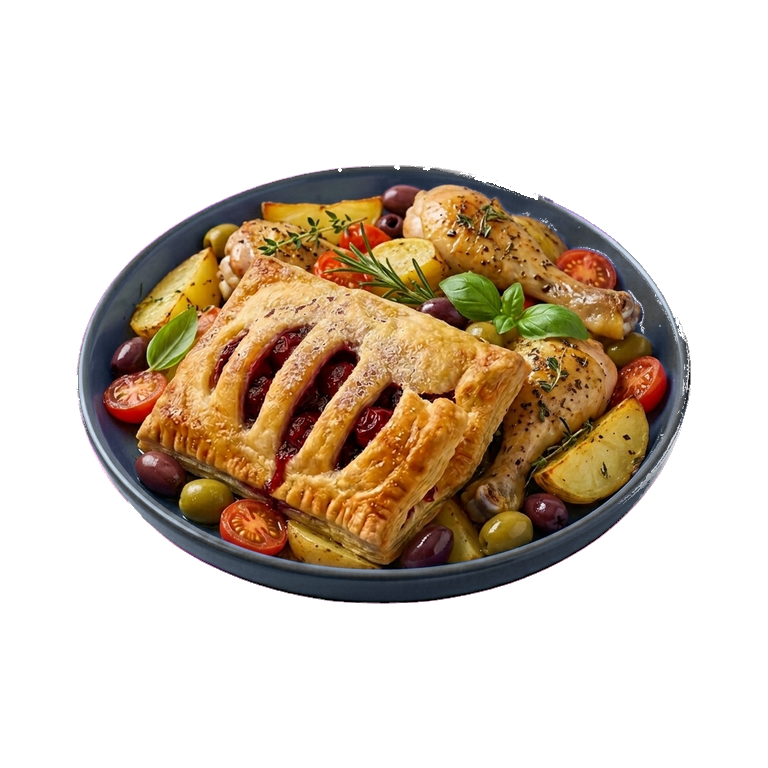
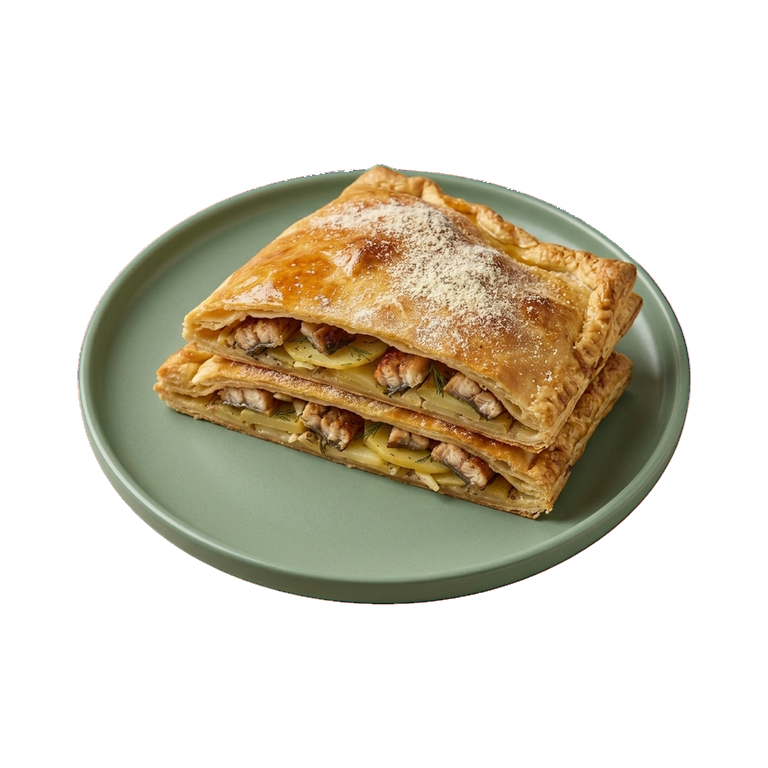
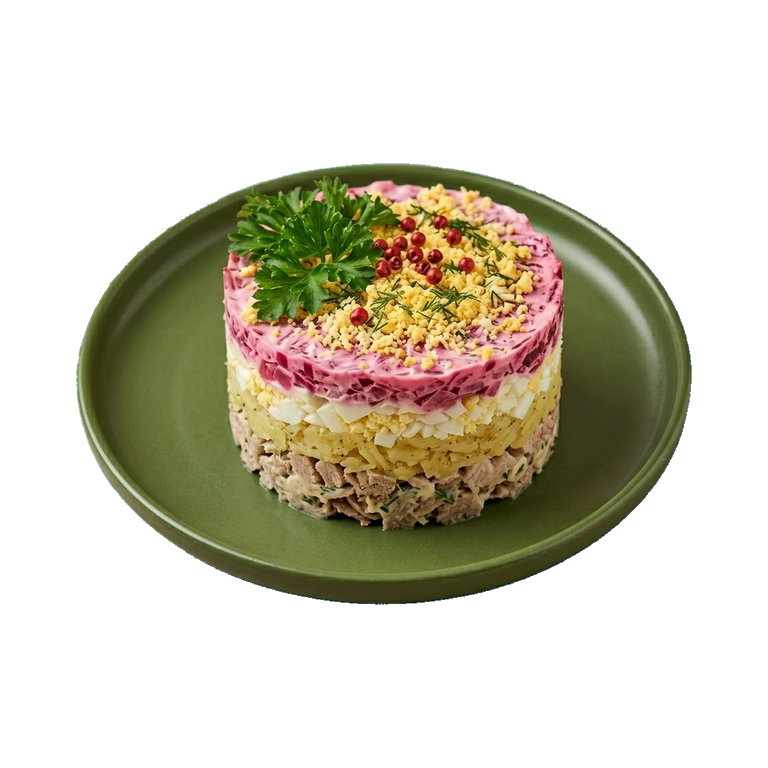
- In casseroles and main dishes, potatoes become the base that brings together the remaining ingredients
- In sauces, starch helps achieve the desired consistency
How to Choose and Store
Choose potatoes without soft spots, sprouts, and green areas. The skin should be intact. Young potatoes have thin skin that peels off easily with a fingernail — they are boiled whole and not peeled. Store potatoes in a cool, dark place, away from light: in light they turn green and accumulate solanine, which tastes bitter.
Do not store potatoes in the refrigerator: cold converts starch into sugar, and the taste changes. A regular pantry or cellar provides ideal conditions. If the potatoes have already turned green, cut away the green parts deeper than usual.
Practical Tips
- Cut potatoes to uniform size so they cook evenly
- If boiling whole potatoes, place them in already boiling water — this way they will retain more vitamins
- For crispy frying, pat cut potatoes dry with paper towels
- Potato starch can be used as a thickener for sauces and gravies
Nutrition
per 100 g
- Calories
- 77 kcal
- Protein
- 2 g
- Fat
- 0.1 g
- Carbs
- 17.5 g
Measures and weight
- 1 pcs
- 150 g
Measure calculator
- Weight
- 100 g
- Calories
- 77 kcal