Usuba
Usuba
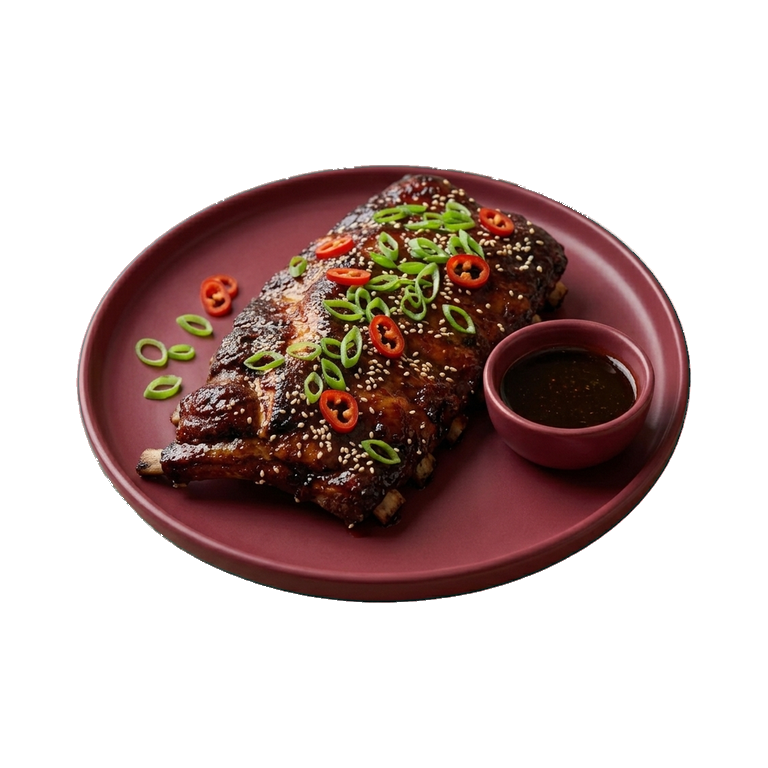
Pork Ribs
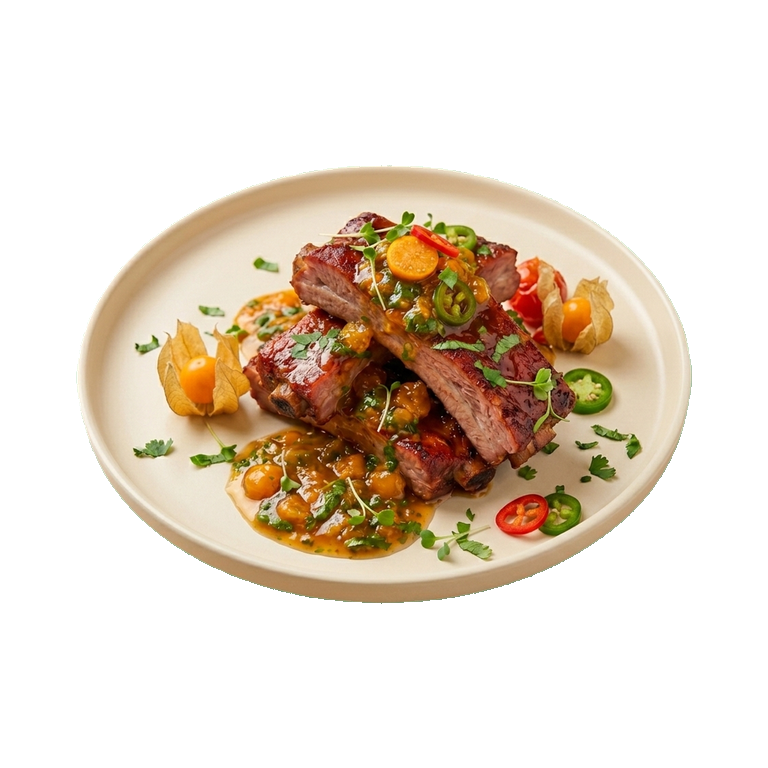
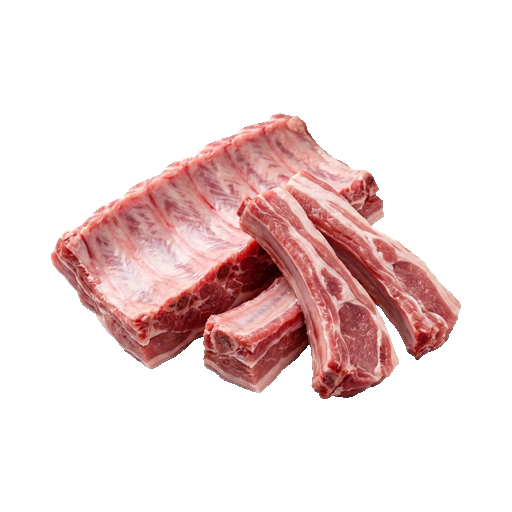
Pork ribs are bone-in meat from the pig's chest cavity, containing layers of fat and connective tissue that give it rich flavor and tender texture when properly cooked. They are ideal for slow braising, smoking, and roasting — the fat gradually renders while the meat becomes soft and easily separates from the bone. When selecting ribs, pay attention to the meat color (should be pinkish-red), absence of odor, and how firmly the meat adheres to the bones.
Micronutrients
per 100 g
Minerals
About
Pork ribs are one of the most rewarding cuts of meat for home cooking. They contain enough fat to stay juicy with any cooking method, and at the same time are affordable. Ribs are great because they cook relatively quickly, and the result is almost always delicious — even if you're not a professional chef.
Taste and texture
Pork ribs have a rich, slightly sweet flavor. The layers of fat between the bones make the meat tender and literally melt in your mouth when cooked properly. The bone adds depth and richness to the broth and the meat itself — this is important to consider when choosing a cooking method.
Pork ribs absorb marinades and spices well. They work equally well with both hot spices and mild herbs. The meat has a fibrous texture, but becomes more tender and easier to separate from the bone with slow cooking.
Cooking Methods
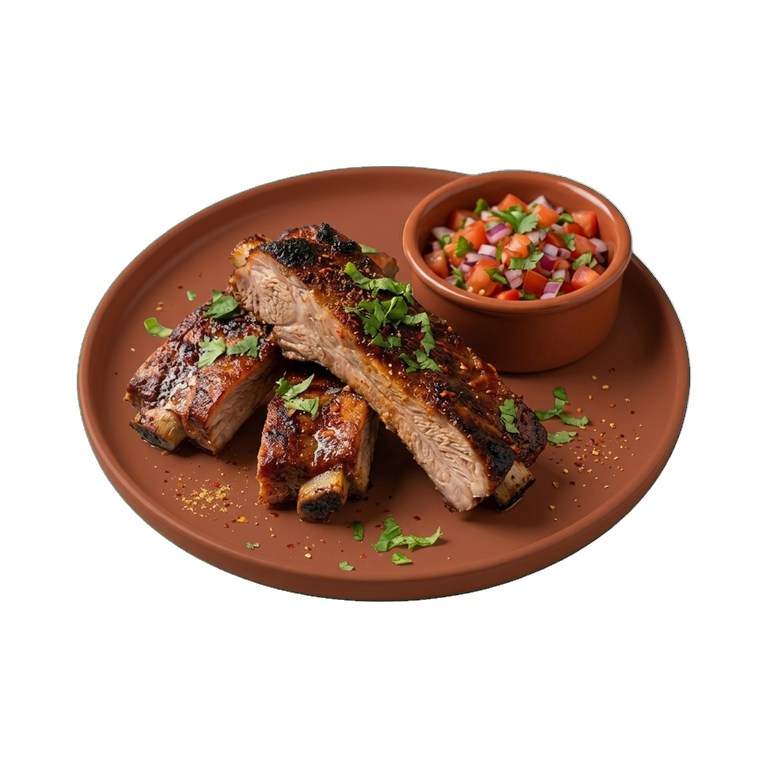
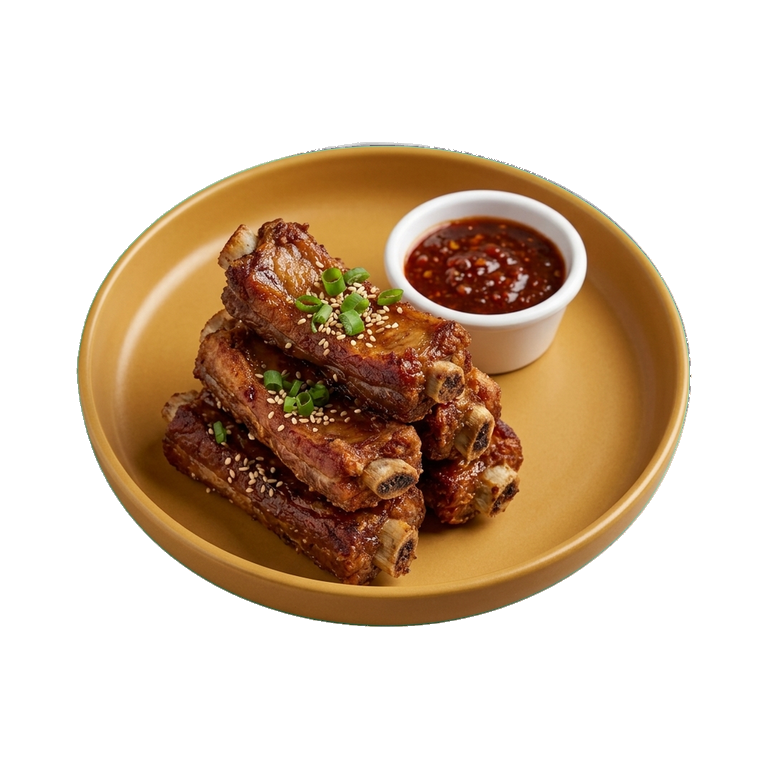
- Baking in the oven — a classic method. Ribs are marinated, placed on a baking sheet, and cooked at 160–180 °C for about an hour and a half. Result — tender meat with a crispy crust.
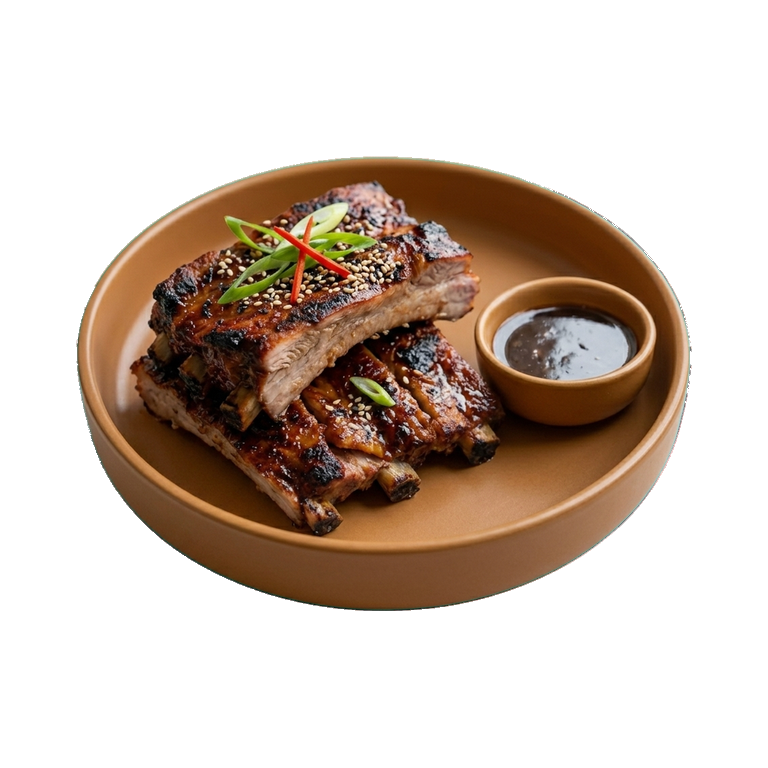
- On a grill or barbecue — ribs cook faster, acquire a smoky aroma and characteristic grill marks. Time depends on the intensity of the fire, usually 20–40 minutes.
- In a multicooker or pressure cooker — convenient for weekdays. Ribs cook under pressure for 30–40 minutes and become very tender.
- On a skillet with subsequent stewing — a quick method for small portions. First, sear until a crust forms, then simmer in sauce or broth.
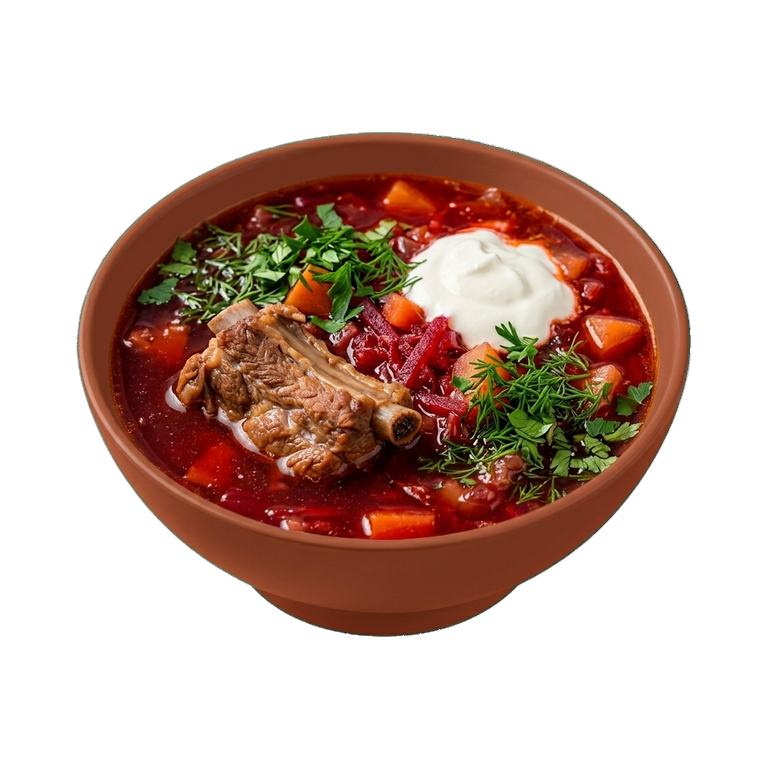
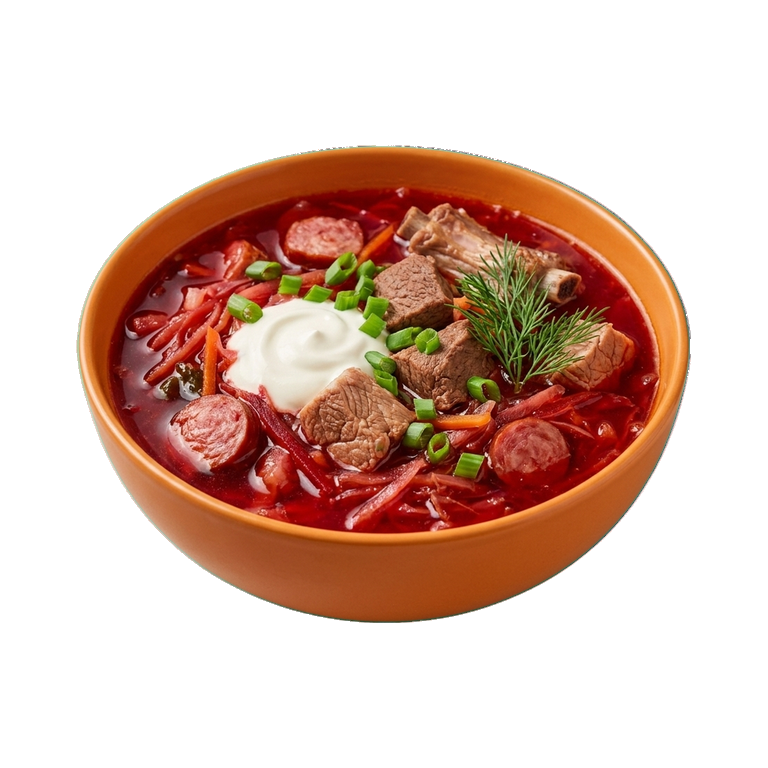
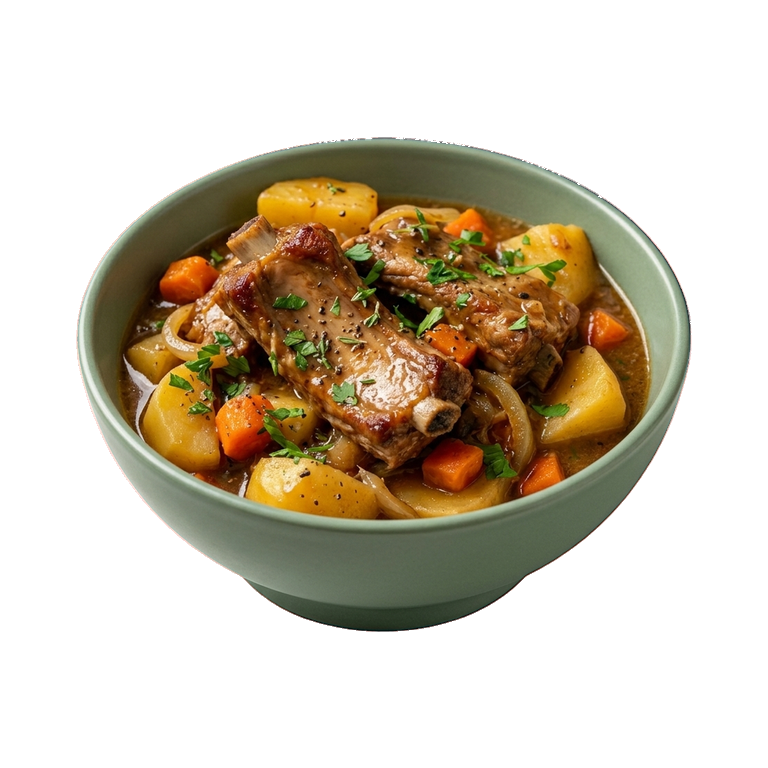
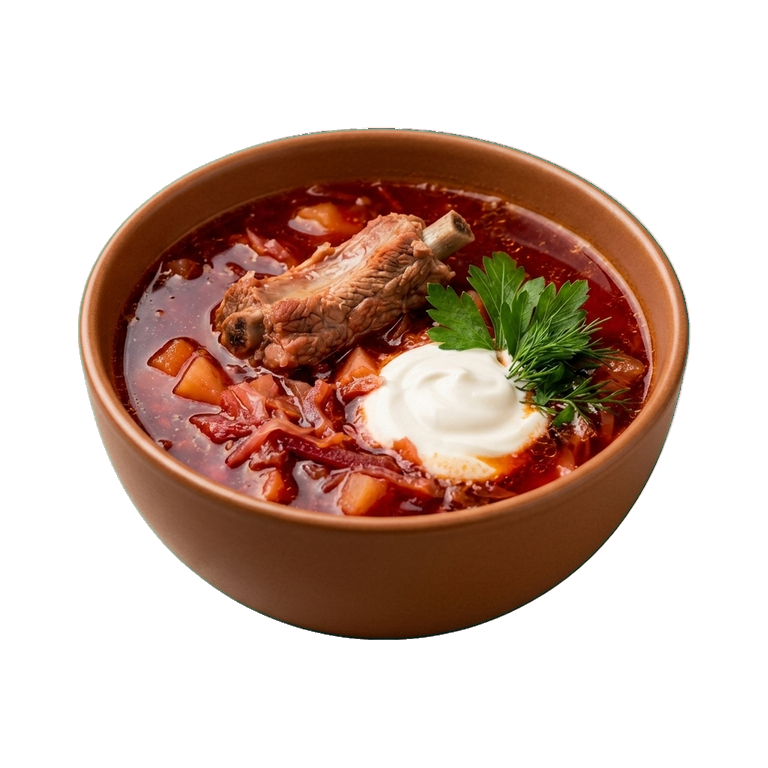
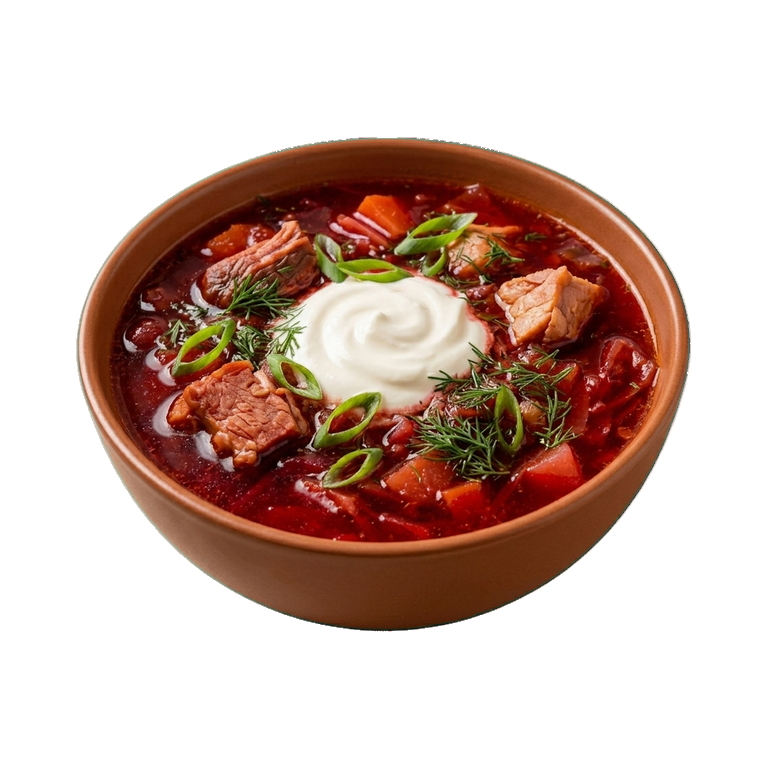
- Boiling in broth — for soups and stews. Ribs impart all their sweetness to the meat and bones, making the broth rich and aromatic.
Delicious Combinations
Pork ribs pair well with acidity — tomato sauce, vinegar, lemon juice, or wine. Acidity balances the richness of the meat and makes it lighter. Try a marinade made from soy sauce, ginger, and garlic — a classic Asian combination that highlights the natural flavor of the ribs.
- Spicy spices: paprika, chili, black pepper, cayenne pepper
- Sweet notes: honey, brown sugar, maple syrup
- Herbs: rosemary, thyme, oregano, coriander
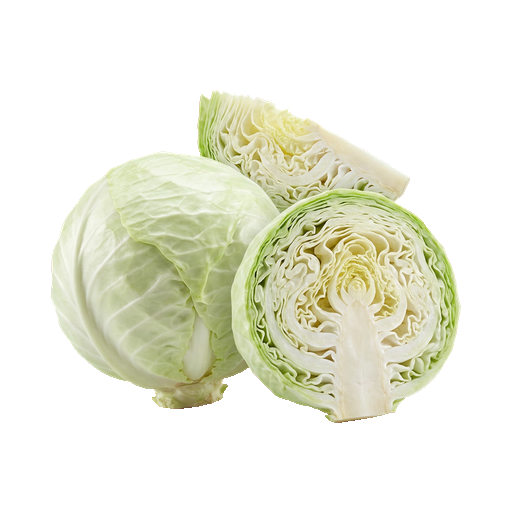
- Side dishes: potatoes, corn, cabbage, rice
Selection and Storage
When purchasing, pay attention to the color of the meat — it should be pink or light red, without gray spots. The fat should be white or creamy, not yellow. Ribs with meat fit more tightly against the bone — this is a sign of freshness and good quality.
Fresh ribs should be stored in the refrigerator for a maximum of 3–4 days in the coldest part. If you plan to cook them later, freeze them — they will maintain their quality in the freezer for up to three months. Before cooking, let the ribs thaw in the refrigerator overnight for better results than quick thawing.
Pork ribs are a versatile ingredient that forgives mistakes and always turns out delicious. They're great for a festive table and for an ordinary weeknight dinner. The main thing is not to be afraid to experiment with spices and sauces.
Nutrition
per 100 g
- Calories
- 320 kcal
- Protein
- 25 g
- Fat
- 25 g
- Carbs
- 0 g
Micronutrients
per 100 g
Macronutrients
- Fiber
- 0 g
- Sugars
- 0 g
- Saturated fat
- 5.783 g
- Monounsaturated fat
- 6.861 g
- Polyunsaturated fat
- 2.676 g
- Omega-3 (EPA + DHA)
- 0.002 g
- Cholesterol
- 69 mg
- Water
- 63.47 g
Minerals
- Sodium
- 87 mg
- Potassium
- 247 mg
- Calcium
- 31 mg
- Magnesium
- 16 mg
- Phosphorus
- 154 mg
- Iron
- 0.76 mg
- Zinc
- 2.54 mg
- Copper
- 0.09 mg
- Manganese
- 0.01 mg
- Selenium
- 30.7 mcg
Vitamins
- Vitamin A (RAE)
- 7 mcg
- Vitamin D
- 1.1 mcg
- Vitamin E
- 0.24 mg
- Vitamin K
- 0 mcg
- Vitamin C
- 0 mg
- Vitamin B1 (thiamin)
- 0.46 mg
- Vitamin B2 (riboflavin)
- 0.31 mg
- Vitamin B3 (niacin)
- 6.78 mg
- Vitamin B5 (pantothenic acid)
- 0.82 mg
- Vitamin B6
- 0.42 mg
- Vitamin B9 (folate, DFE)
- 0 mcg
- Vitamin B12
- 0.6 mcg
Measures and weight
- 1 pcs
- 150 g
Measure calculator
- Weight
- 100 g
- Calories
- 320 kcal