Usuba
Usuba
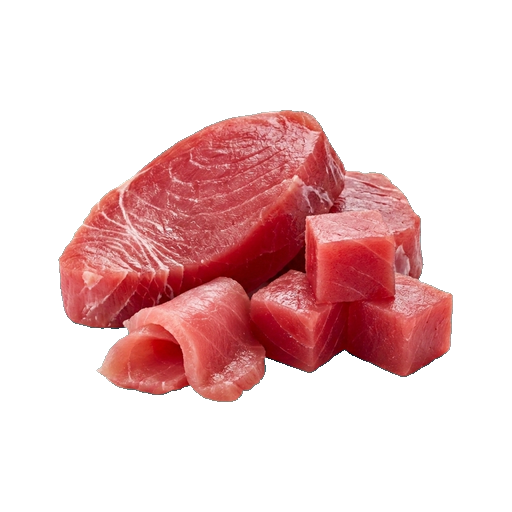
Tuna
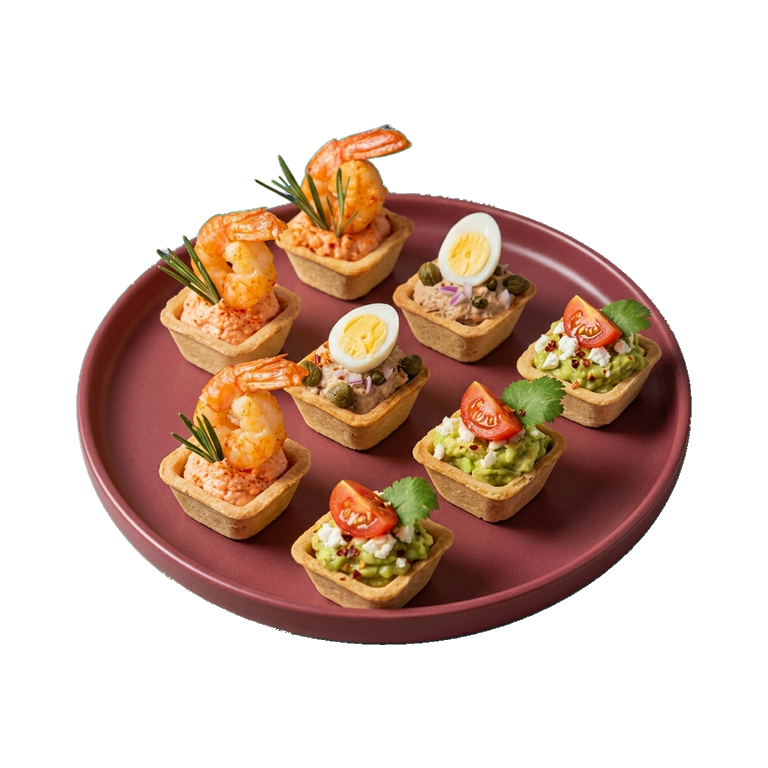
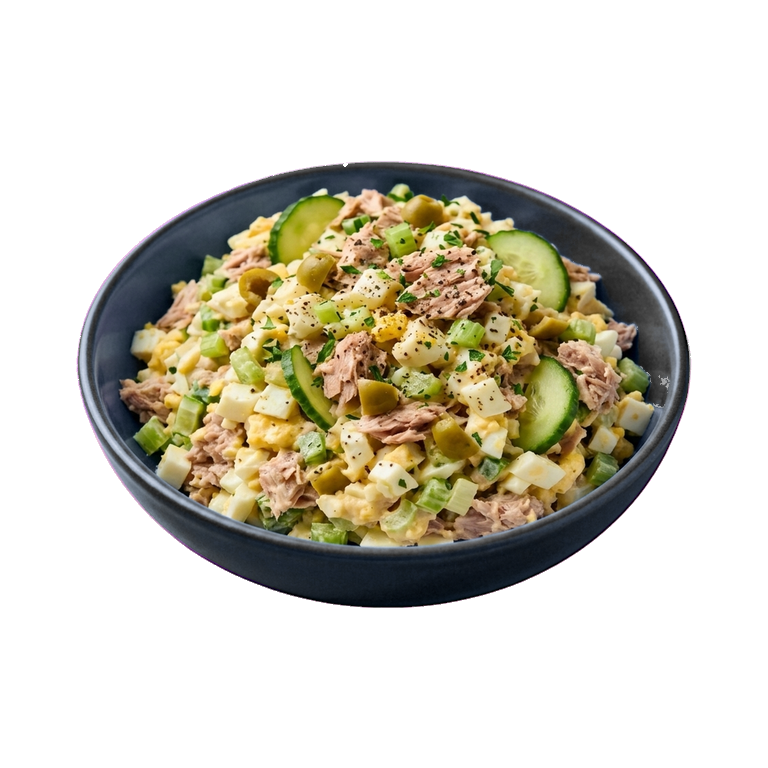
Tuna is a large saltwater fish with dense meat that can be red, pink, or white depending on the species and cut. Its meat is rich in protein and omega-3 fatty acids, with a mild fish flavor and no strong odor. In cooking, tuna is used for sushi and sashimi (raw), grilled, boiled, stewed, canned, and added to salads and appetizers — it's important not to overcook it during heat treatment, as the meat quickly loses moisture.
About
Aroma and Flavor
Tuna is a fish with dense meat and a pronounced sea aroma. The taste depends on the type and processing method: fresh tuna offers a clean, slightly sweet flavor with mineral notes, canned tuna has a more intense and salty taste. The meat is red or pink, almost like mammal meat, which makes it recognizable on the table both raw and after heat treatment.
The structure is fibrous and dense, without the looseness characteristic of many fish. This allows tuna to hold its shape well when sliced and not fall apart in the pan. Fat content varies: the belly contains more fat, the back is drier, which is important to consider when choosing a piece for a specific dish.
Role in Dishes
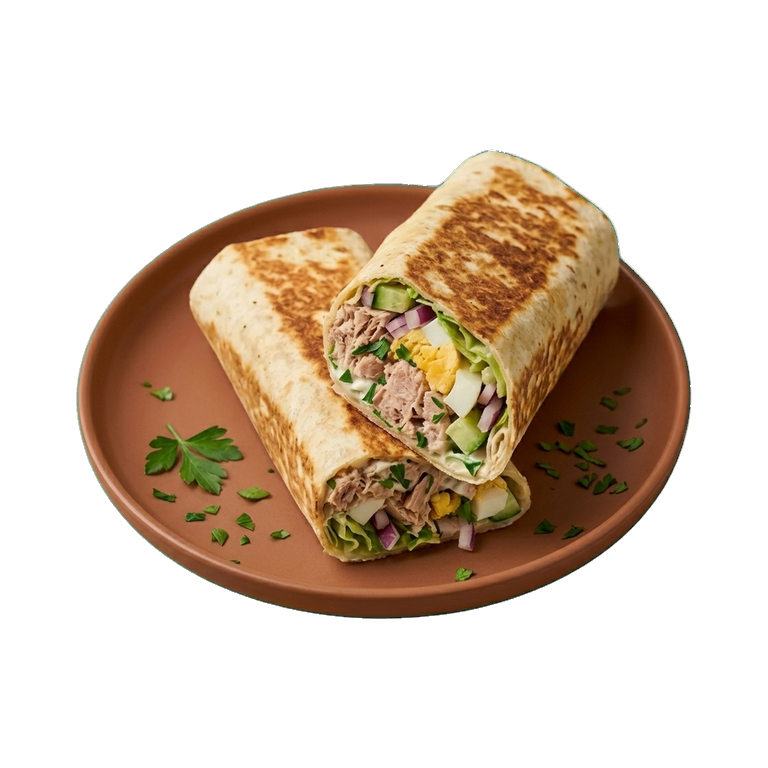
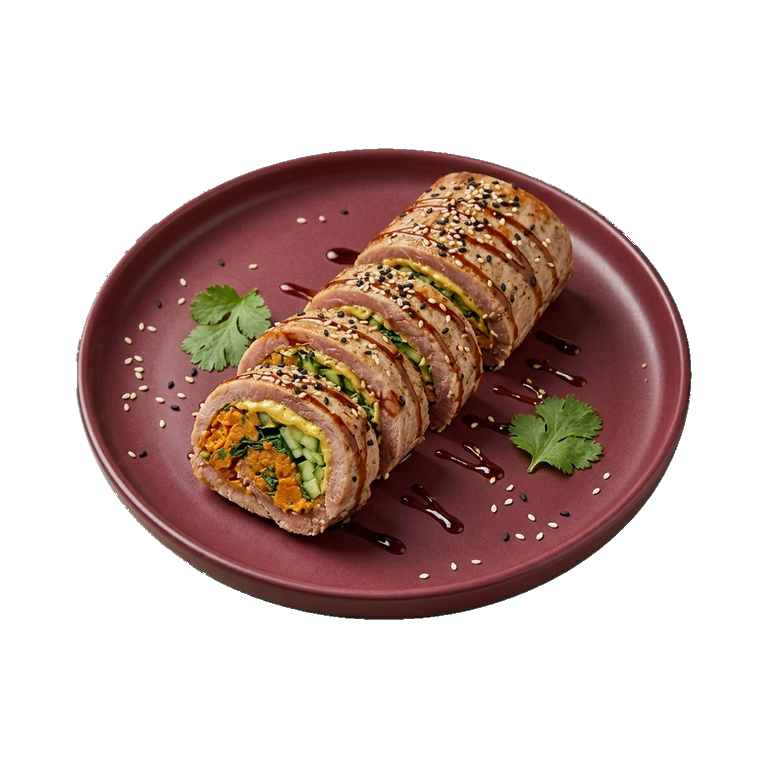
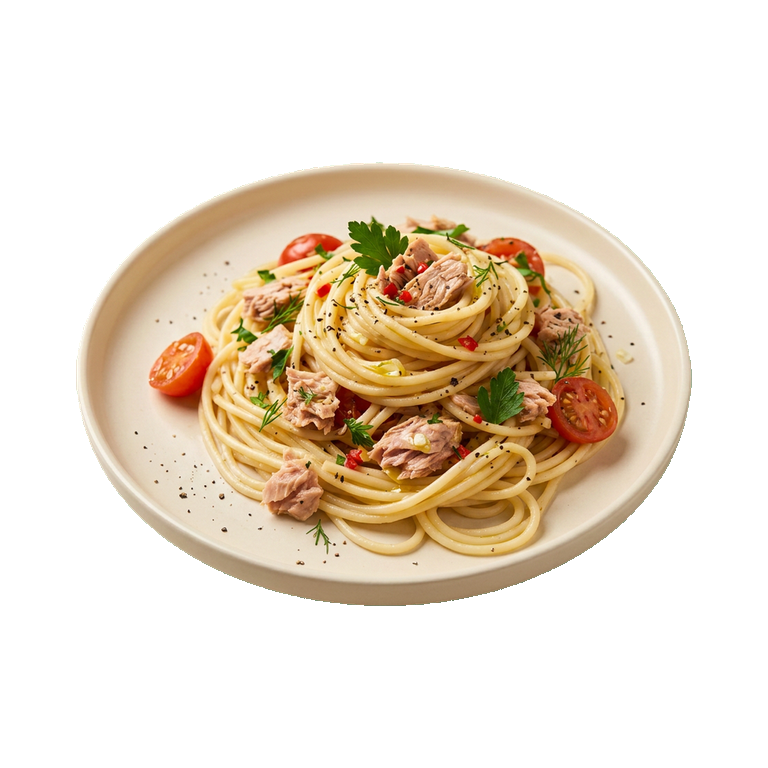
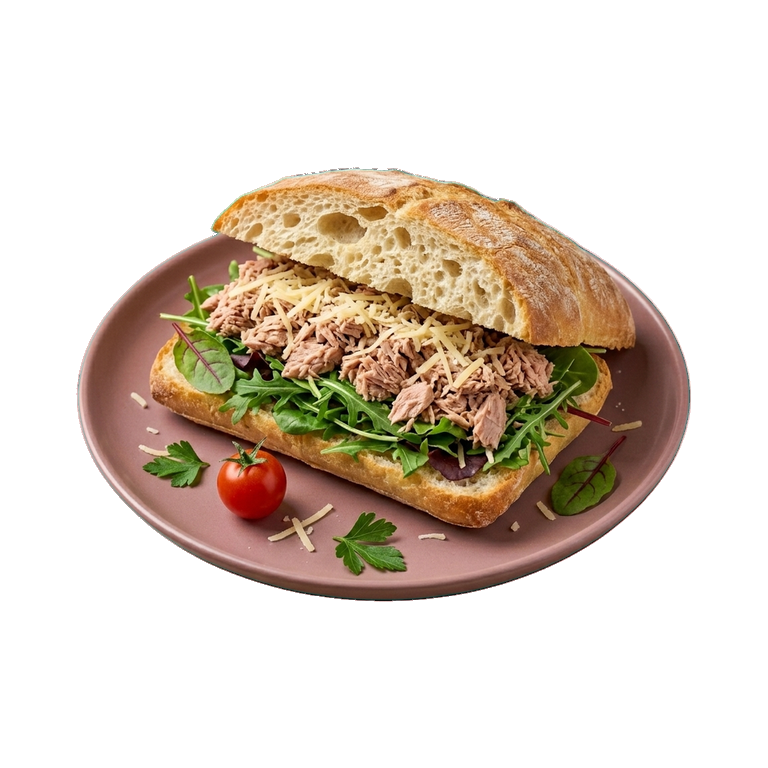
Tuna is versatile: it is eaten raw in sushi and sashimi, poached, fried, grilled, added to salads and pasta. The main rule is not to overcook: even five minutes over high heat will turn tender meat into dry crumbs. Canned tuna saves the day when in a hurry: it is ready to eat, holds its shape well in salads, and works great for sandwiches.
- Fresh steak — fry over high heat for 1–2 minutes on each side
- Raw — slice with a sharp sushi knife for sashimi
- In salads — pairs well with citrus, avocado, spicy sauces
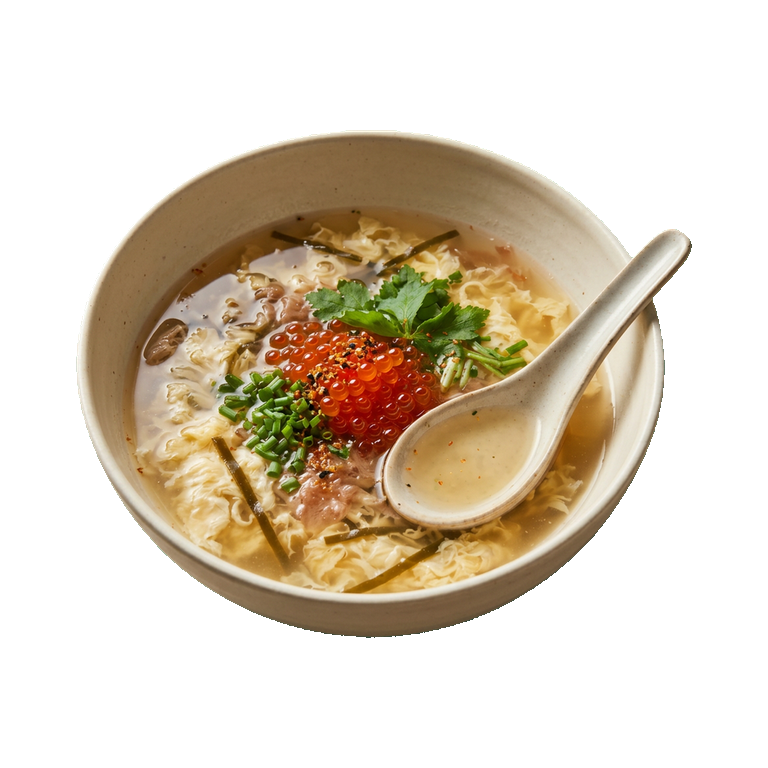
- In soups and broths — add at the end of cooking
- Canned — base for pasta, fish pâtés, fillings
Combinations and Selection
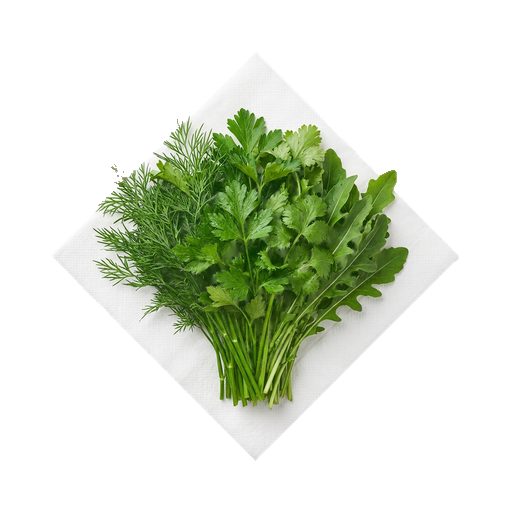
Tuna works well with bold flavors: lemon and lime highlight its freshness, ginger and wasabi add heat, soy sauce enhances saltiness. Creamy sauces soften the intensity, while herbs like dill and parsley don't overpower but balance the seafood flavor.
When choosing fresh tuna, pay attention to its color: it should be bright, without gray or brown spots. The smell should be clean and oceanic, with no ammonia odor. Canned tuna is better purchased in its own juice or oil rather than in brine, unless you plan to drain the liquid before use. Store fresh tuna in the refrigerator for no more than two days, and canned tuna in a dark, cool place according to the expiration date on the package.
The main mistake is overcooking. Even dense tuna meat requires respect for timing. If you're unsure, it's better to undercook it: you can always put it back on the heat, but overcooked meat cannot be saved.
Nutrition
per 100 g
- Calories
- 144 kcal
- Protein
- 29.9 g
- Fat
- 1.3 g
- Carbs
- 0 g
Measures and weight
- 1 can
- 185 g
Measure calculator
- Weight
- 100 g
- Calories
- 144 kcal