Usuba
Usuba
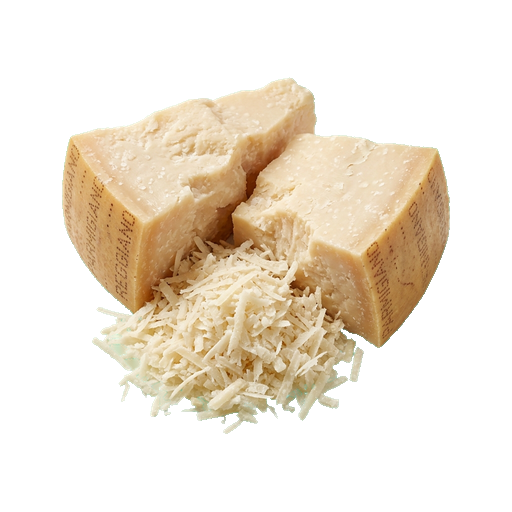
Grated Parmesan cheese
A hard cheese with a sharp, salty flavor and a characteristic nutty aroma that becomes more intense when grated. Thanks to its low moisture content, it keeps well and melts quickly, making it ideal for topping hot dishes—pasta, risotto, soups, and vegetables. When choosing, pay attention to the texture: quality Parmesan crumbles rather than clumps together and has a light creamy color without any yellowish tint.
Micronutrients
per 100 g
Minerals
About
Grated Parmesan is not just a topping for pasta. It is a working ingredient that transforms a dish from the very first pinch. When cheese is already grated, it melts faster, distributes more evenly, and immediately releases its aroma. For a chef, this means time savings and predictable results.
Aroma and Taste
Grated Parmesan has a sharp smell with a slightly nutty note. The taste is salty, with a pleasant bitterness and a long aftertaste. If the cheese is fresh, you can feel a subtle sweetness in it; if it's aged, it becomes more pungent and pronounced. It is this intensity that allows you to use it economically: just a teaspoon will already make a difference.
Where and how to use
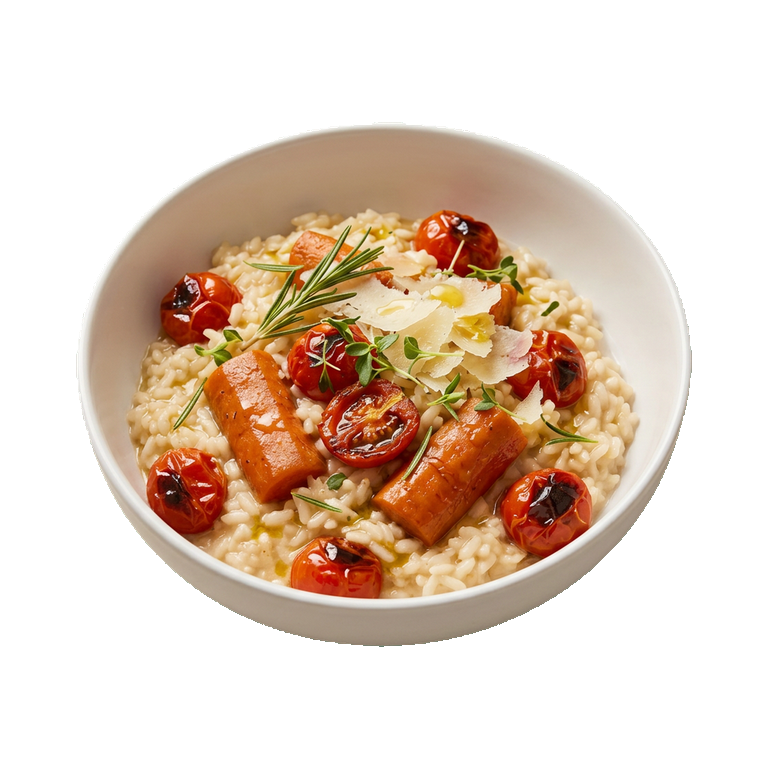
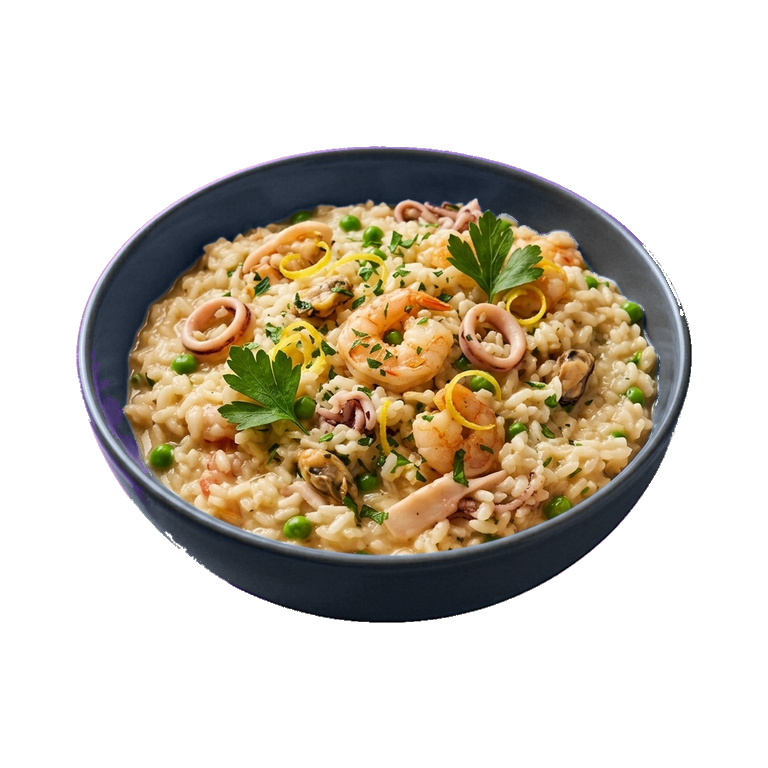
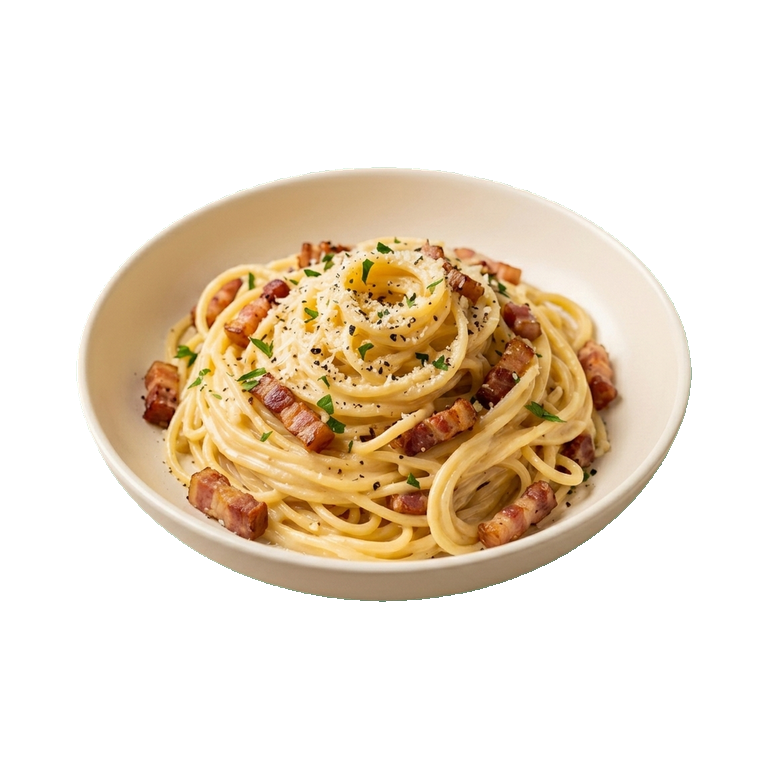
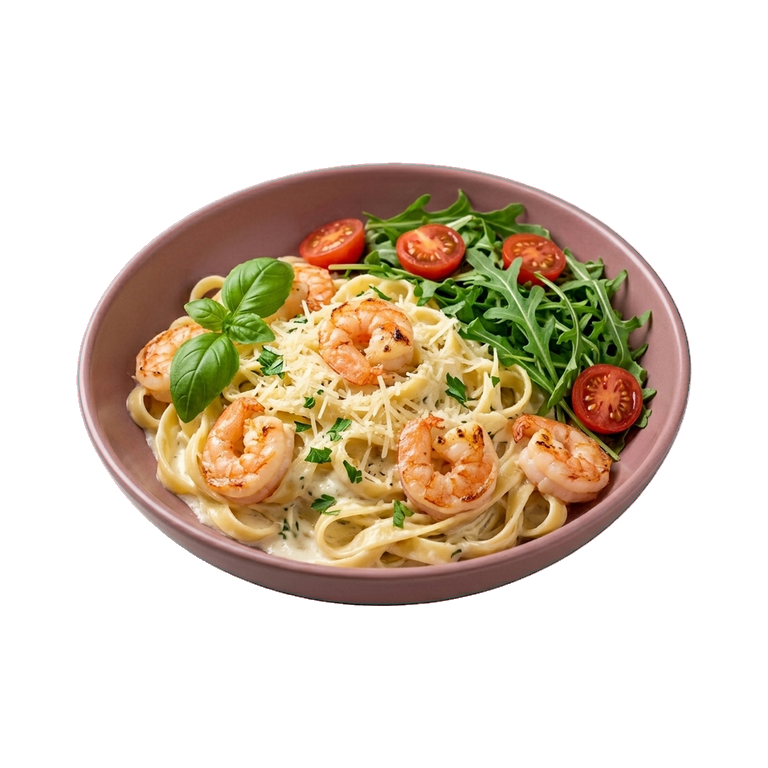
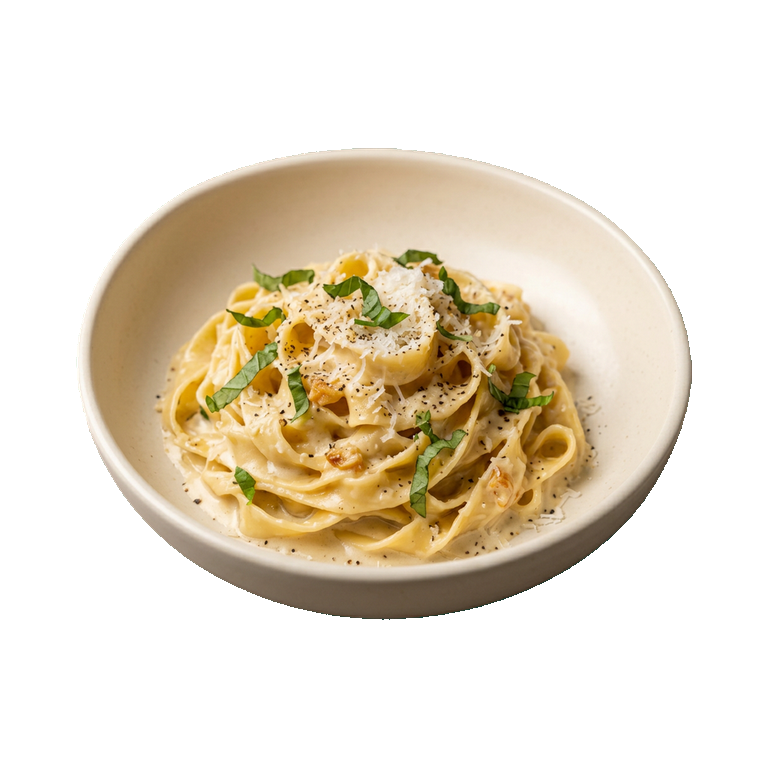
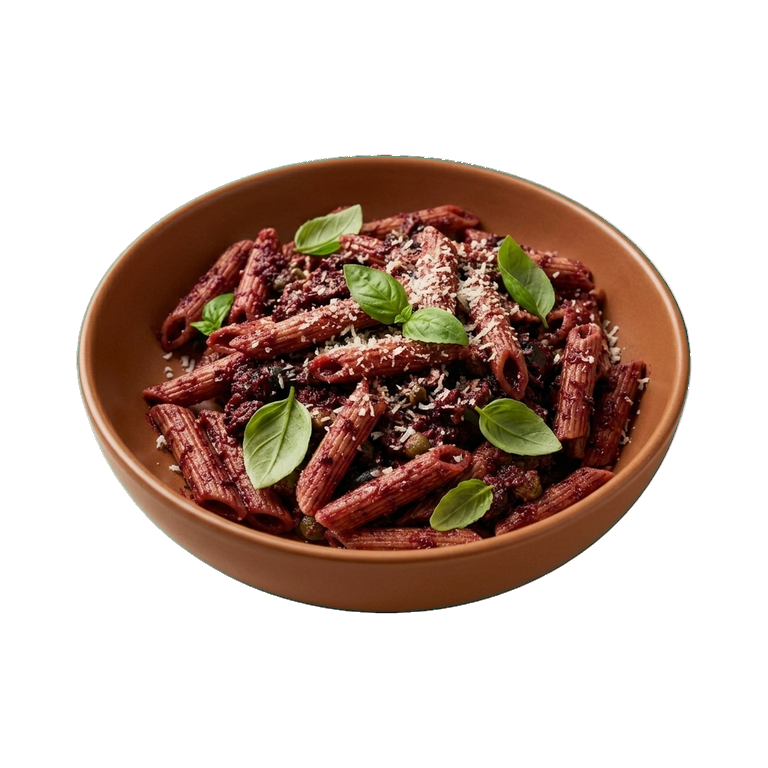
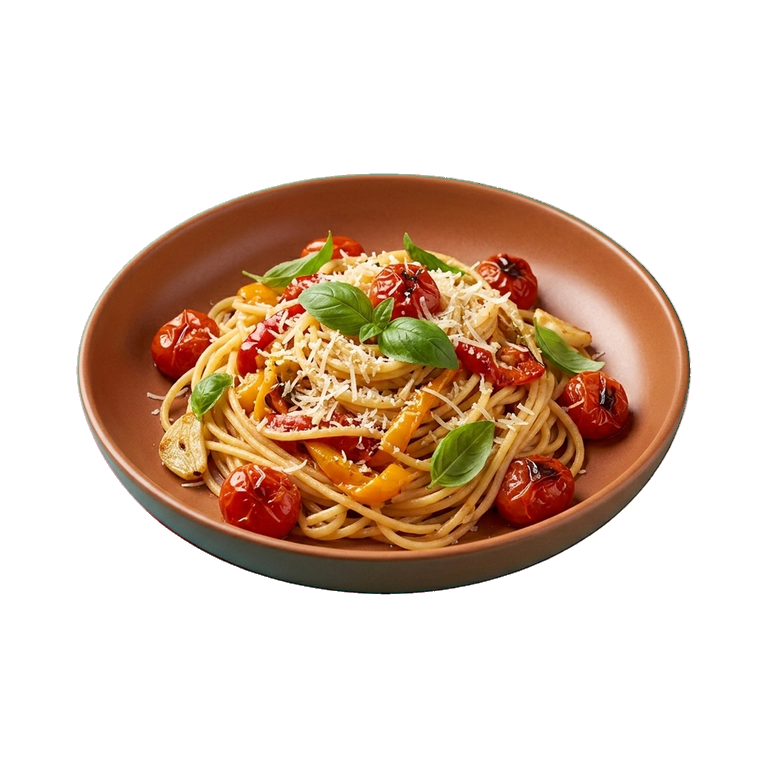
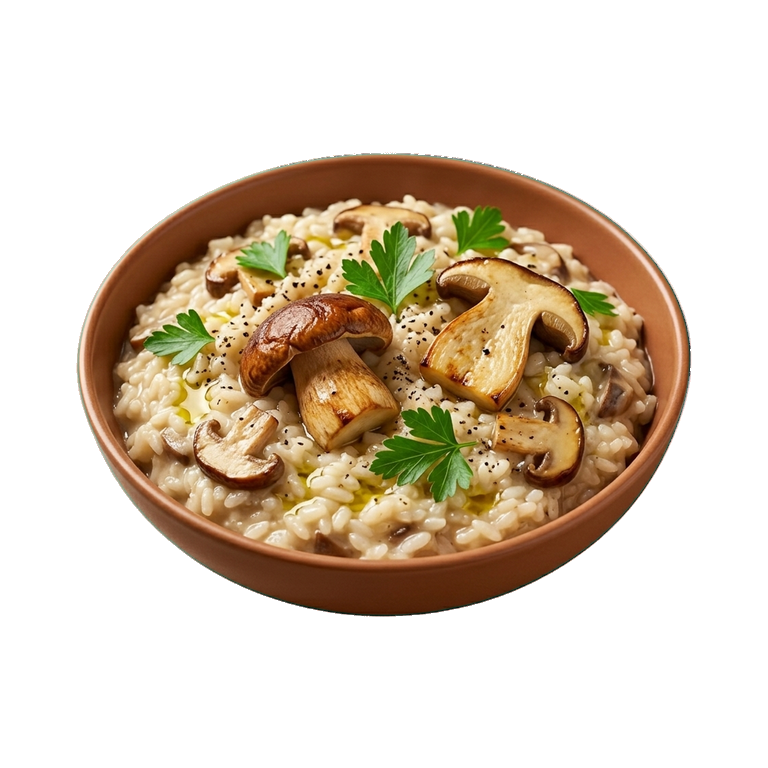
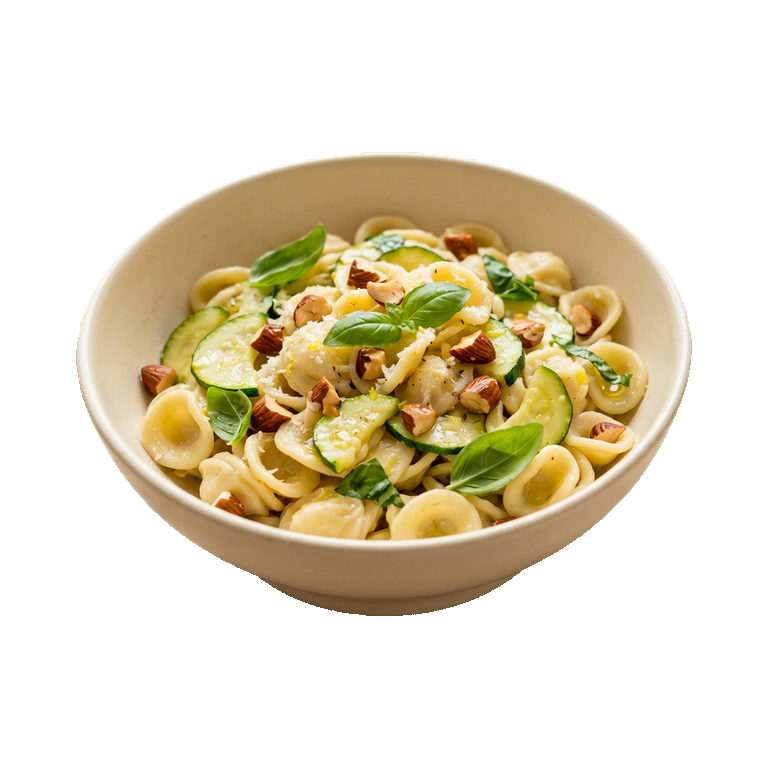
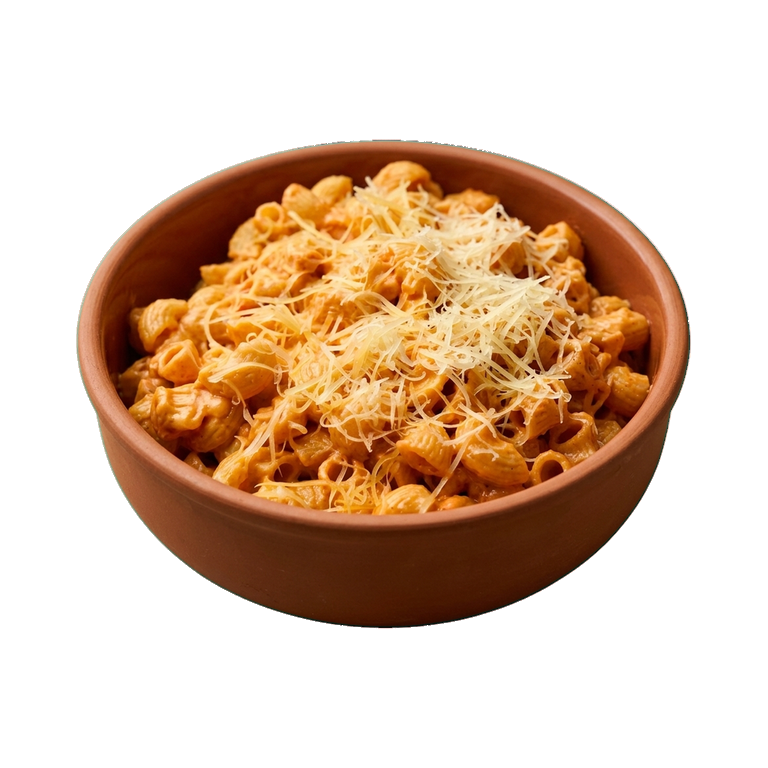
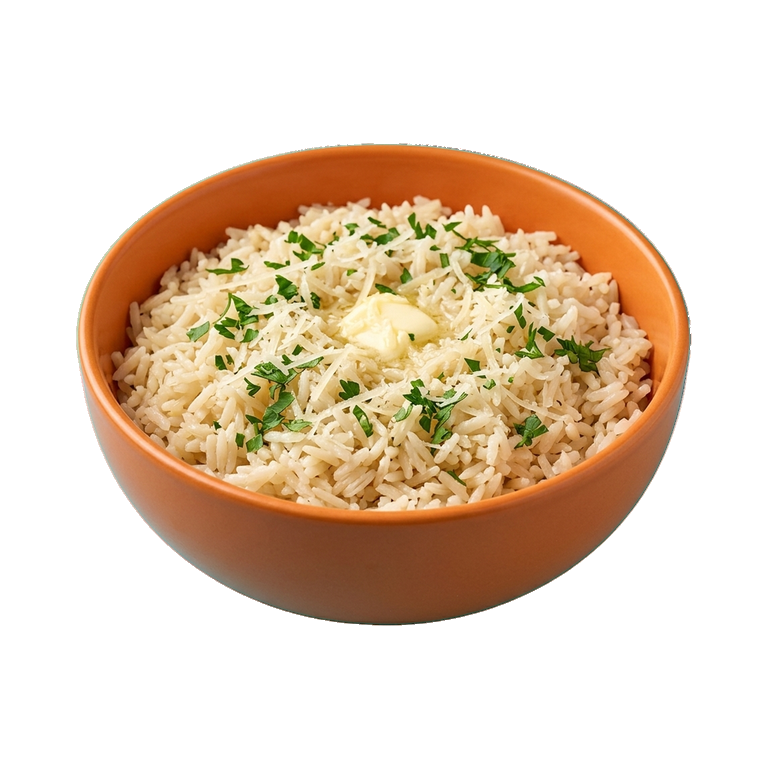
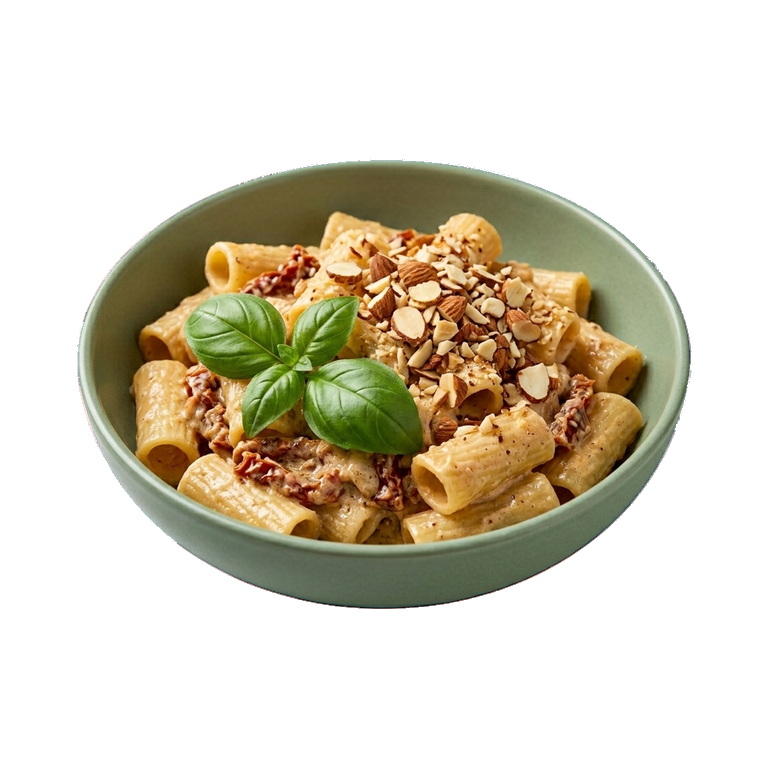
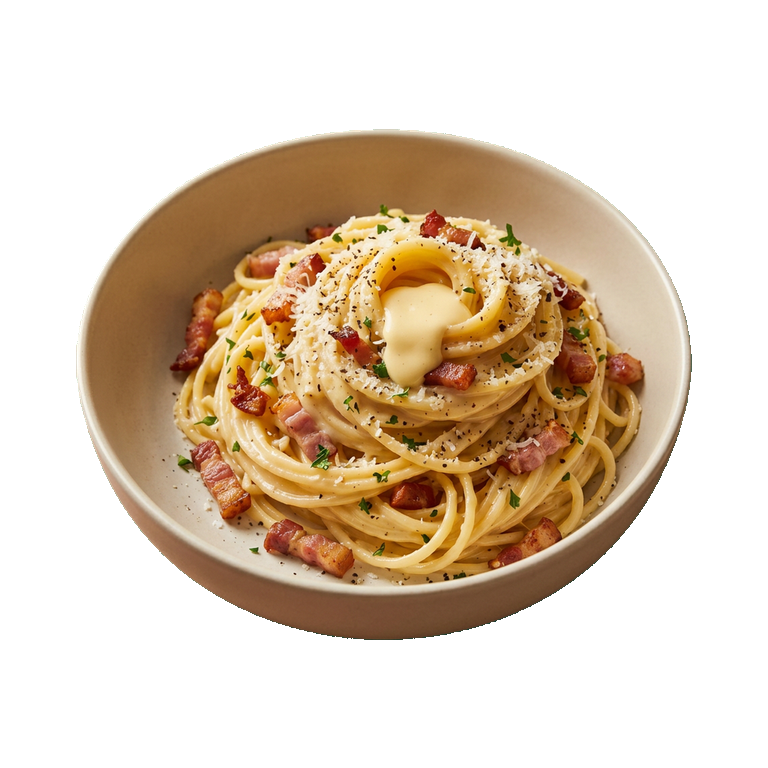
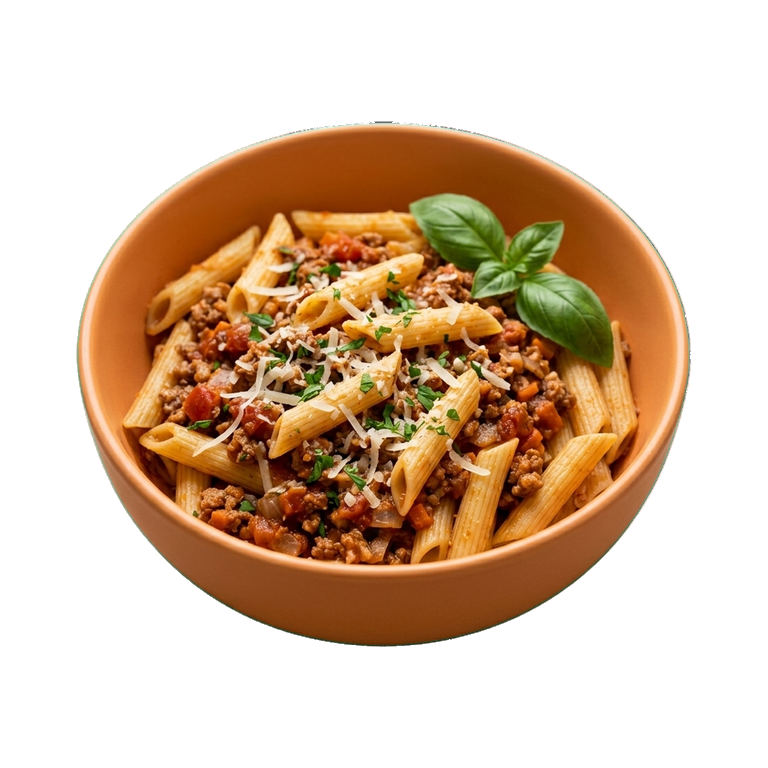
- Pasta and risotto — classics. Add at the end of cooking, when the dish is still hot, so the cheese melts and creates creaminess.
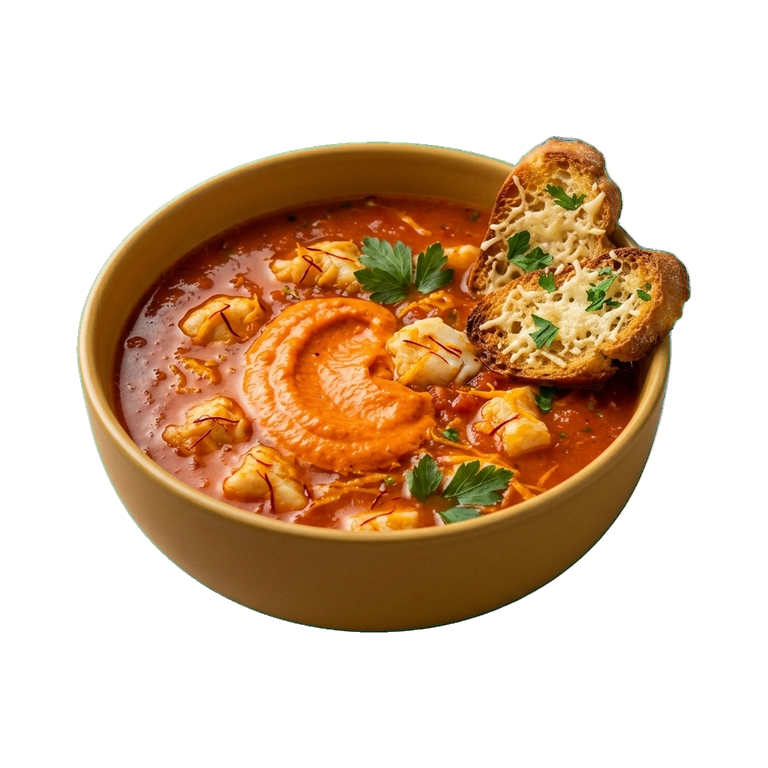
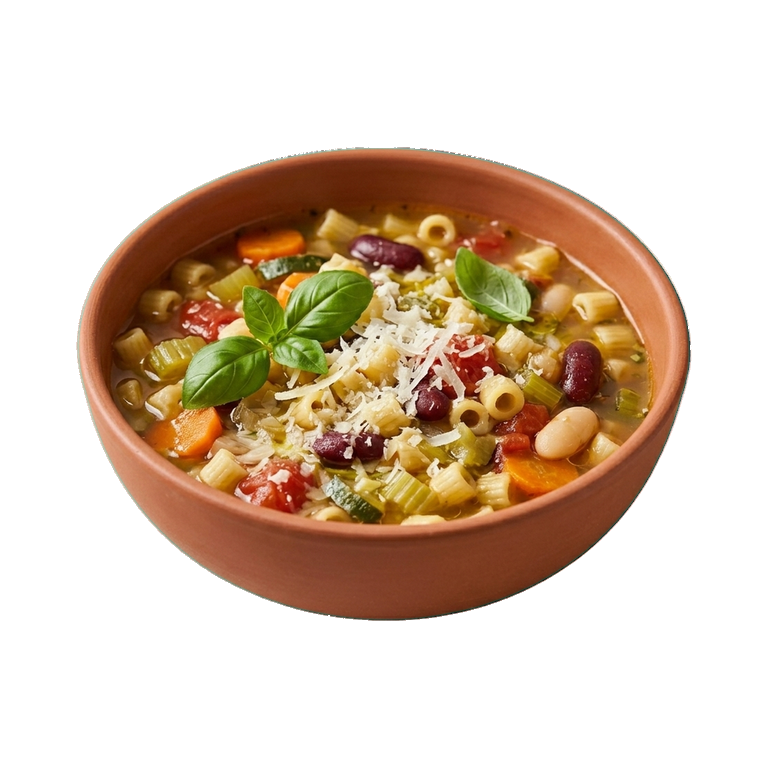
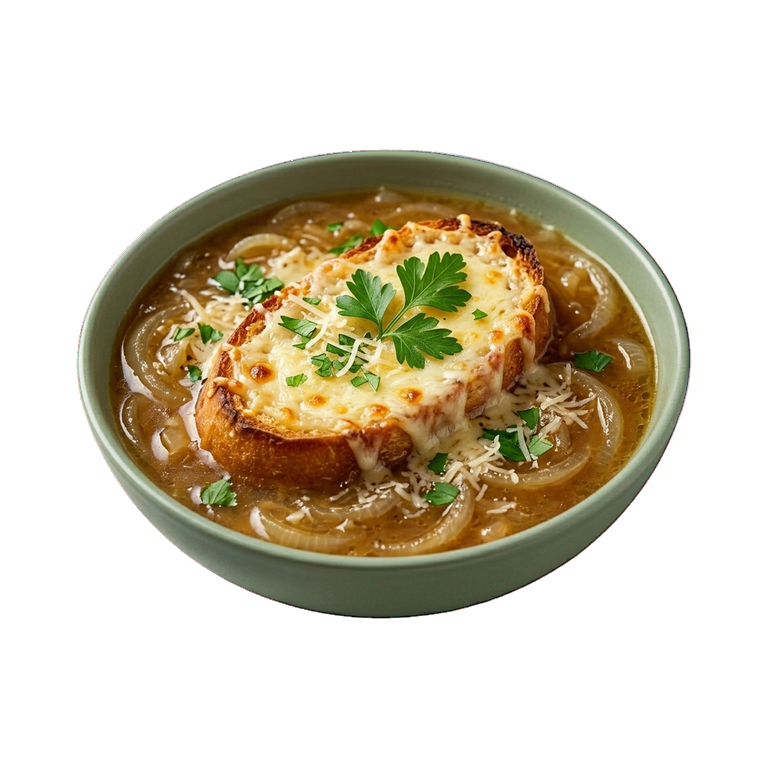
- Soups and broths — sprinkle directly into the bowl or add to the boiling soup a minute before serving.
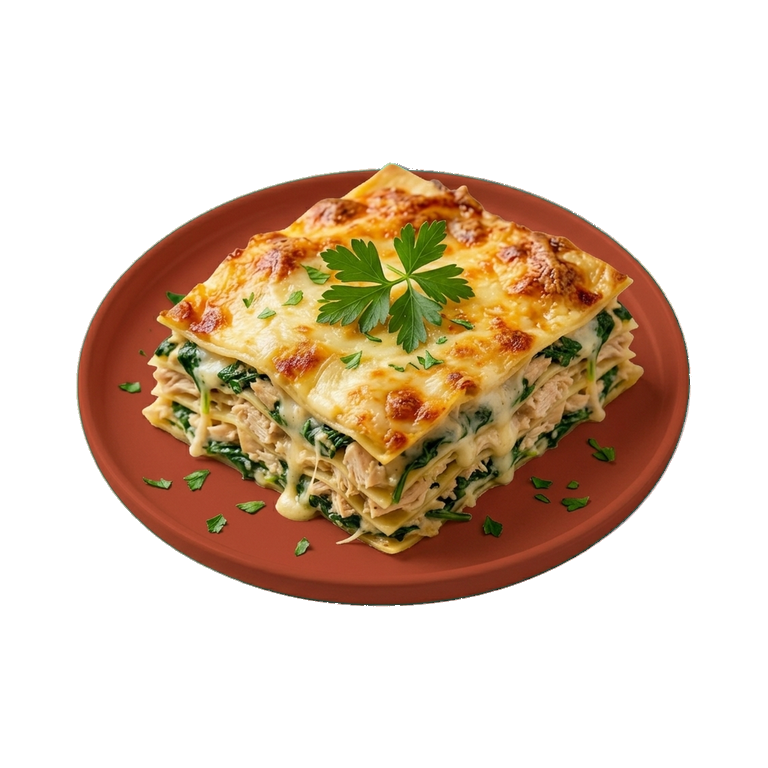
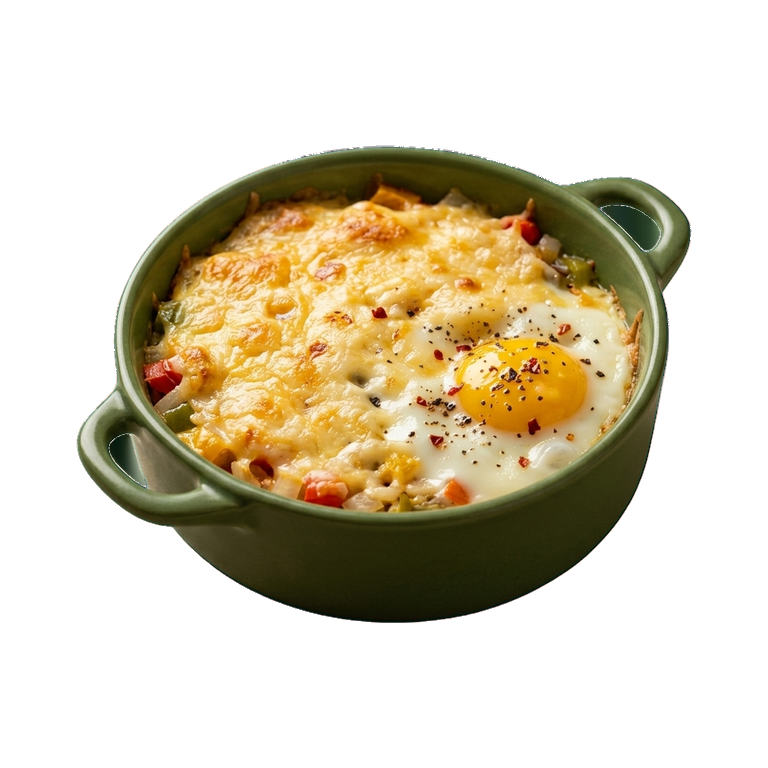
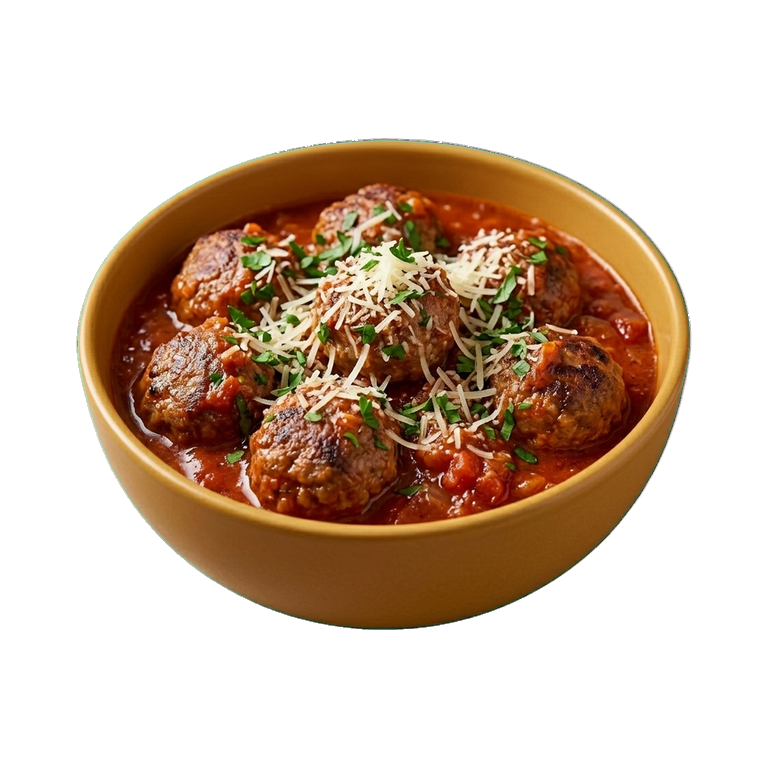
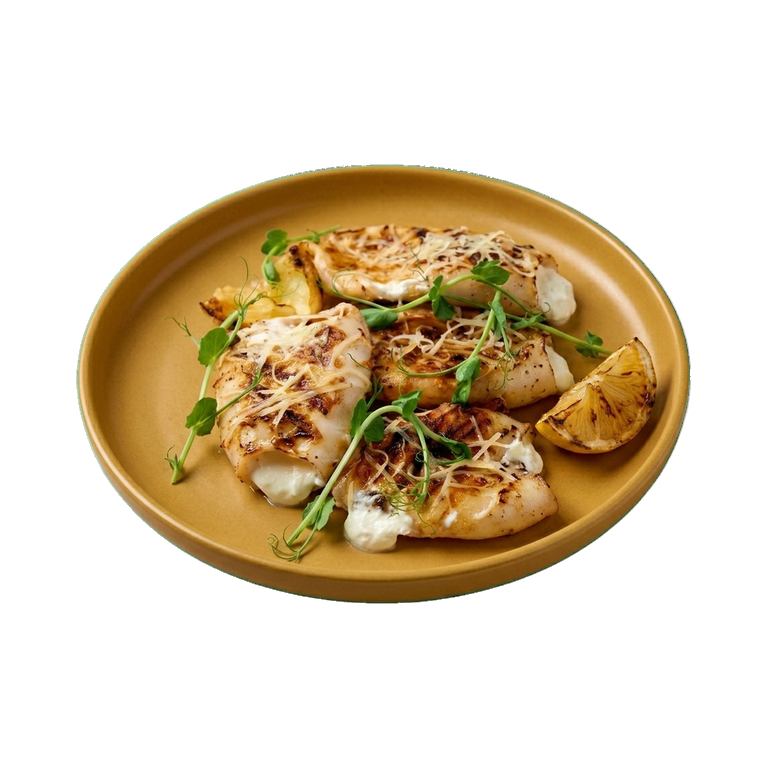
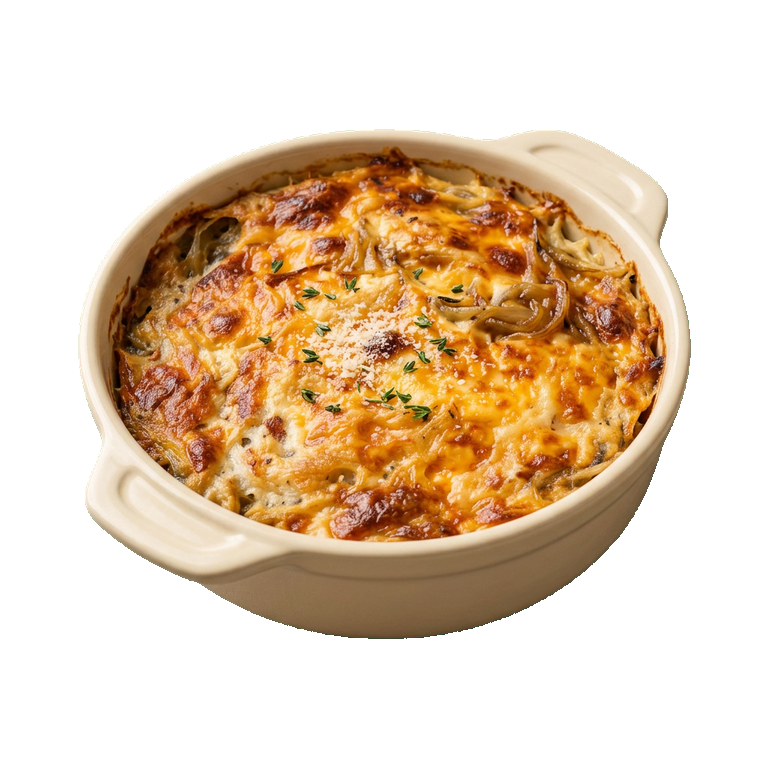
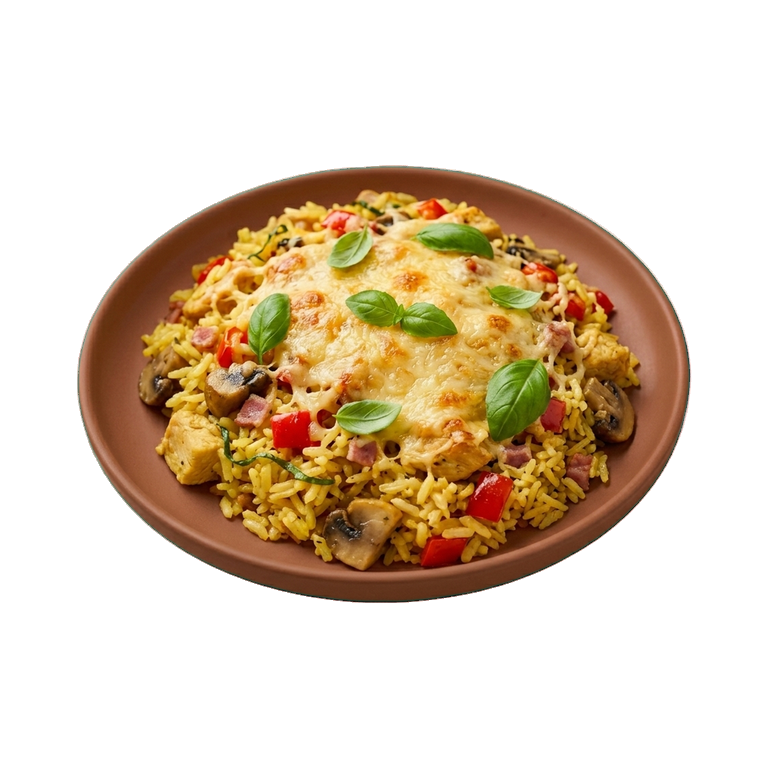
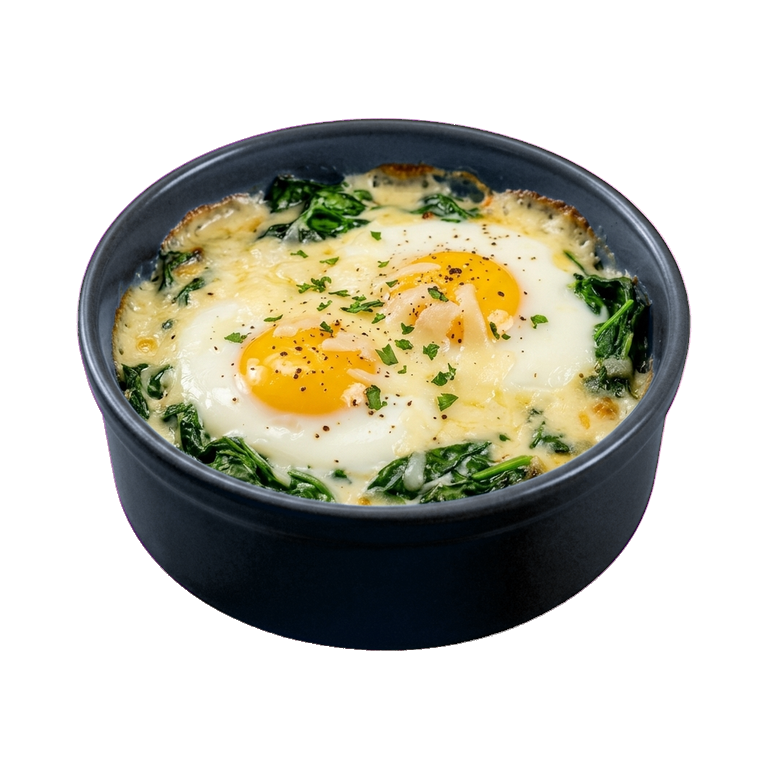
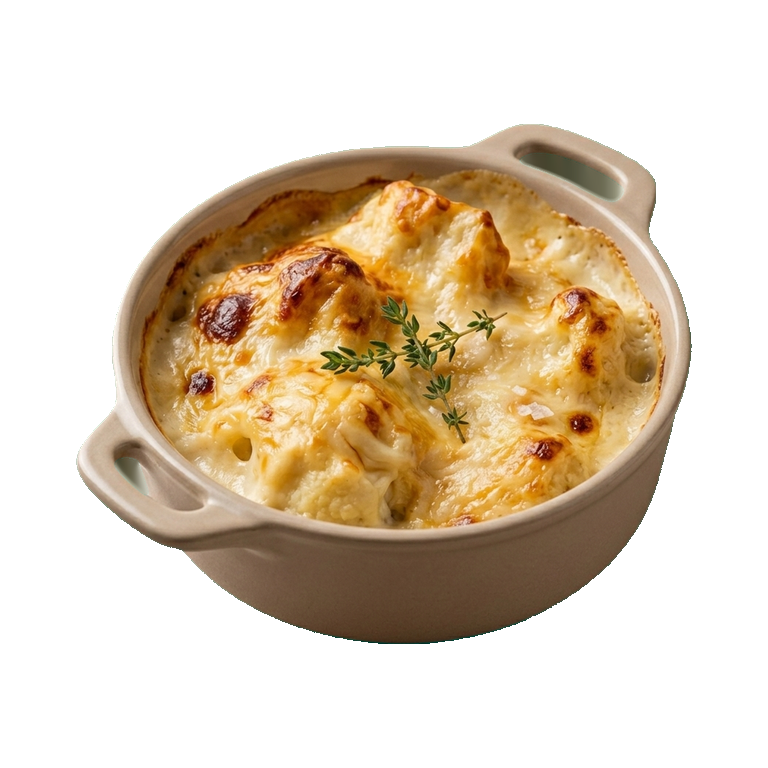
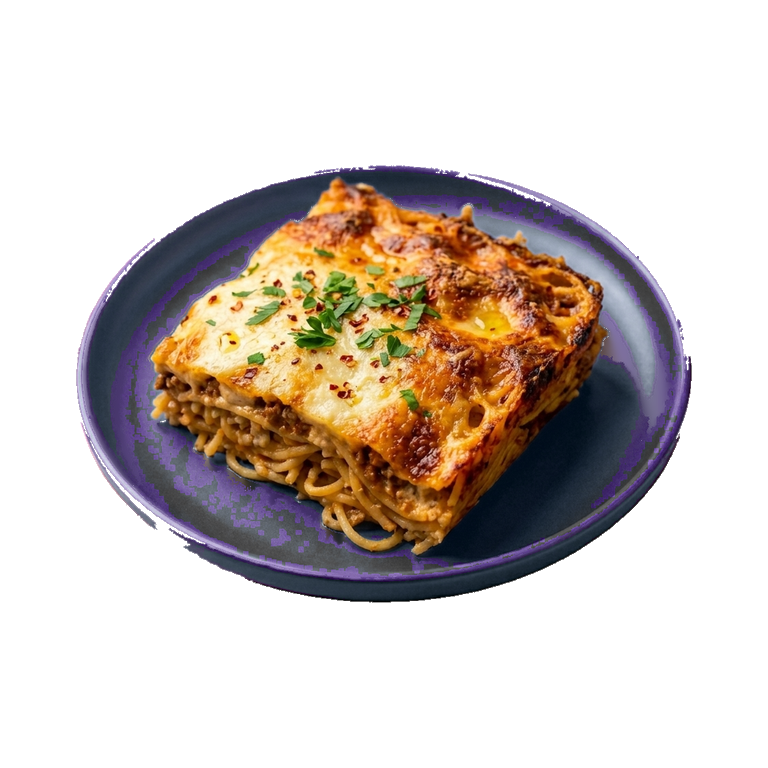
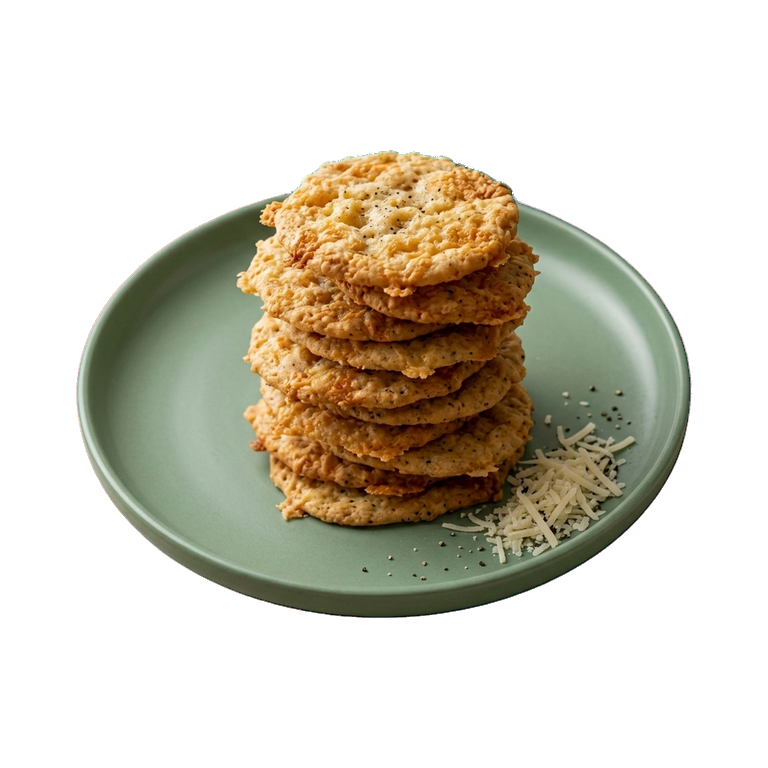
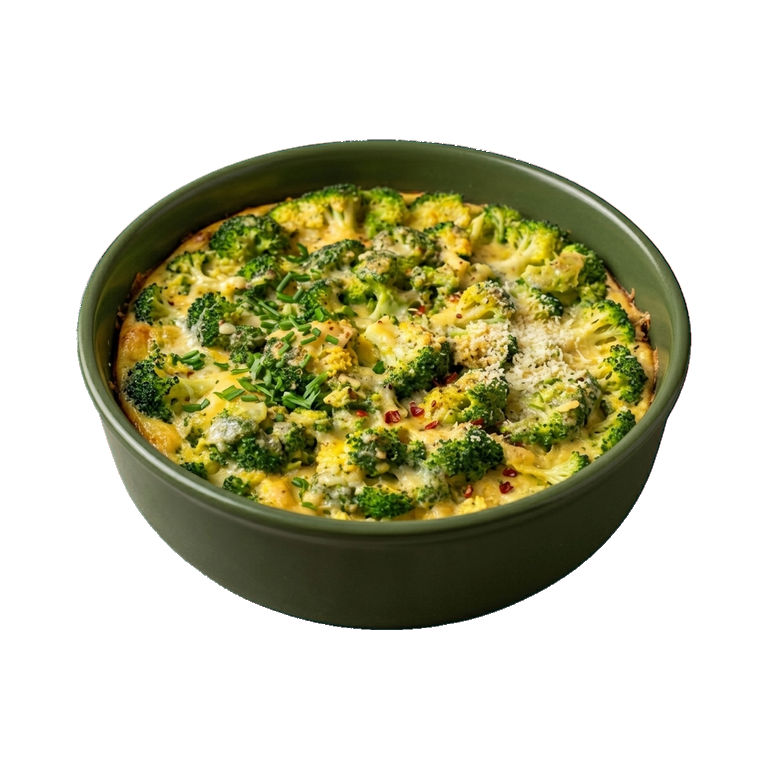
- Baked vegetables and meat — grated cheese will brown in the oven and create a crispy crust.
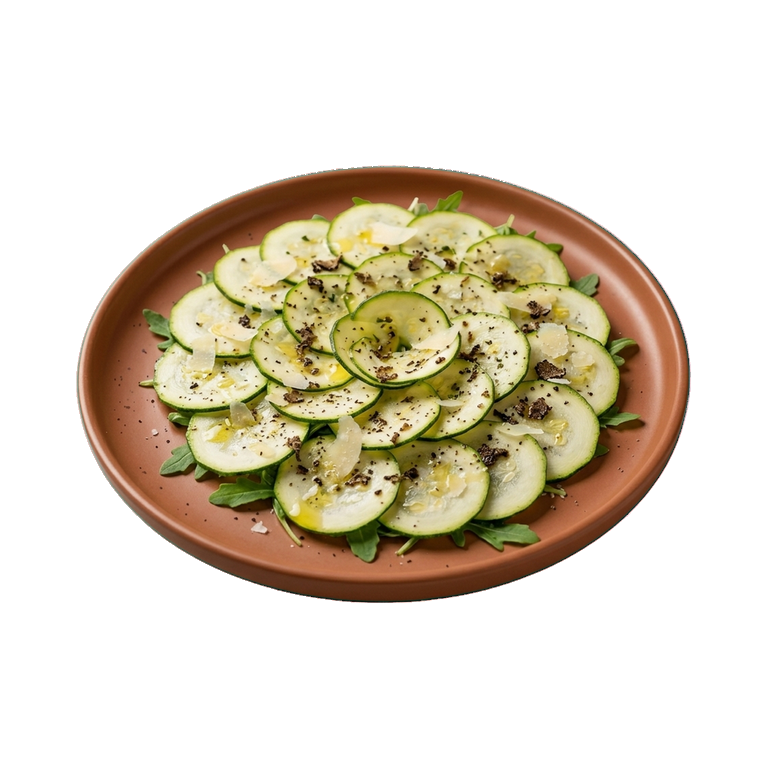
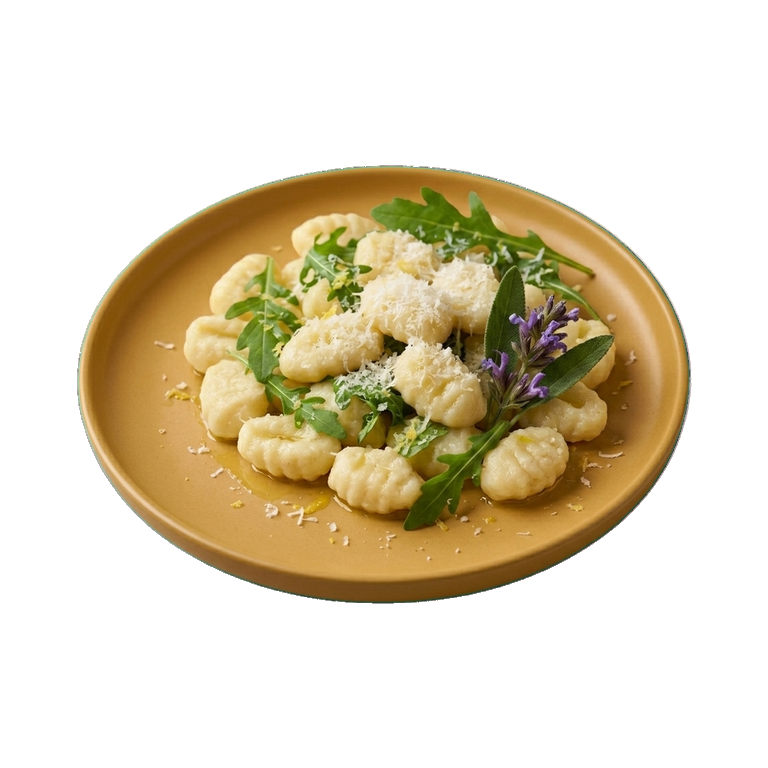
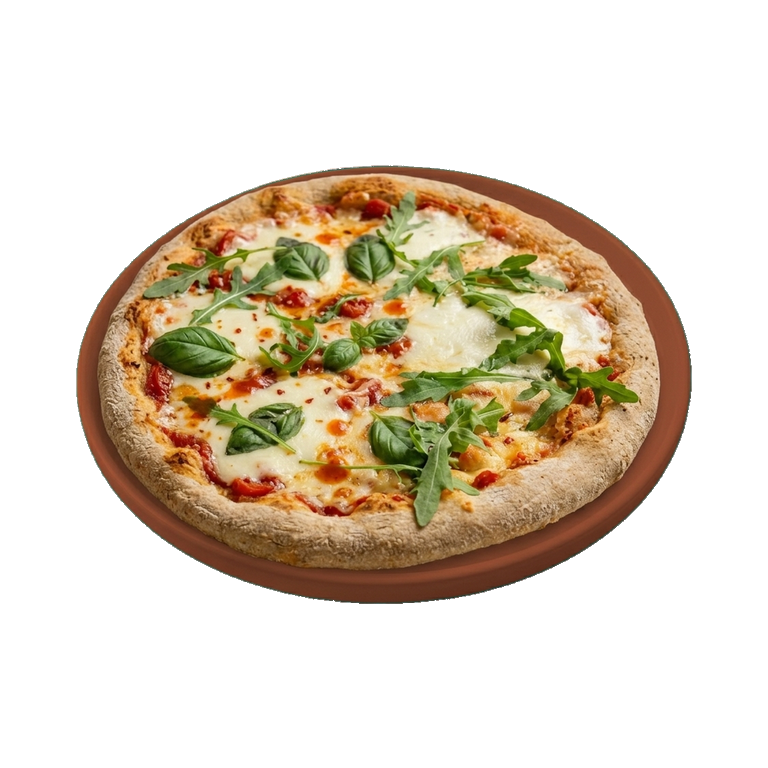
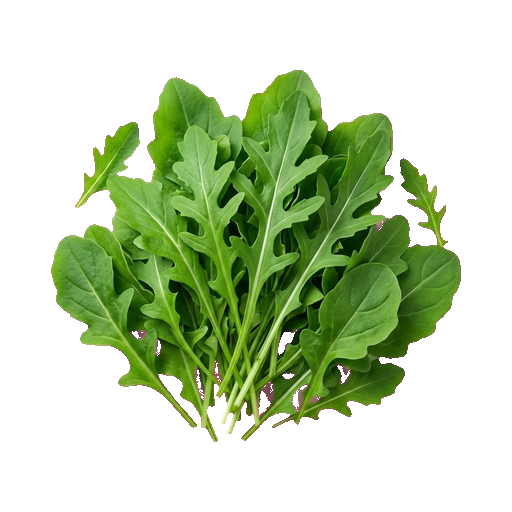
- Salads — especially with tomatoes, arugula, and olive oil. Cheese adds saltiness and depth.
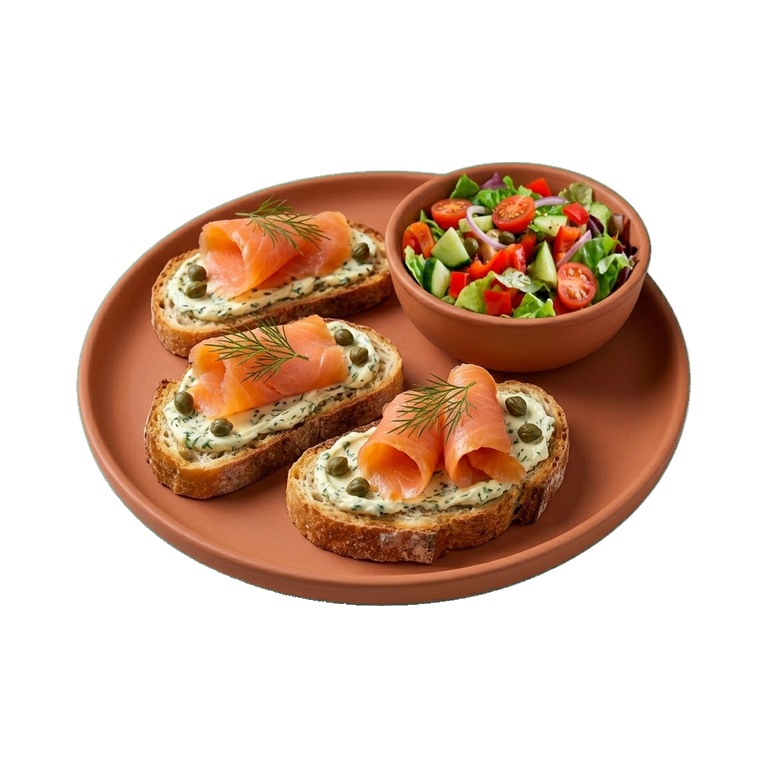
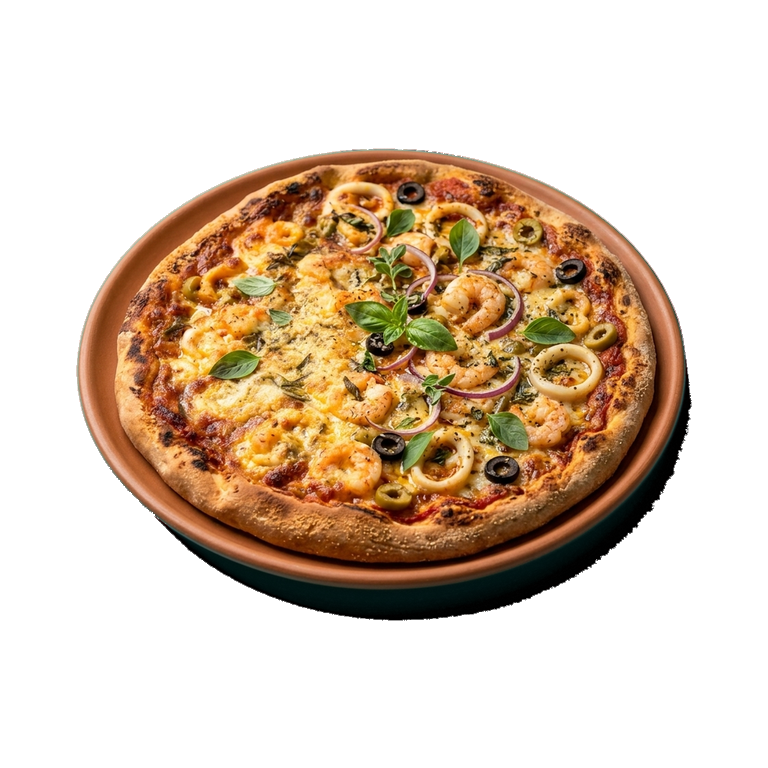
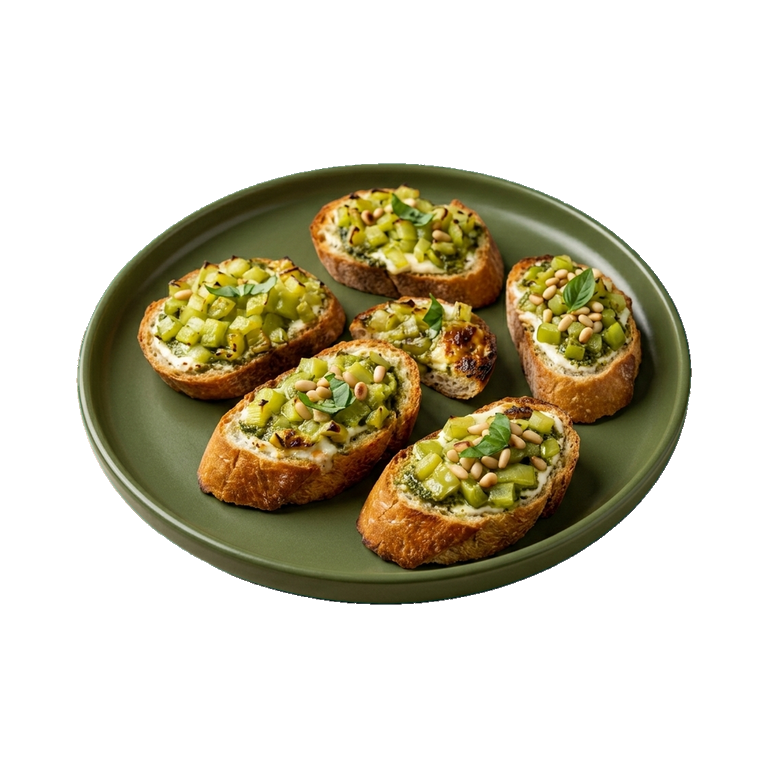
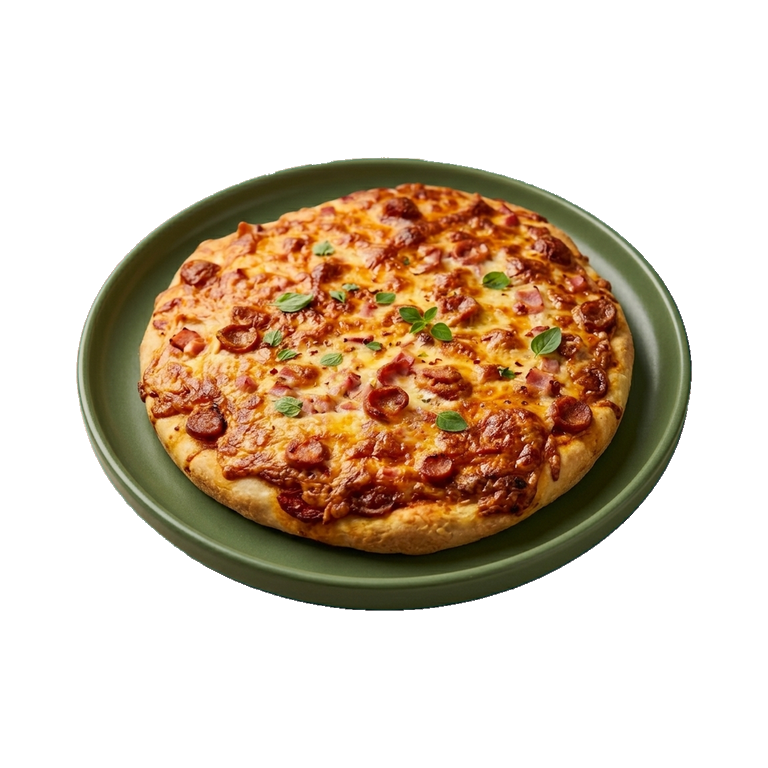
- Bread and appetizers — sprinkle before baking or add to the dough.
Practical Tips
Grated Parmesan dries out faster than a whole piece, so buy it in small quantities and store it in an airtight container in the refrigerator. If the cheese has hardened or clumped together, break it apart with a fork before using. Don't add it to the dish too early — it's better to sprinkle it at the end of cooking or directly into the plate to preserve the aroma.
Pairings
- With black pepper and olive oil — a classic base for any dish.
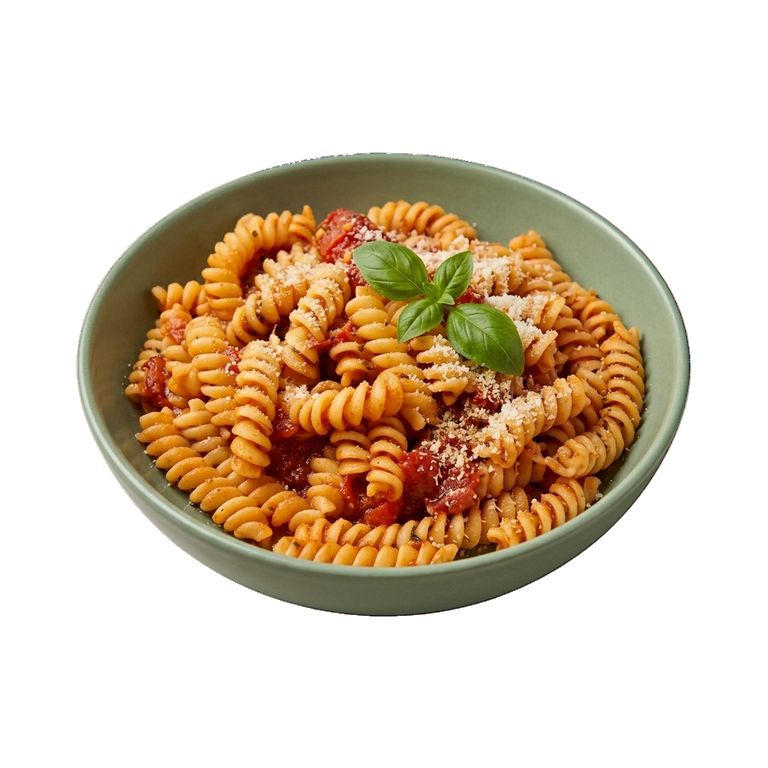
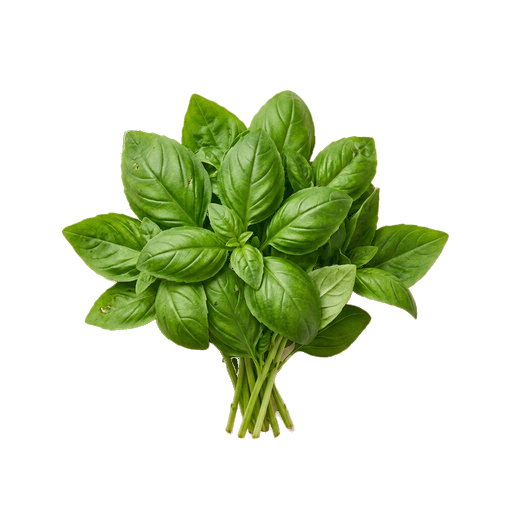
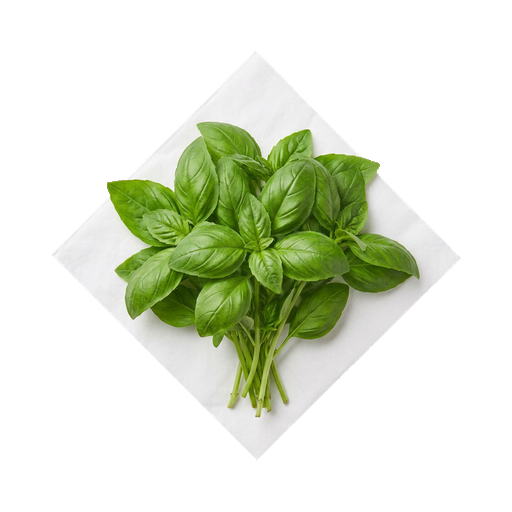
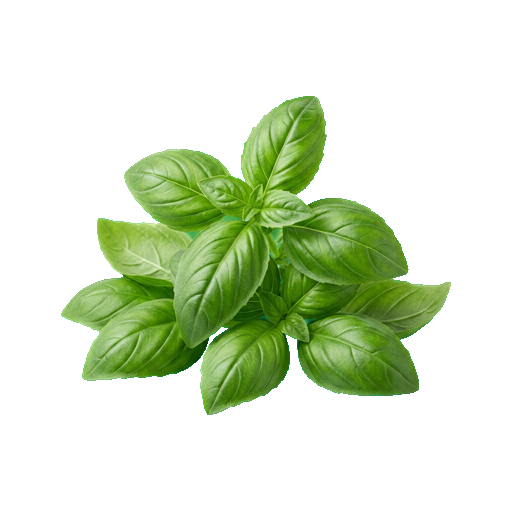
- With tomatoes and basil — an inseparable trio.
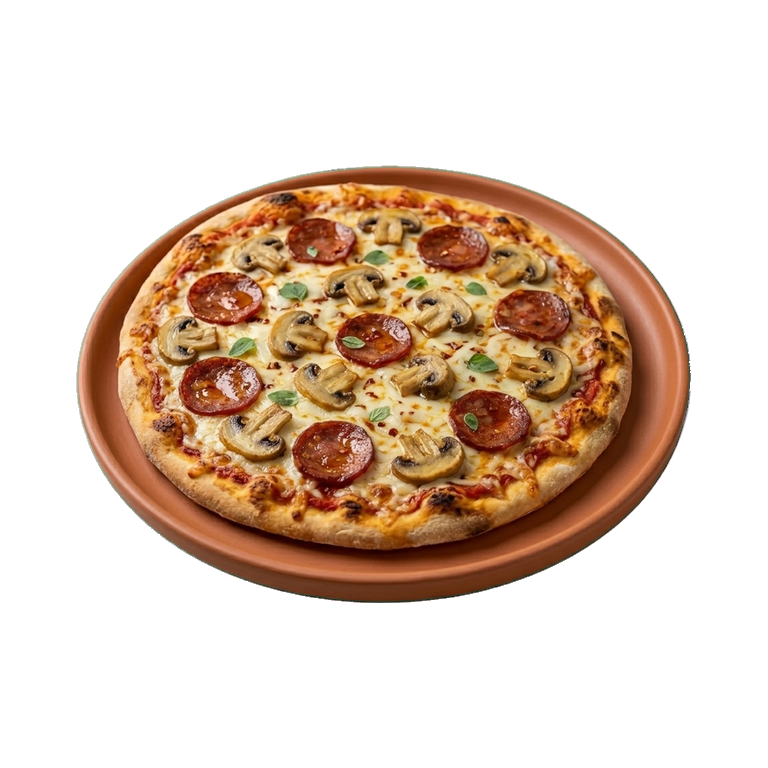
- With mushrooms and garlic — for a deeper, more rich flavor.
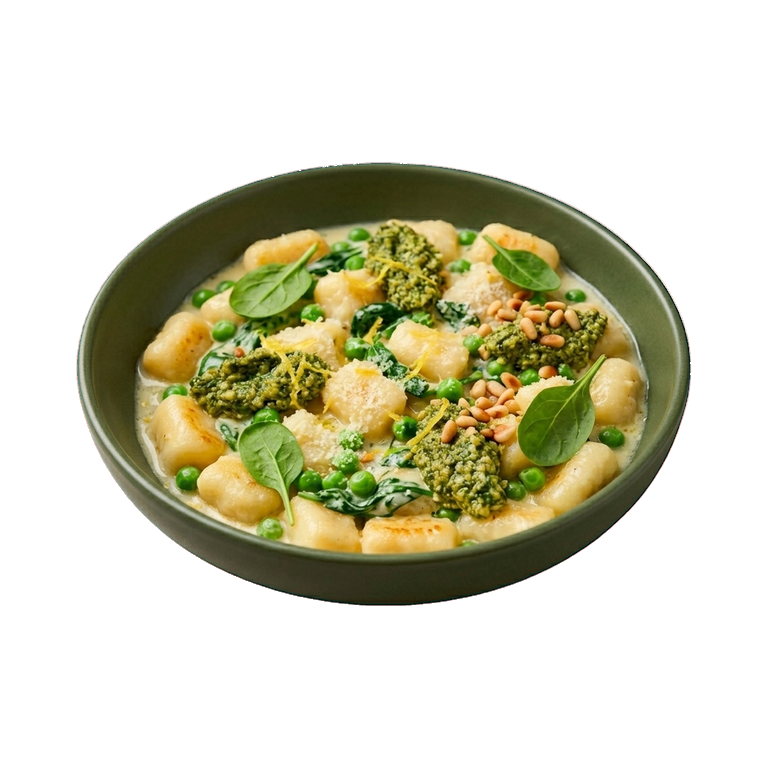
- With nuts (pine nuts, walnuts) — will enhance the nutty notes of the cheese.
- With lemon juice — acidity refreshes and balances the saltiness.
What to pay attention to when choosing
Good grated Parmesan should be dry and crumbly, without lumps or moisture. The color should be light yellow or cream. If you see oily residue or the smell seems musty, this is a sign of oxidation. Check the packaging date: fresh cheese is more aromatic and tasty. If possible, choose a variety that is grated coarser — it holds its shape better and dries more slowly.
Storage
Store grated Parmesan in an airtight container or tightly sealed jar in the refrigerator at a temperature of 4–8 degrees. Under these conditions, it will maintain its quality for 2–3 weeks. If you notice the cheese starting to clump together, add a piece of parchment paper or paper towel to the container — it will absorb excess moisture. Grated cheese can be frozen in a freezer bag, but after thawing, the texture will become less crumbly.
Nutrition
per 100 g
- Calories
- 431 kcal
- Protein
- 38 g
- Fat
- 29 g
- Carbs
- 1.3 g
Micronutrients
per 100 g
Macronutrients
- Saturated fat
- 15.5 g
- Monounsaturated fat
- 6.4 g
- Polyunsaturated fat
- 1.2 g
- Omega-3 (EPA + DHA)
- 0.008 g
- Cholesterol
- 87 mg
- Water
- 22.8 g
Minerals
- Sodium
- 1750 mg
- Potassium
- 184 mg
- Calcium
- 884 mg
- Magnesium
- 34.9 mg
- Phosphorus
- 634 mg
- Iron
- 0.45 mg
- Zinc
- 4.33 mg
- Copper
- 0.04 mg
- Manganese
- 0.07 mg
- Selenium
- 35 mcg
Vitamins
- Vitamin A (RAE)
- 228 mcg
- Vitamin E
- 0.51 mg
- Vitamin K
- 1.7 mcg
- Vitamin B1 (thiamin)
- 0.03 mg
- Vitamin B2 (riboflavin)
- 0.35 mg
- Vitamin B3 (niacin)
- 0.08 mg
- Vitamin B5 (pantothenic acid)
- 0.46 mg
- Vitamin B6
- 0.08 mg
- Vitamin B12
- 1.4 mcg
Measures and weight
- 1 tbsp
- 13.5 g
- 1 tsp
- 4.5 g
- 1 cup
- 225 g
Measure calculator
- Weight
- 100 g
- Calories
- 431 kcal