Usuba
Usuba
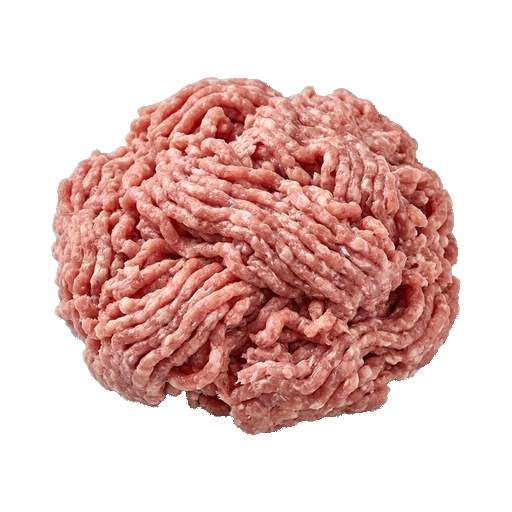
Pork mince
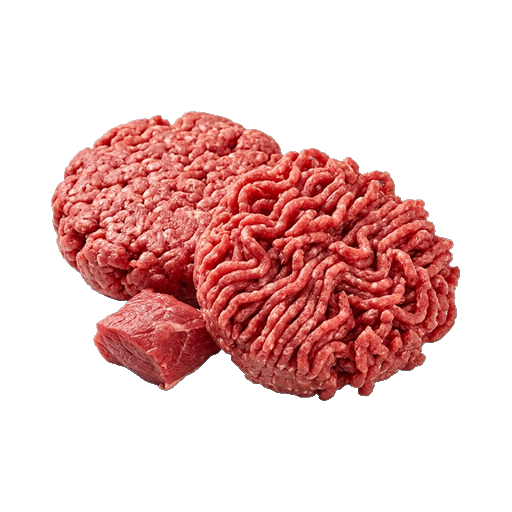
Pork mince is ground pork meat obtained by passing a piece of meat through a meat grinder. Due to its loose structure, it cooks quickly, absorbs spices and sauces well, making it ideal for cutlets, meatballs, fillings, and dumpling stuffing. When selecting, pay attention to the color — fresh mince should be pink or light red, without any gray tint. When substituting with other types of meat, keep in mind that pork mince is more moist and fatty than beef, so you may need to adjust the amount of liquid in the recipe.
Micronutrients
per 100 g
About
Pork mince is one of the most versatile ingredients in the kitchen. It is ready-to-use mince that saves time on butchering and is suitable for dishes of any complexity: from simple cutlets to complex pâtés and fillings. The variability of fat content and the ability to combine with other ingredients make it an indispensable helper in everyday cooking.
Taste and Aroma
Fresh pork mince has a soft, slightly sweet taste with a subtle meaty aroma. The intensity of the flavor depends on which parts of the carcass the mince was ground from: from the shoulder it becomes more aromatic and rich, while from the brisket it is more tender and delicate. The fat content plays a key role — it gives juiciness to the finished dish and enhances its flavor characteristics.
Role in Dishes
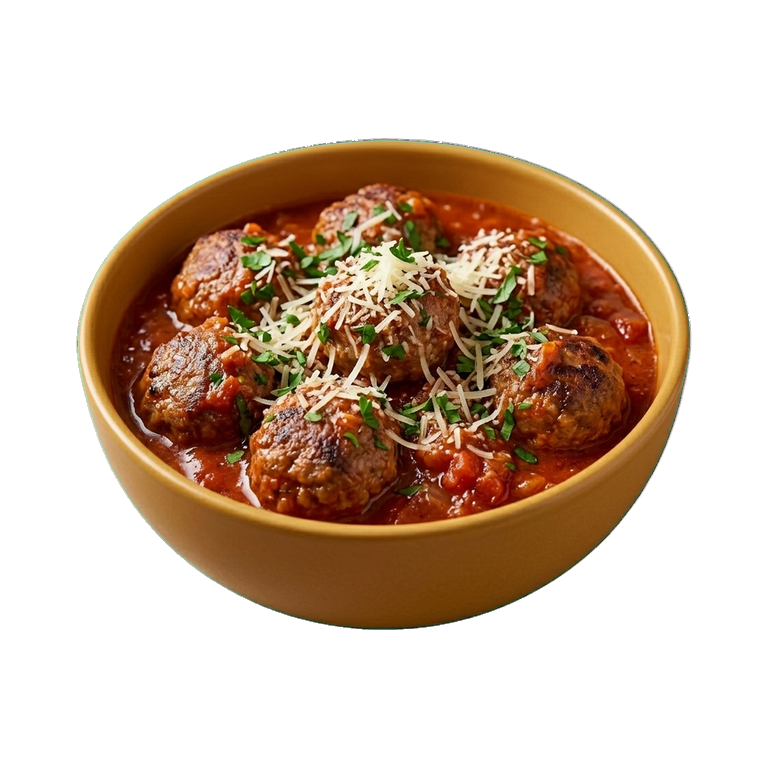
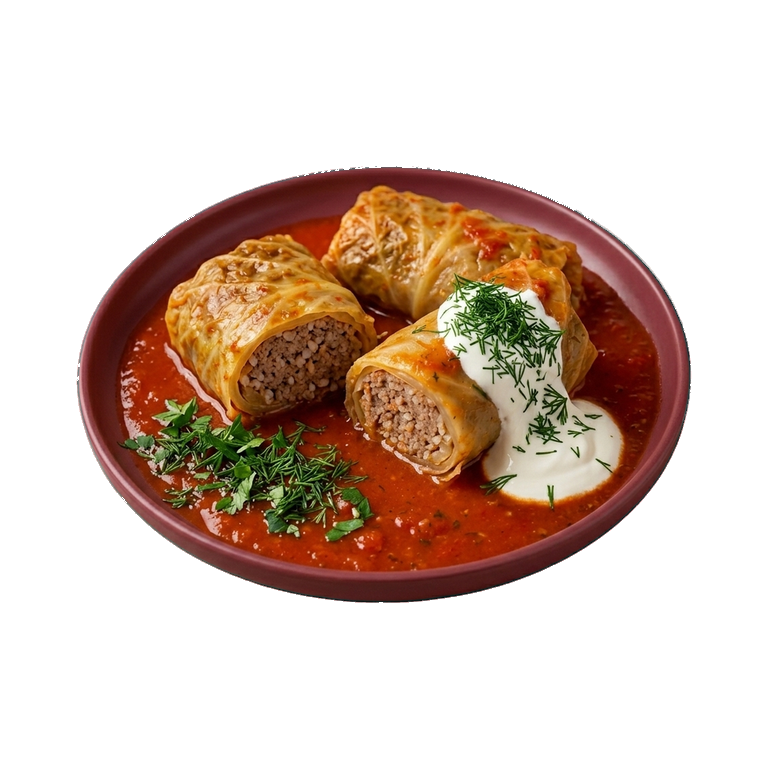
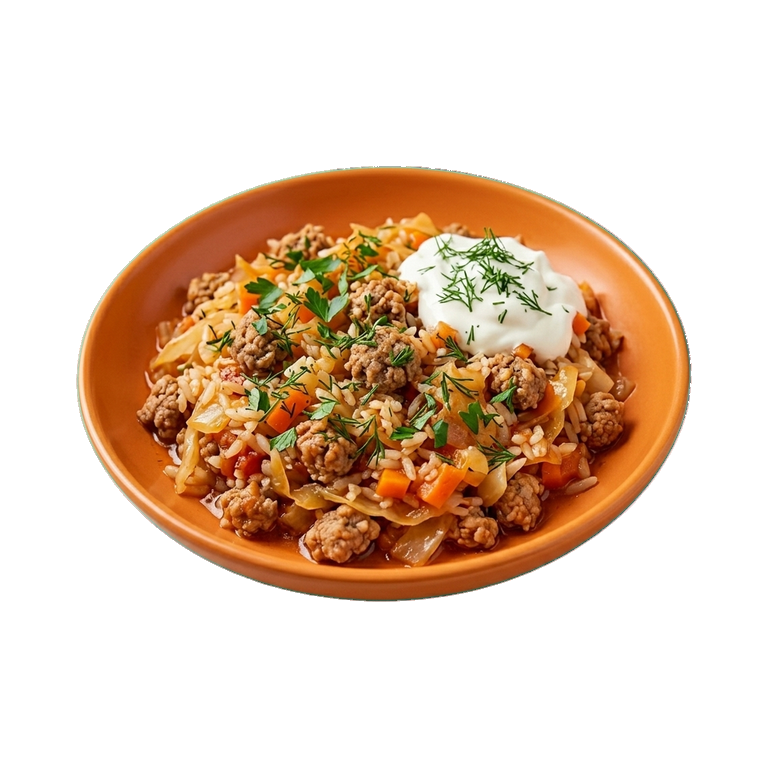
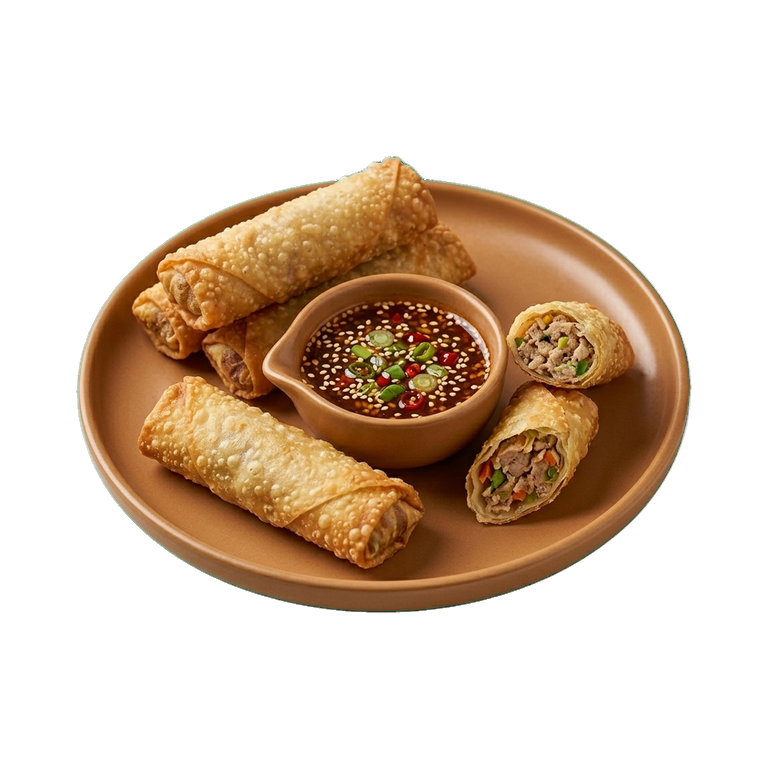
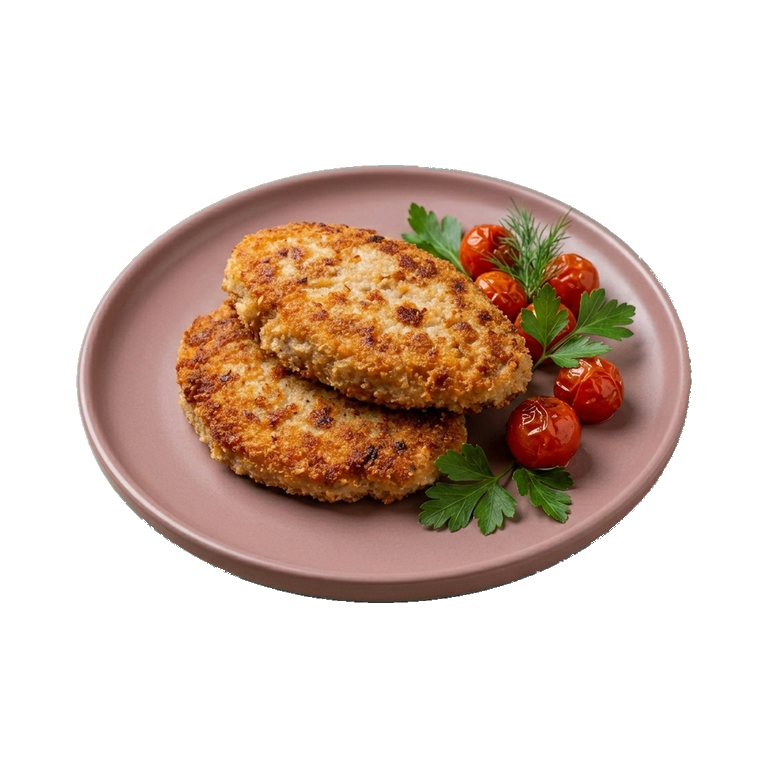
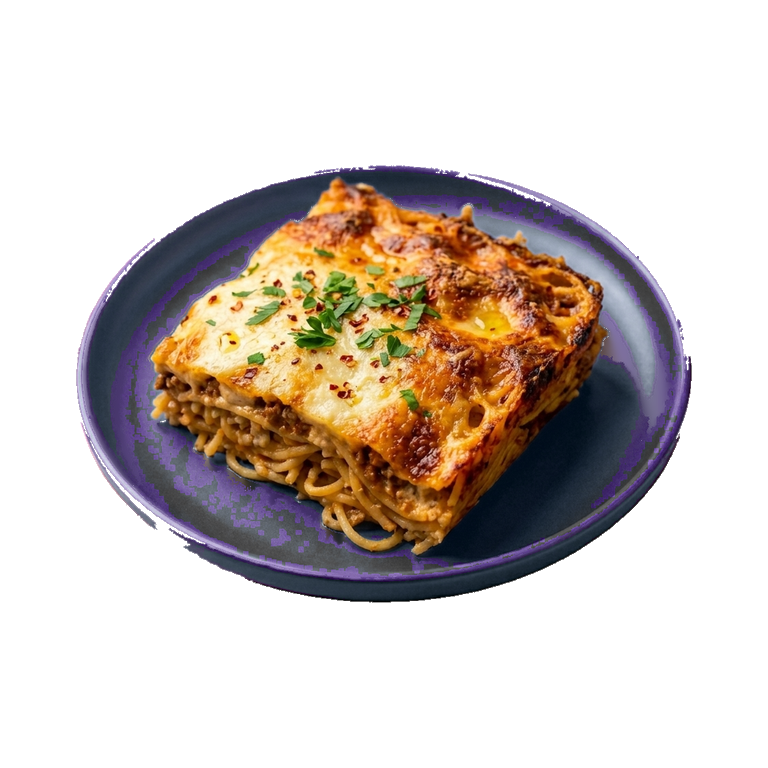
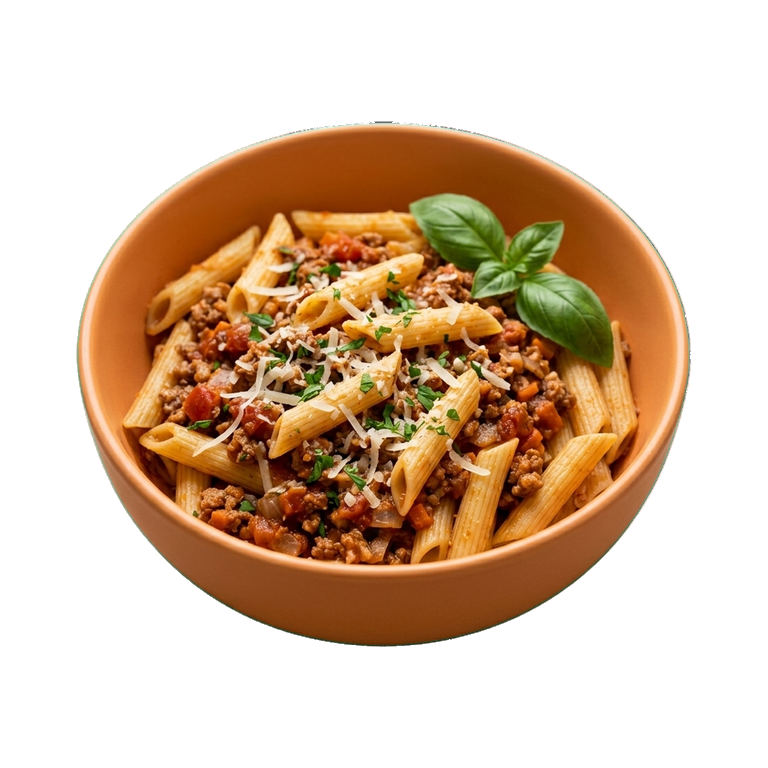
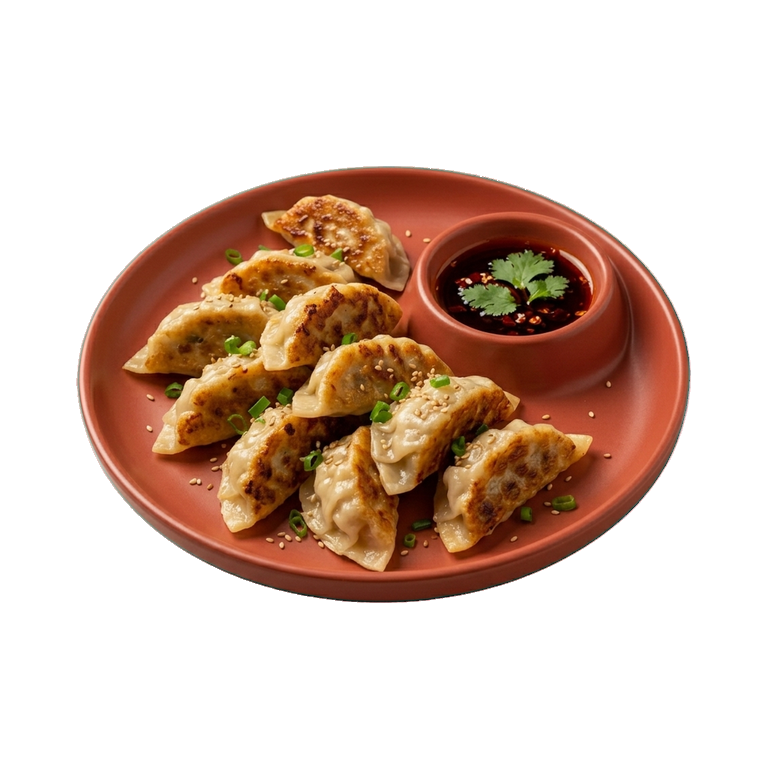
Pork mince is the foundation for cutlets, meatballs, stewed meatballs, and any minced dishes. It is ideal for fillings in dumplings, varenyky, and pies. With its help, you can prepare pâtés, roulades, and homemade sausages. Thanks to its good binding properties, the mince holds its shape and does not fall apart when boiling or frying.
Successful Pairings
- With vegetables: onion, garlic, carrot, cabbage, tomatoes — they add moisture and flavor depth
- With bread and milk: soaked bread or flour help retain juiciness and make the texture more tender
- With egg: binds ingredients and improves the structure of the dish
- With spices: black pepper, turmeric, paprika, ginger, coriander reveal and enrich the taste
- With other ground meat: a mixture of pork with beef or chicken gives a complex flavor profile
Selection and Storage
When choosing, pay attention to the color: fresh ground meat has a pink tint, not gray or brown. The smell should be pleasant, meaty, without sourness or mustiness. Check the packaging date and shelf life. Quality ground meat should not release a lot of liquid in the package.
- In the refrigerator: 1–2 days at 0–4°C
- In the freezer: up to 3 months at minus 18°C and below
- After thawing: use within one day, do not refreeze
Practical Tips
- If the ground meat is too dry, add a little cold water or cream while mixing
- Mix the ground meat in one direction — this helps it bind better and results in a more uniform texture
- For a more tender texture, mix the ingredients with cold hands or chilled utensils
- Before frying, let the ground meat products rest in the refrigerator for 20–30 minutes — they will hold their shape better
Nutrition
per 100 g
- Calories
- 263 kcal
- Protein
- 17.3 g
- Fat
- 21.5 g
- Carbs
- 0 g
Micronutrients
per 100 g
Macronutrients
- Saturated fat
- 6.283 g
- Monounsaturated fat
- 7.777 g
- Polyunsaturated fat
- 2.553 g
- Cholesterol
- 71.16 mg
- Water
- 63.87 g
Minerals
- Sodium
- 53.63 mg
- Potassium
- 317.7 mg
- Calcium
- 5.86 mg
- Magnesium
- 19.03 mg
- Phosphorus
- 173.3 mg
- Iron
- 0.79 mg
- Zinc
- 2.23 mg
- Copper
- 0.07 mg
- Manganese
- 0 mg
Measure calculator
- Weight
- 100 g
- Calories
- 263 kcal