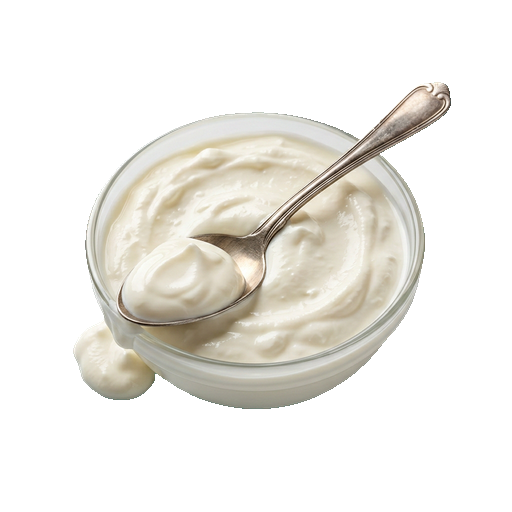
Usuba
Usuba
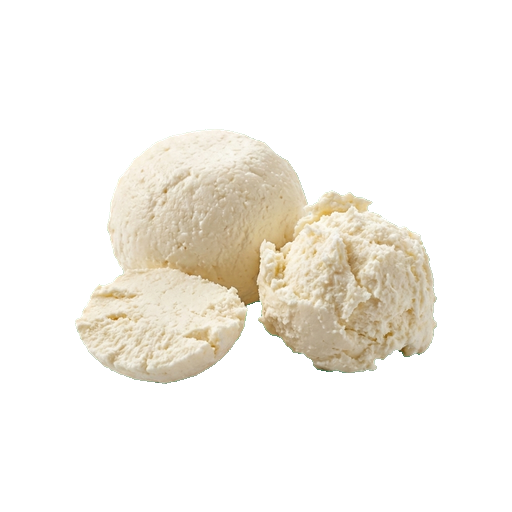
Cream cheese
A soft fresh cheese with a delicate texture and mild creamy flavor that spreads easily on bread or serves as a base for pastes and creams. Thanks to its high moisture content and low degree of maturation, it readily absorbs additions — herbs, spices, fruits — and is ideal for both sweet and savory fillings. When selecting, pay attention to freshness and consistency of structure, and when storing, keep in the refrigerator in a tightly sealed package to prevent absorption of foreign odors.
Micronutrients
per 100 g
About
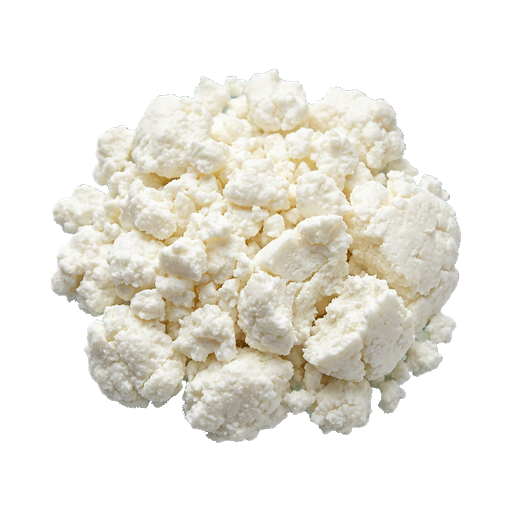
Cottage cheese is a soft, delicate product that occupies a middle ground between regular cottage cheese and cream cheese. Its consistency is creamy and uniform, and its taste is milder than hard varieties, but with a pronounced milk sweetness. This ingredient is versatile: equally good in sweet desserts and savory appetizers.
Taste and Texture
Cottage cheese has a delicate, creamy taste without sharpness or sourness. The texture is smooth, almost paste-like — it spreads easily on bread or distributes well in dough. Unlike dense hard cheeses, cottage cheese melts in your mouth, leaving a pleasant milky aftertaste. The fat content varies depending on the manufacturer, but usually ranges from 20 to 40 percent, making it sufficiently rich but not heavy.
Where to use it
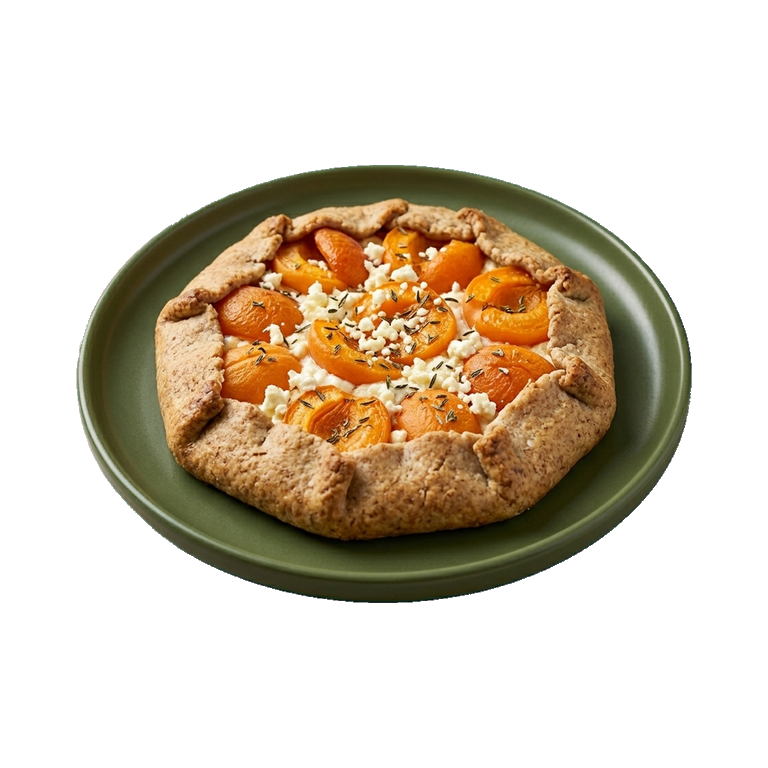
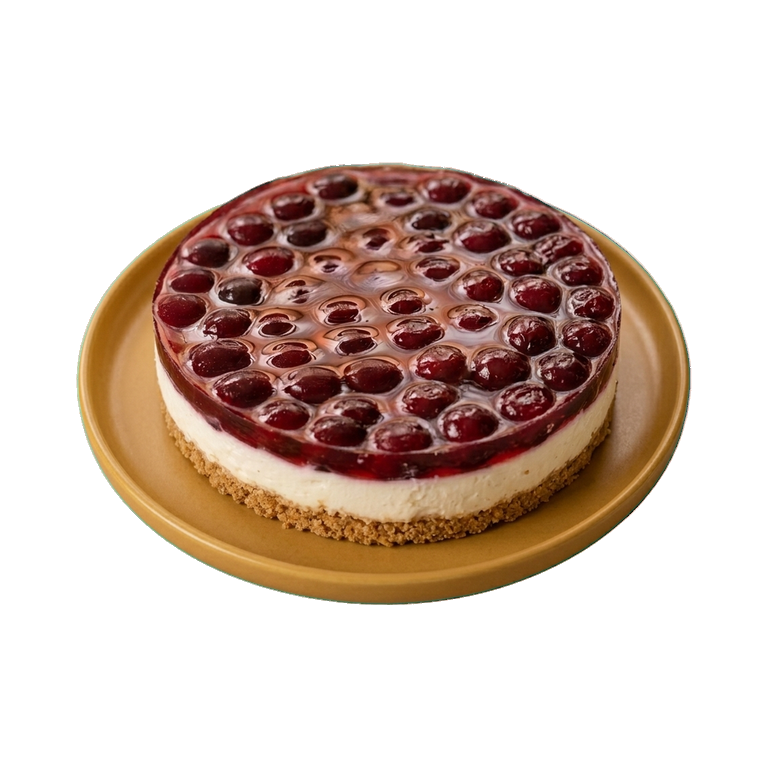
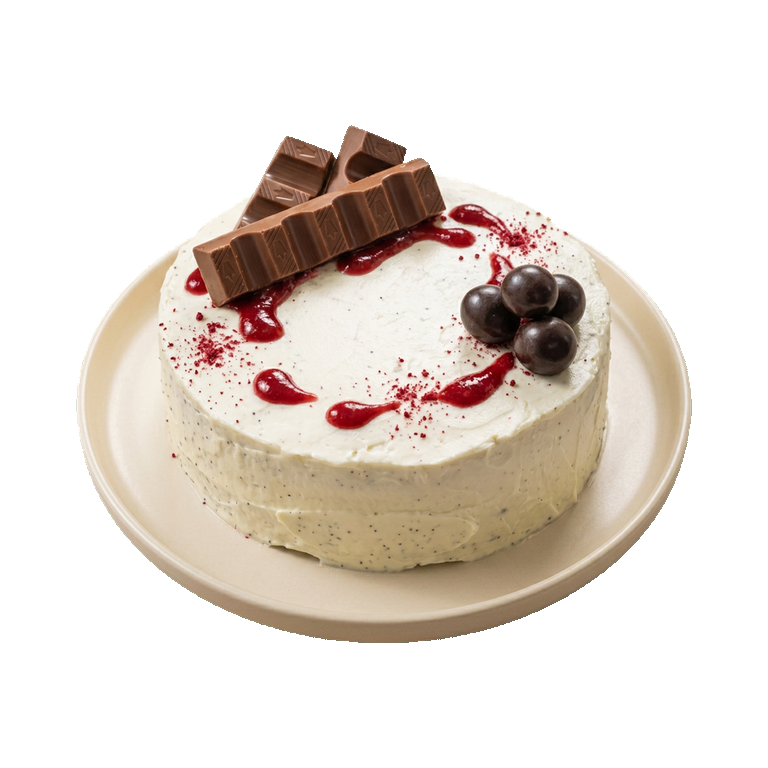
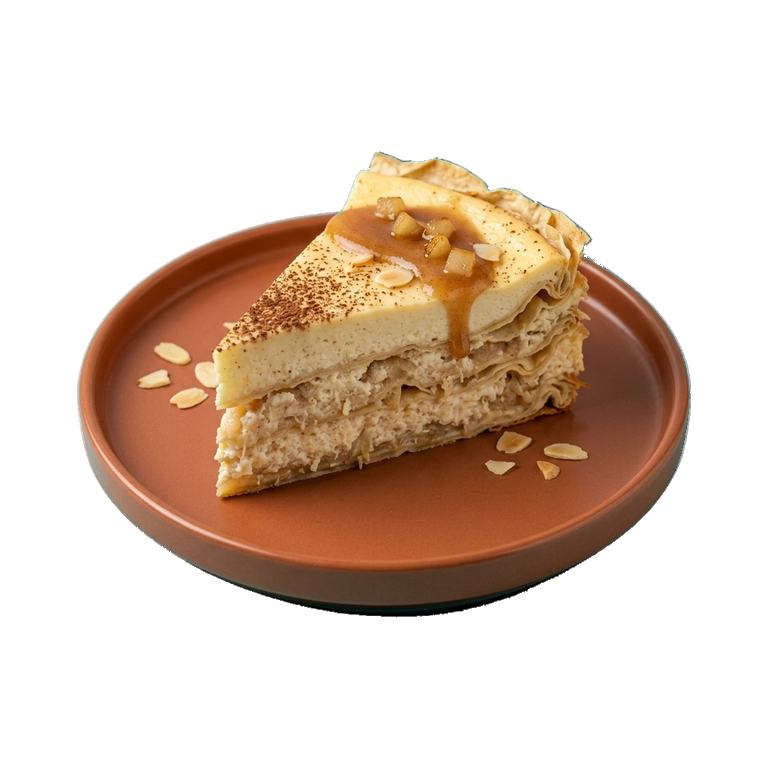
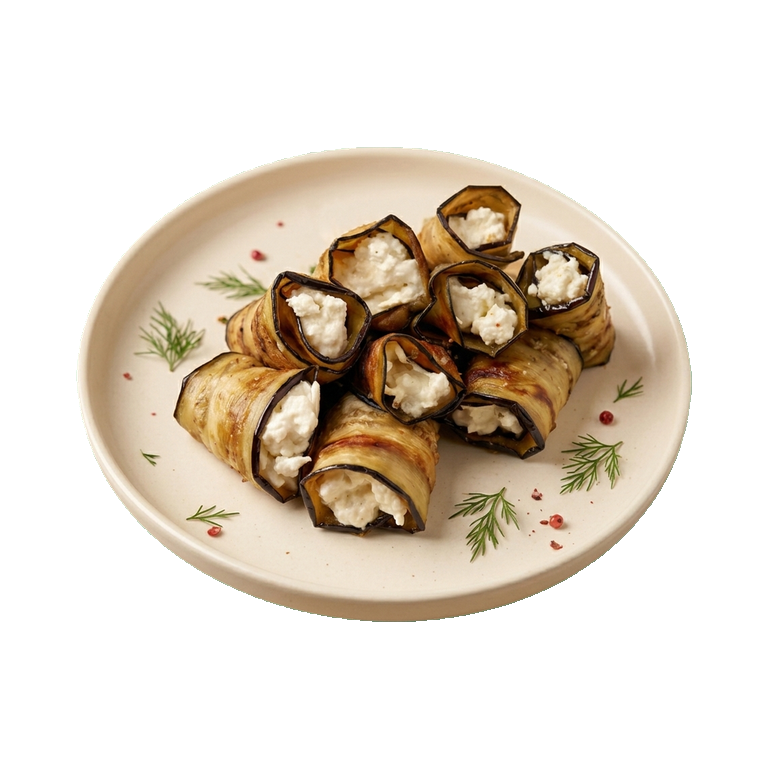
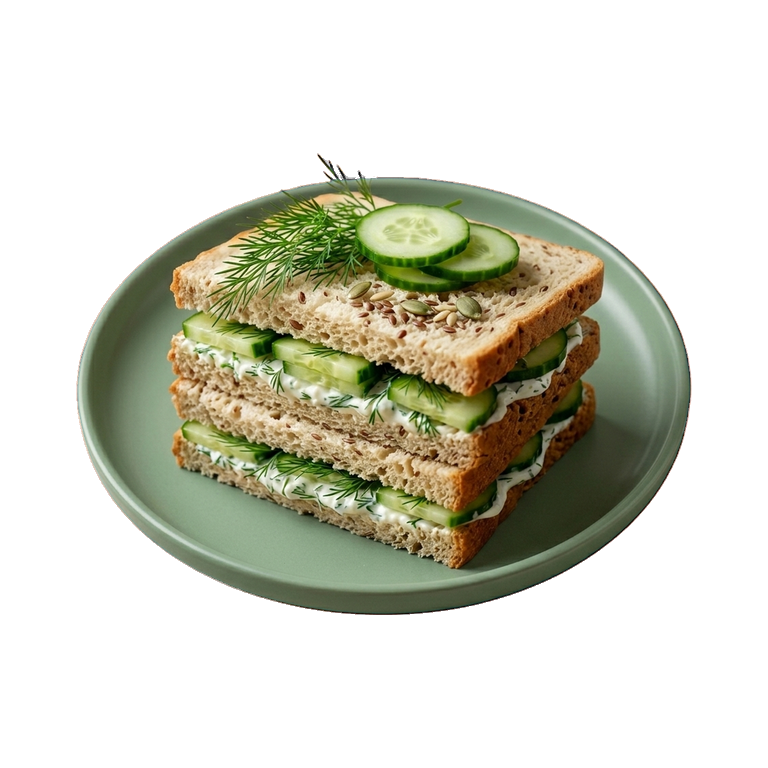
In sweet dishes, cottage cheese becomes the base for cheesecakes, creams, and glazes. It is added to pie fillings, mixed with berries for dessert sauces, or spread on pancakes. In cooking, it is used to prepare pâtés, spreads for canapés, and added to cream soups for a creamy texture. It also works well in savory salads, where it replaces cream cheese or serves as a base for sauce.
- Cheesecakes and cottage cheese pies
- Cake and pastry creams
- Spreads for bread and canapés
- Sauces and glazes
- Pâtés and terrines
- Cream soups
Pairs with
Cream cheese goes well with berries — raspberries, blueberries, and strawberries. It works well with honey, jam, and syrups. In savory dishes, its partners are herbs (dill, parsley), garlic, lemon, and lime. It pairs excellently with nuts, especially walnuts and hazelnuts. It doesn't conflict with any fish or seafood, and complements vegetables in cold appetizers.
How to Choose and Store
When purchasing, pay attention to the production date and expiration date — cream cheese has a short shelf life. The packaging should be intact, without damage. The product should not have any off-odors or mold. At home, store it in the refrigerator in an airtight container, separate from strongly-scented products. If you notice separation or color changes, it's better not to risk it.
- Store at a temperature of 2–6 degrees
- Use within 5–10 days after opening the package
- Transfer to an airtight container if the package is opened
- Do not freeze if a creamy consistency is needed
Cream cheese is an indispensable helper in the kitchen when you need tenderness and creaminess. It is easier to work with than hard cheeses and integrates into dough or sauce more quickly. The main thing is not to forget that it is a perishable product that requires attention to storage dates.
Nutrition
per 100 g
- Calories
- 242 kcal
- Protein
- 14 g
- Fat
- 20 g
- Carbs
- 4.3 g
Micronutrients
per 100 g
Macronutrients
- Saturated fat
- 19.73 g
- Monounsaturated fat
- 6.924 g
- Cholesterol
- 101 mg
- Water
- 54.72 g
Minerals
- Sodium
- 367.8 mg
- Potassium
- 124.8 mg
- Calcium
- 97.11 mg
- Magnesium
- 8.91 mg
- Phosphorus
- 107.7 mg
- Iron
- 0 mg
- Zinc
- 0.59 mg
- Copper
- 0 mg
- Manganese
- 0 mg
- Iodine
- 34.9 mcg
Vitamins
- Vitamin K
- 2.4 mcg
- Vitamin B1 (thiamin)
- 0.04 mg
- Vitamin B3 (niacin)
- 0.09 mg
- Vitamin B6
- 0.04 mg
- Vitamin B12
- 0 mcg
Measures and weight
- 1 tbsp
- 15.8 g
- 1 tsp
- 5.3 g
- 1 cup
- 262.5 g
Measure calculator
- Weight
- 100 g
- Calories
- 242 kcal