Usuba
Usuba
Erythritol
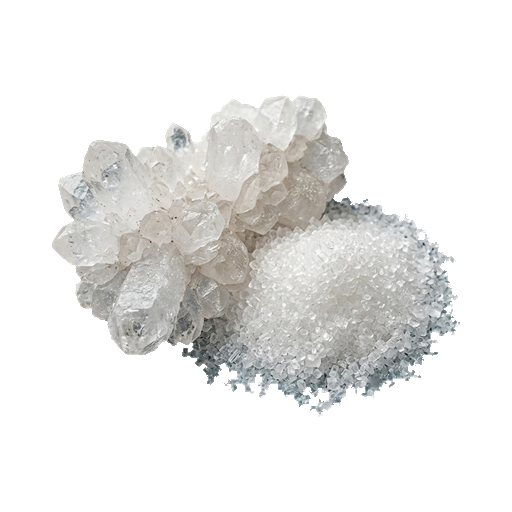
Erythritol is a four-carbon sugar alcohol with zero calories and a zero glycemic index, obtained through glucose fermentation. Its taste is close to sugar but with a slight cooling note and no bitterness, making it a convenient substitute in baking, beverages, and desserts. When using erythritol, it's important to remember that it is less soluble in cold liquids and may crystallize, so for a smooth texture it is often combined with other sweeteners or dissolved beforehand.
About
Erythritol is a sugar alcohol that contains almost no calories and has virtually no effect on blood glucose levels. It has emerged in cooking as an alternative to regular sugar for those who watch their weight or manage carbohydrates. The main advantage is that erythritol is sweet, but unlike many other substitutes, it doesn't leave an unpleasant aftertaste.
Taste and solubility
Erythritol is sweet at approximately 70% of the sweetness of regular sugar, which is why it is often mixed with other sweeteners or used in larger quantities. The crystals dissolve in liquid, but more slowly than sugar, and during dissolution they slightly cool the mixture — this should be taken into account in cold drinks and desserts. In hot dishes, erythritol behaves more predictably and does not caramelize.
Where it is used
- Beverages and compotes — works well in cold and hot liquids
- Baking and desserts — added to dough, creams, mousses, but remember slow dissolution
- Jams and preserves — creates the desired consistency, although it may crystallize during long storage
- Yogurts and cottage cheese mixtures — sweetens without sharp aftertaste
- Sauces and glazes — works in sweet sauces, but requires testing in each recipe
Pairings and recommendations
Erythritol works well with acids — lemon juice, berries, yogurt — which mask any slight cooling sensation. It is often combined with other sweeteners like stevia or sucralose to enhance sweetness and improve the flavor profile. If you're cooking for people trying erythritol for the first time, start with a smaller amount and let them get used to the sensation.
Selection and Storage
Erythritol is sold in the form of crystals or powder. Crystals dissolve more slowly, but last longer and are better suited for baking. Powder mixes faster and is more convenient for beverages. Store it in a tightly sealed container in a dry place — erythritol is hygroscopic and absorbs moisture from the air. Properly packaged product can be stored for years without losing its properties.
Remember that erythritol is not a cure-all. It works well in certain dishes, but cannot always completely replace sugar in traditional recipes. Experiment, try different proportions and combinations, and you will find how best to use it in your cooking.
Nutrition
per 100 g
- Calories
- 20 kcal
- Protein
- 0 g
- Fat
- 0 g
- Carbs
- 100 g
Measures and weight
- 1 tbsp
- 12 g
- 1 tsp
- 4 g
- 1 cup
- 200 g
Measure calculator
- Weight
- 100 g
- Calories
- 20 kcal