Usuba
Usuba
Dill
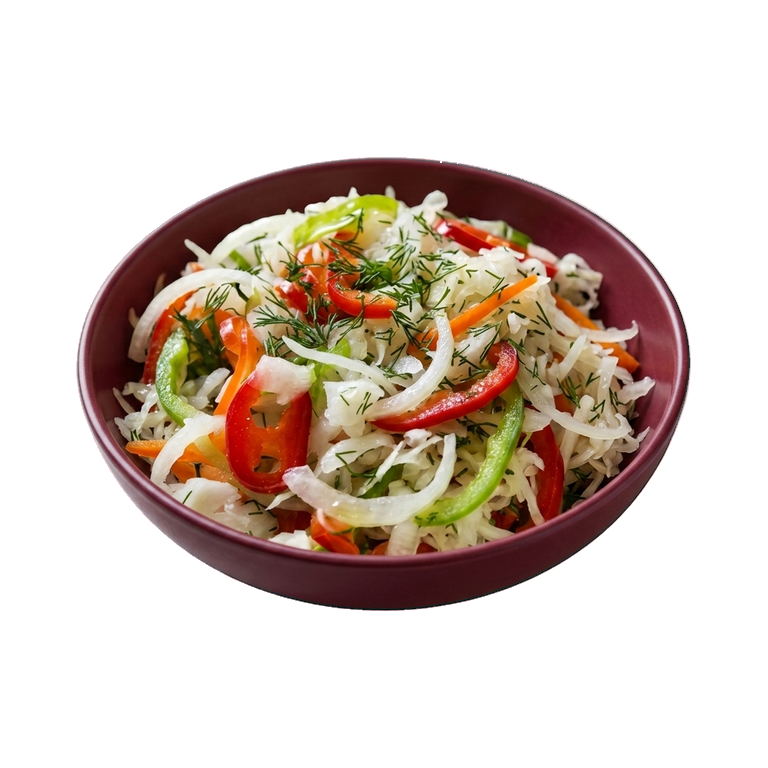
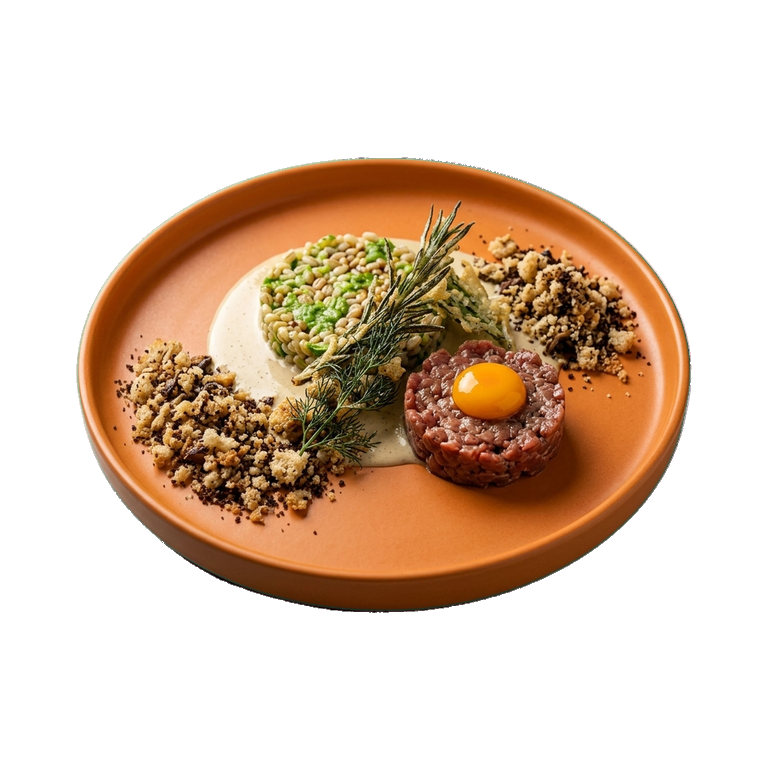
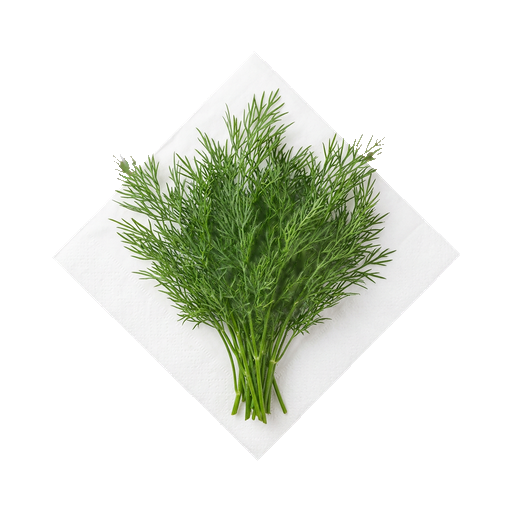
Dill is a herbaceous plant with thin feathery leaves and a characteristic fresh, slightly anise-like aroma. Its delicate leaves are added to salads, soups, fish and vegetable dishes, and are also used for canning and pickling. When cooking, dill is best added at the end to preserve its aroma and bright flavor, as prolonged heat treatment causes it to lose its qualities.
Micronutrients
per 100 g
Minerals
About
Aroma and flavor
Dill is a herb with a characteristic fresh, slightly spicy aroma that is instantly recognizable. Its taste is light, with barely noticeable sweetness and a subtle bitterness. The leaves are delicate, almost airy, while the seeds are more concentrated and warm in flavor. When you chop dill, it immediately releases its aroma, so add it at the last moment if you want to preserve maximum freshness.
Role in dishes
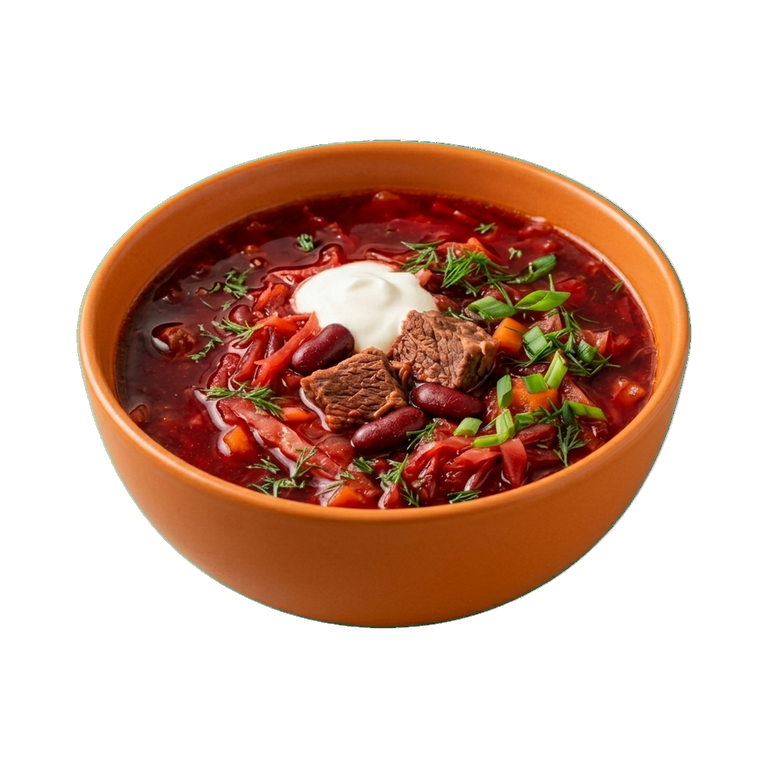
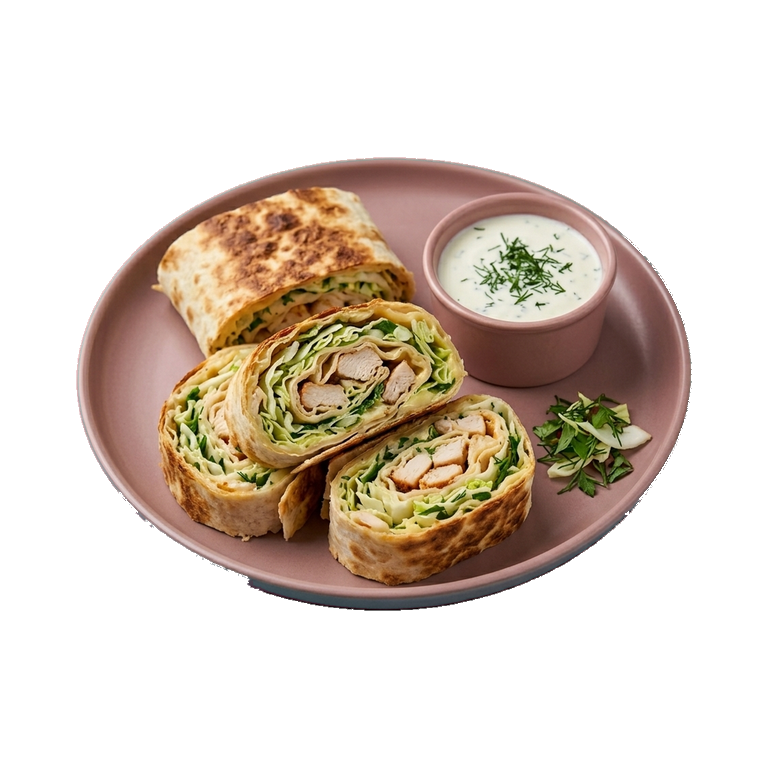
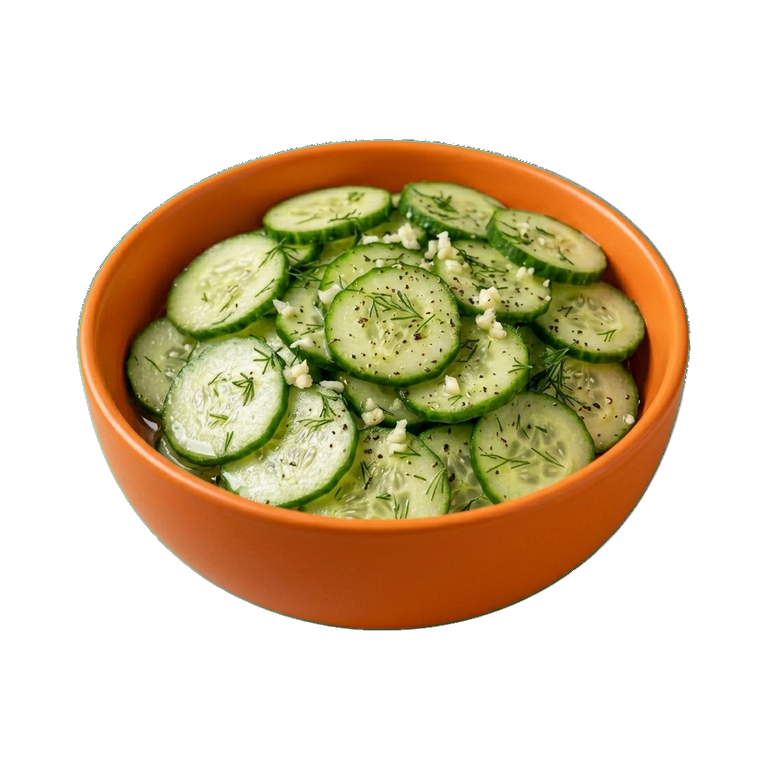
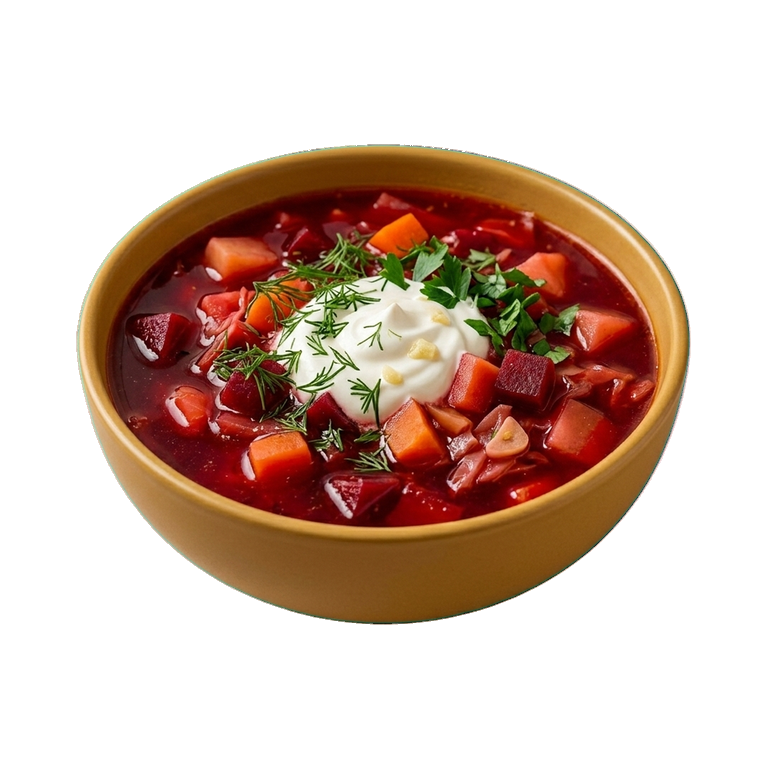
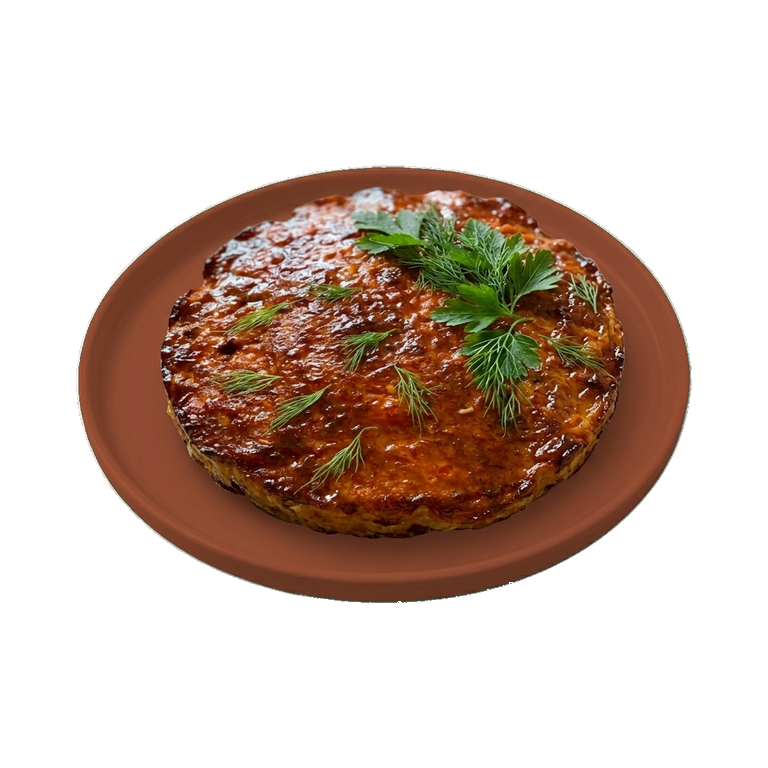
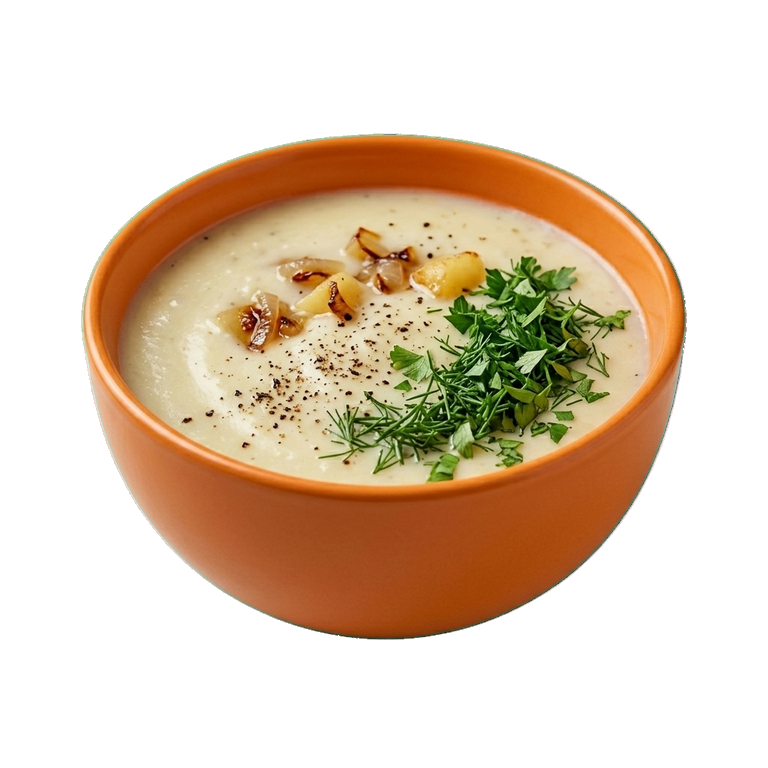
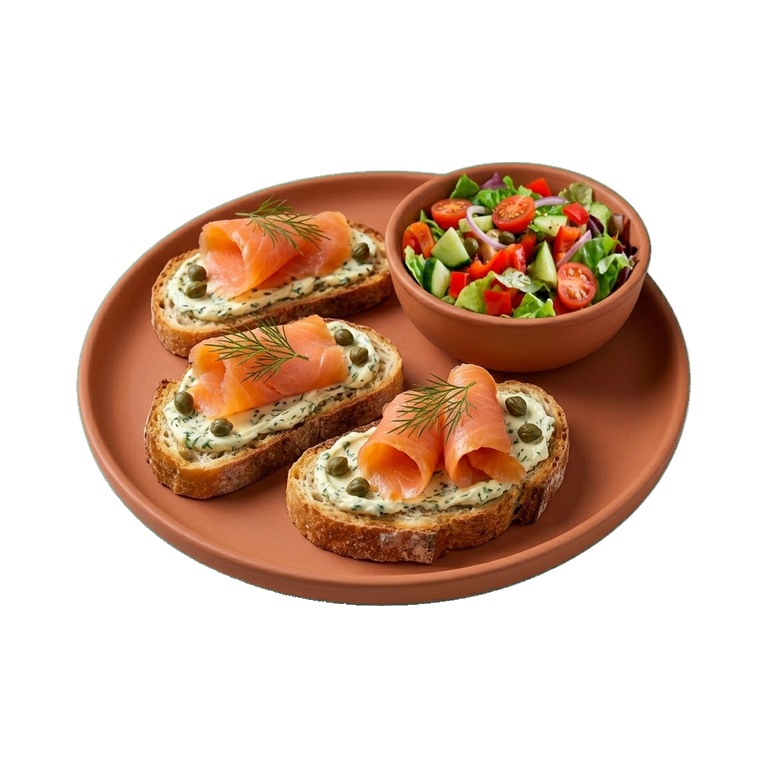
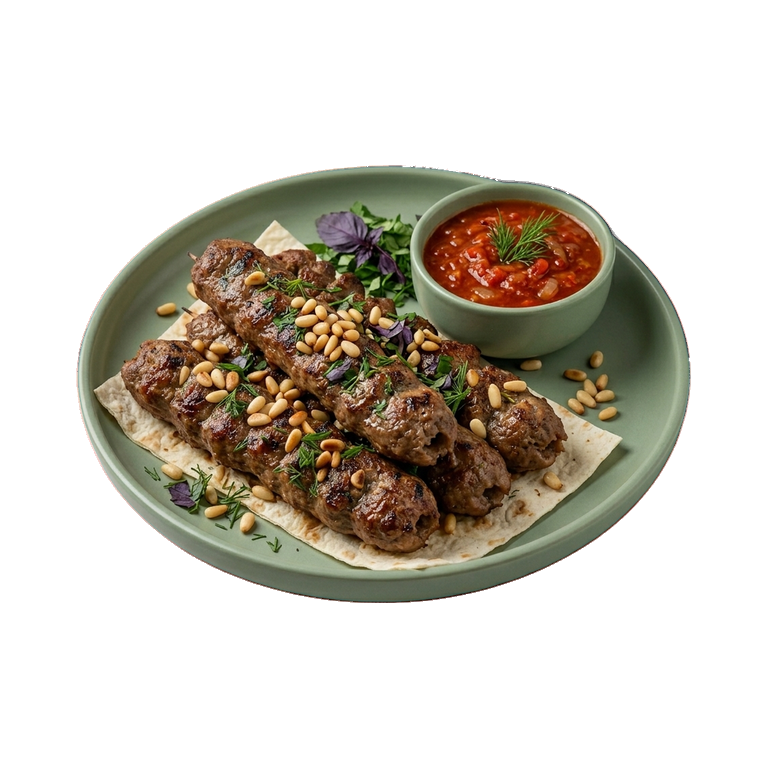
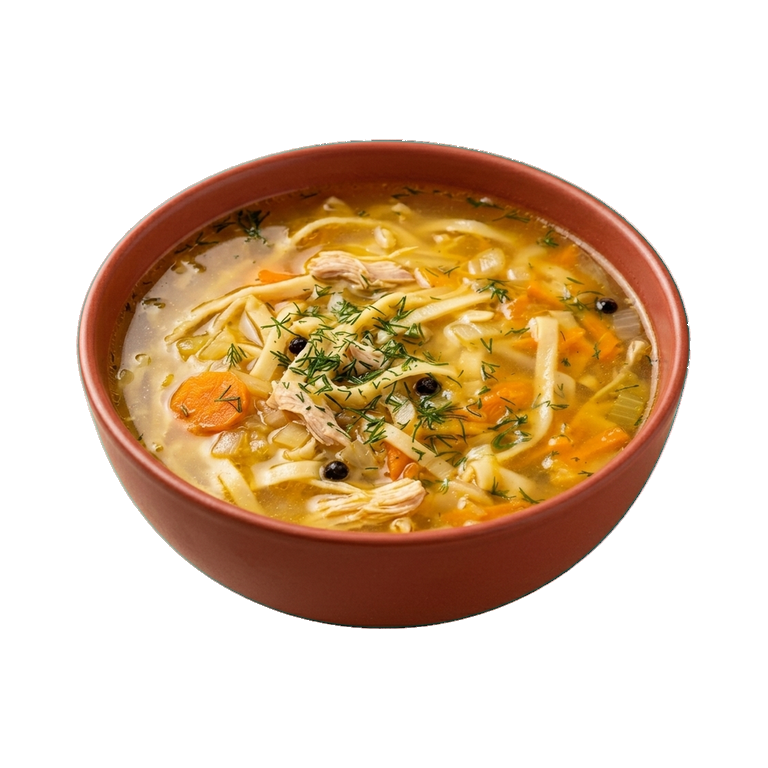
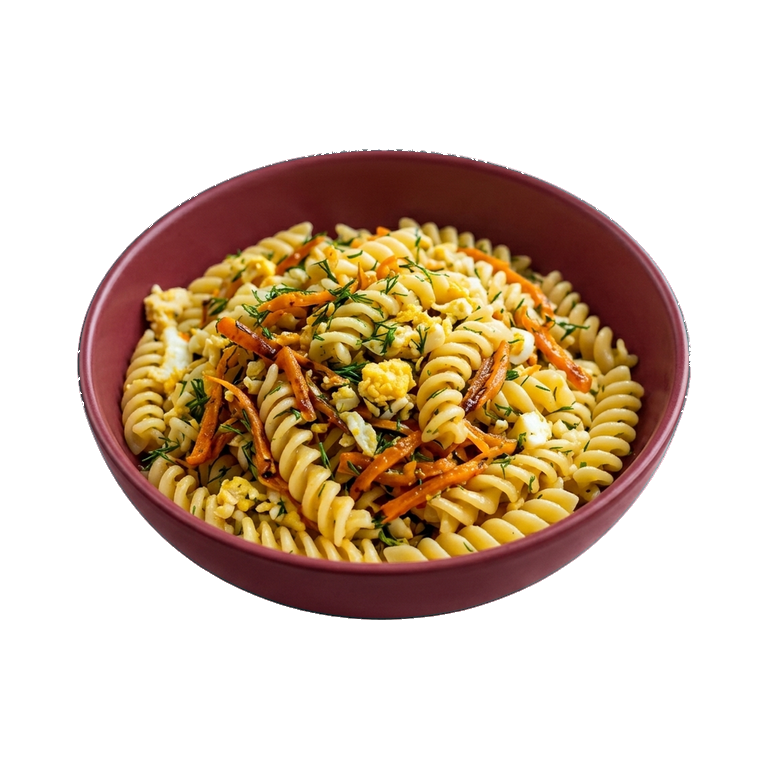
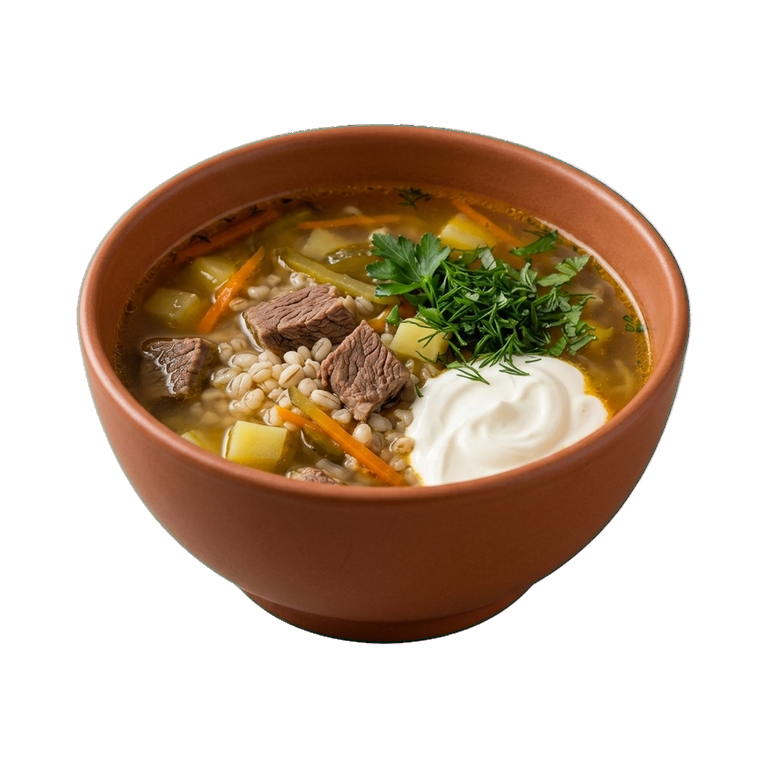
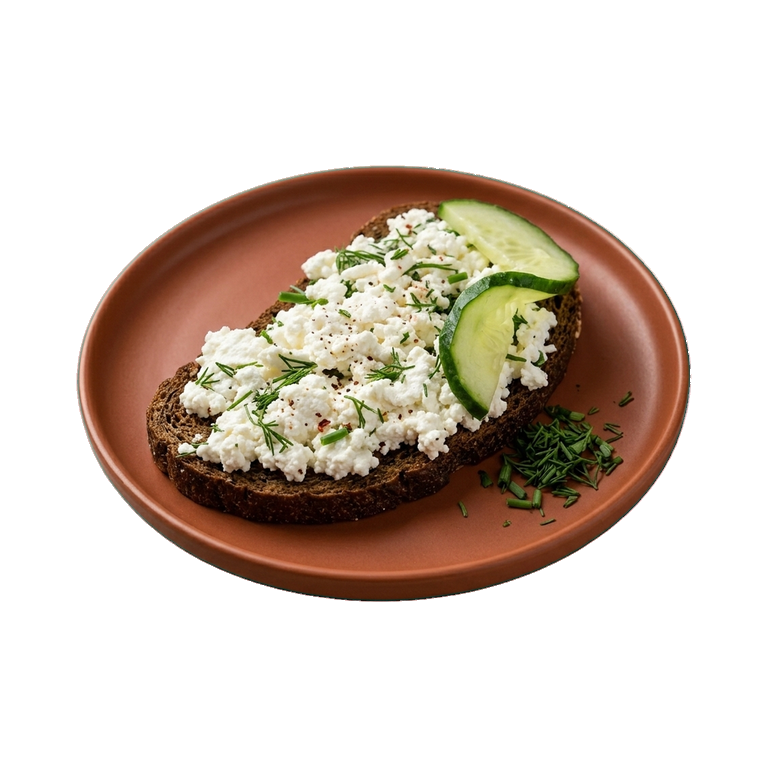
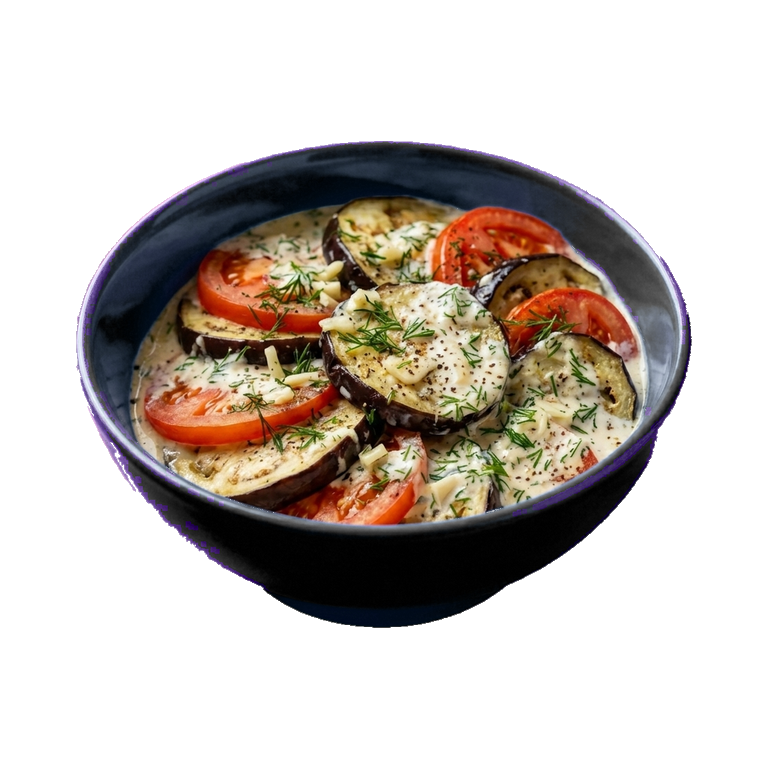
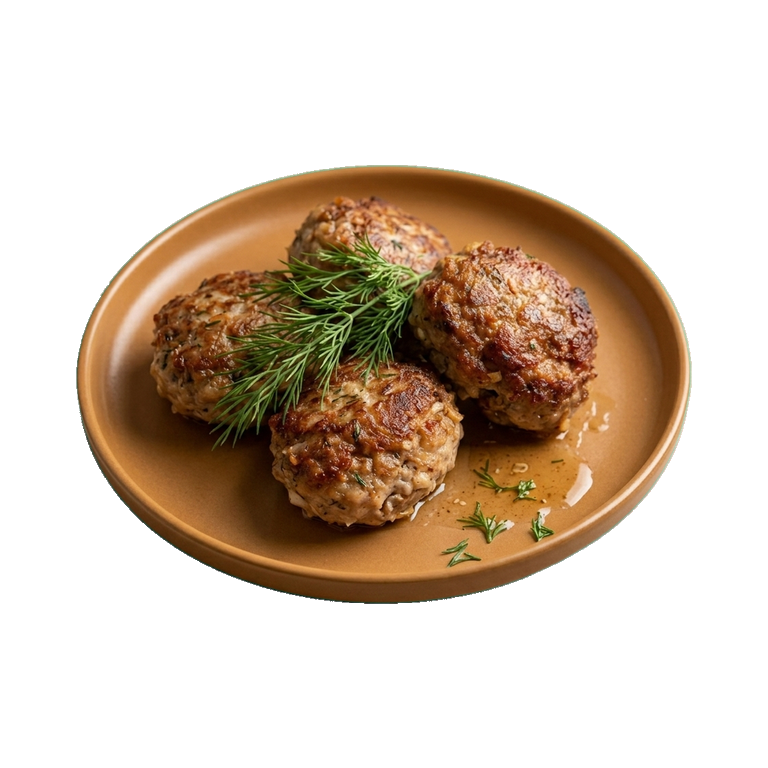
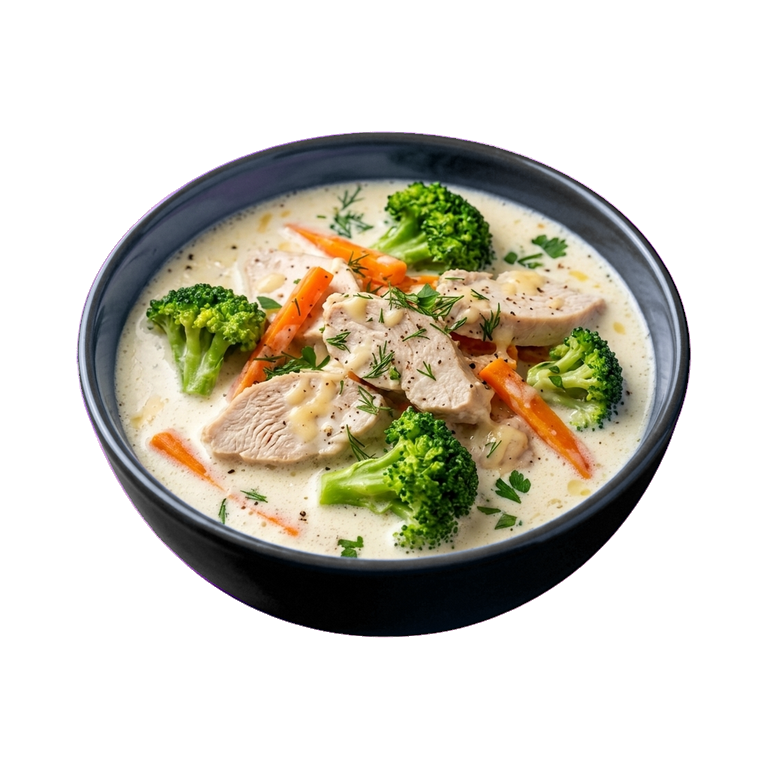
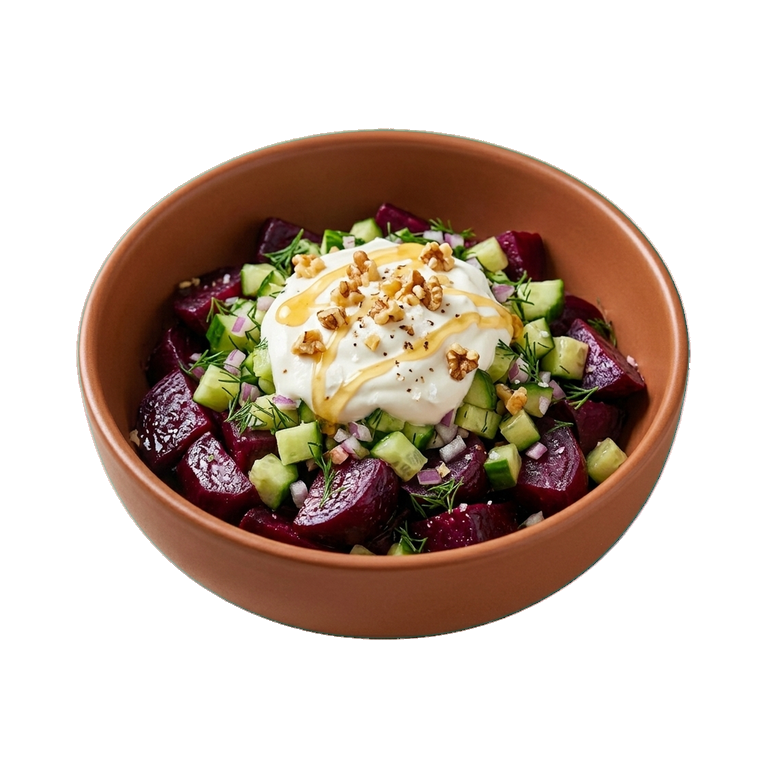
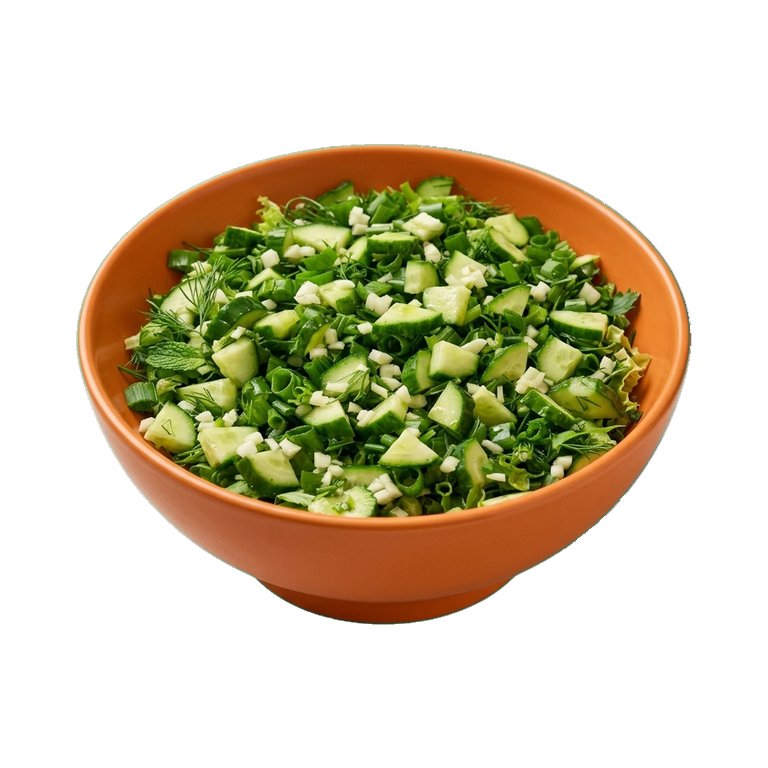
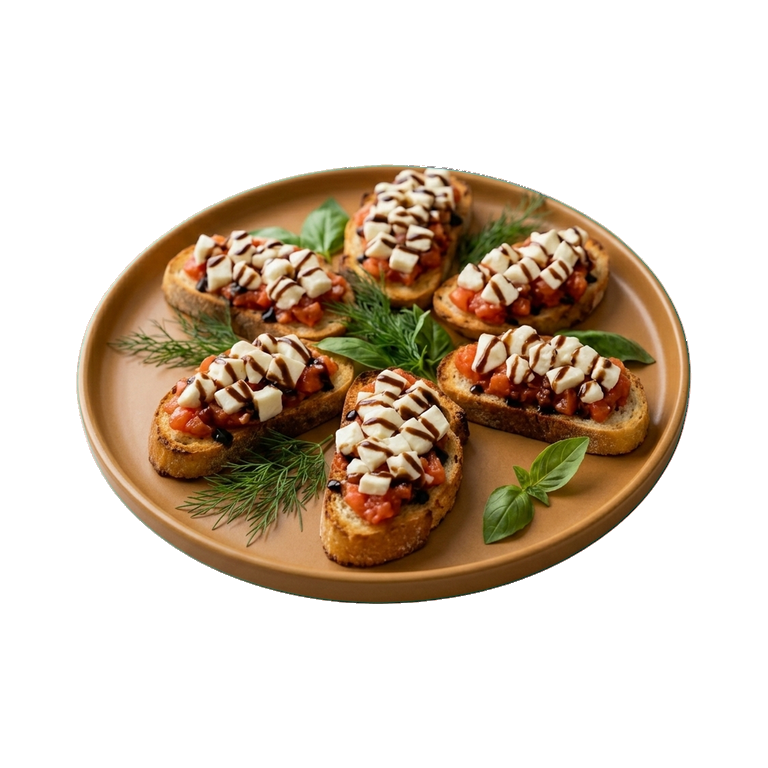
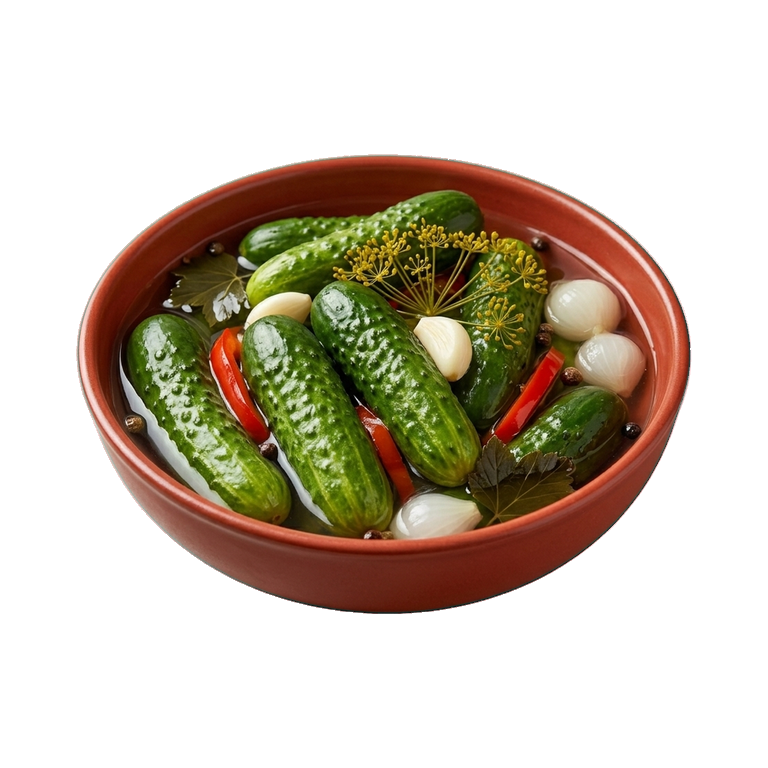
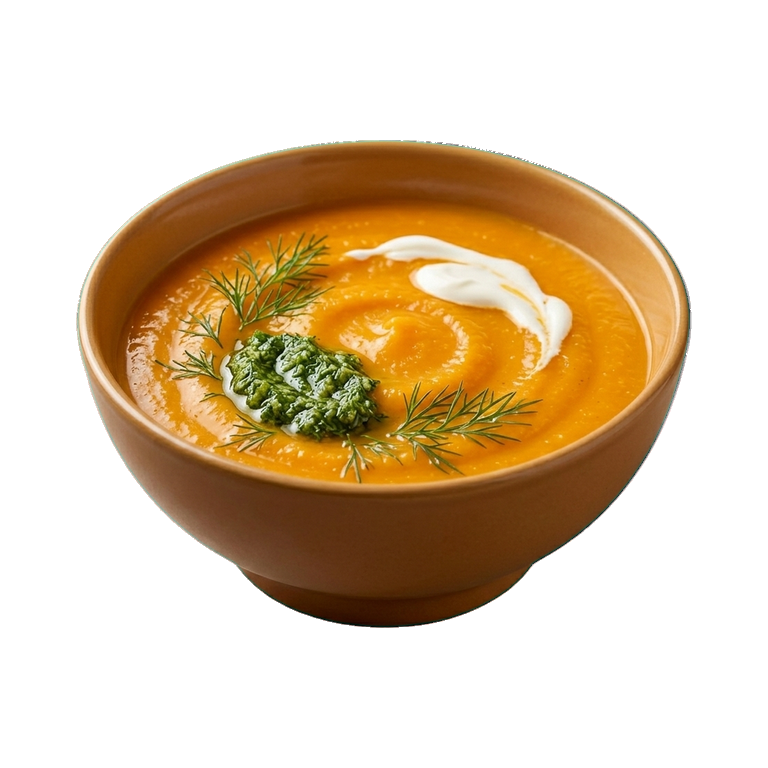
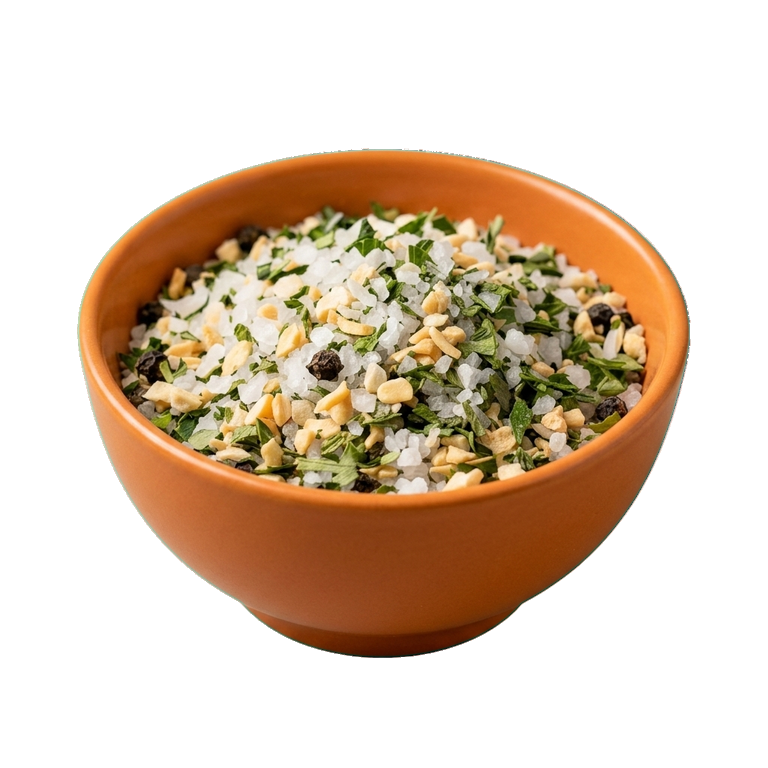
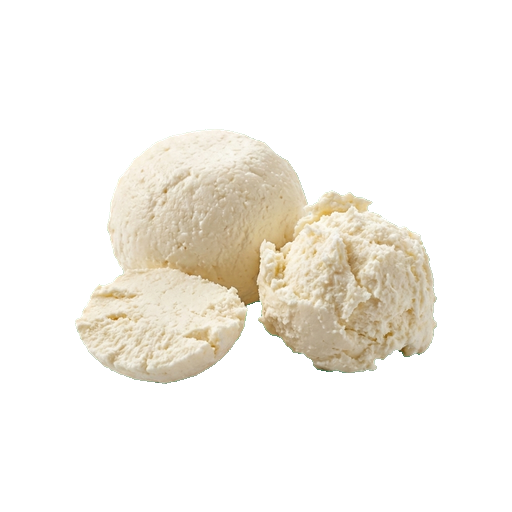
Dill works in two capacities: as fresh herbs for a final touch and as a seasoning for canning and pickling. In the first case, it decorates the dish and adds a fresh note, in the second — it imparts piquancy and helps preserve vegetables. It is added to salads, soups, cottage cheese pastas, fish dishes and sauces. Dill seeds are used when salting cucumbers, tomatoes and other vegetables — they impart a characteristic flavor and help maintain crispness.
Successful Combinations
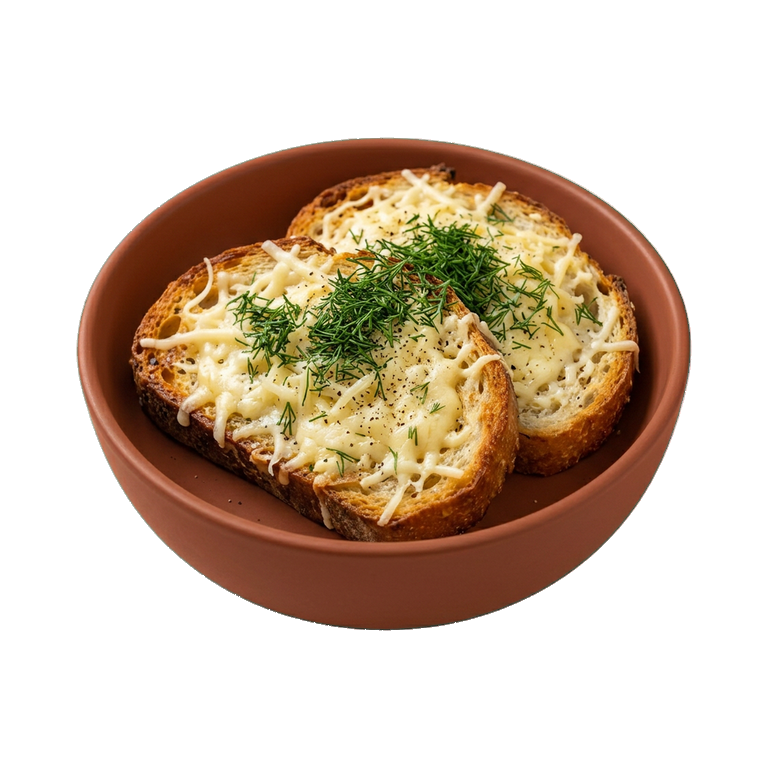
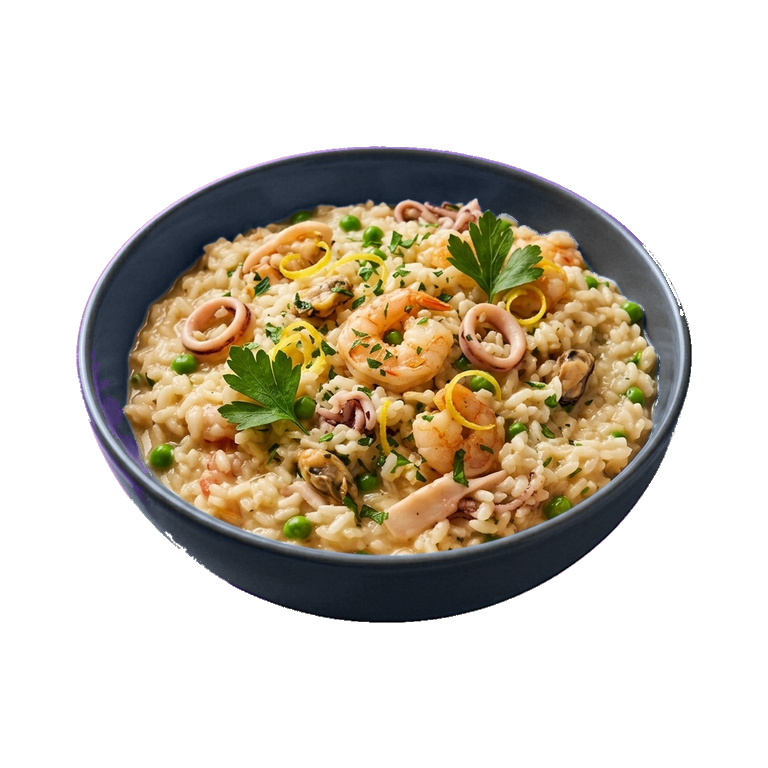
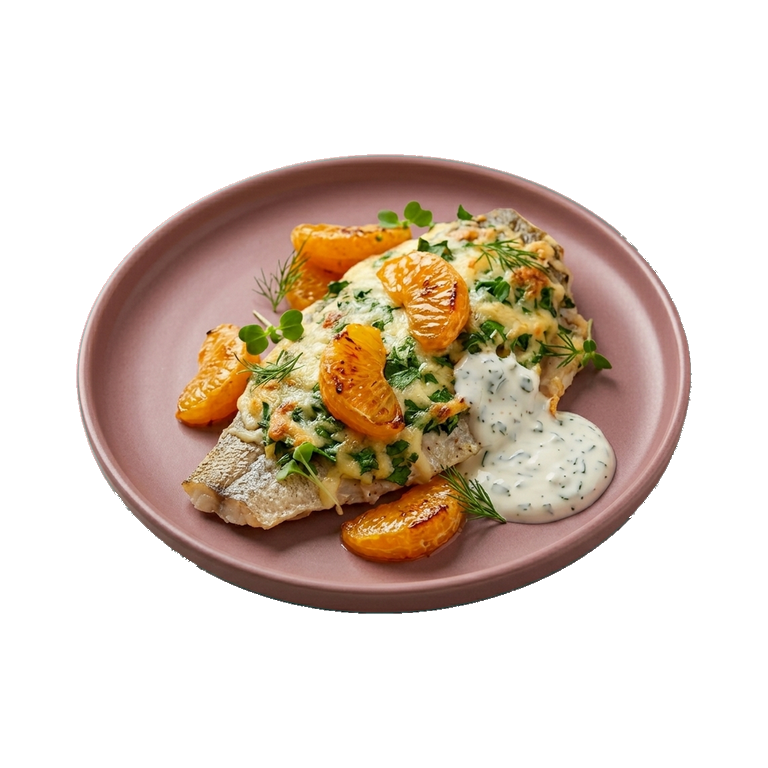
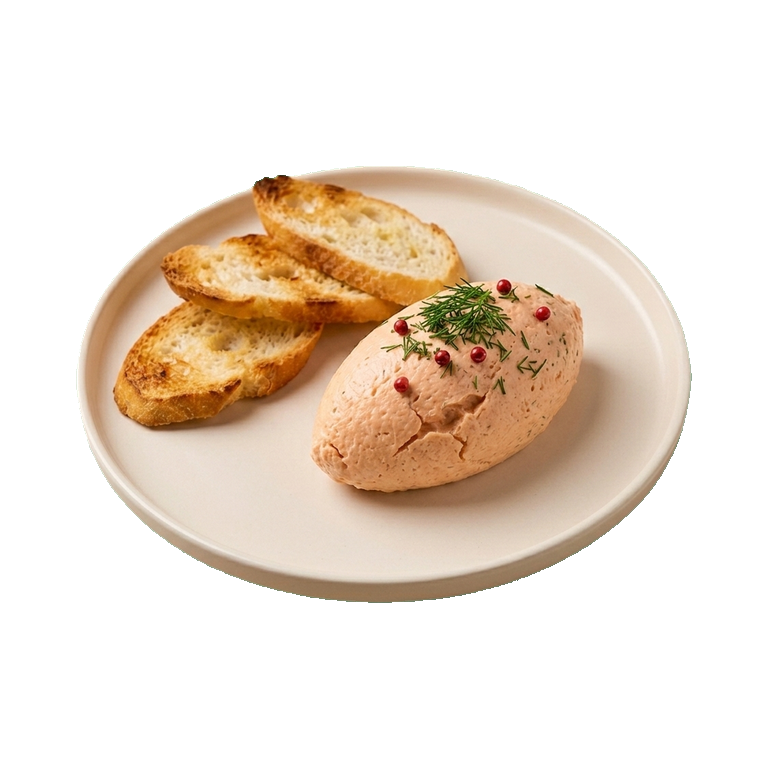
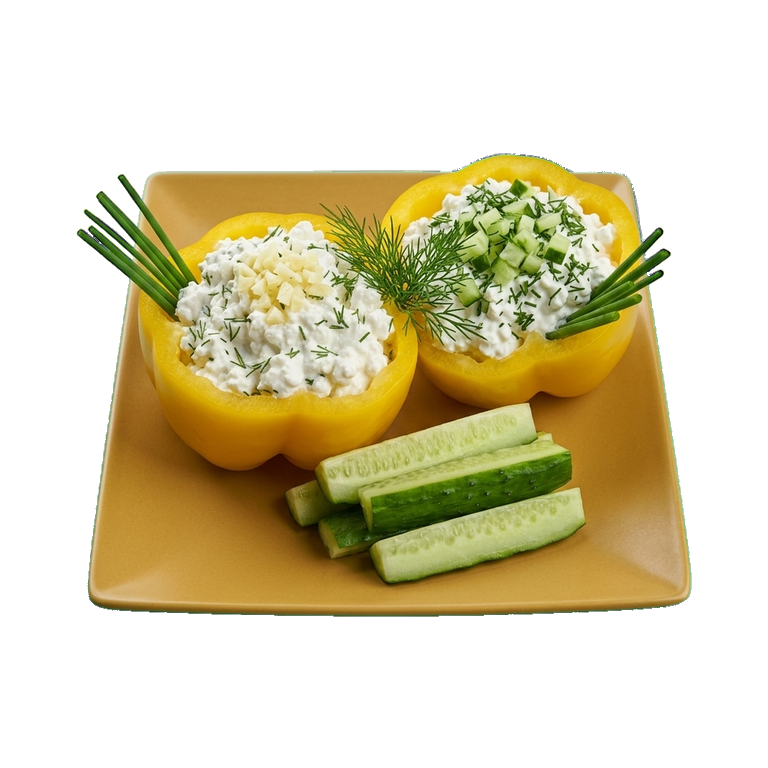
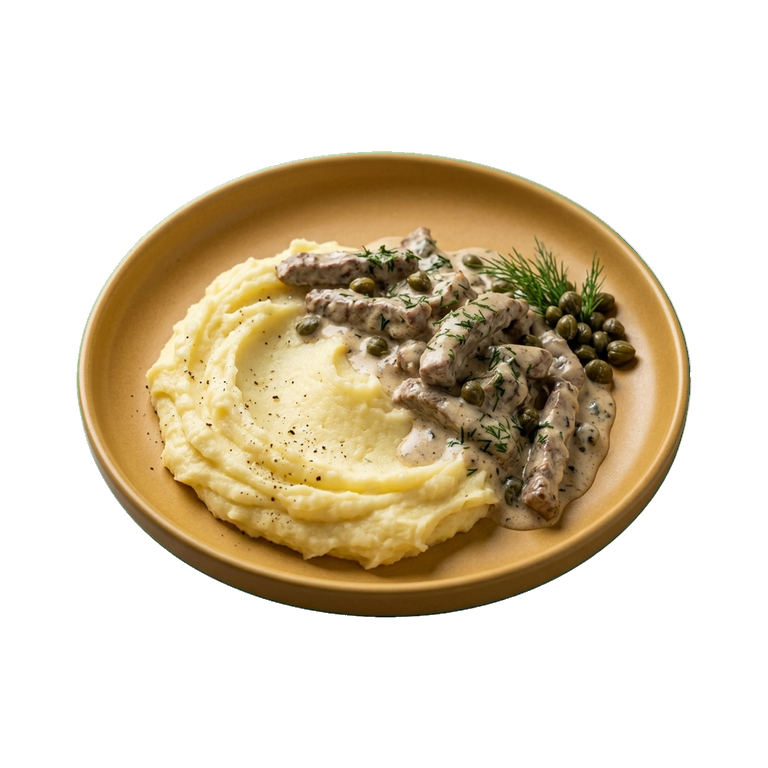
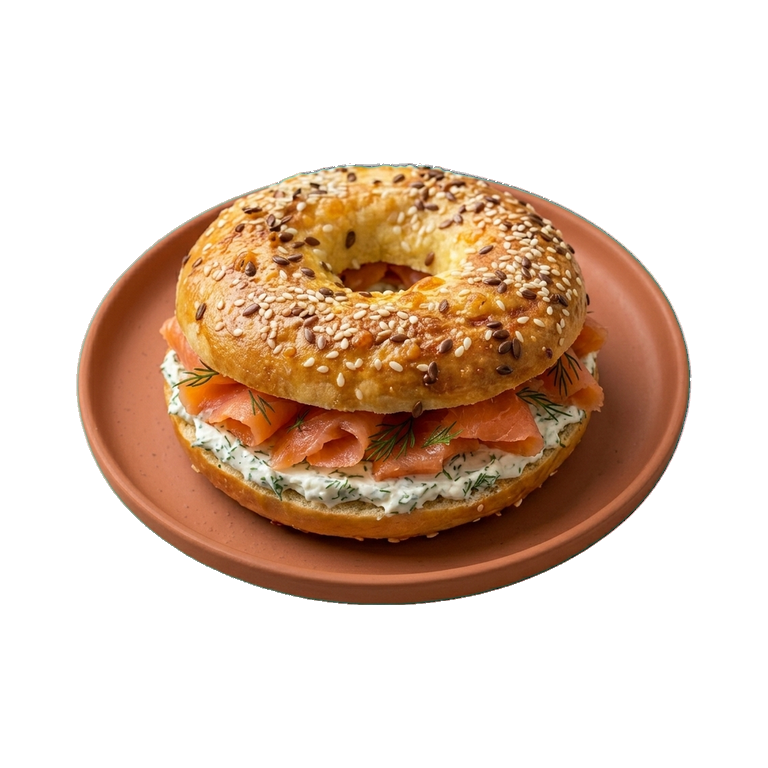
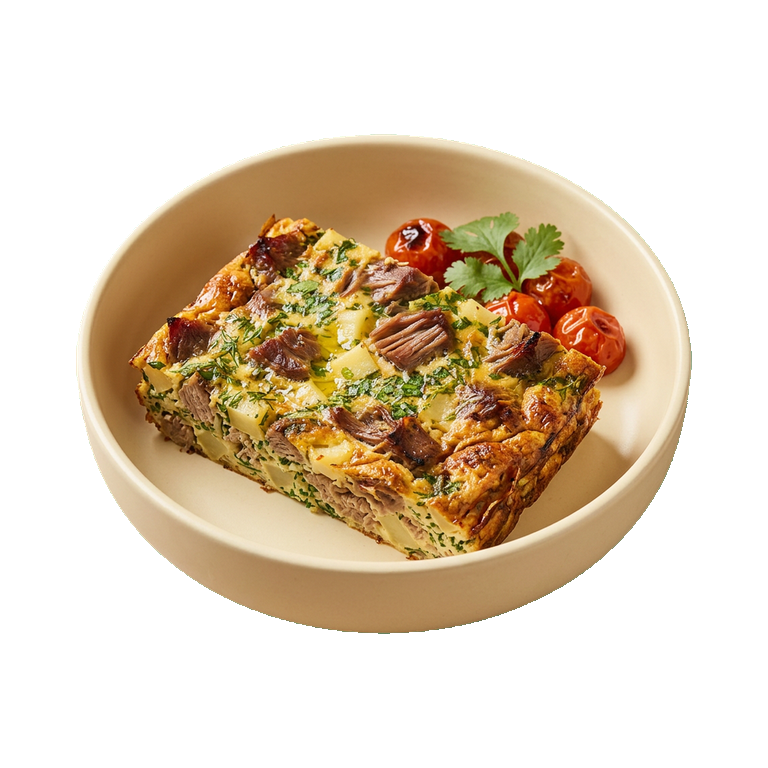
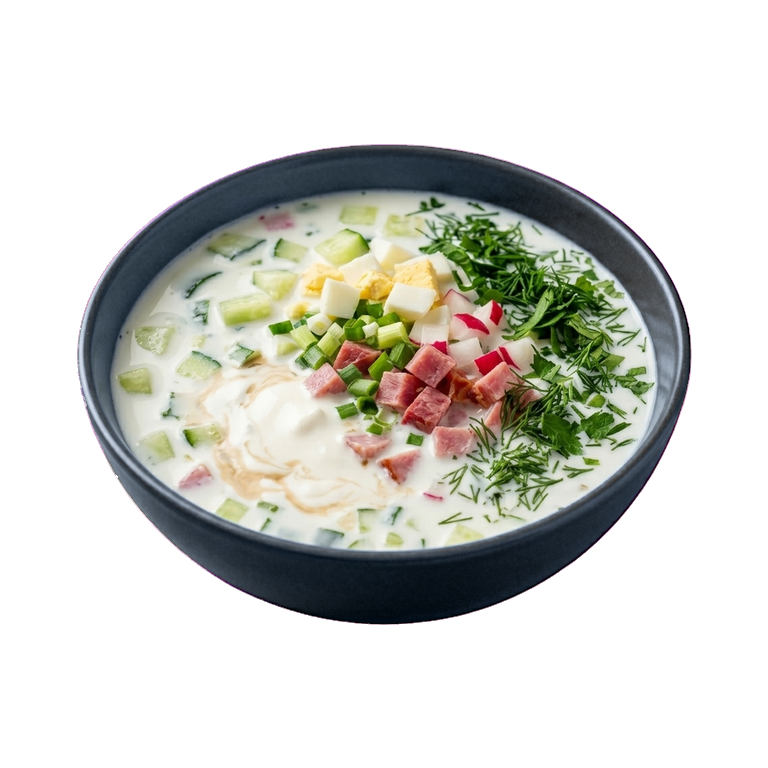
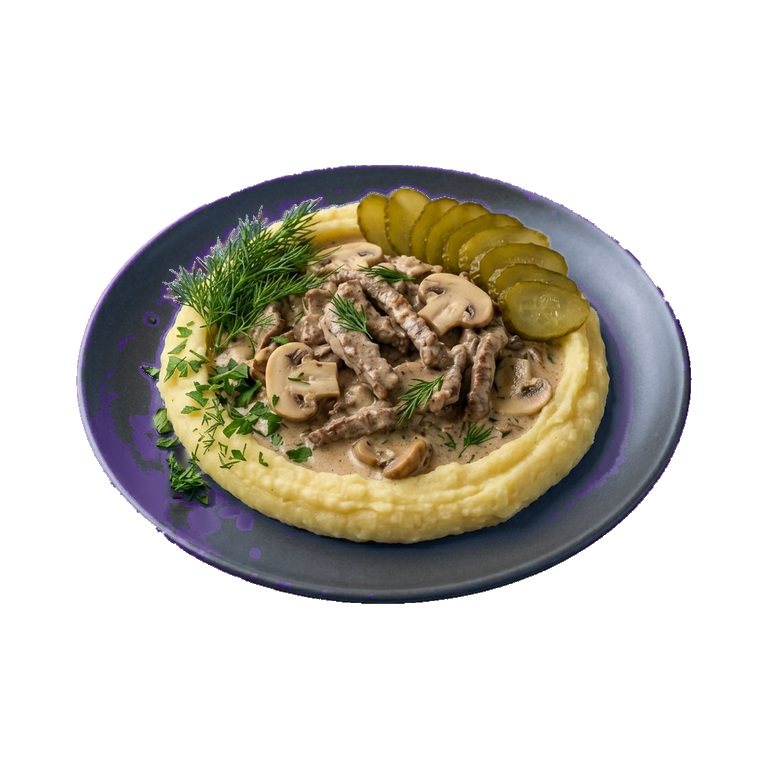
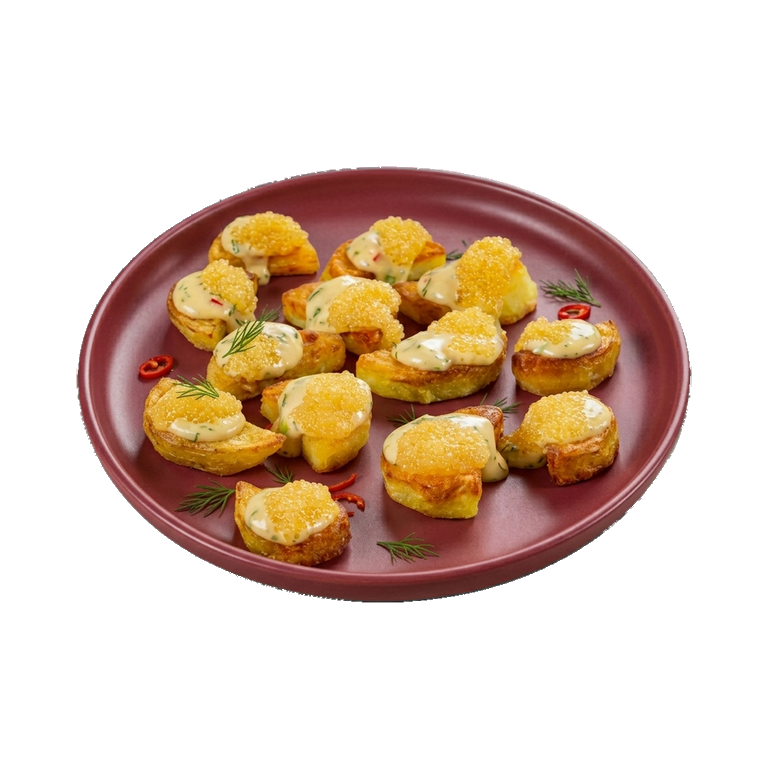
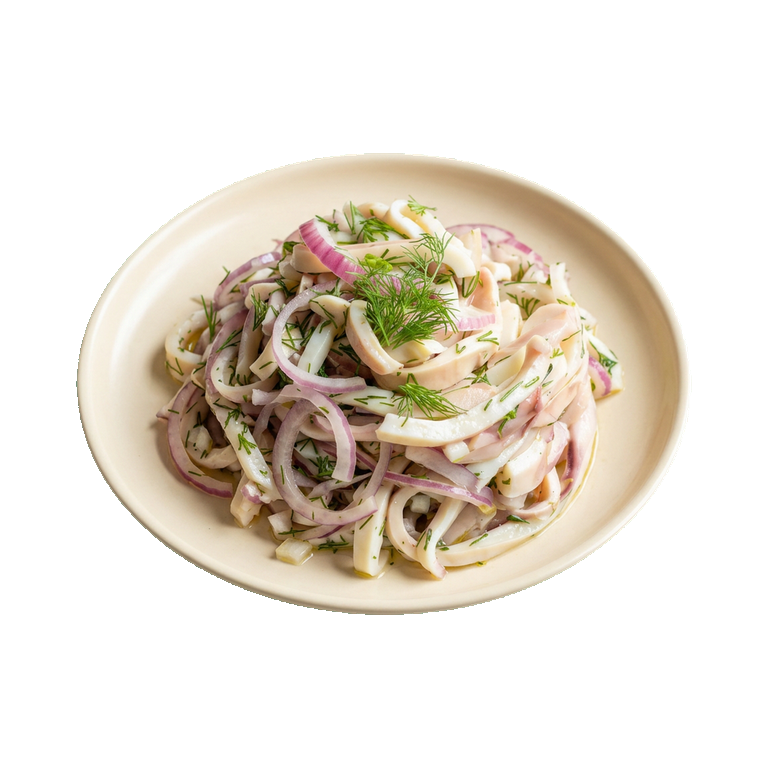
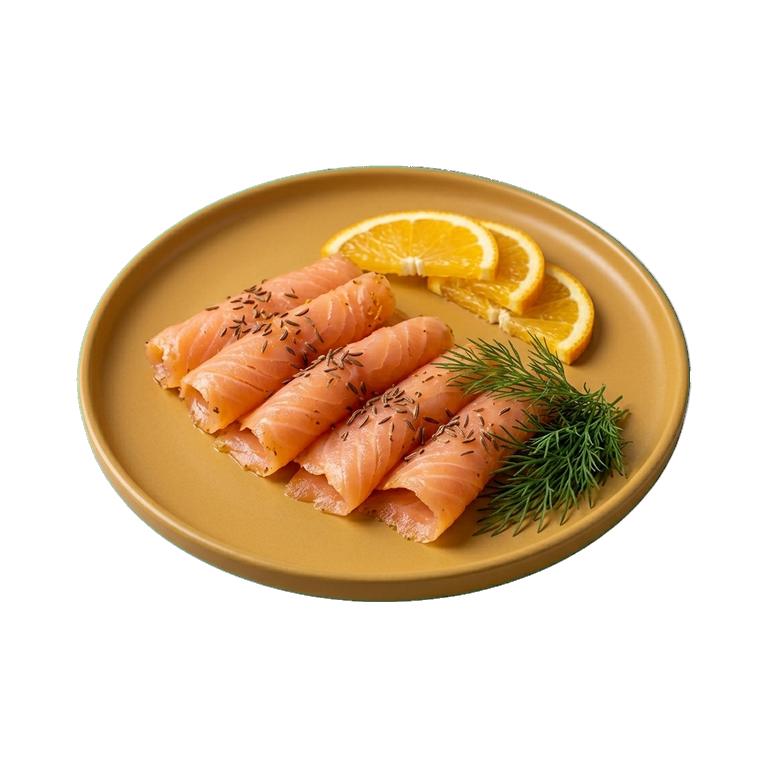
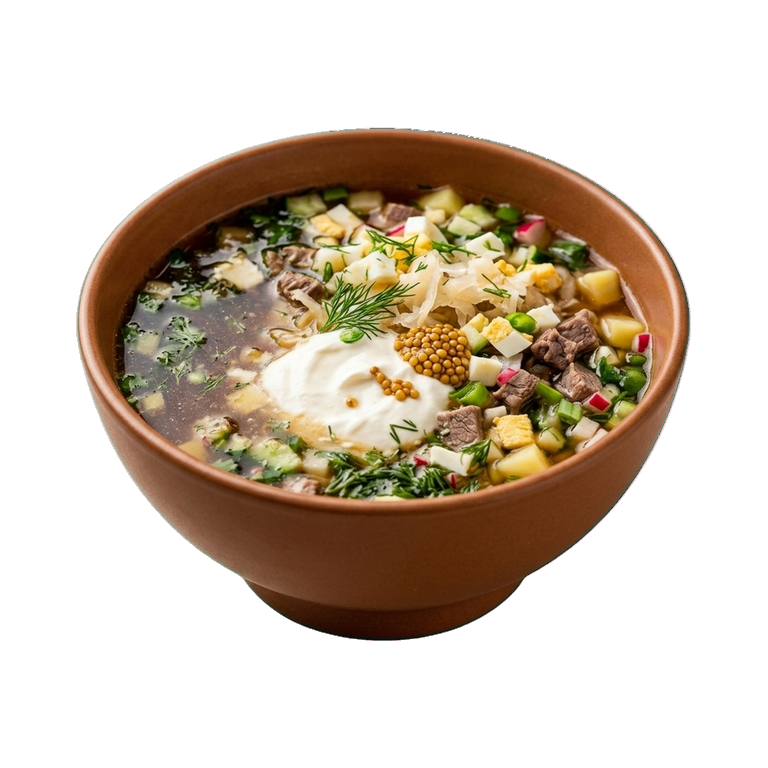
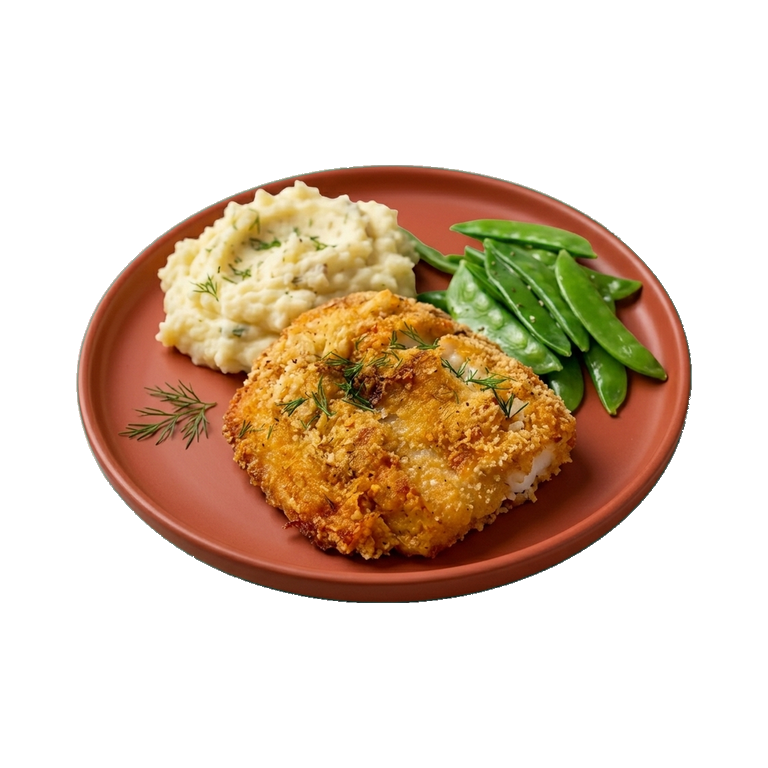
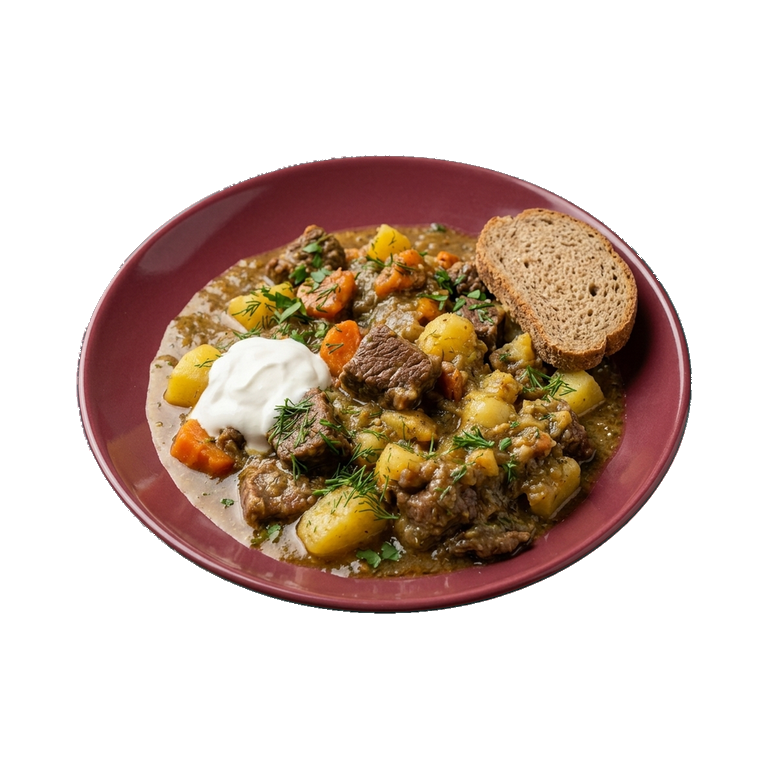
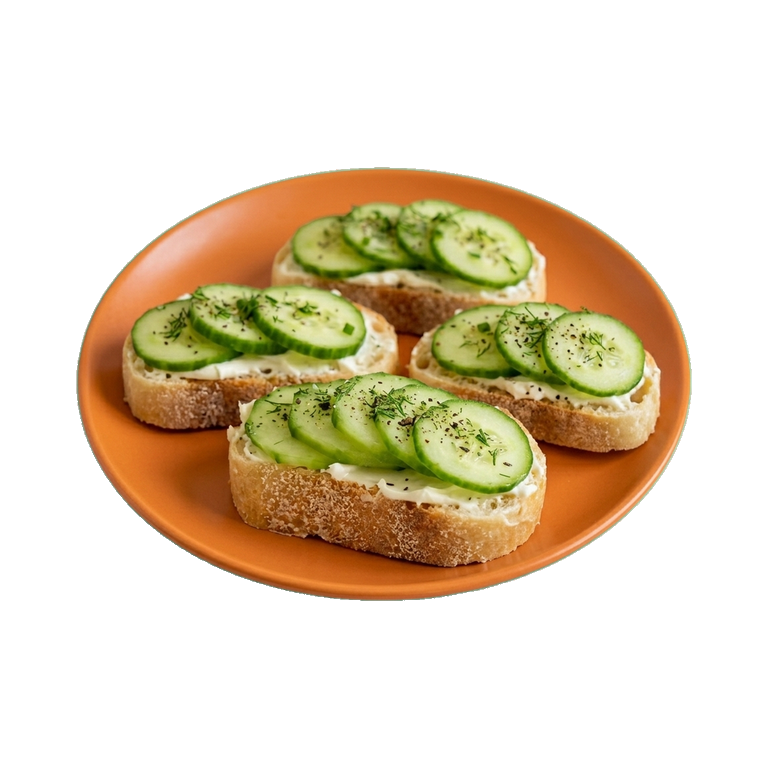
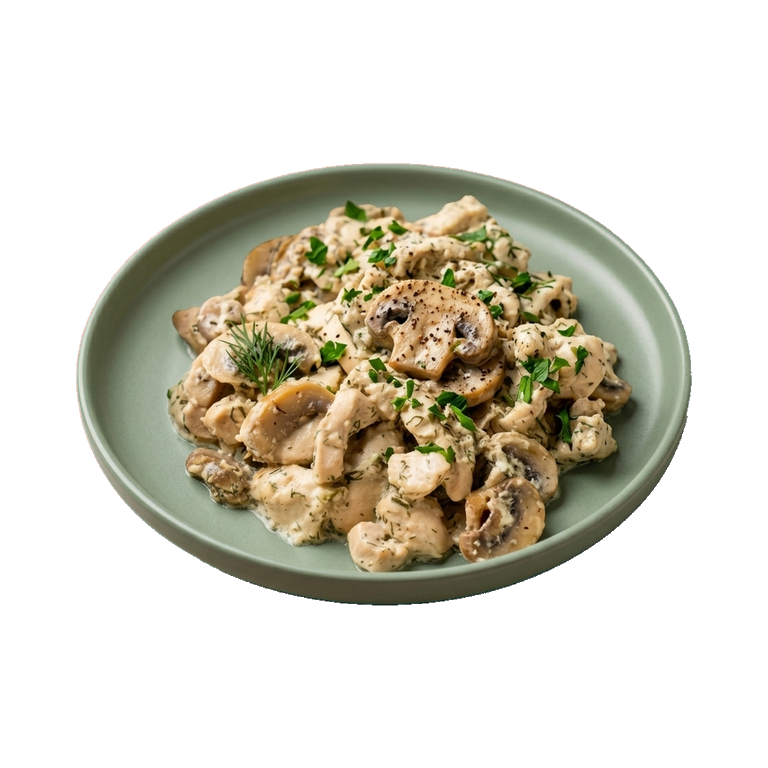
Dill is a universal partner for fish: whether it's a creamy sauce or lemon dressing, it's always appropriate. It works great with potatoes, especially boiled ones. Cottage cheese and sour cream become more vibrant when paired with dill. It goes well with onion, garlic, and lemon, creating fresh, light compositions. Try adding it to an omelet, yogurt sauce, or okroshka — the result is always pleasant.
Selection and Storage
Look for dill with bright green, firm leaves without spots or wilting. The aroma should be fresh and pleasant. If you see yellow or brown tips, this is a sign that the greens have already started to lose their freshness.
Fresh dill is stored in the refrigerator for a short time — maximum one week in a plastic container or wrapped in a damp towel. You can place a bunch in a glass of water, cover it with a bag, and put it in the cold — this way it will last a little longer. For long-term storage, dill is dried or frozen. Frozen dill loses its firmness but retains its flavor and aroma, so it is good for hot dishes. Dried dill is more compact and convenient to use, although its taste becomes more concentrated and changes slightly.
Nutrition
per 100 g
- Calories
- 43 kcal
- Protein
- 3.5 g
- Fat
- 1.1 g
- Carbs
- 7 g
Micronutrients
per 100 g
Macronutrients
- Fiber
- 2.1 g
- Saturated fat
- 0.06 g
- Monounsaturated fat
- 0.802 g
- Polyunsaturated fat
- 0.095 g
- Cholesterol
- 0 mg
- Water
- 85.95 g
Minerals
- Sodium
- 61 mg
- Potassium
- 738 mg
- Calcium
- 208 mg
- Magnesium
- 55 mg
- Phosphorus
- 66 mg
- Iron
- 6.59 mg
- Zinc
- 0.91 mg
- Copper
- 0.15 mg
- Manganese
- 1.26 mg
Vitamins
- Vitamin A (RAE)
- 386 mcg
- Vitamin D
- 0 mcg
- Vitamin C
- 85 mg
- Vitamin B1 (thiamin)
- 0.06 mg
- Vitamin B2 (riboflavin)
- 0.3 mg
- Vitamin B3 (niacin)
- 1.57 mg
- Vitamin B5 (pantothenic acid)
- 0.4 mg
- Vitamin B6
- 0.19 mg
- Vitamin B9 (folate, DFE)
- 150 mcg
- Vitamin B12
- 0 mcg
Measures and weight
- 1 tbsp
- 4.5 g
- 1 tsp
- 1.5 g
- 1 cup
- 75 g
- 1 bunch
- 50 g
- 1 sprig
- 2 g
- 1 stalk
- 1.5 g
Measure calculator
- Weight
- 100 g
- Calories
- 43 kcal