Usuba
Usuba
Tartlets
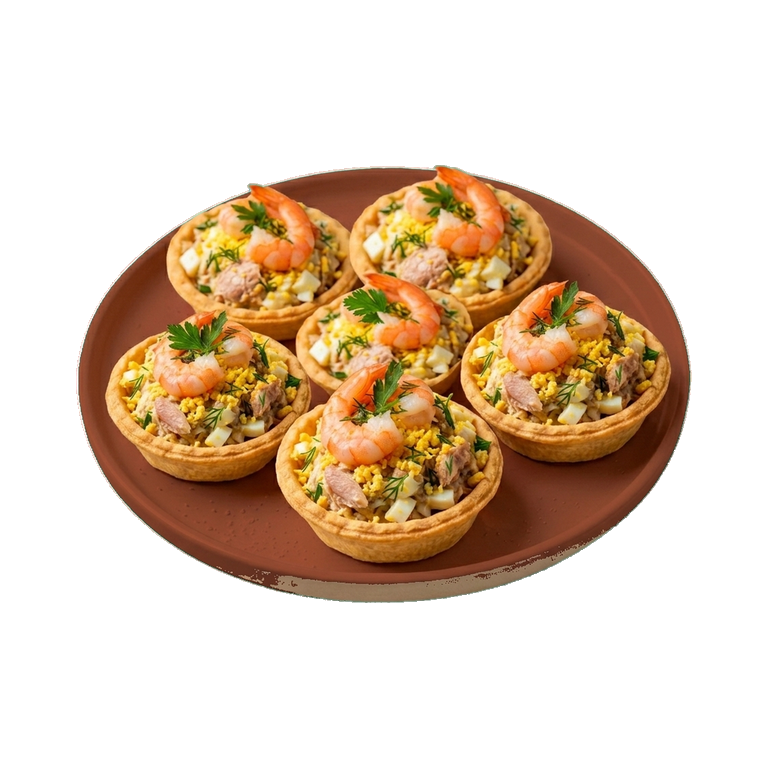
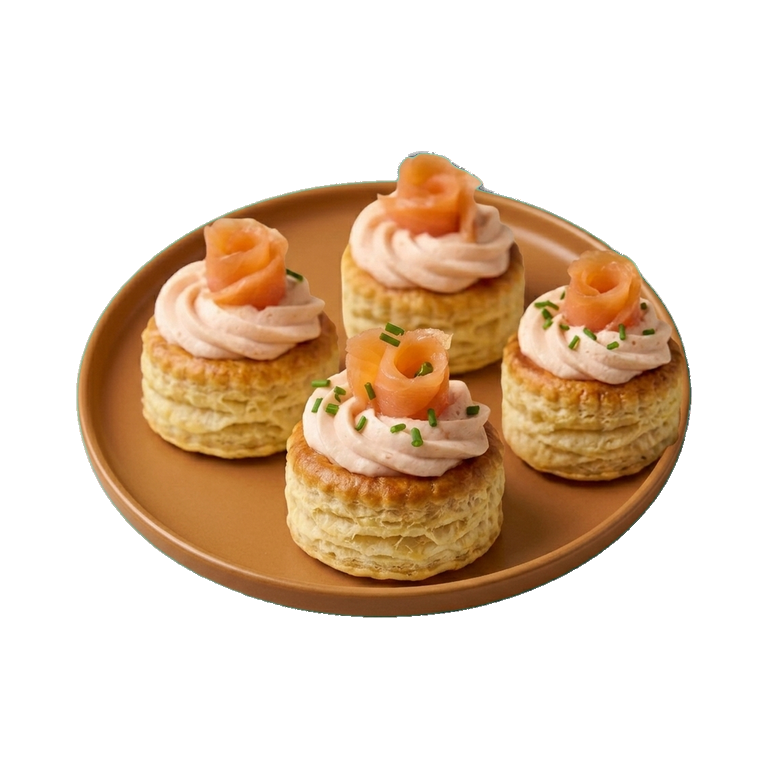
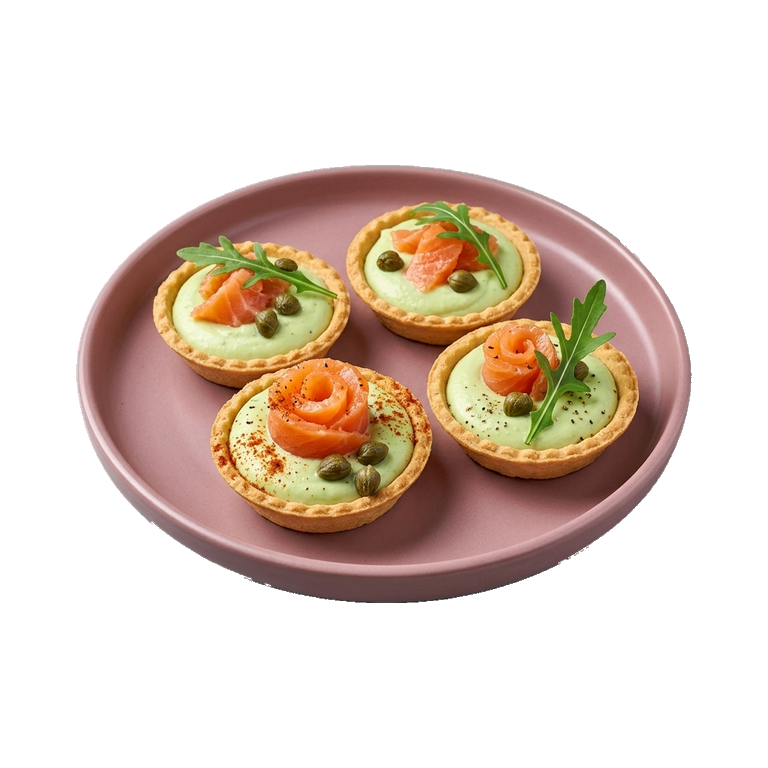
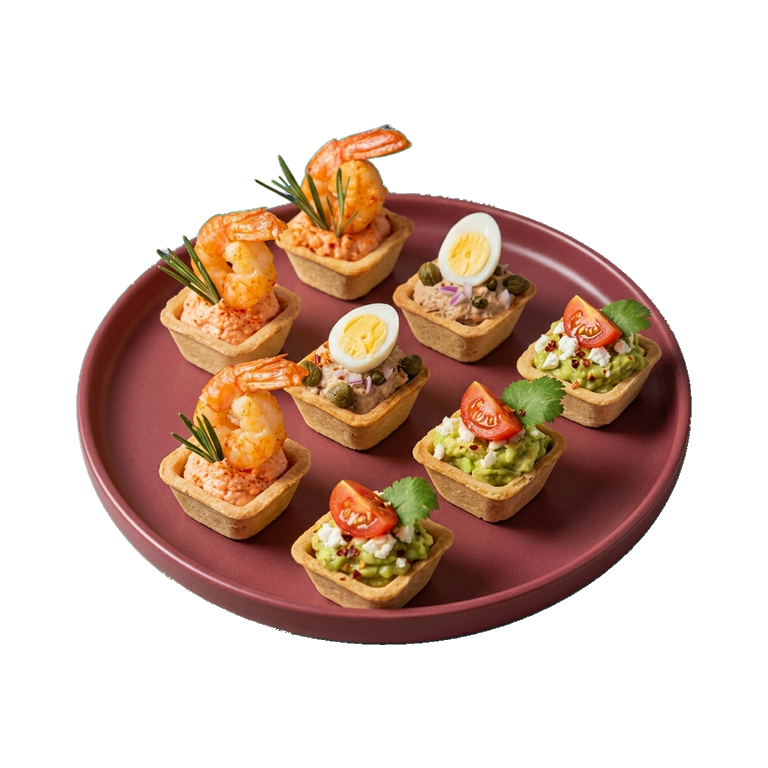
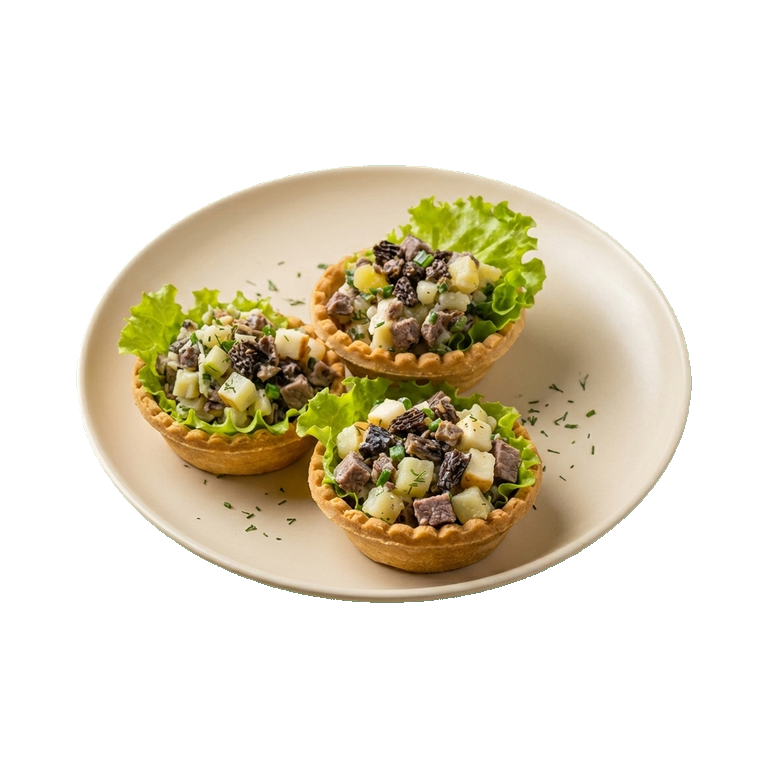
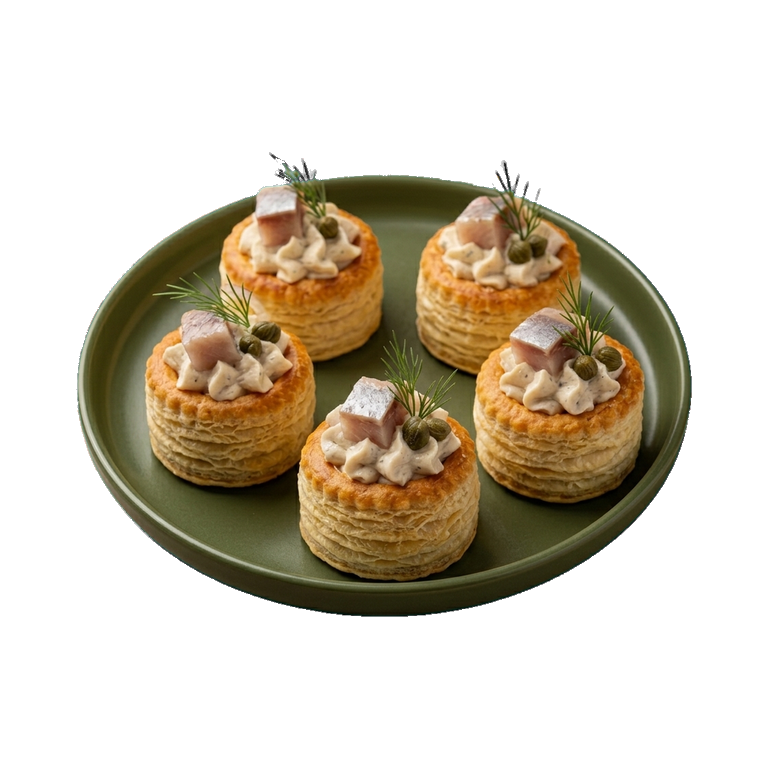
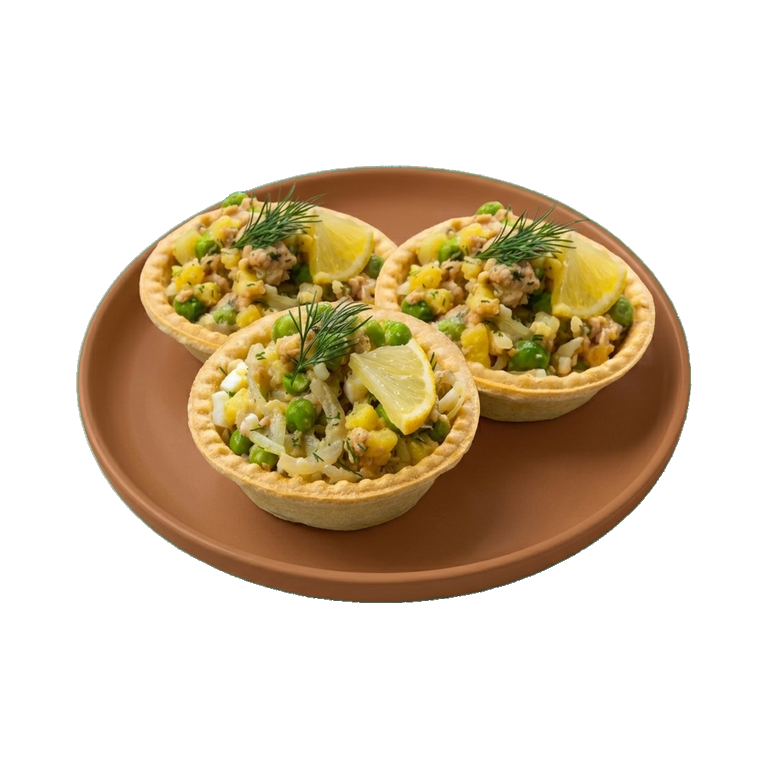
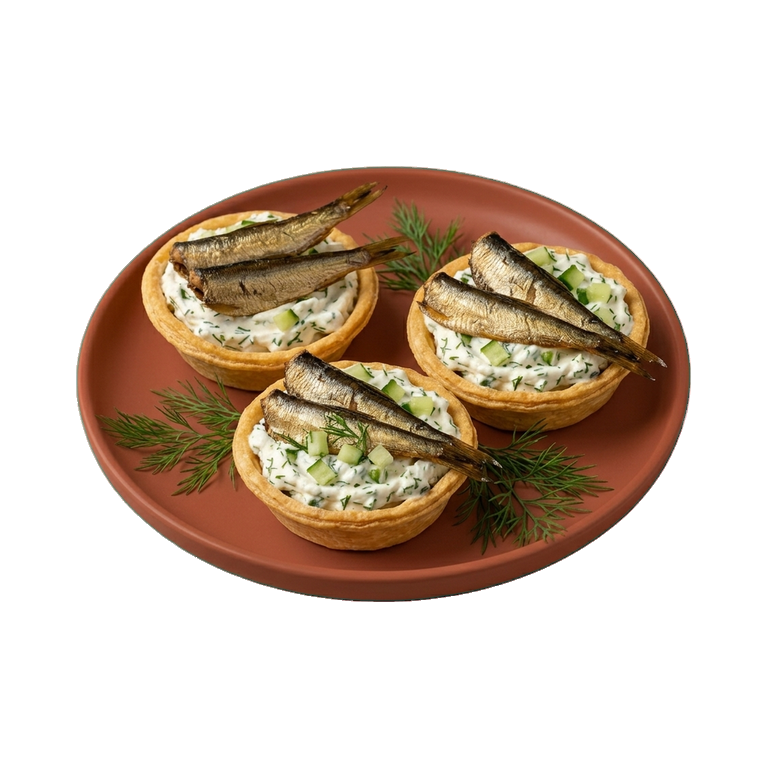
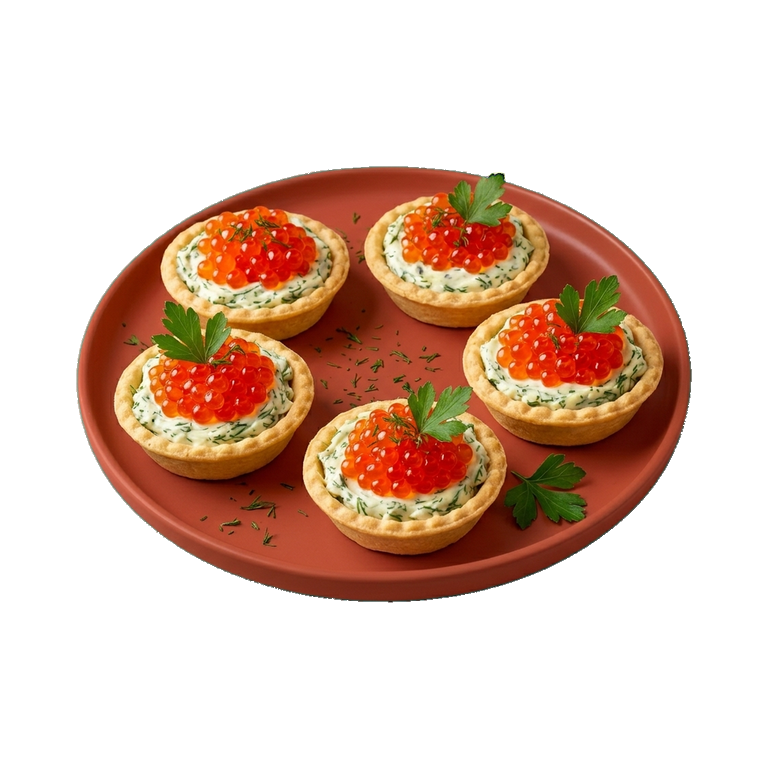
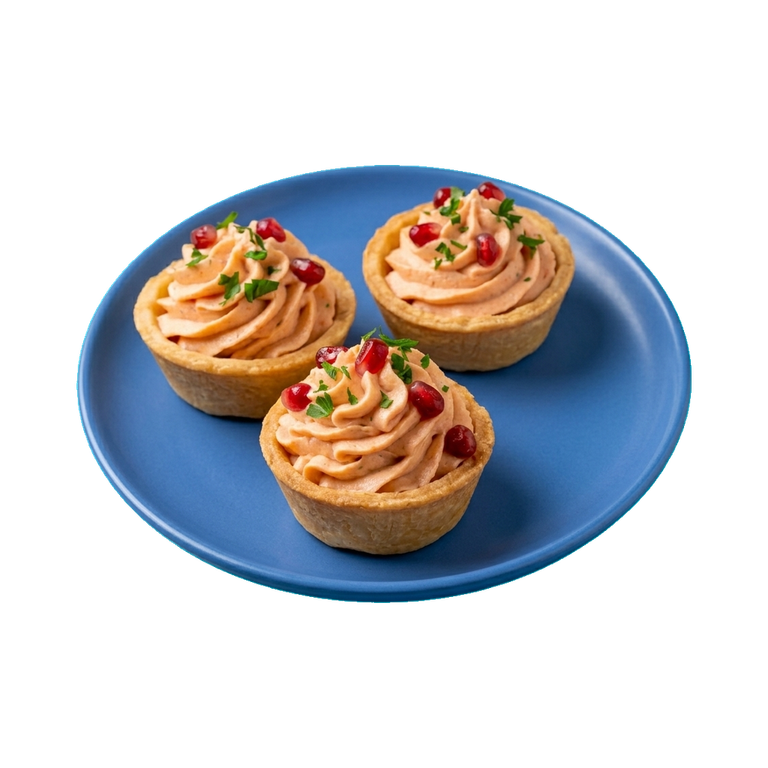
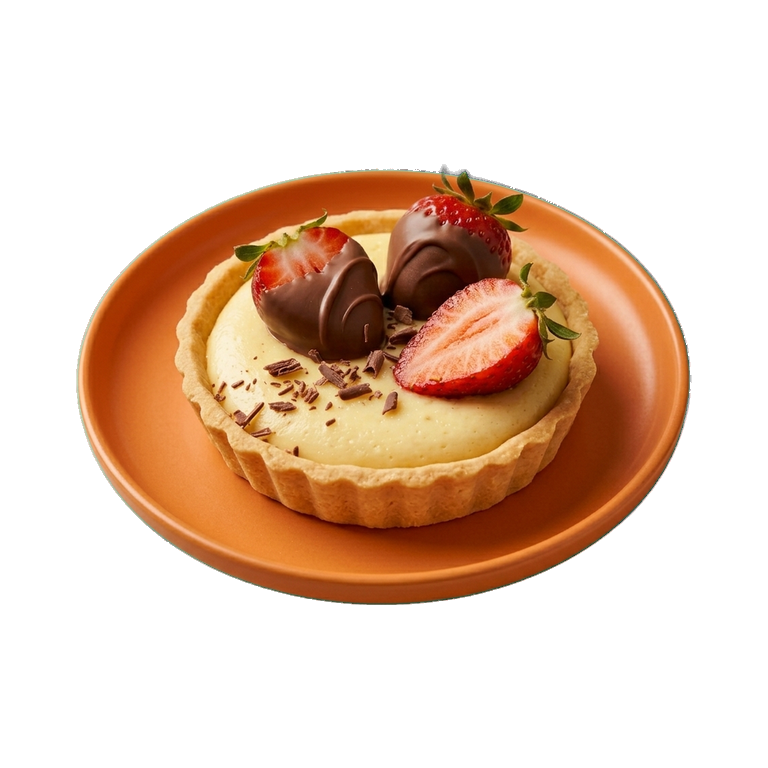
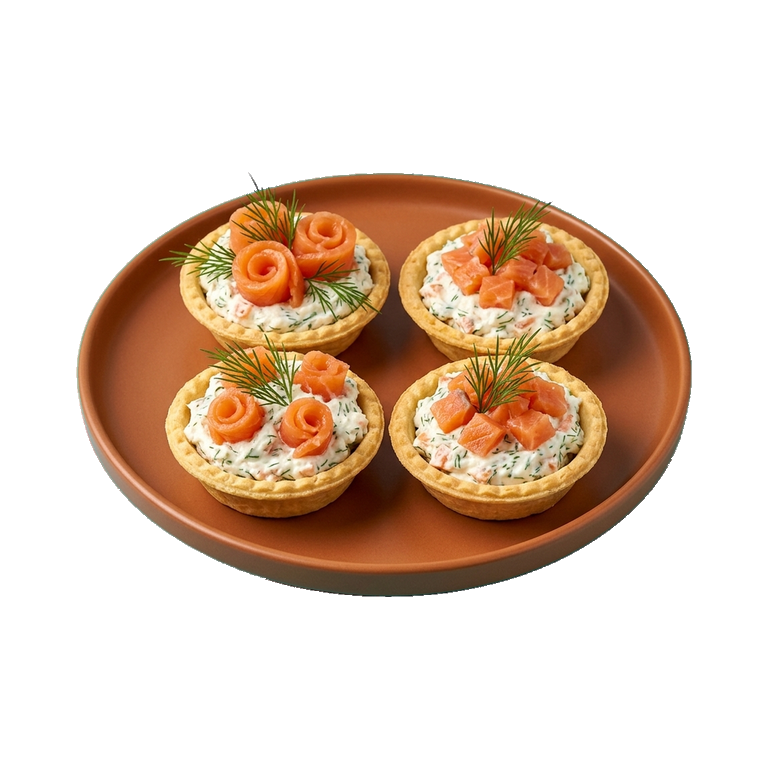
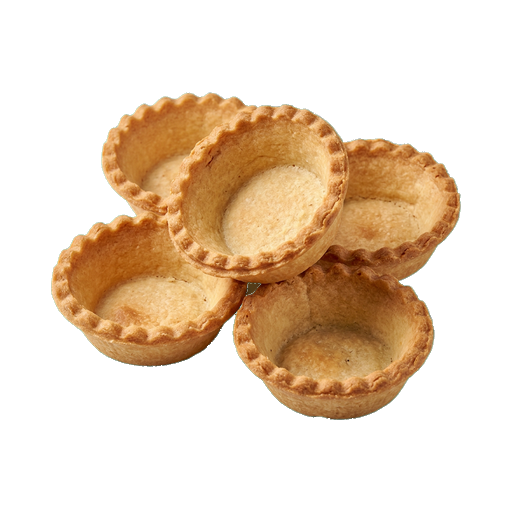
Tartlets are small edible cups made from thin crispy pastry that serve as a base for appetizers and desserts. They can be made from shortbread, puff pastry, or yeast dough and baked in special molds until golden. Tartlets are filled with savory or sweet fillings: salads, creams, berries, meat pâtés, or cheese — they are versatile for festive tables and allow you to easily create beautiful portioned appetizers.
About
Tartlets are not just beautiful serving dishes, but a fully edible element that sets the tone for the entire culinary creation. The crispy pastry shell holds the filling, protects it from becoming soggy, and adds textural contrast. This is exactly why tartlets are beloved by professional chefs and home cooks alike: they work both as a technical technique and as a tool for impressing guests.
Types and characteristics
- Shortbread — a classic variant with buttery, crumbly dough that holds its shape well and stays crispy for a long time
- Puff pastry — more airy and delicate, creating a multi-layered structure that slightly breaks when bitten
- Store-bought ready-made — save time if you don't have the opportunity to bake yourself, but inferior to homemade in taste and aroma
- Salted — for appetizers and salads, sometimes with spices or herbs in the dough itself
The size of the tartlet affects the convenience of serving and the perception of the dish. Small (diameter 3–4 cm) — ideal for cocktail hours and appetizers, when a guest can eat it in one or two bites. Medium (5–6 cm) — versatile for main appetizers and desserts. Large (7–8 cm and larger) — become almost a full-fledged dish, requiring a fork and knife.
Where and how to use
- Appetizers — with pâté, ham, cream cheese, red caviar or crab meat
- Salads — instead of a plate for vegetable, meat and seafood compositions
- Desserts — with cream, berries, chocolate, condensed milk or fruit jams
- Hot dishes — mushroom cream, stew, chicken or seafood julienne
Main rule: fill the tartlets immediately before serving or 15–20 minutes before it. Wet fillings (creams, sauces, fresh vegetables) quickly soften the dough. If you need to prepare ahead, keep the tartlets and filling separate and assemble the dish at the last moment. Dry fillings (pâtés, sausage, hard cheese) can stay in the tartlet longer.
Selection and Storage
When selecting ready-made tartlets, pay attention to the color — it should be uniform, golden, without dark spots or burnt edges. Smell the packaging: fresh dough should smell of butter and flour, with no foreign odors. Check the integrity: cracks and chips indicate improper storage or transportation.
Store tartlets in an airtight container at room temperature in a dry place — they quickly absorb moisture and lose their crispness. In the refrigerator they may become damp, in the freezer they will lose their delicate texture. If the tartlets do become soft, place them in the oven at 160 °C for 3–5 minutes to restore the crunch. Homemade tartlets keep for 2–3 days in a tightly closed box, frozen ones — up to a month.
Tartlets are an investment in neatness and presentation effectiveness. They transform ordinary fillings into an elegant dish and make even a simple dinner more festive. Learn how to choose, store, and assemble them correctly — and they will become your constant kitchen assistant.
Nutrition
per 100 g
- Calories
- 350 kcal
- Protein
- 6 g
- Fat
- 15 g
- Carbs
- 45 g
Measures and weight
- 1 pcs
- 15 g
Measure calculator
- Weight
- 100 g
- Calories
- 350 kcal