Usuba
Usuba
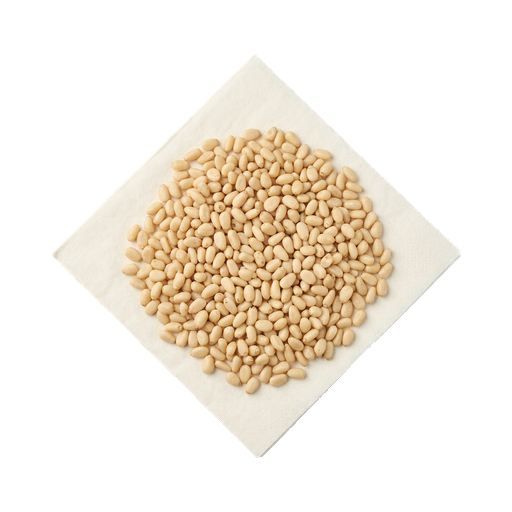
Pine nuts
Pine nuts are seeds of the Siberian cedar with a delicate buttery flavor and subtle coniferous aroma. Used in cooking both as a topping for finished dishes and as a component in sauces, pastes, and confectionery products. When choosing, it is important to ensure freshness — the nuts should be light in color and have no musty smell, as they quickly become rancid due to their high oil content.
About
Taste and Aroma
Pine nuts are a delicacy with a soft, slightly sweet taste and a delicate buttery aftertaste. When you crack them, you feel an almost oily consistency, although in reality this is the natural texture of the kernel. The aroma is subtle, unobtrusive, with a light woody note that becomes more pronounced when the nuts are lightly heated in a pan.
The main difference of pine nuts from others is that they do not leave the bitterness that often appears in walnuts or almonds. This makes them a versatile ingredient that does not overpower other flavors in a dish, but complements them.
Where to use them
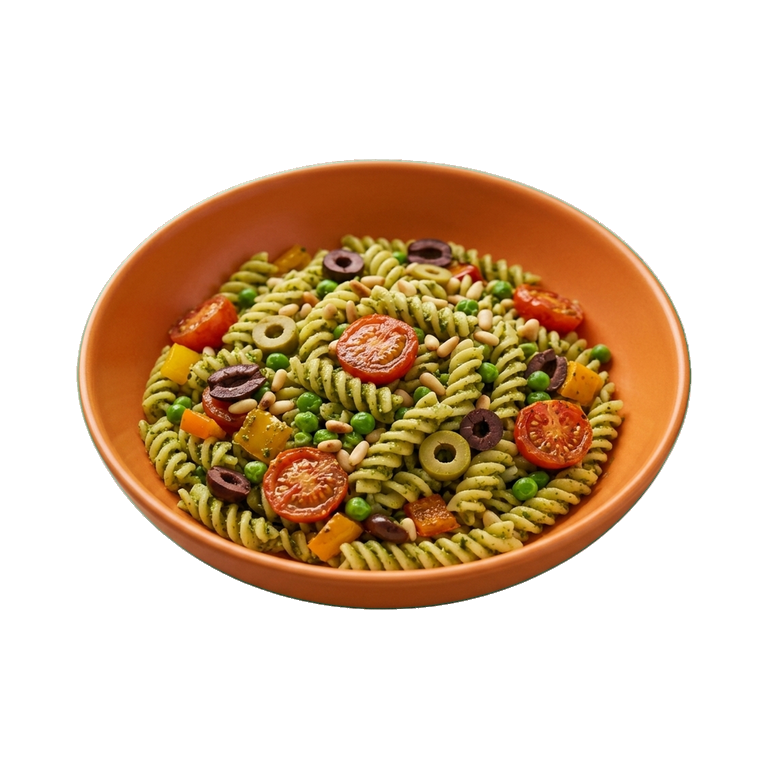
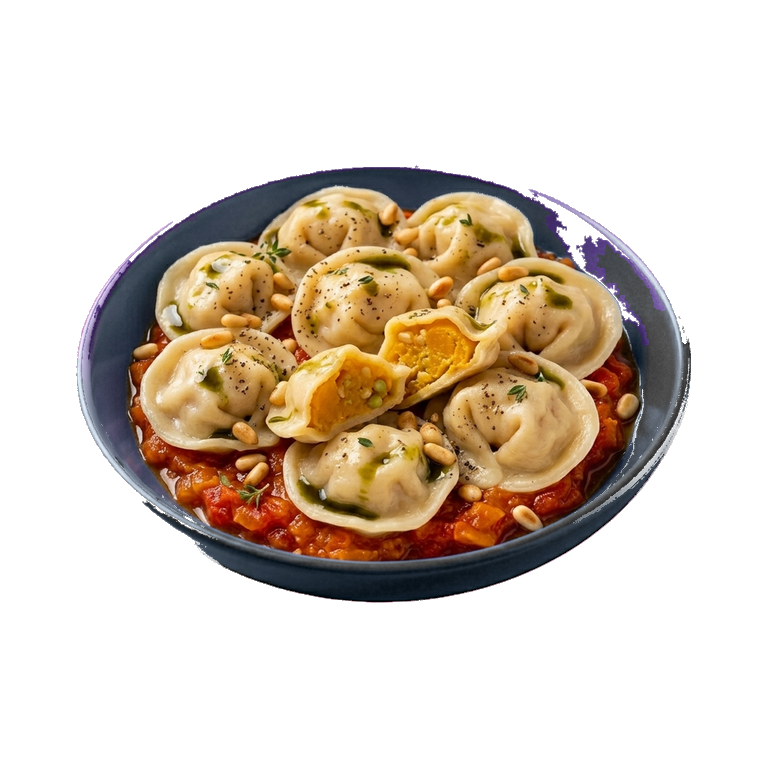
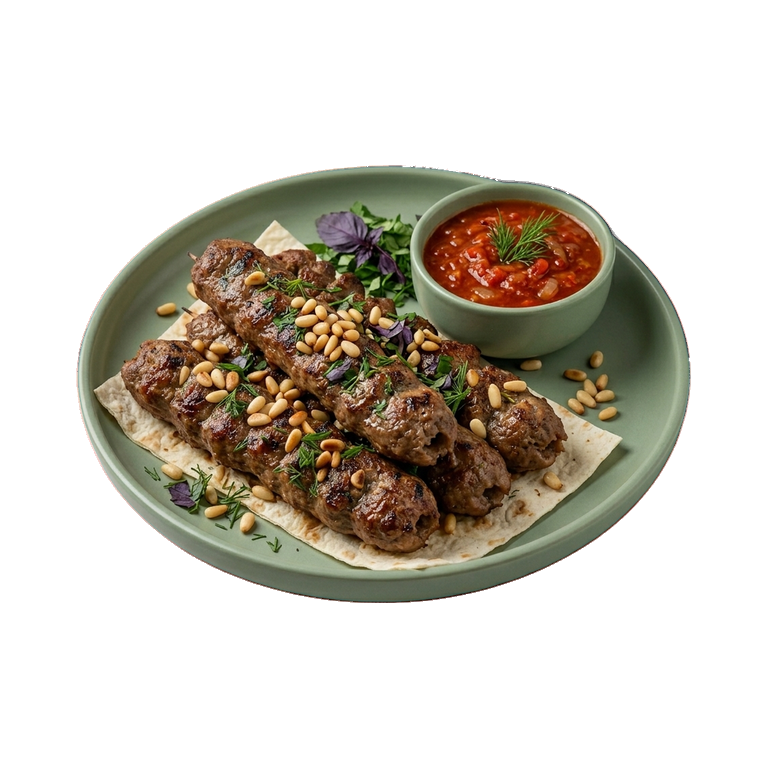
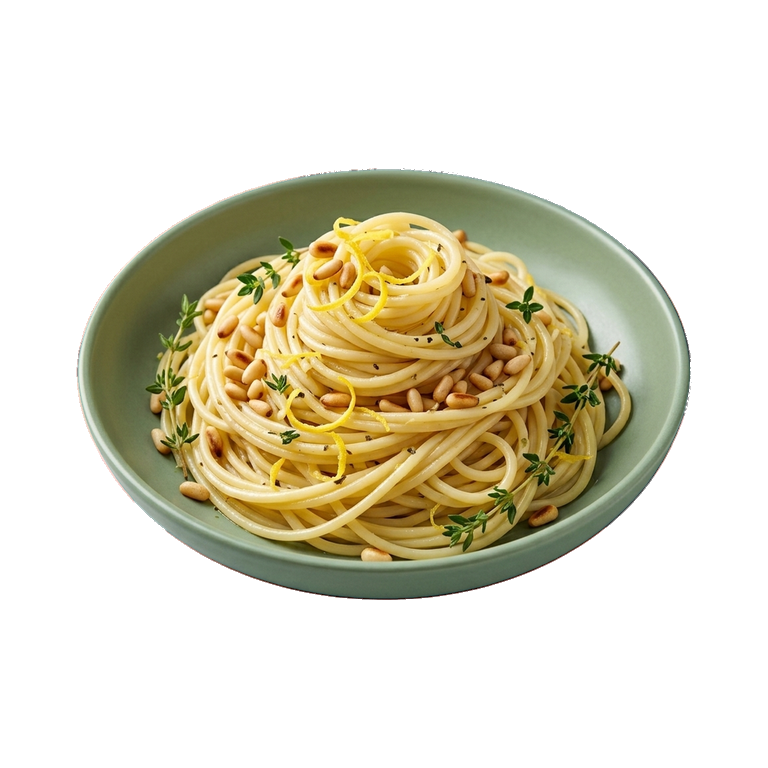
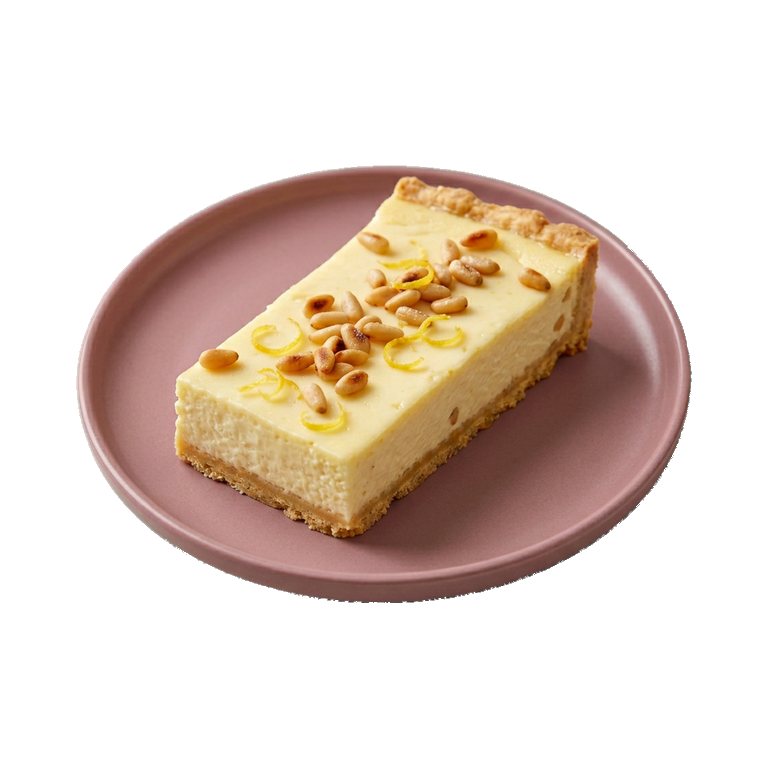
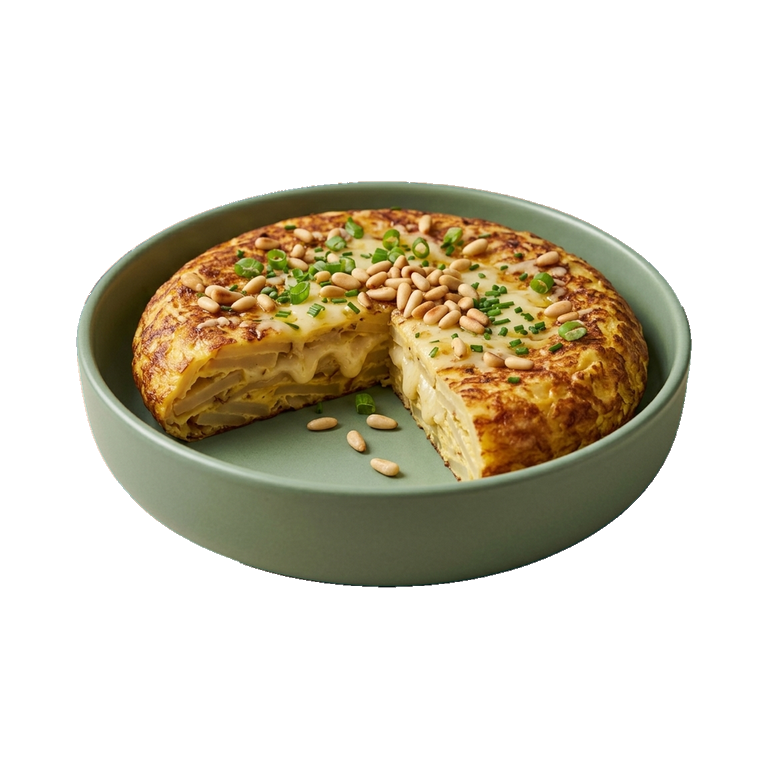
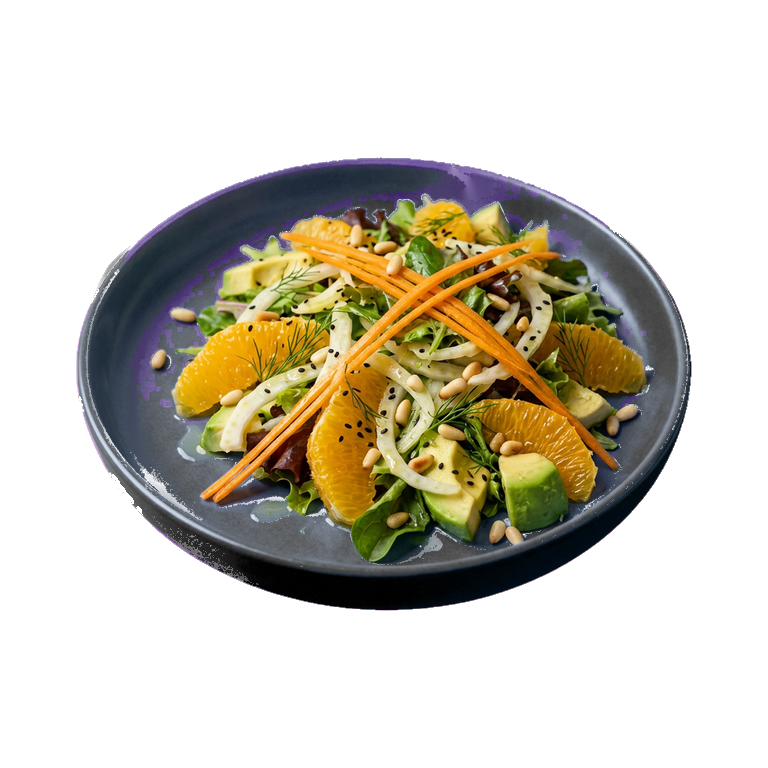
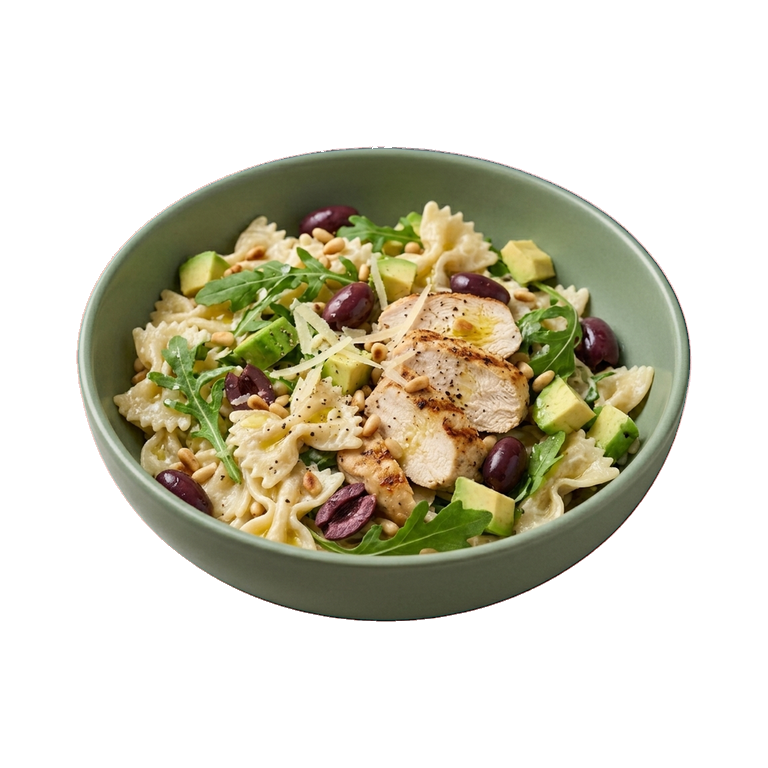
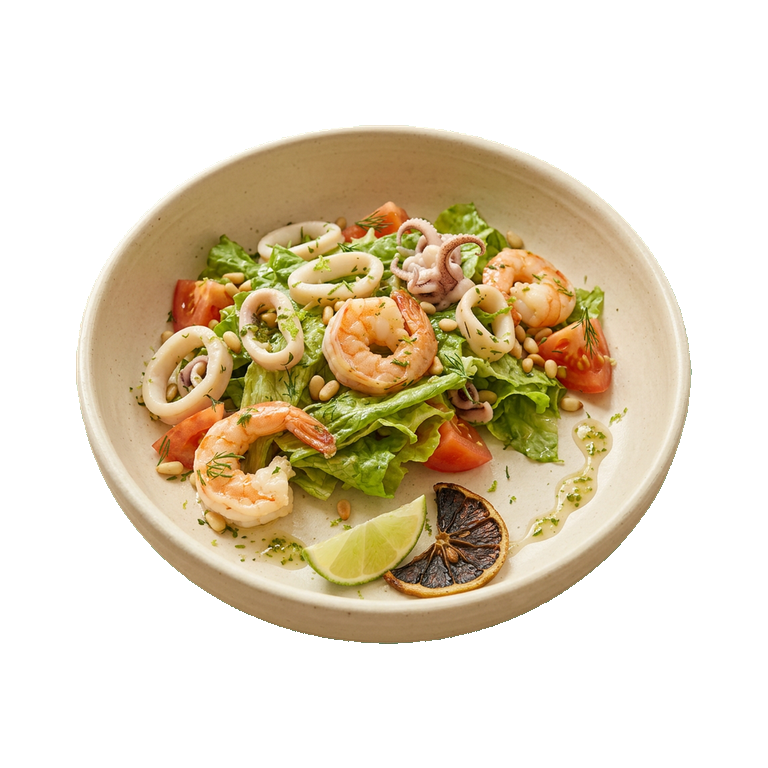
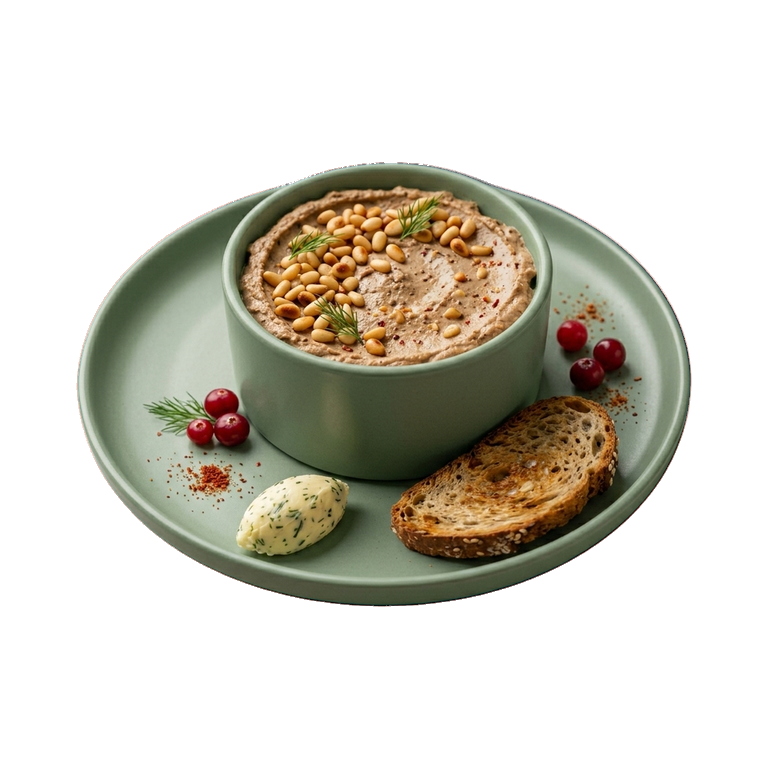
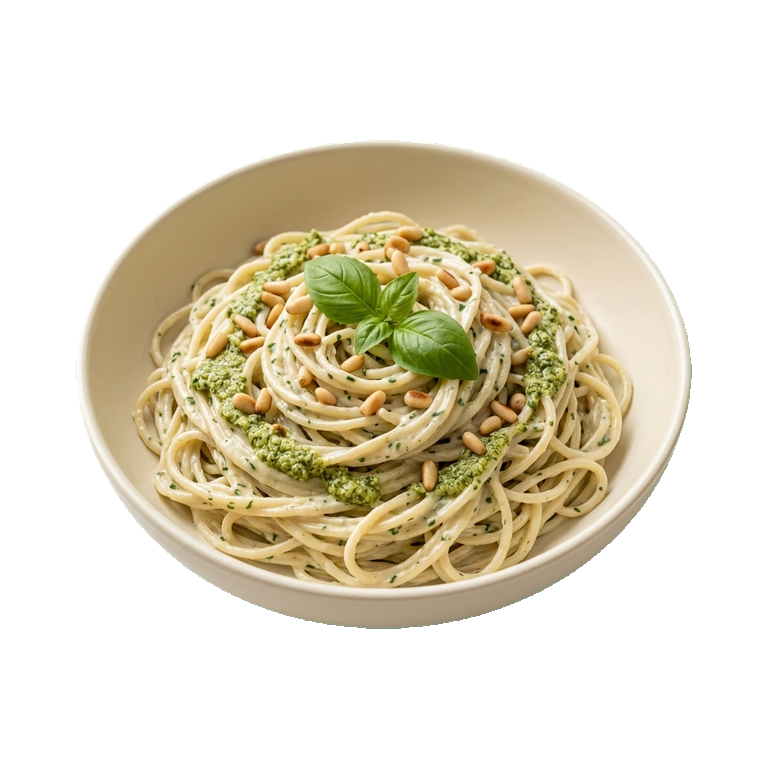
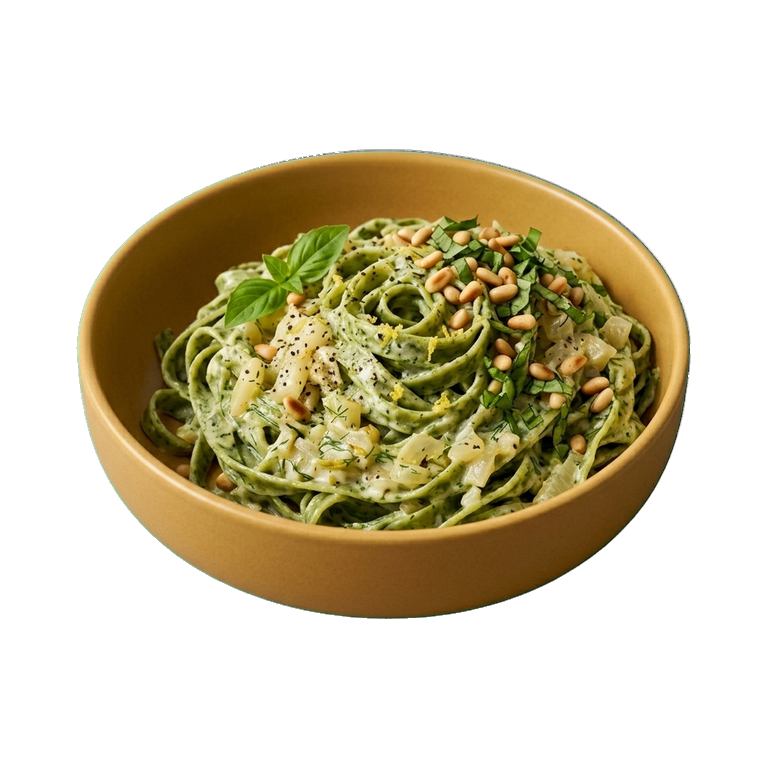
Pine nuts are equally good in sweet and savory dishes. In salads, they add crunchiness and nutritional value, while in sauces and pastas they become the foundation of a creamy texture. They are often added to baked goods, granola, and yogurts, where they impart a delicate flavor.
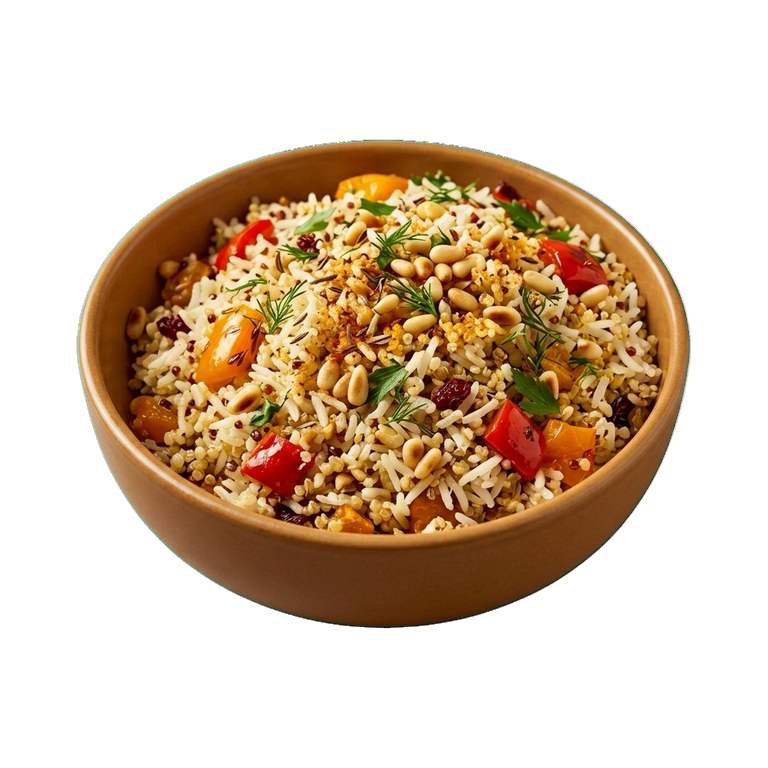
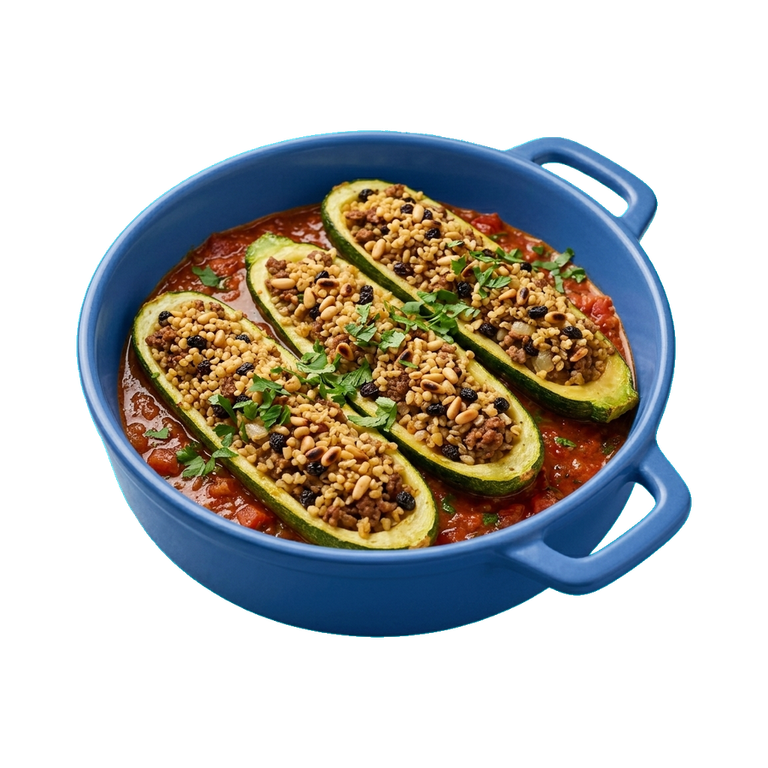
Try sprinkling them over rice or bulgur side dishes — nuts will emphasize the grain flavor and create a pleasant contrast of textures. They work well in hot dishes too: add them to soup a minute before serving so they don't soften but impart their aroma.
Combinations with other ingredients
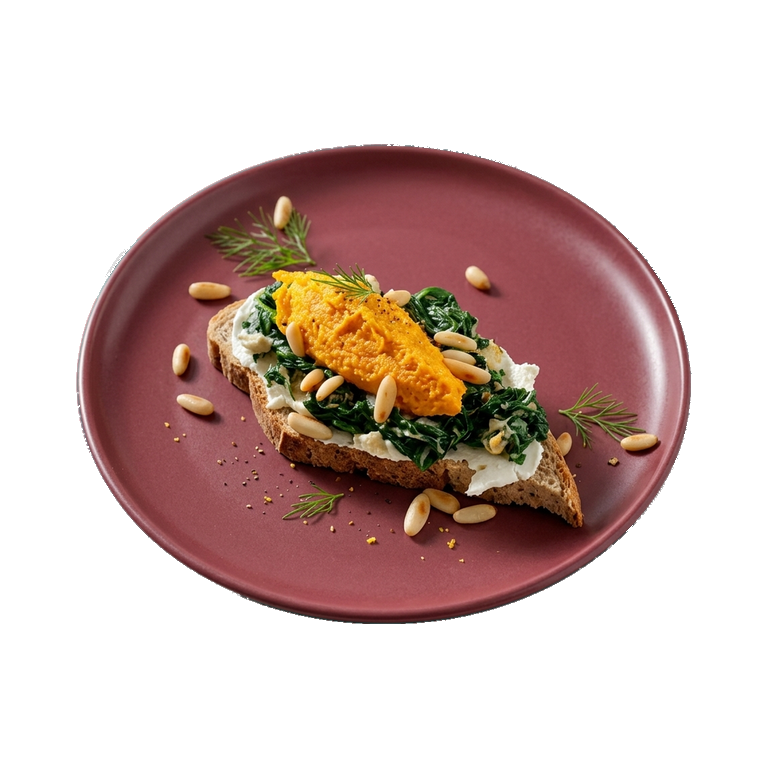
- With herbs: parsley, dill, cilantro — nuts emphasize their freshness
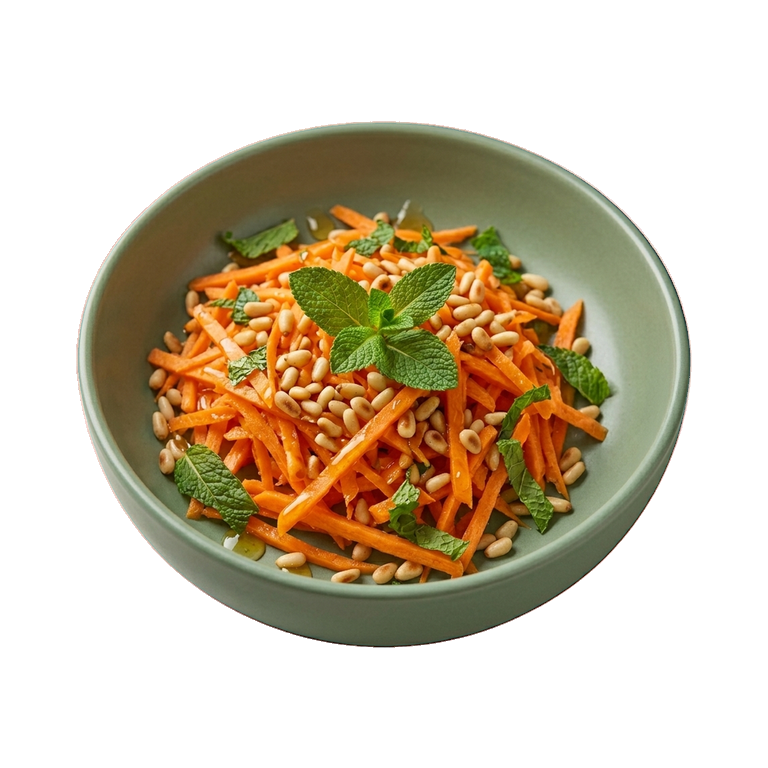
- With vegetables: carrots, beets, pumpkin — pine nuts harmonize with their sweetness
- With fruits: apples, pears, cranberries — classic combination for salads
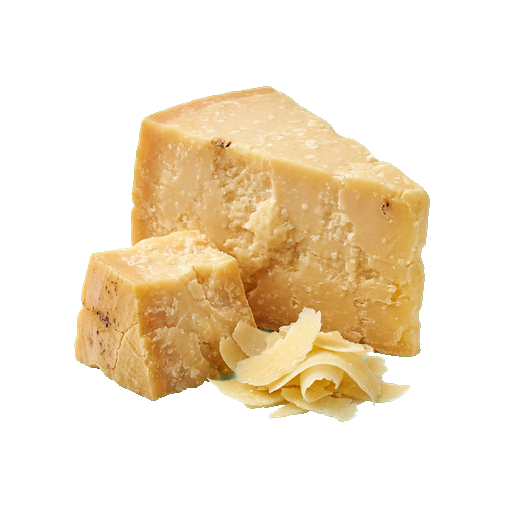
- With cheese: feta, goat cheese, parmesan — nuts create a balance between saltiness and tenderness
- With honey and spices: turmeric, cinnamon — ideal for sweet dishes and baking
Selection and Storage
When purchasing, pay attention to the color of the kernel — it should be light cream-colored, without dark spots. Smell the nuts if possible: the aroma should be pleasant, without mustiness or rancidity. Avoid nuts with cracks in the shell or signs of moisture.
Store pine nuts best in an airtight container in the refrigerator — they contain a lot of oil and spoil quickly at room temperature. In the freezer, they will maintain their quality for up to a year. Before using, you can lightly heat them in a dry skillet for 2–3 minutes to release the aroma, but don't overcomplicate it — they are delicious in their natural form as well.
Pine nuts are an ingredient that works in the background. They don't require attention, but their absence is immediately noticeable. Add them generously, without fear of overdoing it.
Nutrition
per 100 g
- Calories
- 673 kcal
- Protein
- 13.7 g
- Fat
- 68.4 g
- Carbs
- 13.1 g
Measures and weight
- 1 tbsp
- 9.8 g
- 1 tsp
- 3.3 g
- 1 cup
- 162.5 g
- 1 pcs
- 0.8 g
Measure calculator
- Weight
- 100 g
- Calories
- 673 kcal