Usuba
Usuba
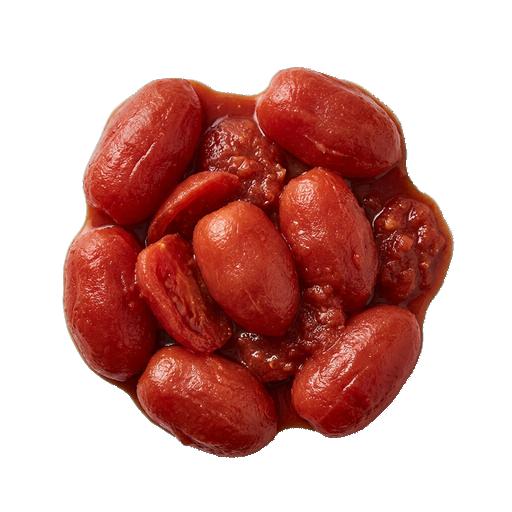
Tomatoes in their own juice
Canned tomatoes packed in airtight containers with their own juice, without added water or oil. Thanks to their natural consistency and concentrated flavor, they are ideal for sauces, soups, stews, and tomato pastes where an intense tomato base is needed. When choosing, pay attention to the integrity of the tomatoes and the clarity of the liquid in the jar. When substituting, keep in mind that such canned tomatoes are denser than tomato juice, so minor adjustments to the liquid proportions in the recipe may be required.
Micronutrients
per 100 g
Minerals
Vitamins
About
What is it and why is it needed
Tomatoes in their own juice are canned tomatoes prepared without adding water or broth. The fruits are sliced, placed in jars, and filled with juice released from the tomatoes themselves during heating. The result has a more saturated flavor than regular canned tomatoes, while maintaining less excess liquid.
Such preservation is a godsend for home cooking. Tomatoes retain their structure, don't fall apart into mush, and are suitable for both soups and stews as well as sauces. The juice inside the jar is already ready to use: it is concentrated and aromatic, without the need to add tomato paste or simmer the base for long hours.
How to use in the kitchen
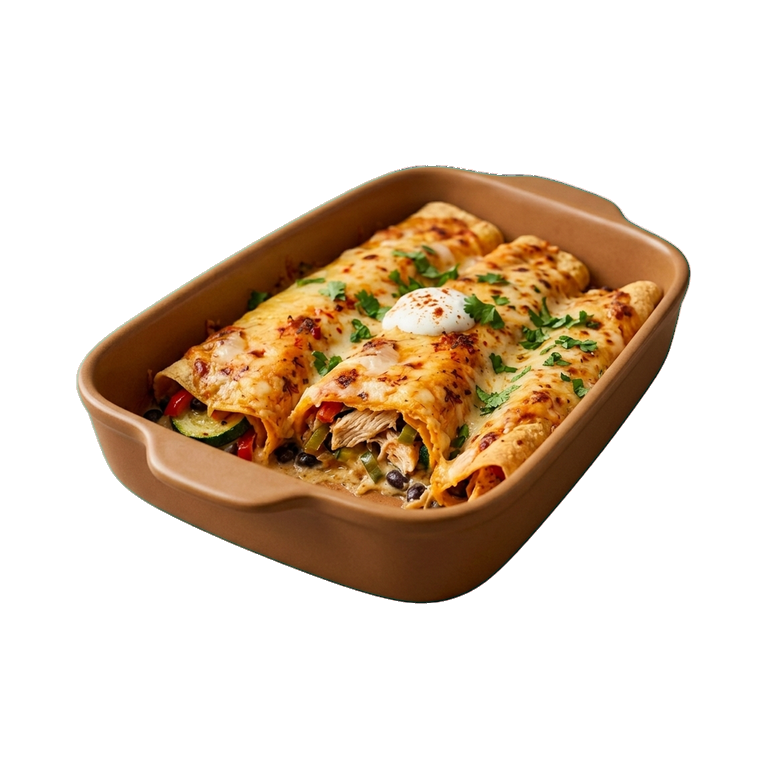
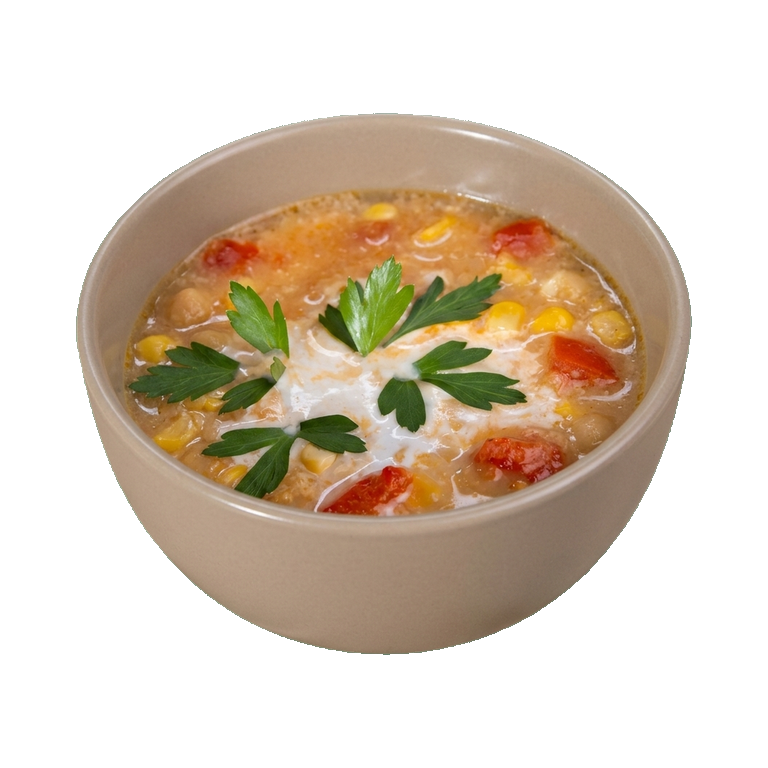
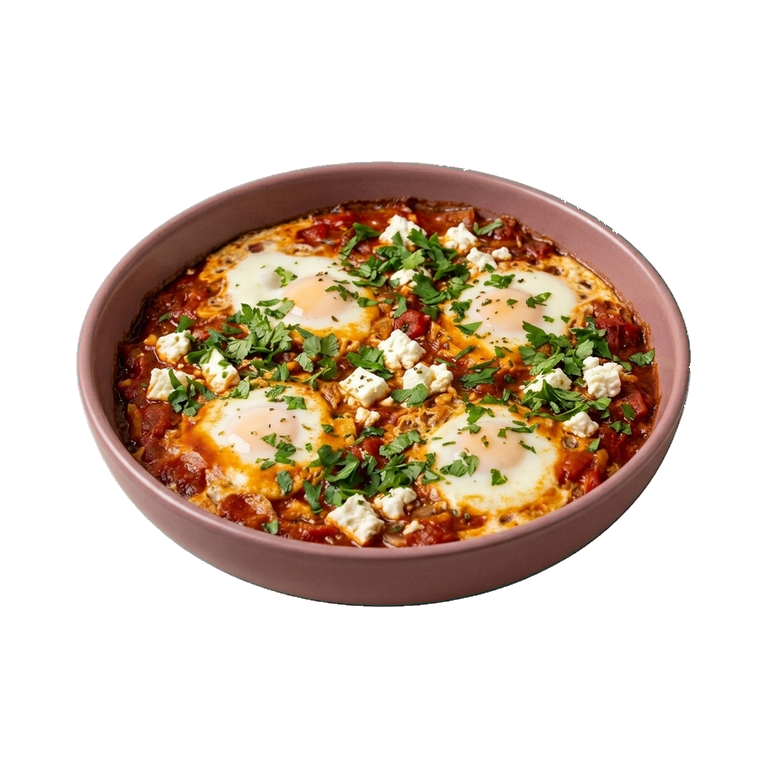
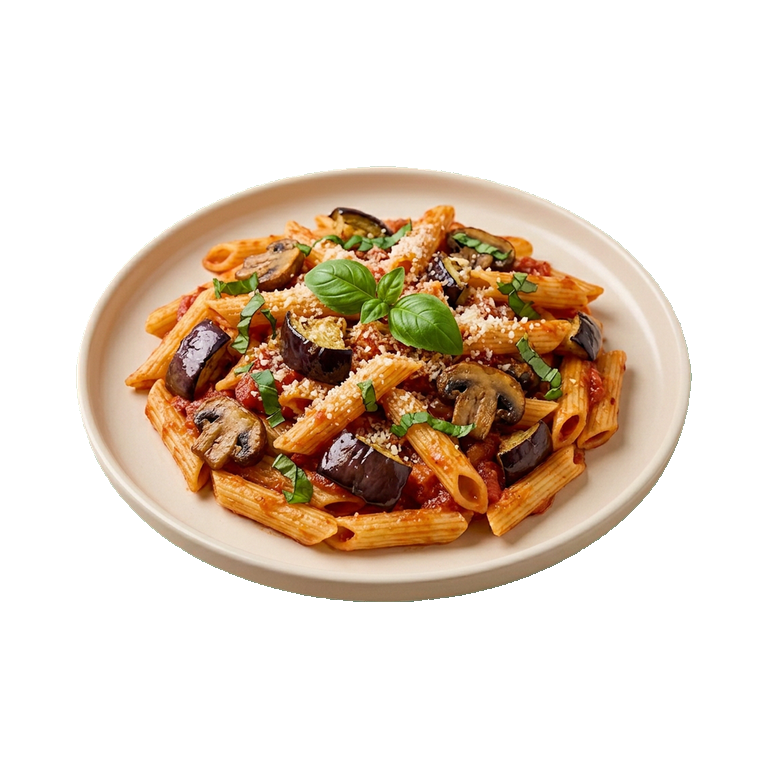
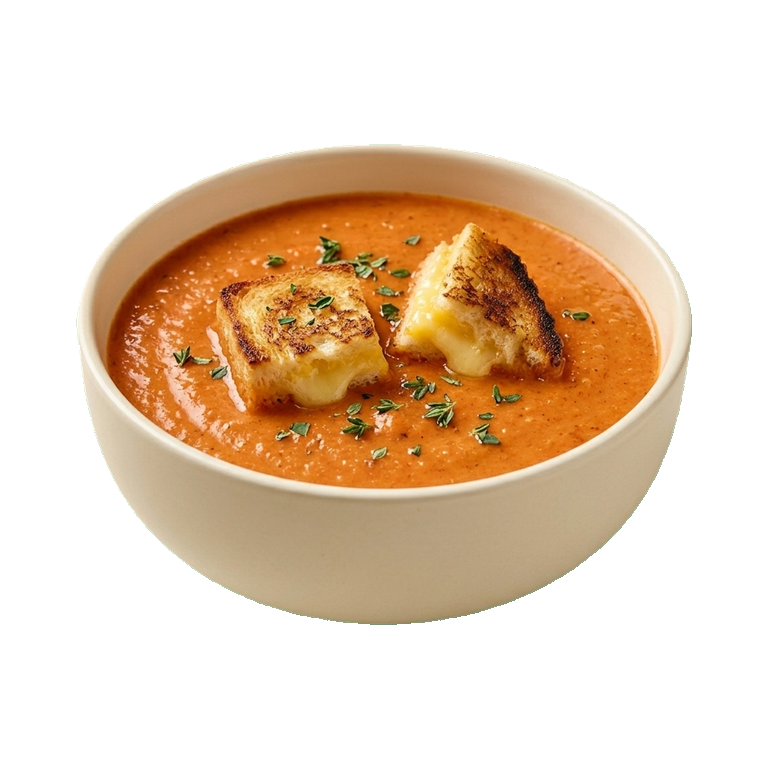
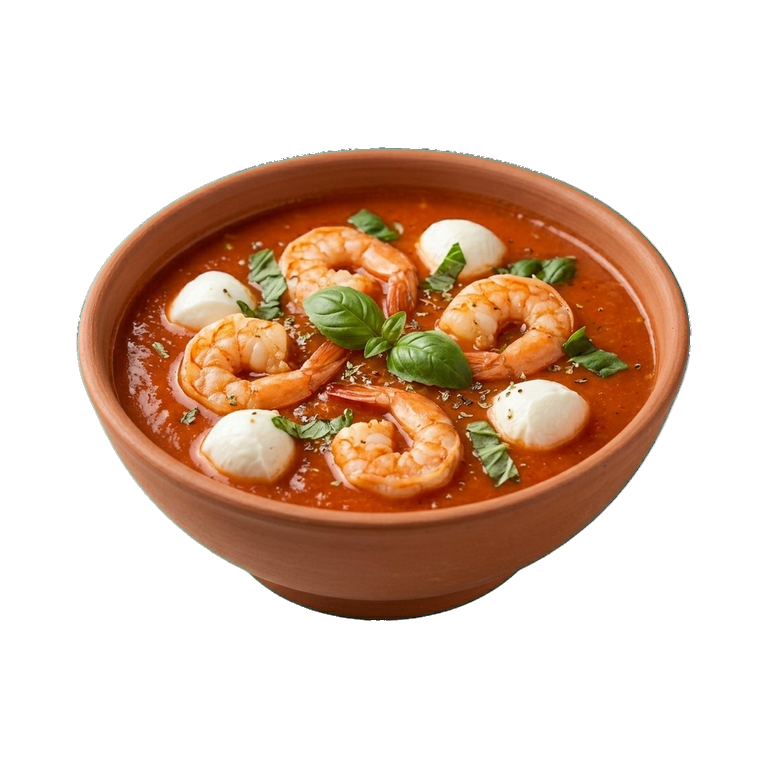
The simplest way is to open a can and add the contents directly to the pot. Tomatoes are great in borscht, cabbage soup, minestrone, and any tomato-based soups. The juice serves as a base, so there's no need to look for tomato paste separately. For meat stew, stewed beans, or vegetable side dishes, tomatoes in their own juice work perfectly: they infuse the dish with flavor without becoming mushy.
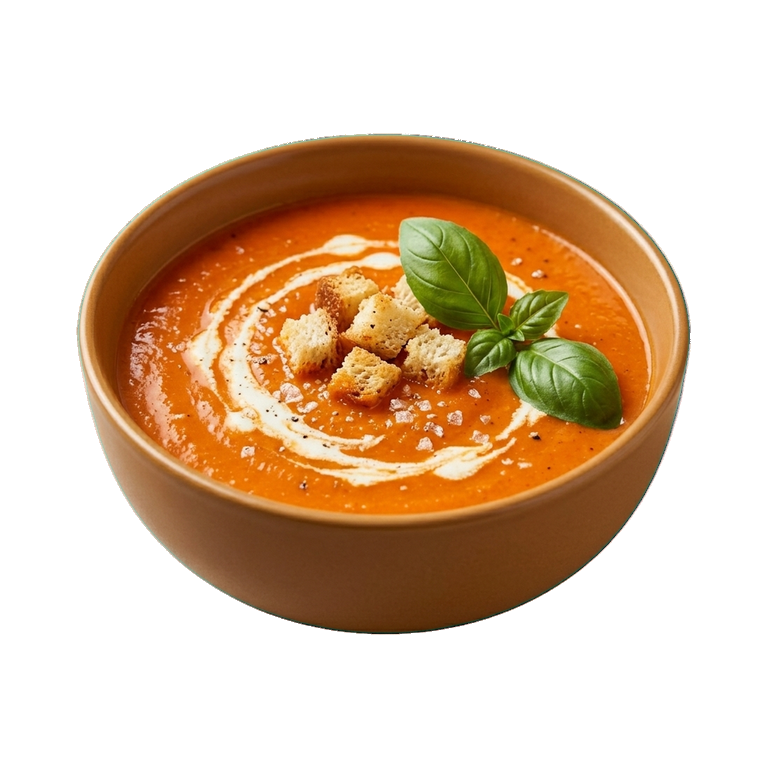
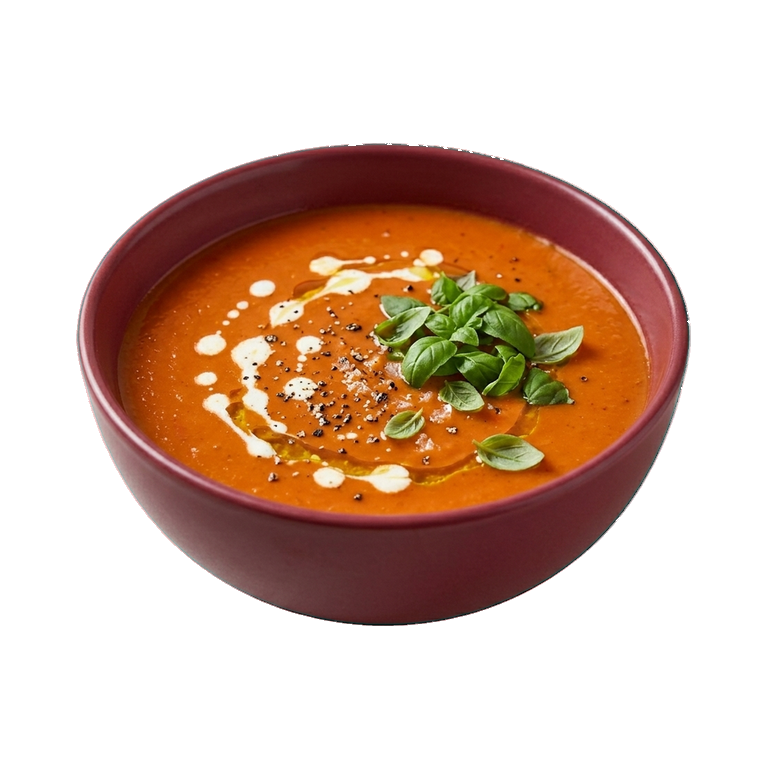
In sauces, tomatoes can be left in pieces or strained through a sieve for a smooth consistency. Don't pour out the juice remaining in the jar — it's often more valuable than the pieces themselves. Use it for marinades, pasta dressings, or as a base for tomato soup puree.
How to Choose and Store
When purchasing, check that the jar is intact, without dents or rust. The lid should be tight, without swelling. Pay attention to the ingredients: ideally it contains only tomatoes and salt, sometimes citric acid is added for stability. The shorter the ingredient list, the more natural the product.
Store the sealed jar in a cool, dark place — a pantry or the lower shelf of a cabinet will work. After opening, transfer the contents to a glass or plastic container and keep it in the refrigerator for no more than a week. Tomatoes in their own juice are a long-lasting product, but after opening they begin to oxidize, so it's best not to delay using them.
Best Combinations
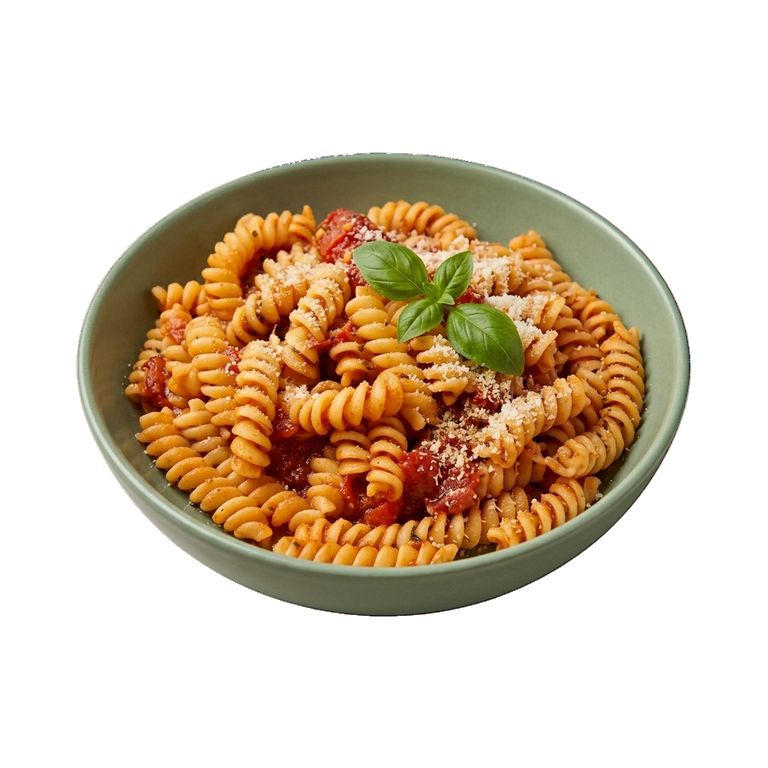
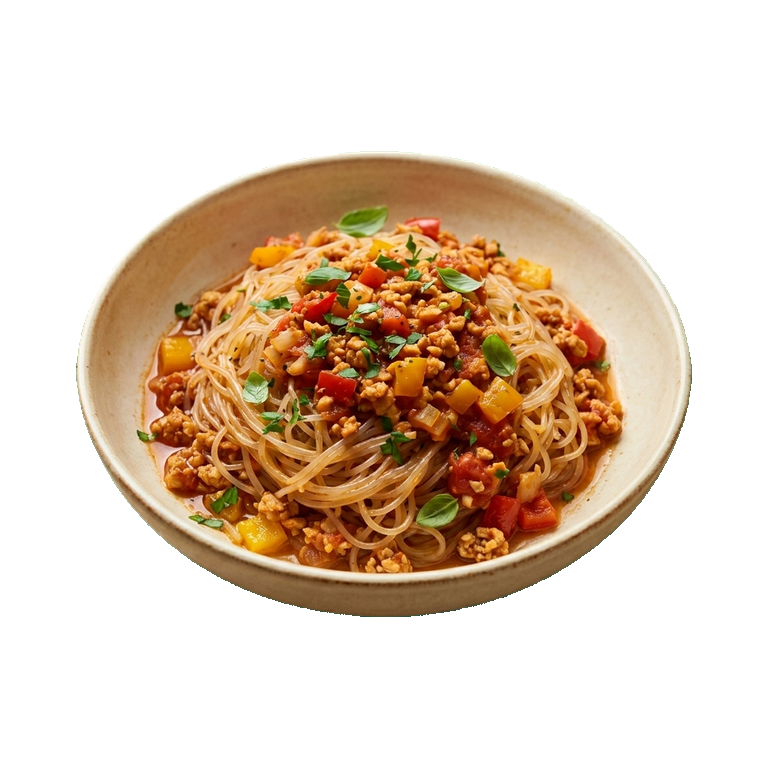
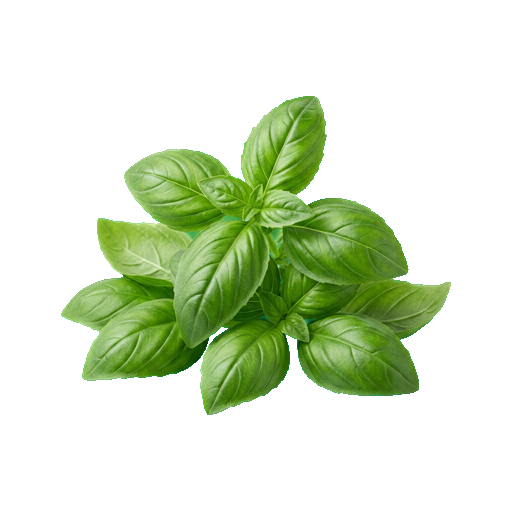
- With garlic and herbs (basil, oregano) in pasta sauces
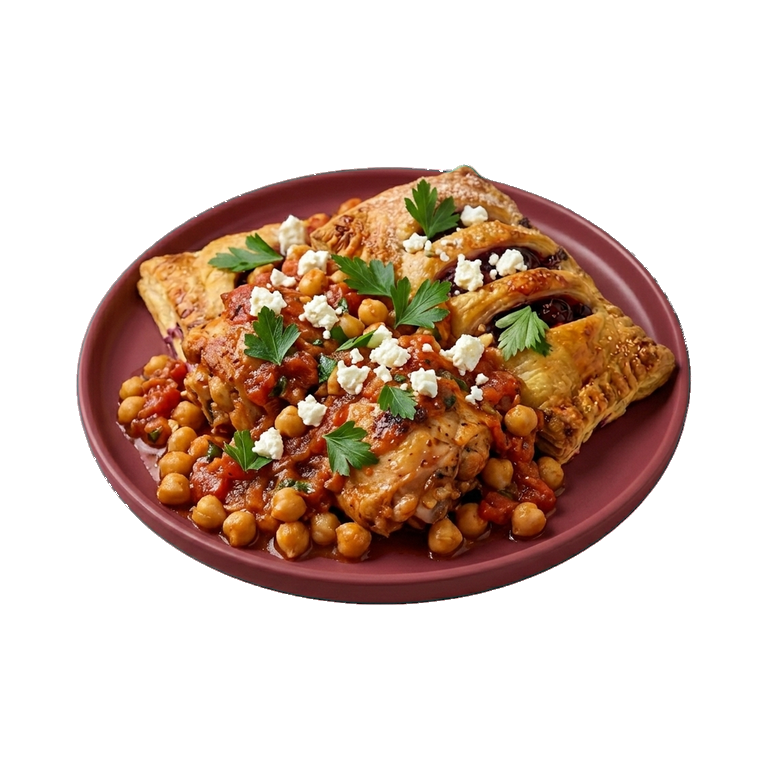
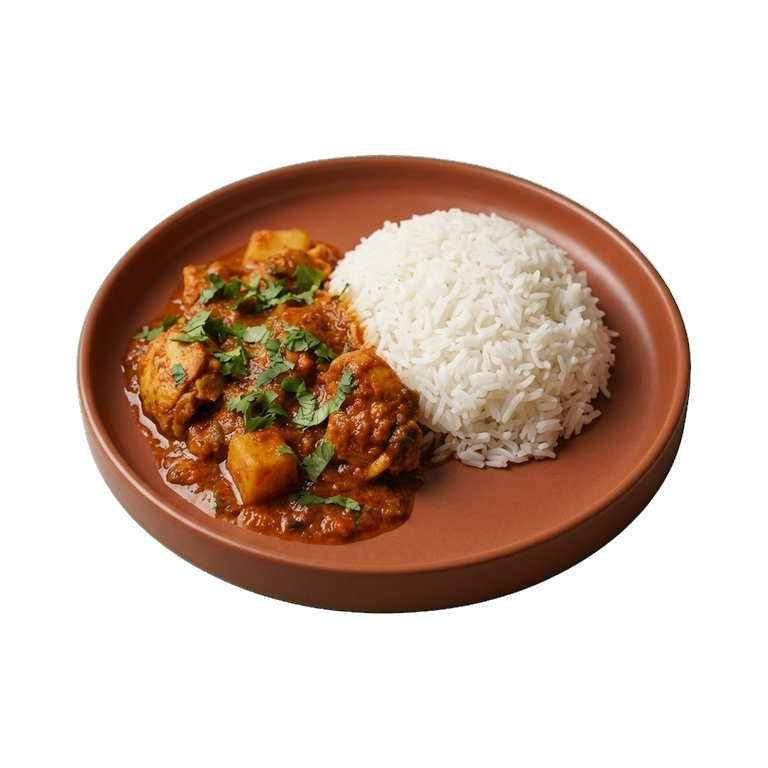
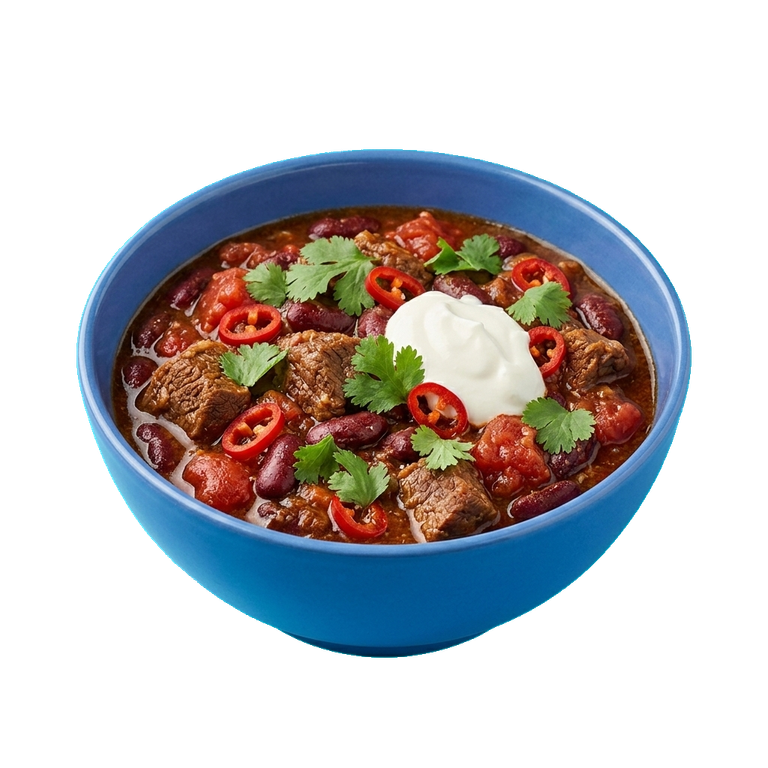
- With meat (beef, chicken, lamb) in stewed dishes and ragus
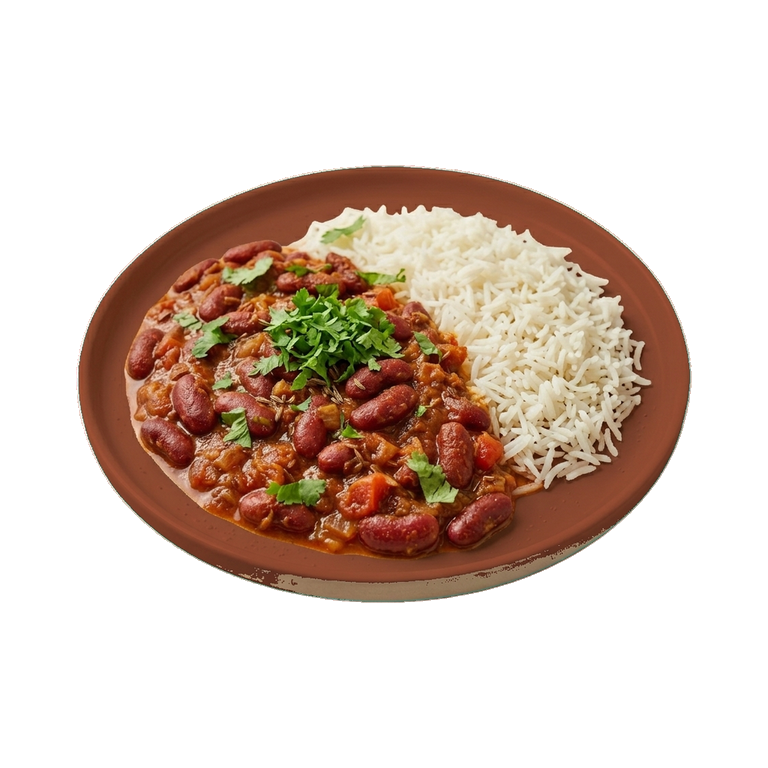
- With beans and legumes in soups and side dishes
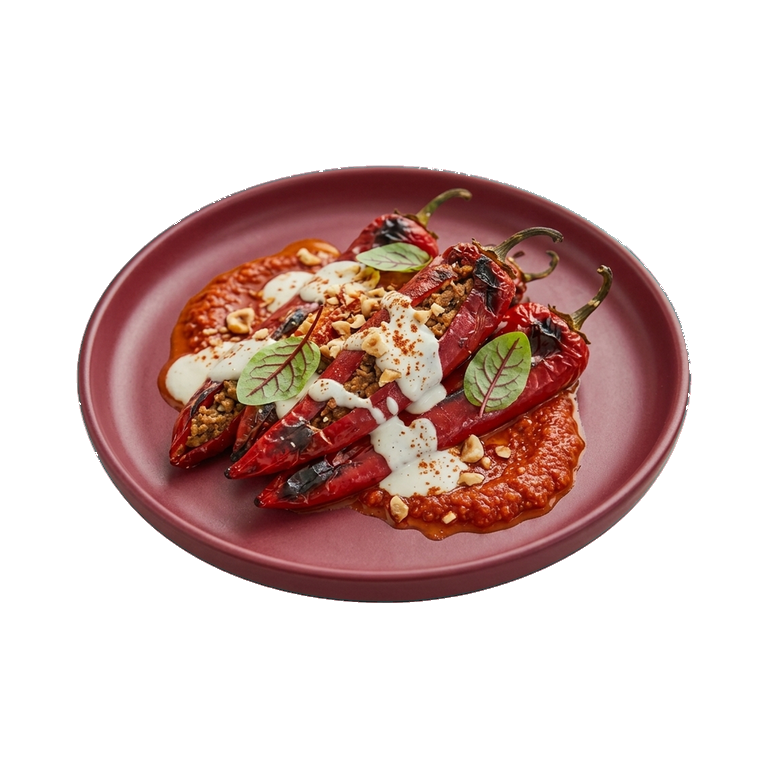
- With onions and bell peppers in bases for borscht and shchi
- With olive oil and spices in vegetable marinades
Tomatoes in their own juice are an investment in convenience. They save time when cooking, provide rich flavor, and allow you to prepare complete meals without unnecessary fuss. Keep a couple of cans on hand: they'll come in handy when you're in a rush and need to quickly put together lunch or dinner.
Nutrition
per 100 g
- Calories
- 18 kcal
- Protein
- 0.9 g
- Fat
- 0.2 g
- Carbs
- 3.2 g
Micronutrients
per 100 g
Macronutrients
- Fiber
- 1.9 g
- Sugars
- 2.55 g
- Saturated fat
- 0.034 g
- Monounsaturated fat
- 0.04 g
- Polyunsaturated fat
- 0.101 g
- Omega-3 (EPA + DHA)
- 0 g
- Cholesterol
- 0 mg
- Water
- 94.75 g
Minerals
- Sodium
- 115 mg
- Potassium
- 191 mg
- Calcium
- 33 mg
- Magnesium
- 10 mg
- Phosphorus
- 17 mg
- Iron
- 0.57 mg
- Zinc
- 0.12 mg
- Copper
- 0.05 mg
- Manganese
- 0.07 mg
- Selenium
- 0.7 mcg
Vitamins
- Vitamin A (RAE)
- 20 mcg
- Vitamin D
- 0 mcg
- Vitamin E
- 0.59 mg
- Vitamin K
- 2.6 mcg
- Vitamin C
- 12.6 mg
- Vitamin B1 (thiamin)
- 0.57 mg
- Vitamin B2 (riboflavin)
- 0.06 mg
- Vitamin B3 (niacin)
- 0.71 mg
- Vitamin B5 (pantothenic acid)
- 0.12 mg
- Vitamin B6
- 0.11 mg
- Vitamin B9 (folate, DFE)
- 8 mcg
- Vitamin B12
- 0 mcg
Measures and weight
- 1 tbsp
- 15.8 g
- 1 tsp
- 5.3 g
- 1 cup
- 262.5 g
- 1 can
- 400 g
Measure calculator
- Weight
- 100 g
- Calories
- 18 kcal