Usuba
Usuba
Cilantro
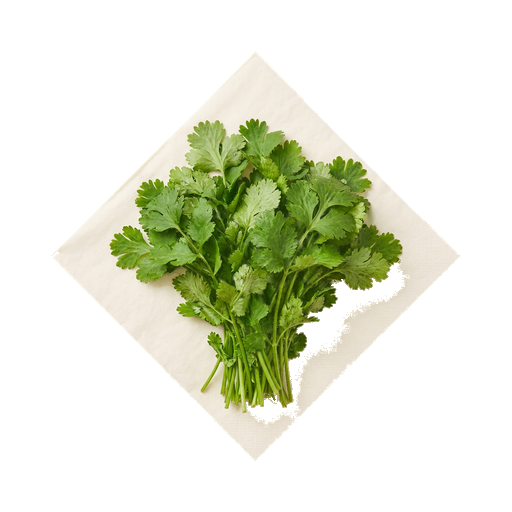
Cilantro is a leafy herb with a distinctive sharp, slightly floral aroma and spicy flavor with lemon notes. It is added fresh to salads, soups, Asian dishes, and sauces for brightness and freshness, though some people perceive it as soapy due to individual taste perception. When selecting, look for firm leaves without darkening, and when storing, wrap in a damp towel in the refrigerator — this way cilantro will stay fresh longer.
Micronutrients
per 100 g
Minerals
Vitamins
About
Aroma and Taste
Cilantro is an herb with character. Its aroma is instantly recognizable: fresh, slightly sharp, with floral notes. The taste is also far from neutral: herbaceous, slightly lemony, with a light bitterness on the finish. Some people love it right away, others grow into it gradually. The main thing is that cilantro doesn't tolerate half-measures: either you love it or you don't.
The leaves have a more intense aroma than the stems, while the seeds (coriander) have a completely different, warmer and spicier profile. If you're cooking with cilantro for the first time, start with a small amount — it's easier to add than to remove.
Where and how to use
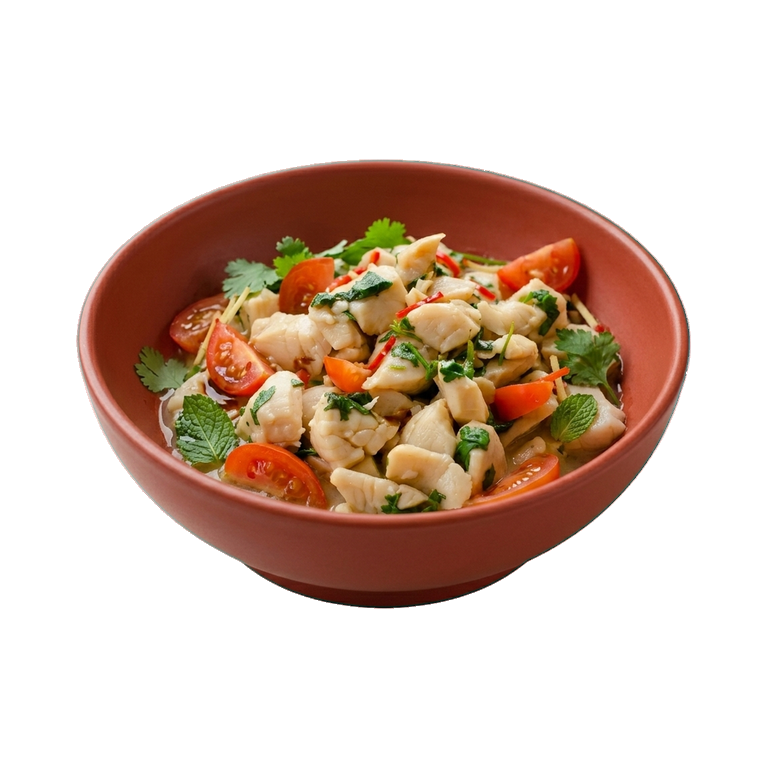
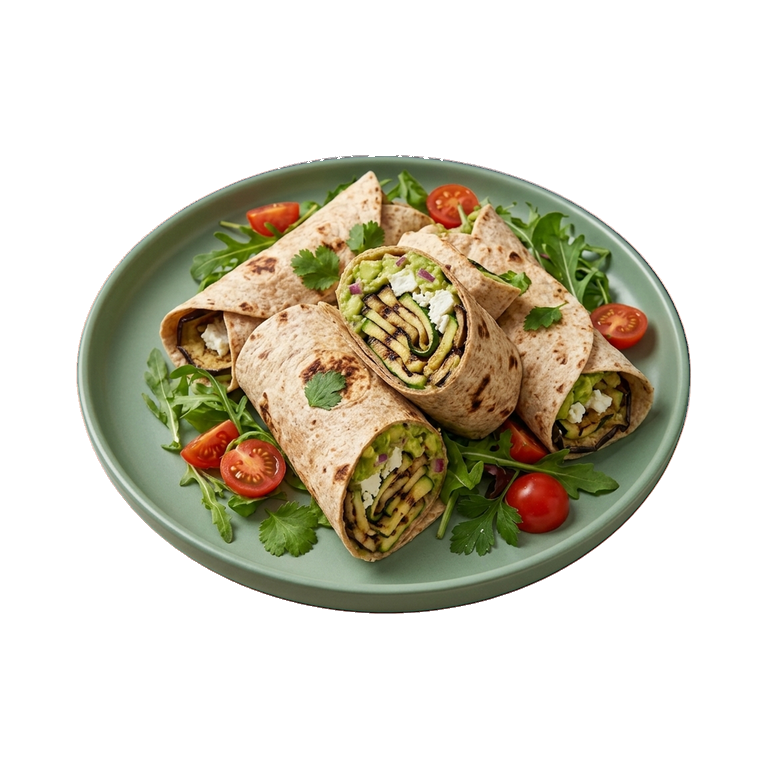
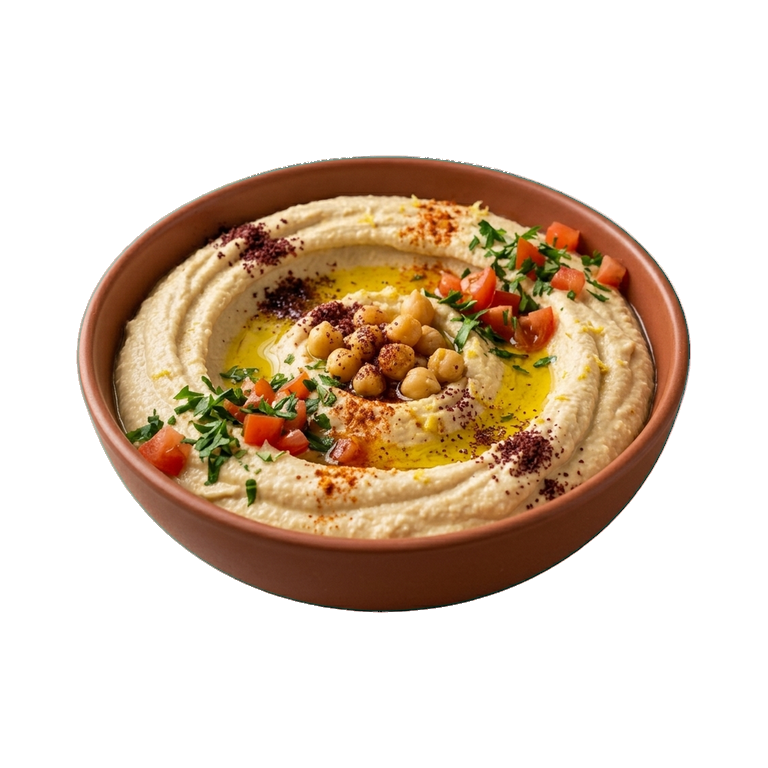
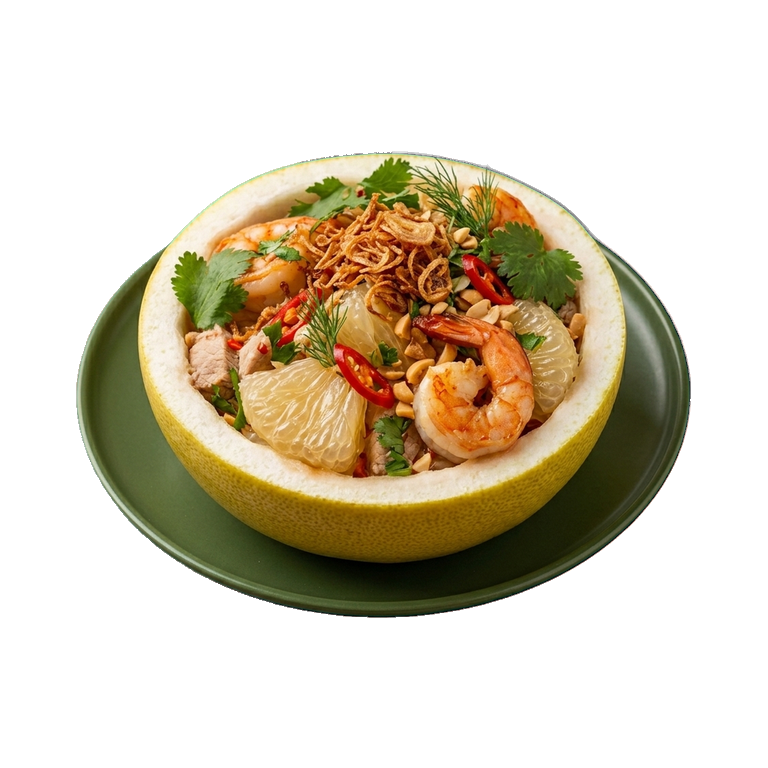
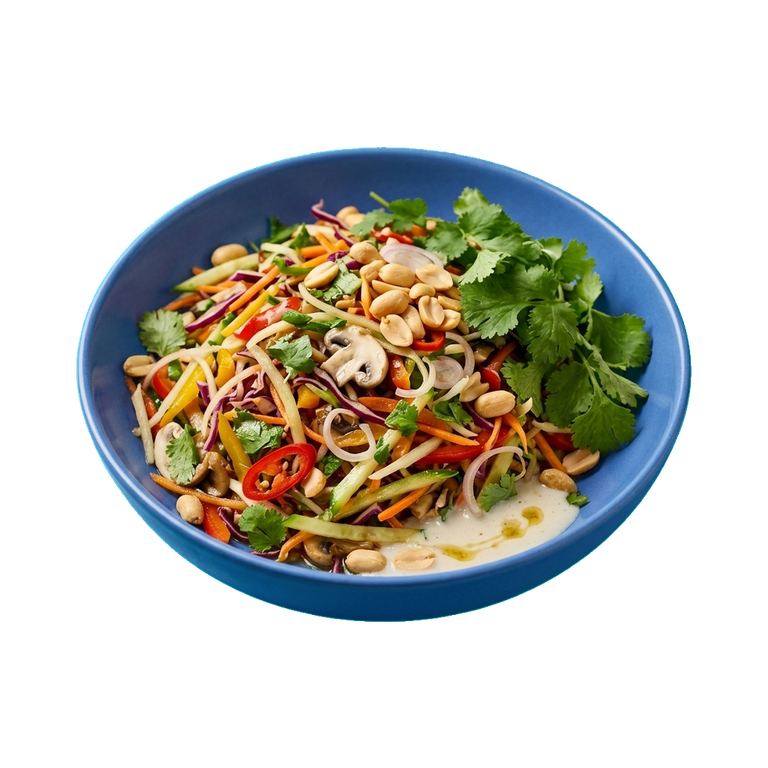
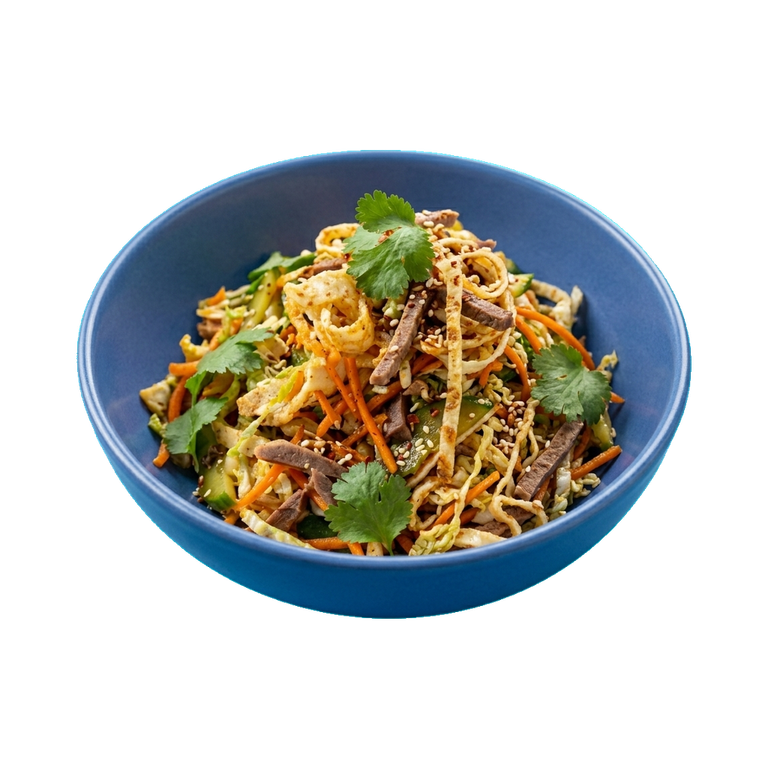
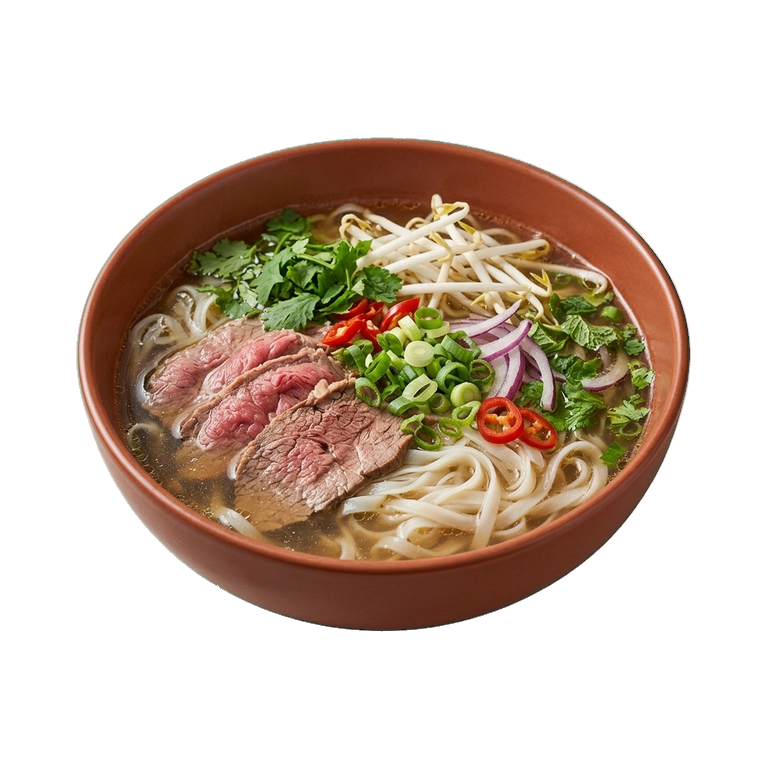
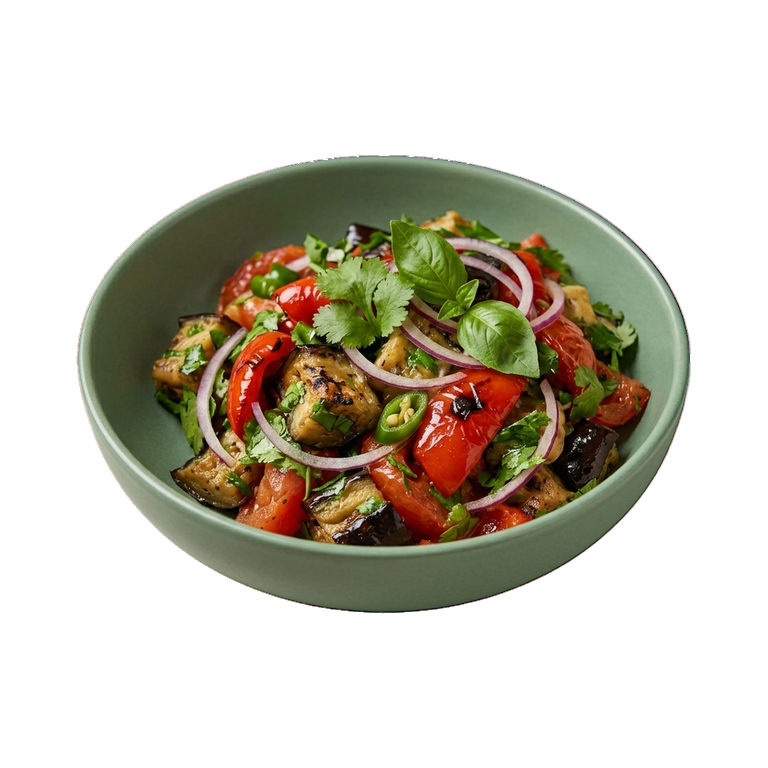
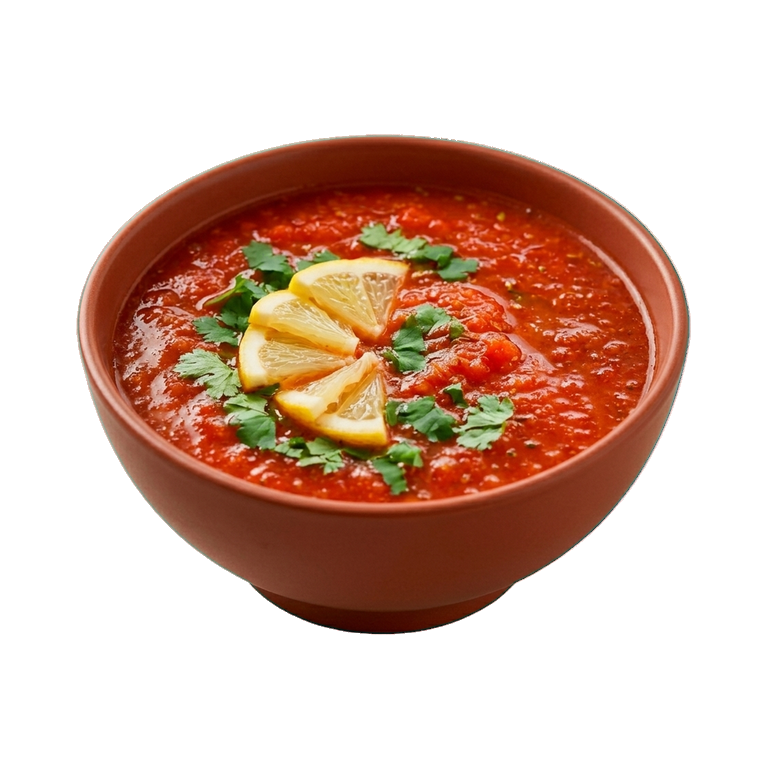
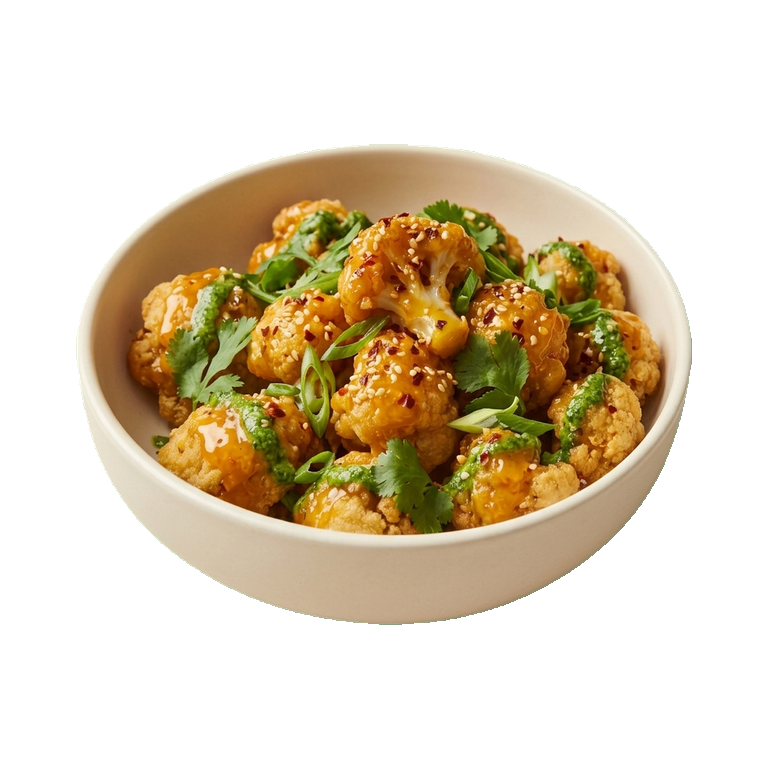
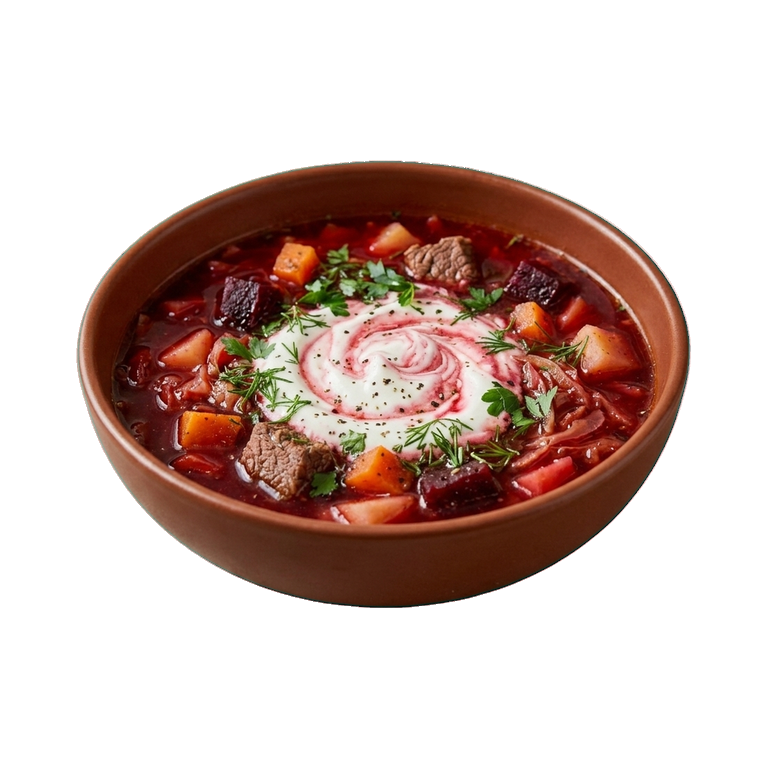
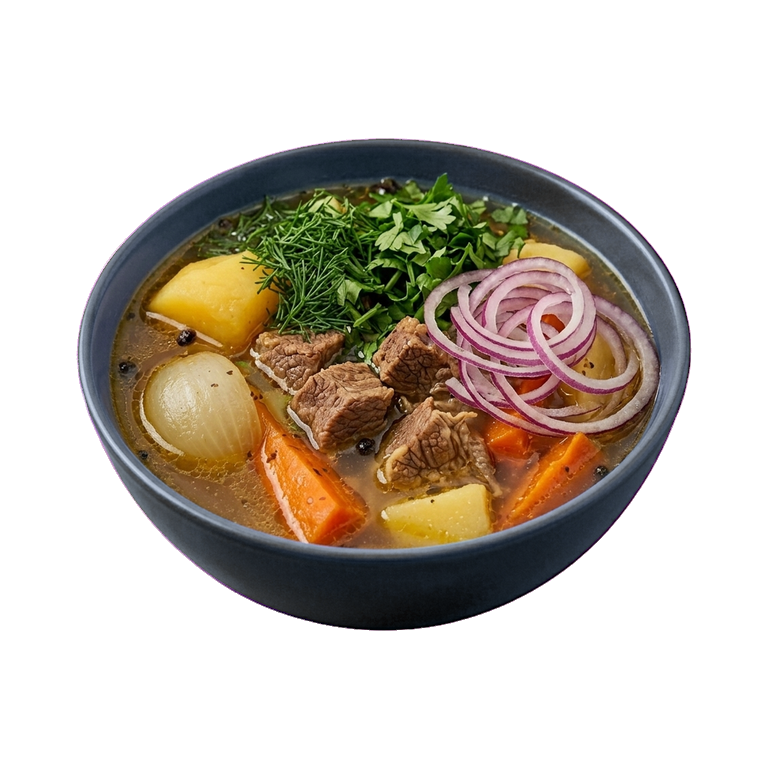
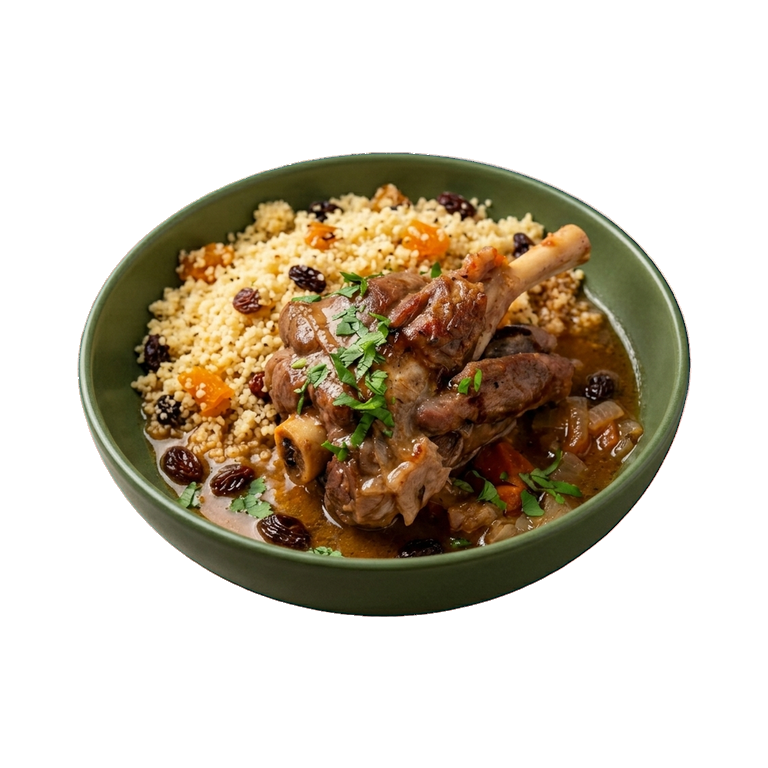
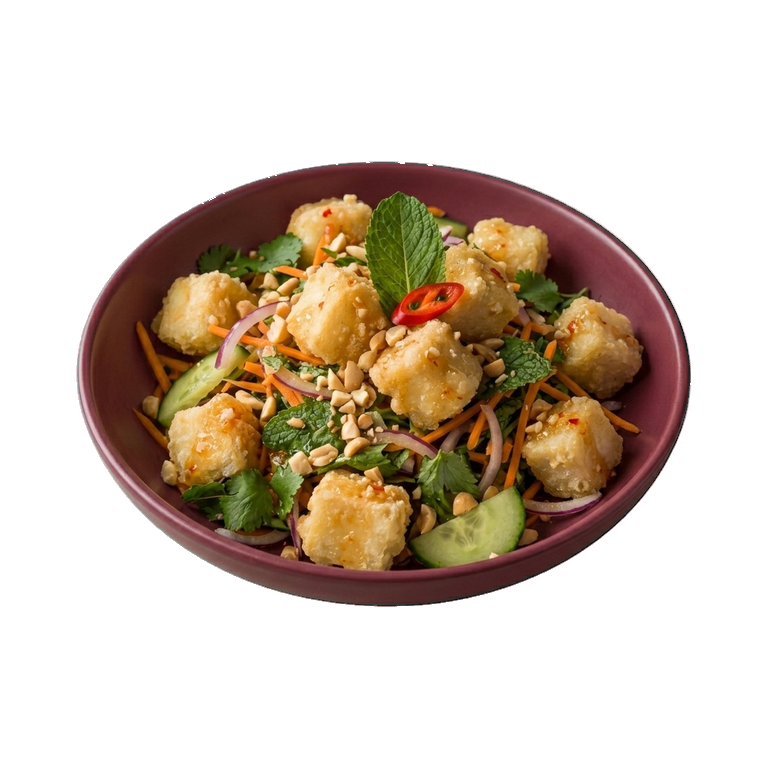
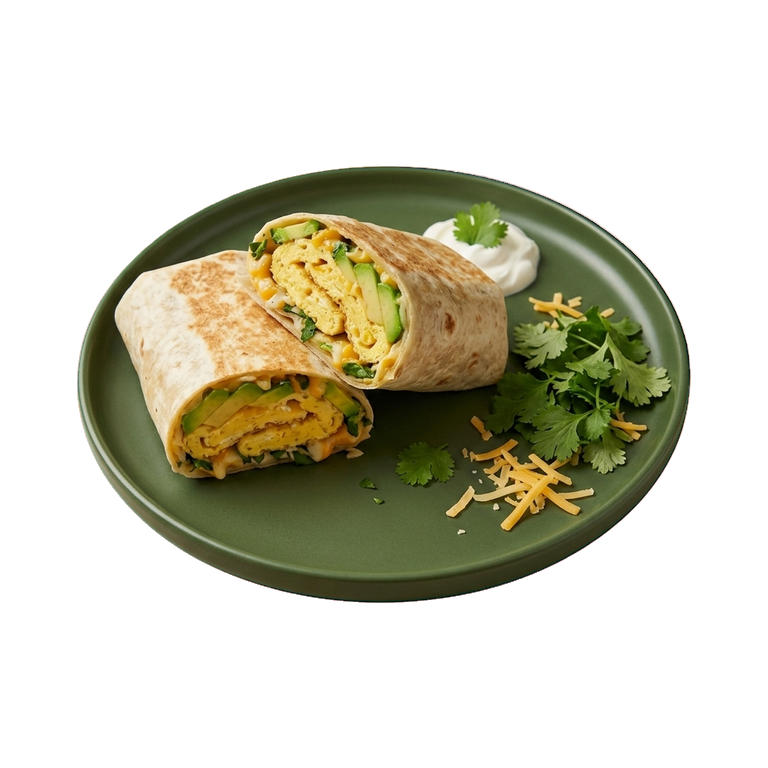
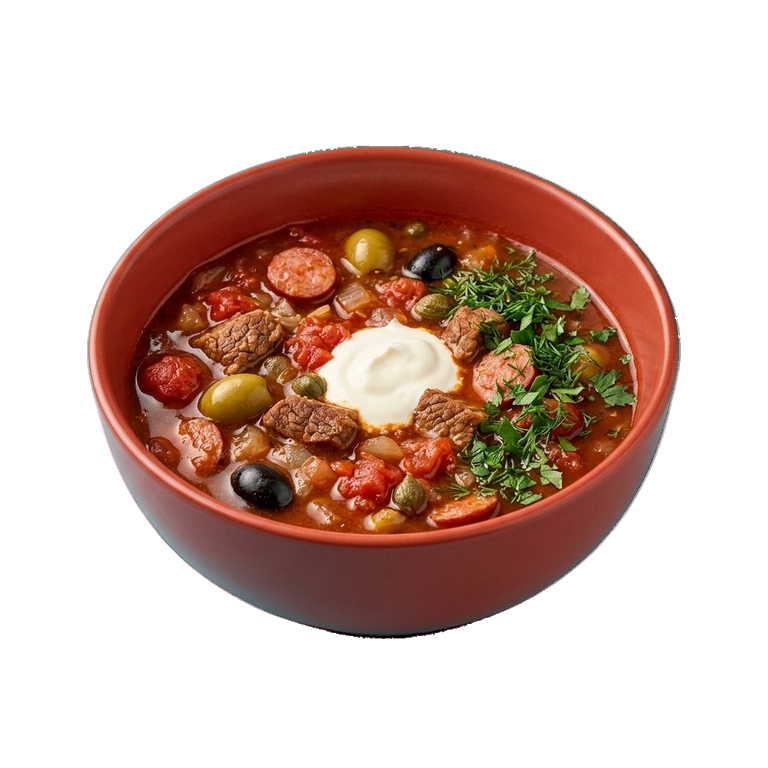
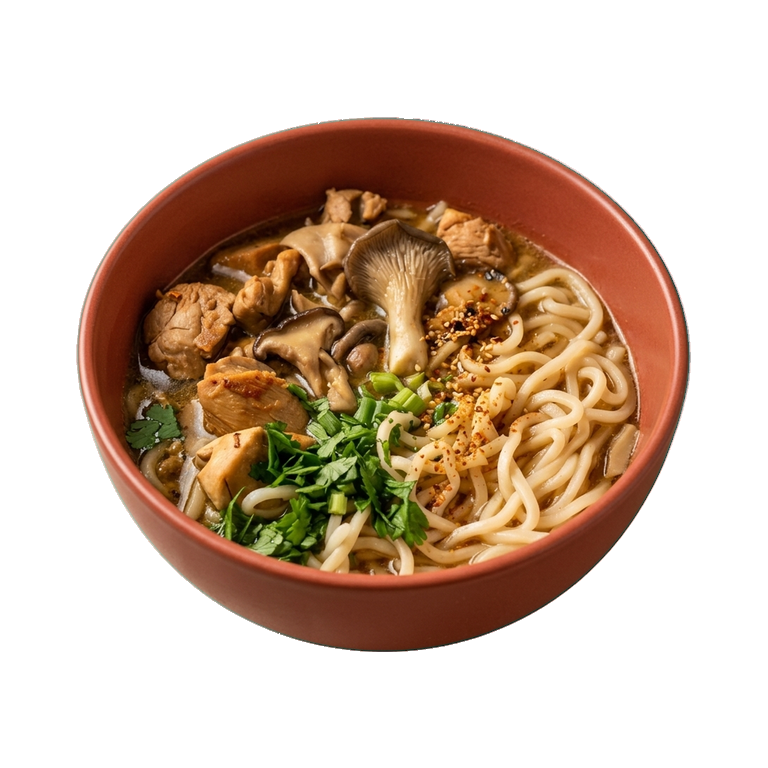
Cilantro is the queen of Asian cuisine. It is added to salsa, guacamole, curry, and tom yam. It works well in soups, especially chicken and vegetable ones. Fresh herbs garnish the finished dish and add liveliness at the last moment — heat destroys its delicate flavor, so cilantro is added at the end of cooking or right before serving.
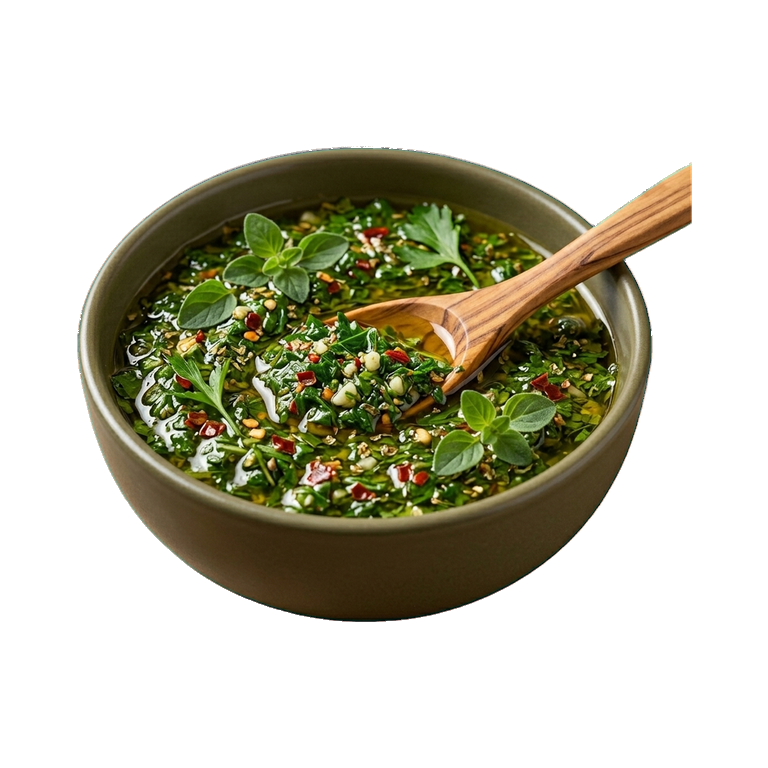
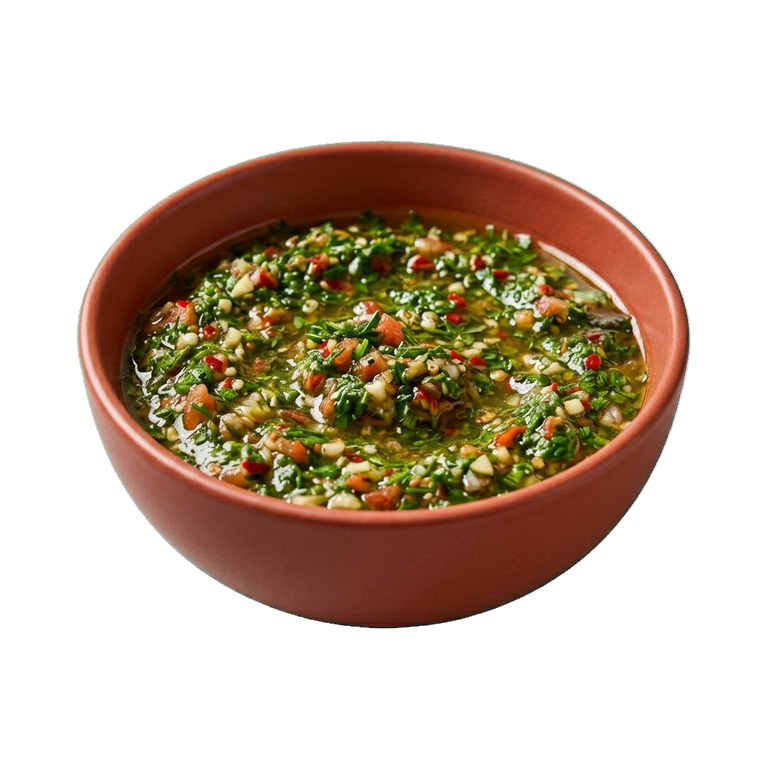
Don't throw away the stems: they are softer than the leaves and work well in sauces, pastas, and marinades. If you're making cilantro pesto, use the leaves, stems, and even roots — you'll get a fuller flavor.
Selection and Storage
Choose cilantro with bright green leaves free from spots and signs of wilting. The stems should be firm, not soft. Smell is the main indicator of freshness: if it smells pleasant and recognizable, everything is fine.
Cilantro doesn't keep long in the refrigerator, about a week. Place it in a bag or wrap it with a damp towel to prevent the leaves from drying out. You can put the bunch in a glass of water like flowers — this way it will last longer. If you need greens for a long time, freeze it whole or chop it finely and place it in ice with a small amount of water.
Successful Pairings
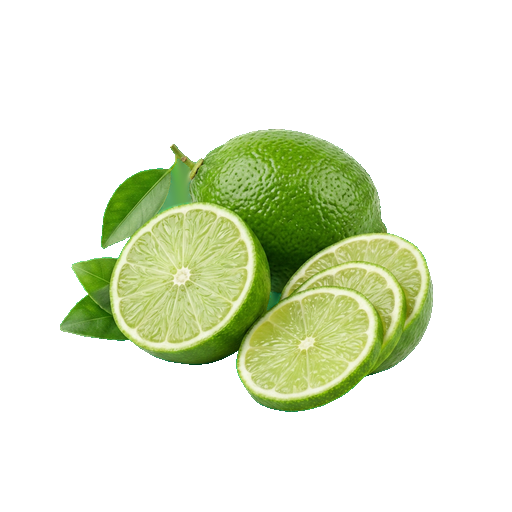
- Lime and chili pepper — a classic trio for Asian dishes
- Garlic and ginger — the foundation for marinades and sauces
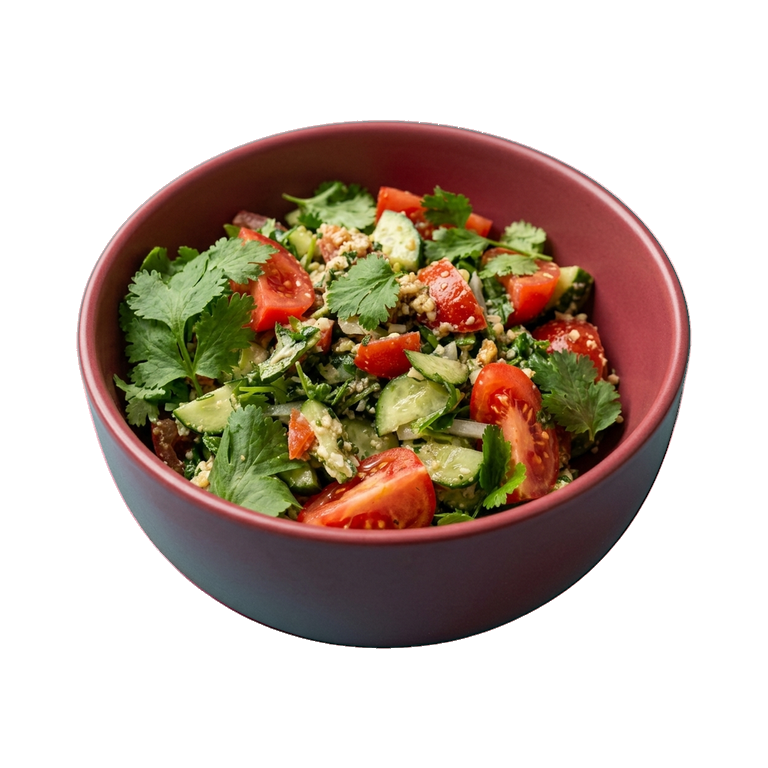
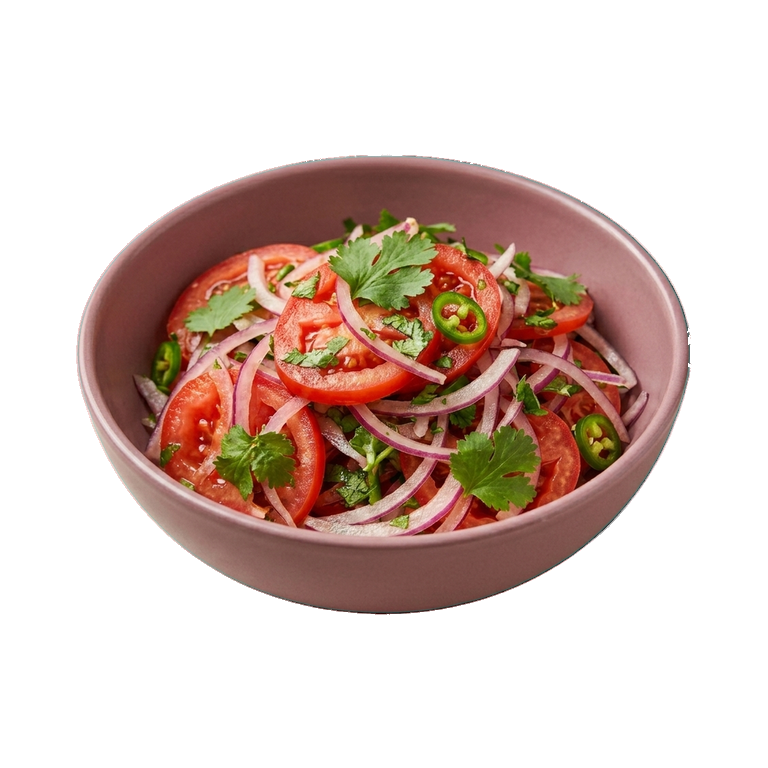
- Tomatoes and cucumbers — a fresh base for salads
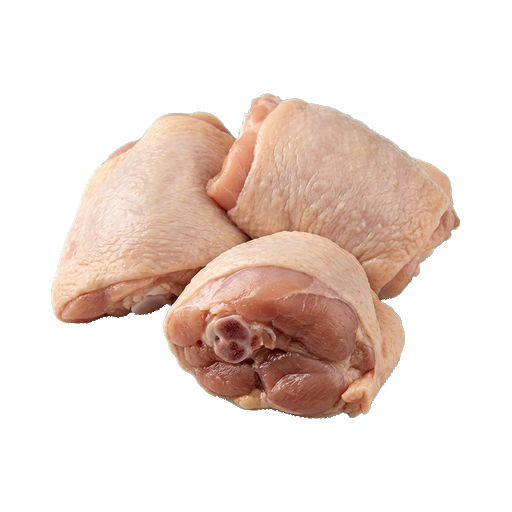
- Coconut milk and chicken broth — for soups and curries
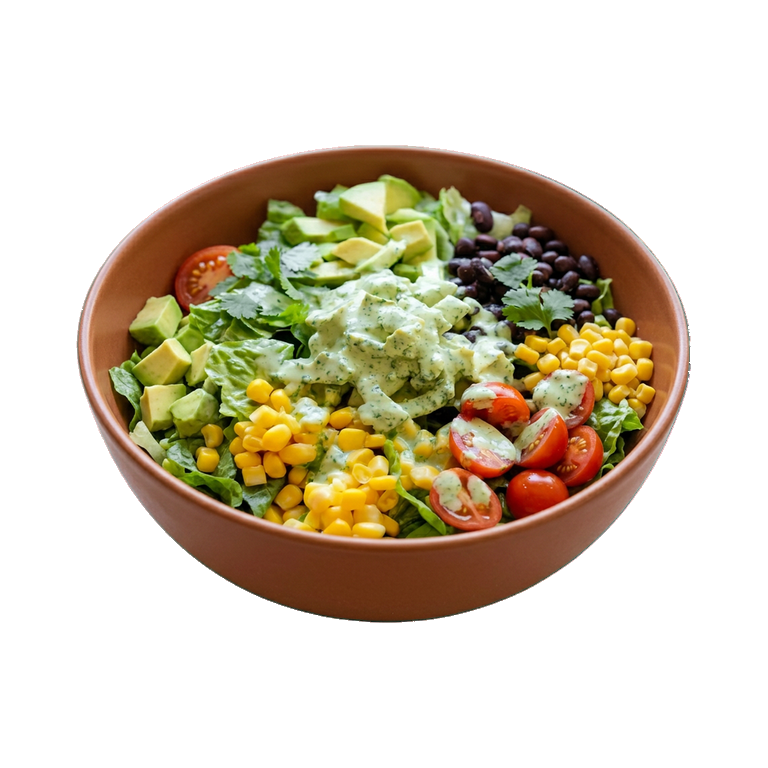
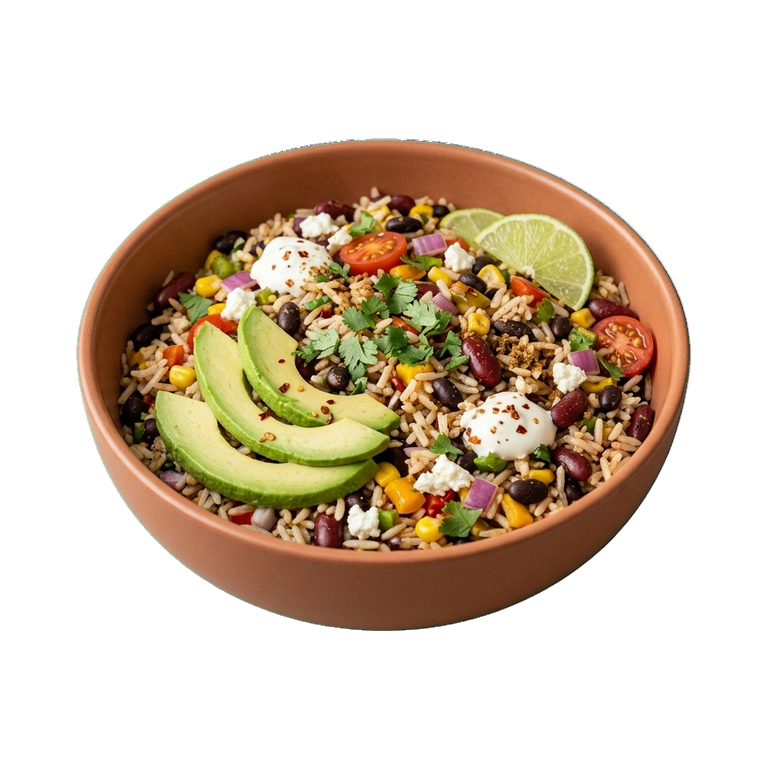
- Avocado and tomato — for Mexican dishes
Nutrition
per 100 g
- Calories
- 23 kcal
- Protein
- 2.1 g
- Fat
- 0.5 g
- Carbs
- 3.7 g
Micronutrients
per 100 g
Macronutrients
- Fiber
- 2.8 g
- Sugars
- 0.87 g
- Saturated fat
- 0.014 g
- Monounsaturated fat
- 0.275 g
- Polyunsaturated fat
- 0.04 g
- Omega-3 (EPA + DHA)
- 0 g
- Cholesterol
- 0 mg
- Water
- 92.21 g
Minerals
- Sodium
- 46 mg
- Potassium
- 521 mg
- Calcium
- 67 mg
- Magnesium
- 26 mg
- Phosphorus
- 48 mg
- Iron
- 1.77 mg
- Zinc
- 0.5 mg
- Copper
- 0.23 mg
- Manganese
- 0.43 mg
- Selenium
- 0.9 mcg
Vitamins
- Vitamin A (RAE)
- 337 mcg
- Vitamin D
- 0 mcg
- Vitamin E
- 2.5 mg
- Vitamin K
- 310 mcg
- Vitamin C
- 27 mg
- Vitamin B1 (thiamin)
- 0.07 mg
- Vitamin B2 (riboflavin)
- 0.16 mg
- Vitamin B3 (niacin)
- 1.11 mg
- Vitamin B5 (pantothenic acid)
- 0.57 mg
- Vitamin B6
- 0.15 mg
- Vitamin B9 (folate, DFE)
- 62 mcg
- Vitamin B12
- 0 mcg
Measures and weight
- 1 tbsp
- 1 g
- 1 tsp
- 0.3 g
- 1 cup
- 16.8 g
- 1 bunch
- 30 g
- 1 sprig
- 3 g
Measure calculator
- Weight
- 100 g
- Calories
- 23 kcal