Usuba
Usuba
Savory
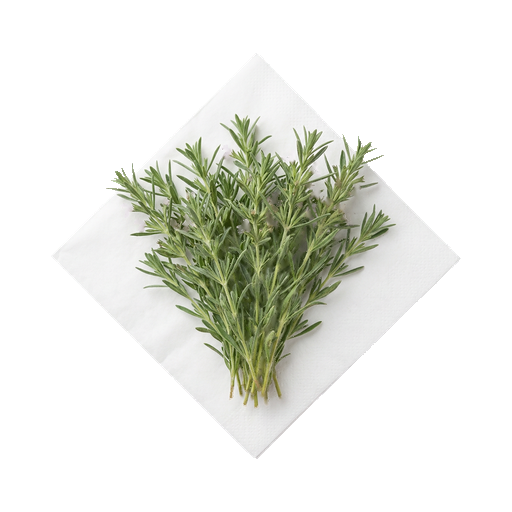
Savory is a pungent herb with a sharp, slightly peppery flavor and an intense aroma reminiscent of a blend of thyme and oregano. In cooking, it is used both fresh and dried to season meat dishes, vegetable stews, soups, and marinades, particularly in Mediterranean and Eastern European cuisine. When using it, remember that savory has a strong flavor, so it should be added in small amounts, and dried herbs should be added at the beginning of cooking to release their aroma into the dish.
Micronutrients
per 100 g
Minerals
About
Aroma and Flavor
Savory is a spicy herb with a sharp, slightly peppery taste and an intense aroma. You can sense warmth, a light bitterness, and piquancy in it, which are especially pronounced in its fresh form. When you take the leaves in your hands and rub them, a piercing smell is released — the kind that immediately makes it clear that this is a serious seasoning, not just a garnish for a dish.
Dried savory becomes even more concentrated: the flavor becomes denser, bitterness intensifies, and the aroma becomes almost resinous. Therefore, in recipes, dried savory is used approximately three times less than fresh. If you overdo it, it can overpower all other flavors in the dish.
Role in Dishes
Savory is a classic companion to legumes. Its sharpness and bitterness perfectly mask the heaviness of beans, lentils, and chickpeas, helping them be digested more easily. Add a pinch to a soup or stew with legumes, and you'll immediately feel how the dish becomes more lively and piquant.
Savory and fish dishes also love savory. Its sharpness balances out the fattiness, adding depth to the flavor. It is especially good in marinades, in sausages, in stewed meat dishes. Savory does not overpower fish; on the contrary, it emphasizes its tenderness.
Vegetable dishes and preservation are another strong point of savory. It is added to marinades for cucumbers, tomatoes, and mushrooms. It works as a natural preservative and gives canned goods a piquant flavor. In vegetable stews and roasts, savory adds a spicy accent that prevents the dish from tasting bland.
Combinations with other ingredients
Savory works well with other aromatic herbs, but requires respect for its character. With thyme and rosemary, it creates a rich bouquet, but they should be taken in equal amounts so that one does not overpower the other. With black pepper, coriander, and bay leaf, savory works in harmony — they enhance each other, but do not compete.
Avoid mixing savory with delicate herbs like parsley or dill — it will simply overpower them. If you use savory, it's better to do without other sharp spices in the same dish to avoid a cacophony of flavors.
Selection and Storage
Fresh savory should be bright green with firm leaves free of spots and wilting. The stems are thin and flexible. When you pick a sprig, it should make a characteristic crunch sound. The smell should be strong and pleasant, without mustiness.
Dried savory is sold as crumbs or whole leaves. Choose the one that looks more intact and less dusty. The color should be green or grayish-green, but not brown — that's a sign of age. Smell it: the aroma should be sharp and fresh, not musty.
Fresh savory is stored in the refrigerator in a plastic bag or container for no more than a week. If you want to keep it longer, freeze it — place the sprigs in the freezer in a plastic bag, and they will last several months. Dried savory lives in an airtight jar in a dark place for about a year, but it's best to use it within 6 months while the aroma is still bright.
Practical Tips
- Add fresh savory at the end of cooking or right before serving to preserve its bright aroma.
- Dried savory is better added at the beginning of cooking — it needs time to develop its flavor.
- For your first experience, start with a small amount: savory is a strong spice, and it's better to add more than to save an over-seasoned dish.
- If you are making soup or broth, add a sprig whole — this way it will be easier to remove before serving.
- Savory works well in homemade spice blends together with salt, pepper, and other dried herbs.
Nutrition
per 100 g
- Calories
- 272 kcal
- Protein
- 5.6 g
- Fat
- 7.6 g
- Carbs
- 48.7 g
Micronutrients
per 100 g
Macronutrients
- Fiber
- 45.7 g
- Saturated fat
- 3.26 g
- Cholesterol
- 0 mg
- Water
- 9 g
Minerals
- Sodium
- 24 mg
- Potassium
- 1051 mg
- Calcium
- 2132 mg
- Magnesium
- 377 mg
- Phosphorus
- 140 mg
- Iron
- 37.88 mg
- Zinc
- 4.3 mg
- Copper
- 0.85 mg
- Manganese
- 6.1 mg
- Selenium
- 4.6 mcg
Vitamins
- Vitamin A (RAE)
- 257 mcg
- Vitamin D
- 0 mcg
- Vitamin C
- 50 mg
- Vitamin B1 (thiamin)
- 0.37 mg
- Vitamin B3 (niacin)
- 4.08 mg
- Vitamin B6
- 1.81 mg
- Vitamin B12
- 0 mcg
Measures and weight
- 1 tbsp
- 5.3 g
- 1 tsp
- 1.8 g
- 1 cup
- 87.5 g
- 1 sprig
- 1.5 g
- 1 stalk
- 2 g
Measure calculator
- Weight
- 100 g
- Calories
- 272 kcal