Usuba
Usuba
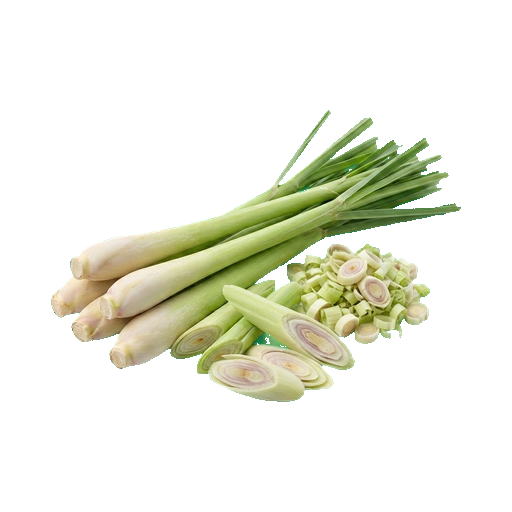
Lemongrass
Lemongrass — thin green stalks with a bright lemon aroma and fresh, slightly herbaceous flavor. Used in Asian cuisine for making soups, curries, tea, and marinades, adding a citrus note to dishes without the acidity of lemon juice. When selecting, look for firm stalks of light green color, and before use, gently bruise them to release the aroma — whole stalks or chopped pieces are added to the dish and typically removed before serving.
Micronutrients
per 100 g
Minerals
About
Lemongrass is not just an aromatic additive, but a full-fledged ingredient that transforms the character of a dish. Its long thin leaves contain essential oils that give a fresh, slightly sharp lemon aroma without the acidity of actual lemon. In cooking, the lower white part of the stem and inner layers are used, where the flavor concentration is at its maximum.
Aroma and taste
The aroma of lemongrass is pure citrus freshness with herbal notes. When heated, the smell becomes more intense and penetrating, but not aggressive. The taste is milder than the aroma: herbaceous, with a barely perceptible bitterness and a lemon aftertaste. Fresh grass imparts brightness, while dried grass offers a more concentrated, slightly spicy profile.
Role in dishes
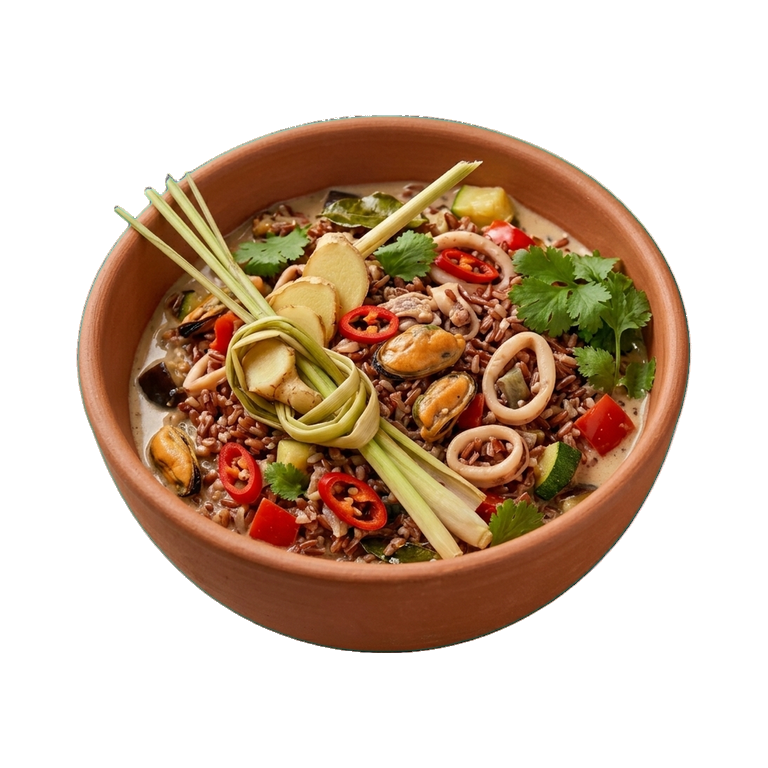
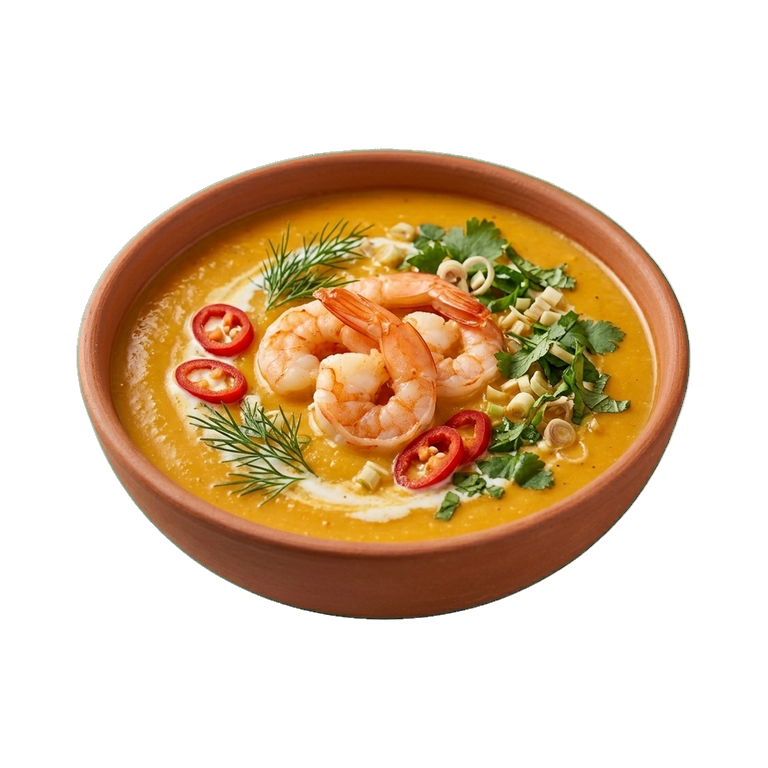
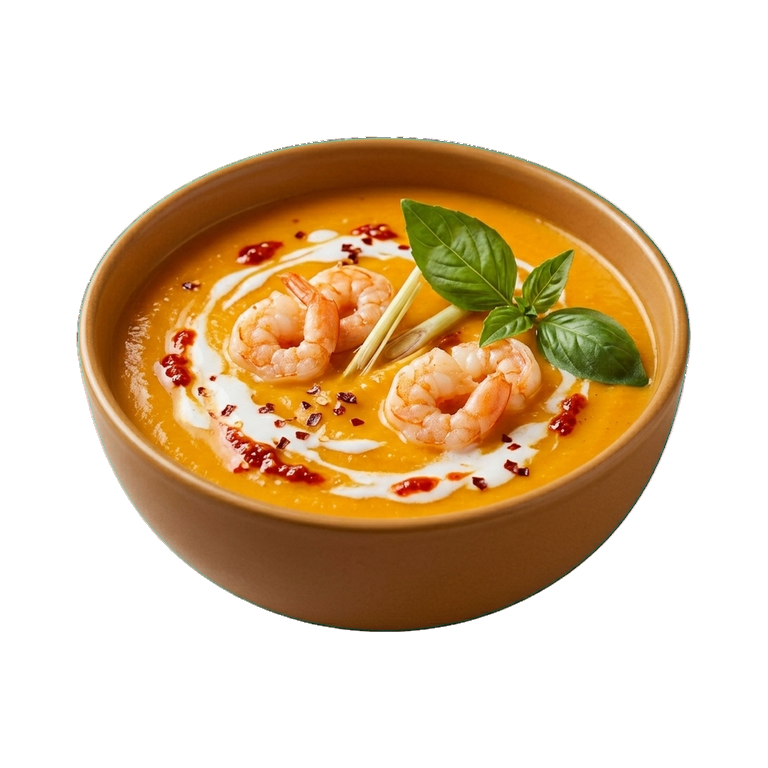
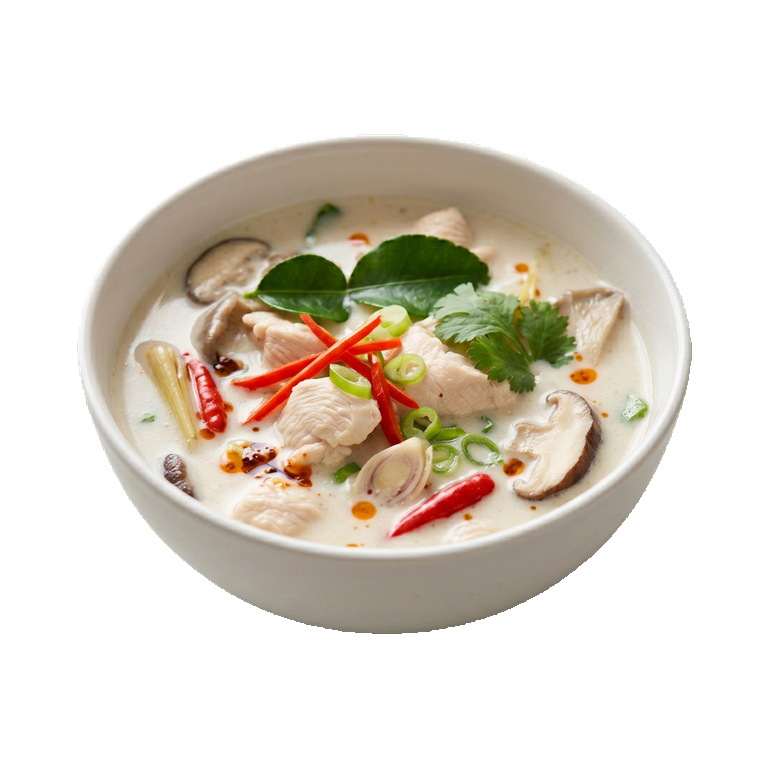
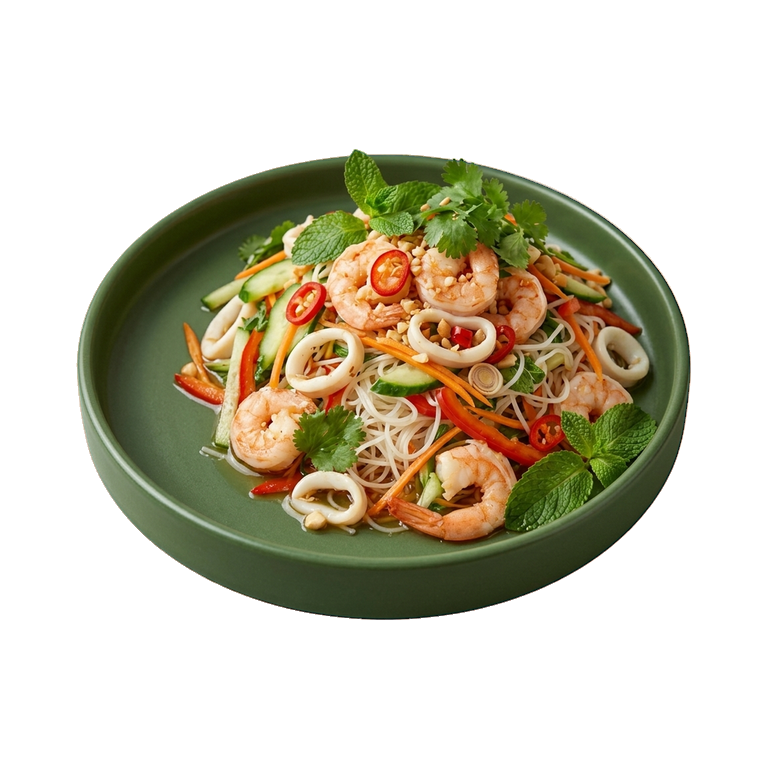
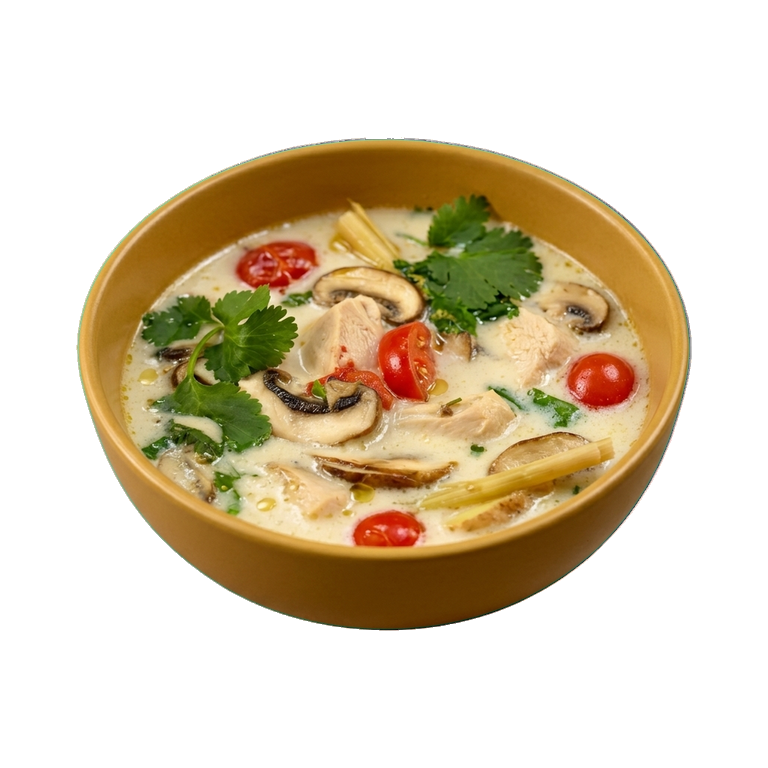
Lemongrass works in Asian cuisine as a foundation for flavoring: it is added to Thai tom yam and tom kha soups, Vietnamese broths, and Indonesian curries. It is perfectly suited for marinades for fish and seafood, giving them lightness and freshness. A few sprigs can be placed in tea, compote, or a cocktail — the drink acquires a subtle floral-citrus character.
Combinations and Uses
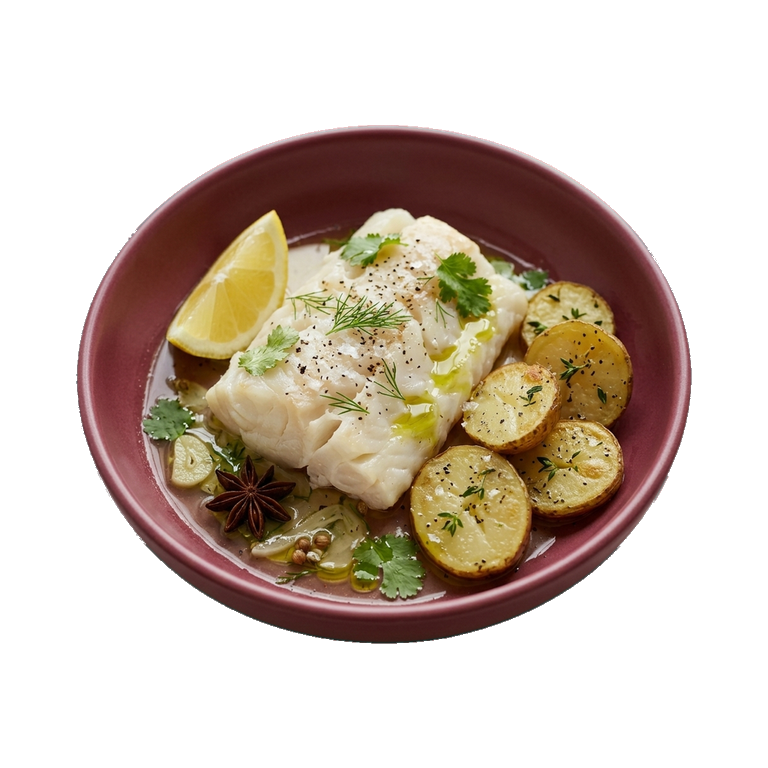
- With seafood and white fish — creates a light, refreshing background
- With chili peppers and garlic — enhances the Asian profile of the dish
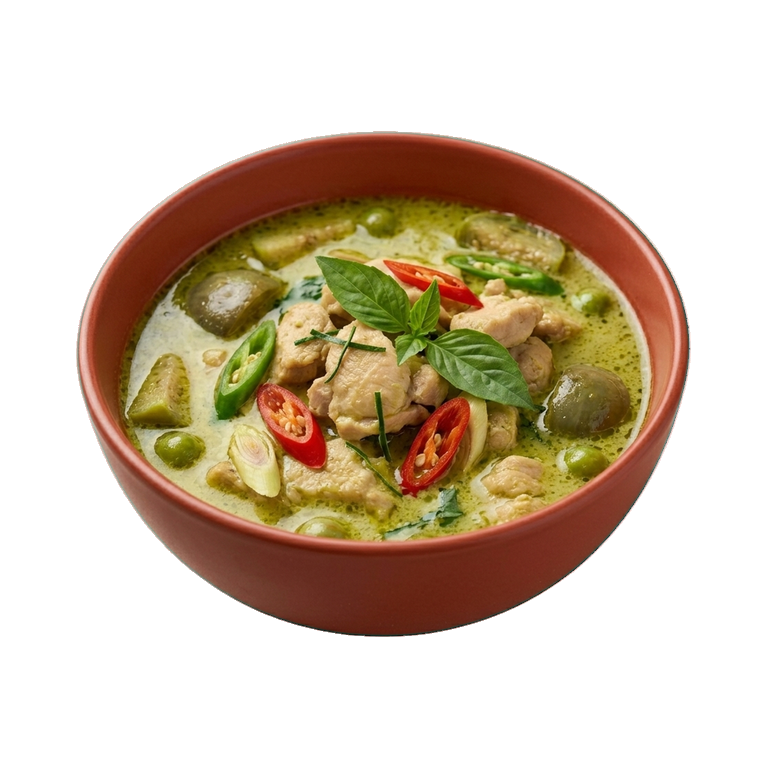
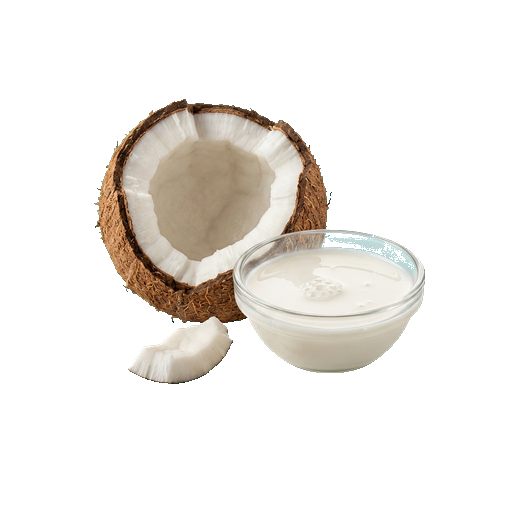
- With coconut milk — softens richness and adds brightness
- With ginger and galangal — a classic triumvirate for Southeast Asian cuisine
- With chicken — in marinades and soups reveals the meat from a new angle
Selection and Storage
When choosing fresh lemongrass, look for a white base — it should be firm, without dark spots or soft areas. The leaves don't need to be perfectly green; the important thing is that they shouldn't be dry and brittle. Fresh grass is stored in the refrigerator in a plastic bag for 1–2 weeks or frozen whole stems for several months. Keep dried grass in an airtight container in a dark place — it retains its aroma for about a year.
Before using, remove the upper tough layers of leaves. Finely chop or gently bruise the lower white part to release essential oils. For broths and teas, it's more convenient to use whole stems — they are easier to remove before serving. If the recipe calls for finely chopped herbs, add them at the end of cooking to preserve the brightness of the aroma.
Lemongrass is not exotic, but a practical helper in the kitchen. It adds flavor depth without acidity, works equally well with complex spiced dishes and simple salads and drinks. Try it in familiar recipes — often even a small amount changes the perception of a dish for the better.
Nutrition
per 100 g
- Calories
- 99 kcal
- Protein
- 1.8 g
- Fat
- 0.5 g
- Carbs
- 25.3 g
Micronutrients
per 100 g
Macronutrients
- Saturated fat
- 0.119 g
- Monounsaturated fat
- 0.054 g
- Polyunsaturated fat
- 0.17 g
- Cholesterol
- 0 mg
- Water
- 70.58 g
Minerals
- Sodium
- 6 mg
- Potassium
- 723 mg
- Calcium
- 65 mg
- Magnesium
- 60 mg
- Phosphorus
- 101 mg
- Iron
- 8.17 mg
- Zinc
- 2.23 mg
- Copper
- 0.27 mg
- Manganese
- 5.22 mg
- Selenium
- 0.7 mcg
Vitamins
- Vitamin A (RAE)
- 0 mcg
- Vitamin D
- 0 mcg
- Vitamin C
- 2.6 mg
- Vitamin B1 (thiamin)
- 0.07 mg
- Vitamin B2 (riboflavin)
- 0.14 mg
- Vitamin B3 (niacin)
- 1.1 mg
- Vitamin B5 (pantothenic acid)
- 0.05 mg
- Vitamin B6
- 0.08 mg
- Vitamin B9 (folate, DFE)
- 75 mcg
- Vitamin B12
- 0 mcg
Measures and weight
- 1 tbsp
- 3 g
- 1 tsp
- 1 g
- 1 cup
- 50 g
- 1 stalk
- 20 g
Measure calculator
- Weight
- 100 g
- Calories
- 99 kcal