Usuba
Usuba
Kaffir lime leaves
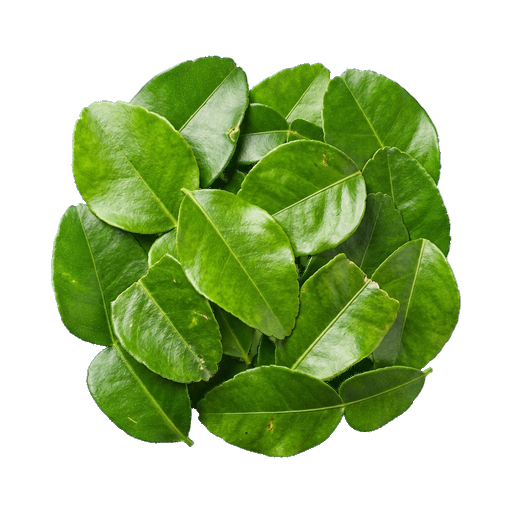
Kaffir lime leaves are aromatic leaflets with an intense citrus aroma used in Asian cuisine, particularly in Thai, Malaysian, and Indonesian dishes. They impart a fresh, slightly bitter flavor with lemon notes to dishes and work well in soups, curries, and fish preparations. When selecting, pay attention to a bright green color and the firmness of the leaves — they should be without dark spots and retain their aroma when rubbed between your fingers.
About
Kaffir lime leaves are not just fragrant greens, but a true flavor anchor of Southeast Asian cuisine. They give dishes a recognizable citrusy character with herbaceous notes that cannot be replaced by regular lime or lemon. If you've ever tried authentic Thai soup or curry and caught that fresh, almost coniferous essence — that was the work of these very leaves.
Aroma and Flavor
The aroma of the leaves is intense and multilayered: bright citrusy, but with a green, almost pine-like depth. When you crumple the leaf in your hands, it releases an oily essence. To the taste, the leaves give a concentrated sourness without bitterness, with a light peppery undertone. This is not just acidity — it is a complex aroma that unfolds when heated and dissolves in broth or sauce.
Role in dishes
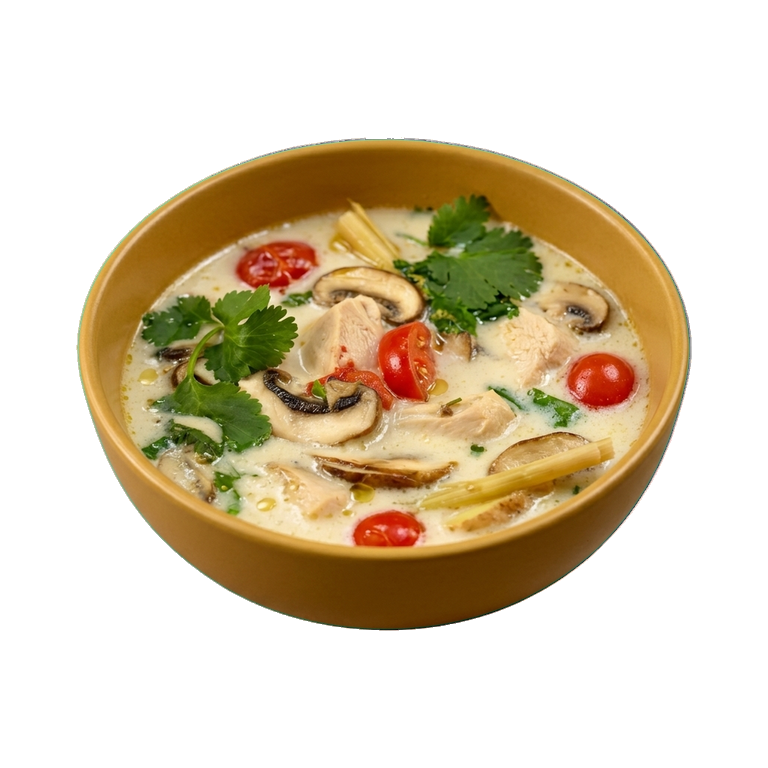
Kaffir lime leaves work best in hot dishes. They are added to soups (especially tom yum), curries, and stews a few minutes before the dish is ready or even at the end of cooking — this way they release their aroma without losing freshness. They can be added to marinades, fish broths, and seafood dishes. Some chefs finely chop the leaves and sprinkle them over the finished dish as a garnish for an extra citrus burst.
- Pair well with coconut milk, hot peppers and garlic
- Complement fish and seafood dishes, adding freshness
- Work with ginger, lemongrass and galangal in pastes and sauces
- Suitable in dishes with chicken and beef, especially in slow braises
Selection and Storage
Fresh leaves should be bright green, firm, without spots or drying. They are often sold in vacuum-sealed packages or bundles. Smell the leaf before purchasing — the aroma should be distinct and pleasant, without mustiness. Dried leaves also have their place: they concentrate the flavor, although they lose some freshness.
Fresh leaves are stored in the refrigerator in a plastic container or bag for about two weeks. If they start to dry out, wrap them in a damp towel. You can freeze the leaves whole in the freezer — they will retain their aroma for several months, although the texture will change. Keep dried leaves in an airtight jar in a dark place; they won't take up much space and will always be on hand for an emergency curry.
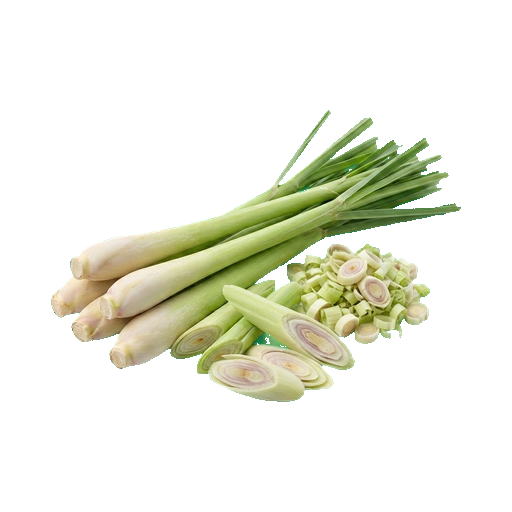
If kaffir lime leaves are not available, you can try substituting them with regular lime zest combined with lemongrass, but it will be a different dish. It's better to be patient and find the right ingredient.
Nutrition
per 100 g
- Calories
- 49 kcal
- Protein
- 2 g
- Fat
- 0.5 g
- Carbs
- 8 g
Measures and weight
- 1 tbsp
- 3 g
- 1 tsp
- 1 g
- 1 cup
- 50 g
- 1 sprig
- 2 g
Measure calculator
- Weight
- 100 g
- Calories
- 49 kcal