Usuba
Usuba

Olives
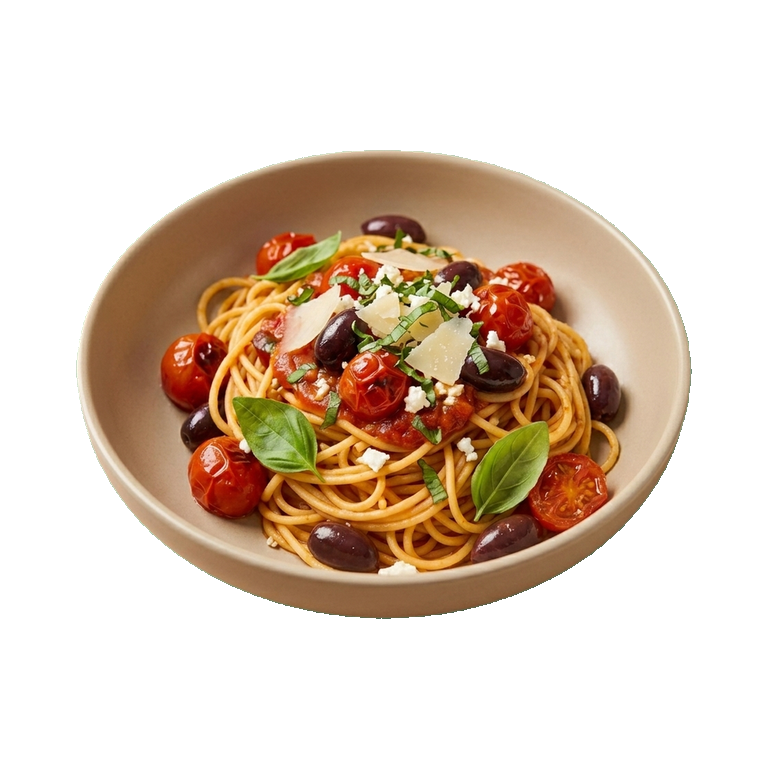
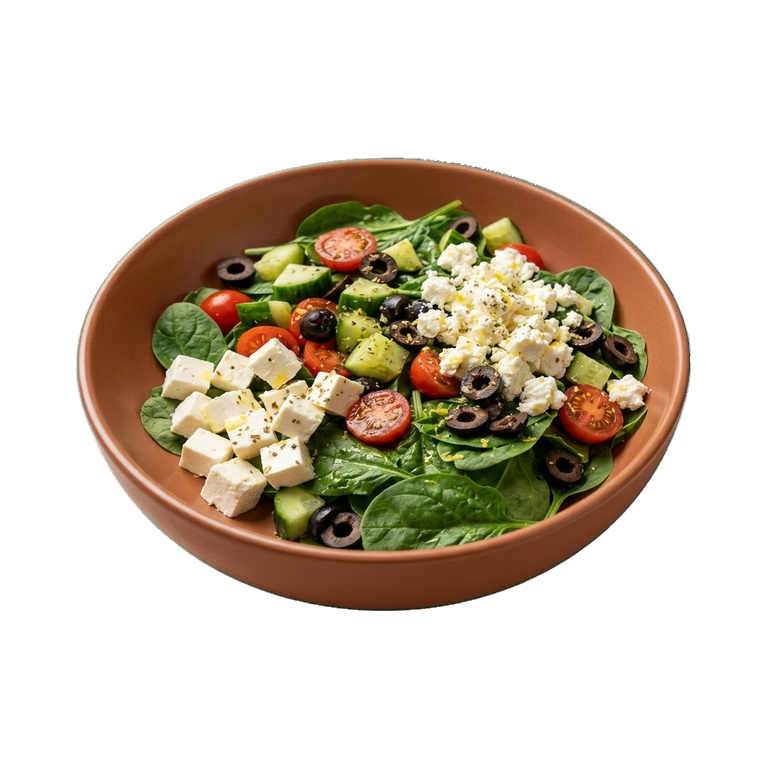
Olives are the fruits of the European olive tree, harvested at full ripeness and characterized by a dark purple or black color. They have soft flesh, a pronounced oily flavor with a slight bitterness, and are used as an appetizer, an addition to salads, pizzas and pastas, as well as a component for oil production. When selecting olives, it is important to pay attention to the integrity of the fruit and the absence of signs of mold. When storing, they require a cool place in a hermetically sealed package with brine.
About
Black olives are ripe fruits of the olive tree, harvested at the end of the season when they acquire a dark, almost black color. They differ from green olives not only in appearance but also in their softer, oilier taste with a slight bitterness. In cooking, they play the role of a versatile ingredient: equally good both as a standalone appetizer and as a component of complex dishes.
Taste and Aroma
Ripe olives have a deep, rich flavor with nutty notes and a subtle bitterness. The flesh is soft, almost melting in the mouth if the fruit is of good quality. The aroma is muted, earthy, sometimes with fruity hints. All this makes them a more delicate choice compared to sharp and firm green olives.
Where and how to use them
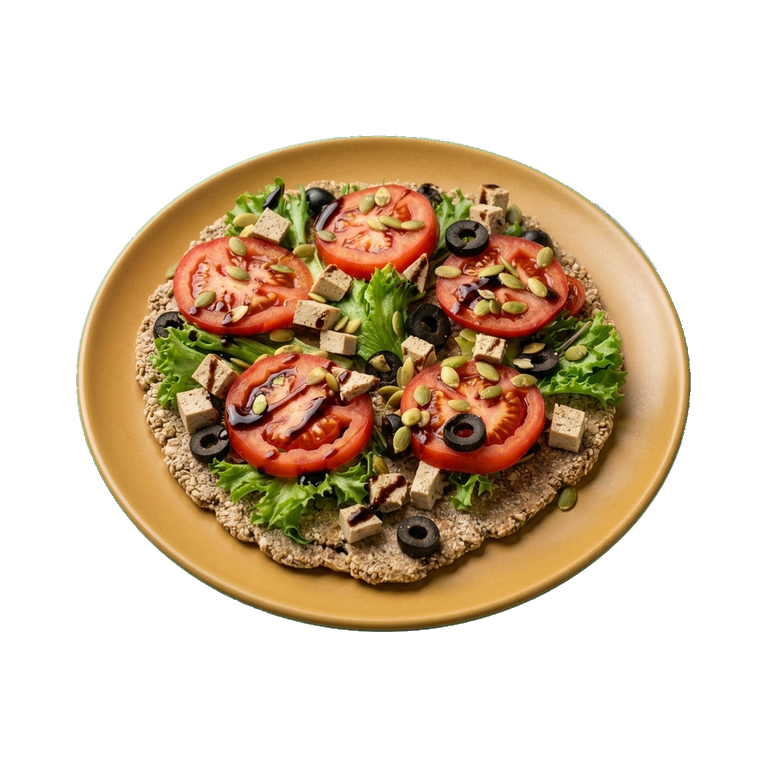
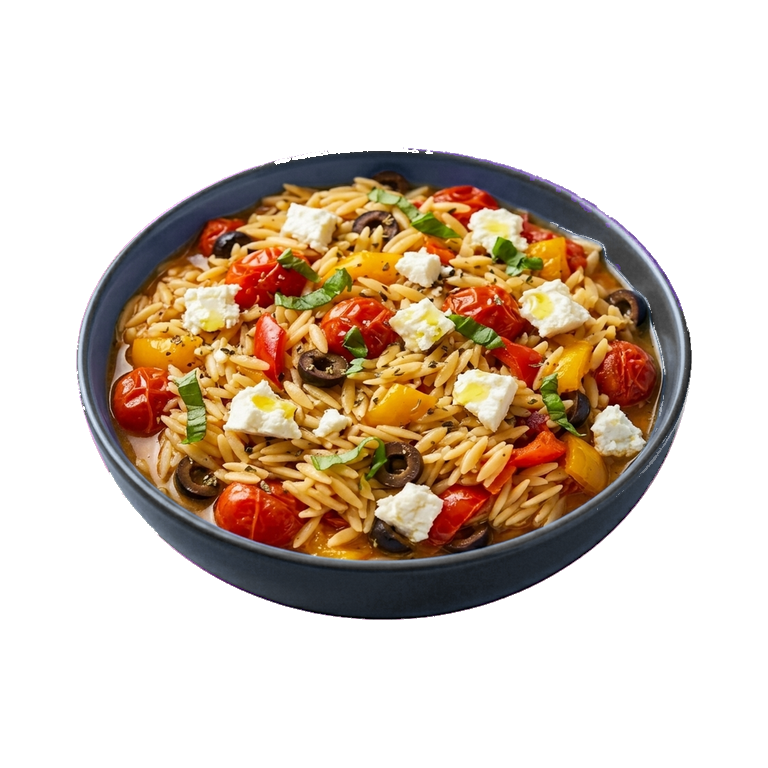
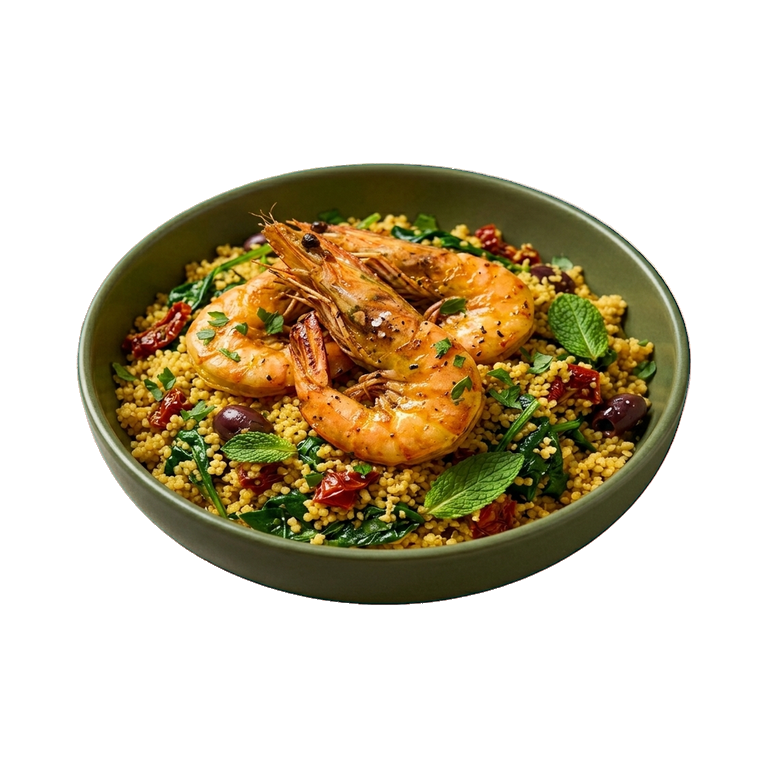
- In Mediterranean salads — olives add the necessary saltiness and oiliness, they pair well with tomatoes, feta cheese and fresh herbs
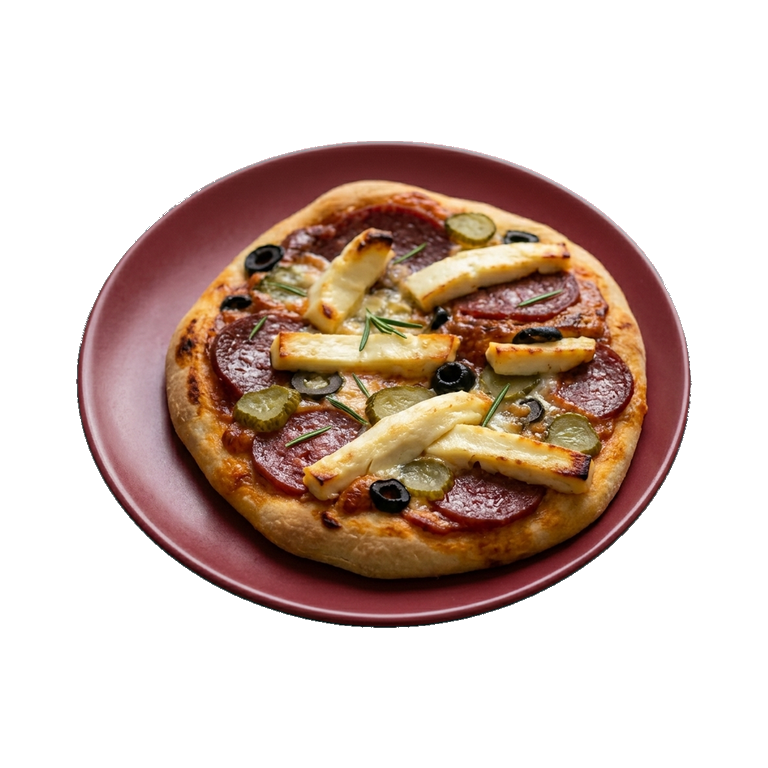
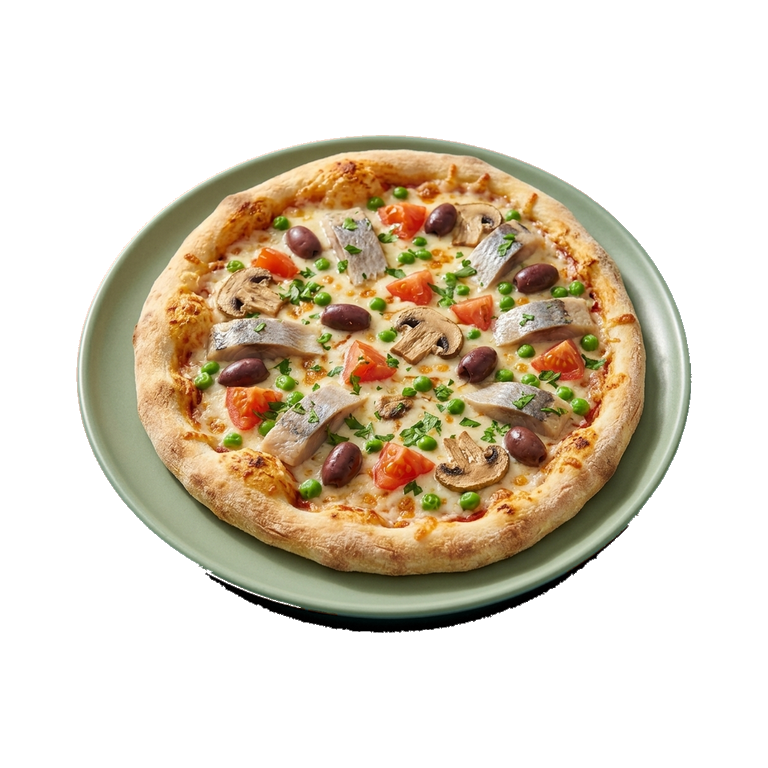
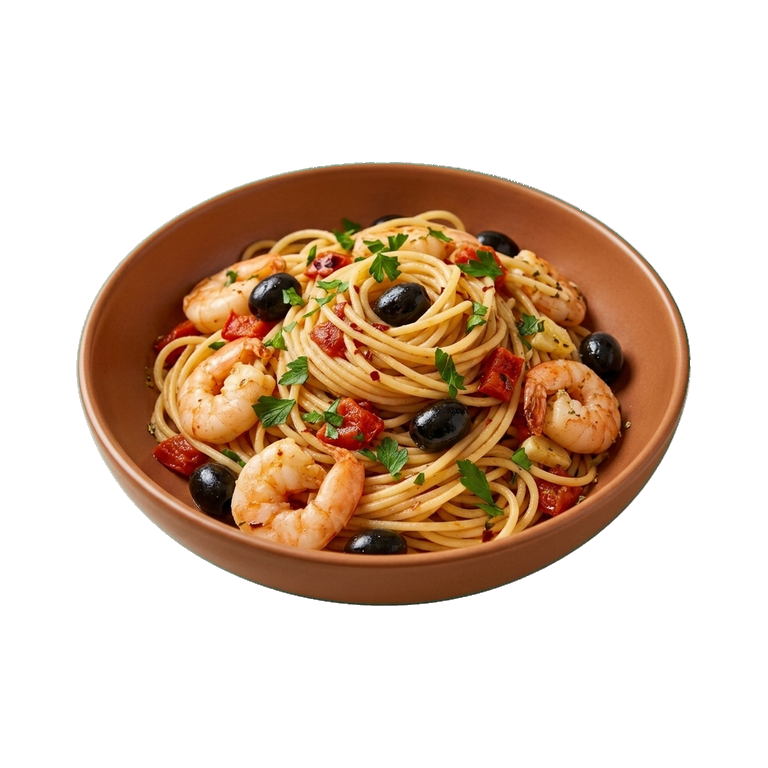
- On pizzas and in pastas — their soft texture doesn't require pre-processing, you simply slice and arrange them
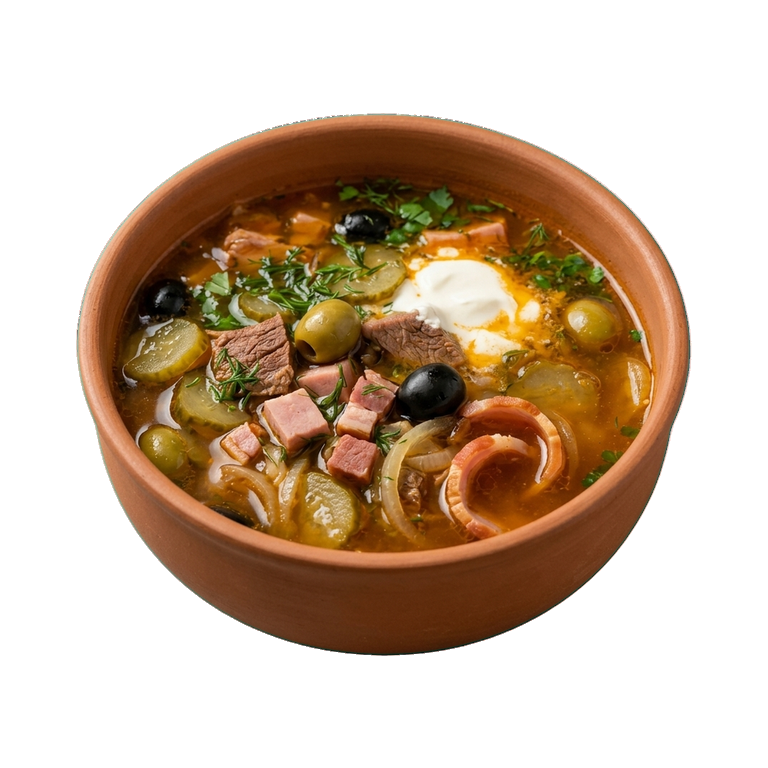
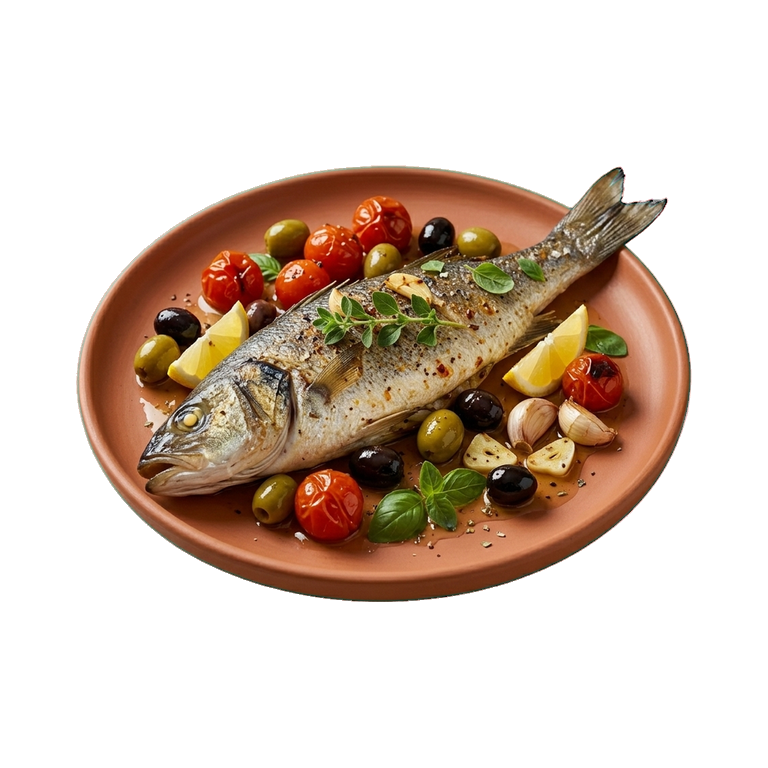
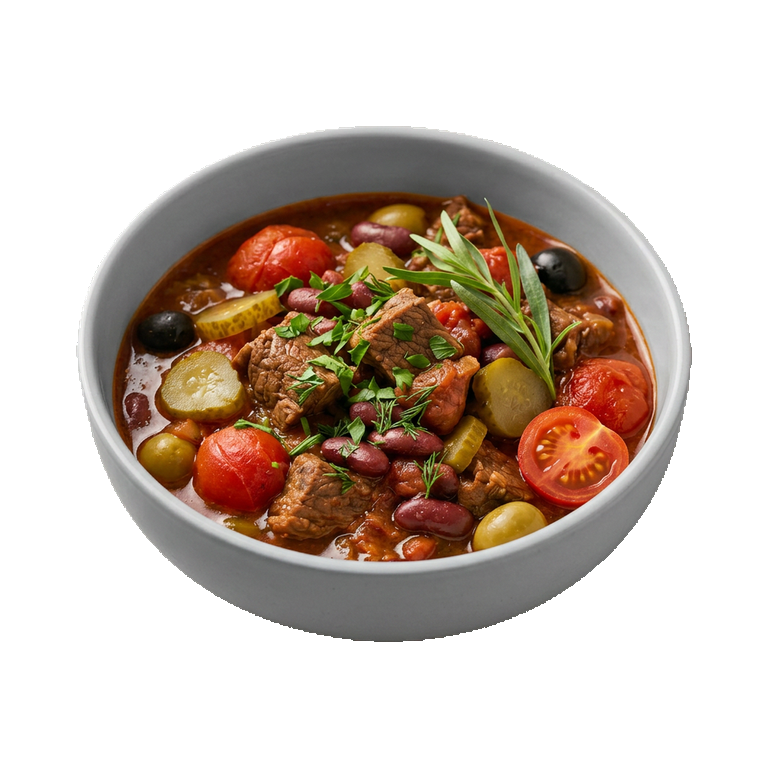
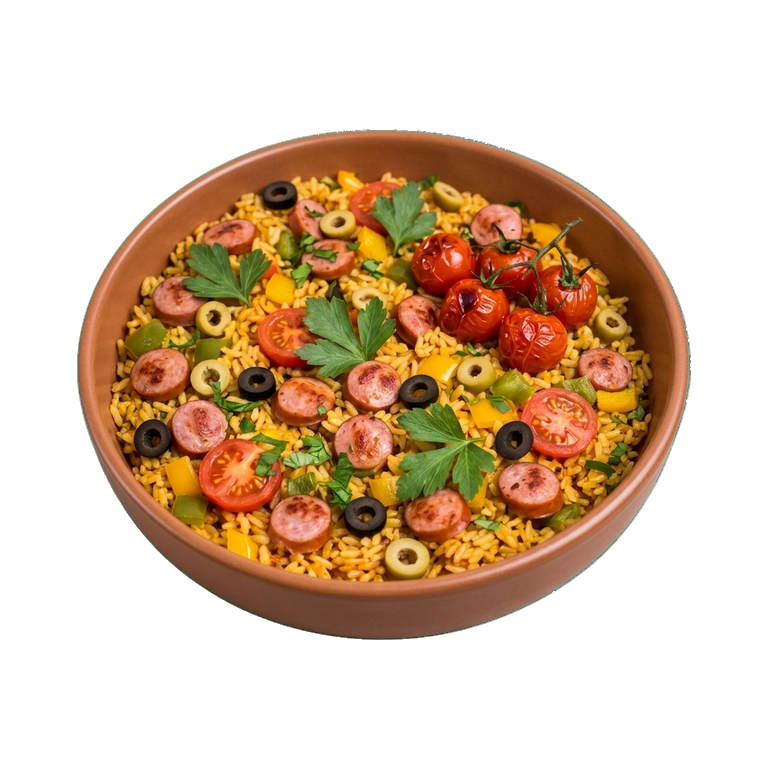
- In stewed dishes — olives retain their shape during prolonged cooking and enrich the sauce with their buttery flavor
- As a snack with wine or as part of a mezze — here they are the star, especially if you choose pitted olives
- In ragù and braised meat — a classic technique in Spanish and Italian cuisine, olives are added at the end of cooking
Selection and Storage
When purchasing, pay attention to the integrity of the fruits — they should be firm, without dents or soft spots. The jar should contain clear brine without cloudiness. Canned olives have a long shelf life: keep an opened jar in the refrigerator with the lid tightly closed, and use within 1–2 weeks. If the olives become softer than usual or develop an unpleasant smell, it's better not to risk it.
Successful Pairings
- With lemon and olive oil — a classic duo that enhances the Mediterranean character of the dish
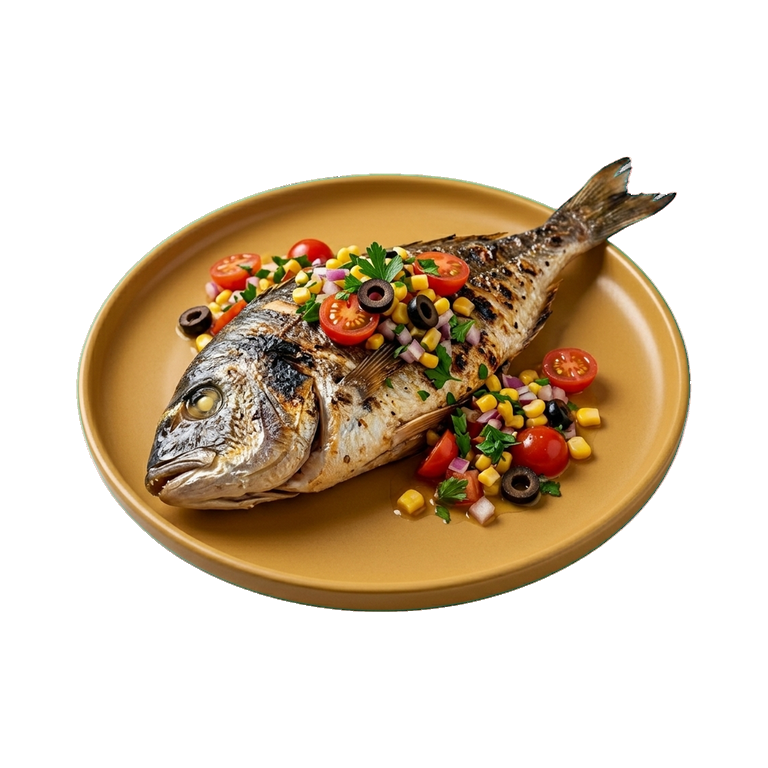
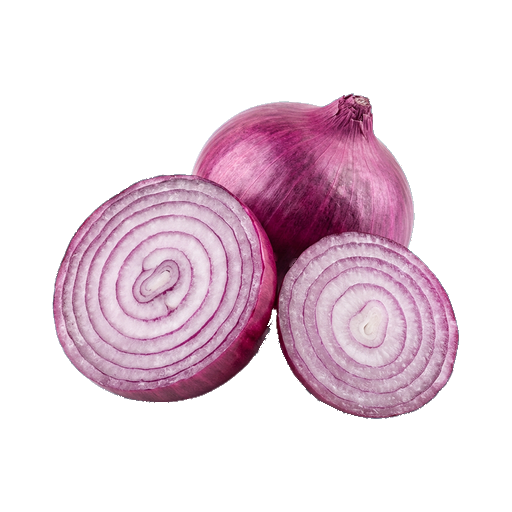
- With red onion and parsley — the freshness of herbs contrasts with the richness of oil
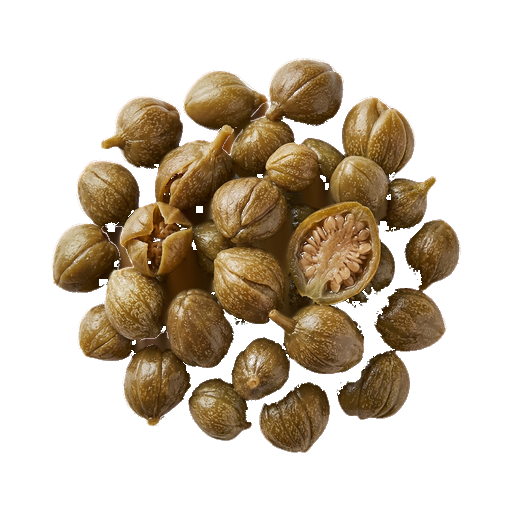
- With anchovies and capers — all three ingredients are salty, but work together without overpowering each other
- With chicken and tomatoes — olives soften the sharpness of spices and add depth
- With goat cheese — the contrast between the creaminess of cheese and the density of olives creates an interesting texture
Practical tip
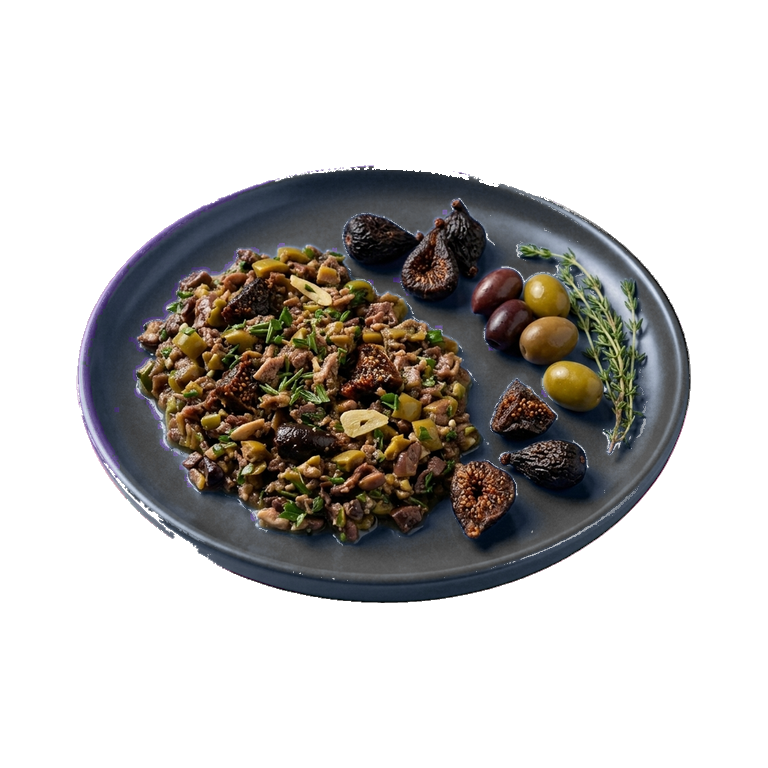
If olives seem too salty, soak them in cold water for 15–20 minutes before use. This will soften the salt without diminishing the fruit's flavor. For pastes and sauces, it's more convenient to chop or even puree the olives — this way they'll distribute more evenly and impart their flavor to the dish better.
Nutrition
per 100 g
- Calories
- 115 kcal
- Protein
- 1 g
- Fat
- 10.7 g
- Carbs
- 6.3 g
Measures and weight
- 1 pcs
- 4 g
- 1 can
- 350 g
Measure calculator
- Weight
- 100 g
- Calories
- 115 kcal