Usuba
Usuba
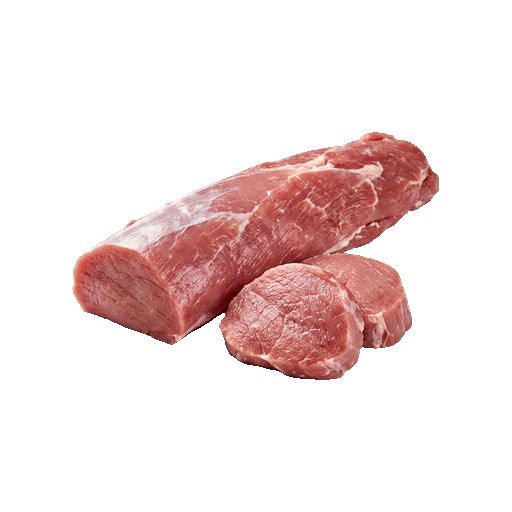
Pork tenderloin
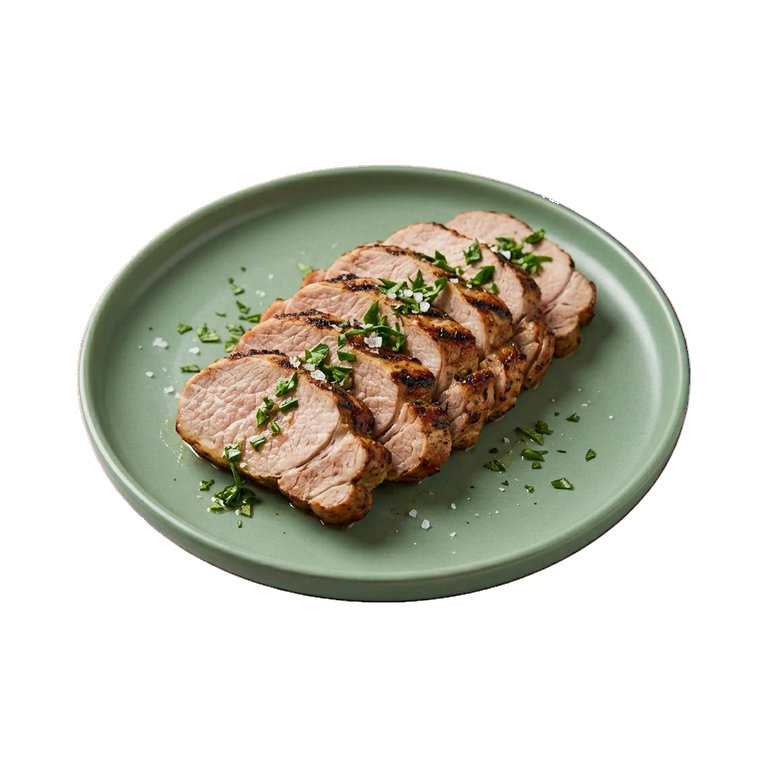
Pork tenderloin is the most tender part of pork meat, located along the animal's spine, with minimal fat and connective tissue content. Due to its low fat content, the meat is lean, but requires caution during cooking: it dries out quickly with prolonged heat treatment, so it's best to cook the tenderloin at high temperature or with the addition of marinades and sauces. This cut is versatile — it's roasted as a whole piece, sliced into steaks, prepared as cutlets, or used for ground meat in sausages and pâtés.
Micronutrients
per 100 g
About
Pork tenderloin is the most tender and delicate cut of pork. Located along the spine and protected from stress, the muscle fibers here are fine and contain virtually no connective tissue. The result: meat that melts in your mouth, cooks quickly, and requires no complicated preparation. This is a premium choice for those who value quality and want results without unnecessary fuss.
Taste and Texture
Tenderloin is lean meat with a soft, delicate flavor. It doesn't overpower a dish with its intensity, but instead serves as an ideal foundation for other ingredients. On the cut, you can see an even texture without fat layers. This very tenderness requires care: tenderloin dries quickly if overcooked, so it's important not to keep it on the heat too long.
How to cook
Tenderloin is excellent for quick cooking methods. It can be sliced into thin steaks and seared over high heat for literally 2–3 minutes on each side. A whole piece is roasted in the oven at 160–180 degrees until the internal temperature reaches 63–65 degrees — the meat will remain pink and juicy. For frying, it's best to bring the tenderloin to room temperature before cooking.
- Steaks on the grill or skillet: quick, with a crispy crust
- Whole piece in the oven: evenly and predictably
- Medallions for slow cooking in sauce: if sliced not too thinly
- Thin slices for Asian dishes and stir-fries
Pairings and Sauces
Tender beef tenderloin works well with bright, but not heavy sauces. Mustard, white wine, lemon, herbs — all of this emphasizes the flavor without overpowering it. Tenderloin pairs excellently with vegetables that are cooked simultaneously: asparagus, young potatoes, mushrooms. For a side dish, light salads, vegetable sides, or simple grains are suitable.
- Dijon mustard and white wine
- Garlic, rosemary, thyme
- Creamy mushroom sauce
- Asian sauces based on soy sauce and ginger
- Fresh lemon and orange
Selection and Storage
When purchasing, pay attention to the color: fresh cut is light pink, without dark spots or darkening. The surface should be slightly moist, but not wet. The smell should be neutral, meaty, without any sourness. The cut keeps in the refrigerator for 3–4 days in an airtight package, in the freezer for up to three months. Before cooking, take it out of the cold 20–30 minutes before to let the meat warm up evenly.
- Store in the coldest part of the refrigerator
- If you plan to cook in a few days — freeze immediately
- Thaw in the refrigerator, not at room temperature
- Use within 24 hours after thawing
Pork tenderloin is an investment in quality. Yes, it's more expensive than other cuts, but it cooks quickly, doesn't require complex techniques, and always delivers impressive results. It's equally perfect for a weekday dinner and a festive table.
Nutrition
per 100 g
- Calories
- 142 kcal
- Protein
- 27.3 g
- Fat
- 3.1 g
- Carbs
- 0 g
Micronutrients
per 100 g
Macronutrients
- Saturated fat
- 0.866 g
- Monounsaturated fat
- 0.863 g
- Polyunsaturated fat
- 0.418 g
- Cholesterol
- 59.58 mg
- Water
- 73.93 g
Minerals
- Sodium
- 41.39 mg
- Potassium
- 397.4 mg
- Calcium
- 4.53 mg
- Magnesium
- 24.66 mg
- Phosphorus
- 217.4 mg
- Iron
- 0.93 mg
- Zinc
- 1.77 mg
- Copper
- 0.08 mg
- Manganese
- 0 mg
Measure calculator
- Weight
- 100 g
- Calories
- 142 kcal