Usuba
Usuba
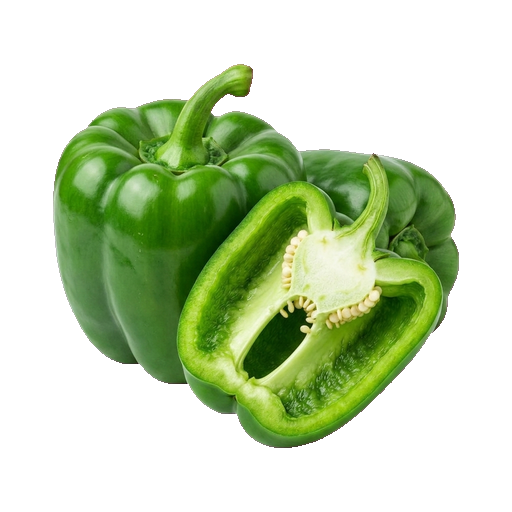
Green bell pepper
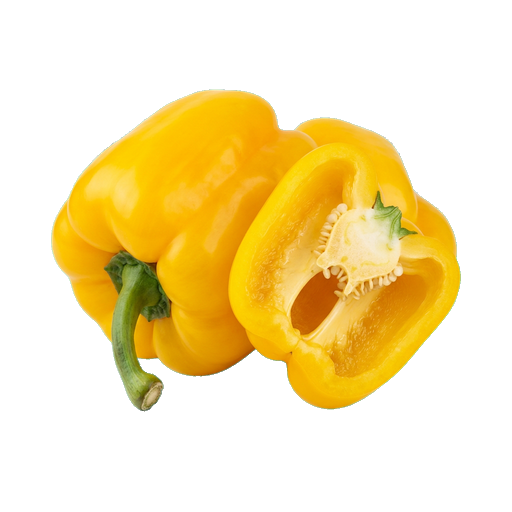
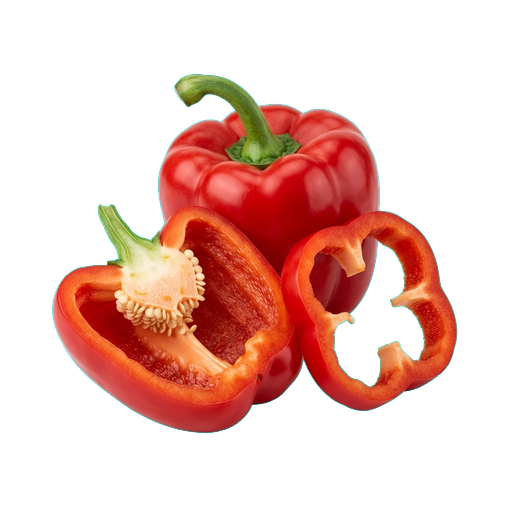
Green sweet pepper has a fresh, slightly herbaceous taste with a light bitterness that softens when cooked. The vegetable is versatile in cooking: it is used raw in salads and appetizers, fried, stewed, stuffed, and added to soups, stews, and vegetable side dishes. When choosing a substitute, you can use red or yellow pepper, although they are sweeter, or slightly underripe red pepper to approximate the characteristic flavor.
Micronutrients
per 100 g
Minerals
About
Green sweet pepper is an unripe bell pepper that is often underestimated in the kitchen. Unlike its red and yellow counterparts, it has a fresher, slightly herbaceous character and firm flesh that holds its shape well when sliced and cooked. This makes it an ideal choice when texture stability is needed in a dish.
Taste and aroma
Green pepper gives dishes a fresh, slightly bitter taste with a piquant note. Its flavor is more pronounced and less sweet than red pepper, so it doesn't overpower other ingredients but rather enhances them. The aroma is light, herbaceous, with a barely noticeable sharpness — exactly what you need to enliven a salad or stew without unnecessary sweet notes.
Where and how to use it
- In fresh salads, it maintains its crunch and doesn't lose its bright flavor
- When fried or stewed, the pepper becomes softer but doesn't fall apart, maintaining the integrity of the cuts
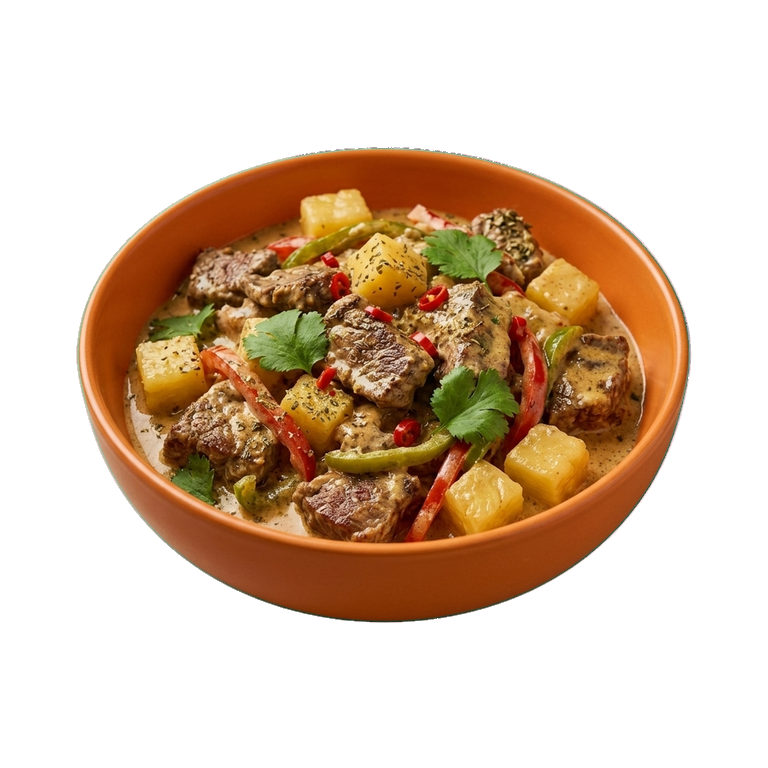
- In soups and stews, it adds depth without excessive sweetness
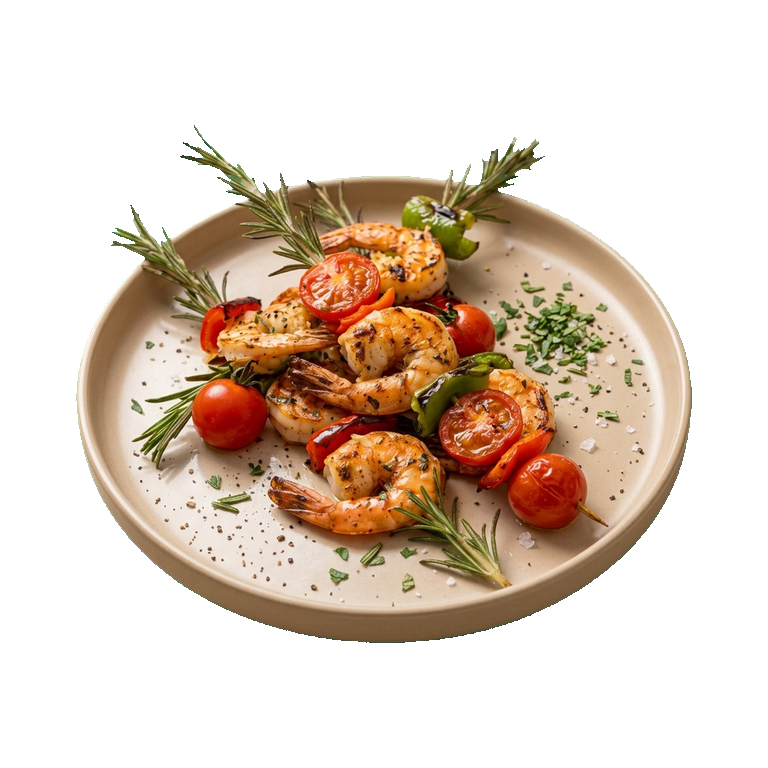
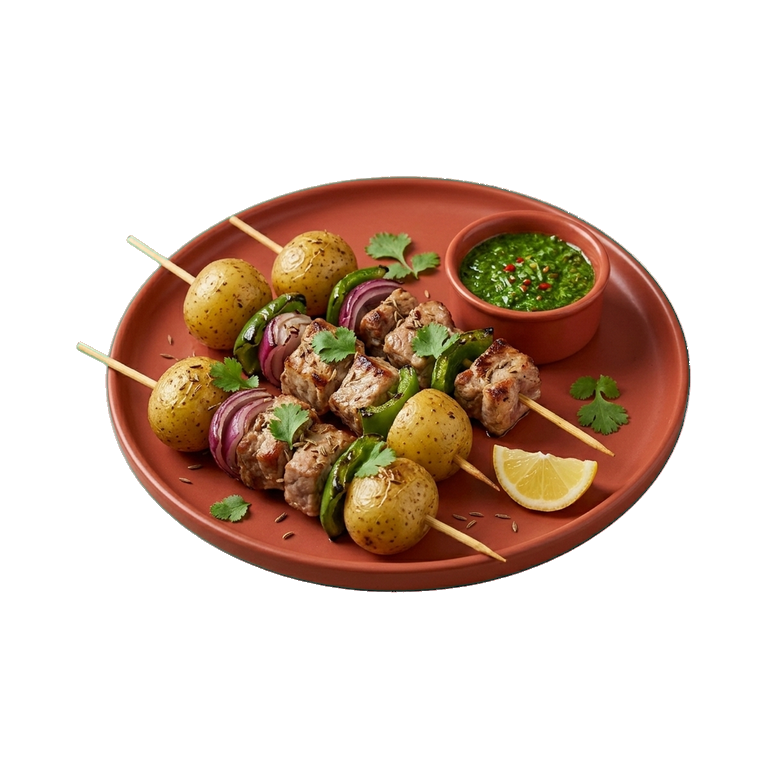
- On the grill or in the oven, it acquires a slight bitterness and softness, ideal for stuffing
- Good in marinades and preserving due to its dense structure
Successful Pairings
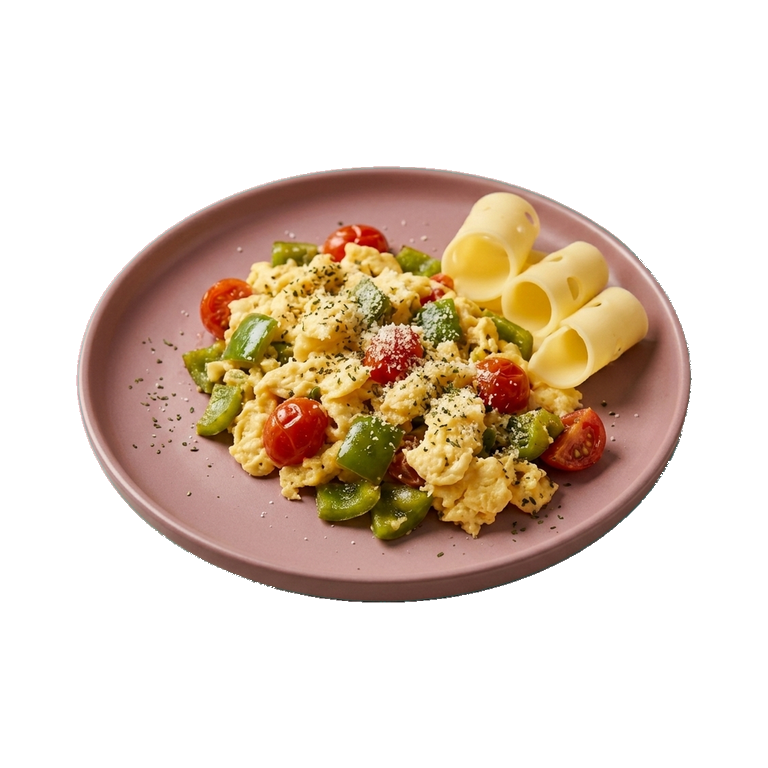
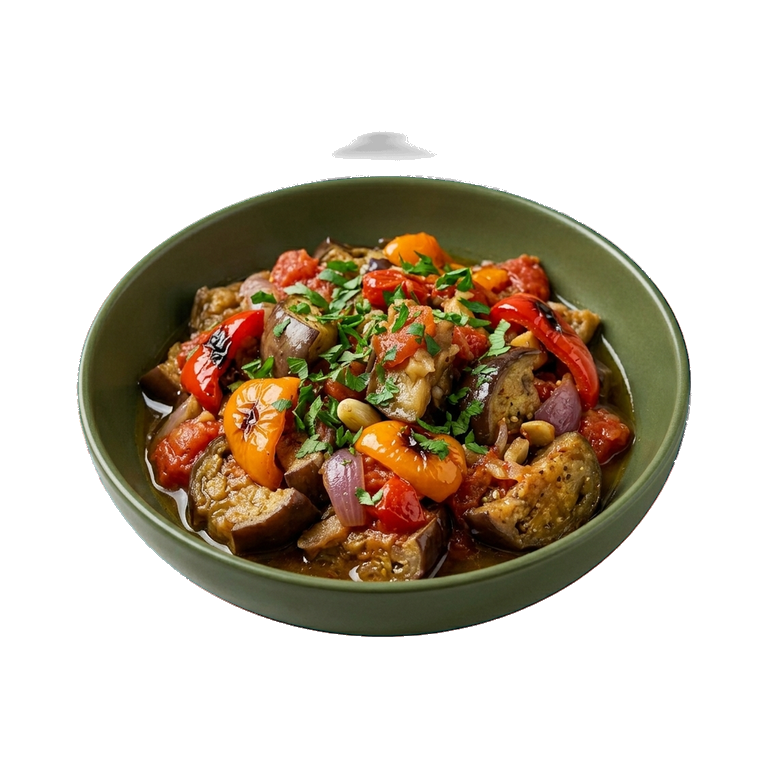
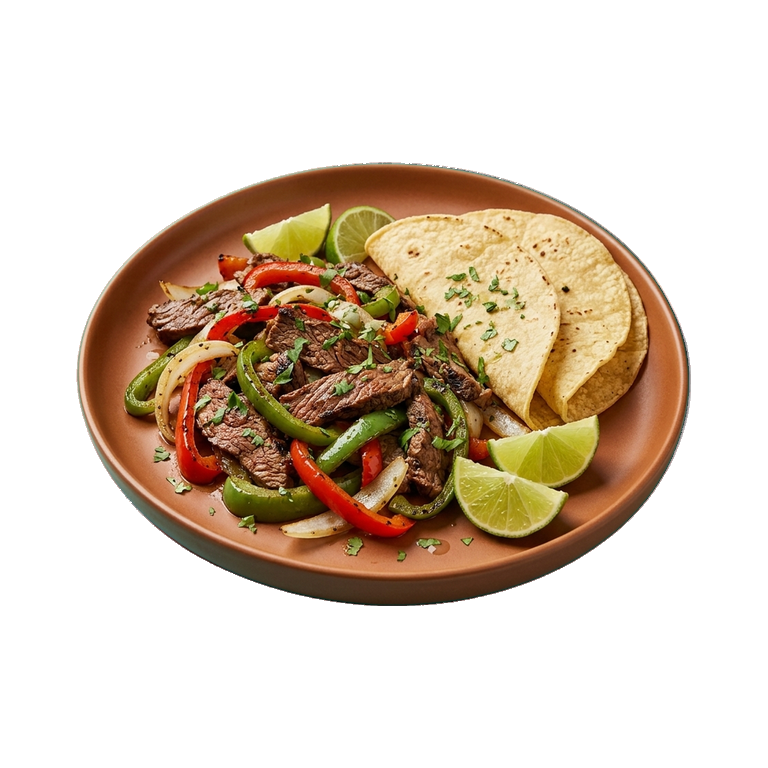
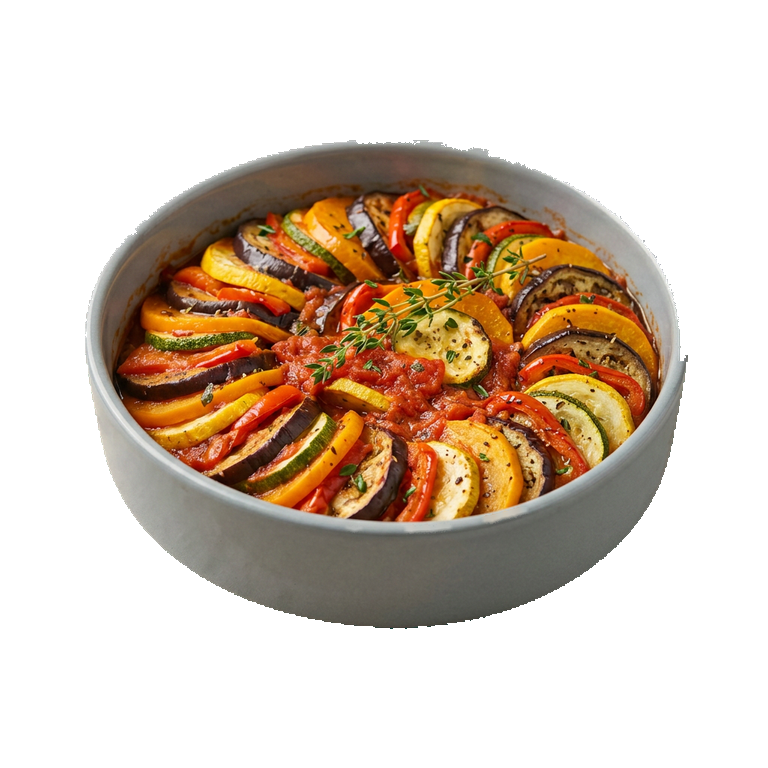
Green pepper pairs well with spicy seasonings — black pepper, garlic, and ginger. It works beautifully with tomatoes, onions, and eggplant. Its freshness balances rich meat dishes, and in vegetarian cuisine, it becomes a foundation that other vegetables rely on. With fermented dairy sauces and lemon juice, pepper reveals new dimensions.
Selection and Storage
When shopping, pay attention to the density and shine of the skin — the pepper should be firm, without soft spots or damage. Thin-walled peppers are more tender, thick-walled ones are more durable and hold their shape better during cooking. In the refrigerator in the vegetable compartment, green pepper keeps for two to three weeks. If you need it to last longer — slice it and freeze it in a container or bag.
Green pepper is not an unripe red one, but an independent ingredient with its own character. Its herbaceous freshness and firm texture make it indispensable in a kitchen where control and predictability are valued.
Nutrition
per 100 g
- Calories
- 31 kcal
- Protein
- 0.9 g
- Fat
- 0.3 g
- Carbs
- 5.9 g
Micronutrients
per 100 g
Macronutrients
- Fiber
- 0.942 g
- Water
- 94.12 g
Minerals
- Sodium
- 0 mg
- Potassium
- 163.1 mg
- Calcium
- 7.5 mg
- Magnesium
- 9 mg
- Phosphorus
- 16.75 mg
- Iron
- 0.19 mg
- Zinc
- 0.13 mg
- Copper
- 0.06 mg
- Manganese
- 0.1 mg
- Selenium
- 0 mcg
Vitamins
- Vitamin C
- 99.51 mg
- Vitamin B1 (thiamin)
- 0.04 mg
- Vitamin B2 (riboflavin)
- 0.09 mg
- Vitamin B3 (niacin)
- 0.64 mg
- Vitamin B6
- 0.25 mg
Measures and weight
- 1 pcs
- 150 g
Measure calculator
- Weight
- 100 g
- Calories
- 31 kcal