Usuba
Usuba
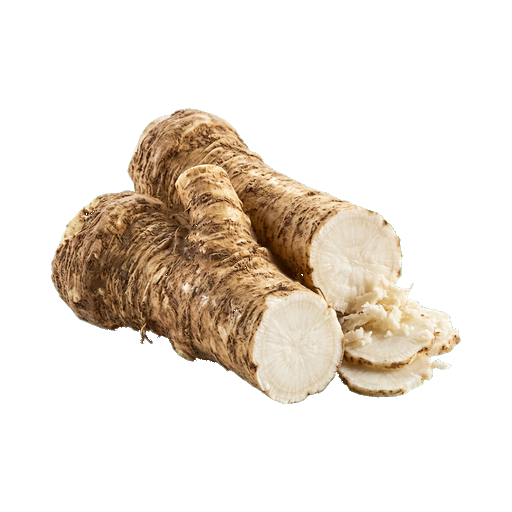
Horseradish
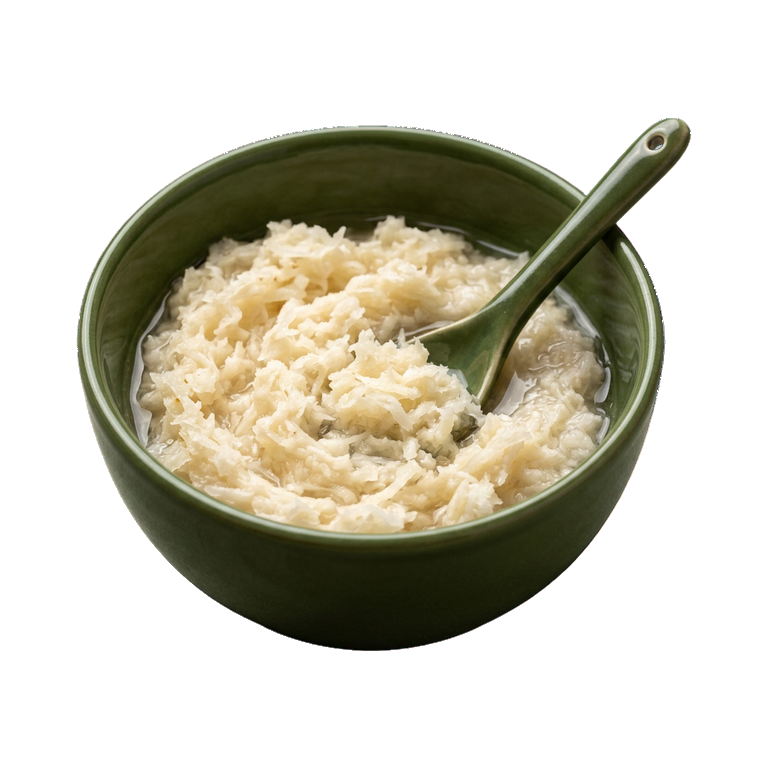
A sharp and pungent root with a piercing aroma and hot taste that intensifies when grated or sliced. Used as a seasoning for meat and fish dishes, added to sauces and marinades, and pairs well with smoked products and cold appetizers. When working with horseradish, it's important to remember that its sharpness increases upon contact with air, so it's best to grate it just before serving, and store it in a cool place in an airtight container.
About
Horseradish is not just a sharp spice, but a full-fledged ingredient capable of transforming a dish with a single spoonful. Its pungency is unlike the heat of pepper: it penetrates the nasal passages and gives a sensation of freshness that lingers on the tongue for a long time. In the kitchen, horseradish works as a flavor enhancer, revealing the depth of other ingredients and adding character to the dish.
Aroma and Taste
Fresh horseradish smells pungent and clean — it's a smell that immediately makes itself known. When the root is grated, volatile compounds are released that cause tearing similar to the reaction when cutting hot pepper, but more intense. The taste of horseradish is multilayered: first you feel a slightly sweet note, then a burning sensation comes, which leaves a pleasant burning and a slight bitterness.
Role in Dishes
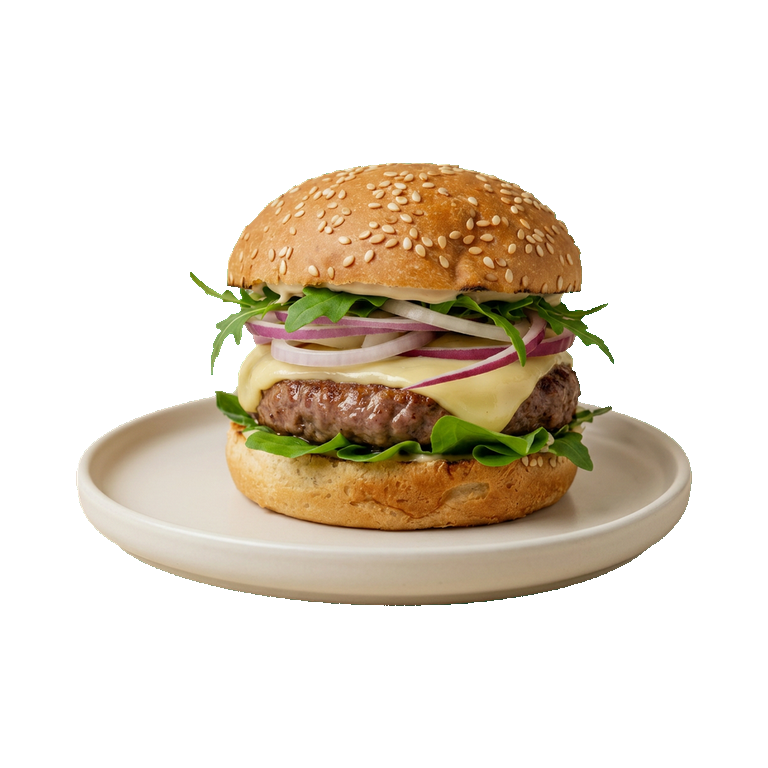
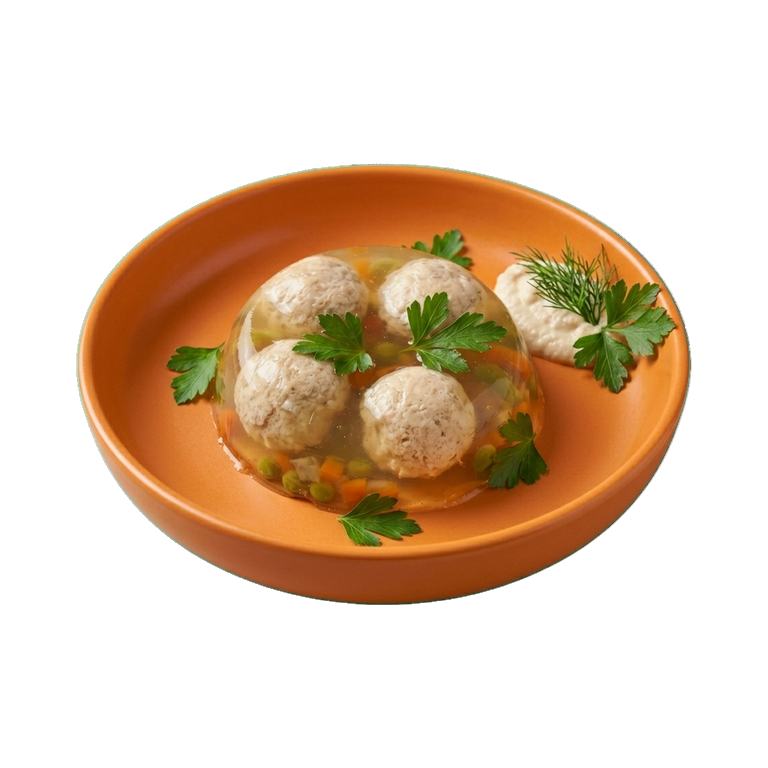
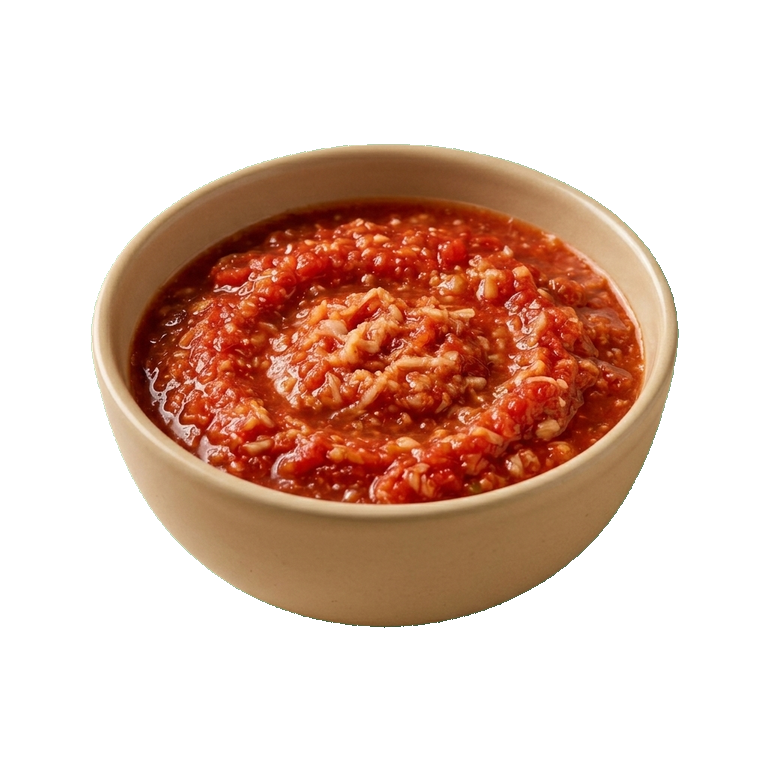
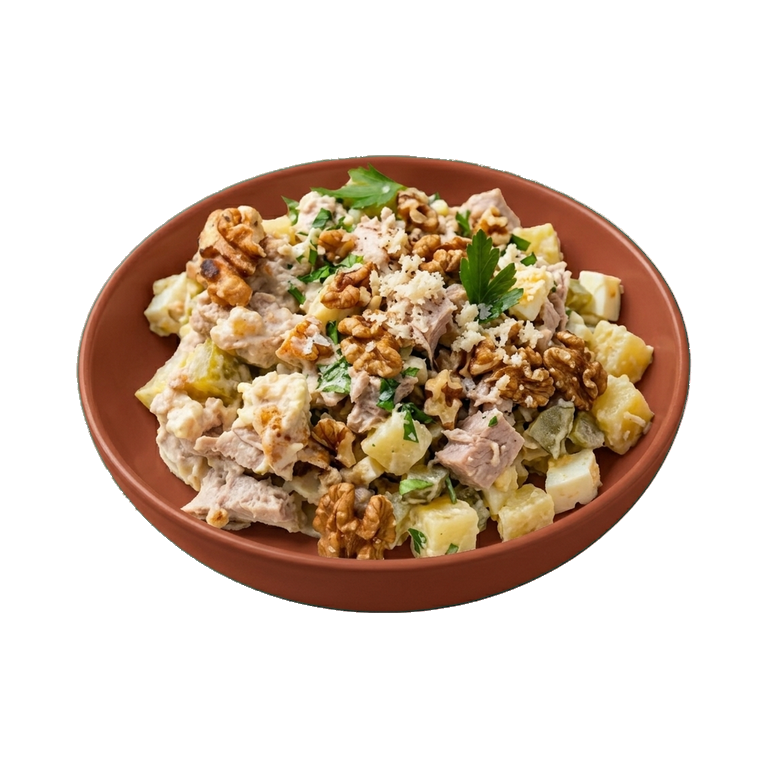
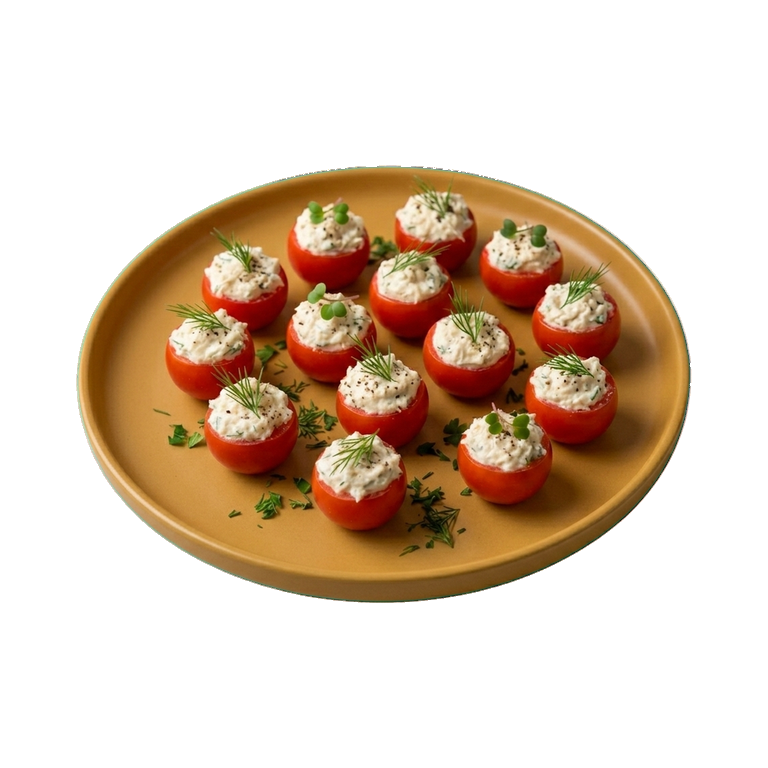
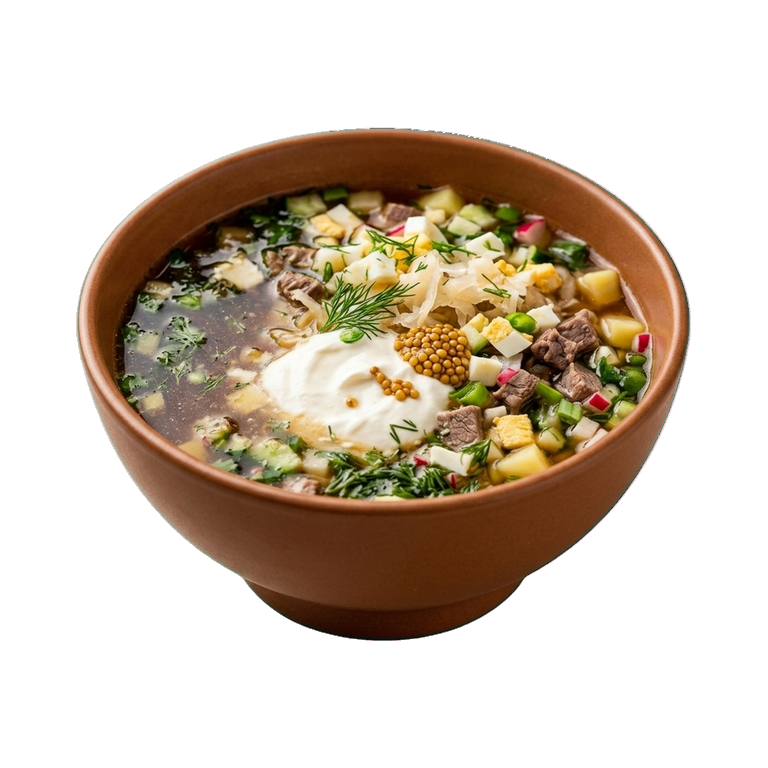
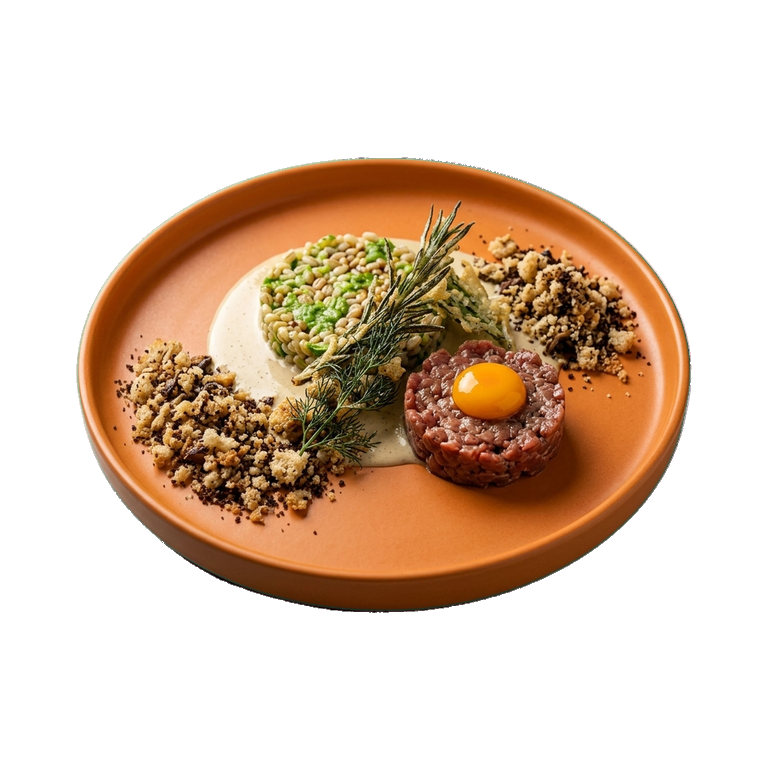
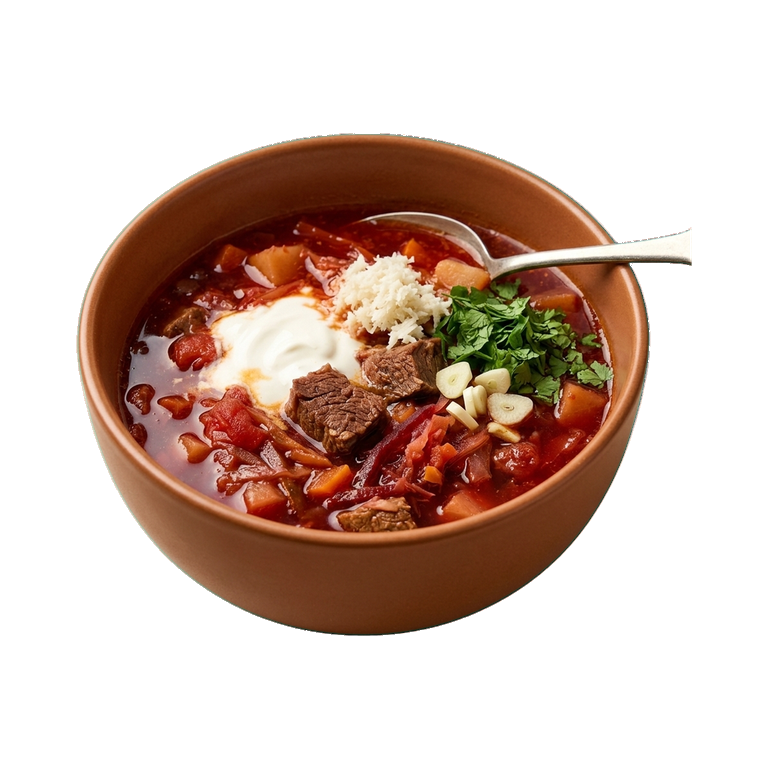
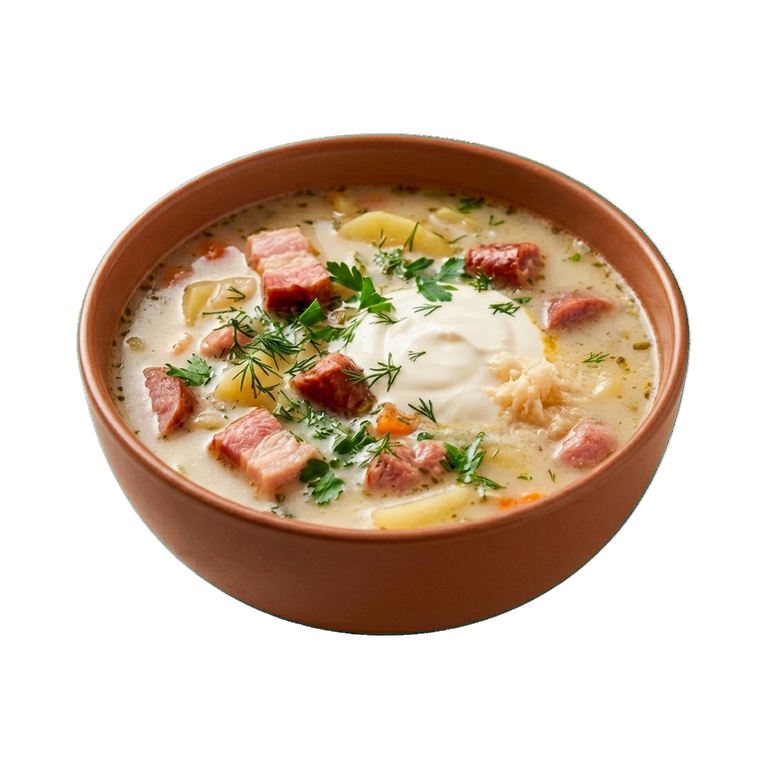
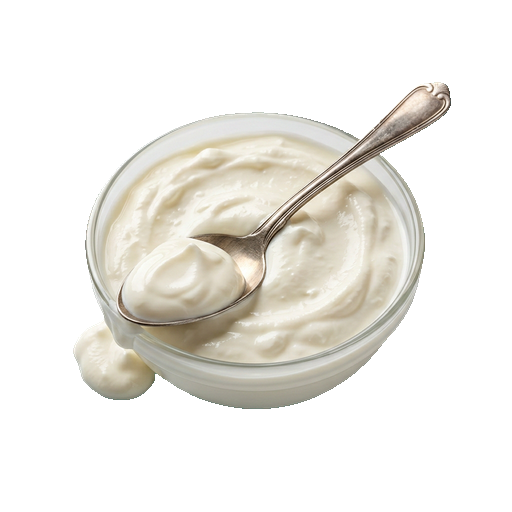
Horseradish is traditionally served with meat — especially with beef and smoked sausages, where its pungency cuts through the richness and adds contrast. It is indispensable in sauces for fish, especially smoked fish. In soups, horseradish works as a background element, adding depth without obvious sharpness. Grated horseradish in sour cream becomes a classic sauce that enlivens even the simplest dish of boiled meat.
Pairings and Uses
- With sour cream or butter — a classic combination that softens the sharpness and adds creaminess
- With lemon juice or vinegar — enhances freshness and helps horseradish fully reveal its flavor
- With mustard — two sharp components create a powerful flavor punch, perfect with cold meat
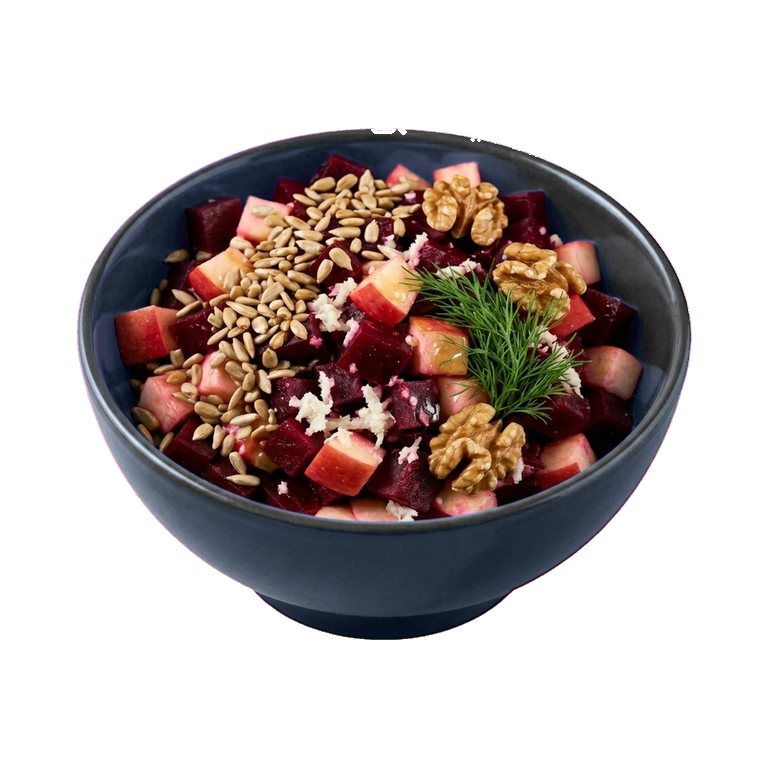
- With apple — the sweetness of the fruit balances the heat, creating an interesting sauce for poultry
- In marinades — horseradish adds sharpness and helps preserve vegetables
Selection and Storage
Fresh horseradish root should be firm, without soft spots or mold. The lighter the cut when broken, the fresher the root. Buy horseradish in cold weather — in spring and summer it loses its pungency. Grate horseradish immediately before use, as its pungency quickly dissipates. Store the root in the refrigerator in a bag, wrapped in damp cloth — this way it will stay fresh for several weeks.
When grating horseradish, work in a well-ventilated room or turn on the exhaust hood. Horseradish vapors may cause tearing, but this is a sign of its freshness and potency.
Horseradish is an ingredient for those ready to add sharpness and character to their kitchen. A few spoonfuls of grated horseradish with sour cream can save the dinner table, turning a simple dish into an event. The main thing is not to fear its pungency and remember that horseradish works best when used sparingly.
Nutrition
per 100 g
- Calories
- 48 kcal
- Protein
- 1.6 g
- Fat
- 0.2 g
- Carbs
- 10.5 g
Measures and weight
- 1 tbsp
- 9 g
- 1 tsp
- 3 g
- 1 cup
- 150 g
- 1 pcs
- 150 g
- 1 head
- 150 g
Measure calculator
- Weight
- 100 g
- Calories
- 48 kcal