Usuba
Usuba
Mushrooms
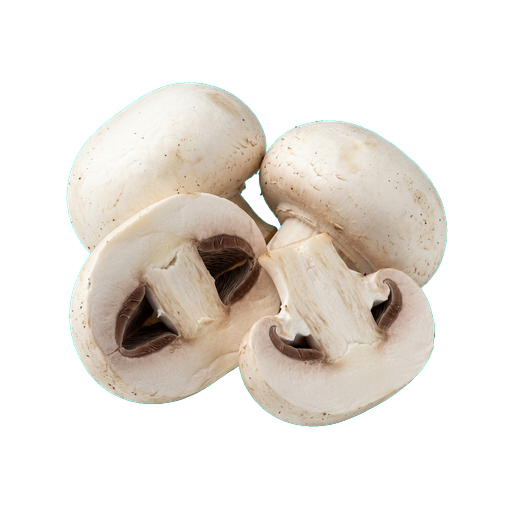
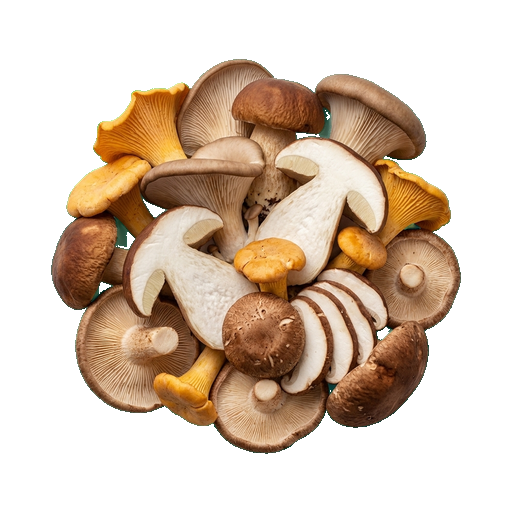
Mushrooms are a versatile ingredient with a meaty texture and deep umami flavor that enriches dishes and makes them more satisfying. Each variety has its own character: button mushrooms are neutral and suitable for any dish, porcini mushrooms provide a rich aroma, oyster mushrooms are softer and sweeter, and chanterelles have fruity notes. When selecting, look for firm mushrooms without slime or dark spots; remember that fresh mushrooms quickly darken and lose moisture, so it's best to cook them the day of purchase or use frozen mushrooms for long-term storage.
About
Mushrooms are one of the most versatile ingredients in the kitchen, working equally well in light summer salads and hearty winter stews. They are prized for their meaty texture, deep flavor, and ability to absorb the aromas of neighboring ingredients. Each type of mushroom brings something unique to a dish: some offer tenderness, others — an earthy character, and still others — a delicate aroma.
Aroma and Taste
The flavor profile of mushrooms depends on the variety and cooking method. Button mushrooms are mild and neutral, almost universal helpers. Oyster mushrooms are slightly denser, with a light sweet undertone. Porcini mushrooms are the king of mushrooms: dense, aromatic, with a nutty undertone. Chanterelles offer fruity notes and a slightly peppery taste. Honey mushrooms gather forest aroma with a subtle bitterness.
Role in dishes
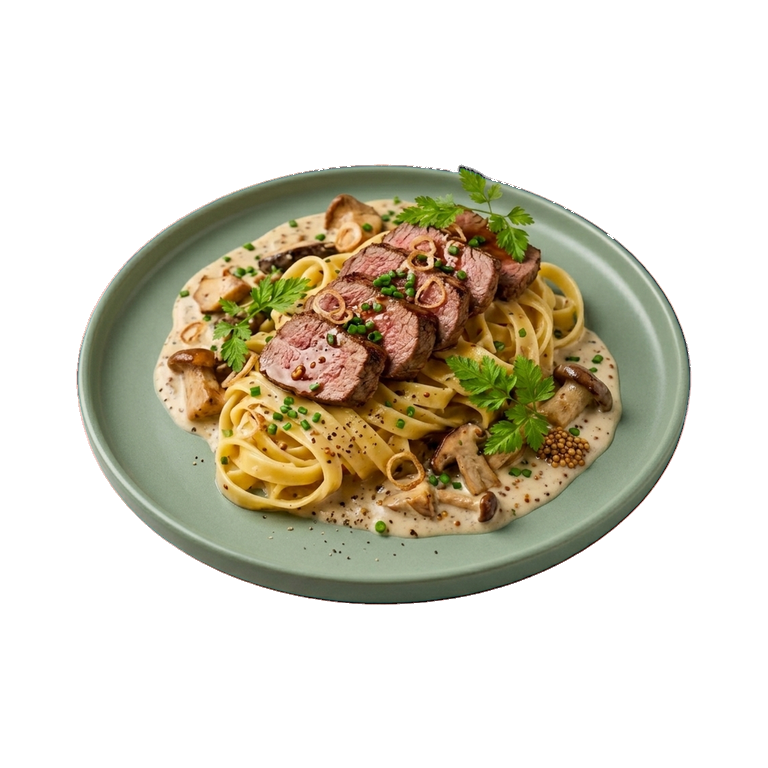
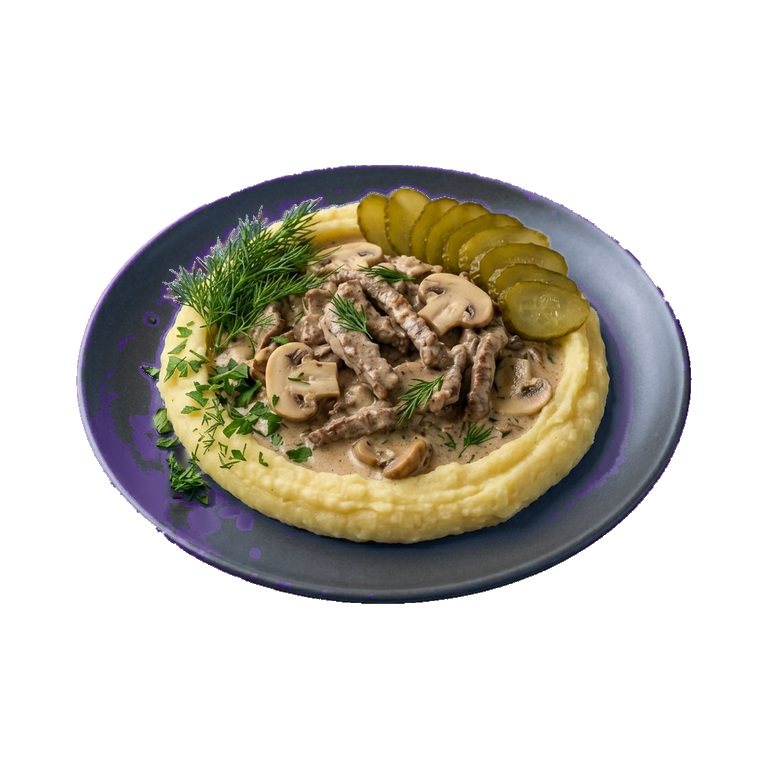
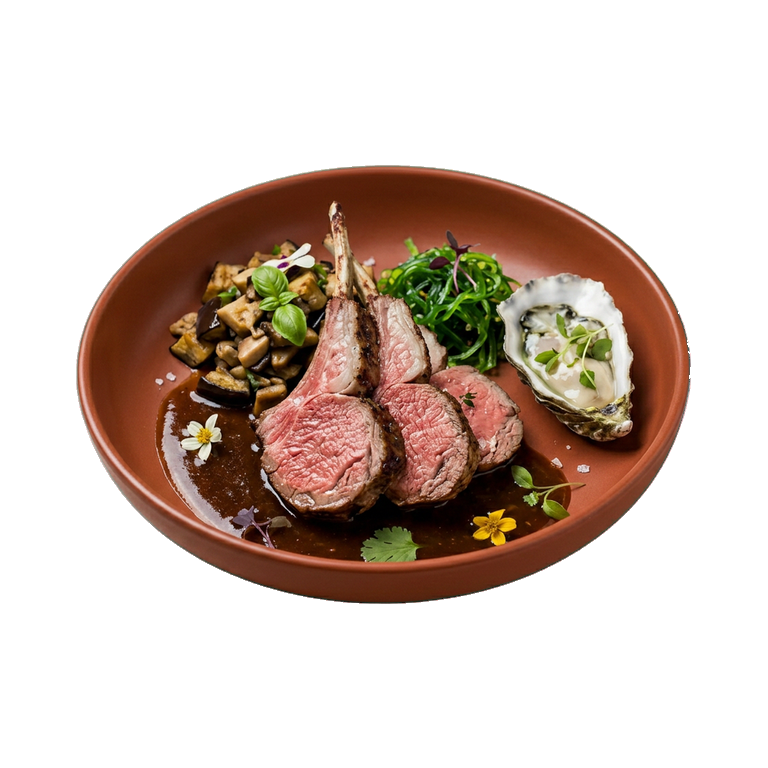
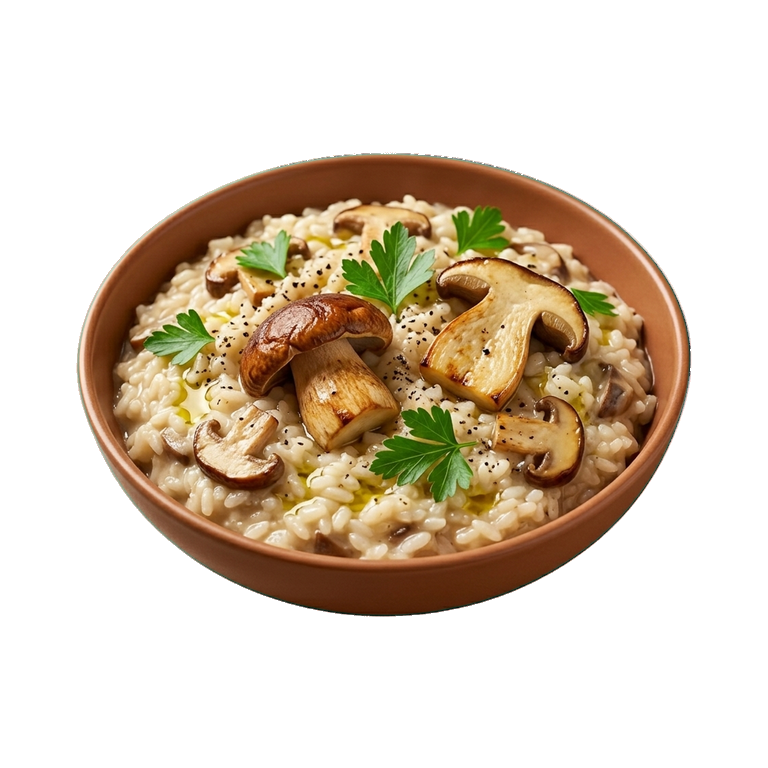
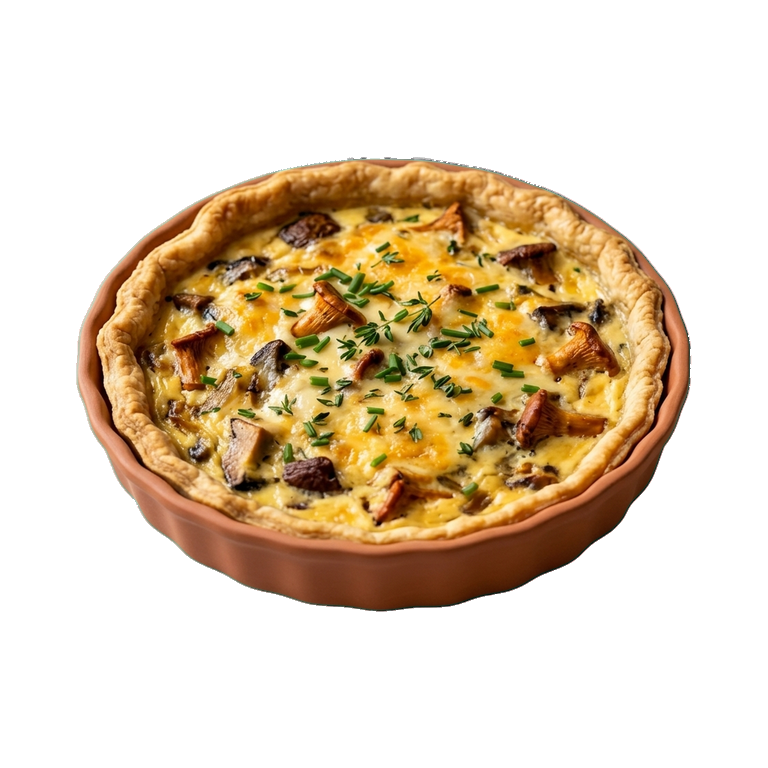
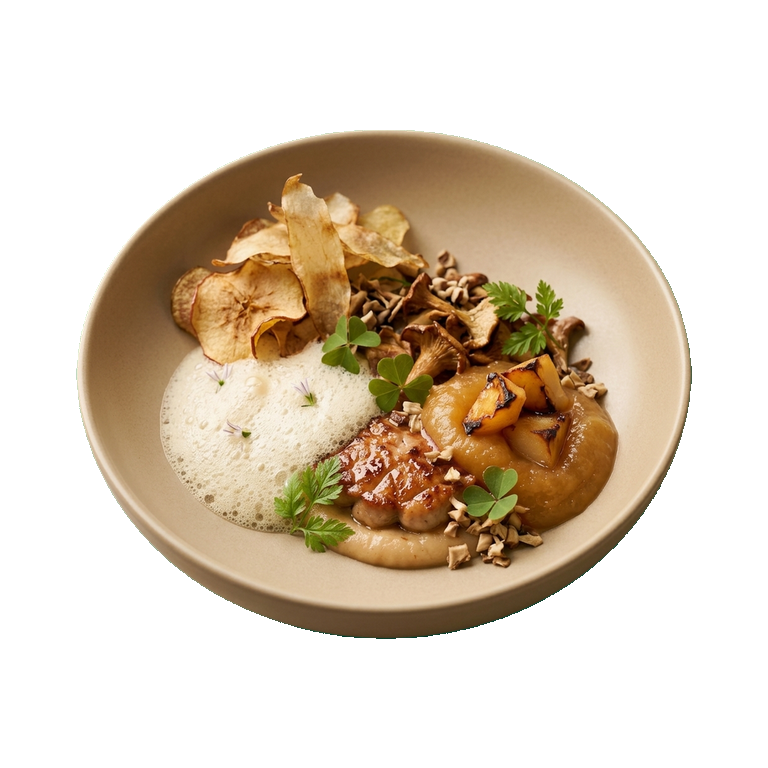
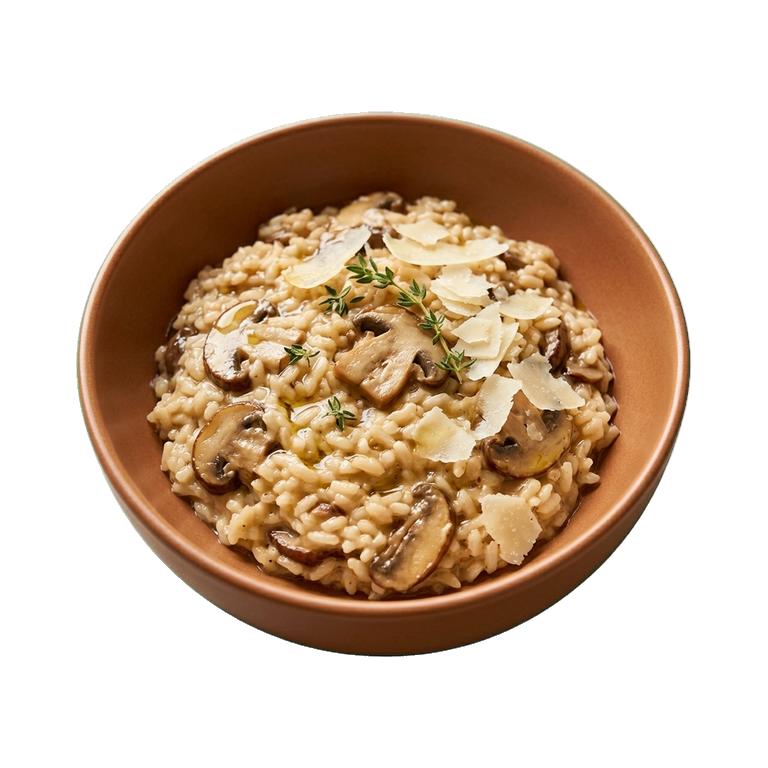
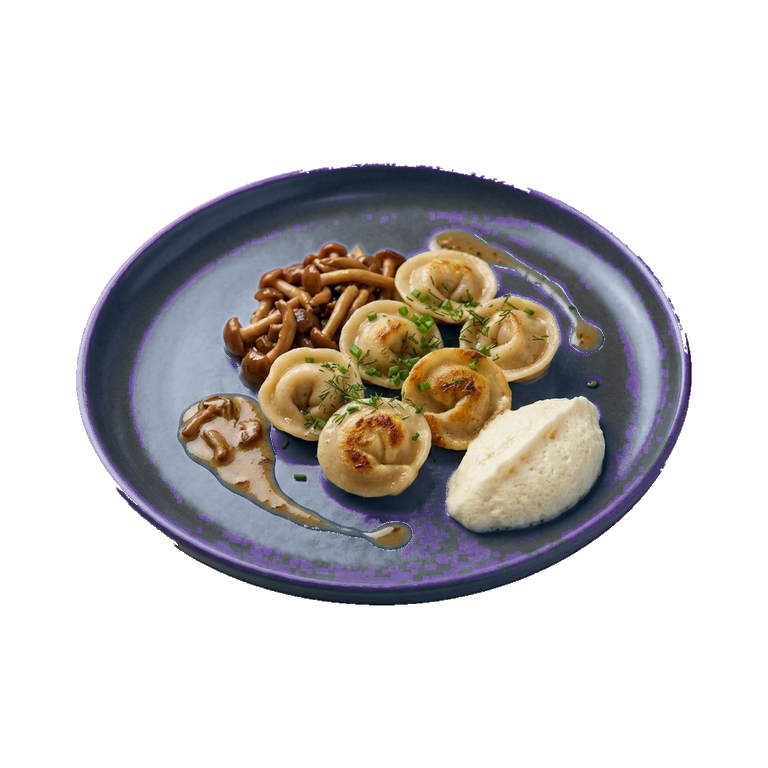
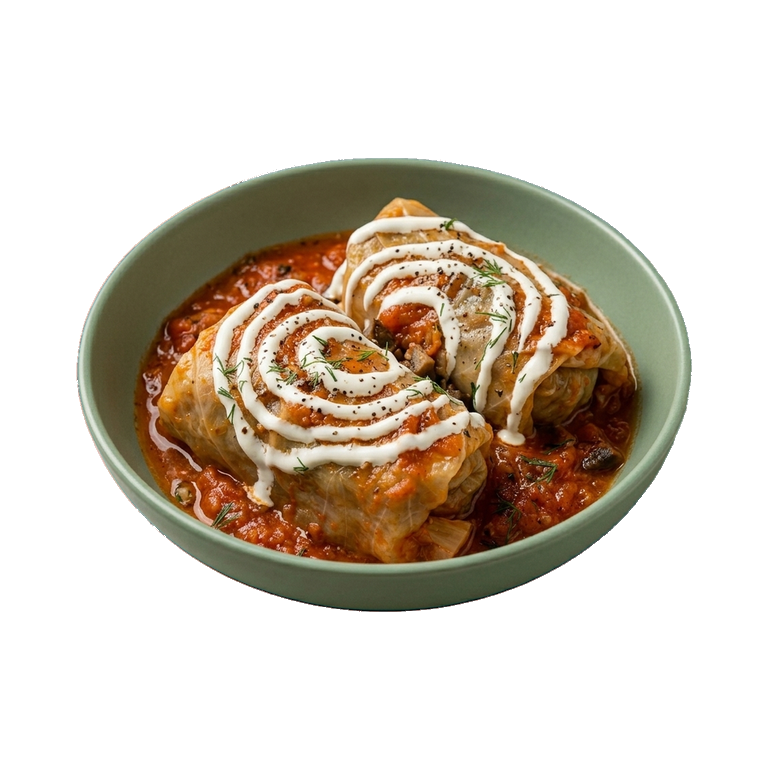
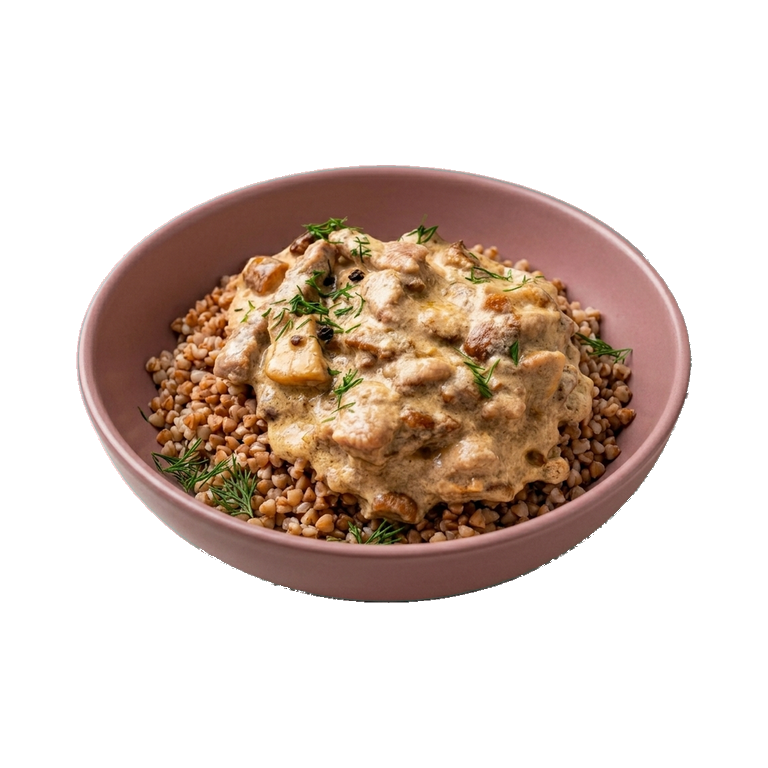
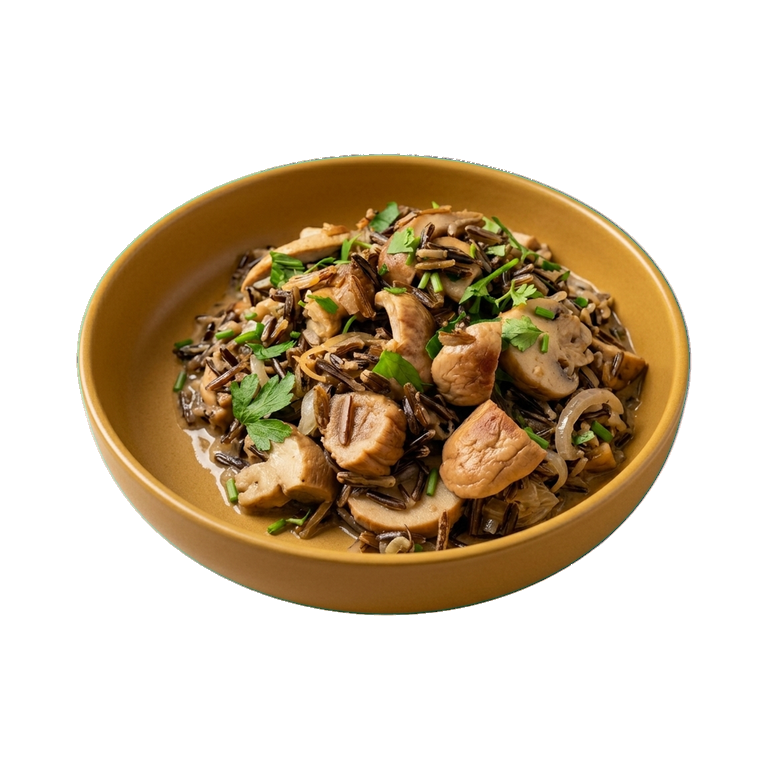
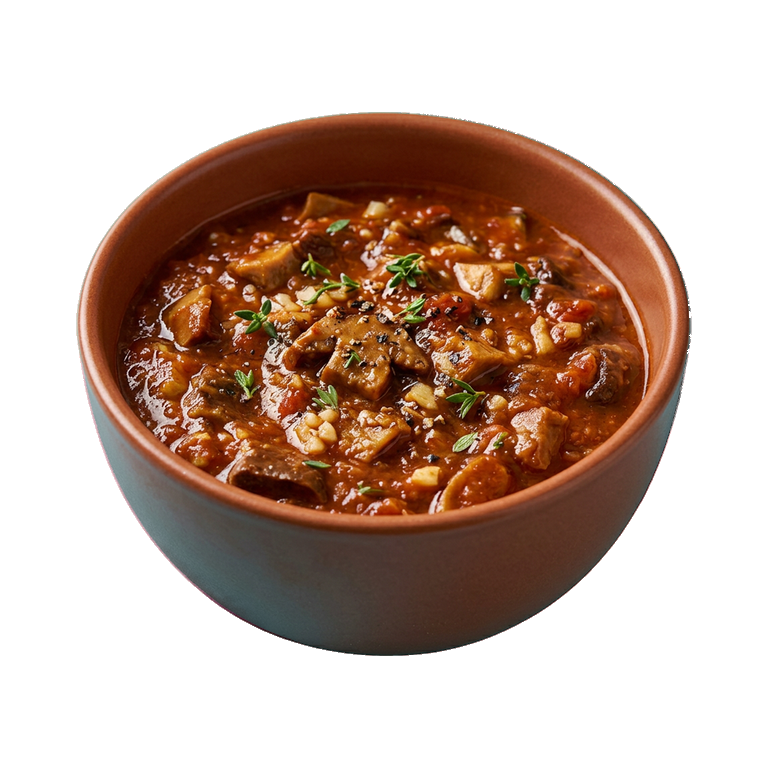
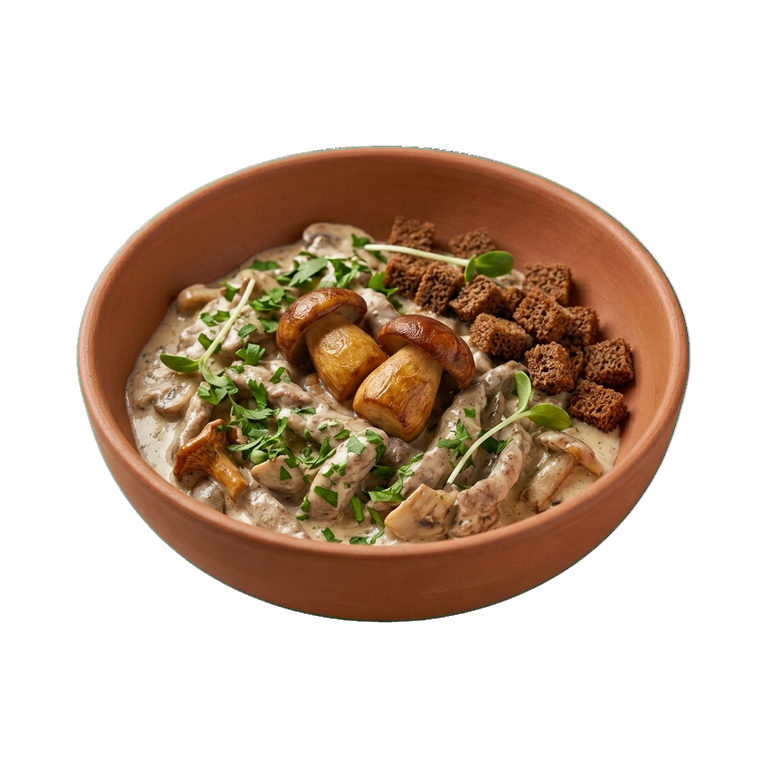
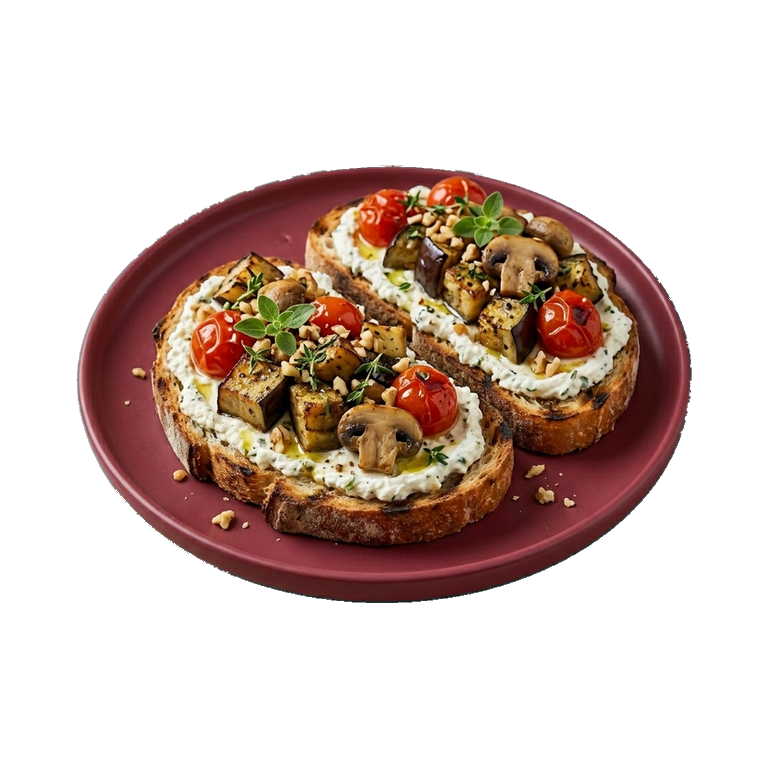
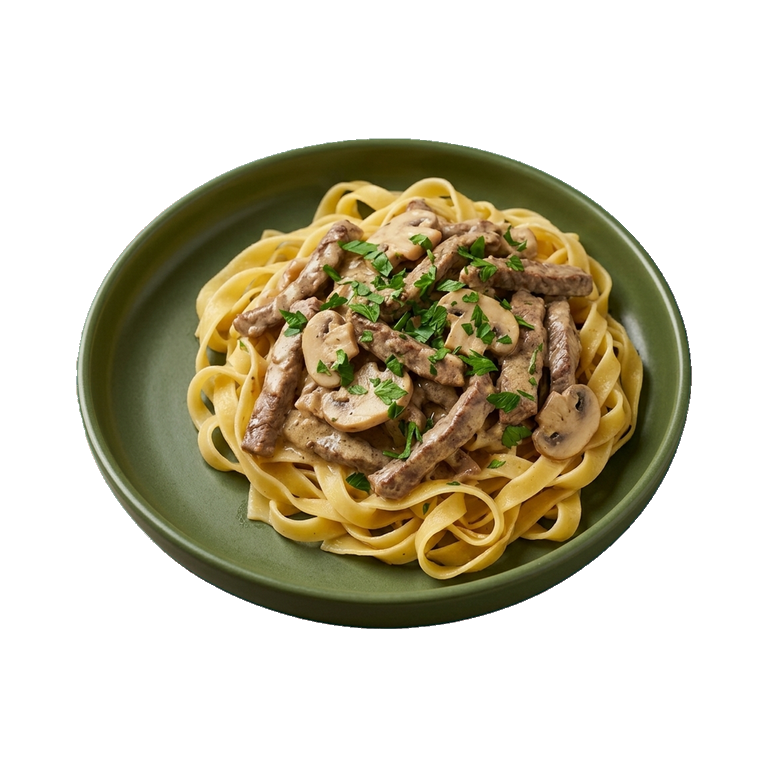
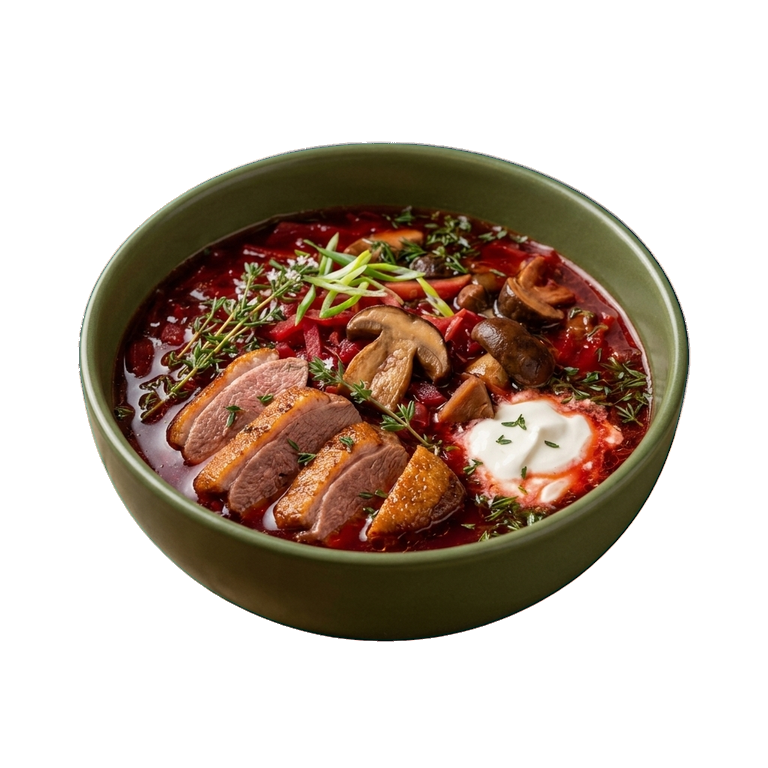
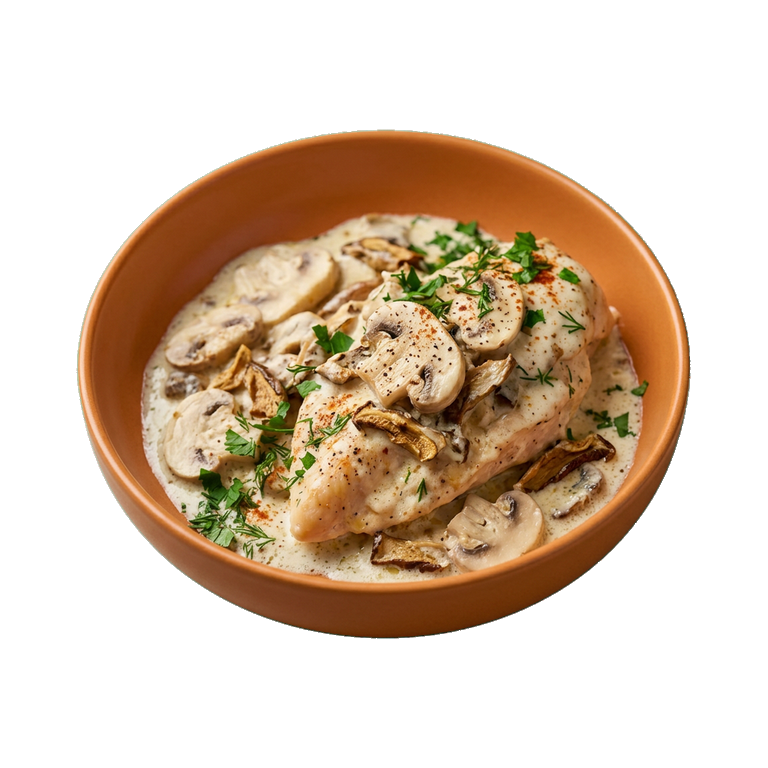
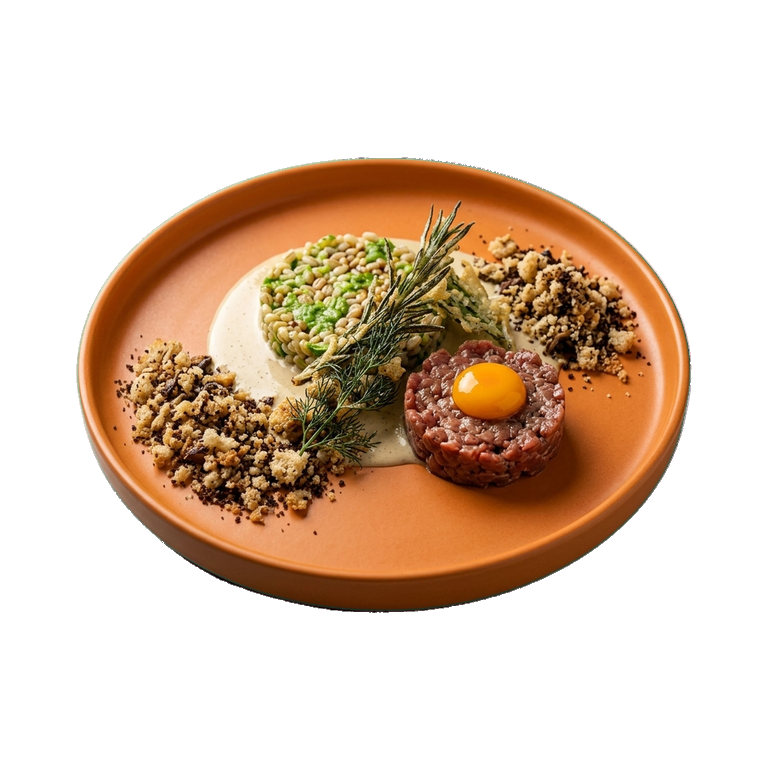
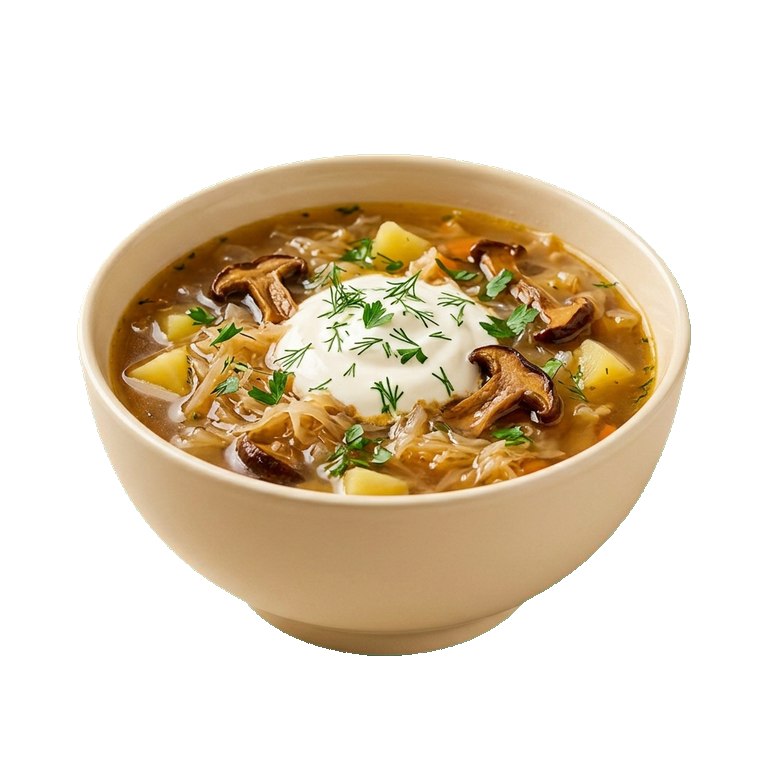
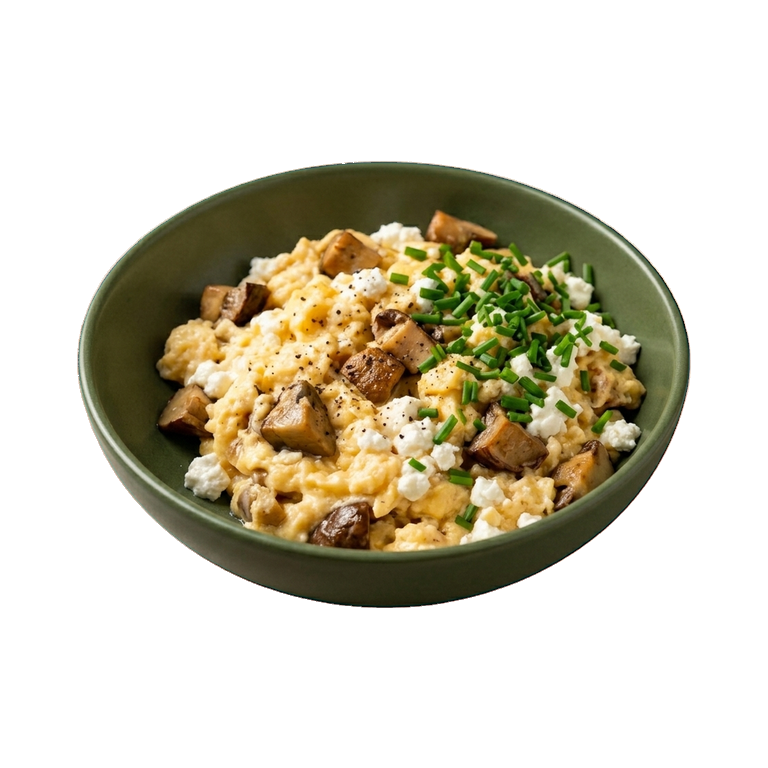
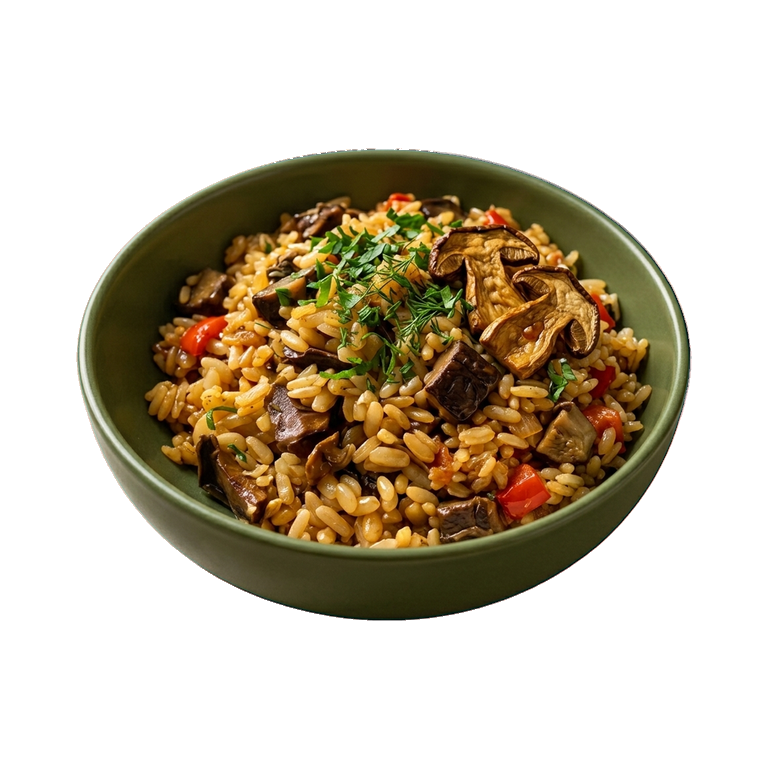
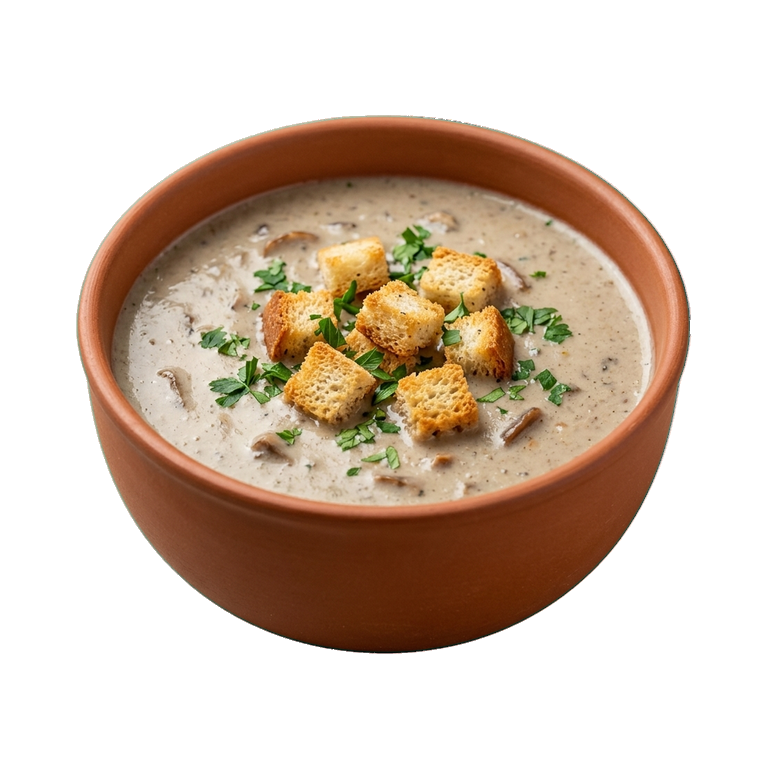
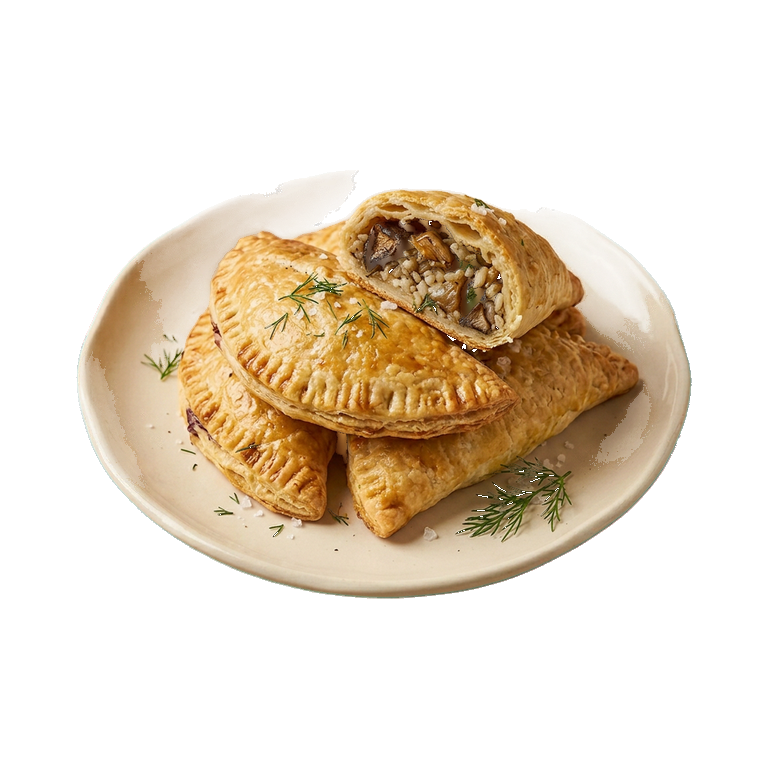
Mushrooms work on several levels at once. They can be the main star — for example, in mushroom soup or risotto. They can play a supporting role, enriching meat sauces, gravies, and stews. In vegetarian dishes, mushrooms often become the foundation, replacing meat with their density and richness. They work well in pastas, omelets, pies, and even as a side dish to steak.
Combinations and Techniques
- With cream and sour cream: mushrooms reveal their aroma in a creamy environment, creating a classic combination for sauces
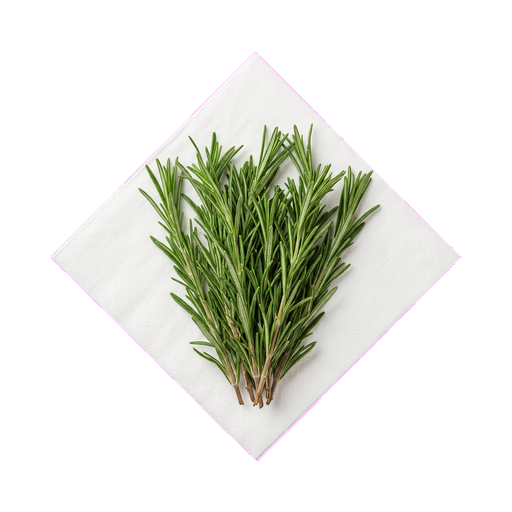
- With garlic and herbs: thyme, parsley and rosemary emphasize the earthy character of mushrooms
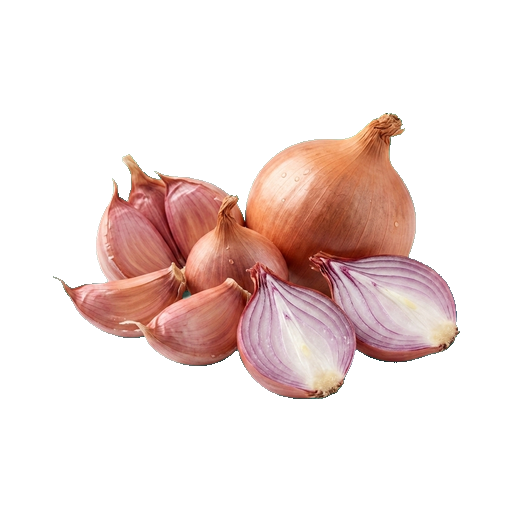
- With onion: an essential duo for any mushroom dish, onion softens sharpness and adds sweetness
- With white wine or broth: liquid helps mushrooms release their flavor and creates a base for sauce
- With acidity (vinegar, lemon): a few drops enliven the mushroom dish, giving it freshness
Selection and Preparation
When choosing mushrooms, pay attention to their appearance: they should be firm, without dark spots or slime. Fresh mushrooms smell like earth and forest, not dampness. It's better to wash mushrooms quickly under running water or wipe them with a damp cloth — they absorb water like a sponge and may lose their texture. Slice mushrooms right before cooking so they don't darken or lose moisture.
Storage
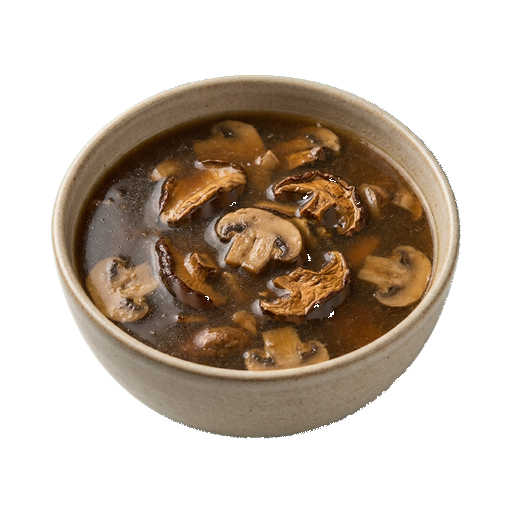
Fresh mushrooms are stored in the refrigerator for 3–5 days in a paper bag or container — paper absorbs excess moisture that causes spoilage. Frozen mushrooms retain their quality for several months: they can be frozen raw or pre-fried. Dried mushrooms are an excellent way to preserve them for a long time; before use, they are soaked in warm water, and this liquid becomes a fragrant mushroom broth.
Practical Tips
- Fry mushrooms over high heat until they are browned and don't become watery
- Salt mushrooms at the end of cooking — salt draws out moisture and can interfere with the desired consistency
- Mix different types of mushrooms in one dish for greater depth of flavor
- Use mushroom broth from soaked dried mushrooms instead of regular broth to enhance the aroma
Nutrition
per 100 g
- Calories
- 22 kcal
- Protein
- 3.7 g
- Fat
- 0.3 g
- Carbs
- 3.3 g
Measures and weight
- 1 pcs
- 25 g
Measure calculator
- Weight
- 100 g
- Calories
- 22 kcal