Usuba
Usuba
Shallot
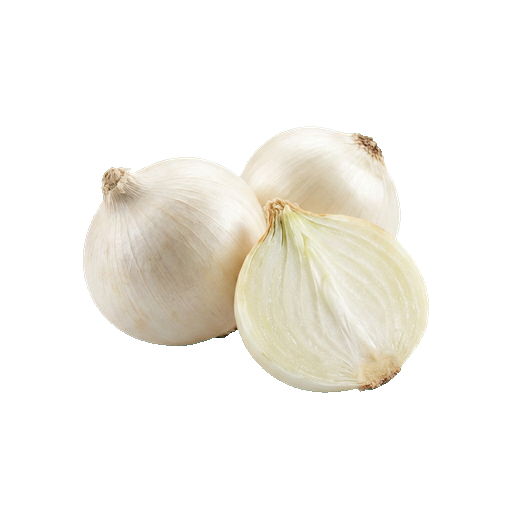
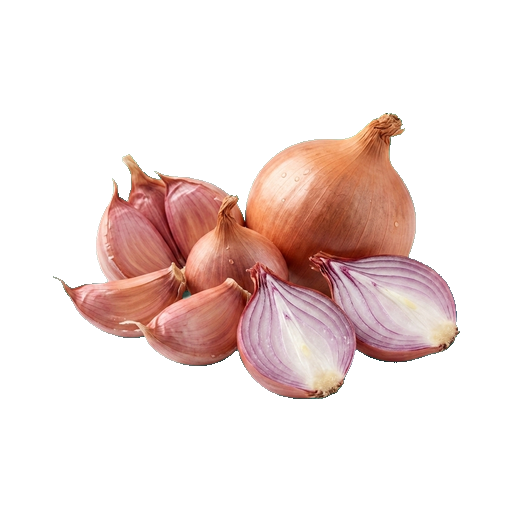
Shallot is a variety of onion with an elongated shape and copper-red or golden skin, featuring a more delicate and sweet taste than regular onion. In cooking, it is valued for its subtle aroma with light fruity notes and its ability to remain a delicate component without dominating the dish. Shallot is ideal for vinaigrettes, sauces, marinades, and French cuisine dishes where subtlety of flavor is important; when substituting for regular onion, reduce the quantity or increase cooking time to mellow its sharpness.
Micronutrients
per 100 g
About
Shallot is an ingredient often called the noble cousin of the common onion. It is smaller in size, with a copper-red or golden skin, but its flavor is quite different: more delicate, sweeter, with a barely noticeable garlic note. One bulb usually contains several cloves, like garlic, which makes it convenient to work with. Shallot does not burn the throat and does not leave a sharp smell — this is its main advantage over regular onion.
Aroma and taste
When you cut a shallot, you notice a soft, almost fruity aroma with a slight pungency. In its raw form, it adds sweetness and depth to dishes without aggressive bitterness. When heated, shallot becomes even sweeter, caramelizes faster than onion, and imparts a refined, almost wine-like note to sauces and gravies.
Where to use it
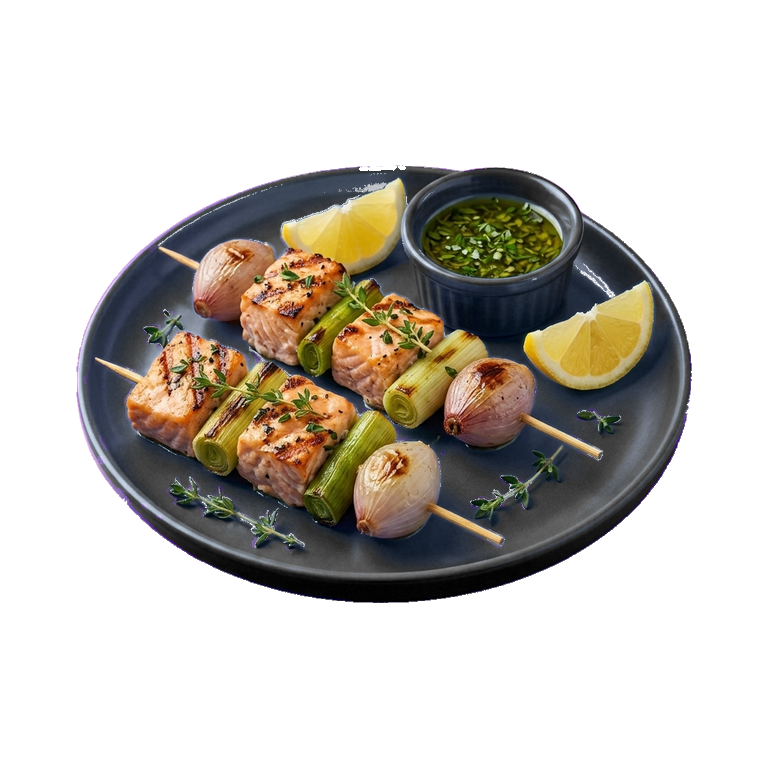
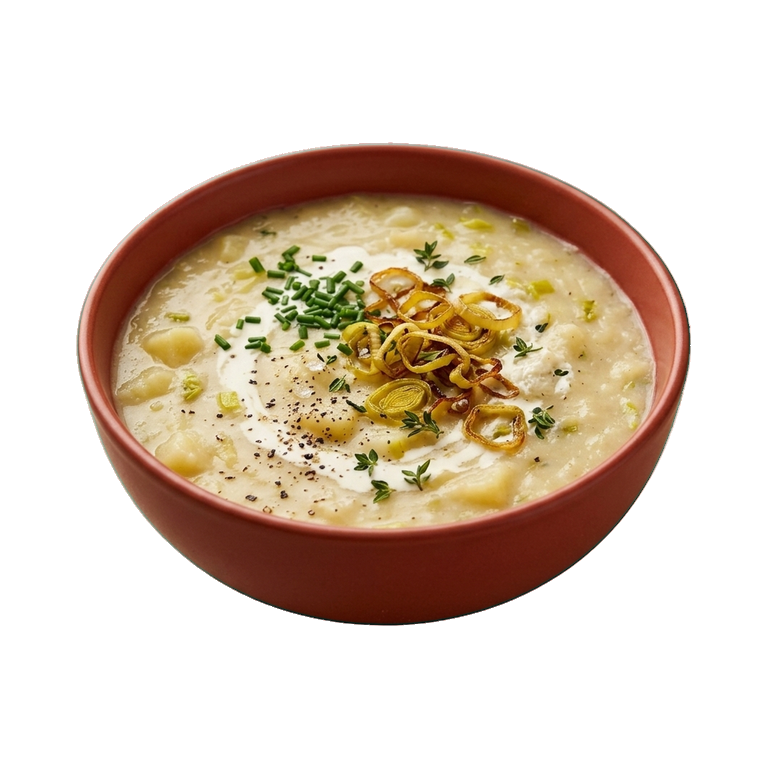
Shallot is indispensable in classic French sauces, especially in béarnaise and vinaigrettes. It is added to marinades for meat and fish, included in salads instead of regular onion, and used for making vinegars and infusions. It works well in curries, Asian dishes, and even in preserving — it gives preparations an elegant flavor without harshness.
Combinations and Proportions
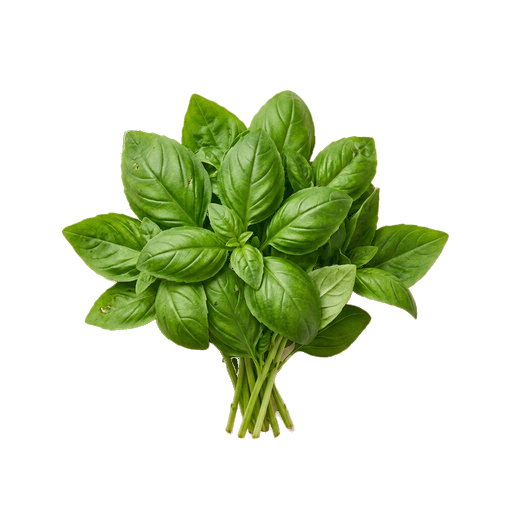
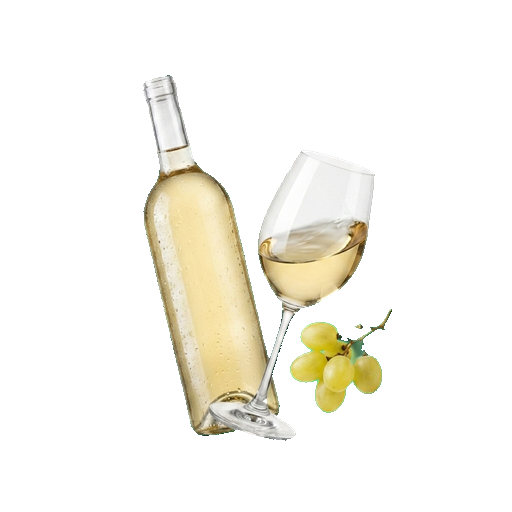
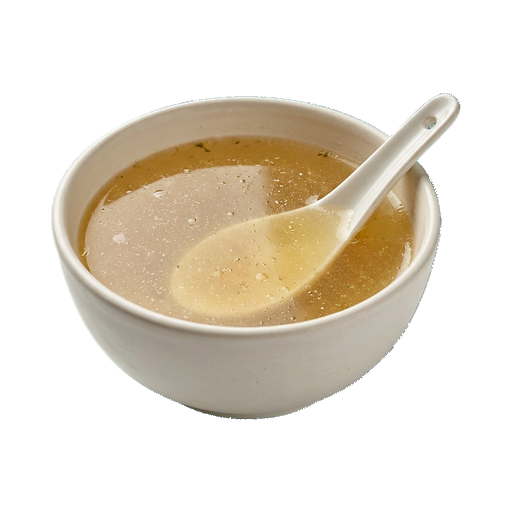
Shallot pairs well with white wine, vinegar, mustard, and herbs like tarragon and parsley. It enhances the flavor of delicate sauces for fish and poultry without overpowering them. If a recipe calls for onion but you want a milder result, substitute it with shallot in a one-to-one ratio — the flavor will be more refined.
Selection and Storage
When buying, choose bulbs without soft spots and sprouts, with dry, dense skin. Shallots store longer than regular onions — in a cool, dark, well-ventilated place they will last several months. Peeled shallots are best used immediately, but in the refrigerator in a sealed container they will keep for 3–4 days.
Practical Tips
- For sauces, finely chop or even grate shallots on a grater — this way they will release their flavor more quickly.
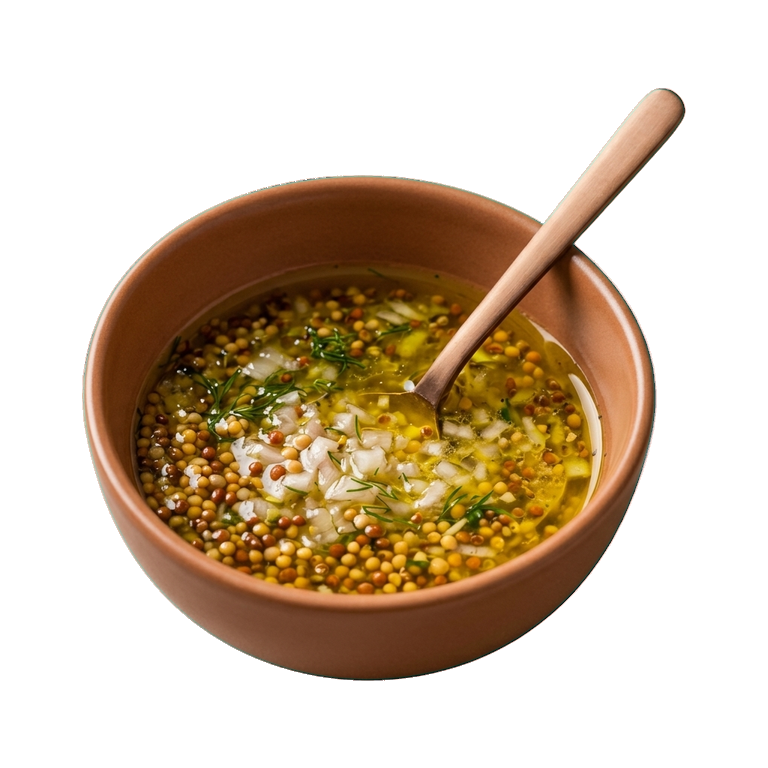
- If you are making vinaigrette, soak the chopped shallots in vinegar for 10–15 minutes — the sharpness will become milder, and the flavor will open up more fully.
- For caramelization, slice shallots into thin rings and cook over medium heat — they will brown in 15–20 minutes.
- Raw shallots are best sliced very thinly or cut into thin strips so they are tender in salads.
Nutrition
per 100 g
- Calories
- 72 kcal
- Protein
- 2.5 g
- Fat
- 0.1 g
- Carbs
- 16.8 g
Micronutrients
per 100 g
Macronutrients
- Fiber
- 2.2 g
- Water
- 83.47 g
Minerals
- Sodium
- 3.64 mg
- Potassium
- 251.5 mg
- Calcium
- 26.06 mg
- Magnesium
- 15.1 mg
- Phosphorus
- 54.63 mg
- Iron
- 0.33 mg
- Zinc
- 0.28 mg
- Copper
- 0.08 mg
- Manganese
- 0.15 mg
Vitamins
- Vitamin B6
- 0.18 mg
Measures and weight
- 1 pcs
- 25 g
- 1 clove
- 5 g
- 1 head
- 25 g
Measure calculator
- Weight
- 100 g
- Calories
- 72 kcal