Usuba
Usuba
Bean sprouts
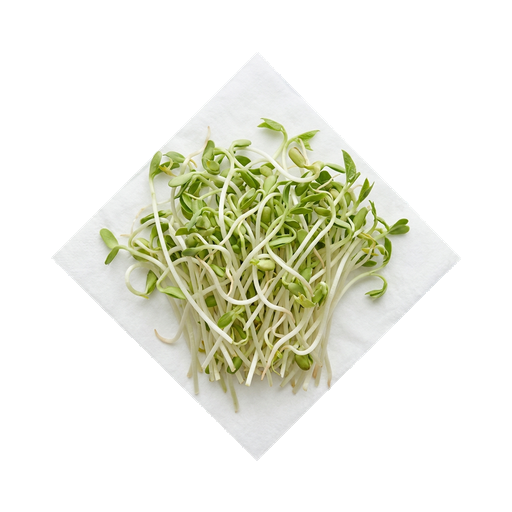
Tender sprouts of legumes — alfalfa, mung bean, chickpea, or lentil — are distinguished by their crispy texture and fresh, slightly sweet flavor with herbaceous notes. They are rich in vitamins and minerals, particularly beneficial consumed raw in salads, sandwiches, and Asian dishes, where they add lightness and nutritional value. When selecting, look for firm, white roots and green shoots without darkening; store in the refrigerator in an airtight container for no more than a week, as sprouts quickly lose freshness and can become a source of bacteria if stored improperly.
About
Legume sprouts are young shoots of beans, lentils, chickpeas, and other legumes at the stage when they are just beginning to grow from the seed. At this point, the plant accumulates the maximum amount of nutrients and enzymes that help our body better absorb food. They have a crispy taste with a slight sweetness and tender texture — nothing like mature legumes.
Taste and Texture
Each type of sprout has its own character. Mung sprouts are soft and slightly sweet, almost neutral in taste — perfect for those just beginning to explore sprouts. Lentil sprouts are slightly more expressive, with a light bitterness and nutty notes. Chickpea sprouts are denser and more rich in flavor. All of them crunch between your teeth and add freshness to any dish.
How to use in the kitchen
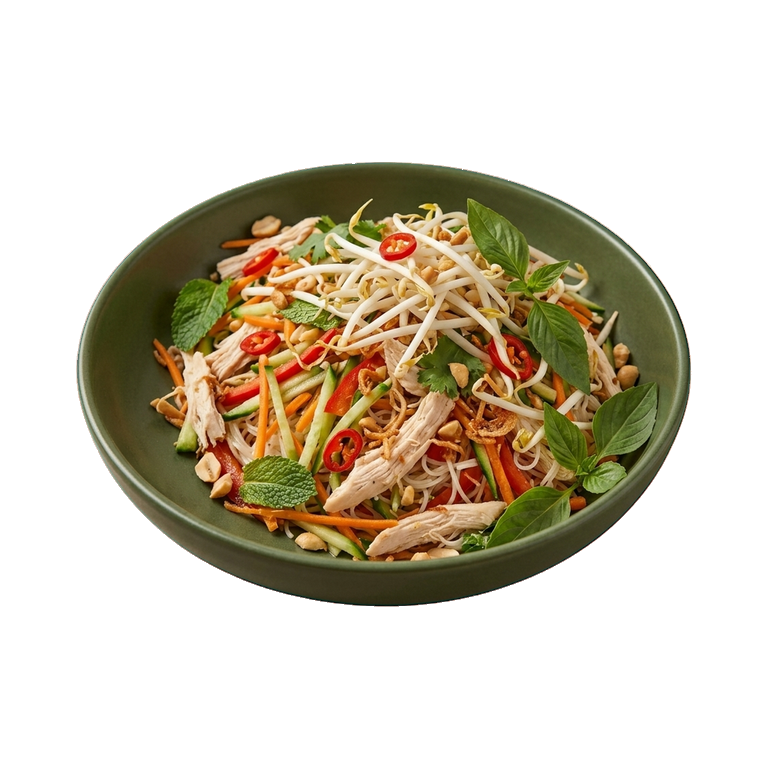
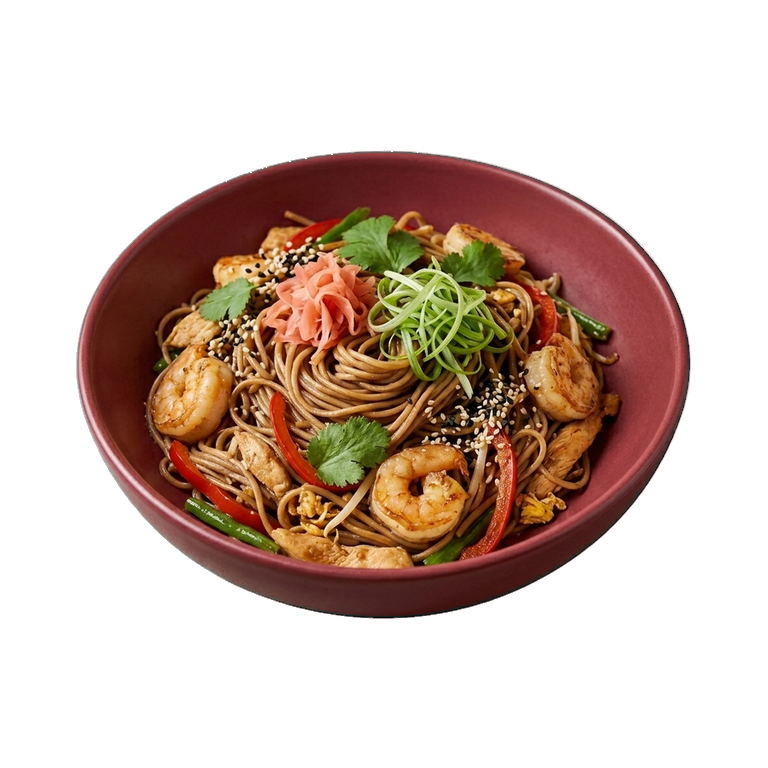
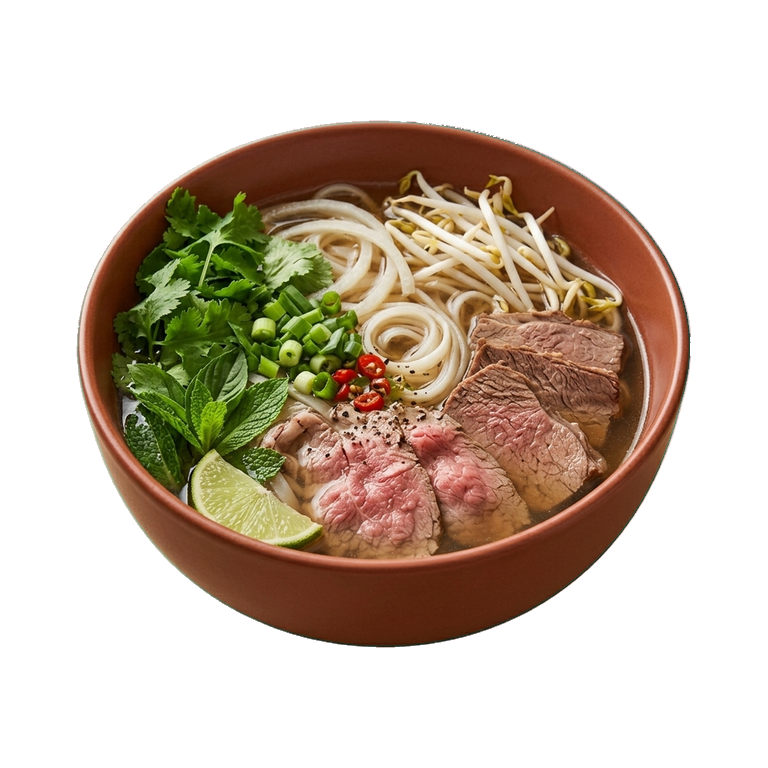
Main rule: sprouts are eaten raw or added to already prepared dishes at the very last moment. Heat destroys their delicate structure and deprives the dish of that very crunch and freshness that they are valued for. They are ideal for salads — they add volume and texture without extra calories. They work great in sandwiches, on open-faced sandwiches, in soups (added directly to the bowl), in Asian dishes like pho or noodles.
- Green salads with vegetables and light dressing
- Grain bowls with cereal, vegetables and protein
- Asian soups and noodles
- Sandwiches and wraps
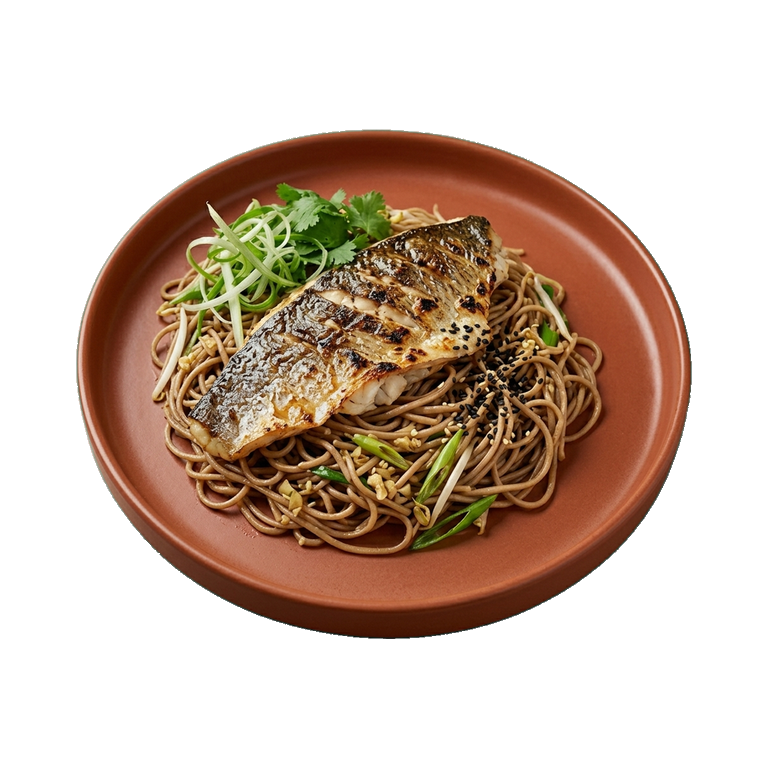
- Side dishes for fish and meat dishes
- Cold-pressed juices and smoothies
Selection and Storage
Look for sprouts that are fresh and firm, without dark spots or signs of mold. They should smell fresh and earthy, not musty. If buying packaged sprouts, check the date — sprouts don't keep long, usually 5–7 days in the refrigerator in an airtight container or bag. It's best to store them in the vegetable compartment where it's cooler and more humid. If the sprouts start to dry out, you can refresh them slightly by soaking them in cold water for a few minutes.
If you often cook with sprouts, it makes sense to grow them yourself at home. It's simple: soak dry legumes overnight, then keep them moist in a jar or special sprouter, rinsing periodically. In 3–5 days you'll have fresh sprouts. This method is more economical and guarantees maximum freshness.
Sprouts are not just a dish decoration. They are living food with active enzymes that facilitate digestion and help the body better absorb proteins and minerals.
Nutrition
per 100 g
- Calories
- 56 kcal
- Protein
- 5.5 g
- Fat
- 0.5 g
- Carbs
- 7.5 g
Measures and weight
- 1 tbsp
- 9 g
- 1 tsp
- 3 g
- 1 cup
- 150 g
Measure calculator
- Weight
- 100 g
- Calories
- 56 kcal