Usuba
Usuba
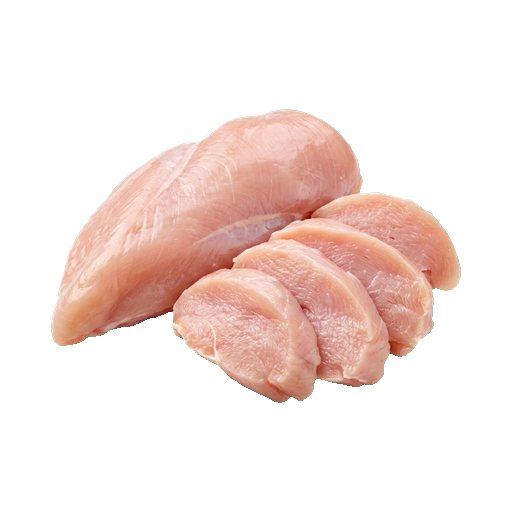
Chicken Breast
Chicken breast is the leanest part of chicken with minimal fat content and maximum protein. The meat is light, tender, with a mild flavor that cooks quickly and absorbs marinades and spices well. When selecting, look for a breast without bruises and unpleasant odor. Remember that it dries easily with prolonged heat treatment, so it's better to cook it over medium heat or use moist cooking methods.
About
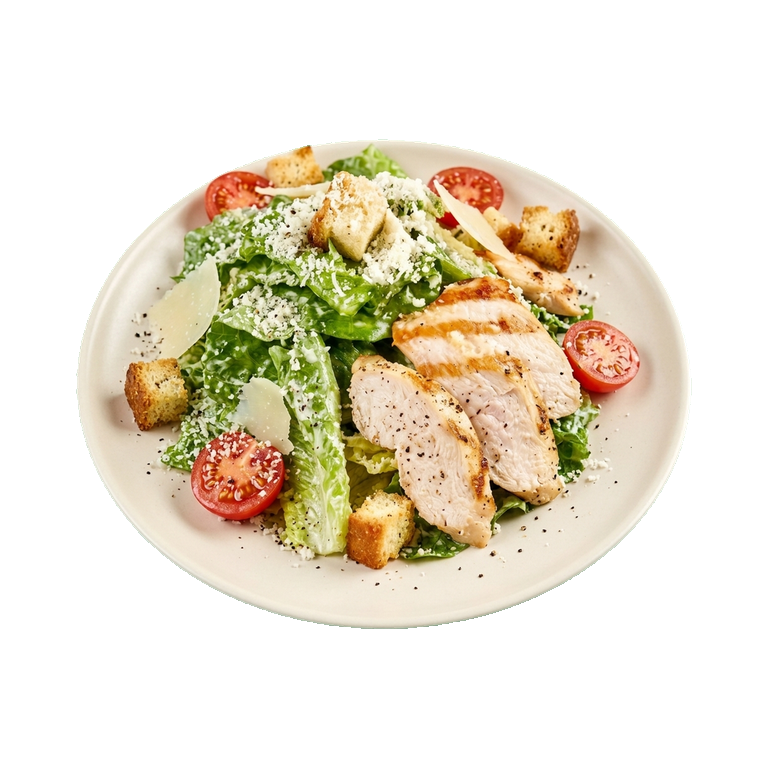
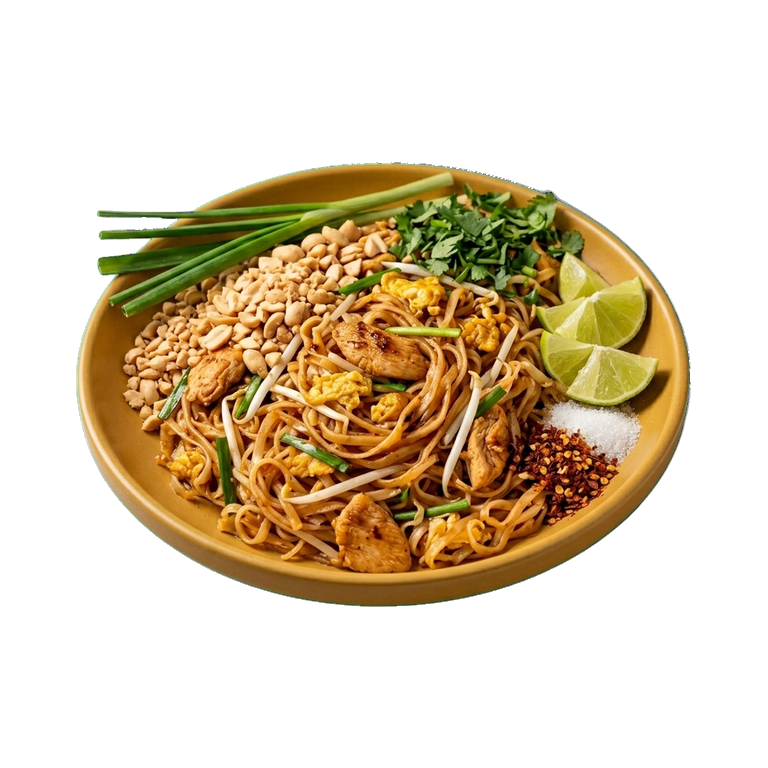
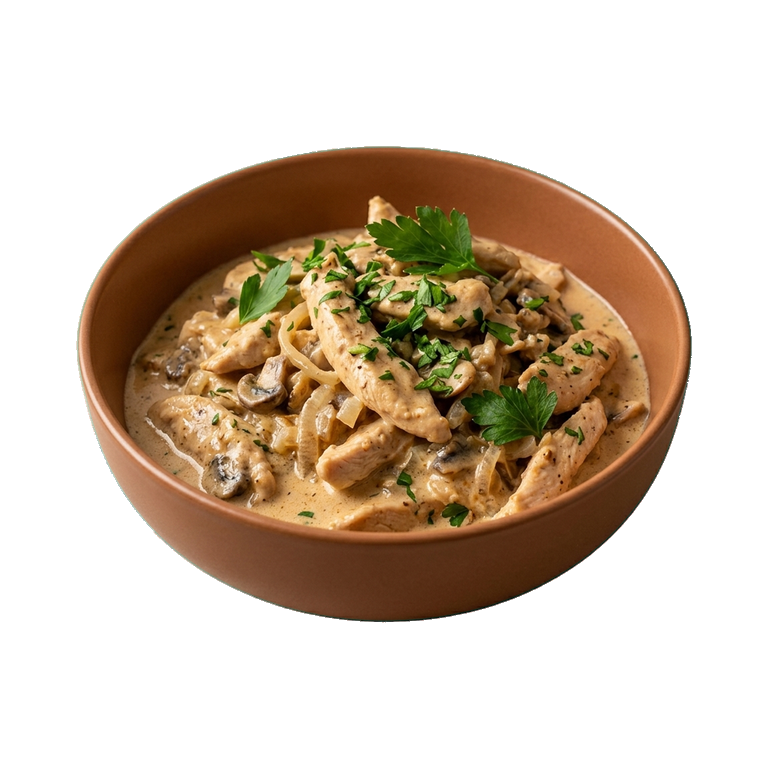
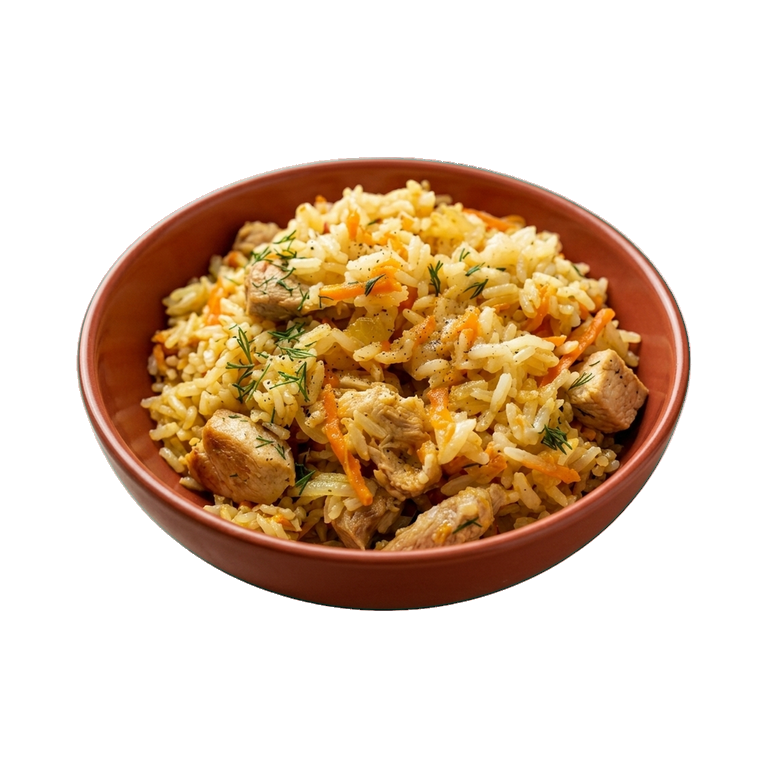
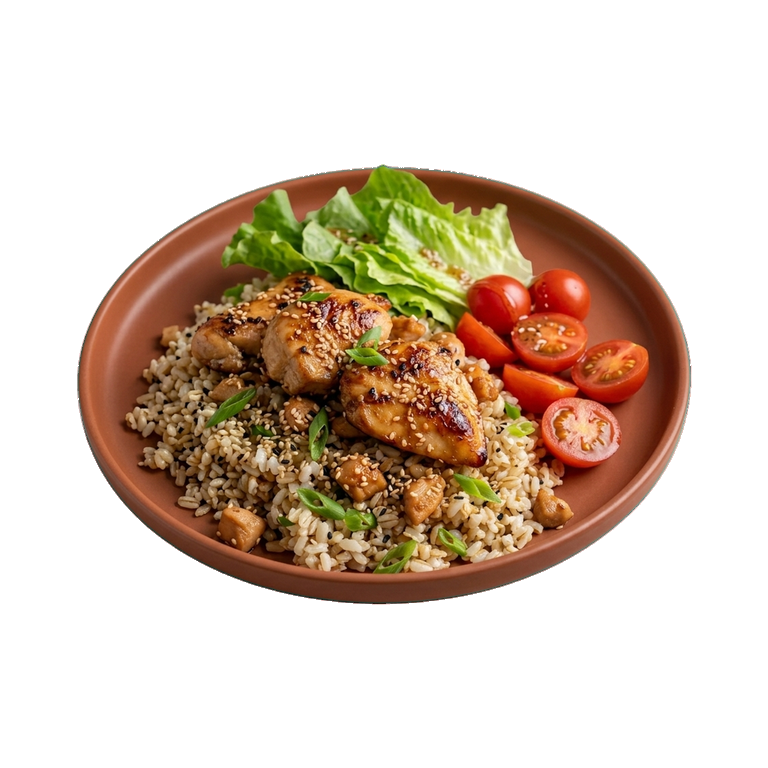
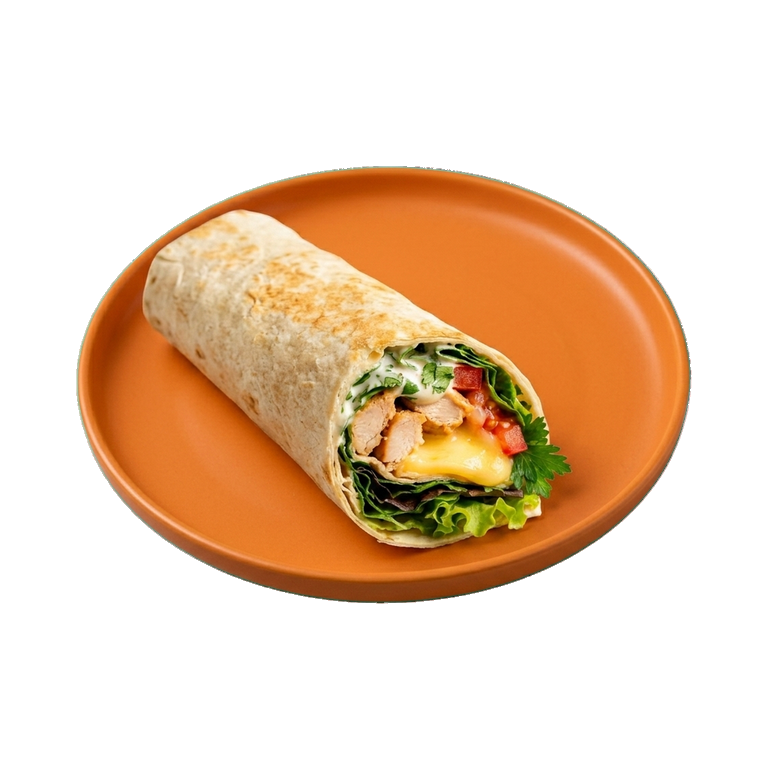
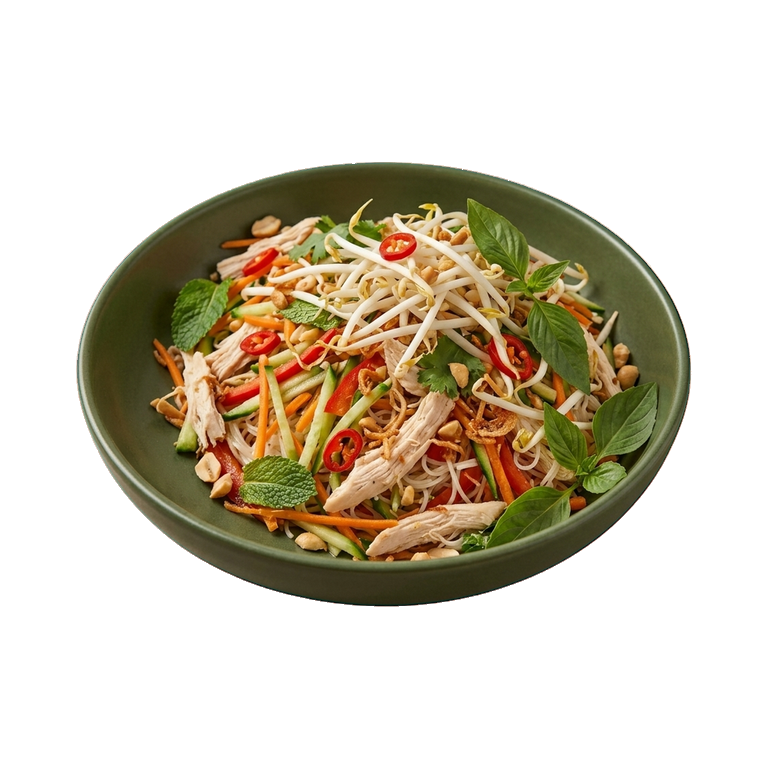
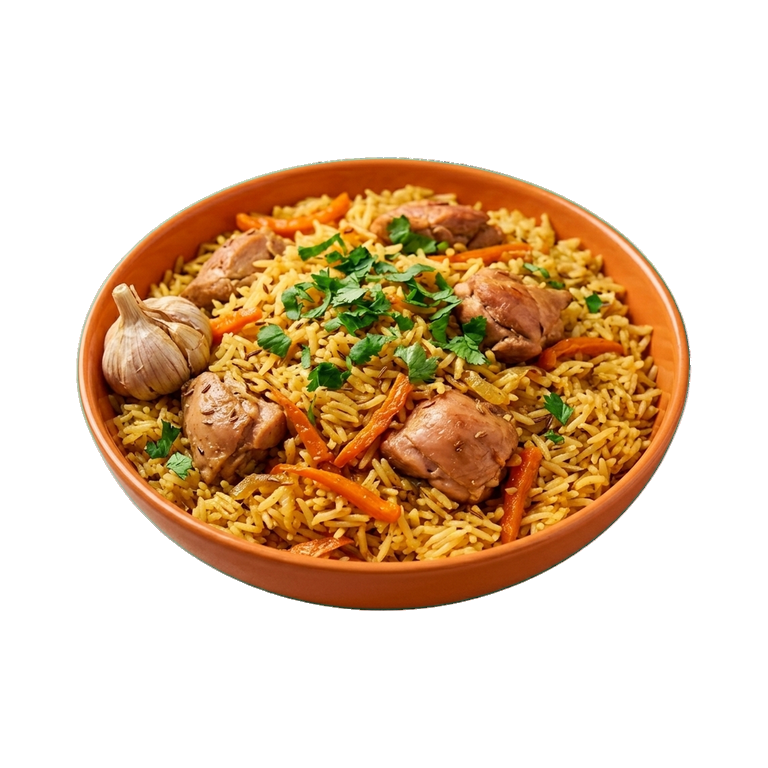
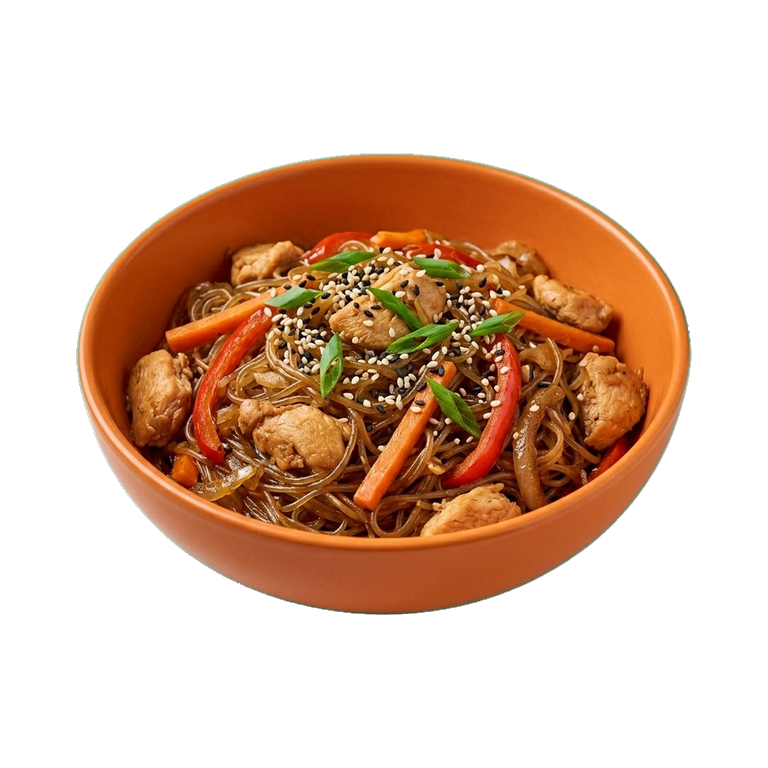
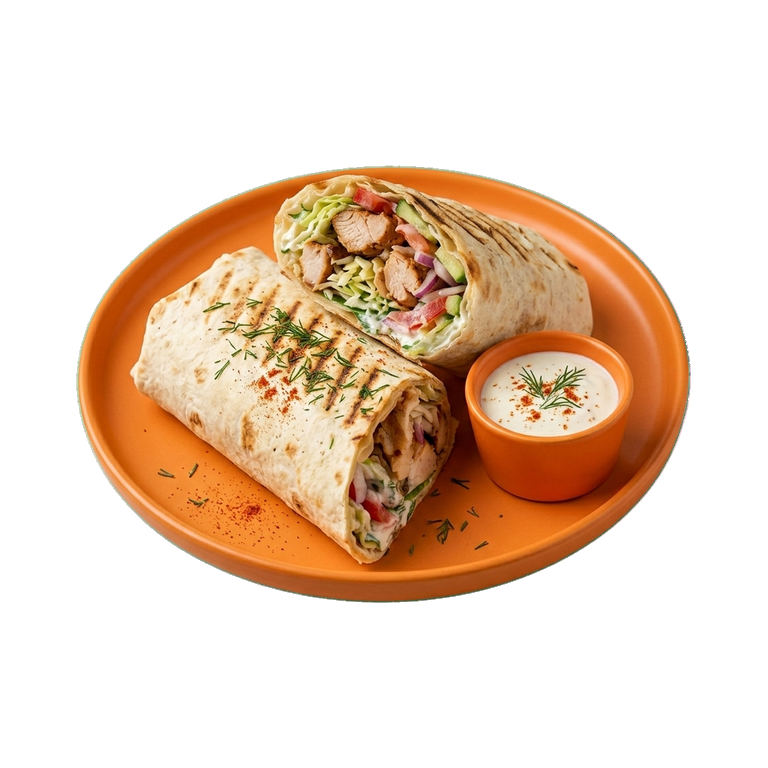
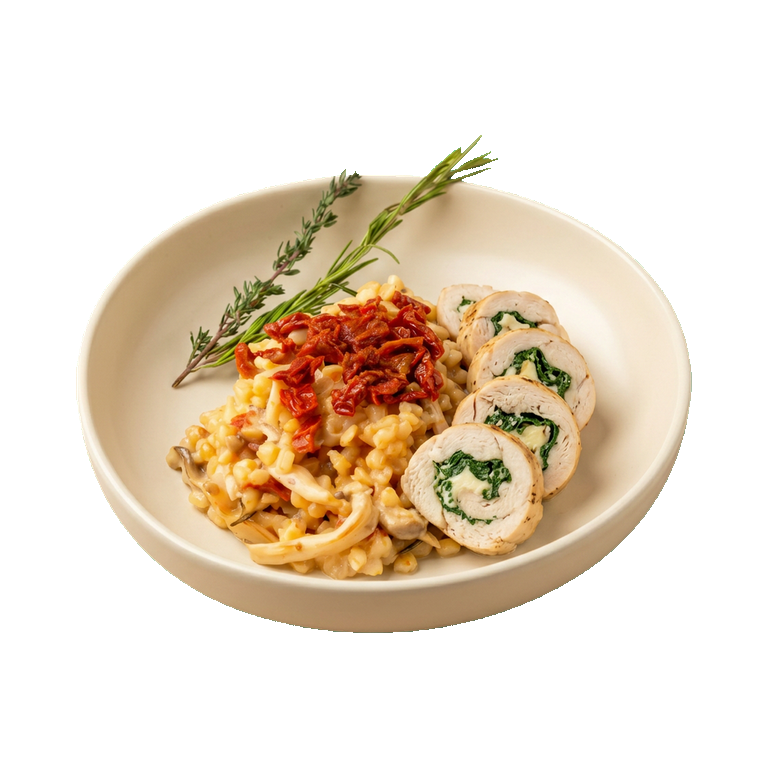
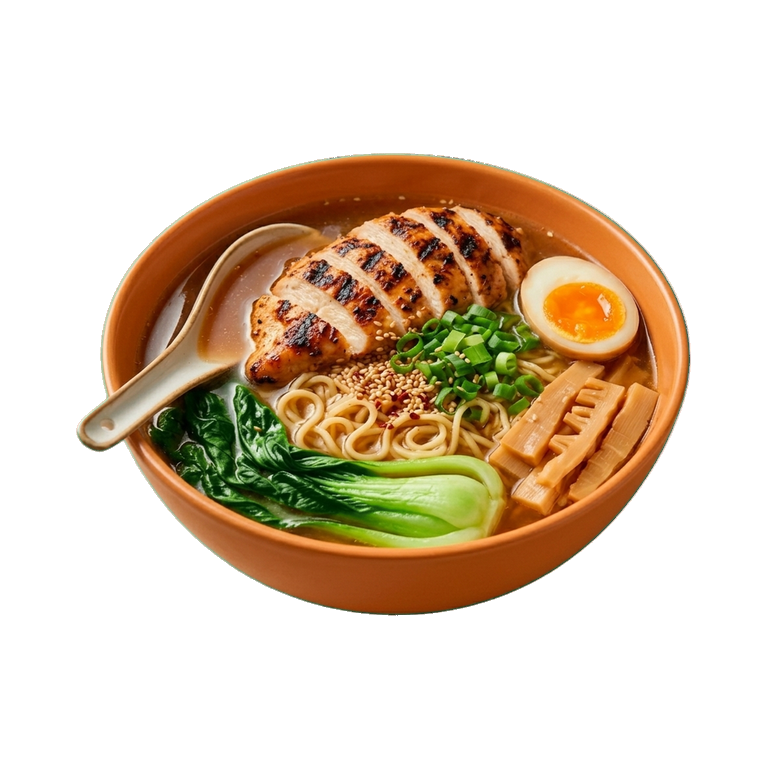
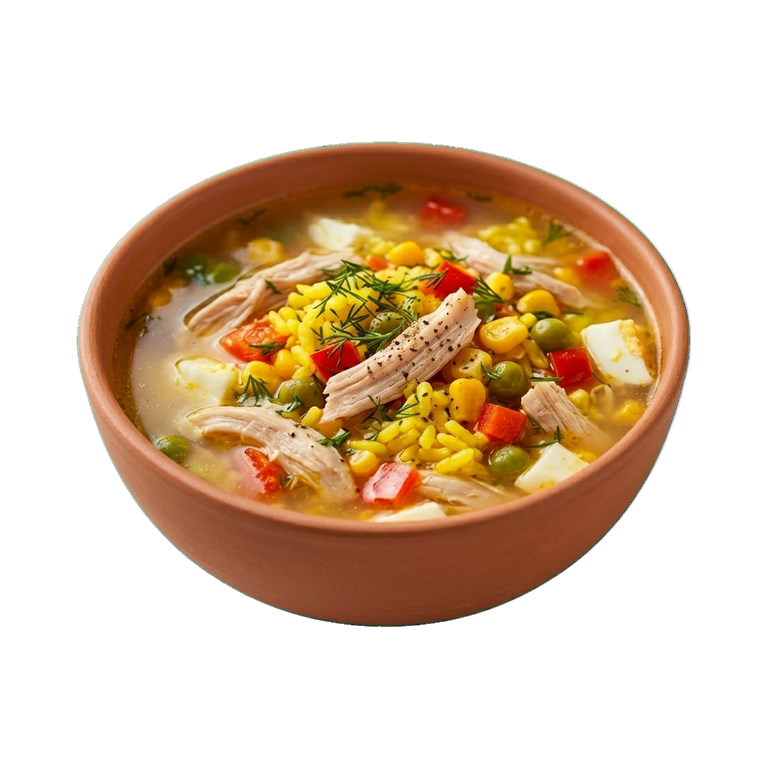
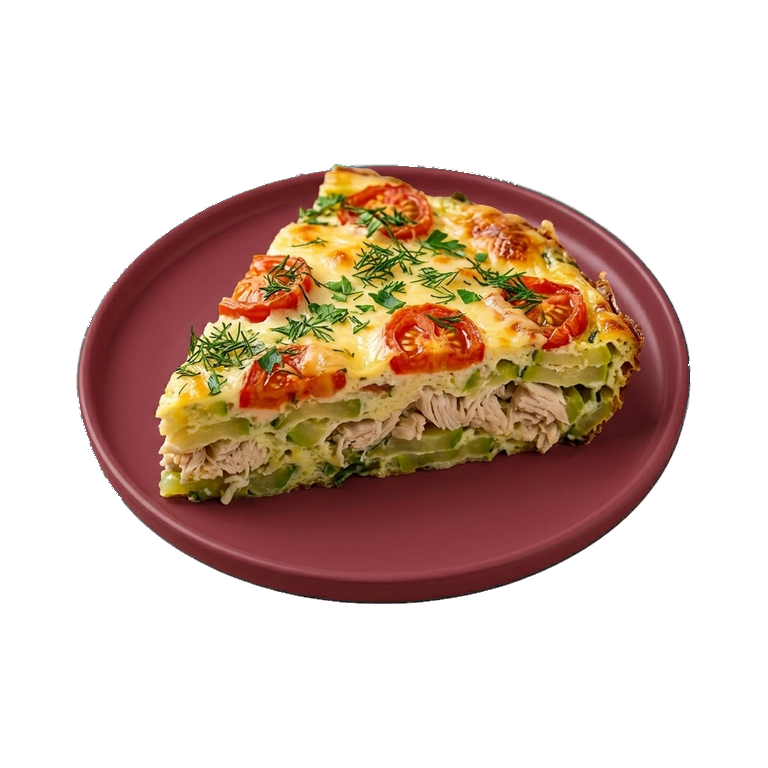
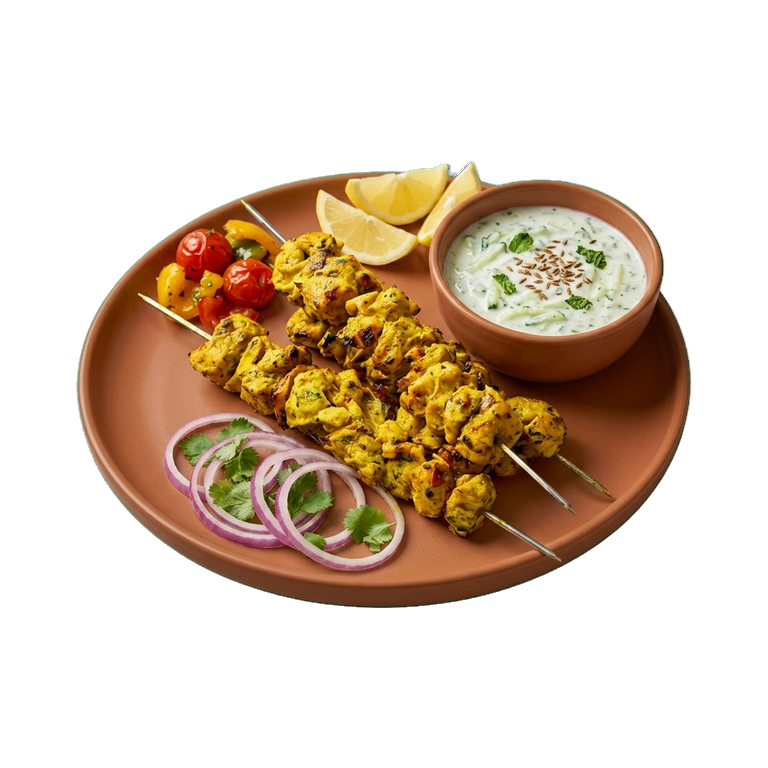
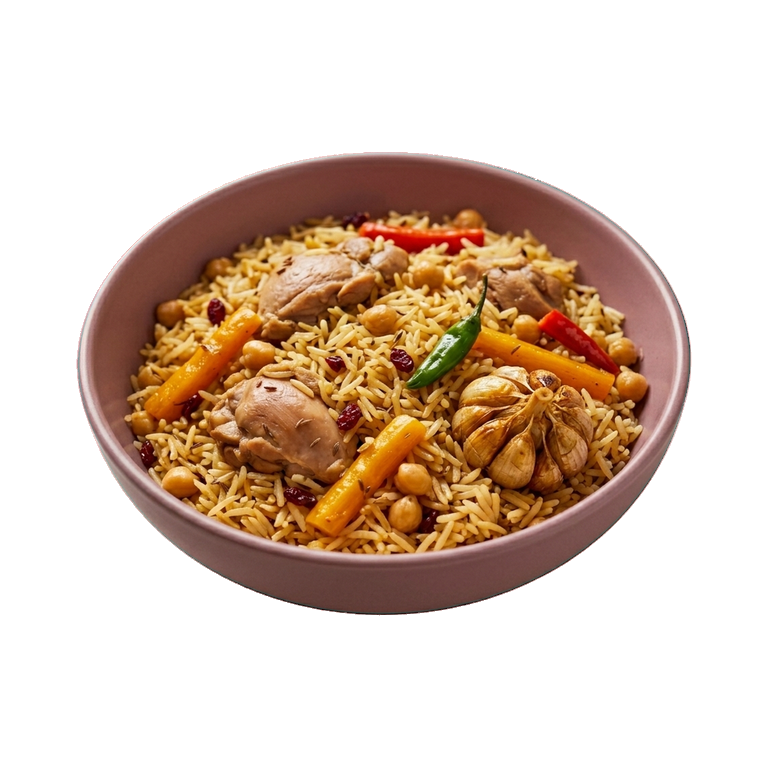
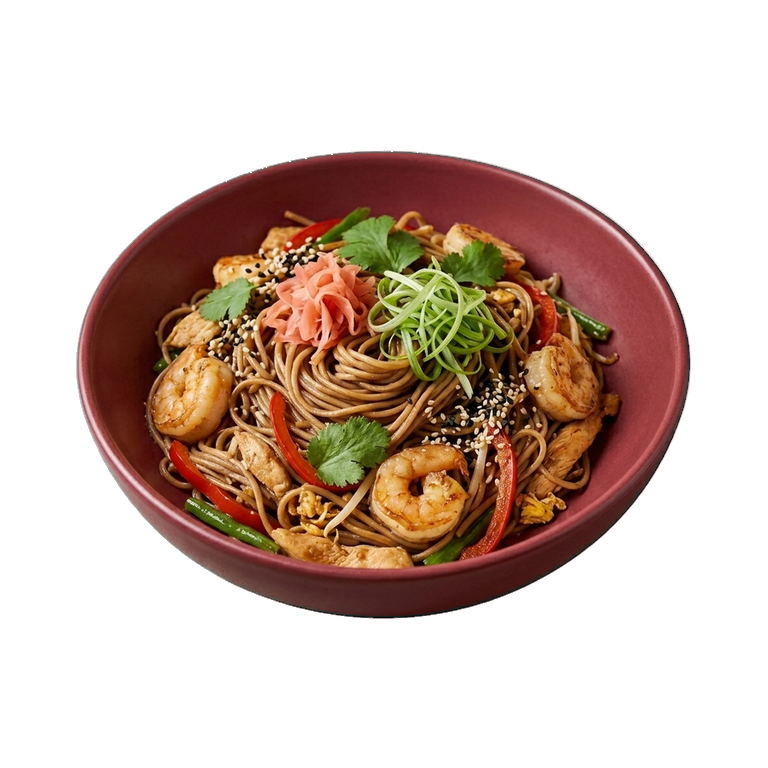
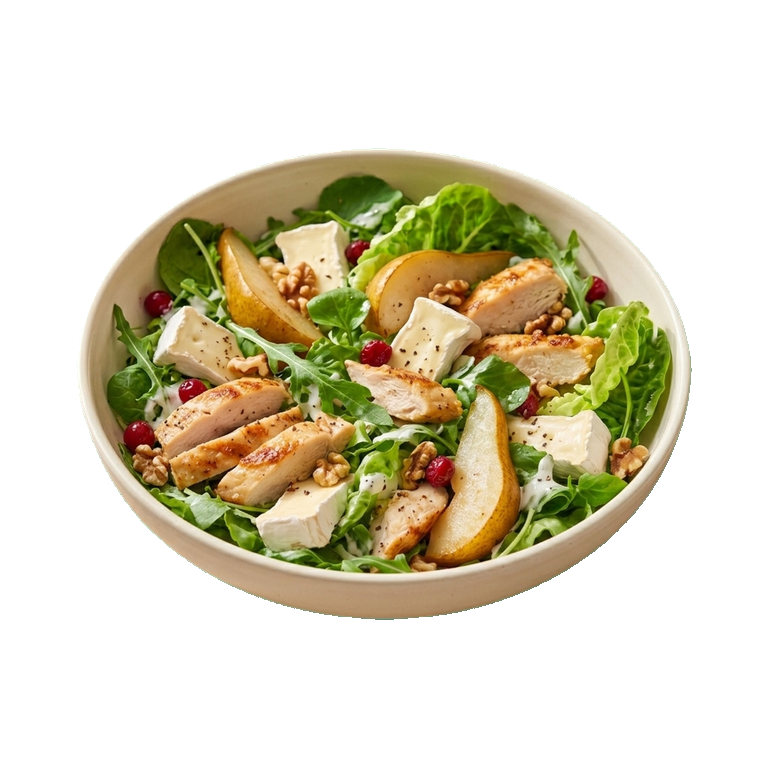
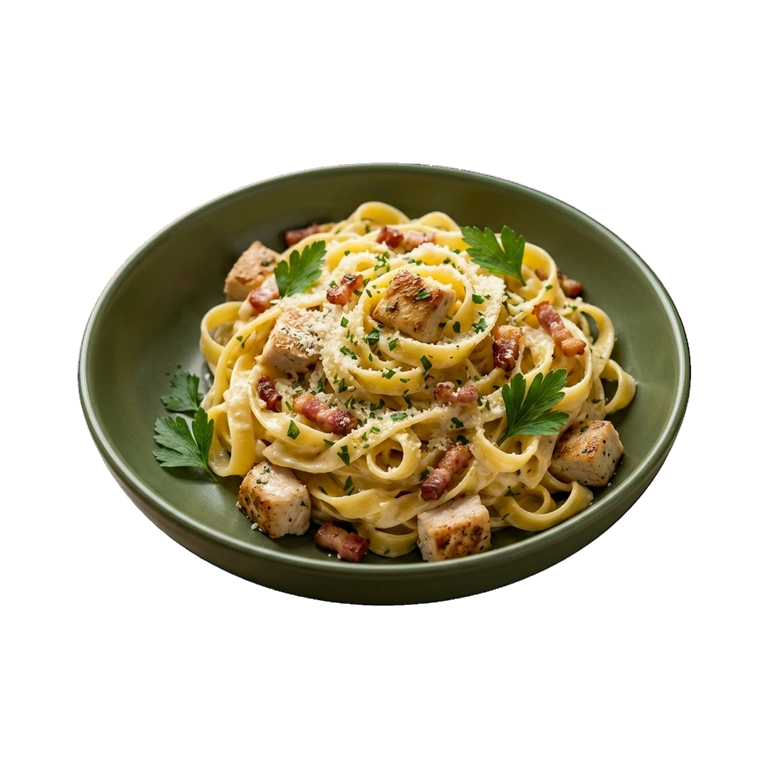
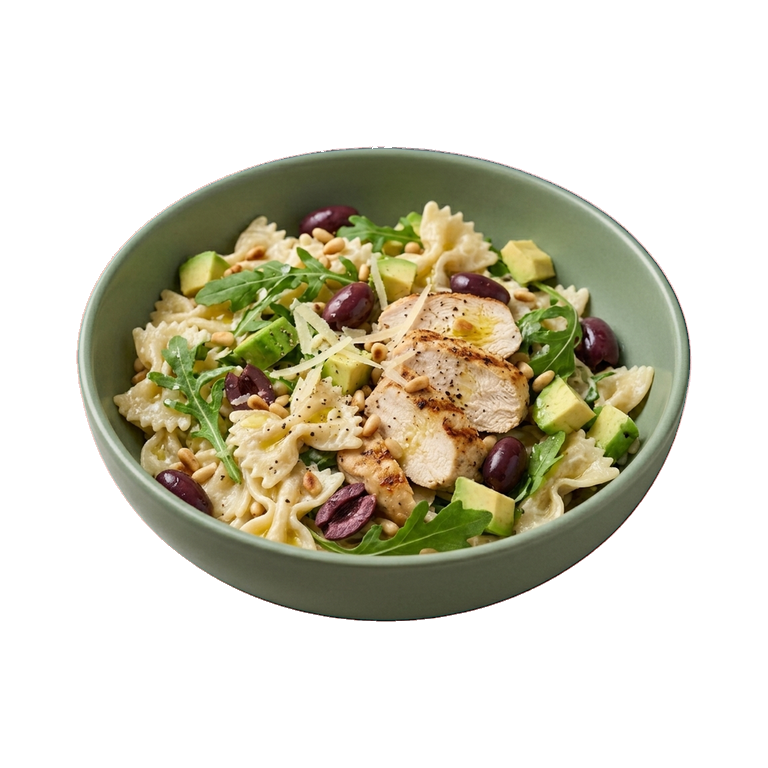
Chicken breast is the workhorse of any kitchen. It's a lean meat with a neutral flavor and an ability to absorb the aromas of neighboring ingredients. It cooks quickly, holds its shape well, and requires no special skills. It's no wonder it appears in dishes ranging from Japanese noodles to Mediterranean salads.
Texture and taste
White, dense breast meat with a fibrous structure. When cooked properly, it remains juicy, but overcooking makes it dry and tough — this is the main challenge. The flavor is delicate, almost without bright notes, but it's perfect for marinades, sauces, and spices. The meat absorbs them like a sponge, allowing the chef to fully control the final taste of the dish.
How to cook
The key to success is not to dry it out. If you're cooking a whole breast, pound it to an even thickness so the meat cooks evenly. On the stovetop, 6–7 minutes on each side over medium heat is enough. In the oven at 180 degrees — approximately 20–25 minutes. Check doneness with a thermometer: the meat is done at 75 degrees inside.
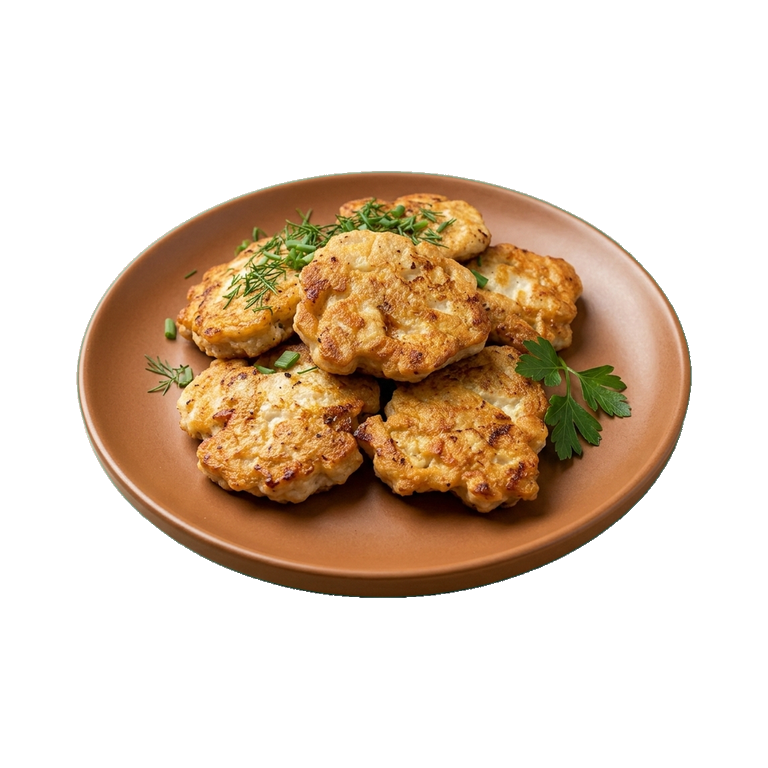
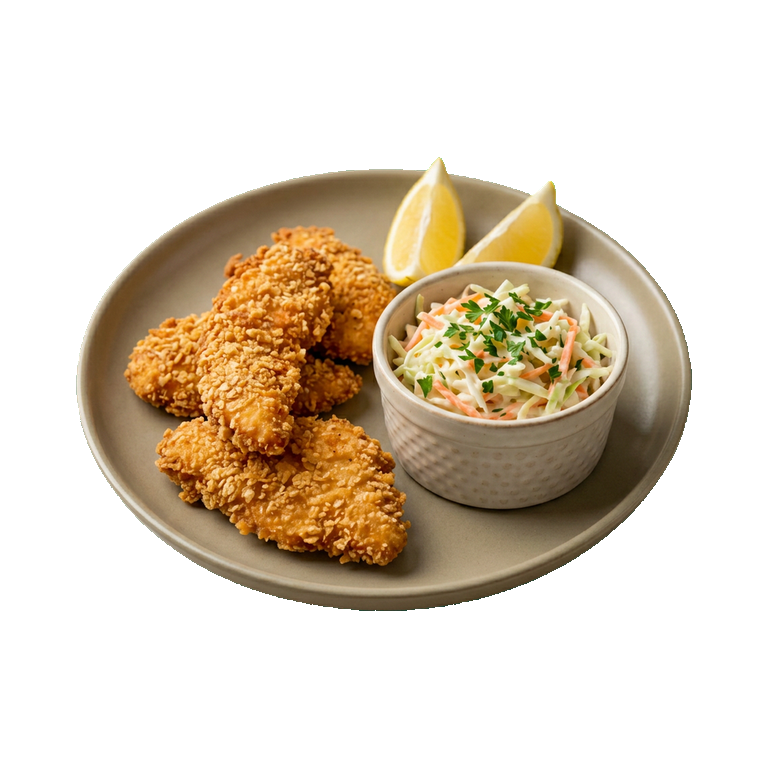
- Pan frying — quick and crispy
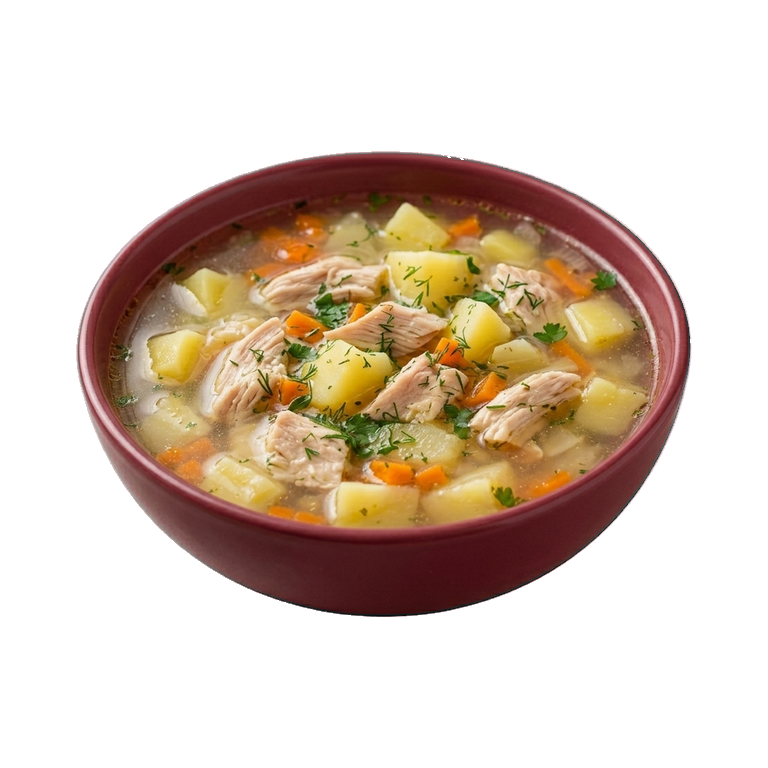
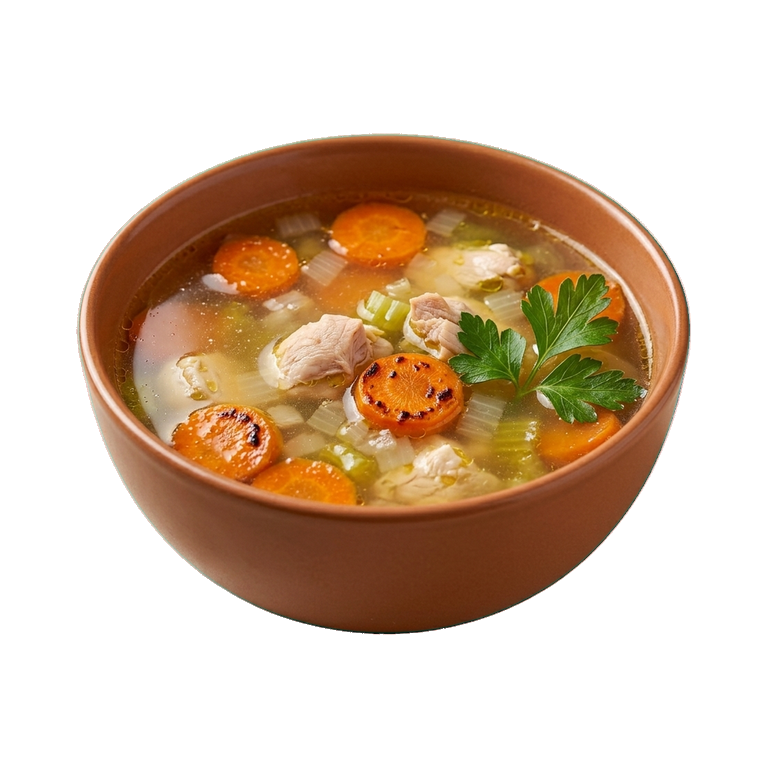
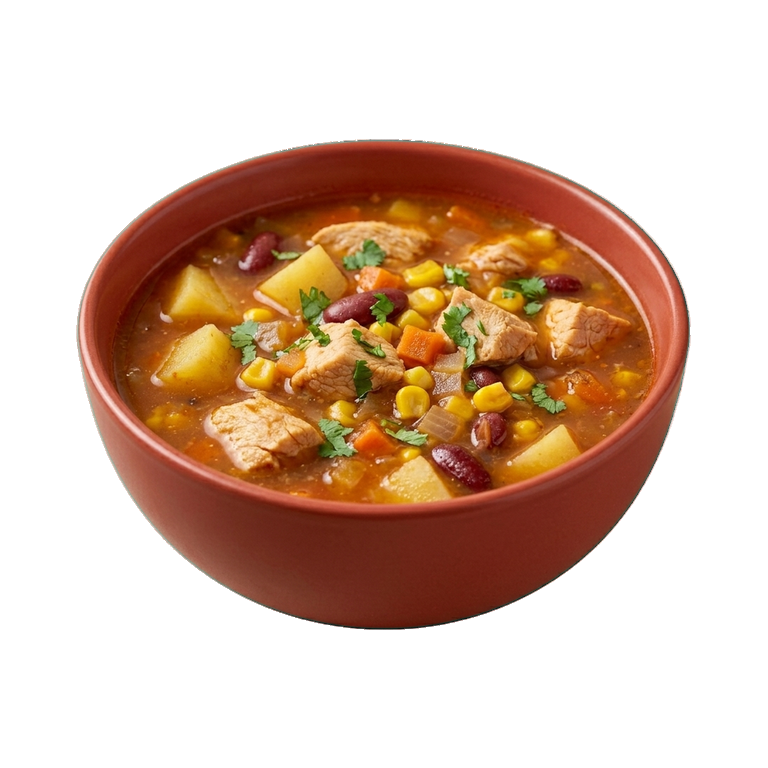
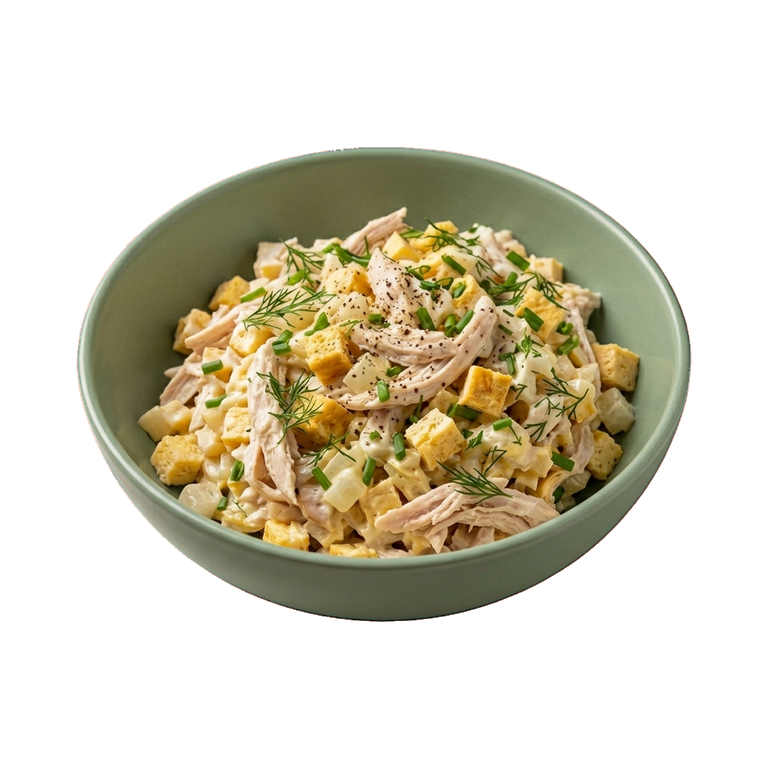
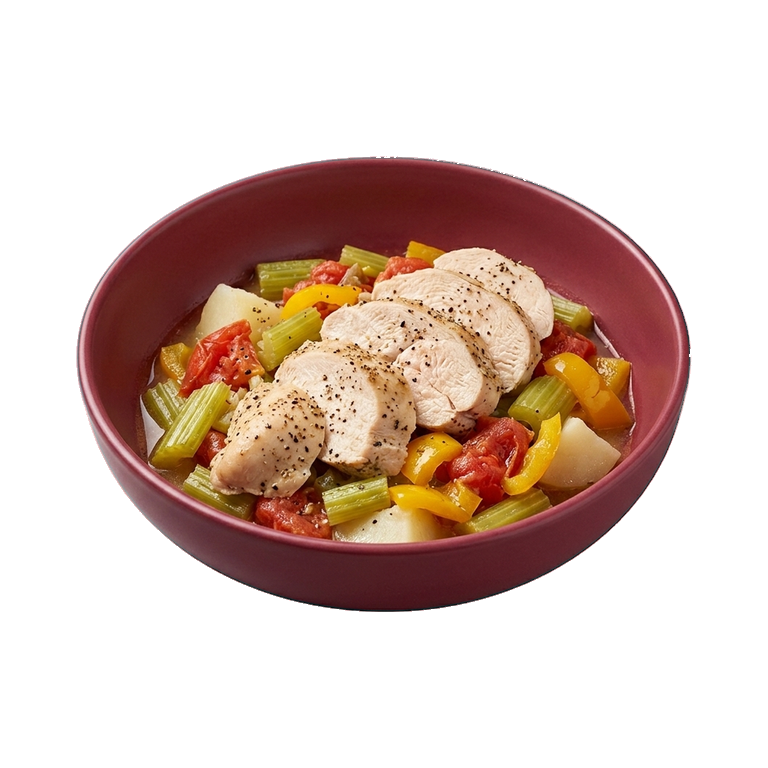
- Boiling in broth — for salads and soups
- Baking in the oven — cooks evenly, stays juicy
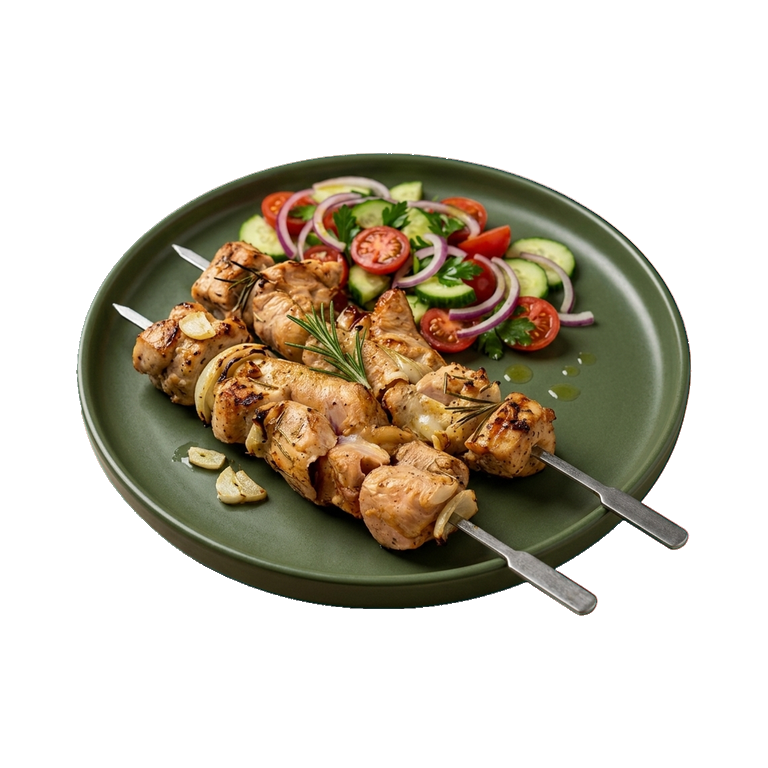
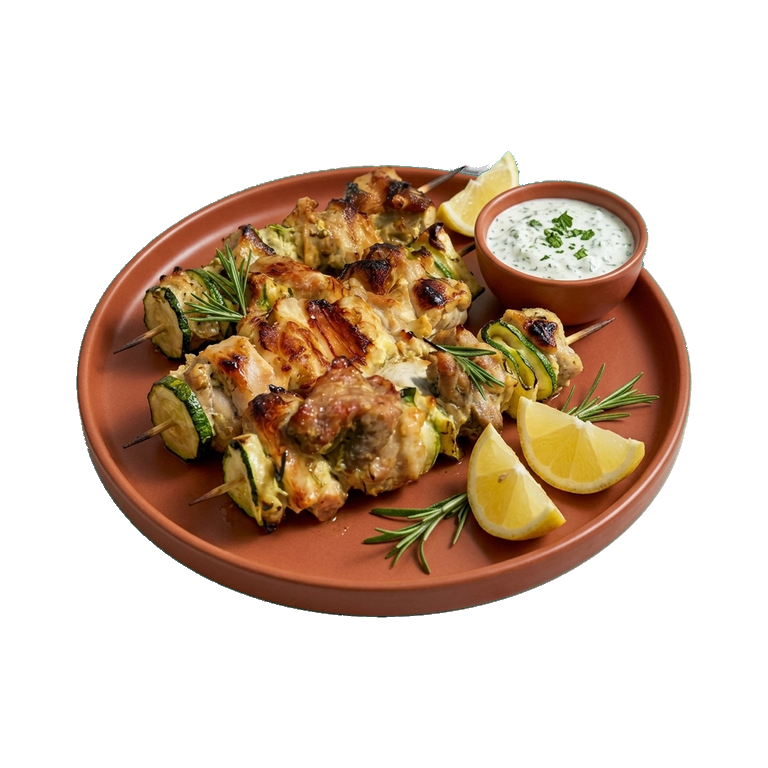
- Grilling or barbecue — develops smoky aroma
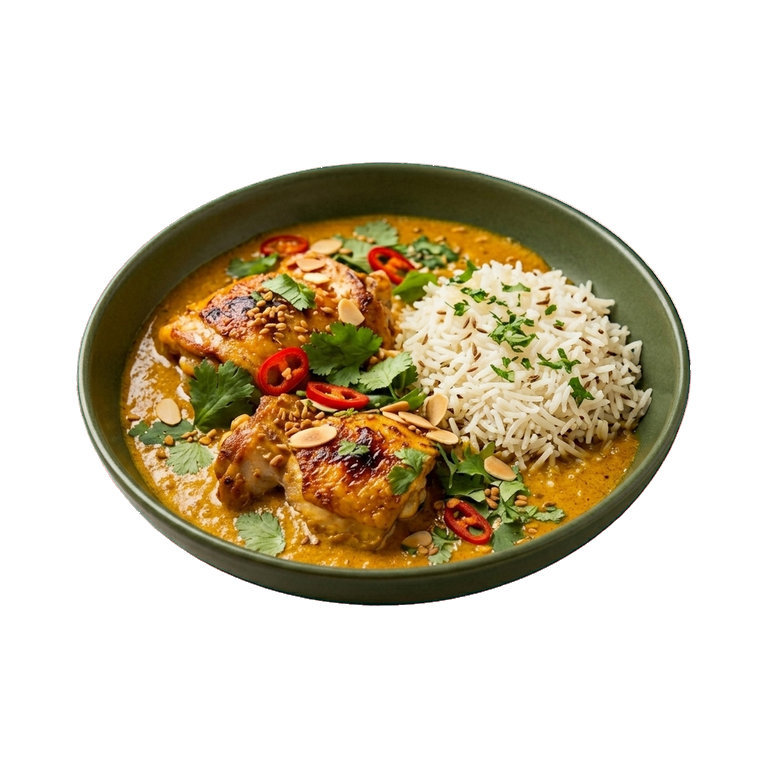
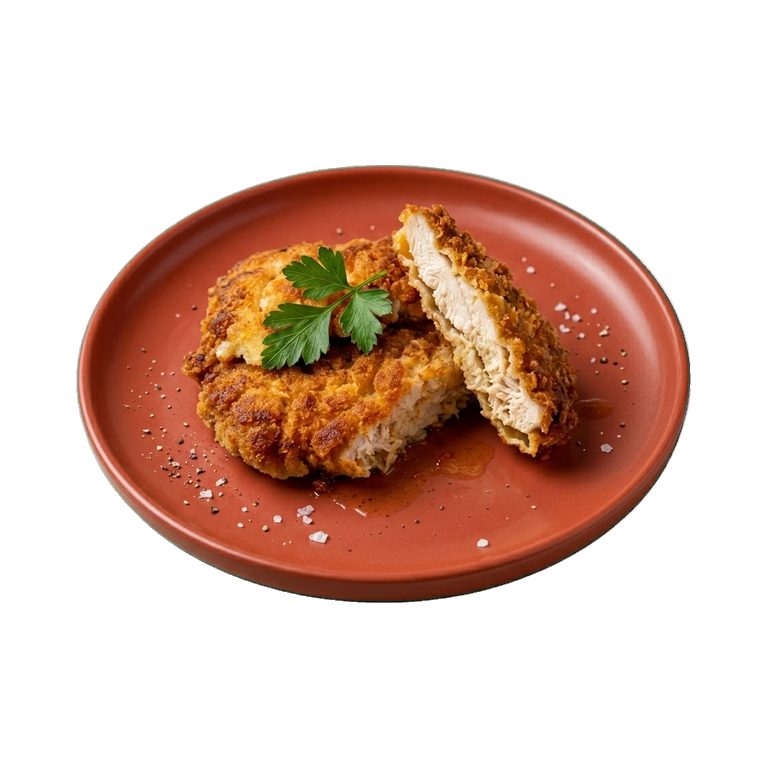
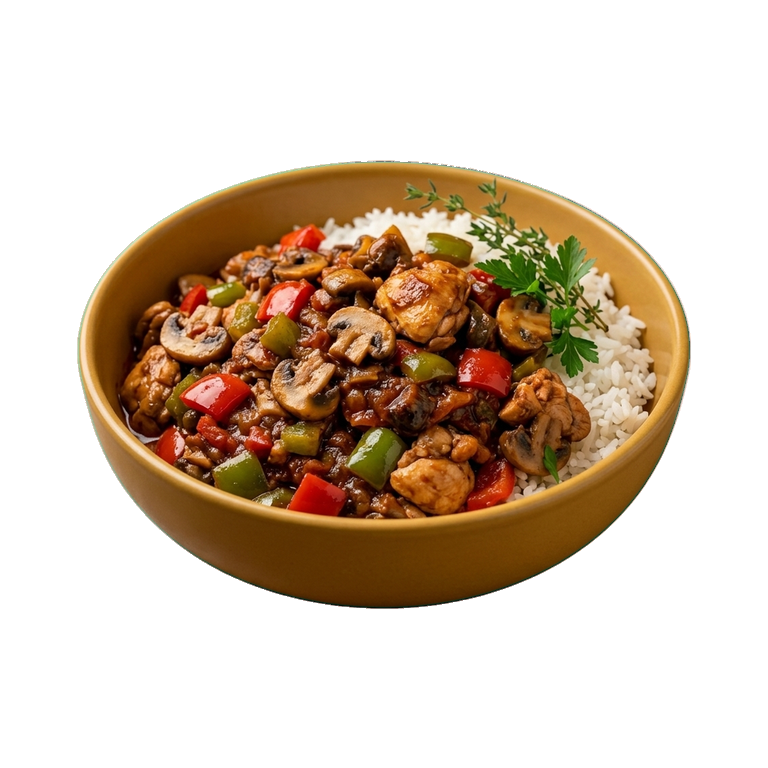
- Braising in sauce — meat absorbs flavors
What it pairs with
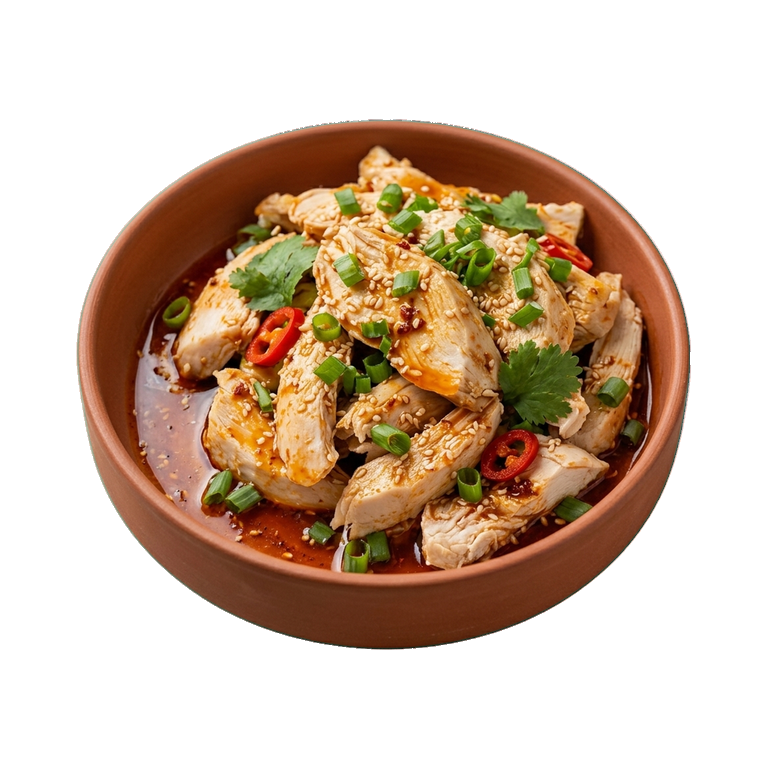
Chicken breast is versatile. It works well with acidity — lemon, vinegar, tomato. It loves Asian flavors: soy sauce, ginger, garlic, coconut milk. In the European style, it pairs well with white wine, cream, and mustard. Vegetables next to chicken breast can be anything — from bell pepper to eggplant. Herbs, greens, and spices only enhance it.
Selection and Storage
When shopping, pay attention to color: good meat is light pink, without dark spots or slime. The smell should be neutral, without any sourness. If you buy chilled chicken breast, use it within two days. Frozen meat can be stored for several months, but thaw it in the refrigerator, not at room temperature — this way it will retain its juiciness.
- Chilled chicken breast — up to 2 days on the refrigerator shelf
- Frozen — 3–4 months in the freezer
- Finished dish — 3–4 days in a container
If you're afraid of drying out the chicken breast, cook it with a marinade or in a sauce. Acid and fat slow down moisture evaporation and make the meat more tender.
Nutrition
per 100 g
- Calories
- 165 kcal
- Protein
- 31 g
- Fat
- 3.6 g
- Carbs
- 0 g
Measures and weight
- 1 pcs
- 200 g
- 1 slice
- 30 g
Measure calculator
- Weight
- 100 g
- Calories
- 165 kcal