Usuba
Usuba
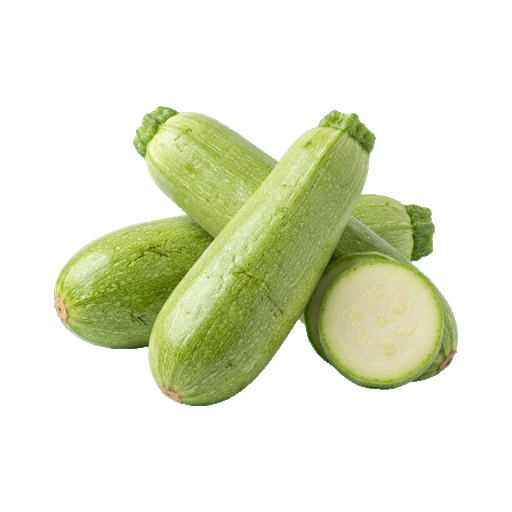
Zucchini
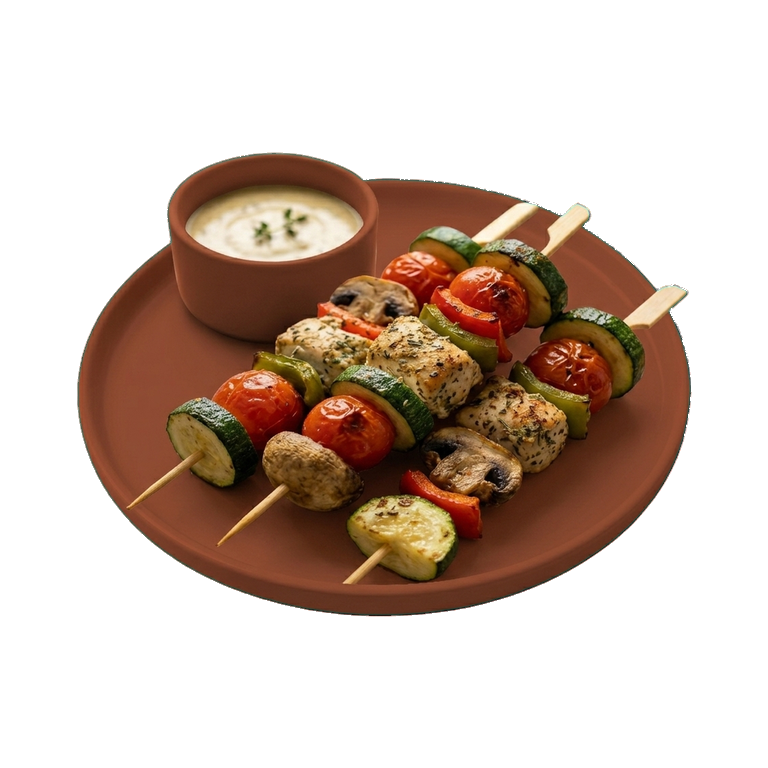
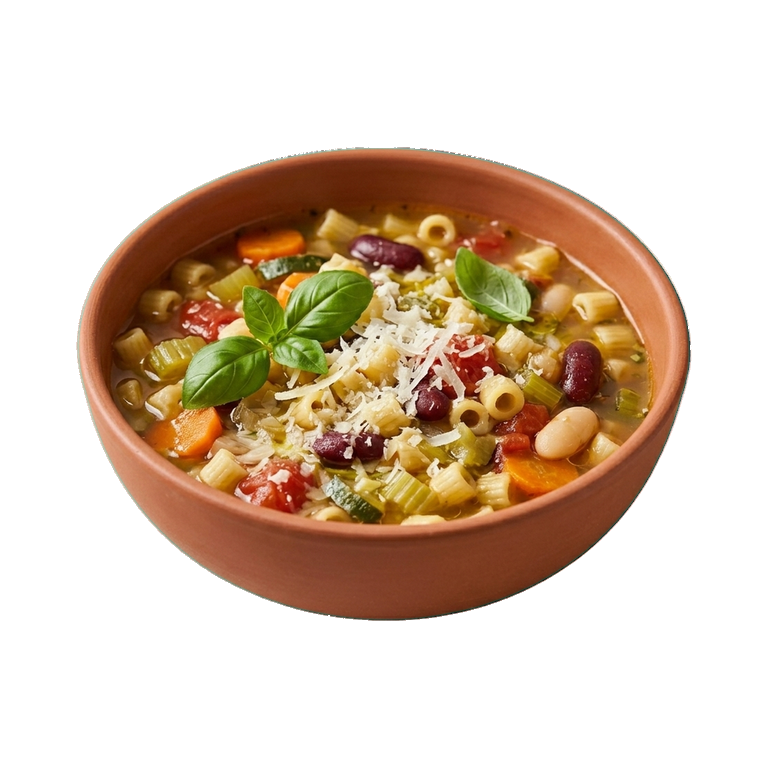
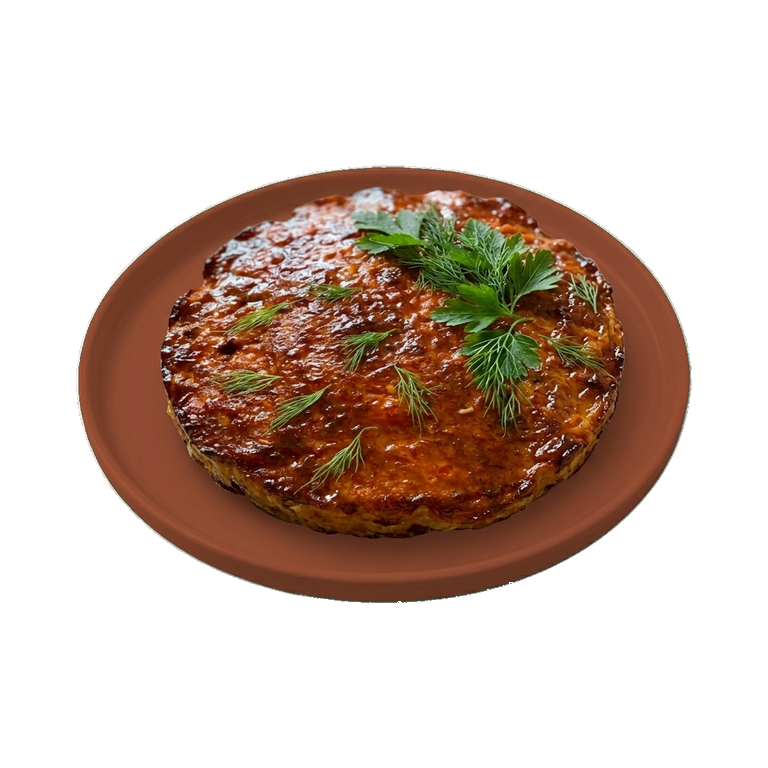
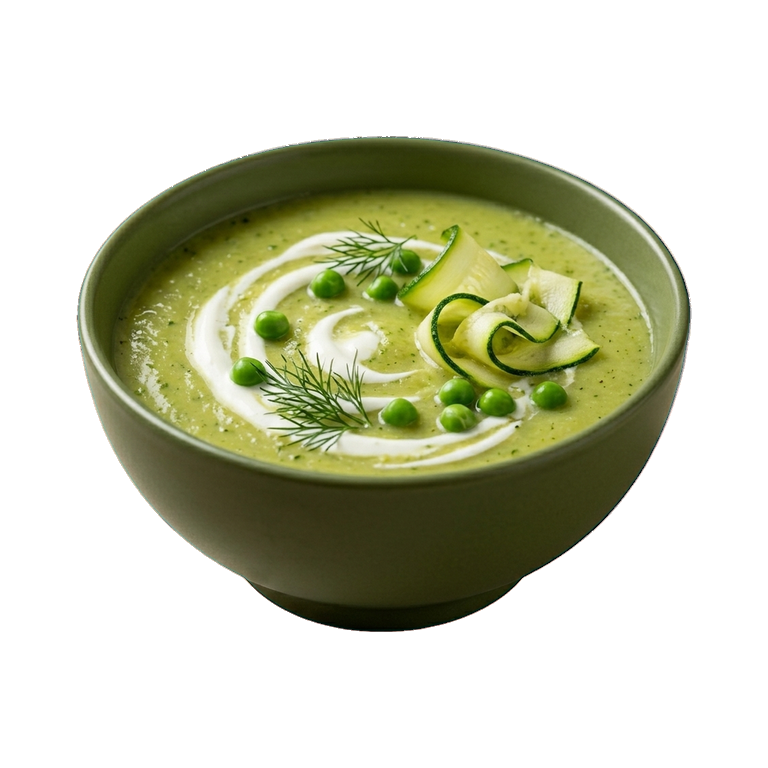
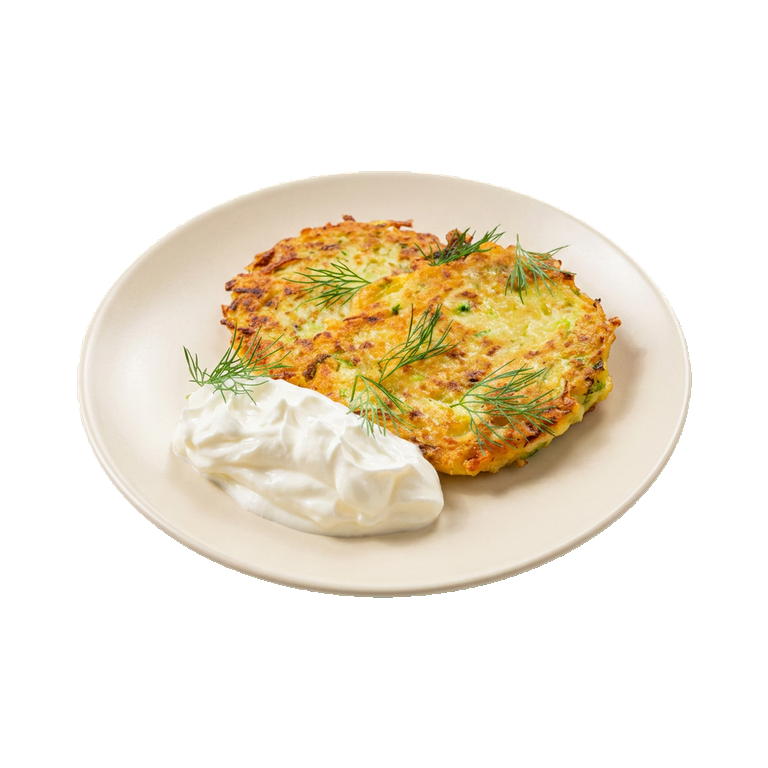
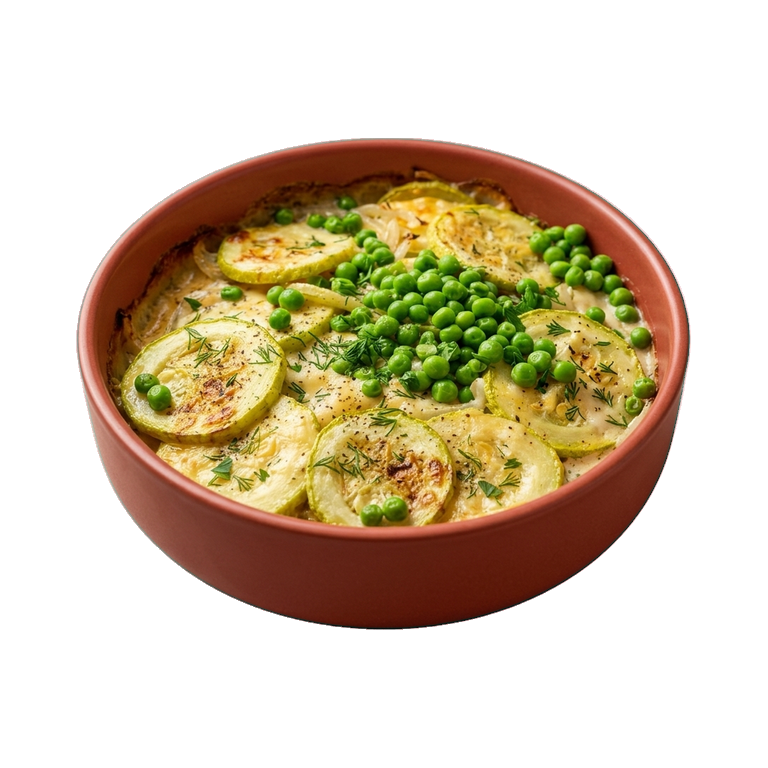
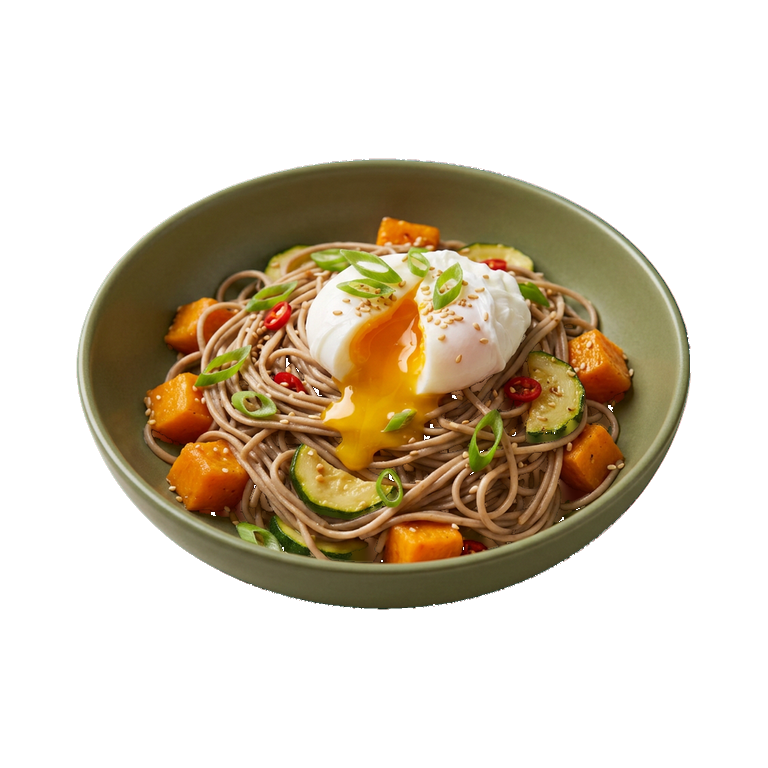
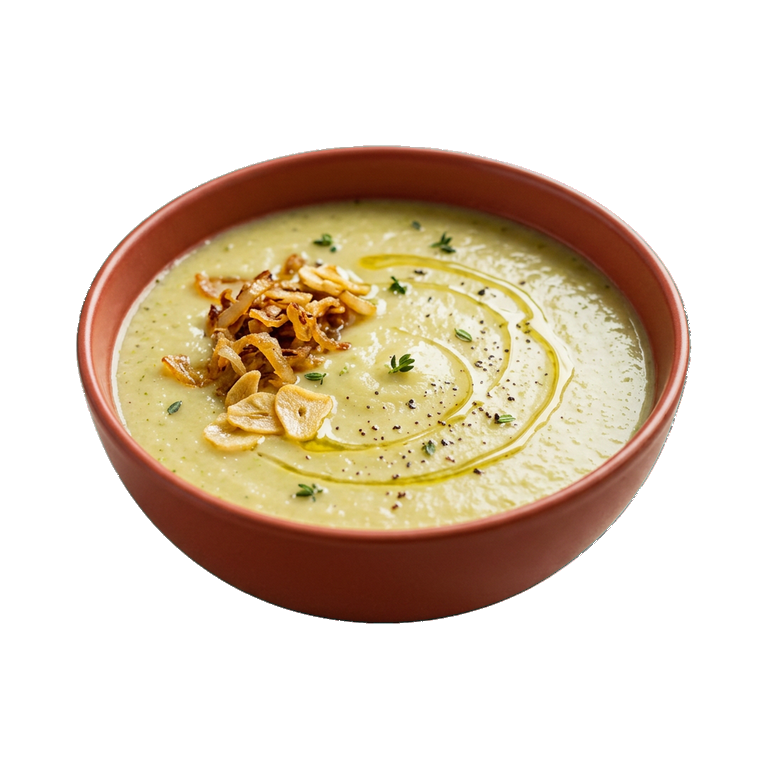
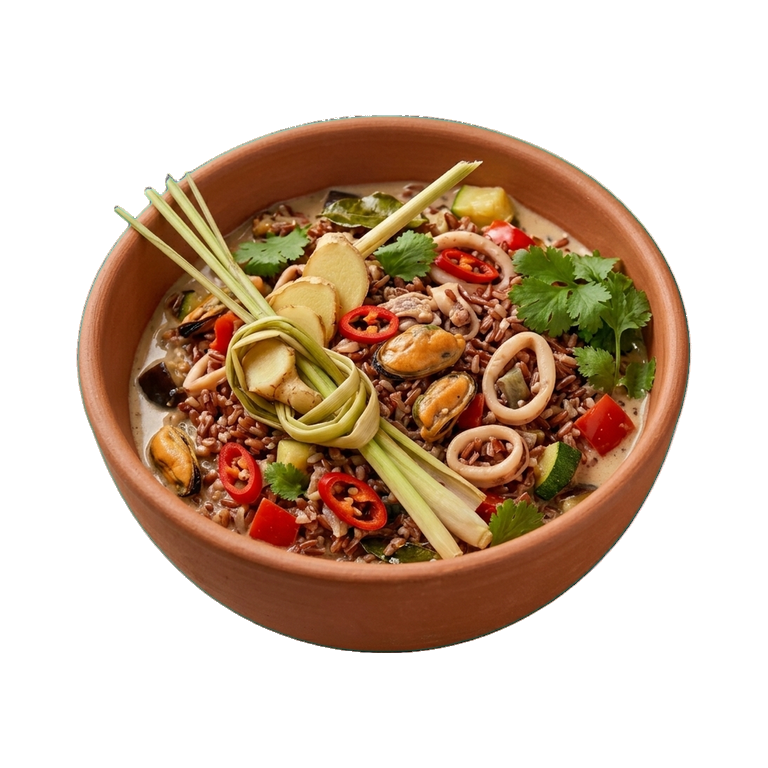
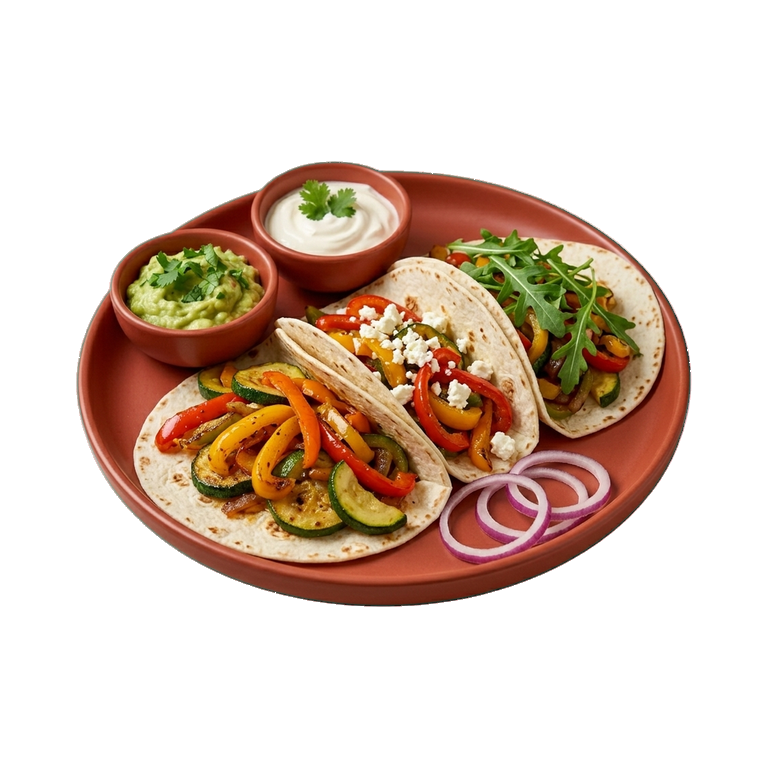
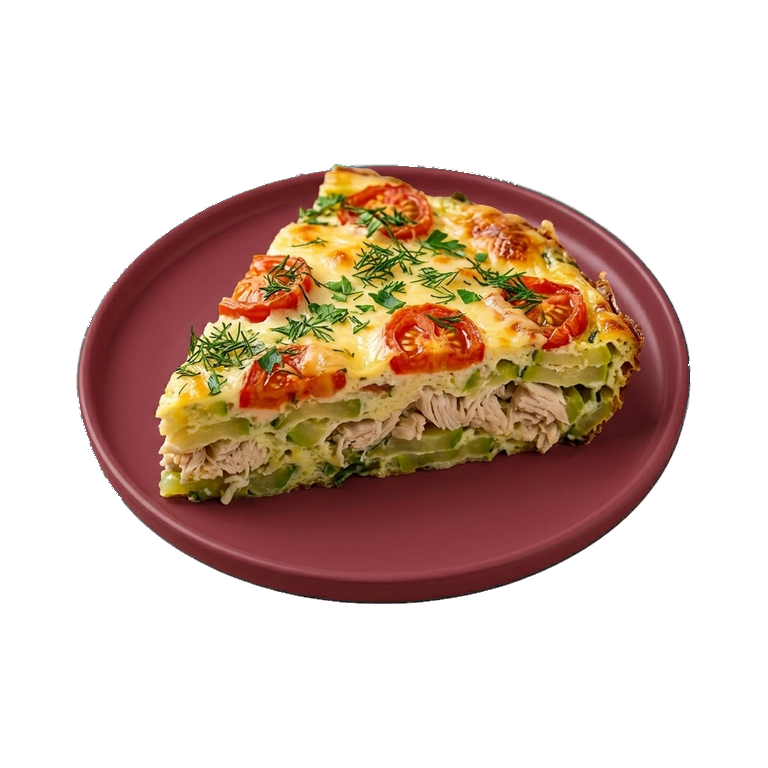
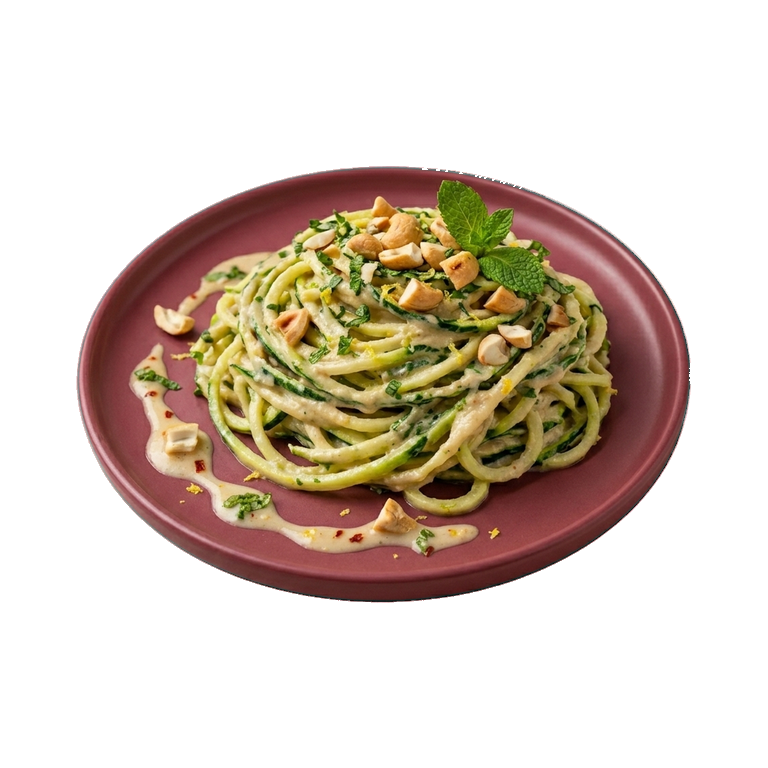
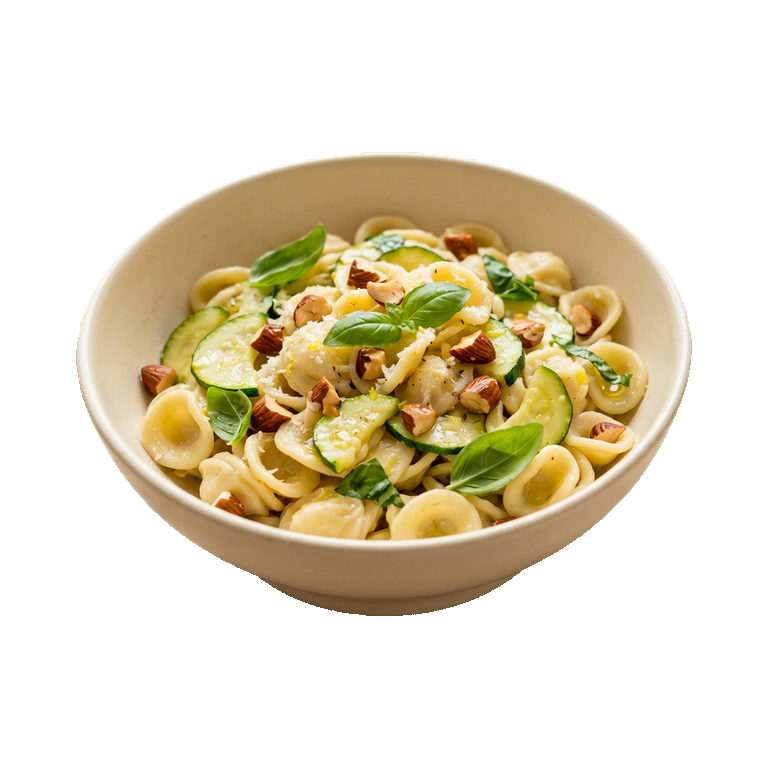
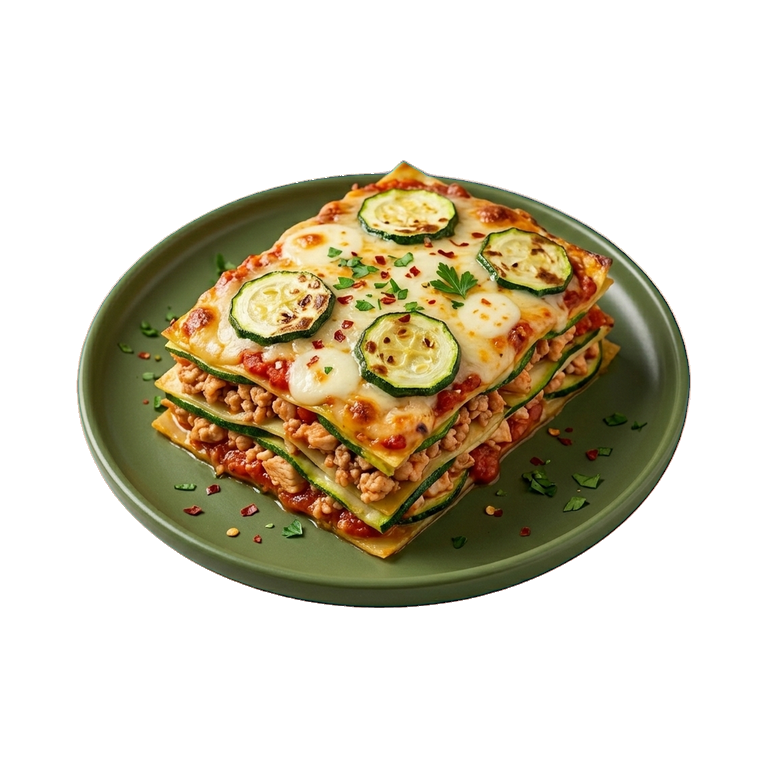
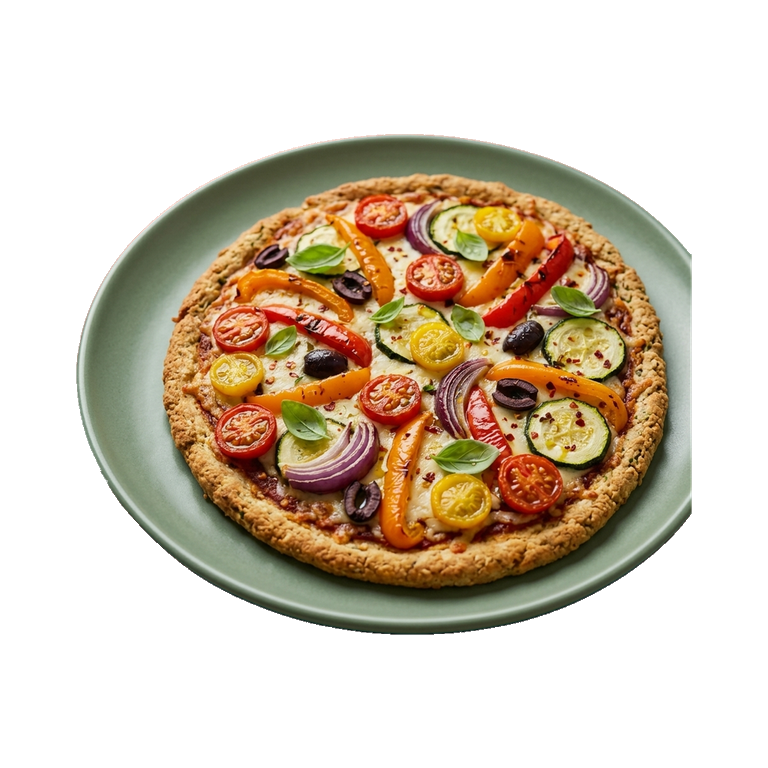
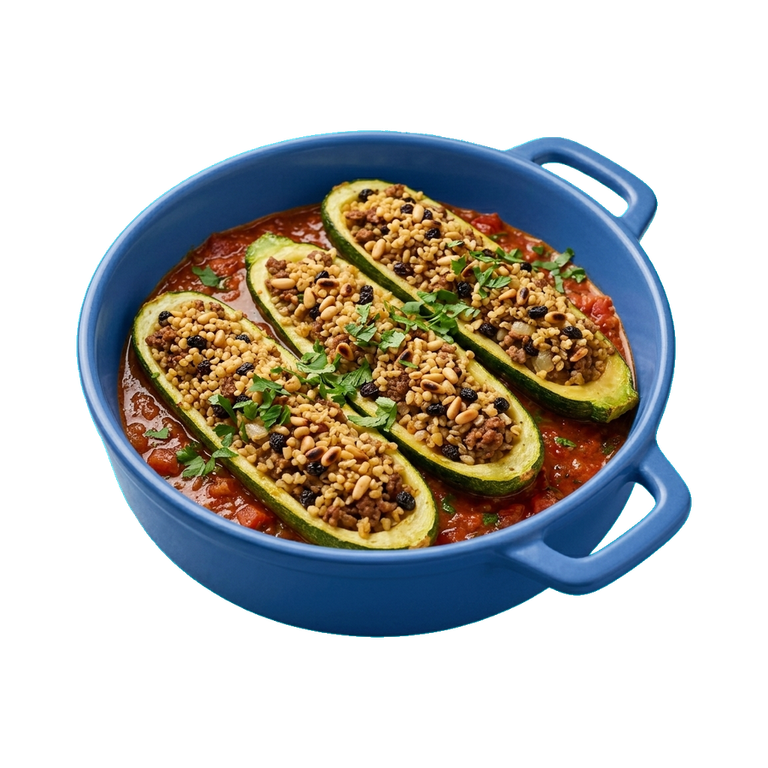
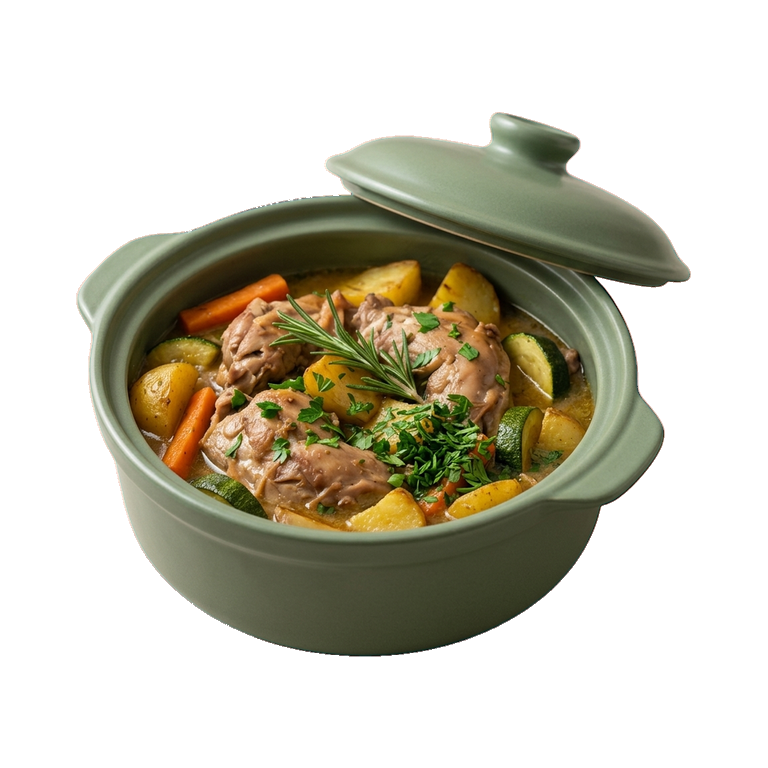
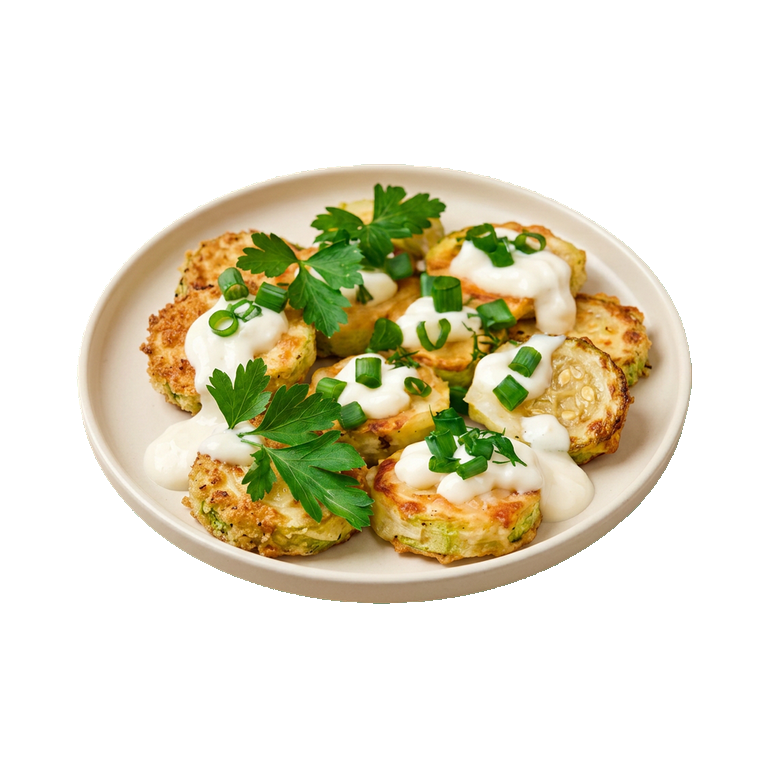
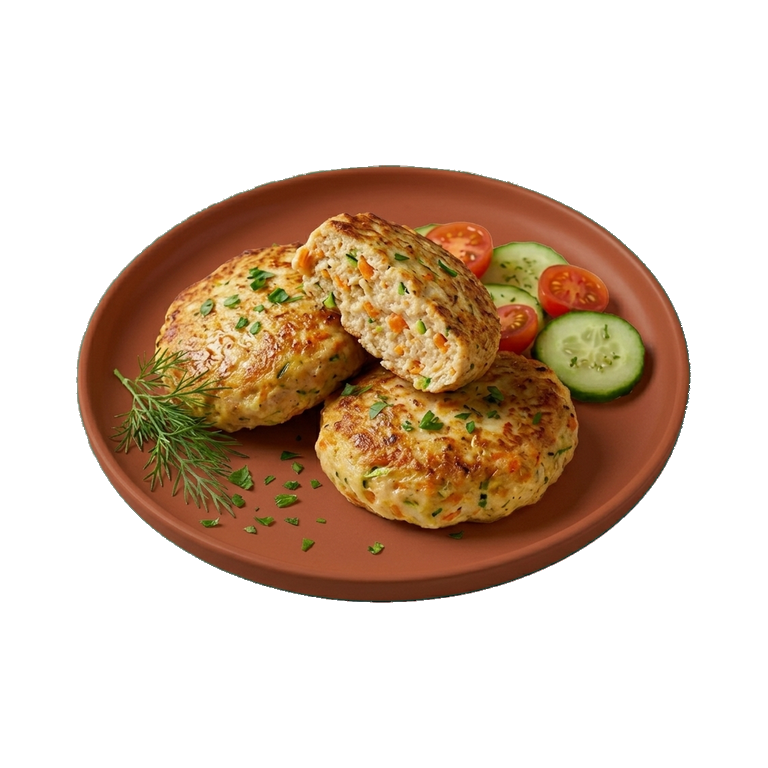
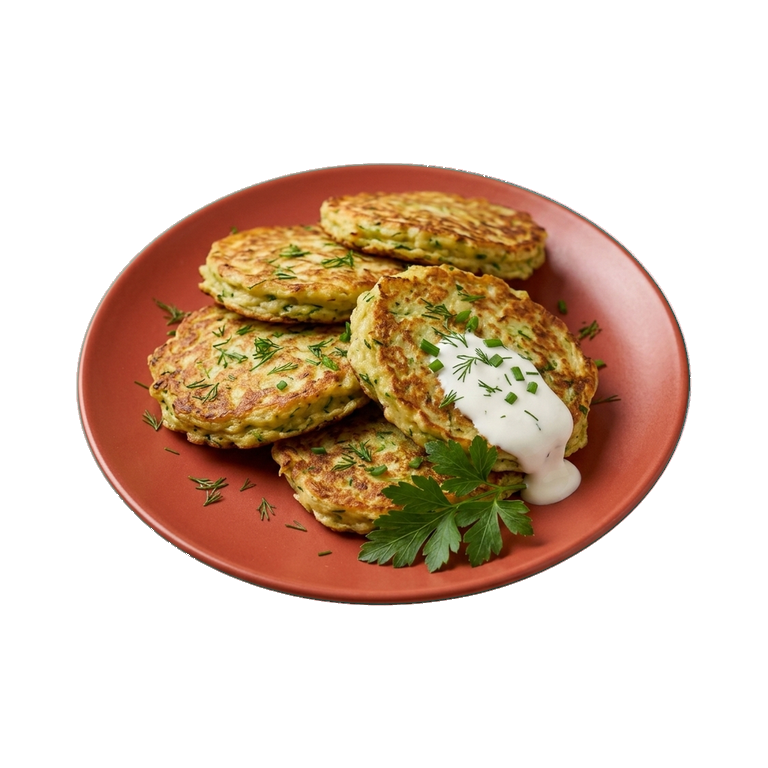
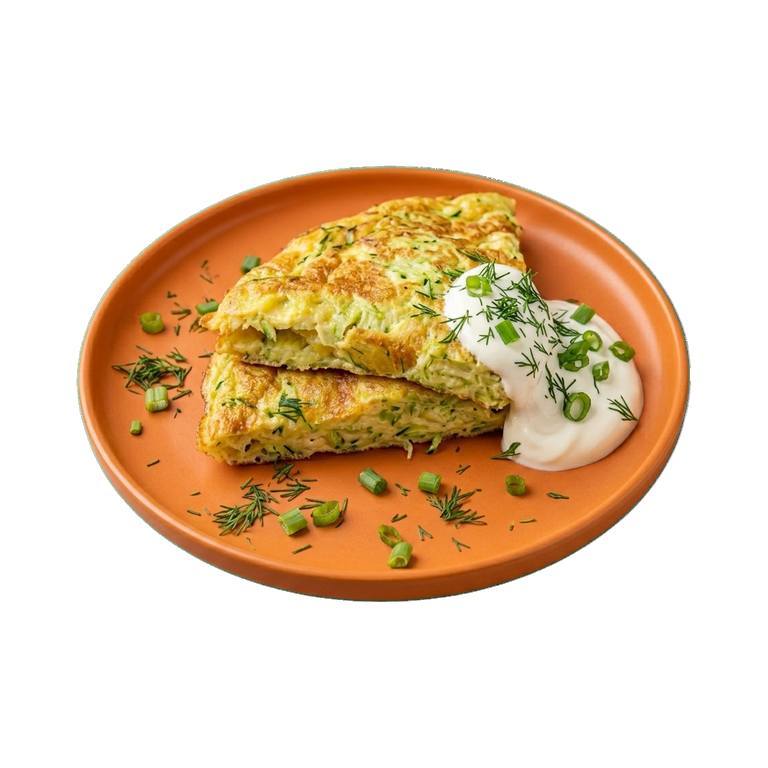
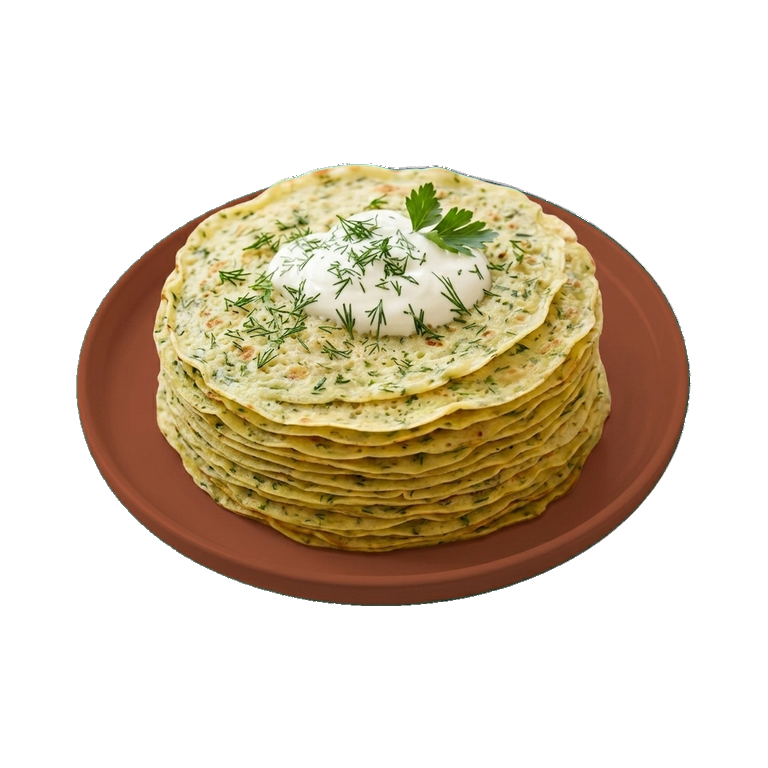
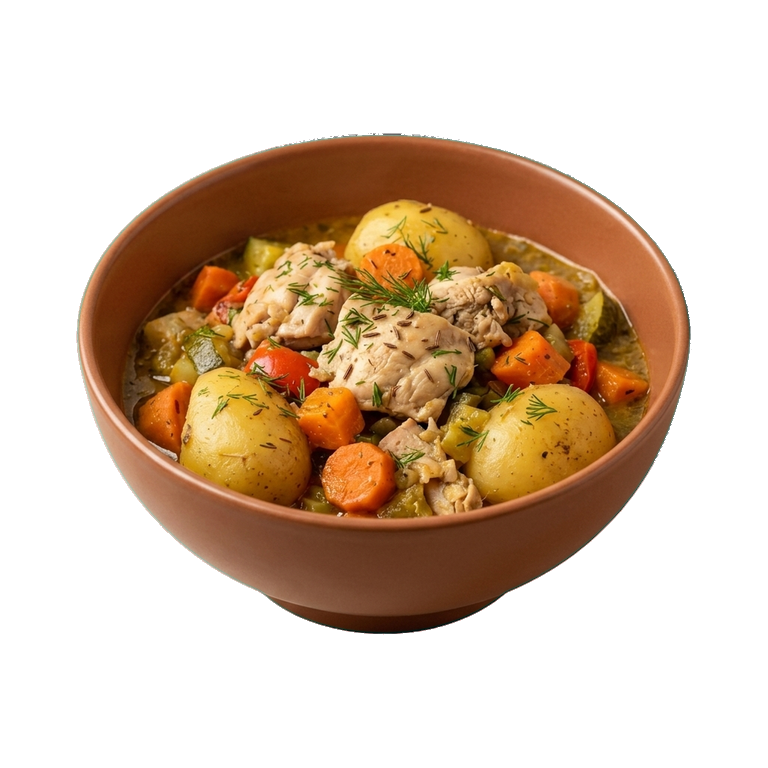
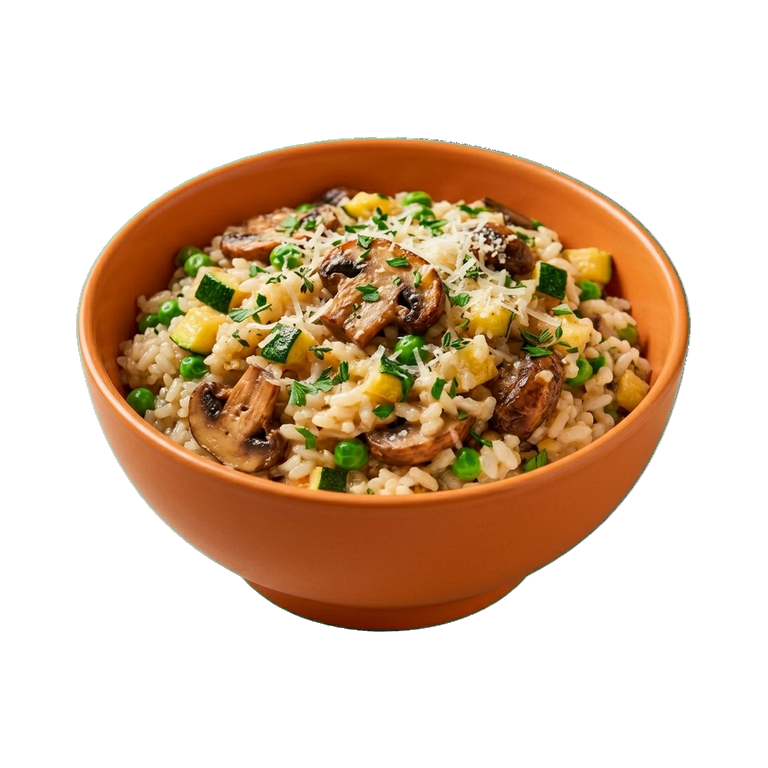
Zucchini are young squash fruits with tender light-green or yellow skin and soft flesh, harvested before full maturity. They have a mild, slightly sweet taste and a practically neutral aroma, which allows them to readily absorb the flavors of other ingredients and spices. Zucchini are versatile in cooking: they can be fried, stewed, baked, grilled, added to stews and soups, used for stuffing, or sliced thinly as a pasta substitute. When selecting, prefer young fruits with thin skin that are easier to cut and do not require peeling; large zucchini can be watery and contain large seeds.
Micronutrients
per 100 g
About
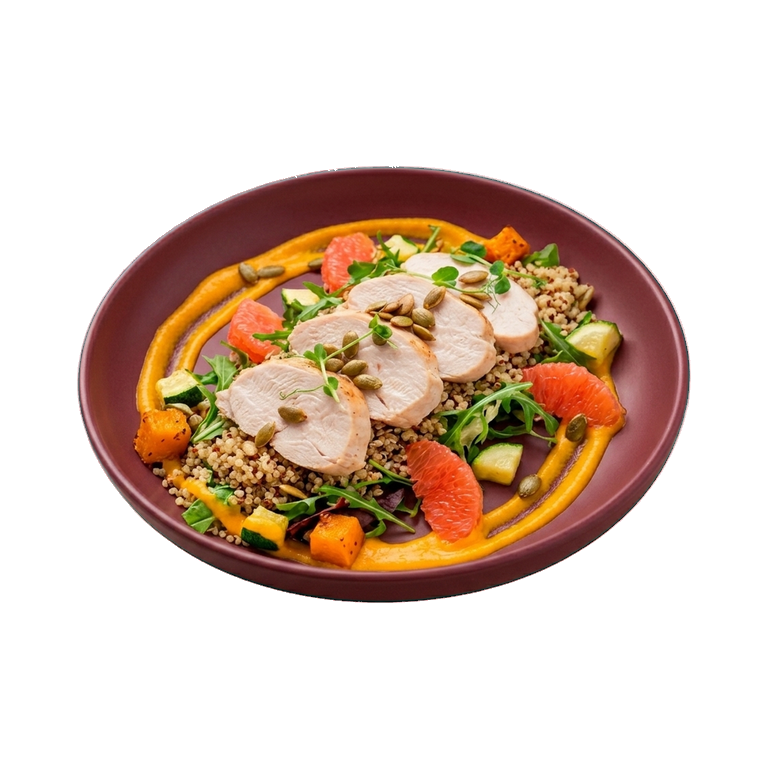
Zucchini is one of the most rewarding vegetables in the kitchen. They are neutral in flavor, cook quickly, and absorb the aromas of neighboring ingredients like a sponge. This makes them an ideal canvas for experimentation: from light summer stews to hearty casseroles and even sweet breads.
Taste and Texture
Young zucchini (15–20 cm long) are the most tender. Their flesh has almost no seeds, the skin is thin and edible, and the taste is delicate, slightly sweet. When fried, they become soft, almost creamy inside, with browned edges. Larger specimens are denser and require longer cooking, but they hold their shape better in stews and soups.
How to cook and what to pair with
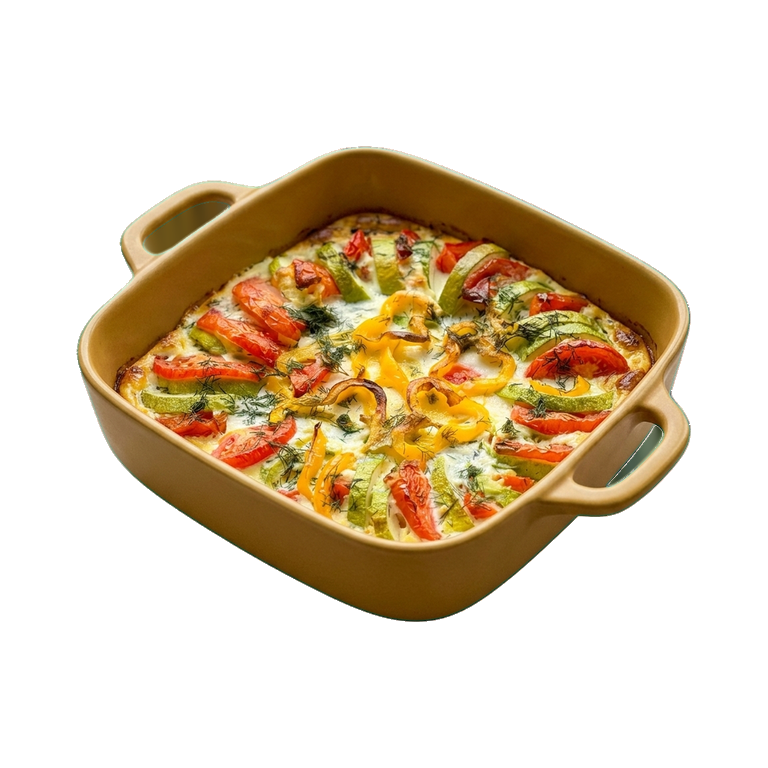
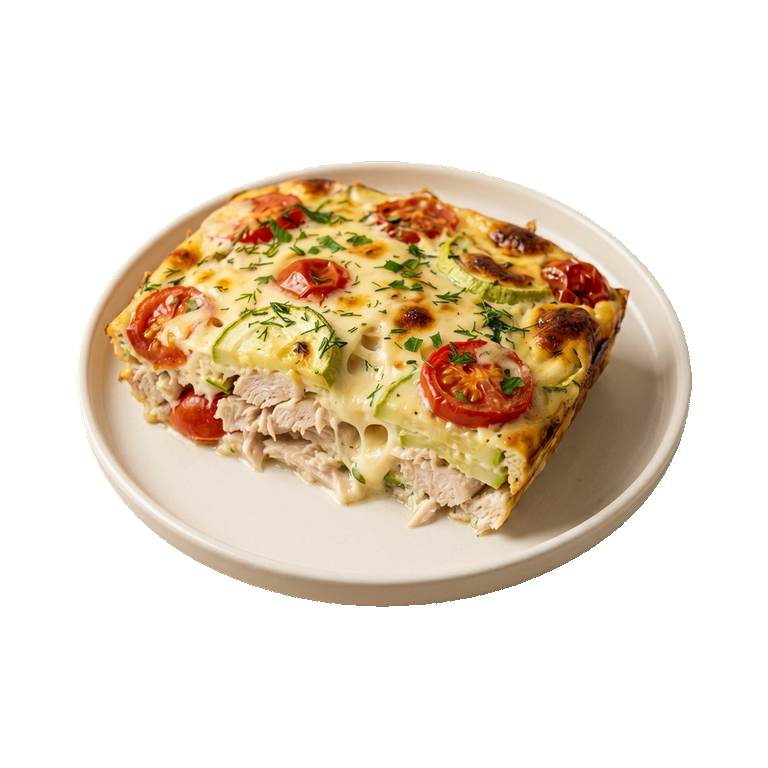
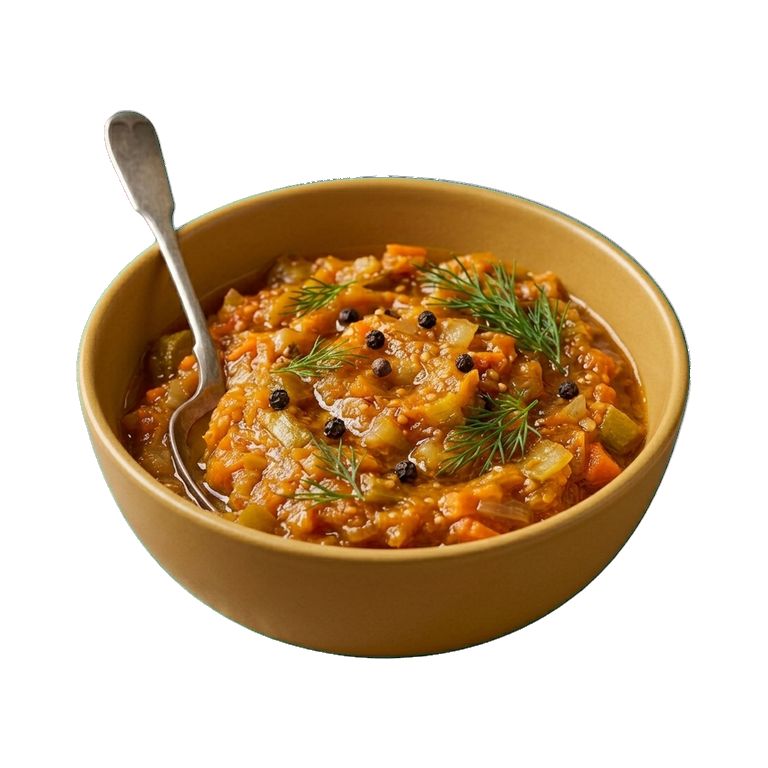
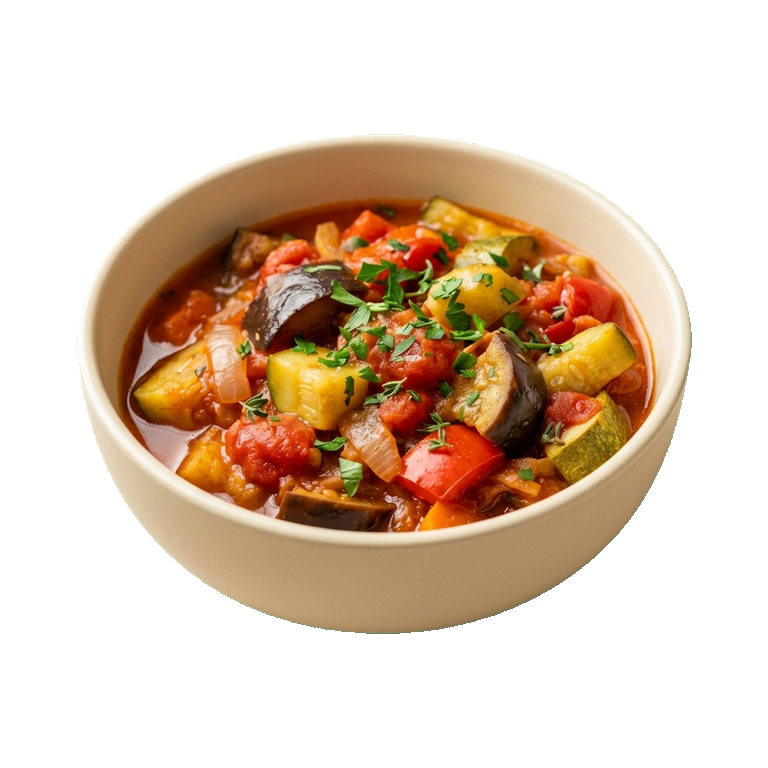
Main rule: do not overcook. Zucchini loses its structure and becomes watery. Fry them on high heat in oil to get a golden crust — this will take only 3–4 minutes on each side. Stew in tomato sauce, bake in layers with cheese, add to vegetable soups a couple of minutes before serving.
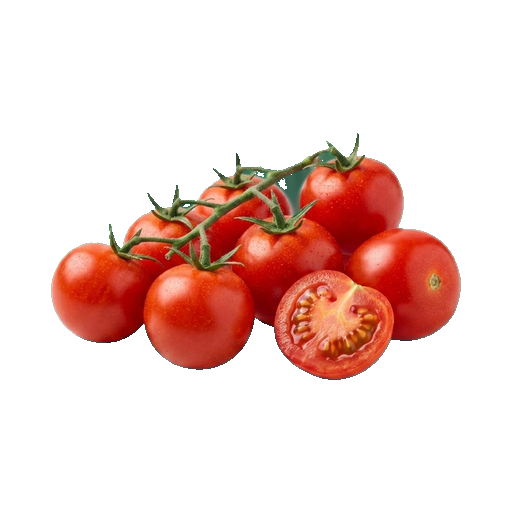
- Tomatoes, garlic and basil — a classic Mediterranean trio
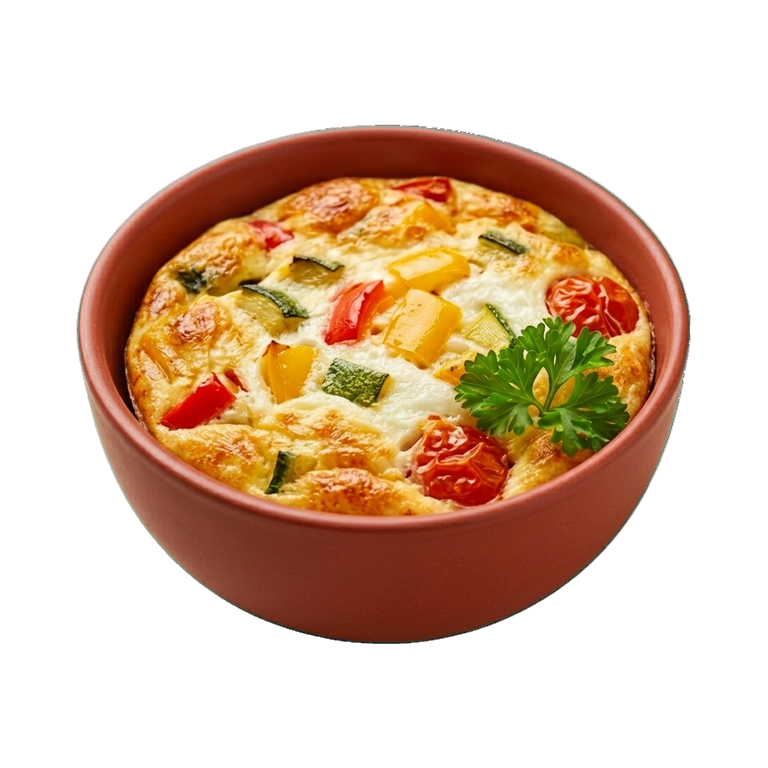
- Butter and cheese (parmesan, mozzarella) — for casseroles and side dishes
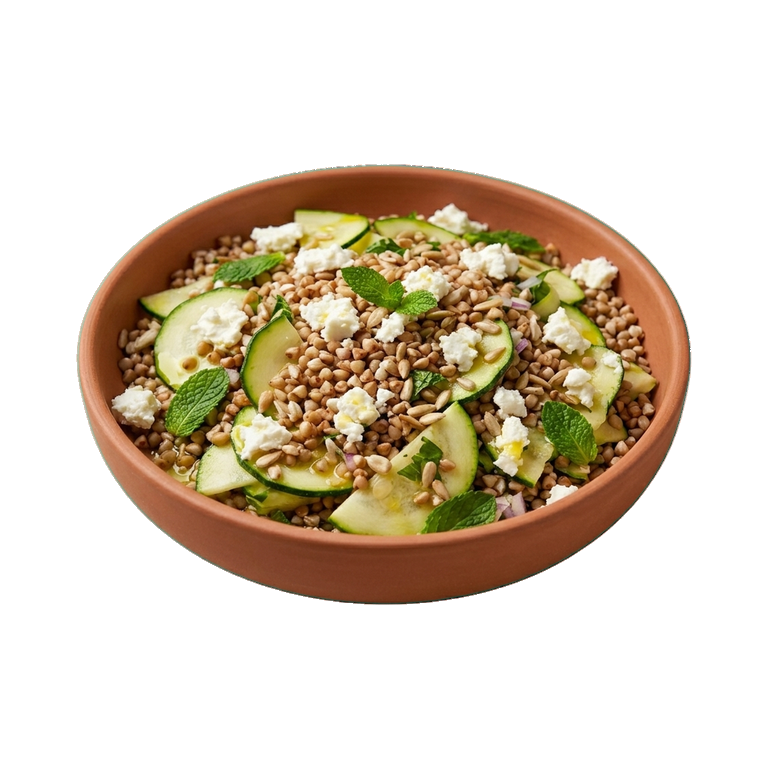
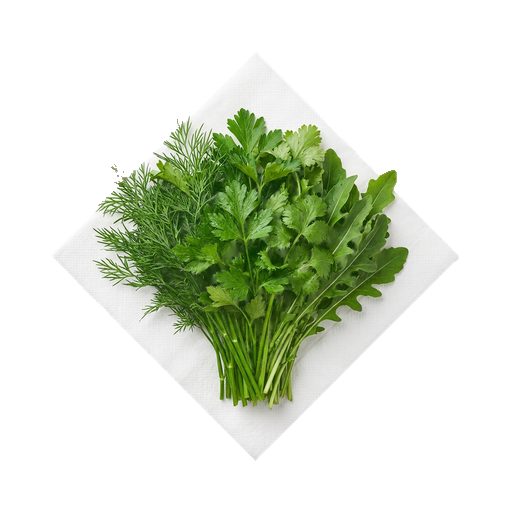
- Lemon and herbs (dill, parsley) — for light summer dishes
- Hot spices (turmeric, cumin, coriander) — for Middle Eastern and Indian recipes
- Walnuts and honey — for unusual appetizers and side dishes
Selection and Storage
When shopping, choose zucchini with smooth, shiny skin free of spots and soft patches. They should be heavy for their size — this is a sign of juiciness. Overly large vegetables are often fibrous and tasteless.
Zucchini can be stored in the refrigerator for up to two weeks in the vegetable drawer. Do not place them next to fruits — the ethylene they release will accelerate spoilage. For longer-term storage, slice the zucchini into rings, blanch in boiling water for 3 minutes, cool, and freeze — these preparations are useful for stews and soups.
Zucchini is versatile and forgiving for beginner cooks. They work equally well in a simple side dish or a complex multi-component meal. In summer, you can cook them almost every day — and each time it will be different.
Nutrition
per 100 g
- Calories
- 24 kcal
- Protein
- 1.5 g
- Fat
- 0.3 g
- Carbs
- 3.6 g
Micronutrients
per 100 g
Macronutrients
- Fiber
- 0.753 g
- Water
- 95.01 g
Minerals
- Sodium
- 0 mg
- Potassium
- 225.8 mg
- Calcium
- 20.85 mg
- Magnesium
- 15.29 mg
- Phosphorus
- 32.9 mg
- Iron
- 0.19 mg
- Zinc
- 0.26 mg
- Copper
- 0.06 mg
- Manganese
- 0.15 mg
Vitamins
- Vitamin C
- 15 mg
Measures and weight
- 1 pcs
- 250 g
Measure calculator
- Weight
- 100 g
- Calories
- 24 kcal