Usuba
Usuba
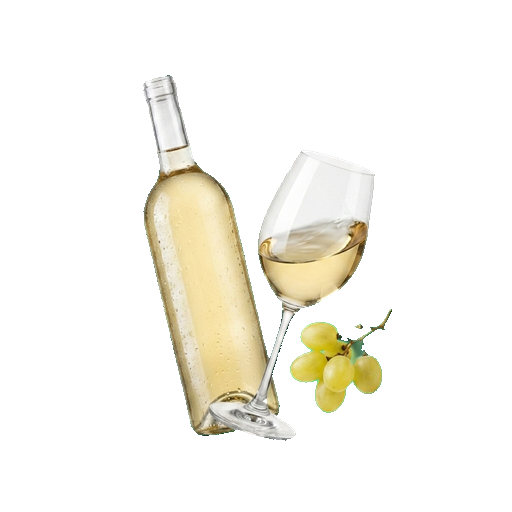
Dry white wine
Dry white wine is a beverage with minimal residual sugar content, produced from white grape varieties through complete or nearly complete fermentation. In cooking, it is used both for tasting and as an ingredient in the preparation of sauces, fish and seafood dishes, where its acidity and light fruity notes help enhance the flavor of the main dish. When selecting wine for cooking, it is worth choosing neutral, not overly aromatic varieties, so that the wine does not overpower the dish's flavor. As the wine heats, the alcohol evaporates, leaving the desired acidity and depth of taste.
About
Taste and Aroma
Dry white wine is a versatile kitchen helper that works thanks to its vibrant acidity and clean taste. Depending on the grape variety and region of production, it can smell of flowers, fresh grass, green apple, or citrus. On the palate, the wine leaves a light tannin and a pleasant aftertaste that doesn't overpower but rather enhances the other ingredients of the dish.
The main difference between dry wine and semi-sweet wine is the complete absence of residual sugar. This means that all the sugar from the grapes has been converted into alcohol during fermentation. For cooking, this is ideal: the wine won't add unnecessary sweetness to the dish and won't disrupt the balance of flavors.
Role in dishes
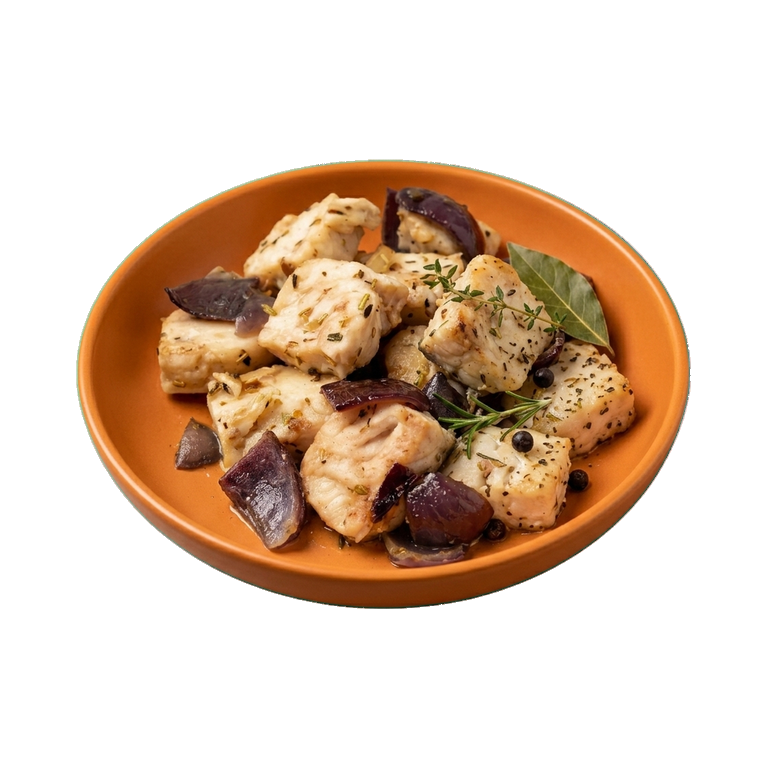
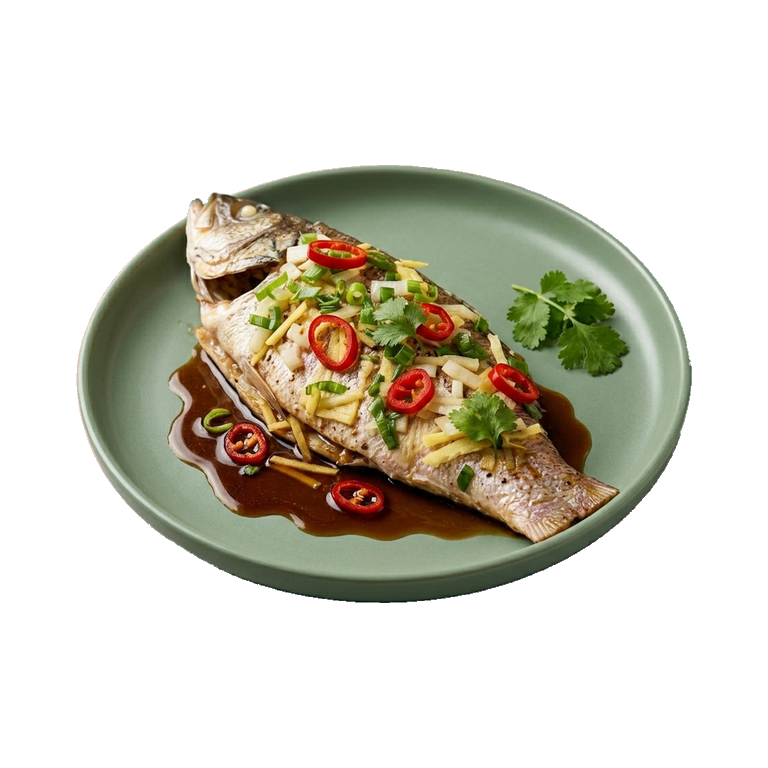
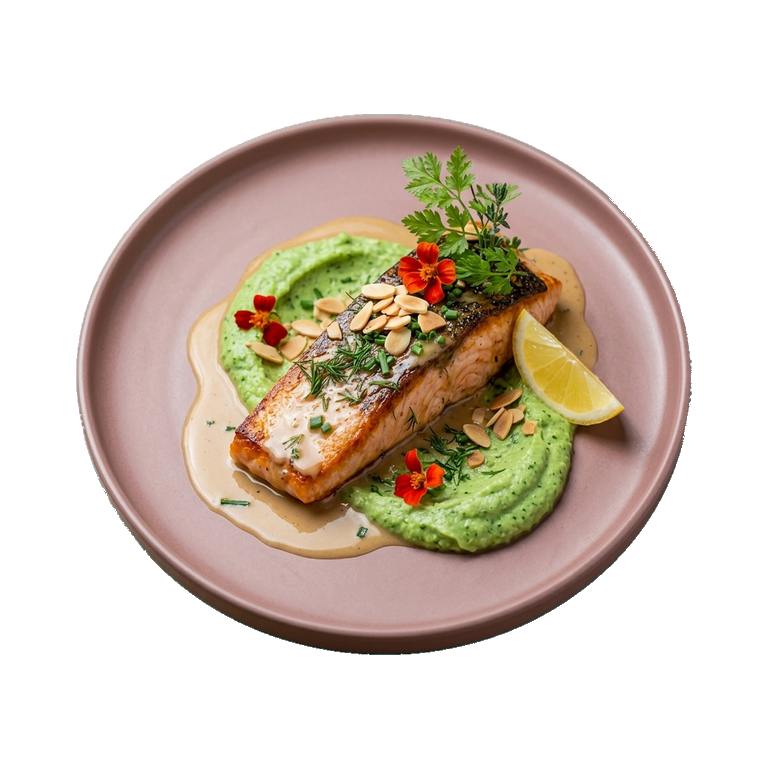
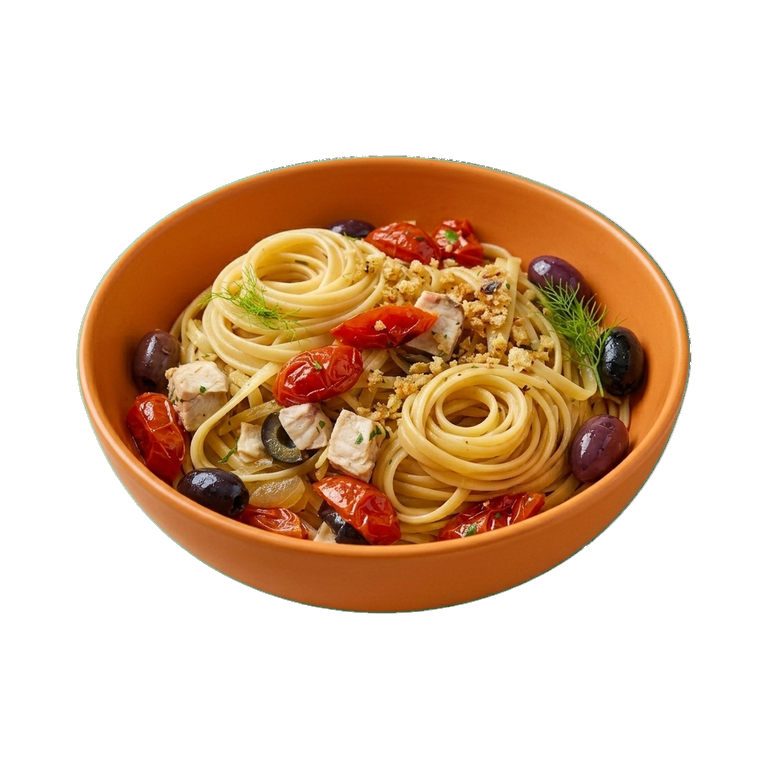
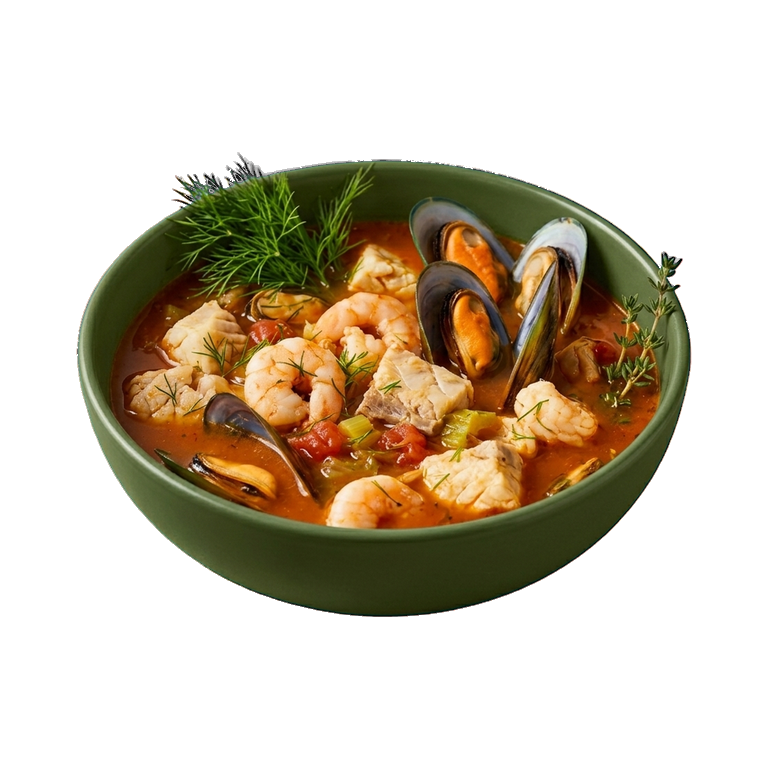
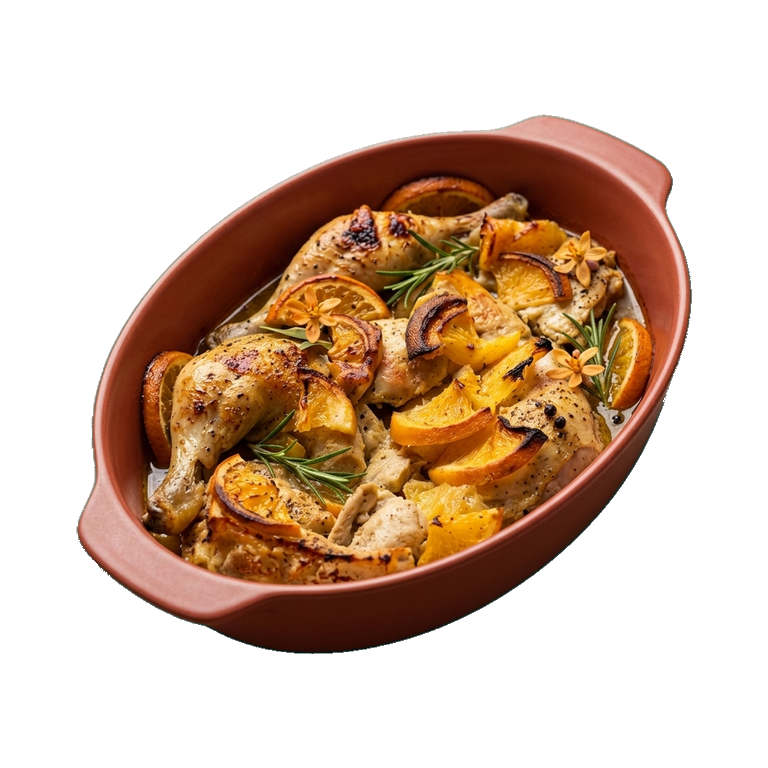
Dry white wine works in three main ways. First, it serves as a base for sauces — acidity helps emulsify butter and creates a smooth consistency. Second, wine marinates fish and seafood, softening the fibers and adding depth to the flavor. Third, it deglazes the pan after searing meat or vegetables, collecting all the delicious caramelized particles from the bottom.
- Sauces for fish and seafood — classic application
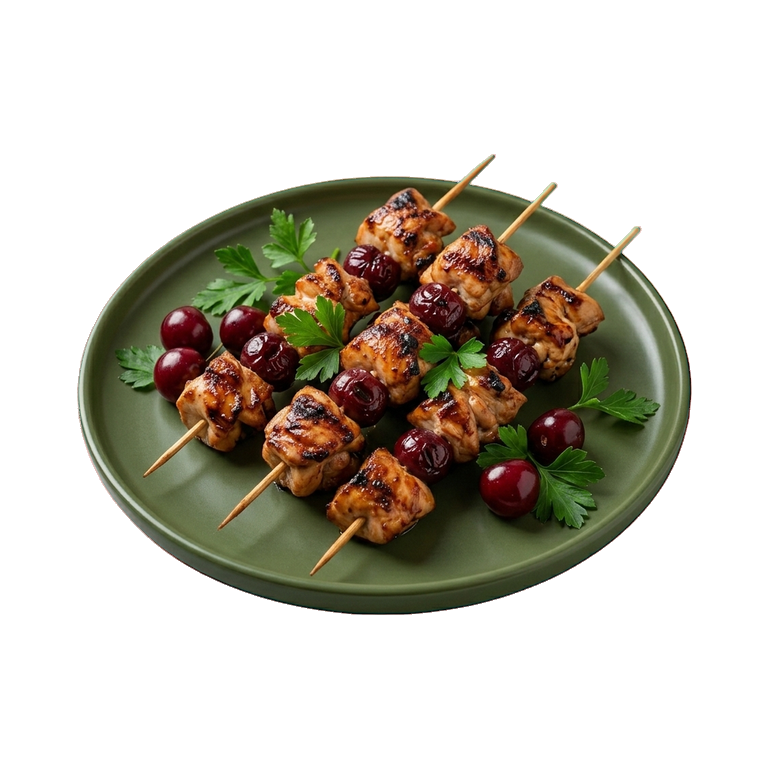
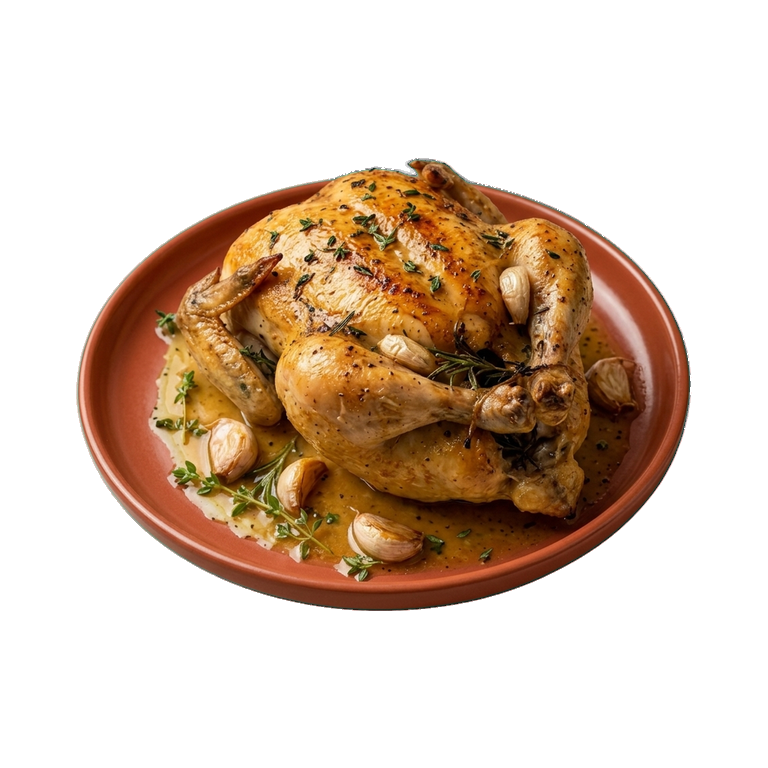
- Marinades for poultry and white fish
- Deglazing the pan after searing
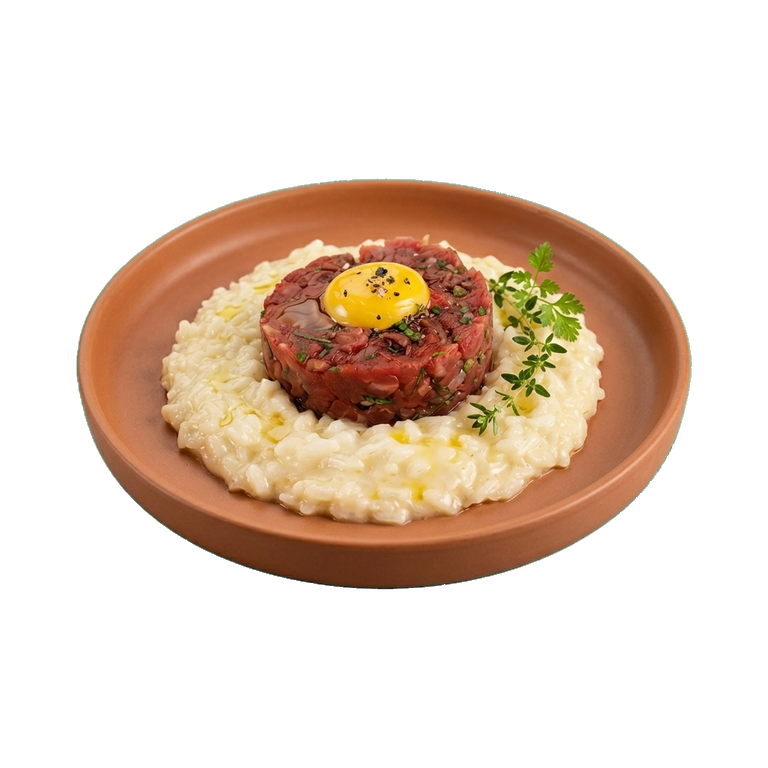
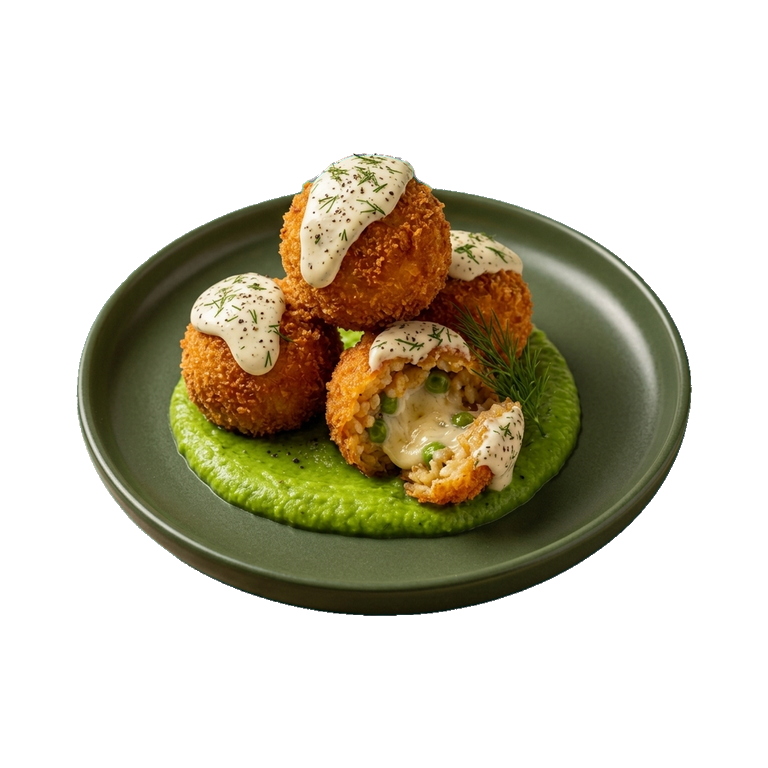
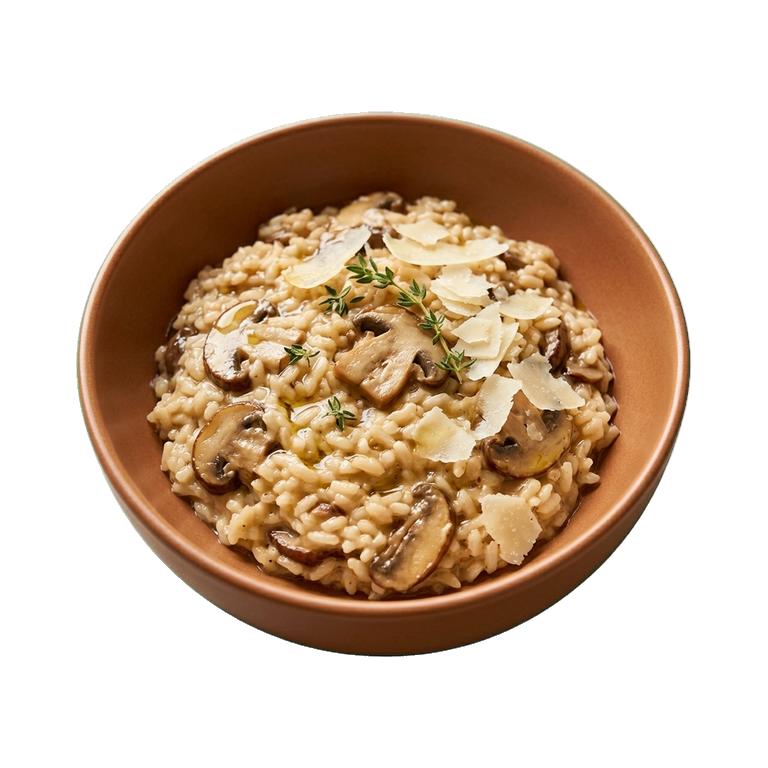
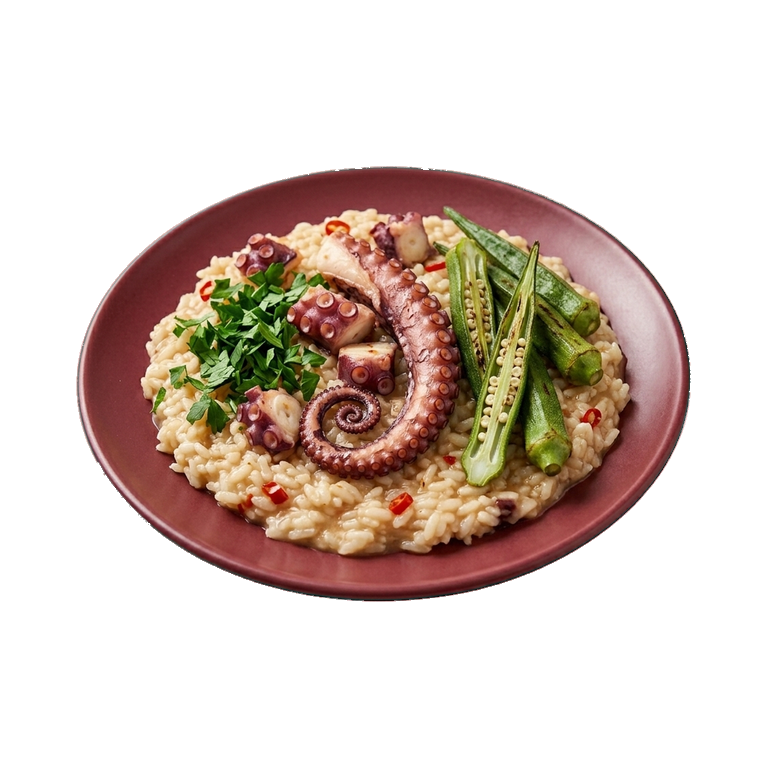
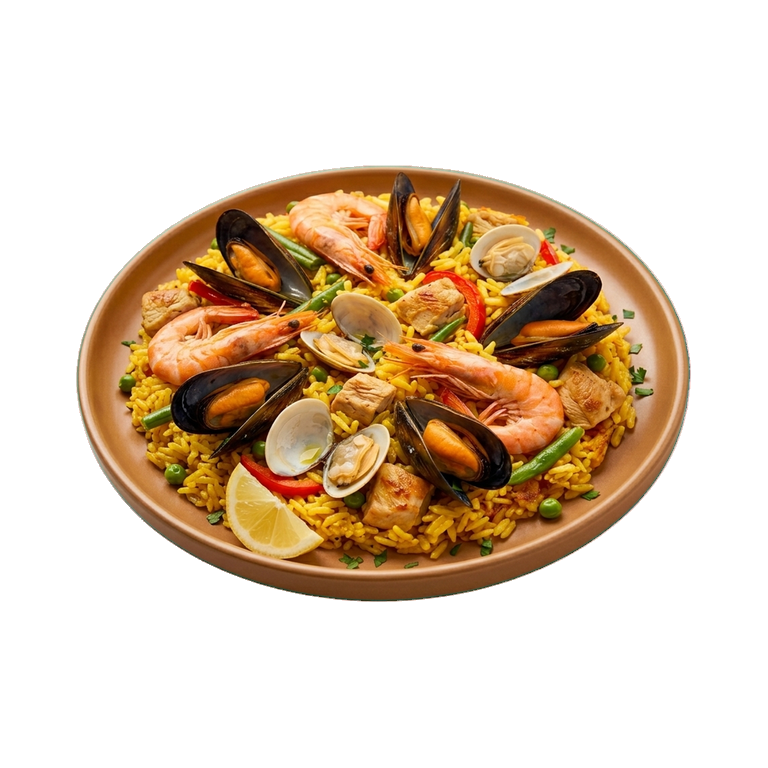
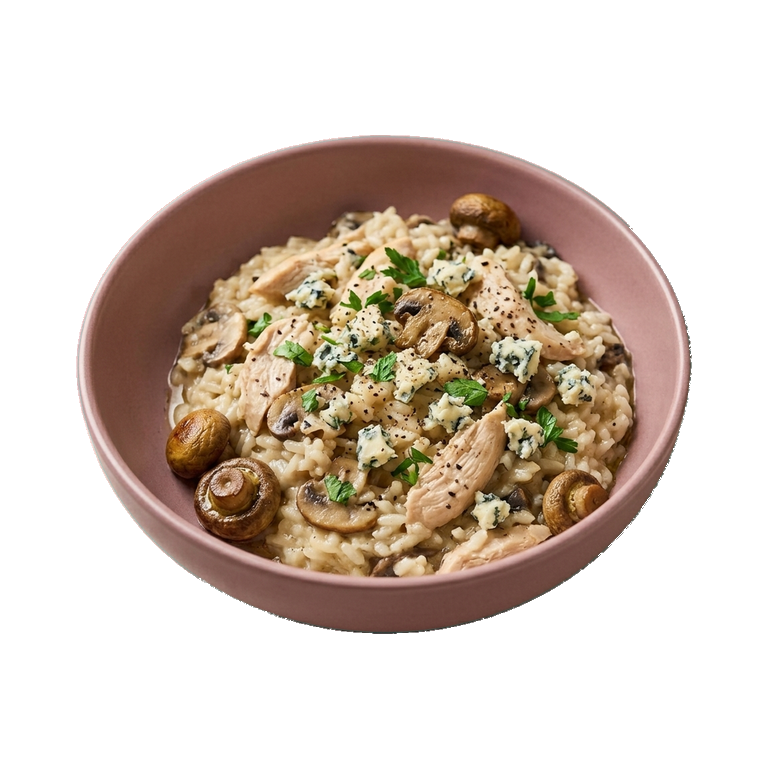
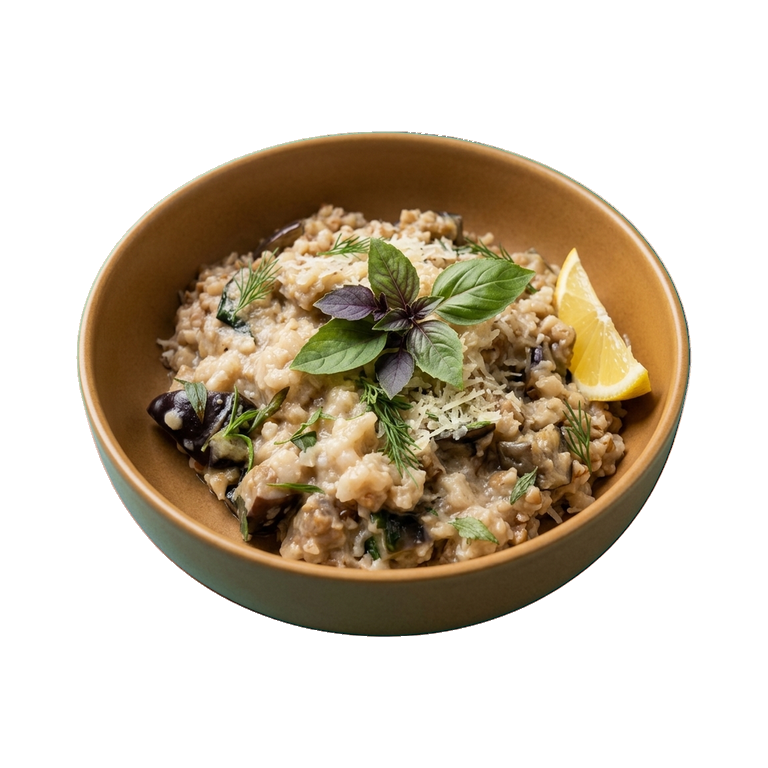
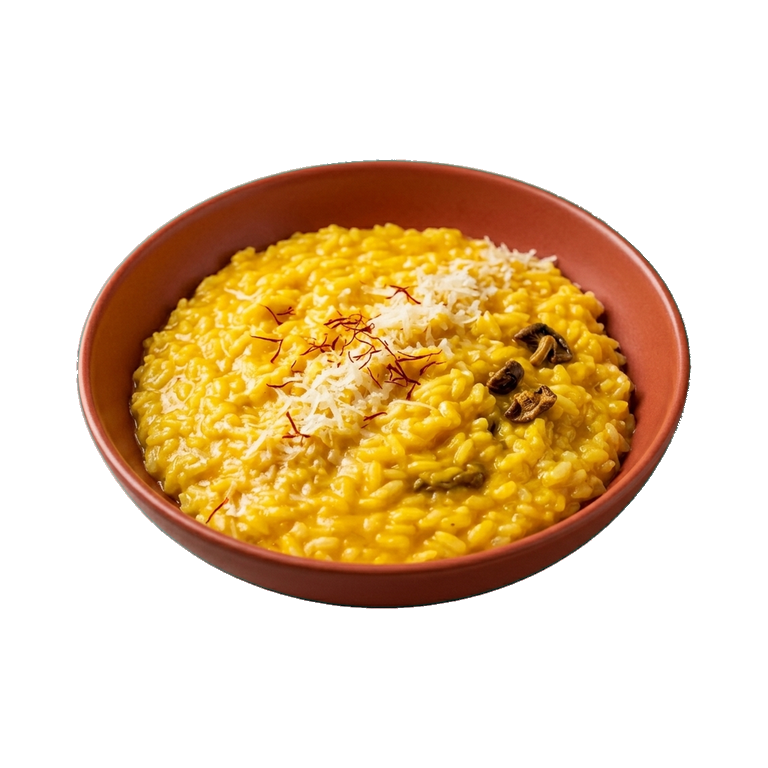
- Preparing risotto and paella
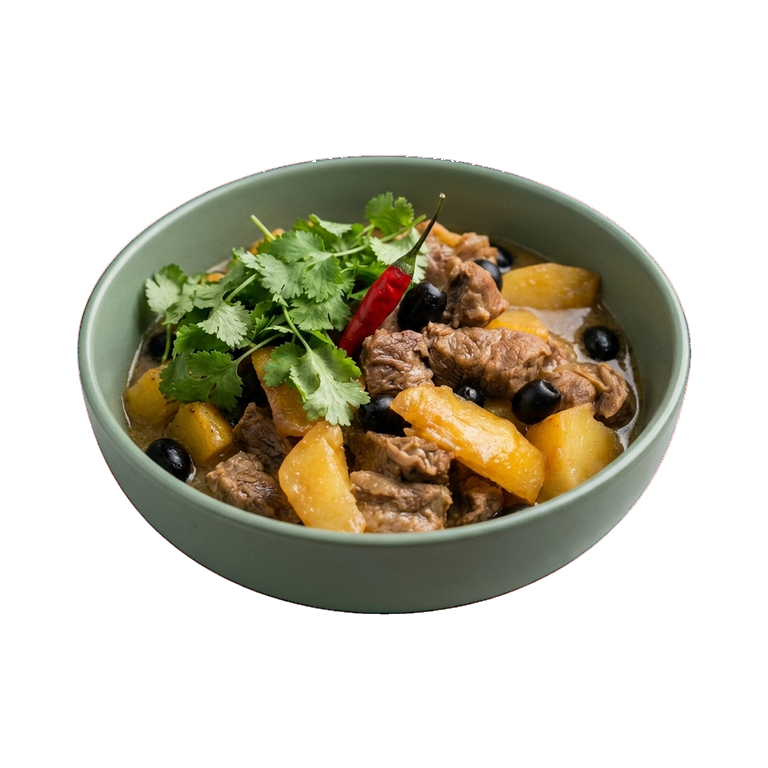
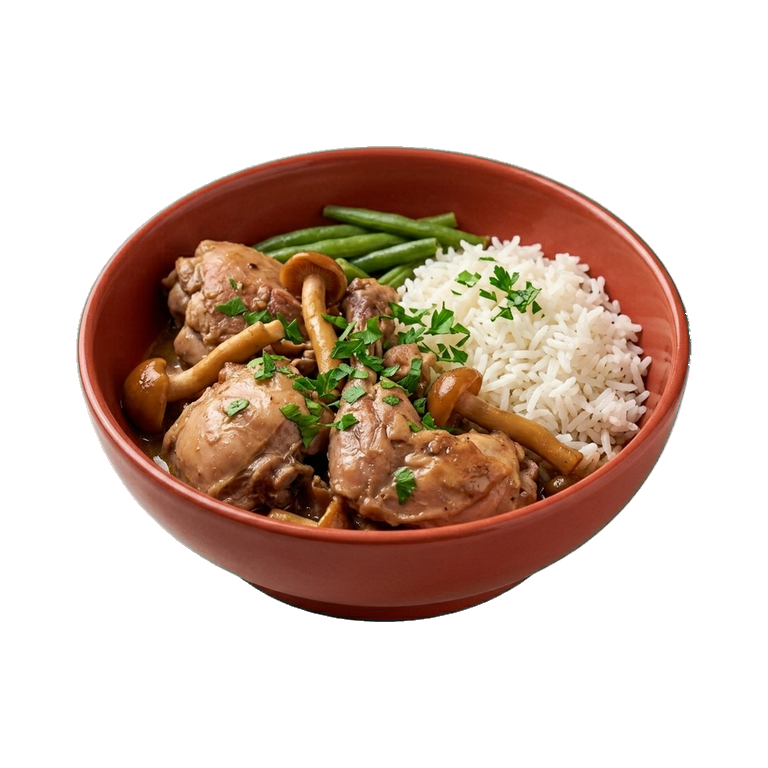
- Stewing vegetables and mushrooms
Selection and Use
You don't need to buy expensive wine for cooking — choose a mid-range wine that you would enjoy drinking yourself. Wine that tastes good to you will work well in your dish. Just avoid very cheap or oxidized wines with a sharp vinegar smell.
Important note: when heated, alcohol evaporates, but acidity and flavor compounds remain. The longer wine boils, the more alcohol evaporates. If you add wine at the end of cooking, alcohol will not completely evaporate, but this is normal for most dishes. Store an open bottle in the refrigerator — wine will last several days, although it's best to use it within 3-4 days after opening.
Food Pairings
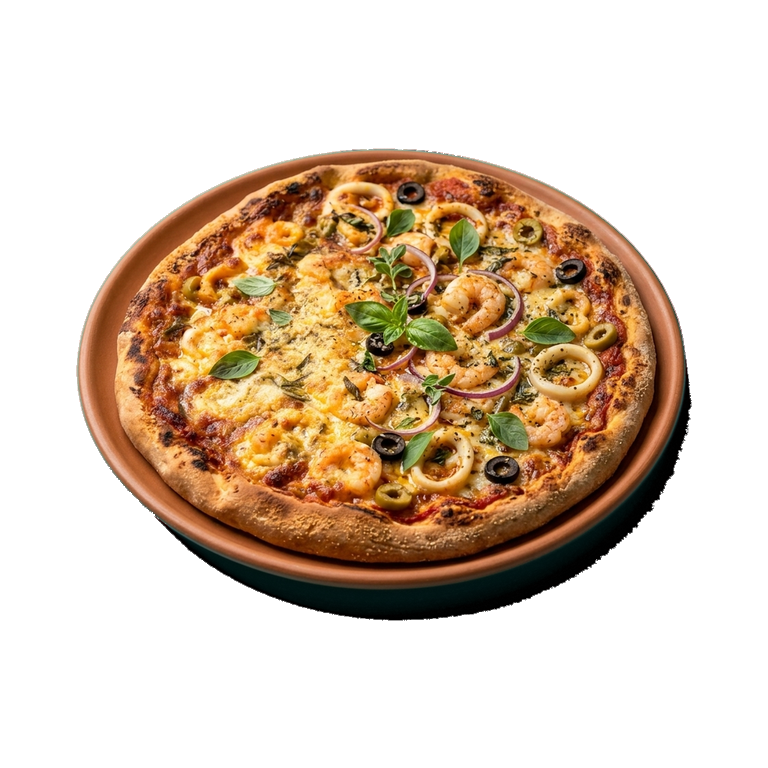
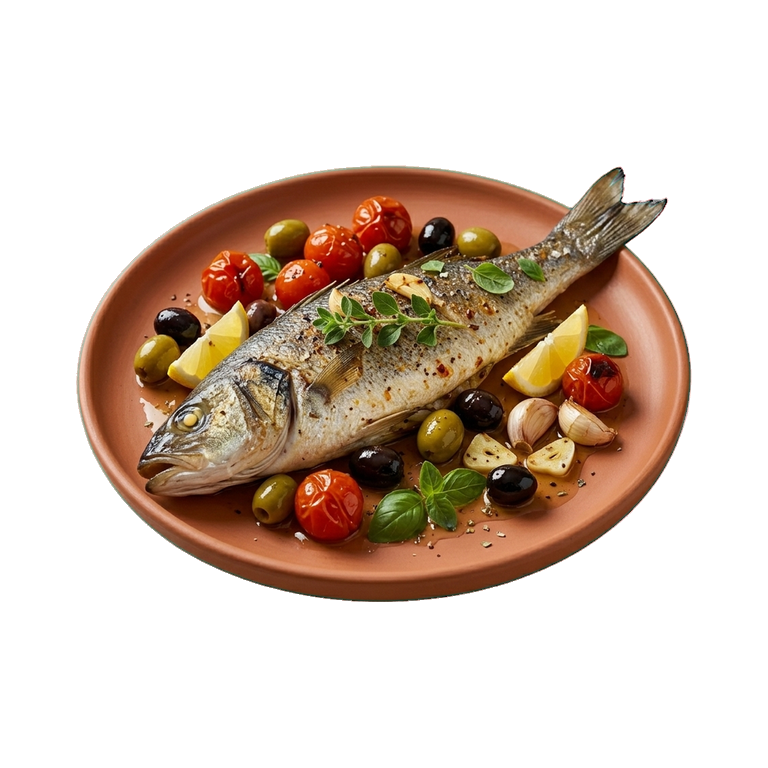
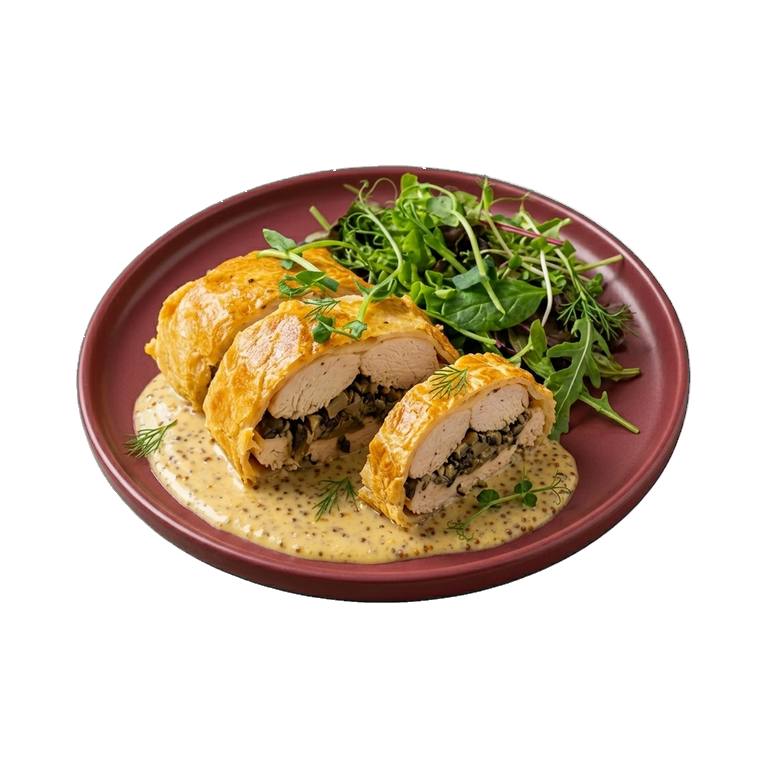
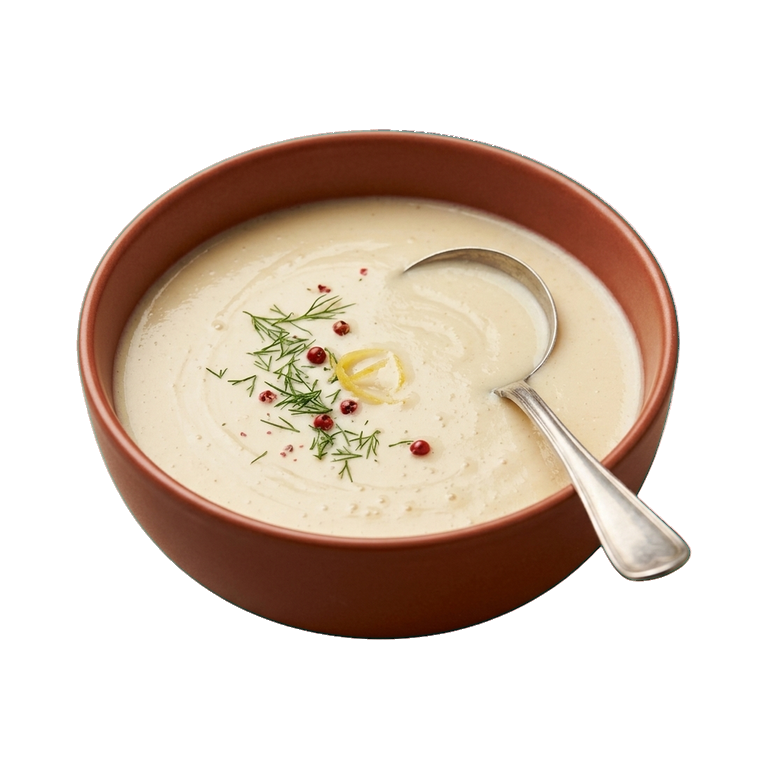
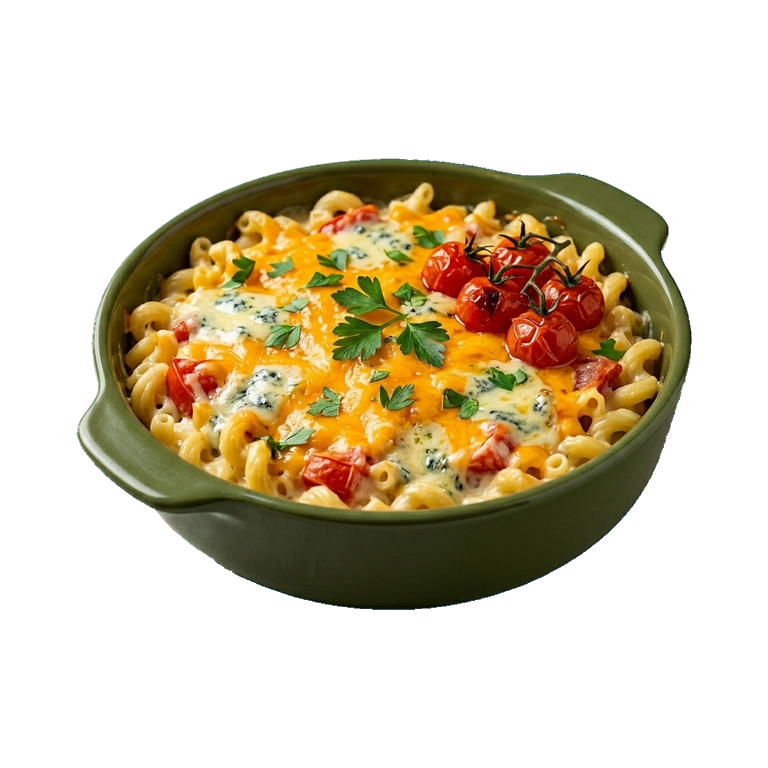
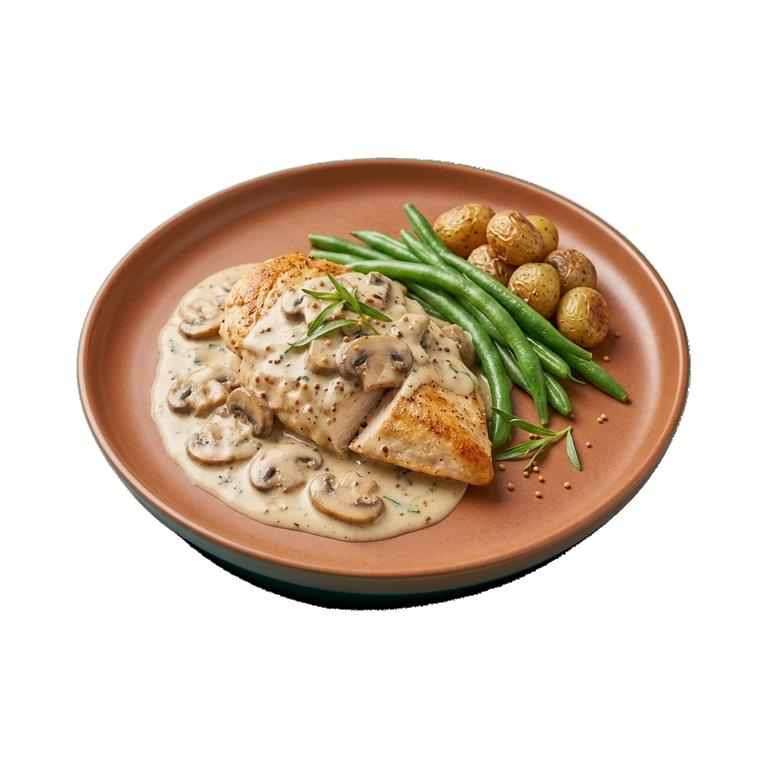
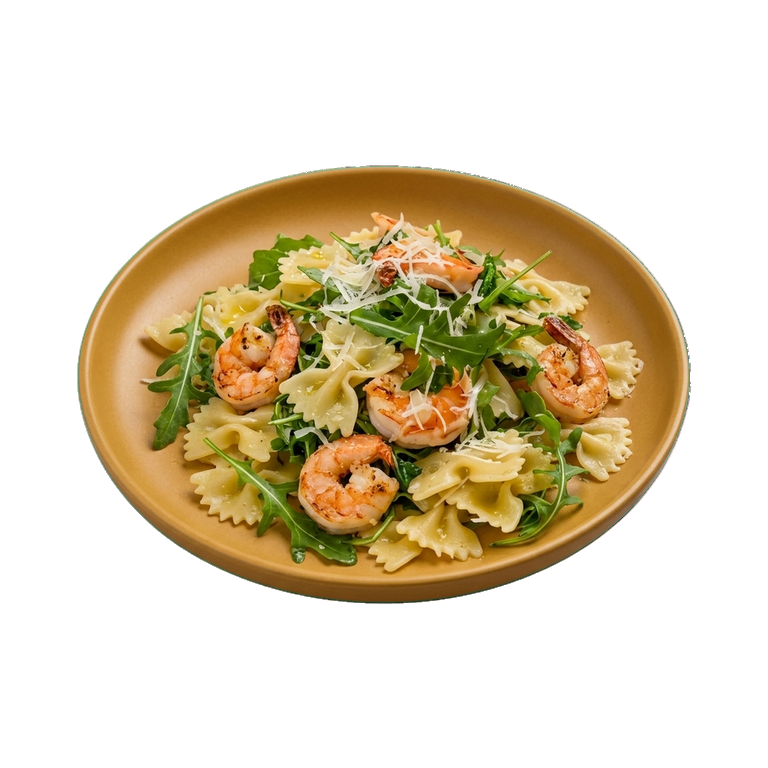
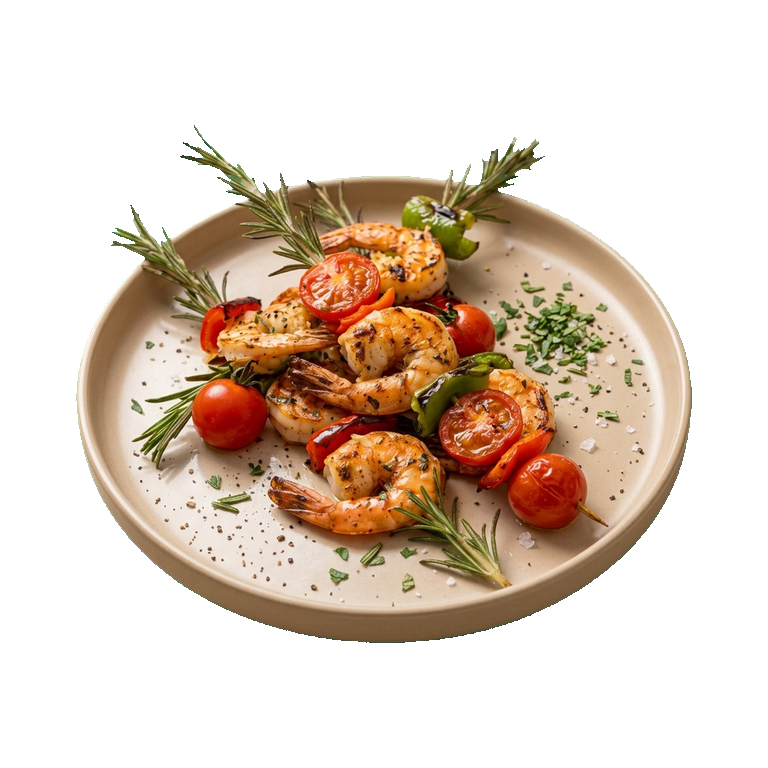
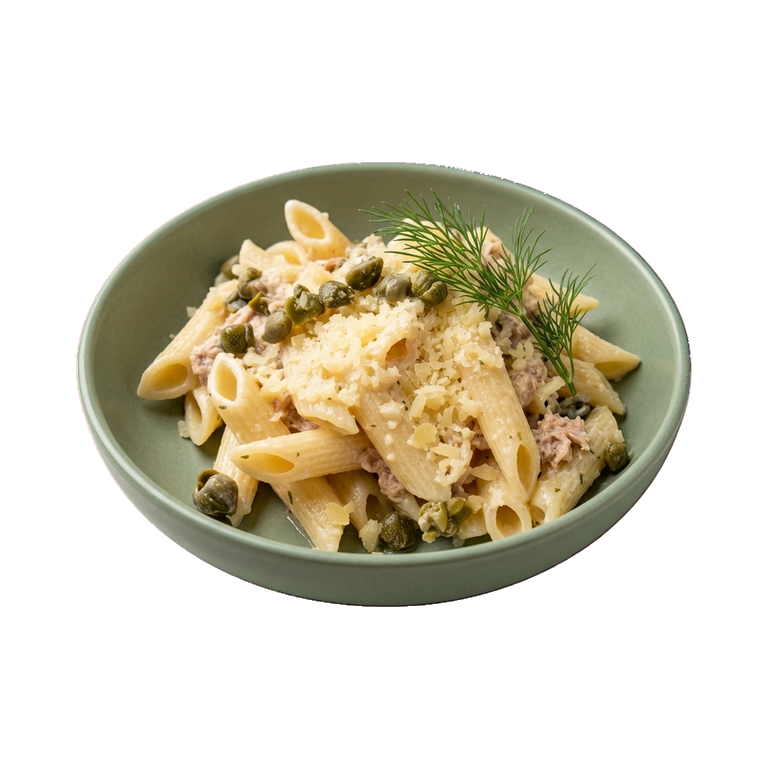
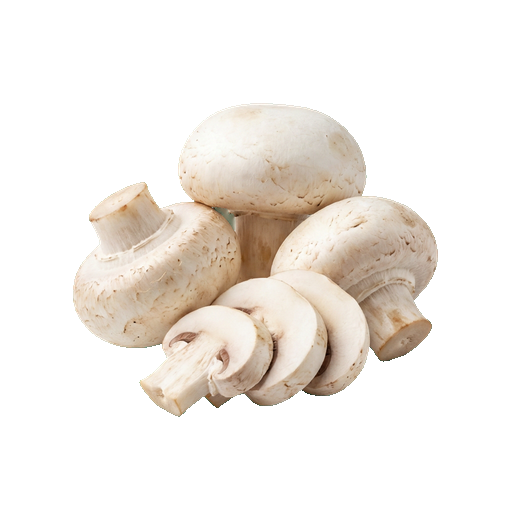
Dry white wine works well with dairy products — butter, cream, and sour cream. The wine's acidity helps them emulsify better and create smooth sauces. With seafood, wine is a natural partner: citrus or herbal notes highlight the freshness of fish and shrimp. Try it with mushrooms, especially white ones or button mushrooms — the acidity balances their earthy flavor.
Wine evaporates, but its flavor remains. This is the main rule of culinary use.
Try not to overdo it with the quantity. Usually, 100-200 ml of wine per dish for 4 servings is enough. If wine dominates too much in the finished dish, it means there was too much of it or it didn't evaporate enough. Try cooking longer or using a bit less next time.
Nutrition
per 100 ml
- Calories
- 66 kcal
- Protein
- 0.1 g
- Fat
- 0 g
- Carbs
- 0.6 g
Measures and weight
- 1 tbsp
- 14.8 g
- 1 tsp
- 5 g
- 1 cup
- 247.5 g
Measure calculator
- Weight
- 100 g
- Calories
- 67 kcal