Usuba
Usuba
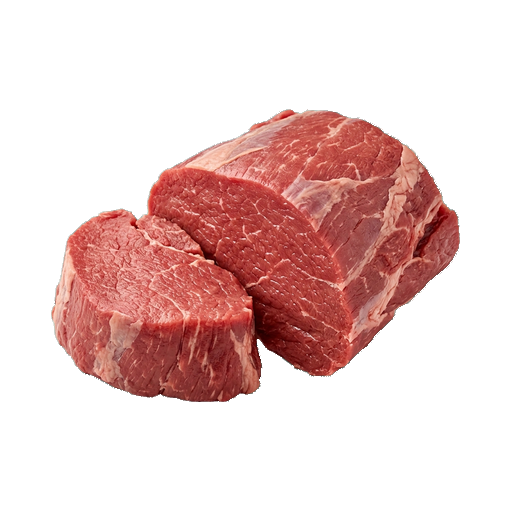
Beef tenderloin
Beef tenderloin is the most tender part of the beef carcass, located along the spine. The meat is characterized by minimal fat content, fine fiber structure, and delicate flavor, making it ideal for steaks, roast beef, and quick cooking over high heat. When cooking, it's important not to overcook the tenderloin — 2–3 minutes per side on a hot skillet is sufficient to retain juiciness, and the meat should rest for a few minutes before serving to allow the juices to redistribute.
Micronutrients
per 100 g
About
Beef tenderloin is the most tender part of the carcass, which hardly works during the animal's lifetime. That's why the muscle fibers here are thin and soft, and the meat is practically fat-free. For a chef, this means one thing: minimum effort, maximum result. Tenderloin forgives cooking mistakes and imparts tenderness even with simple preparation methods.
Taste and Texture
Tenderloin is distinguished by a delicate, barely perceptible beef flavor — it is not an aggressive, not a pronounced meat. The texture is dense but not fibrous: when properly prepared, a slice literally melts in your mouth. Due to its low fat content, tenderloin requires attention to cooking temperature — it is easier to overcook than marbled meat with good fat marbling.
Where to cook it
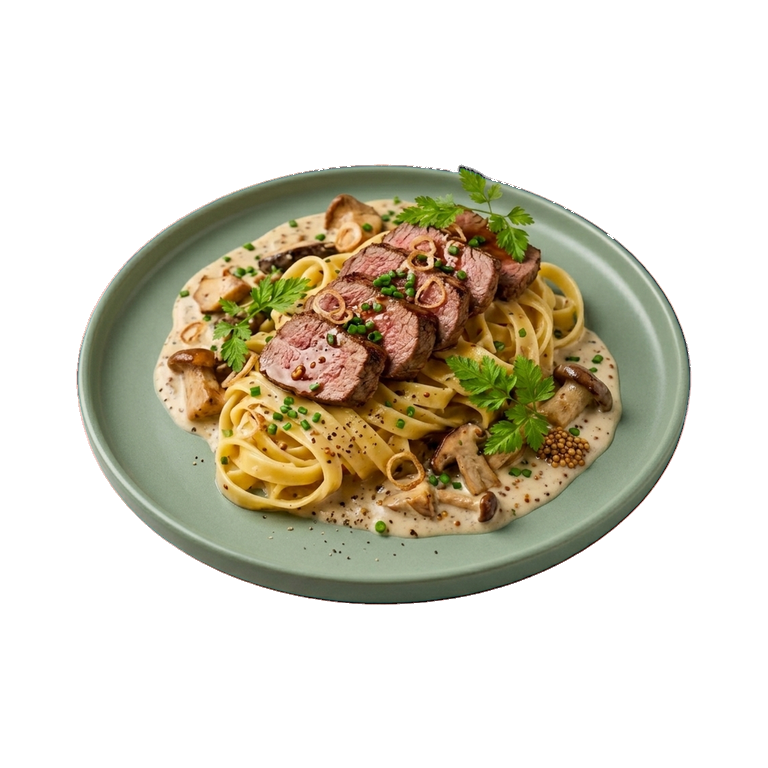
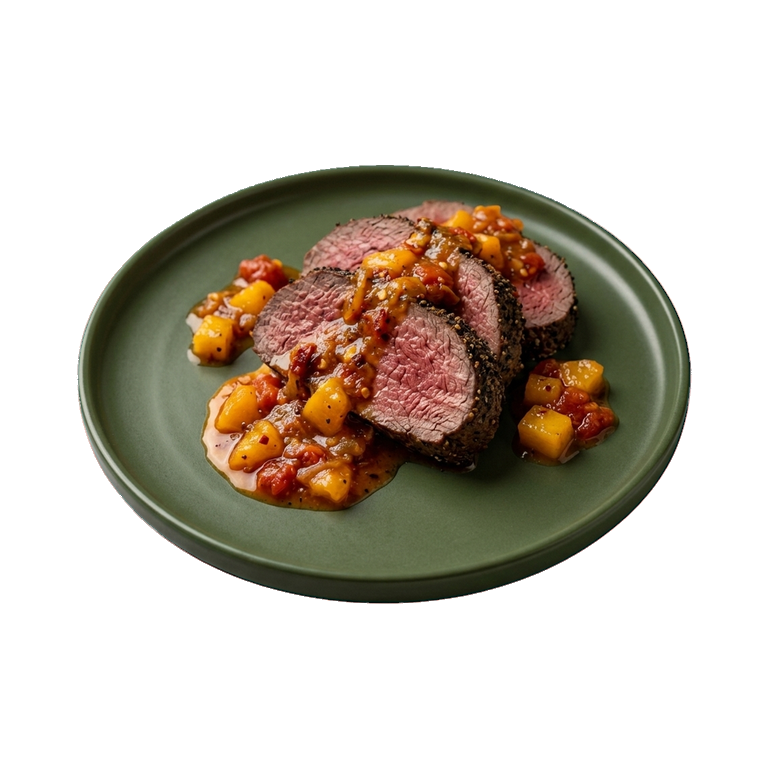
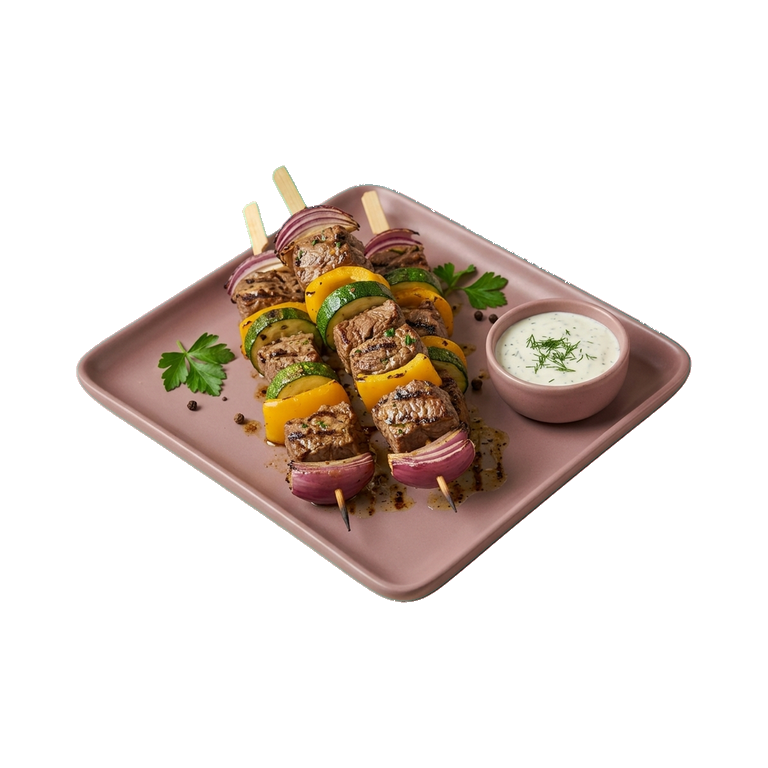
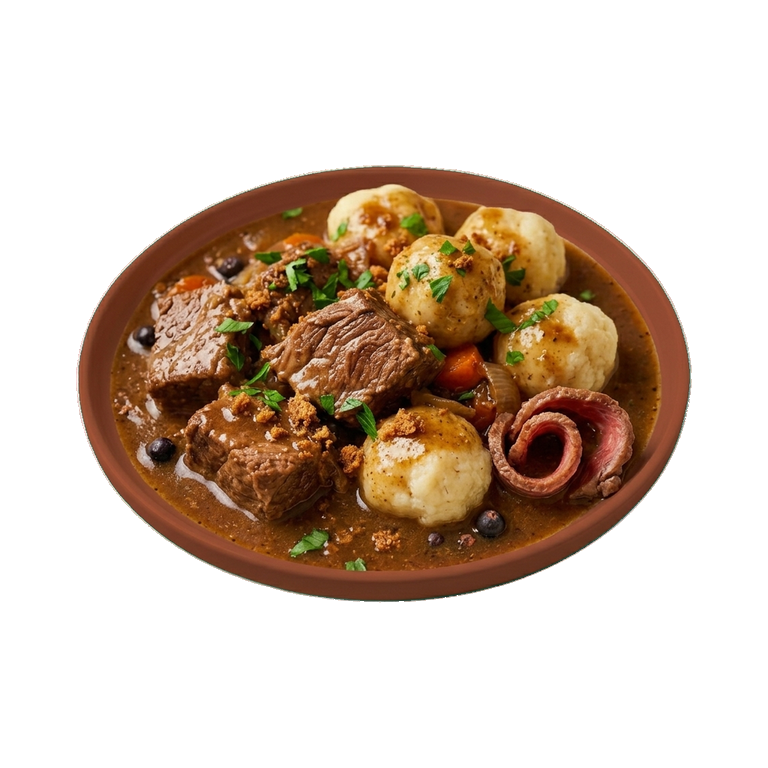
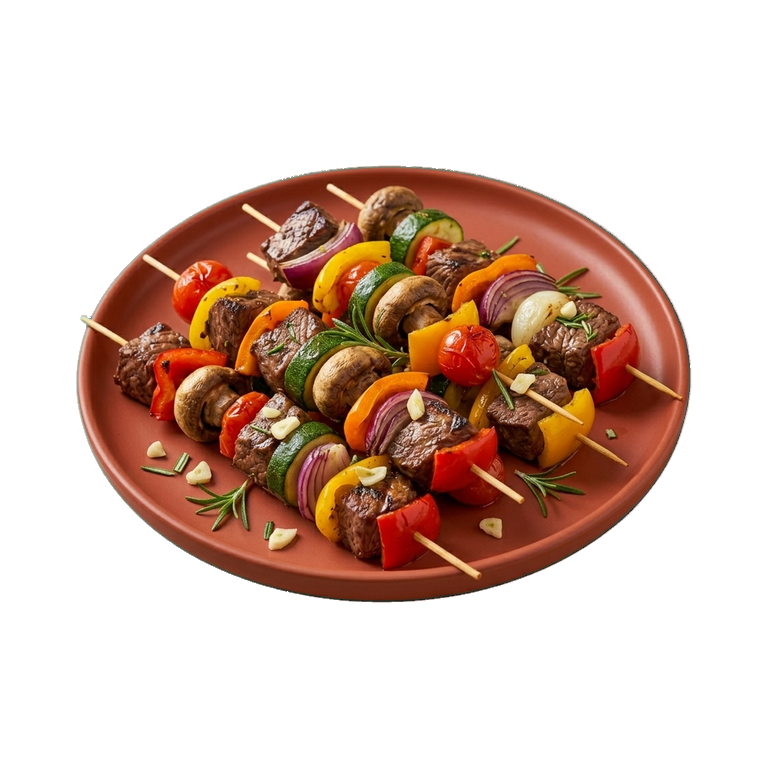
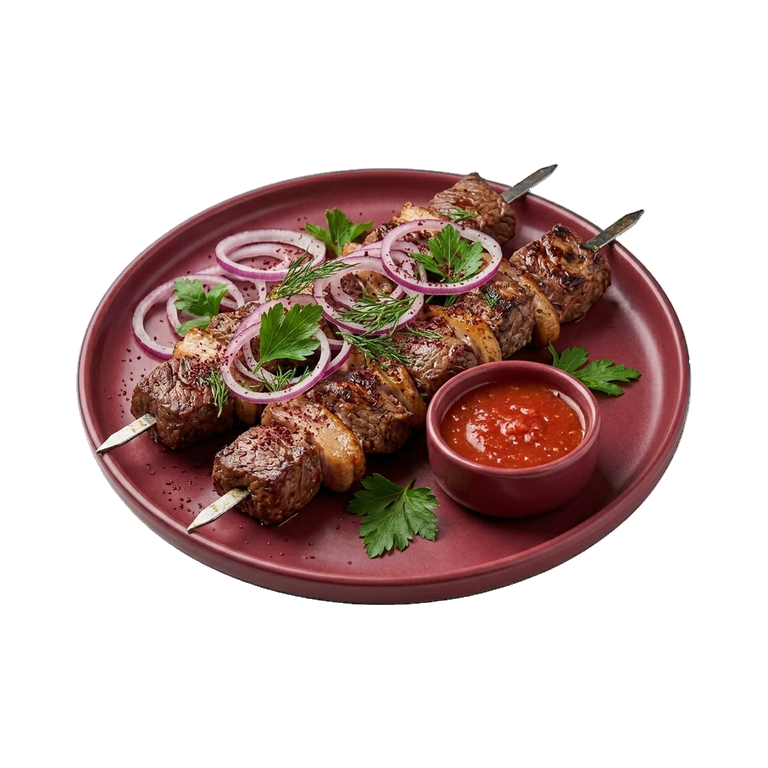
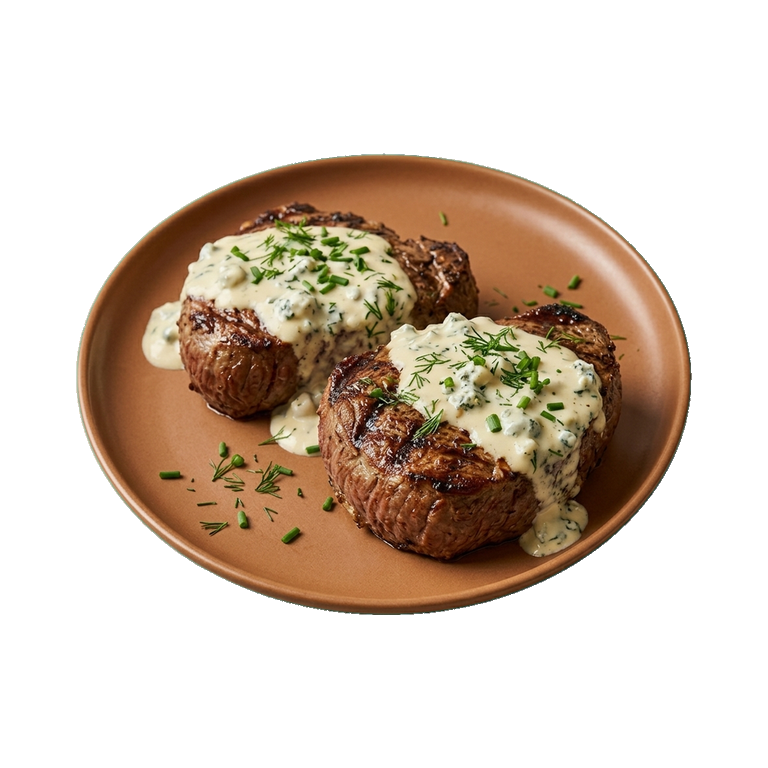
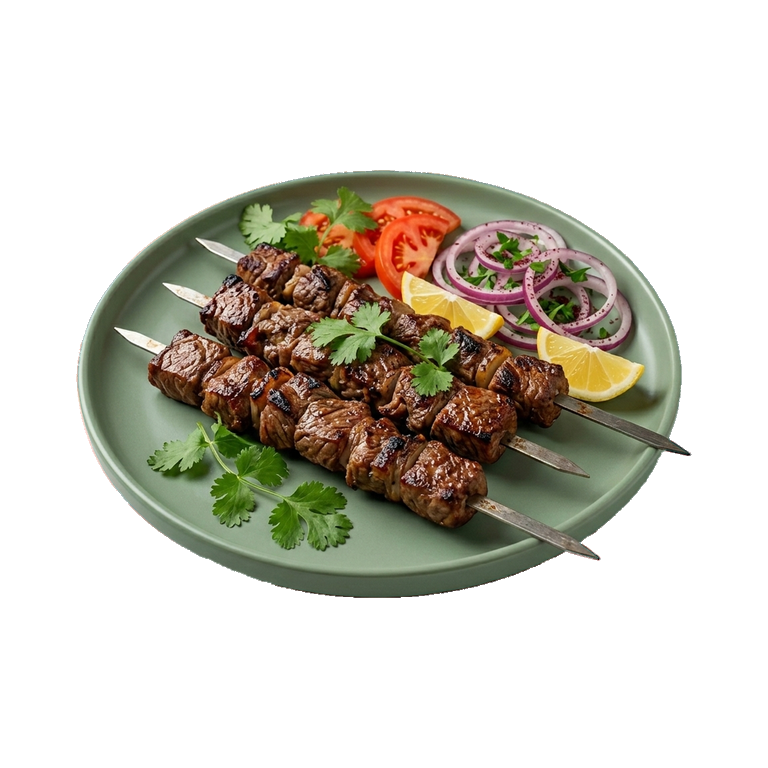
- Steaks — a classic choice. A thick slice on high heat gives an appetizing crust, while the inside remains pink.
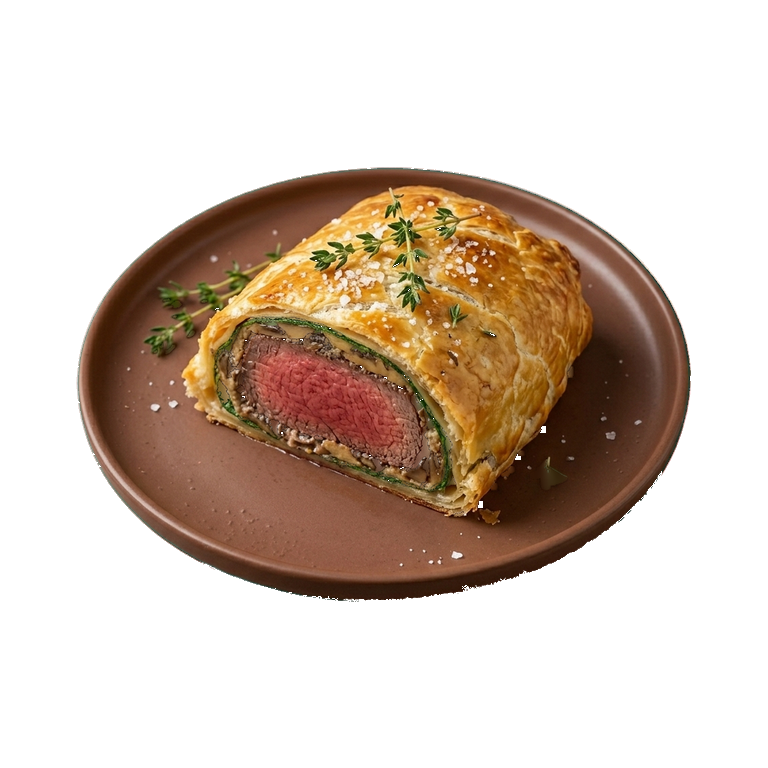
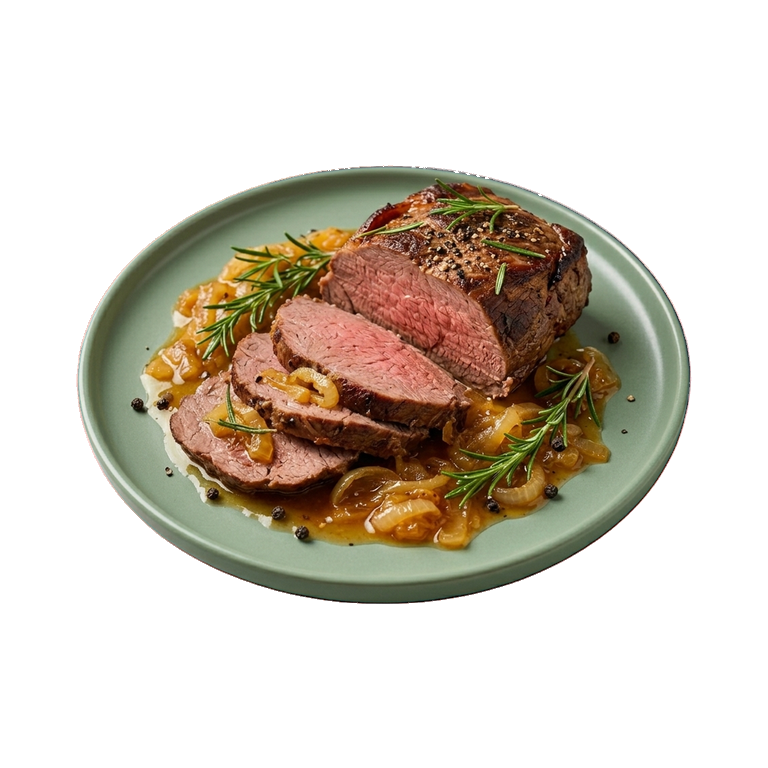
- Roast beef — a whole piece baked in the oven. The tenderloin is the star here: it cooks evenly and doesn't dry out.
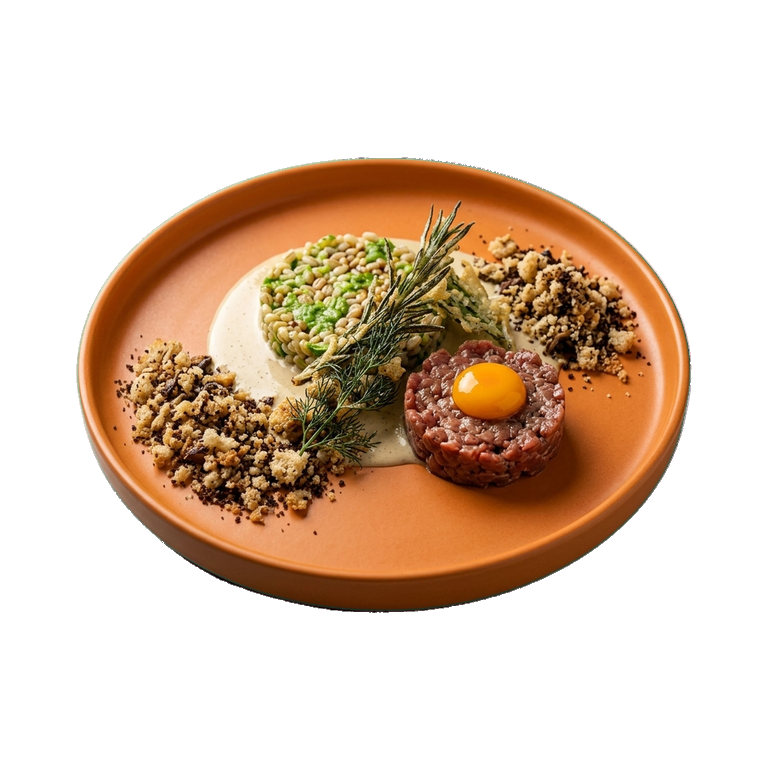
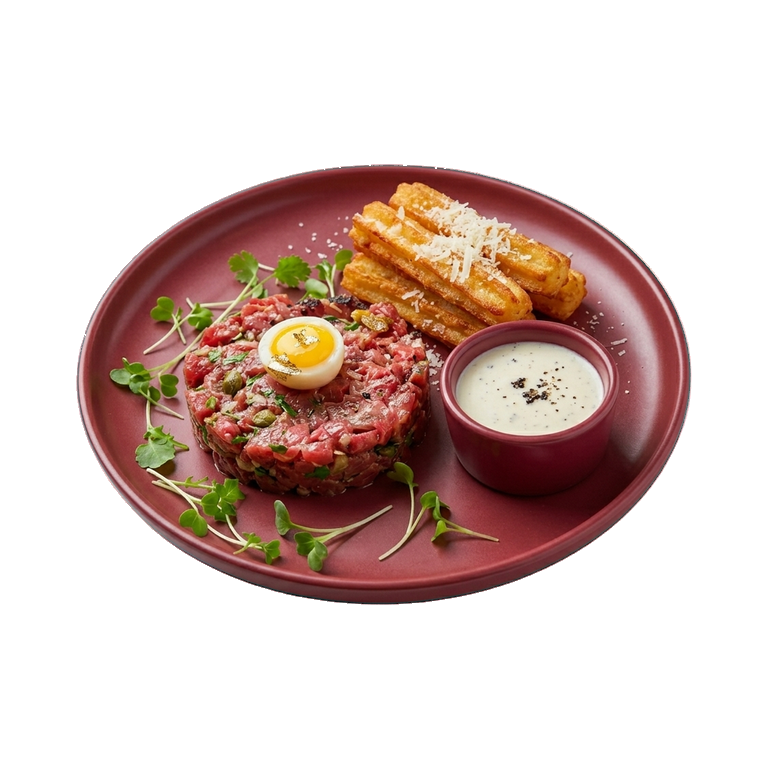
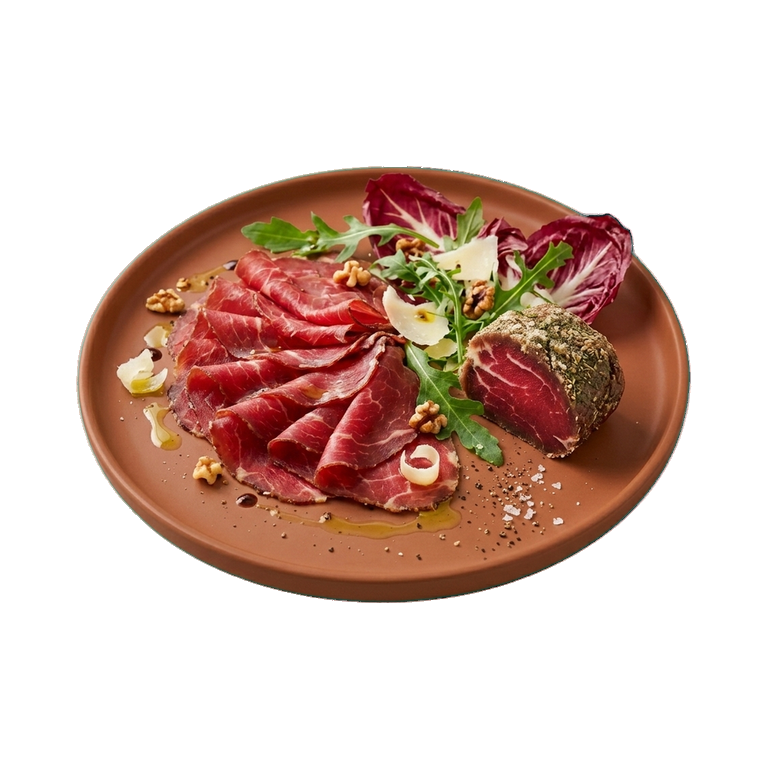
- Tartare and carpaccio — raw meat requires maximum tenderness, and tenderloin handles it perfectly.
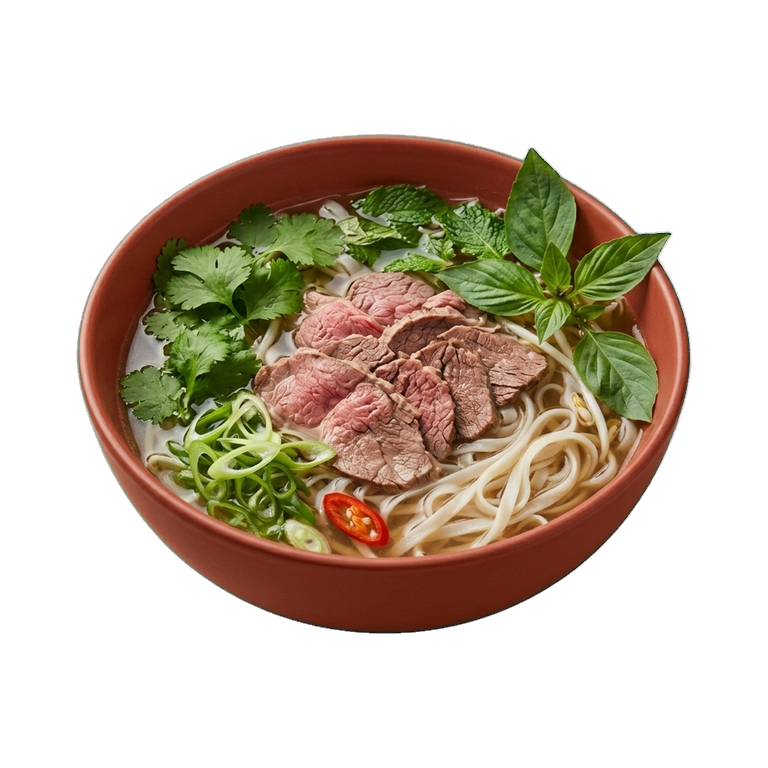
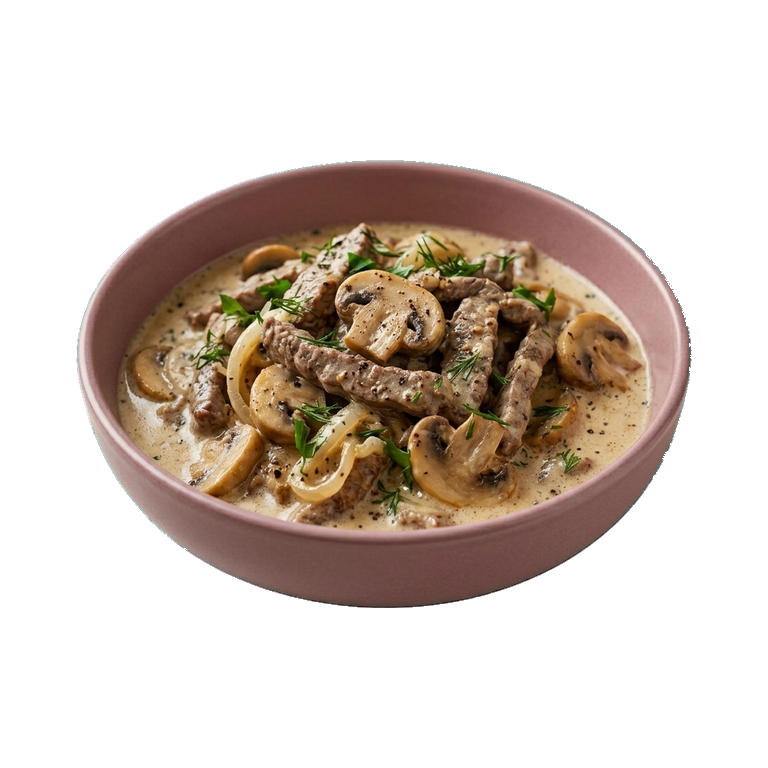
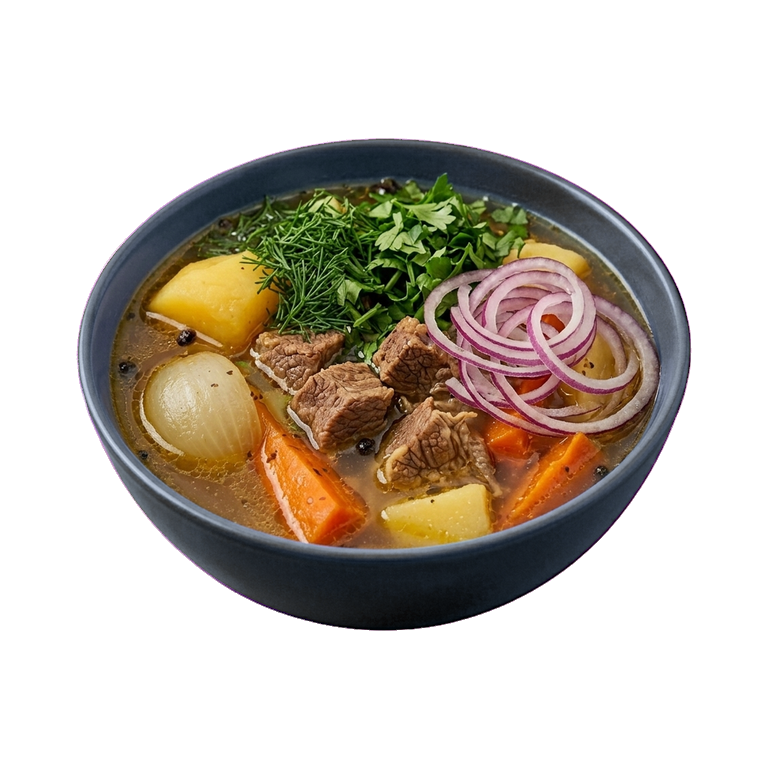
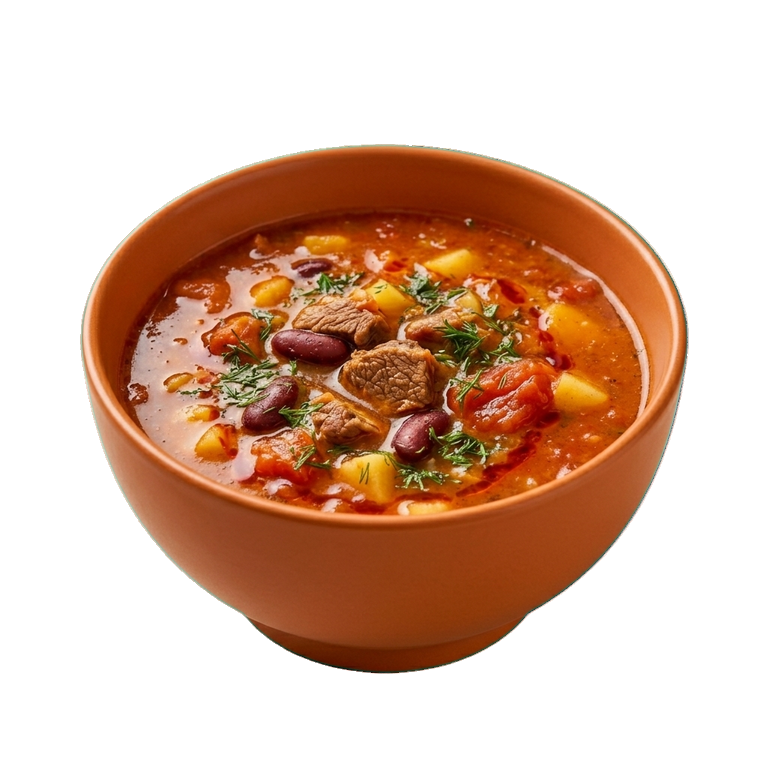
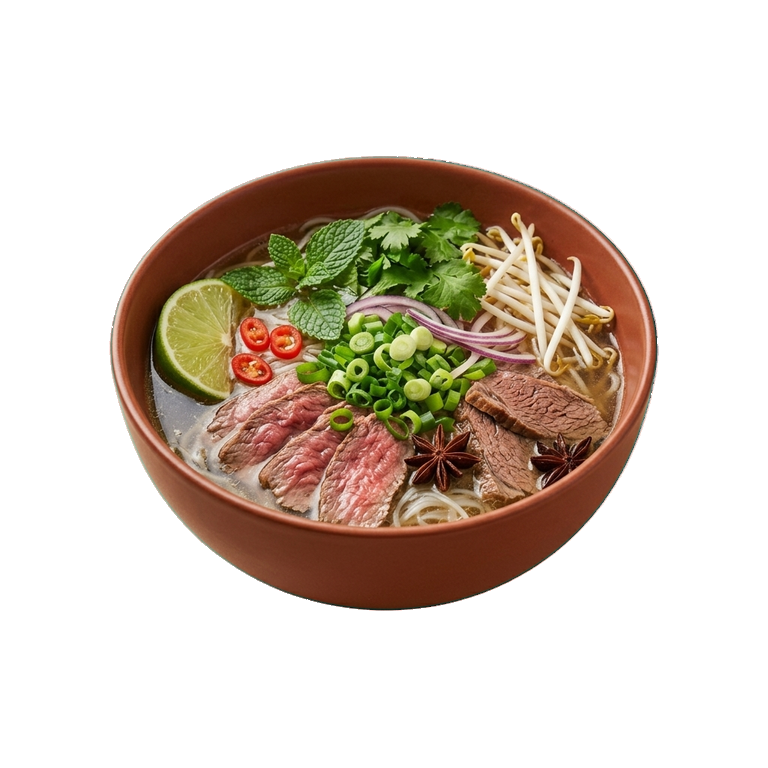
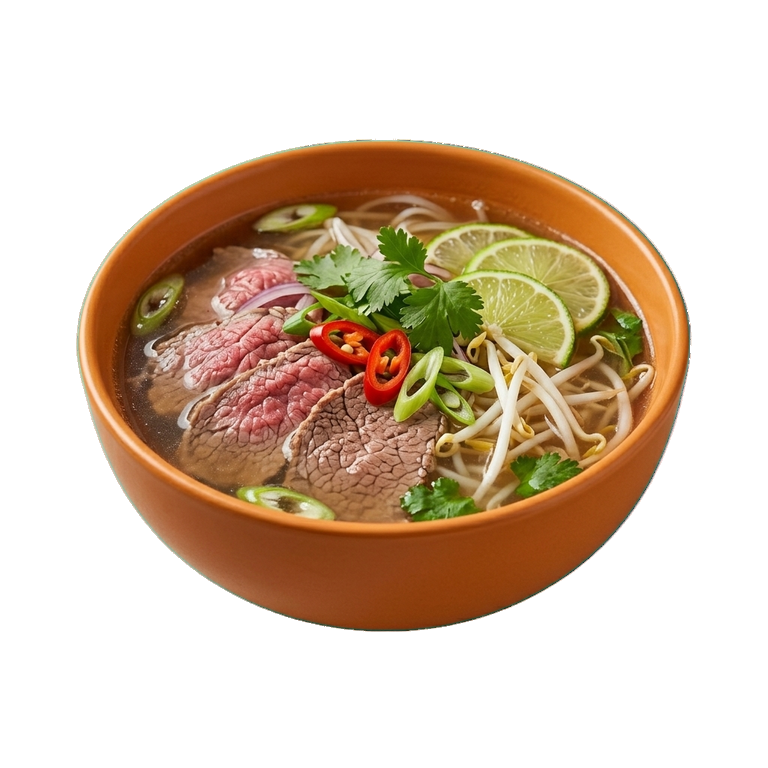
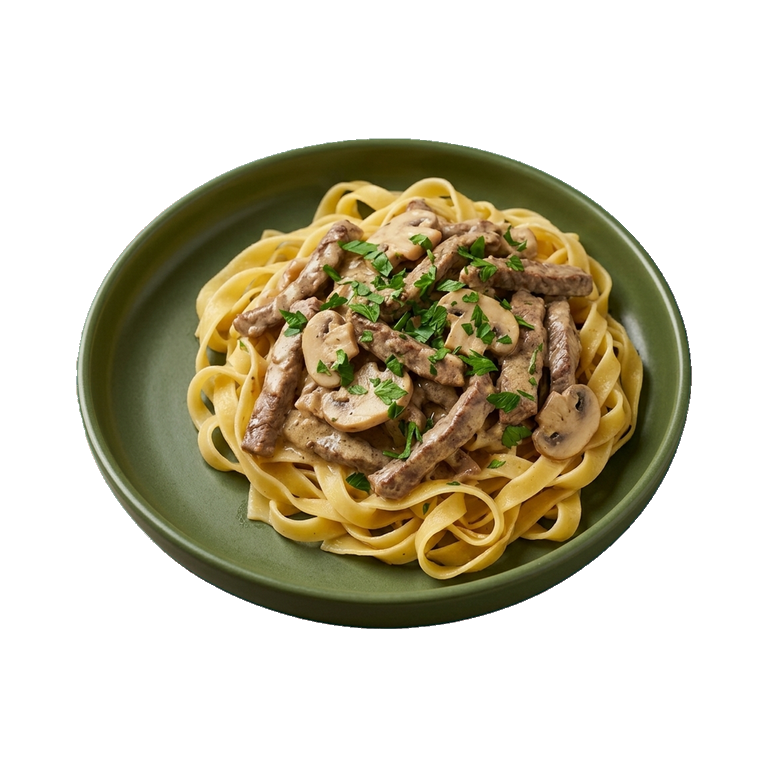
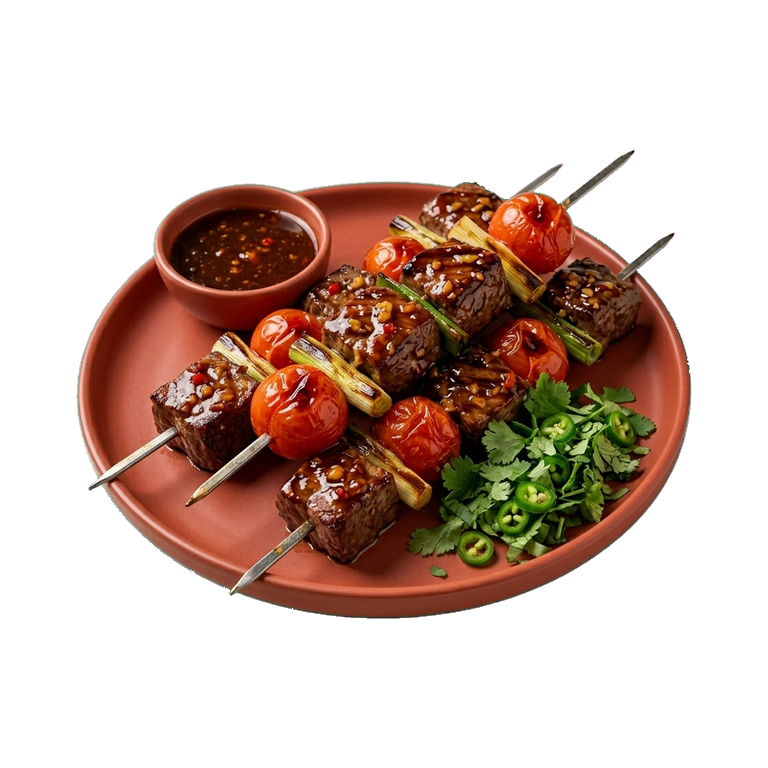
- Asian dishes — thin slices for a wok or hot broth.
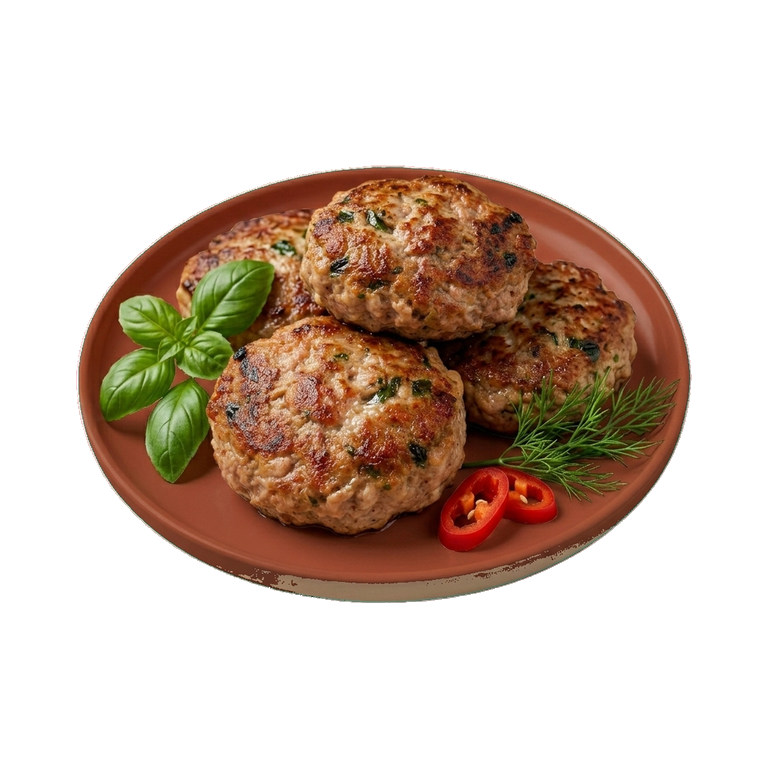
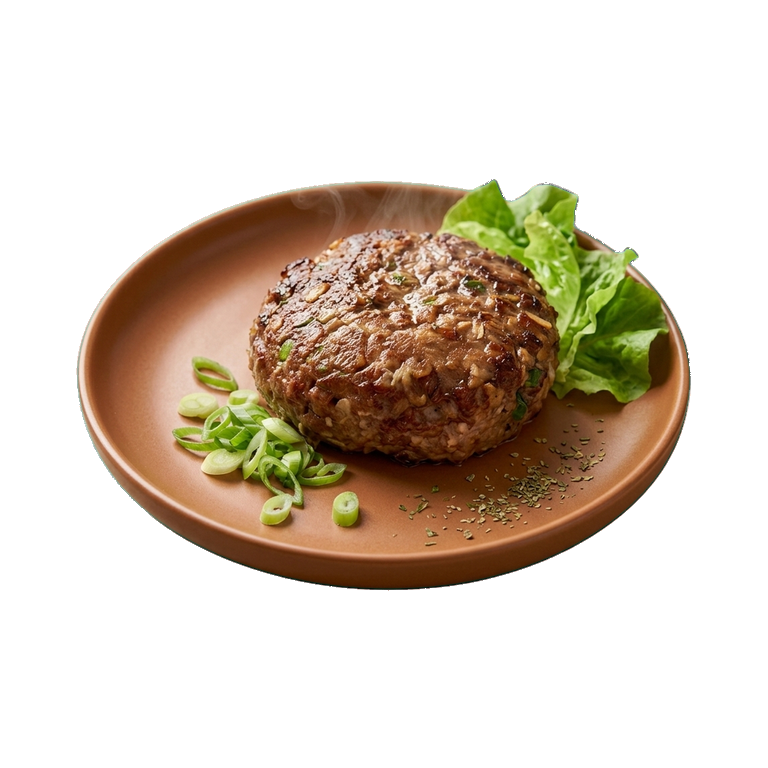
- Ground meat — for cutlets or meatballs, although this is not the most economical use.
What pairs with it
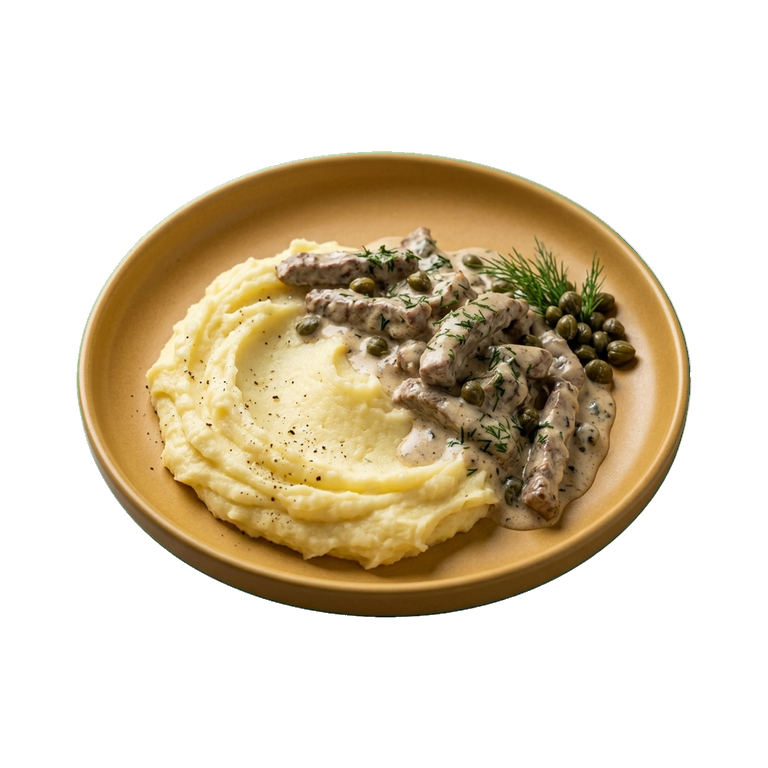
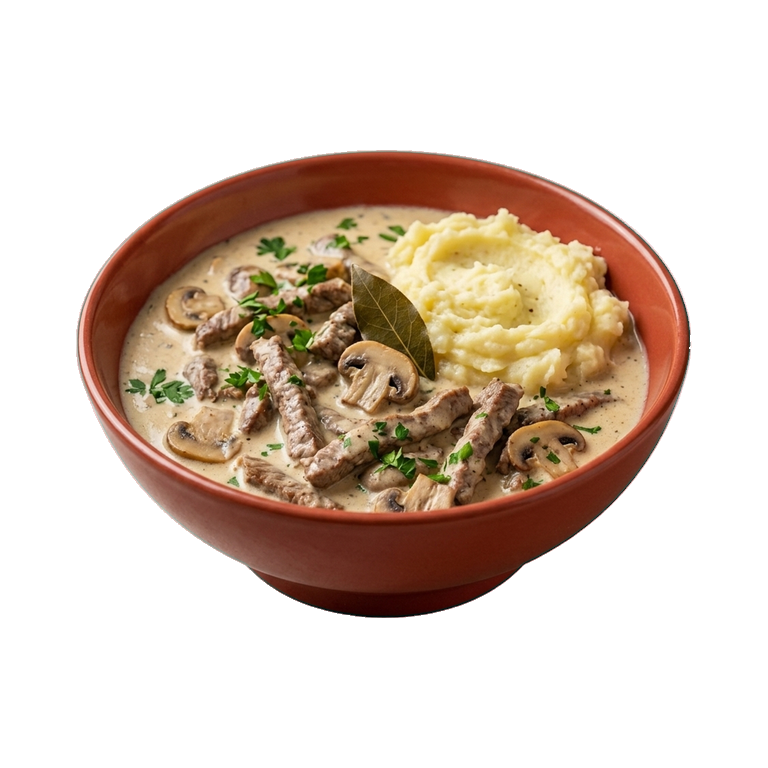
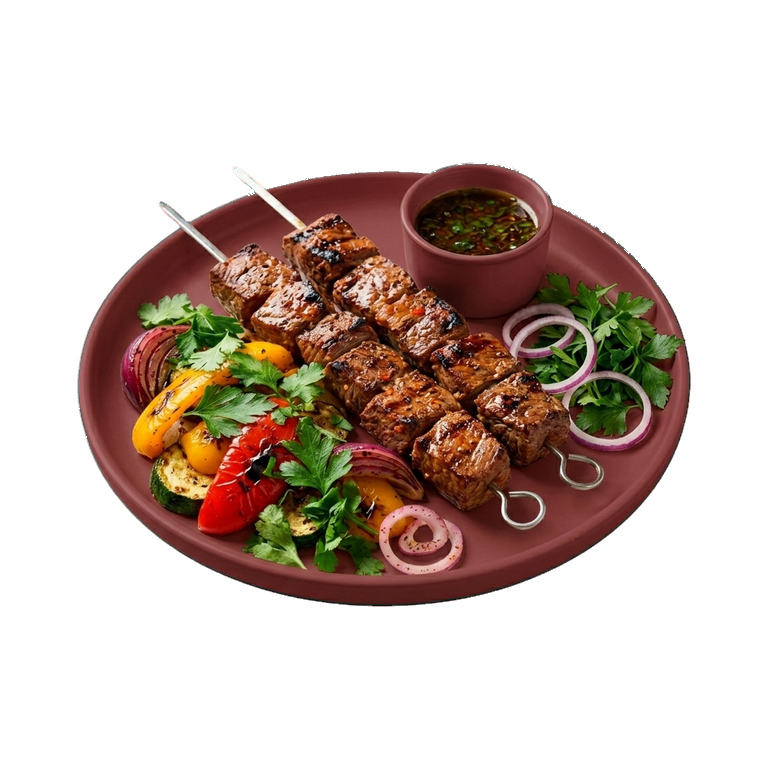
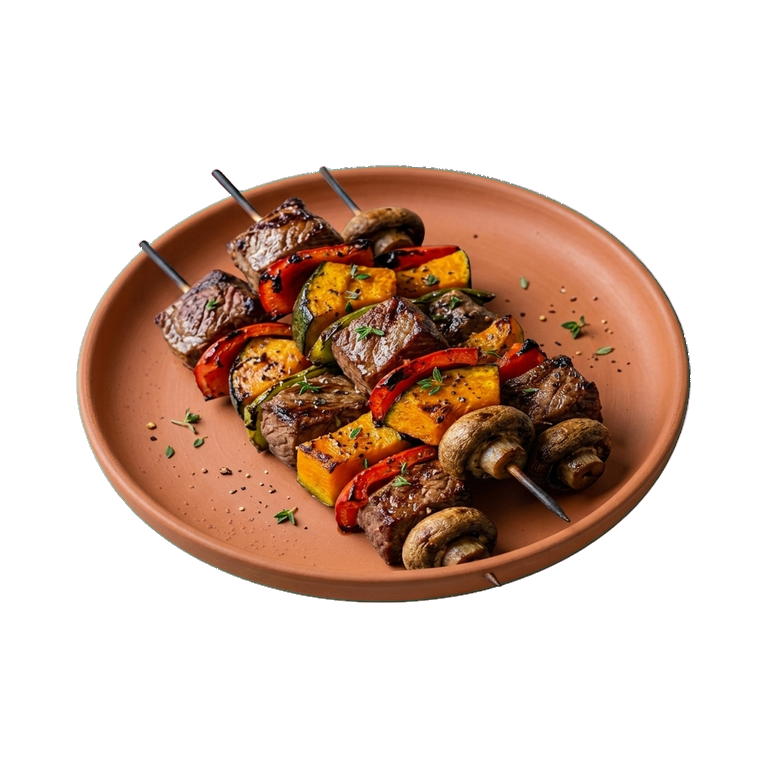
Brisket pairs well with bright, contrasting flavors: spicy sauces, sour marinades, aromatic spices. Mustard, horseradish, radish, lemon, black pepper — all of these highlight the delicacy of the meat without overpowering it. Potatoes, mushrooms, and grilled vegetables make excellent side dishes. Red wine, especially medium-bodied, is a natural companion at the table.
How to Choose and Store
- The color should be bright red, without gray spots. Fresh meat is moist to the touch, but not wet.
- The smell should be clean, without sourness or mustiness. If in doubt, it's better to set it aside.
- Store in the refrigerator at 0–4 °C for no more than 3–4 days in the original packaging or an airtight container.
- It can be frozen for up to 3 months, but it's best to use it within a month — the quality of the meat gradually decreases.
- Before cooking, remove the cut from the refrigerator 20–30 minutes before to let it warm up to room temperature.
Main Rule
Tenderloin is afraid of overheating. Cook it quickly over high heat or slowly at low temperature — there is no middle ground. If you overcook it, the meat will become dry and tasteless, and no sauce will save it.
Nutrition
per 100 g
- Calories
- 113 kcal
- Protein
- 21.1 g
- Fat
- 3.2 g
- Carbs
- 0 g
Micronutrients
per 100 g
Macronutrients
- Cholesterol
- 64.41 mg
- Water
- 71.21 g
Minerals
- Sodium
- 44.85 mg
- Potassium
- 344.7 mg
- Calcium
- 4.09 mg
- Magnesium
- 21.98 mg
- Phosphorus
- 189.7 mg
- Iron
- 2.53 mg
- Zinc
- 3.23 mg
- Copper
- 0.1 mg
- Manganese
- 0 mg
Measures and weight
- 1 slice
- 30 g
Measure calculator
- Weight
- 100 g
- Calories
- 113 kcal