Usuba
Usuba
Yogurt
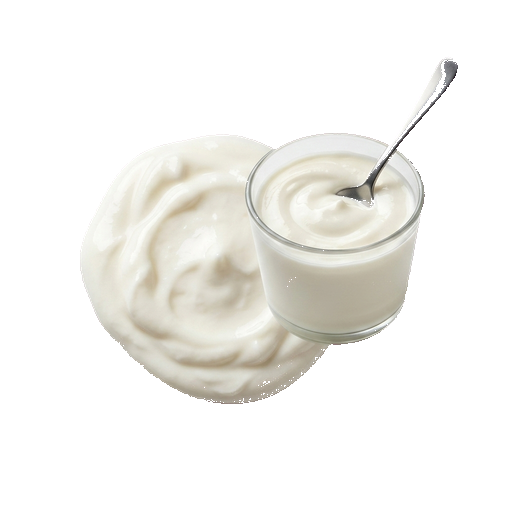
A fermented dairy product with a delicate texture and mild tangy flavor, obtained by fermenting milk with special bacterial cultures. In cooking, it is used as a standalone dessert, a base for sauces, marinades and baked goods, as well as for making creams and salad dressings. When choosing, pay attention to the composition — natural yogurt contains only milk and starter culture, and its acidity affects the result in the recipe: a more acidic variety is suitable for marinades, while a mild one is better for desserts.
About
Yogurt is one of the most versatile fermented dairy products in the kitchen. It can be used as a base for sauce, marinade, dessert, or simply as a standalone dish. Its main advantage is that it works simultaneously in different roles: it adds tenderness, tanginess, and helps reveal the flavors of other ingredients.
Taste and Texture
The taste of yogurt depends on its fat content and fermentation duration. Classic yogurt has a pleasant tanginess that doesn't irritate the tongue, but gently coats it. The consistency can range from liquid to thick — this affects how you use it. Liquid yogurt is better suited for beverages and dressings, while thick yogurt holds its shape in desserts and sauces.
Natural yogurt without additives has a pure milk taste with barely noticeable acidity. If the composition contains sugar or fruits, the taste becomes sweeter and brighter. For culinary purposes, it is better to choose yogurt without sugar — this way it won't spoil the balance of the dish and will give you full control over sweetness.
How to use it
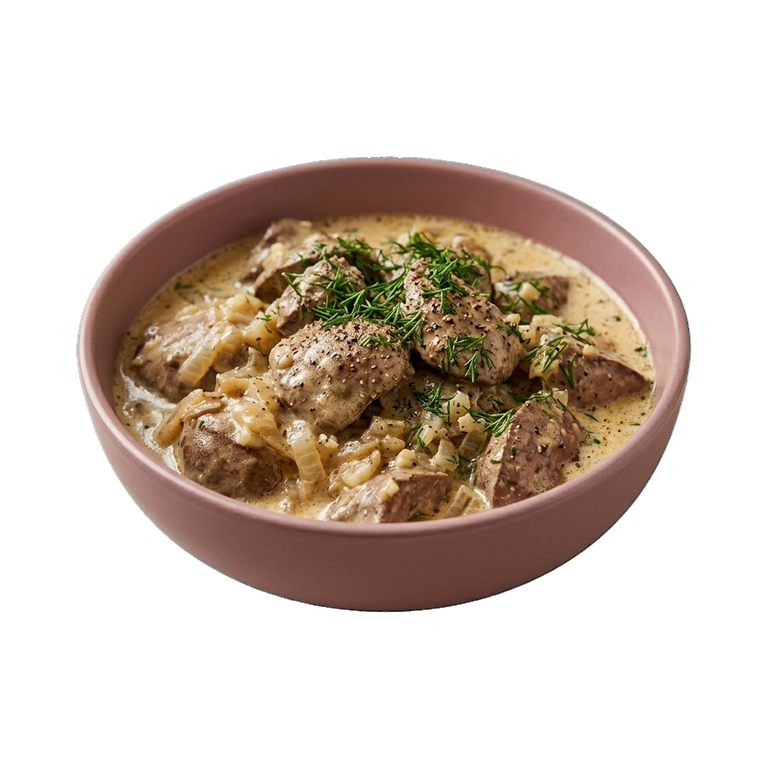
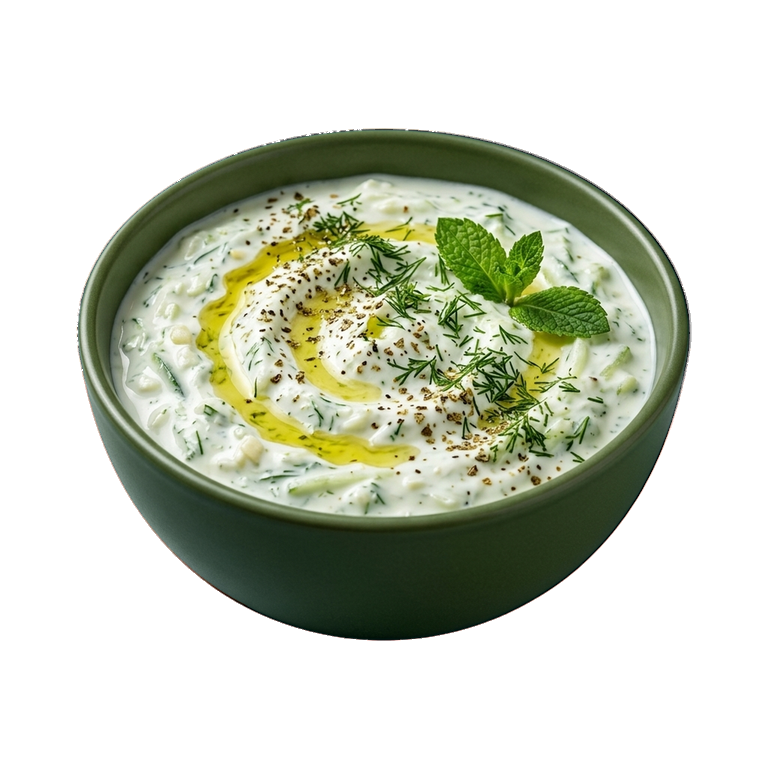
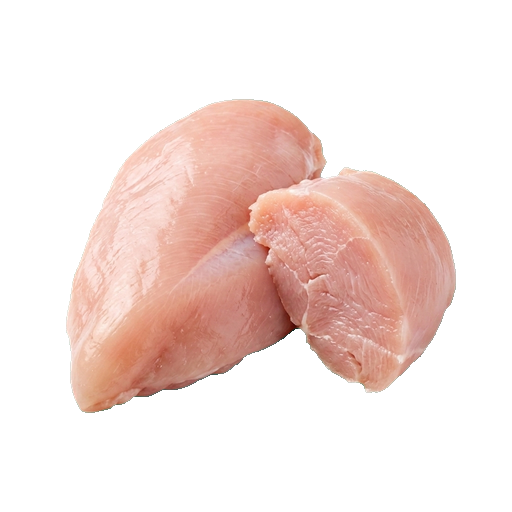
Yogurt works in both sweet and savory dishes. In the first case, it becomes the base for panna cotta, mousse, frozen dessert, or simply decorates fruits and berries. In the second, it is a base for meat sauce, poultry marinade, salad dressing, or vegetable dip.
- Marinade for meat and fish — yogurt softens fibers and adds moisture
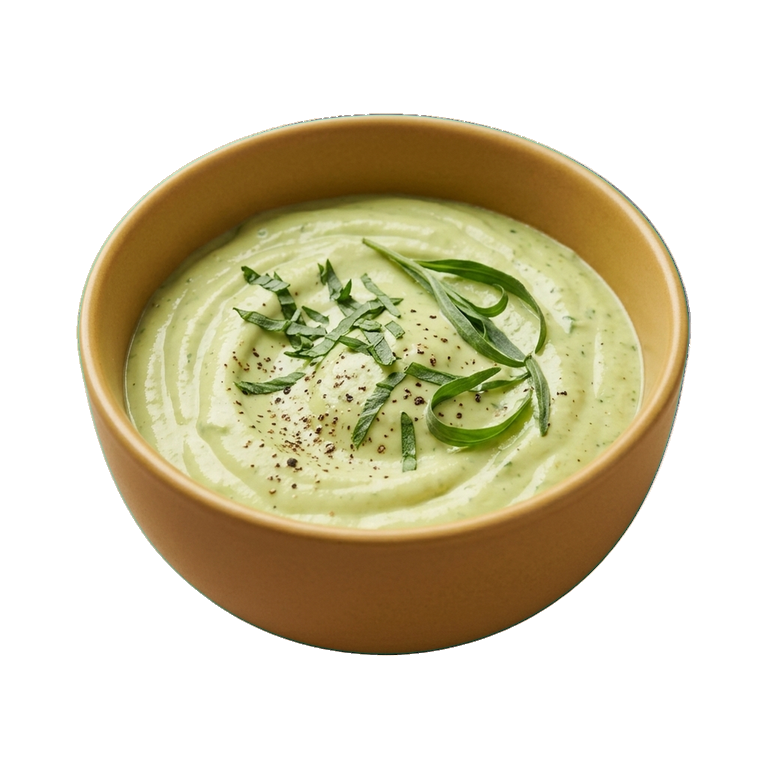
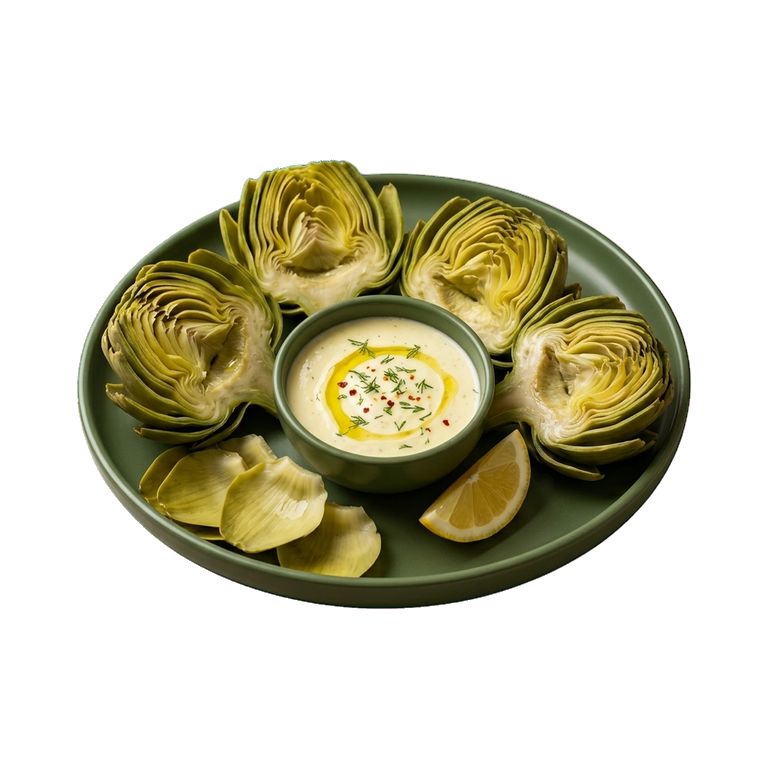
- Sauce for vegetables, meat or fish — mix with herbs, spices and garlic
- Salad dressing — dilute with water or oil to desired consistency
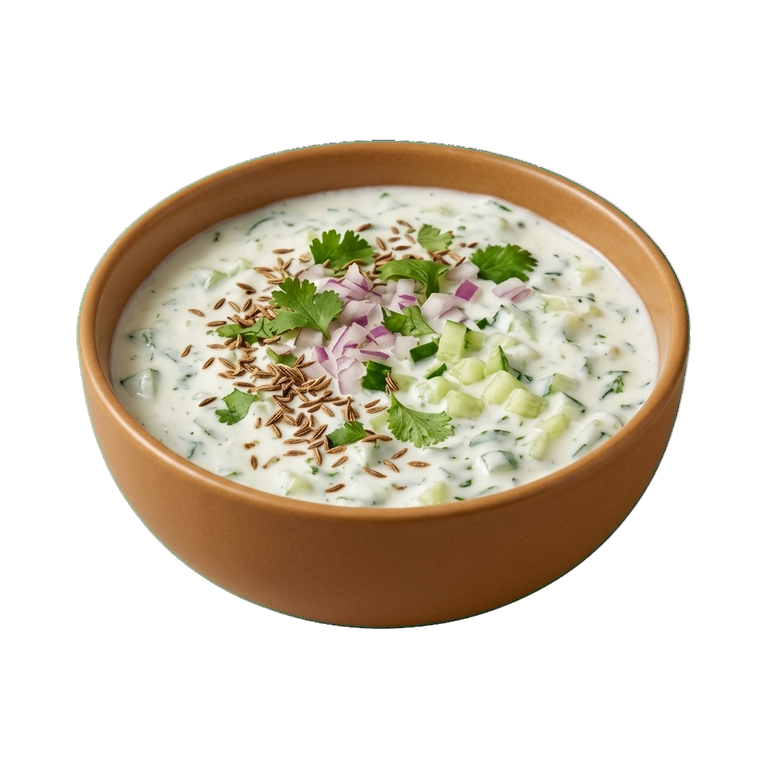
- Base for cold soup — works especially well with fresh herbs
- Dessert topping — replace cream with yogurt for a lighter option
Important note: yogurt may curdle when heated. If you are adding it to a hot dish, introduce it at the end of cooking or mix it with cornstarch beforehand. This will help keep it smooth and creamy.
Selection and Storage
For culinary purposes, choose yogurt with a minimal list of ingredients — milk and starter culture, nothing more is needed. Check the production date: fresh yogurt works better. The fat content depends on your dish: 3–5% is suitable for sauces, and you can use up to 10% for desserts.
Yogurt is stored in the refrigerator at a temperature of 2–6 degrees. The expiration date is usually indicated on the package, but natural yogurt remains suitable for several days after this date if it is sealed. Use an open package within 3–5 days. Yogurt can be frozen, but after thawing its consistency will change — it is only suitable for drinks or sauces.
What pairs well
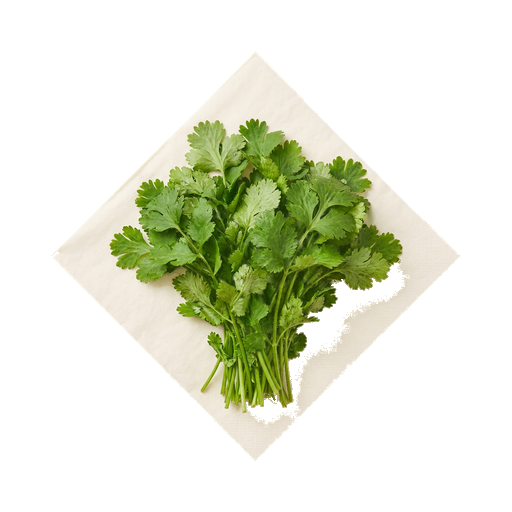
- Herbs — dill, parsley, mint, cilantro, basil
- Spices — turmeric, cumin, paprika, black pepper, coriander
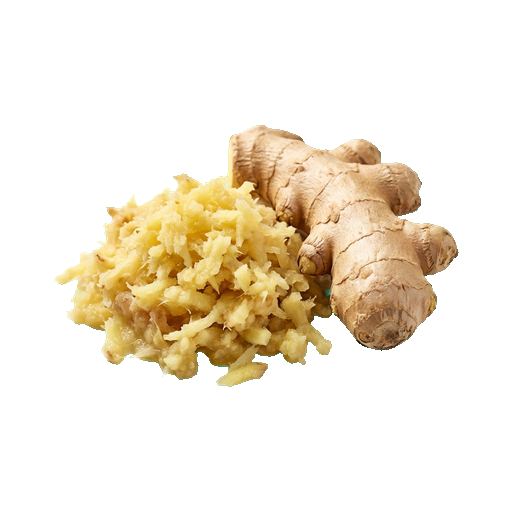
- Aromatic additions — garlic, ginger, lemon, lime
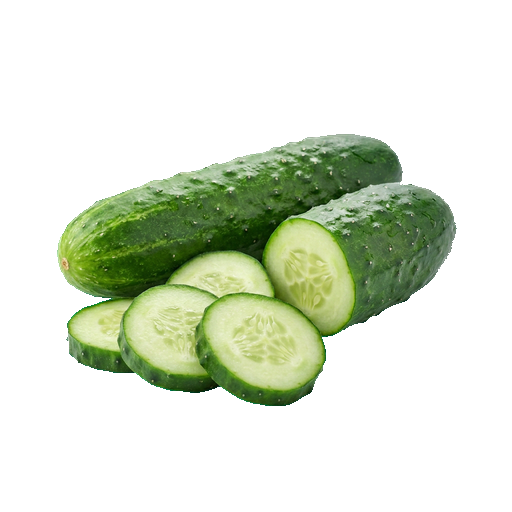
- Vegetables — cucumber, tomato, beet, carrot
- Fruits and berries — honey, berries, apricot, peach, pear
- Nuts and seeds — walnuts, almonds, sesame
Yogurt is so versatile that it works with almost everything. The key is to feel the balance: if you add hot spices, soften them with yogurt; if you're preparing a light dish, don't overcomplicate the sauce. Yogurt reveals itself best when it has room to maneuver.
Nutrition
per 100 ml
- Calories
- 59 kcal
- Protein
- 3.5 g
- Fat
- 0.4 g
- Carbs
- 3.6 g
Measures and weight
- 1 tbsp
- 15.2 g
- 1 tsp
- 5 g
- 1 cup
- 252.5 g
Measure calculator
- Weight
- 100 g
- Calories
- 58 kcal