Usuba
Usuba
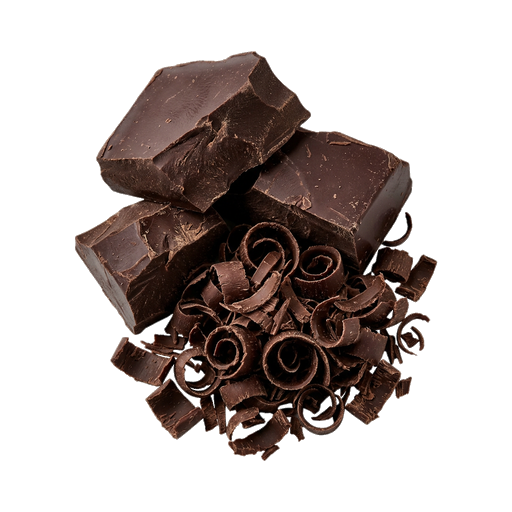
Dark Chocolate 55%
Dark chocolate with 55% cocoa content is a versatile ingredient featuring a rich, slightly bitter taste and deep cocoa aroma. It works well in desserts, baked goods, sauces, and hot beverages, maintaining enough sweetness for those who don't enjoy the extreme bitterness of pure cocoa. When selecting, pay attention to the quality of cocoa butter in the composition and the absence of unnecessary additives. When melting, use a water bath to avoid lumps and preserve the flavor.
Micronutrients
per 100 g
Minerals
About
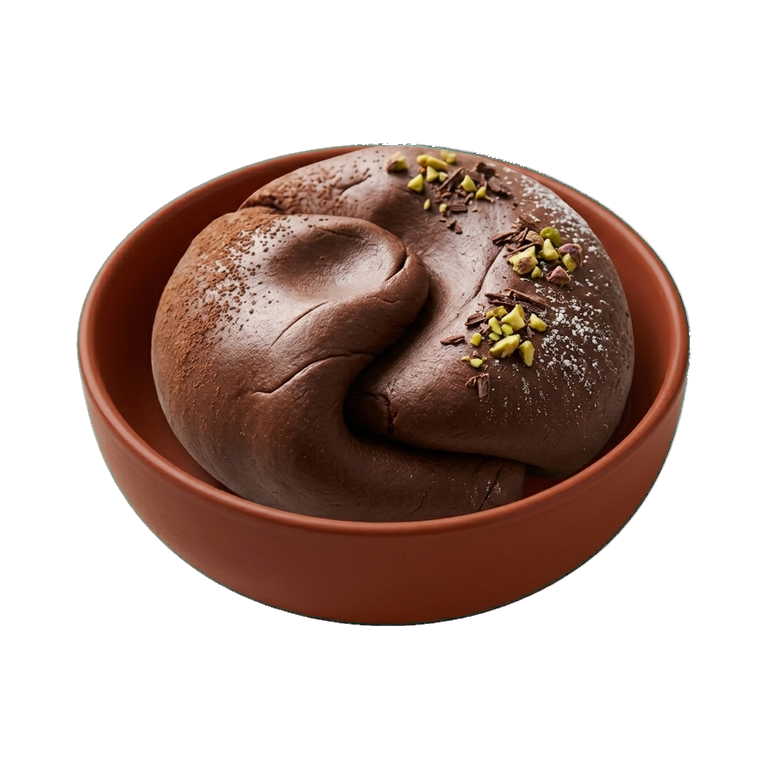
Dark chocolate 55% is the golden mean between bitterness and sweetness. The percentage of cocoa indicates the balance: 55% solid components of cocoa beans and 45% sugar, cocoa butter, and additives. Such chocolate is soft enough to melt on your tongue, while maintaining a characteristic cocoa flavor without becoming cloying. It is a universal choice for those who want to experience real chocolate but are not ready for the intensity of darker varieties.
Taste and Aroma
This chocolate reveals itself in layers on the palate. First, you experience a subtle bitterness, which quickly transitions into a rounded cocoa flavor with unobtrusive fruity or nutty notes — everything depends on the origin of the cocoa beans and how they are processed. The aroma is pronounced but not overpowering: cocoa, with a hint of earthiness and sometimes a light floral note.
Where to use
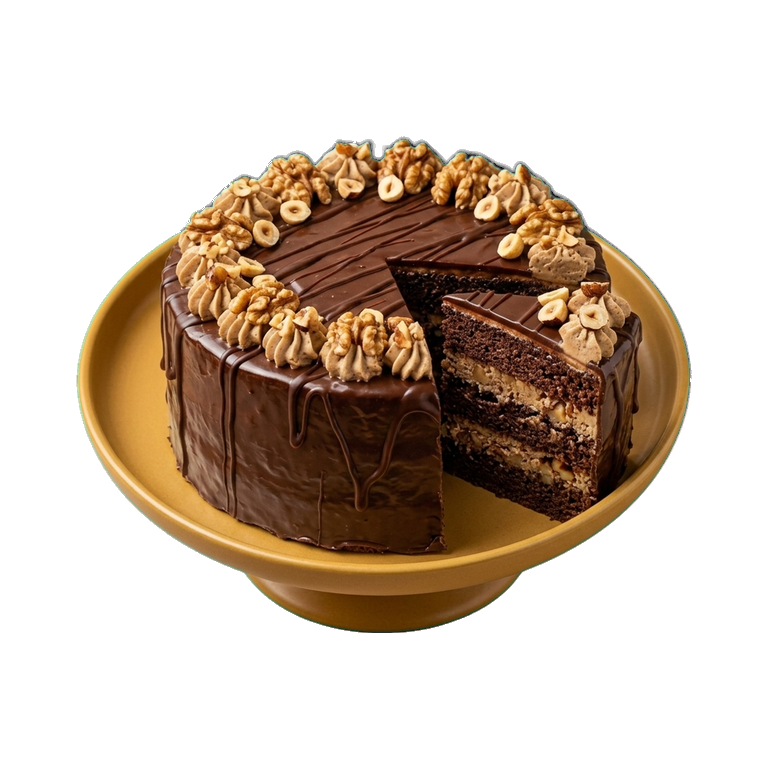
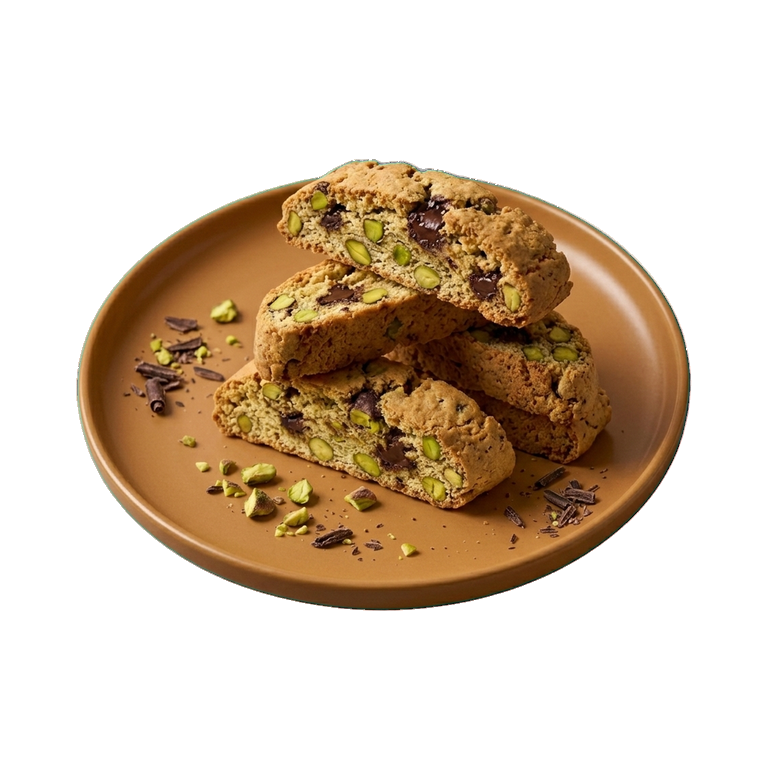
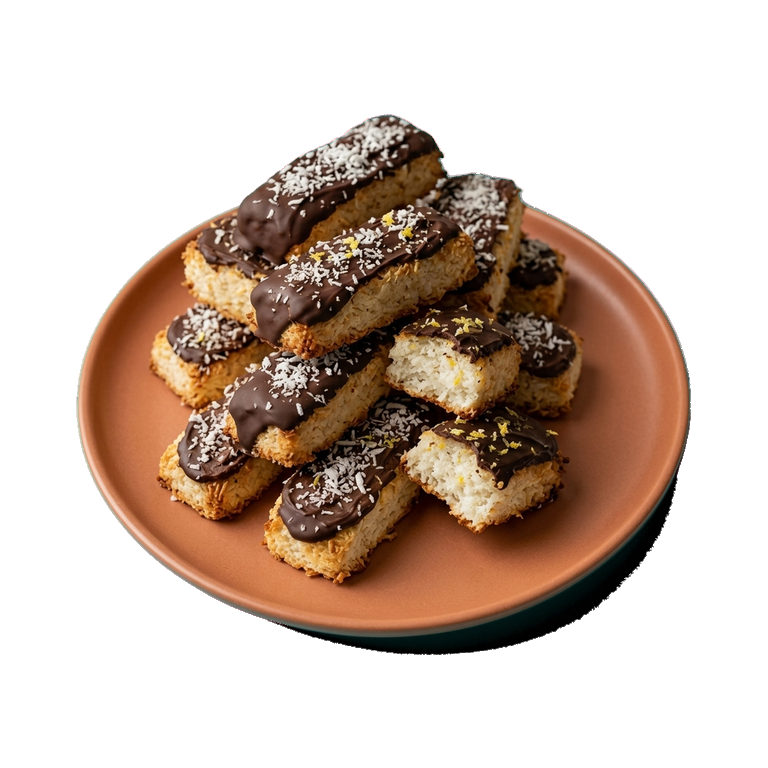
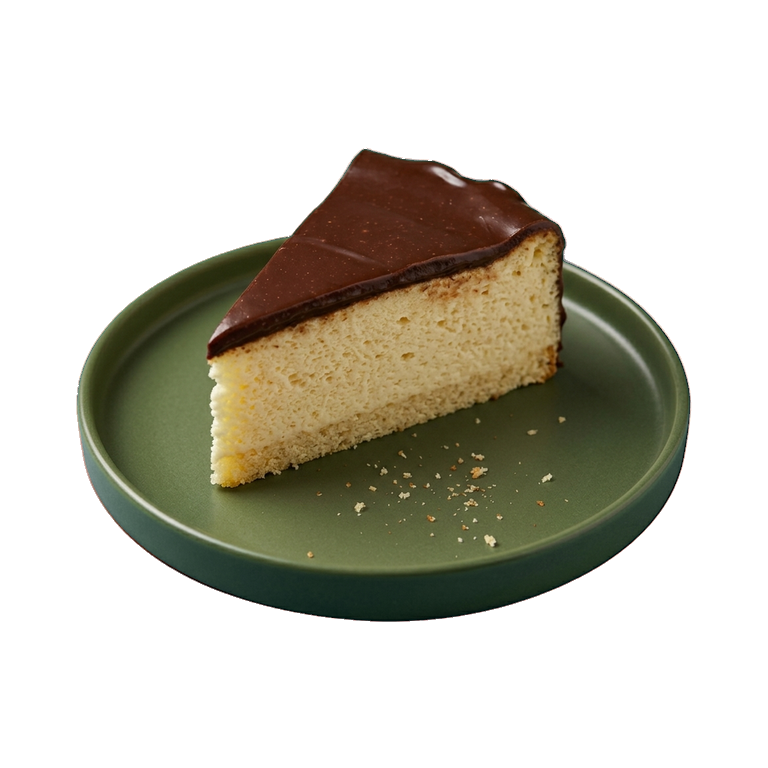
- In baking: cookies, cupcakes, brownies — chocolate doesn't overpower other flavors, but complements them
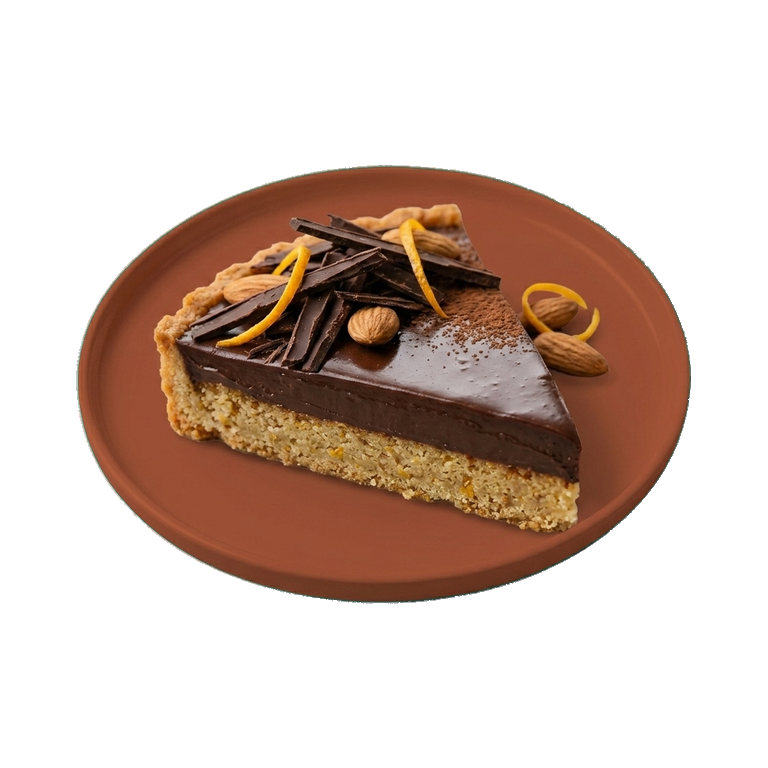
- For glazes and ganache: melts smoothly, holds its shape, doesn't require additional tempering for simple work
- In hot chocolate: provides a rich, but not bitter beverage
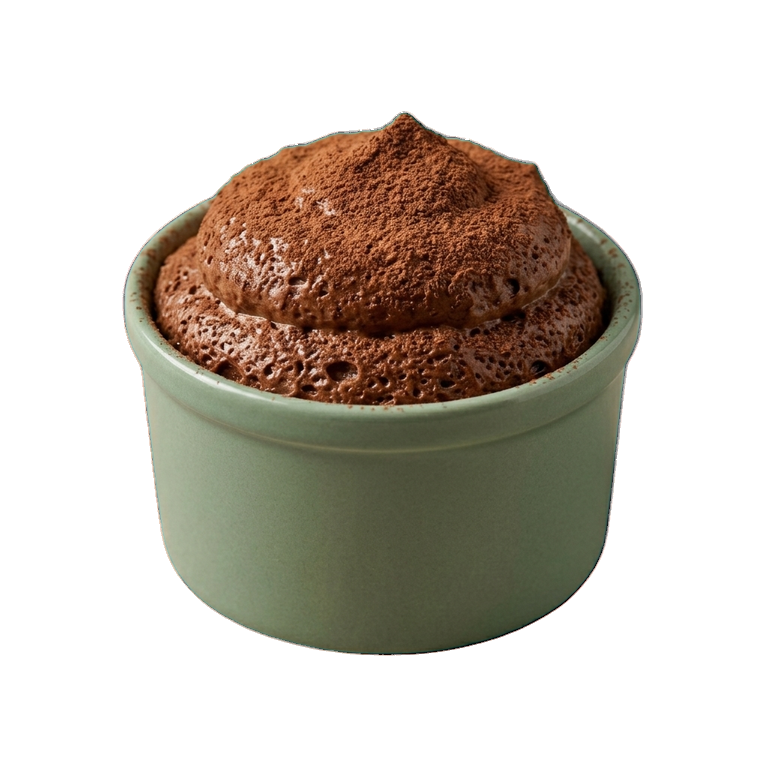
- For dessert sauces: pairs well with butter and cream
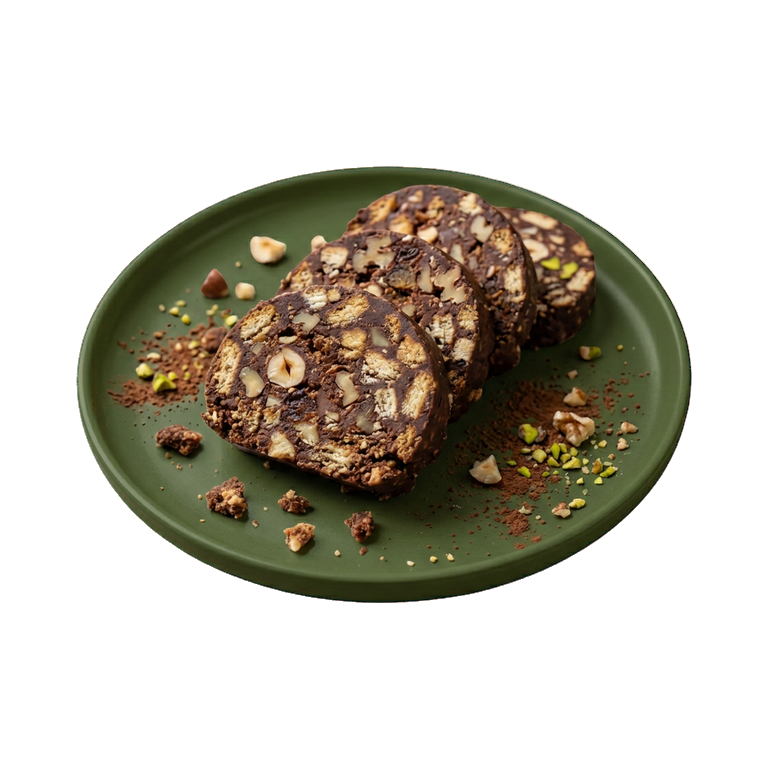
- On its own: as a bar or chopped as a topping — interesting enough on its own
Successful Combinations
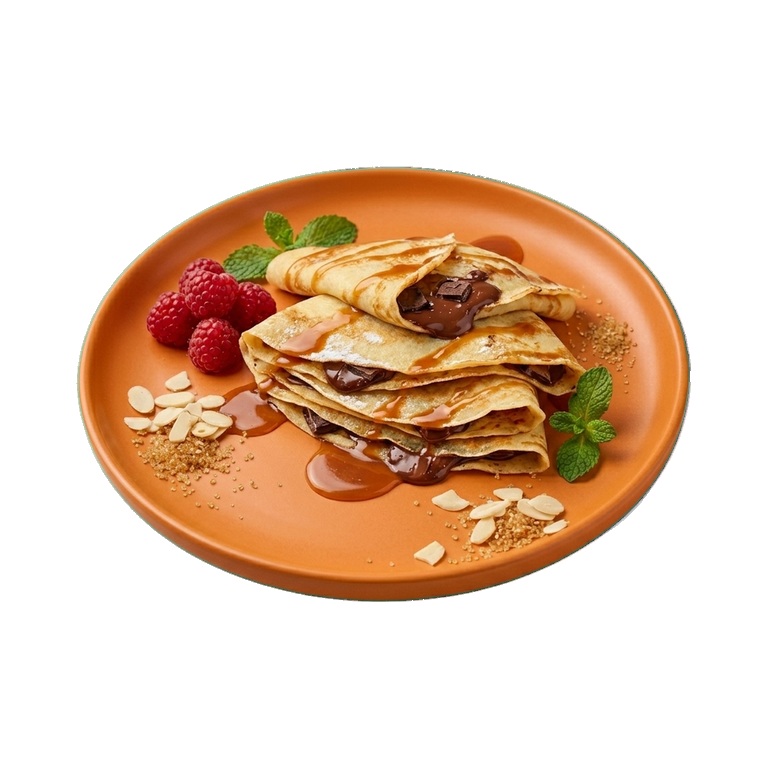
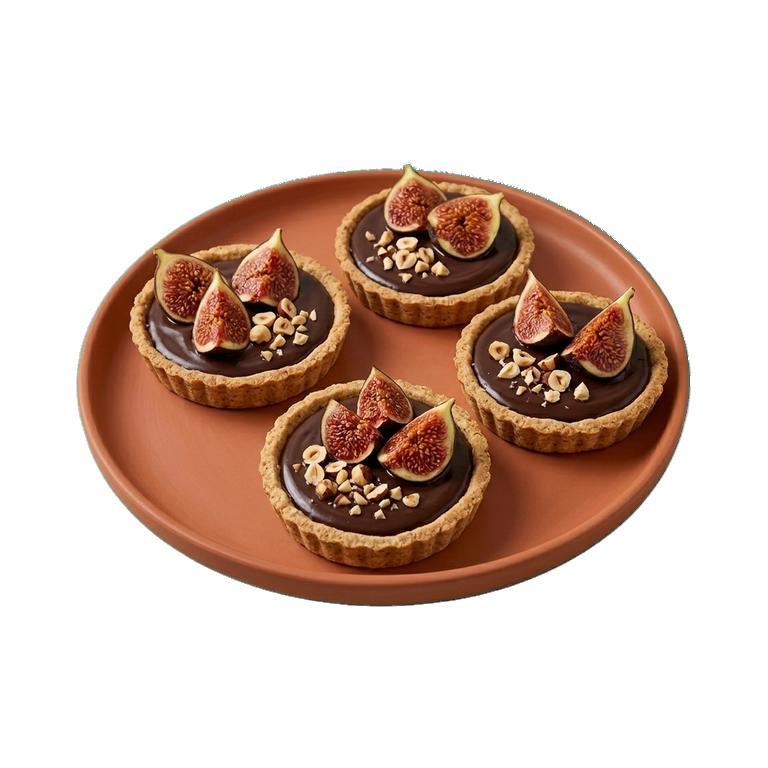
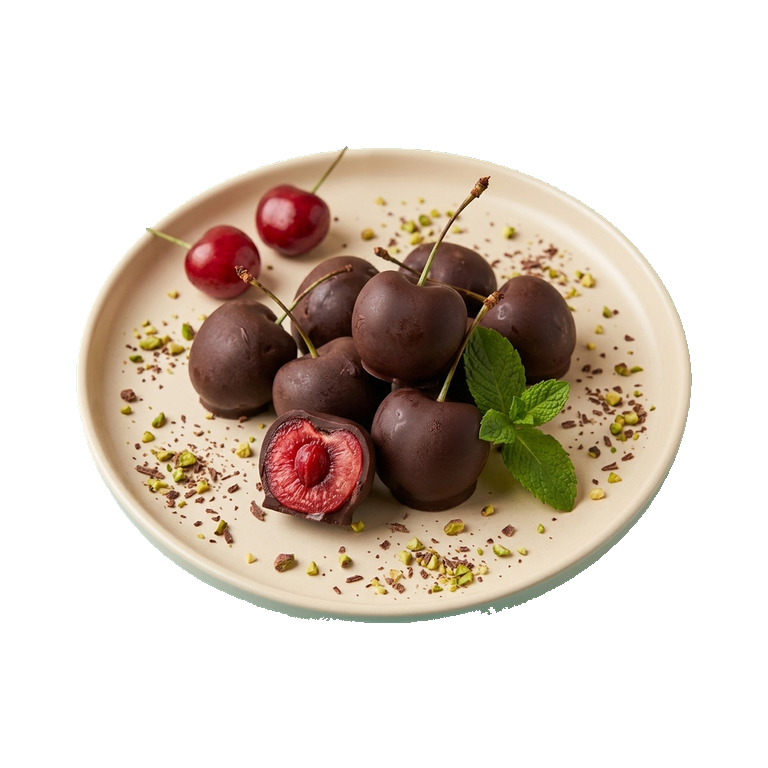
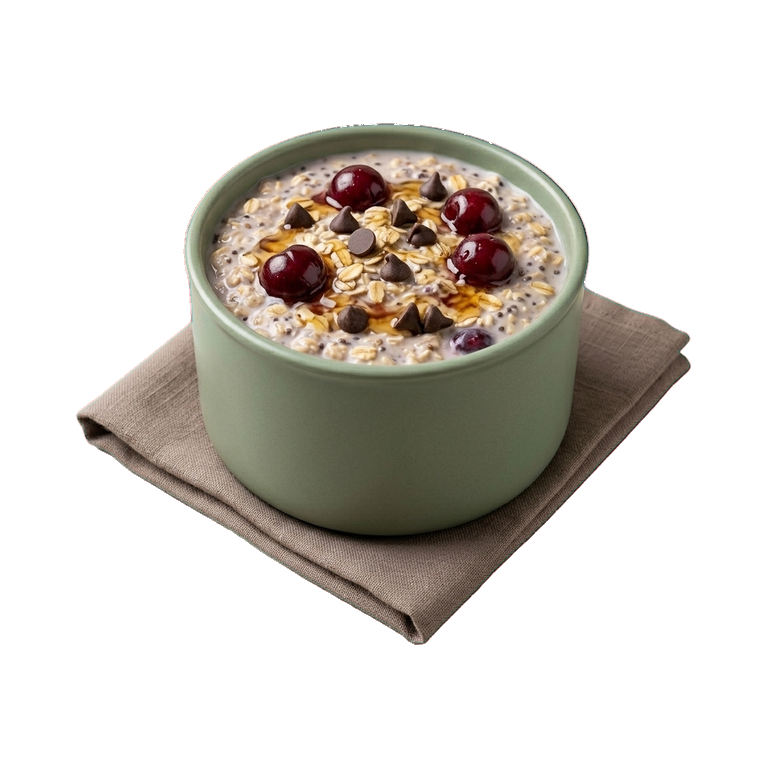
Dark chocolate 55% works well with sour flavors: berries (raspberry, cherry), orange, lemon. Spices — cinnamon, cayenne pepper, cardamom — highlight its depth. Nut butters (peanut, almond) and sea salt create a pleasant contrast. With butter, cream and milk it becomes softer and more luxurious.
Selection and Storage
When purchasing, pay attention to the composition: in quality chocolate, the first ingredients are cocoa butter and cocoa solids, without excess vegetable oils. The surface should be smooth, without white bloom. Store chocolate in a cool, dry place (18–20°C) in an airtight package, away from odors and moisture. With proper storage, it maintains quality for several months. Do not put in the refrigerator unnecessarily — condensation spoils the appearance and taste.
Practical Tips
- Break chocolate into pieces before melting — this helps it melt more evenly
- Melt over a double boiler or in a microwave using short bursts to avoid overheating
- If the recipe calls for more bitter chocolate, replace it with 70% cocoa or add cocoa powder
- For a sweeter result, mix with milk chocolate in a 1:1 ratio
Nutrition
per 100 g
- Calories
- 565 kcal
- Protein
- 7.2 g
- Fat
- 52 g
- Carbs
- 28 g
Micronutrients
per 100 g
Macronutrients
- Fiber
- 7 g
- Sugars
- 47.9 g
- Saturated fat
- 18.519 g
- Monounsaturated fat
- 9.54 g
- Polyunsaturated fat
- 1.092 g
- Omega-3 (EPA + DHA)
- 0.001 g
- Cholesterol
- 8 mg
- Water
- 0.97 g
Minerals
- Sodium
- 24 mg
- Potassium
- 559 mg
- Calcium
- 56 mg
- Magnesium
- 146 mg
- Phosphorus
- 206 mg
- Iron
- 8.02 mg
- Zinc
- 2.01 mg
- Copper
- 1.03 mg
- Manganese
- 1.42 mg
- Selenium
- 3 mcg
Vitamins
- Vitamin A (RAE)
- 2 mcg
- Vitamin E
- 0.54 mg
- Vitamin K
- 8.1 mcg
- Vitamin B1 (thiamin)
- 0.03 mg
- Vitamin B2 (riboflavin)
- 0.05 mg
- Vitamin B3 (niacin)
- 0.73 mg
- Vitamin B5 (pantothenic acid)
- 0.3 mg
- Vitamin B6
- 0.04 mg
- Vitamin B12
- 0.2 mcg
Measures and weight
- 1 tbsp
- 18 g
- 1 tsp
- 6 g
- 1 cup
- 300 g
- 1 slice
- 10 g
Measure calculator
- Weight
- 100 g
- Calories
- 565 kcal