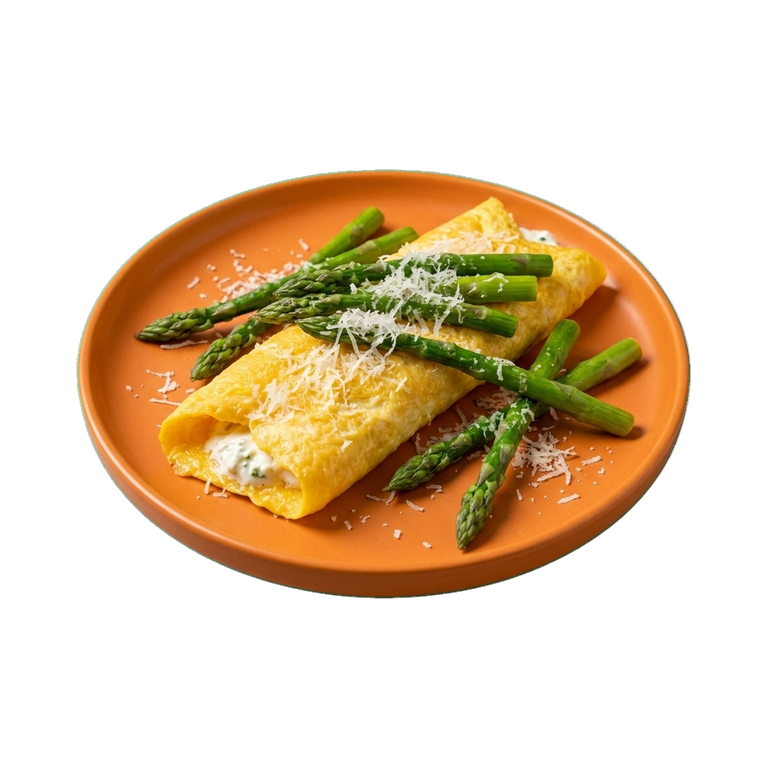
Usuba
Usuba
Stracciatella cheese
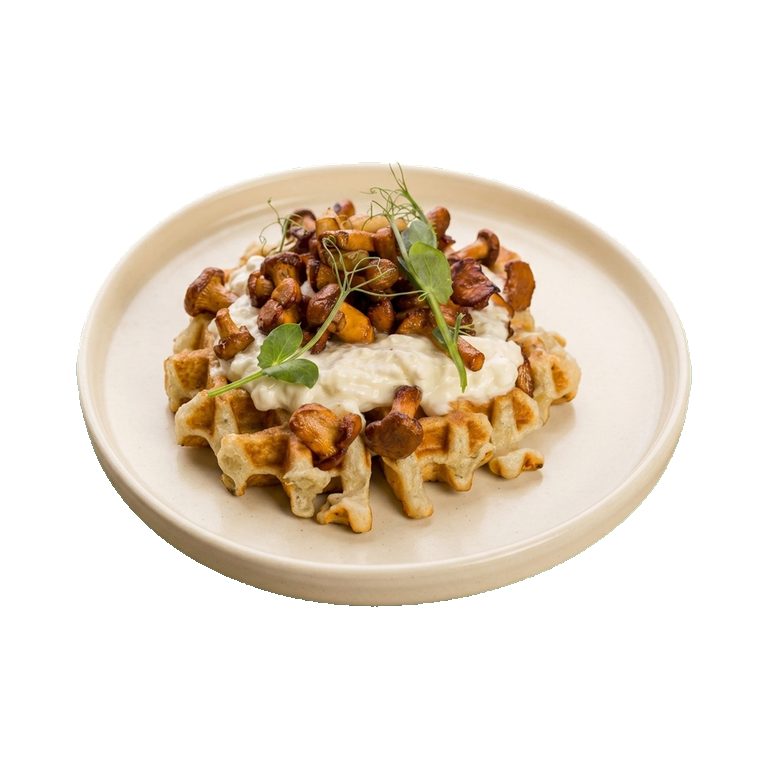
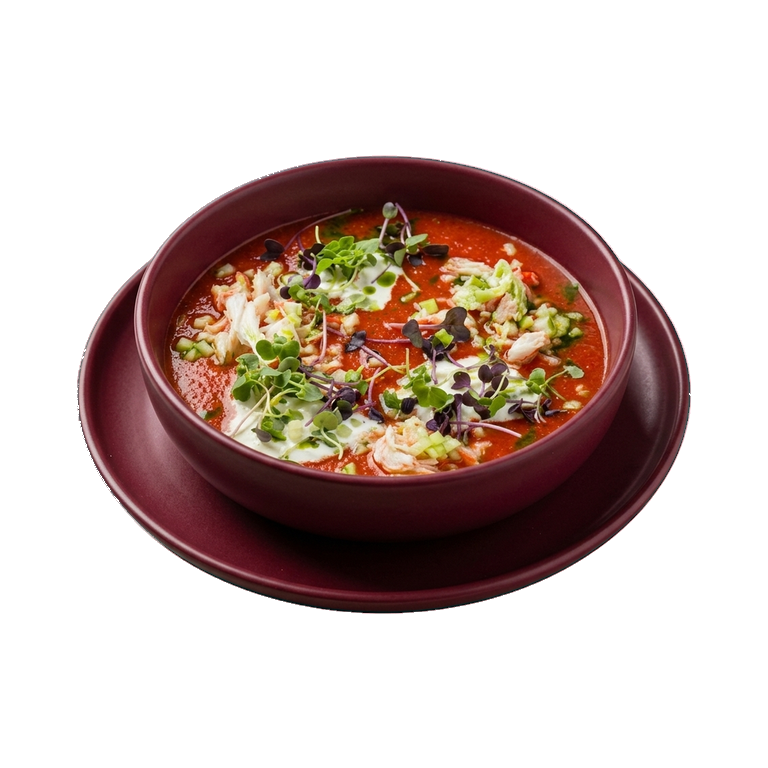
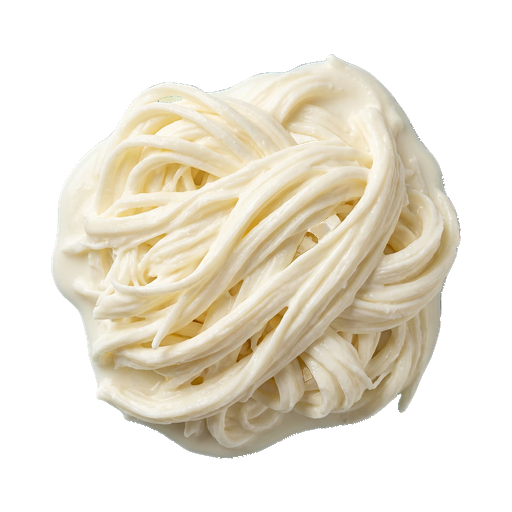
A soft Italian cheese with a delicate fibrous structure resembling thin ribbons. It has a creamy, delicate flavor with a slight tanginess and a milky aroma, melting well at room temperature. Used in salads, as an appetizer, in pastas and risottos, as well as a filling for panini — its fiberiness adds texture and creaminess to a dish without overpowering other flavors.
About
Stracciatella is a delicate cheese that resembles a cloud more than a conventional hard product. Its base is soft cream cheese, inside which are hidden thin fibers of cheese itself, cooked in hot whey. It is this texture — layered and fibrous — that gave it its name. When it melts on your tongue, this cheese leaves behind a creamy, slightly tangy flavor with barely noticeable dairy notes.
Aroma and Taste
Stracciatella smells of fresh milk and cream with a barely perceptible sourness. The taste is mild, not sharp, creamy, without any sharp or spicy notes. It is the perfect cheese for those who don't like strong cheese aromas. The texture when broken apart resembles thin threads or flakes — these are what create that special softness that makes this cheese so appealing.
Role in dishes
- In salads, stracciatella truly shines: its delicate fibers skillfully catch the dressing and create a contrast with crispy greens.
- On pasta, this cheese melts subtly, coating the noodles with a tender creamy layer without lumps or excessive density.
- In pizza, stracciatella is added at the very end or on top of the finished dish — this way it retains its delicate structure.
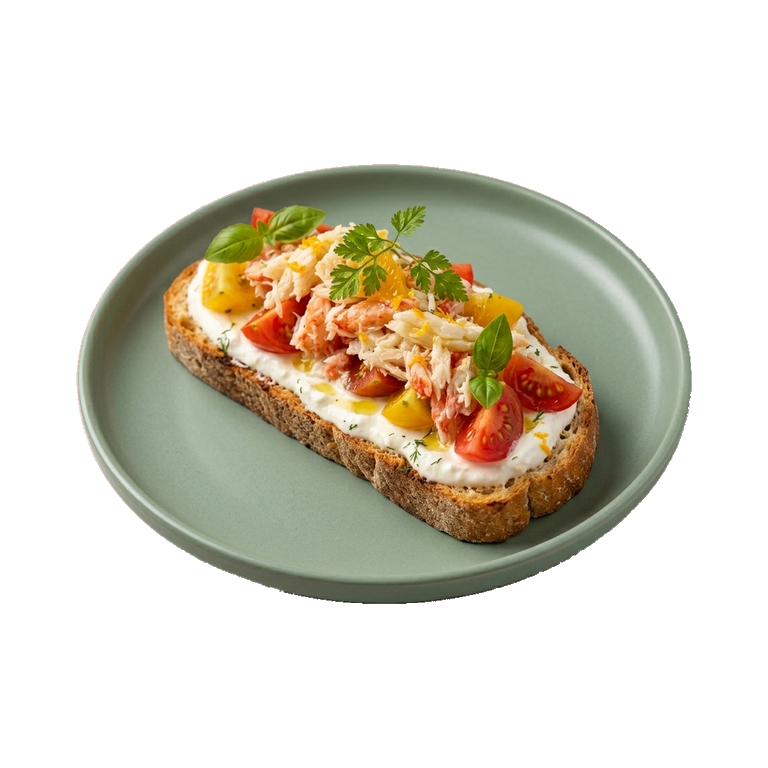
- On bread with tomatoes and herbs — a classic Italian move, when cheese becomes the star rather than a background.
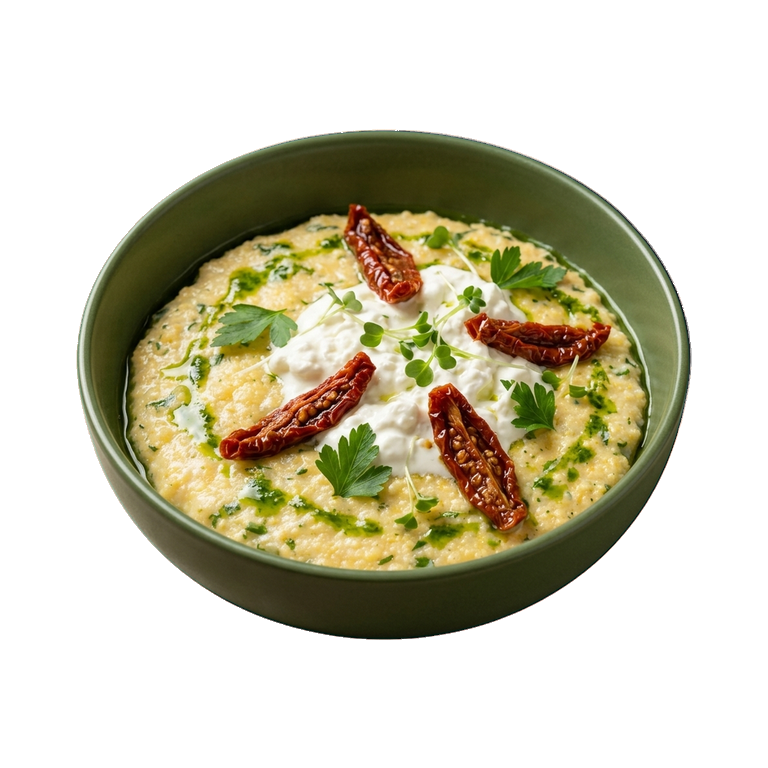
- In risotto or creamy sauces, it serves as a finishing touch, adding volume and softness without heaviness.
Successful Combinations
Stracciatella loves simplicity and freshness. Tomatoes, basil, olive oil, lemon, black pepper — with this set of ingredients, the cheese reveals itself fully. It works well with delicate herbs and vegetables. Bread, especially ciabatta or focaccia, becomes the perfect vehicle. When it comes to white wines, light and fresh varieties emphasize the creaminess of the cheese without overpowering its delicate flavor.
Selection and Storage
Look for stracciatella in the refrigerated section — it is usually sold in plastic containers in its own milk sauce. The cheese should be white, with visible fibers, without mold and unpleasant odor. If there is a lot of liquid in the package and the cheese has turned into mush, this is a sign of improper storage or expiration. Check the production date — the fresher, the better.
At home, stracciatella is stored in the refrigerator in its original packaging or in an airtight container with whey — this maintains its moisture and tenderness. The shelf life is usually 5–7 days. Freezing is not recommended: after thawing, the cheese will lose its airy structure and become dense and tasteless. Remove from the refrigerator 15–20 minutes before serving so the cheese warms up and reveals its full aroma.
Nutrition
per 100 g
- Calories
- 280 kcal
- Protein
- 26 g
- Fat
- 20 g
- Carbs
- 1 g
Measures and weight
- 1 tbsp
- 15.8 g
- 1 tsp
- 5.3 g
- 1 cup
- 262.5 g
Measure calculator
- Weight
- 100 g
- Calories
- 280 kcal