Usuba
Usuba
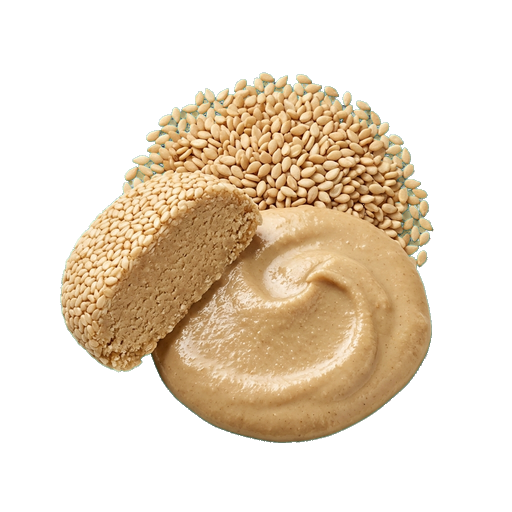
Tahini
Tahini is a paste made from ground sesame seeds with a nutty, slightly bitter flavor and oily consistency. It serves as the base for hummus, sauces, and dressings, and is added to baked goods and desserts. When choosing tahini, pay attention to the uniformity of the paste and the absence of separation — quality tahini blends well with liquid and doesn't require prolonged whisking.
About
Tahini is a paste made from ground sesame seeds that has become indispensable in Middle Eastern cuisines and is gradually gaining popularity worldwide. Unlike peanut butter, tahini has a more delicate, slightly nutty flavor with a barely noticeable bitterness. The texture can be either smooth and creamy or denser — this depends on the production method and the presence of oil on the surface.
Aroma and Taste
The taste of tahini depends on how the seeds are processed. Light paste made from unhulled sesame has a softer, more delicate flavor with slightly sweet notes. Dark paste made from roasted seeds is more expressive — it has notes of toast, depth, and a slight bitterness. The aroma is subtle, pleasant, nutty, but not overpowering. When you open a jar, you may encounter a layer of oil on top — this is natural and indicates the quality of the product.
Role in dishes
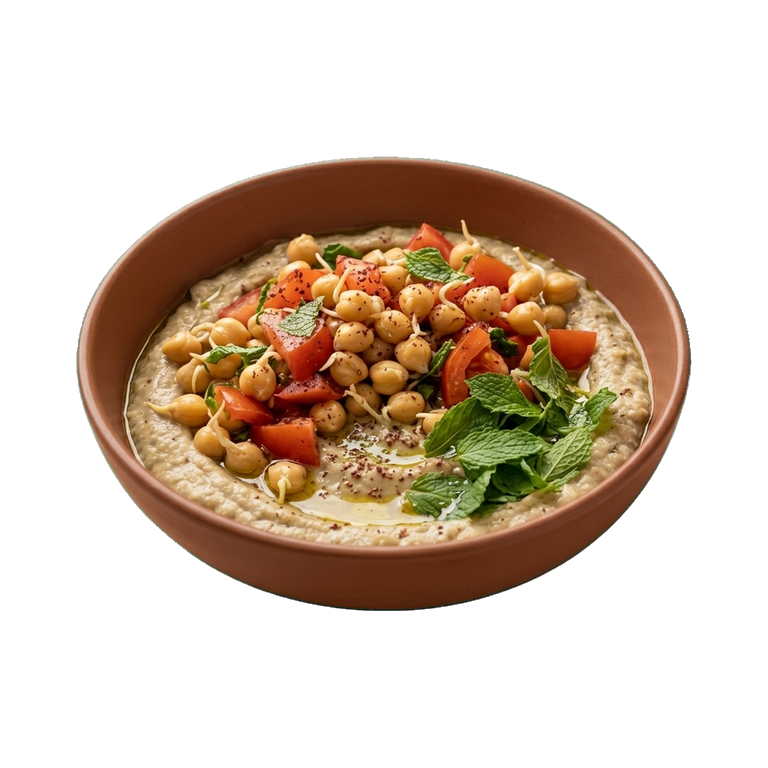
Tahini works in two roles: as a base for sauces and as an ingredient that adds creaminess and a nutty undertone. Classic hummus is impossible without tahini — it's what gives it its characteristic texture and flavor depth. But the paste is also useful in sweet dishes: it's added to cookies, halva, and cake creams. In salads, tahini serves as a binding base for dressings, helping oil components emulsify with acidity.
- Hummus and other chickpea pastes
- Oriental sauces for vegetables and meat
- Salad dressings with lemon and garlic
- Cookies, halva, candies
- Creams and fillings for baked goods
Combinations and Proportions
Tahini loves acidity — lemon juice or vinegar unlock its flavor and help thin out its dense consistency. Garlic, hot spices, and herbs — they all enhance the effect. For sauces, typically use one part tahini to two or three parts liquid (water, broth, or juice). If the paste is too thick, add water gradually while stirring carefully to avoid lumps. Tahini works well with tomatoes, cucumbers, root vegetables, and herbs.
Selection and Storage
When purchasing, check the ingredients: good tahini contains only sesame seeds and possibly salt. No additives or stabilizers. A layer of oil on the surface is not a defect, but a sign of authenticity. If the paste is too uniform and doesn't separate, it may contain emulsifiers. The color varies from light beige to brown depending on how the seeds are processed.
Store tahini best in a cool place, preferably in the refrigerator after opening. A tightly sealed jar keeps its freshness for several months. Before use, the oil needs to be stirred back into the paste — this is normal and requires no effort. If the paste has thickened from the cold, let it sit at room temperature for a while or add heat during sauce preparation.
Tahini is an ingredient worth having on hand. It's versatile, keeps well, and can transform a simple salad into a complete dish with an Eastern character. Start with classic hummus, and soon you'll find uses for it in dozens of other recipes.
Nutrition
per 100 g
- Calories
- 595 kcal
- Protein
- 17.3 g
- Fat
- 54.1 g
- Carbs
- 20.8 g
Measures and weight
- 1 tbsp
- 15.8 g
- 1 tsp
- 5.3 g
- 1 cup
- 262.5 g
Measure calculator
- Weight
- 100 g
- Calories
- 595 kcal