Usuba
Usuba
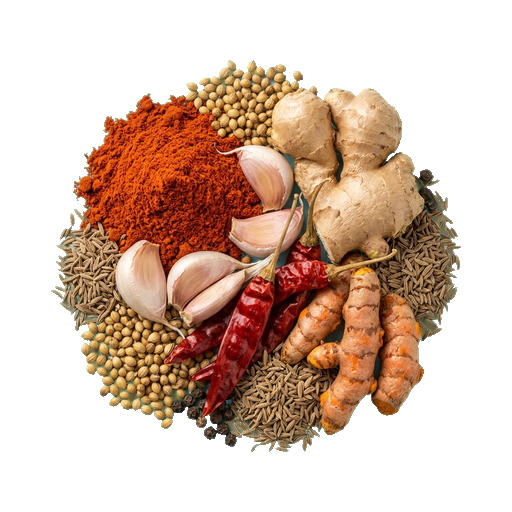
Tandoori spice blend
Tandoori is a spicy blend based on turmeric, coriander, cumin, and hot pepper, often with the addition of ginger and garlic. Its deep red-orange color and intense aroma make it perfect for marinating meat, poultry, and vegetables before baking in a tandoor or oven. When using the blend, keep in mind that it is quite spicy, so add it gradually, starting with a small amount, and you can dilute it with yogurt or butter for a milder marinade.
About
Tandoori is not just a spice, but an entire aromatic bouquet that transforms an ordinary dish into a festive one. The blend brings together fiery Indian spices: turmeric, coriander, cumin, paprika, and black pepper. When you open the jar, you are greeted with a warm, slightly smoky aroma with a subtle bitterness and earthy notes. This is exactly what you need to make a dish shine with new colors.
Aroma and Taste
Tandoori imparts a deep, rich flavor to dishes with spicy and slightly sharp notes. Turmeric adds a golden hue and warm bitterness, coriander brings sweet floral accents, and paprika contributes a mild smokiness. Black pepper provides a gentle heat that doesn't bite but builds softly. Together, these components create harmony that works equally well on proteins and vegetables.
Where tandoori reveals itself best
The classic application is marinades for chicken, fish, and meat before baking or frying. Tandoori works perfectly in yogurt-based sauces: mix it with yogurt, garlic, and lemon, and you'll get a marinade that will make the meat tender and aromatic. But don't limit yourself to just meat — this blend transforms roasted vegetables, adds depth to rice dishes, and enhances soups.
Combinations and Proportions
- With yogurt and butter — a base for meat marinades
- With lemon and garlic — for seafish and shrimp
- With tomatoes and onions — a base for sauces for grilled dishes
- With coconut milk — for creating creamy curries
- With honey — for glazing baked meat or vegetables
For a kilogram of meat, use one to two tablespoons of tandoori — this dosage will give a pronounced flavor without overdoing it. If preparing a sauce, start with half a teaspoon per serving and adjust to taste. The mixture opens up nicely when heated, so it is often added to hot oil before the main ingredients.
How to Choose and Store
Look for a blend with a bright reddish-orange hue — this is a sign of freshness and good quality turmeric in the composition. The aroma should be pronounced and pleasant, without any mustiness. Check the packaging date: the fresher it is, the more intense the flavor and aroma. Store tandoori in an airtight container in a dark, cool place — this way it will retain its properties for up to a year. Avoid moisture and direct sunlight.
Tandoori works like a magic wand: even a small amount transforms a simple dish into a restaurant-quality one. The main thing is not to be afraid to experiment and trust your taste.
Nutrition
per 100 g
- Calories
- 300 kcal
- Protein
- 12 g
- Fat
- 10 g
- Carbs
- 35 g
Measures and weight
- 1 tbsp
- 9 g
- 1 tsp
- 3 g
- 1 cup
- 150 g
Measure calculator
- Weight
- 100 g
- Calories
- 300 kcal